- LOGIN
- MemberShip
- 2026-09-13 01:09:45
- DPK "Innovation·eradicate rebates"…PPP "Vaccine safety·NIP expansion"
- by Lee, Jeong-Hwan | translator Hong, Ji Yeon | 2026-05-27 16:10:02
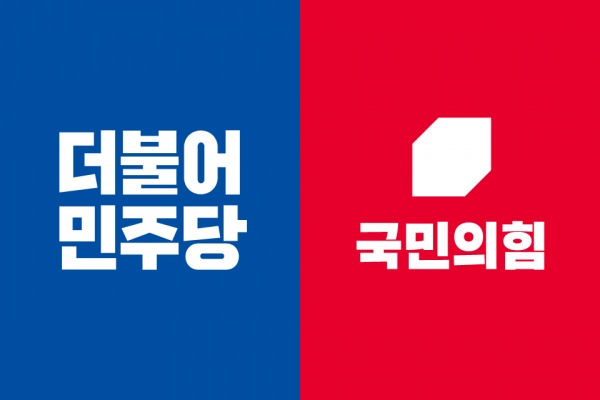
Ahead of the June 3 local elections, both the ruling and opposition parties have finalized their core healthcare pledges, focusing on fostering the pharma-biotech industry and driving healthcare innovation.
The Democratic Party of Korea (DPK) promised to restructure the domestic pharmaceutical industry, which remains centered on generics, by overhauling the drug pricing system with a strong emphasis on innovation and establishing a fair compensation framework for novel drug development.
The DPK also pledged to launch a multi-ministerial cooperation system linking the Ministry of Health and Welfare (MOHW) and the National Tax Service (NTS) to eliminate illegal pharmaceutical and medical device rebates at the source.
Granting special judicial police authorizations to the National Health Insurance Service (NHIS) to stop leakages in health insurance finances and dismantle fraudulent profit-making structures was also included in the DPK's official campaign pledges.
Meanwhile, the People Power Party (PPP) focused its pledges heavily on expanding vaccine infrastructure closely tied to health security. Leading the introduction of novel pneumococcal vaccines and high-immunogenicity influenza vaccines into the National Immunization Program (NIP) is a key area the PPP plans to champion following the local elections.
In the health insurance sector, the PPP made its stance clear on tightening post-hoc management and regulatory controls against illegal medical practices and distribution market distortions that cause leakages in national health insurance finances.
These analysis have been made based on the May 26thlocal election manifestos of both major political parties regarding the pharma-biotech and healthcare policies.
The DPK, Major transformation of the Pharma-Biotech industry...Implementing an official MOHW-NTS rebate eradication task force
The DPK placed the structural innovation of the domestic pharma-biotech industry at the forefront of its campaign. The party expressed a strong commitment to introducing an innovation-linked drug-pricing overhaul and a fair compensation framework to shift the domestic pharmaceutical ecosystem away from a generic-centric model toward innovative drugs.
Furthermore, the DPK promised to build a state-backed supply chain, including a national contract manufacturing framework for essential medicines such as pediatric drugs and antibiotics, as well as modernizing domestic manufacturing facilities for active pharmaceutical ingredients (APIs).
To prevent recurring drug shortages, the DPK’s vision is to establish a collaborative network between the government and pharmaceutical companies to ensure a stable supply of essential pediatric drugs, antibiotics, and vaccines, and to immediately allocate national budget resources to achieve self-sufficiency in APIs, which currently rely heavily on overseas imports.
The DPK also declared it would drive efforts to eliminate illegalities in the healthcare market and stop health insurance financial leakage by introducing an SJP system for the NHIS to eradicate illegal non-physician-owned hospitals and implementing periodic, concentrated crackdowns on drug and medical device rebates via MOHW-NTS cooperation.
Regarding rebates, the core of the DPK’s pledge is to go beyond one-off enforcement and establish a permanent system capable of executing periodic, intensive crackdowns across the entire illicit transaction architecture, including both rebate providers and intermediaries.
To reinforce regional, essential, and public healthcare, the DPK plans to redesign region-specific transfer and referral protocols linking emergency fire services and medical institutions on a city-and-province level, while expanding state compensation liabilities for no-fault medical accidents occurring during essential healthcare delivery.
The party also announced the creation of a Medical Accident Review Committee to mitigate upfront judicial risks for essential healthcare physicians, establishing a mutually beneficial safety net.
The PPP, Enhancing vaccine safety and expanding NIP...eradicating the causes of 'Emergency Room Hopping'
The PPP finalized its central healthcare pledges under the core value of welfare for the underprivileged, placing heavy emphasis on narrowing regional healthcare disparities and substantially improving the emergency medical network.
First, the PPP plans to strengthen public healthcare by establishing NHIS-directly operated regional insurer hospitals. This plan aims to ensure that vulnerable regions with weak medical infrastructure can successfully deliver essential medical services, including emergency care, trauma care, obstetric care, pediatric care, and infectious disease response.
The PPP also stated it would firmly establish a transfer and referral control tower centered around the Central Emergency Medical Center, and eradicate the core causes of "emergency room hopping" by overhauling clear hospital refusal criteria and transfer guidelines.
To ensure ambulances do not wander with patients on board, the party will refine hospital selection guidelines and clear parameters for hospital refusal. Concurrently, the party packaged protective measures for emergency medical staff and strategies to boost definitive care capacity (infrastructure for backup surgery and hospitalization) into its campaign promises.
The PPP will also drastically expand support for the National Immunization Program (NIP) to deliver tangible benefits to citizens.
To alleviate the medical expense burden on the elderly and underprivileged populations and to realize a health-security framework centered on disease prevention, the party will aggressively increase funding for vaccinations.
Specifically, a free shingles vaccination program will be introduced. The NIP support for the shingles vaccine, which resonates most deeply among middle-aged and elderly demographics, will be expanded to include all individuals aged 65 and older.
The PPP also pledged to upgrade the vaccine lineup. By introducing novel pneumococcal vaccines and high-immunogenicity influenza vaccines into the NIP, the PPP aims to prevent severe respiratory diseases among senior citizens.
-

- 0
댓글 운영방식은
댓글은 실명게재와 익명게재 방식이 있으며, 실명은 이름과 아이디가 노출됩니다. 익명은 필명으로 등록 가능하며, 대댓글은 익명으로 등록 가능합니다.
댓글 노출방식은
댓글 명예자문위원(팜-코니언-필기모양 아이콘)으로 위촉된 데일리팜 회원의 댓글은 ‘게시판형 보기’와 ’펼쳐보기형’ 리스트에서 항상 최상단에 노출됩니다. 새로운 댓글을 올리는 일반회원은 ‘게시판형’과 ‘펼쳐보기형’ 모두 팜코니언 회원이 쓴 댓글의 하단에 실시간 노출됩니다.
댓글의 삭제 기준은
다음의 경우 사전 통보없이 삭제하고 아이디 이용정지 또는 영구 가입제한이 될 수도 있습니다.
-
저작권·인격권 등 타인의 권리를 침해하는 경우
상용 프로그램의 등록과 게재, 배포를 안내하는 게시물
타인 또는 제3자의 저작권 및 기타 권리를 침해한 내용을 담은 게시물
-
근거 없는 비방·명예를 훼손하는 게시물
특정 이용자 및 개인에 대한 인신 공격적인 내용의 글 및 직접적인 욕설이 사용된 경우
특정 지역 및 종교간의 감정대립을 조장하는 내용
사실 확인이 안된 소문을 유포 시키는 경우
욕설과 비어, 속어를 담은 내용
정당법 및 공직선거법, 관계 법령에 저촉되는 경우(선관위 요청 시 즉시 삭제)
특정 지역이나 단체를 비하하는 경우
특정인의 명예를 훼손하여 해당인이 삭제를 요청하는 경우
특정인의 개인정보(주민등록번호, 전화, 상세주소 등)를 무단으로 게시하는 경우
타인의 ID 혹은 닉네임을 도용하는 경우
-
게시판 특성상 제한되는 내용
서비스 주제와 맞지 않는 내용의 글을 게재한 경우
동일 내용의 연속 게재 및 여러 기사에 중복 게재한 경우
부분적으로 변경하여 반복 게재하는 경우도 포함
제목과 관련 없는 내용의 게시물, 제목과 본문이 무관한 경우
돈벌기 및 직·간접 상업적 목적의 내용이 포함된 게시물
게시물 읽기 유도 등을 위해 내용과 무관한 제목을 사용한 경우
-
수사기관 등의 공식적인 요청이 있는 경우
-
기타사항
각 서비스의 필요성에 따라 미리 공지한 경우
기타 법률에 저촉되는 정보 게재를 목적으로 할 경우
기타 원만한 운영을 위해 운영자가 필요하다고 판단되는 내용
-
사실 관계 확인 후 삭제
저작권자로부터 허락받지 않은 내용을 무단 게재, 복제, 배포하는 경우
타인의 초상권을 침해하거나 개인정보를 유출하는 경우
당사에 제공한 이용자의 정보가 허위인 경우 (타인의 ID, 비밀번호 도용 등)
※이상의 내용중 일부 사항에 적용될 경우 이용약관 및 관련 법률에 의해 제재를 받으실 수도 있으며, 민·형사상 처벌을 받을 수도 있습니다.
※위에 명시되지 않은 내용이더라도 불법적인 내용으로 판단되거나 데일리팜 서비스에 바람직하지 않다고 판단되는 경우는 선 조치 이후 본 관리 기준을 수정 공시하겠습니다.
※기타 문의 사항은 데일리팜 운영자에게 연락주십시오. 메일 주소는 dailypharm@dailypharm.com입니다.