- LOGIN
- MemberShip
- 2026-09-17 19:36:55
- "CHE, limitations of steroids…attention is now focused on 'Anzupgo'"
- by Son, Hyung Min | translator Hong, Ji Yeon | 2026-06-26 09:45:36
In the treatment of chronic hand eczema (CHE), treatment strategies are shifting toward to match individual patient conditions, moving away from the repeated topical corticosteroid (TCS) use.
With the introduction of LEO Pharma's 'Anzupgo (delgocitinib),' a non-steroidal topical pan-Janus kinase (JAK) inhibitor, clinical experts evaluate that a viable therapeutic option for use before advancing to systemic therapy is now available.
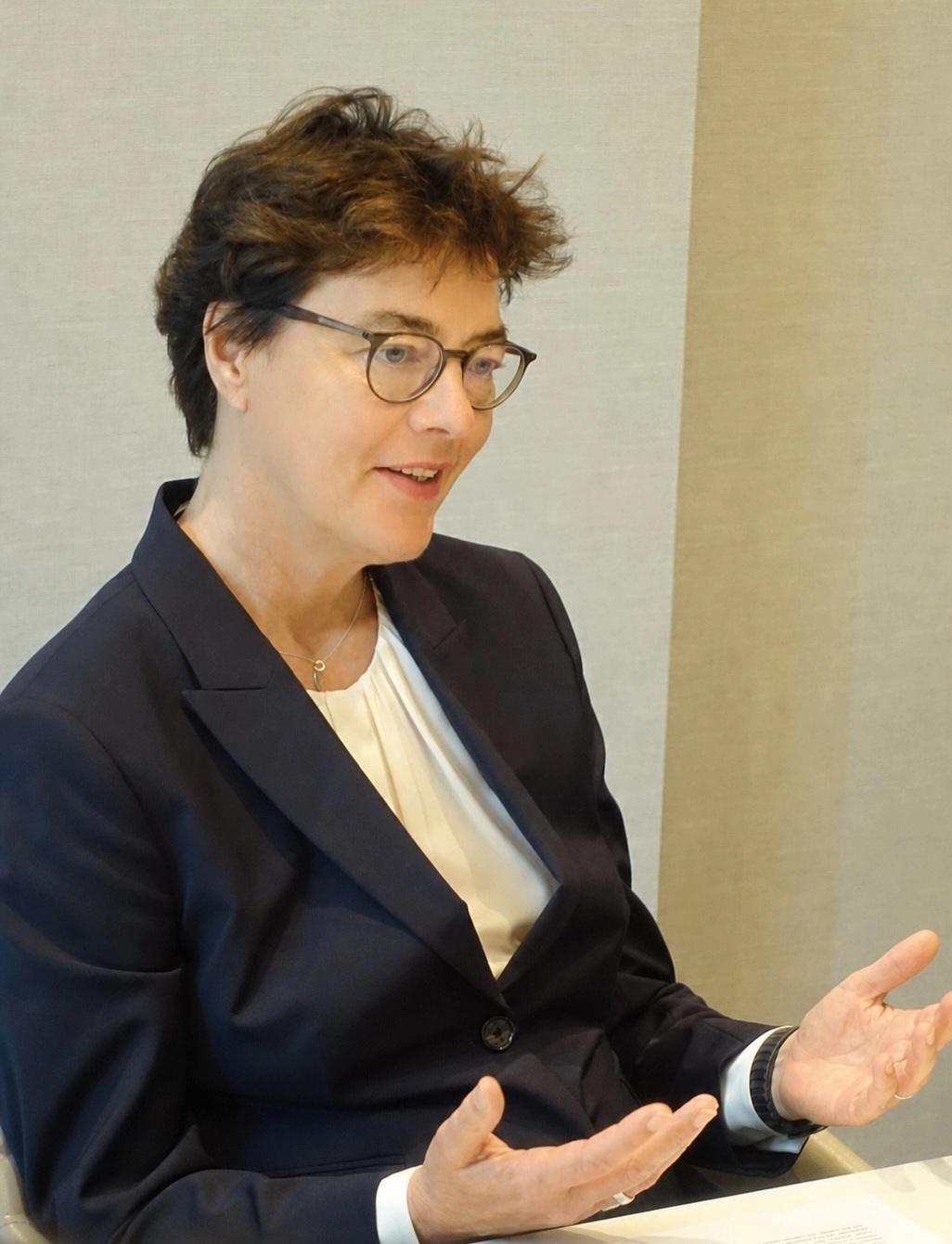
During a meeting with DailyPharm, Professor Margitta Worm emphasized the critical importance of "timely intervention" in treating chronic hand eczema.
Professor Worm explained that rather than cycling through ineffective topical corticosteroid treatments, shifting the therapeutic strategy at the right clinical window based on the patient's disease severity is essential to mitigating long-term disease progression and functional decline.
Chronic hand eczema (CHE) is a chronic inflammatory skin condition characterized by itching and pain. It causes a heavy socioeconomic burden, including absenteeism, reduced productivity, impaired hand function, occupational limitations, and diminished quality of life (QoL).
Because the hands are the most actively utilized body parts in both daily routines and professional activities, persistent symptoms disrupt work performance, interpersonal relationships, and general daily living. The disease burden is particularly pronounced among professions that require repetitive hand use, such as healthcare professionals, hairdressers, chefs, and manufacturing workers, often making career retention difficult.
In real-world clinical practice, we often see identical TCS regimens repeated or to delay transitions to systemic therapy, even for patients who fail to respond adequately to initial topical corticosteroids. This therapeutic delays is cited as a major driver of chronic disease persistence and relapses. Consequently, "timely treatment," modifying the therapeutic strategy at the optimal juncture, is emerging as a new core management principle.
The topical JAK inhibitor Anzupgo is leading the shift in the therapeutic landscape. Anzupgo cream was developed for use across various clinical subtypes of chronic hand eczema by targeting the JAK-STAT signaling pathway to modulate multiple inflammatory cytokines, rather than suppressing a single pathway.
In the global Phase 3 DELTA 1 and DELTA 2 clinical trials, one in two patients achieved a 75% or greater improvement in symptoms (HECSI-75) after 16 weeks of treatment. The long-term efficacy and safety profiles were further validated in the DELTA 3 open-label extension study, which followed patients for up to 52 weeks.
Furthermore, the investigator-initiated trial (IIT) known as the 'Del-Bi study' demonstrated upregulation of key structural proteins responsible for maintaining the skin barrier. This has drawn significant industry attention to the drug's potential for restoring the skin barrier beyond simple symptomatic relief.
Professor Worm emphasized, "A substantial number of chronic hand eczema patients miss the optimal therapeutic window by repeatedly relying on topical corticosteroids when they actually require stepped-up therapy. If initial efficacy is inadequate, clinicians should pivot the therapeutic strategy promptly rather than waiting, thereby preventing long-term disease exacerbation and deterioration of the patient's quality of life."
Q.Delayed treatment remain the primary issue in chronic hand eczema management.
Delayed diagnosis and treatment are currently recognized as critical clinical challenges in CHE. A Danish cohort study involving approximately 4,000 patients found that a significant proportion of patients with chronic hand eczema experience prolonged delays before initiating systemic therapy.
Notably, approximately 44% of the total patients required more than 8 years to reach their first systemic treatment line. While clinical timelines vary by patient severity, these findings suggest that at least 50% of moderate-to-severe CHE patients are essentially candidates for immediate transition to stepped-up therapy.
During these periods of delayed treatment, patients typically undergo multiple cycles of repeated topical corticosteroid (TCS) applications. While TCS remains the foundational first-line therapy for chronic hand eczema, there is a distinct clinical tendency to cycle through identical or similar TCS regimens repeatedly without transitioning to higher-tier therapies at the appropriate time aligned with disease severity.
Q. Given the disease burden of CHE, what is the clinical significance of having this new therapeutic option available?
Chronic hand eczema severely impacts a patient's life. It not only disturbs individual daily routines but also compromises overall workplace operational capabilities, while severe pain and pruritus significantly degrade health-related quality of life (HRQoL).
If adequate therapy is not initiated promptly, the condition inevitably worsens over time. Crucially, the affected patient group is not confined to the elderly but includes a significant proportion of the young and working-age population. In these cases, the negative impact reverberates across individual labor capacity, career longevity, and the broader macroeconomic landscape, translating into a societal economic burden driven by absenteeism and lost productivity.
Chronic hand eczema absolutely demands appropriate therapeutic intervention, and fortunately, dedicated treatments are now available. With the advent of novel therapeutics driven by innovative R&D, it is vital to actively leverage these safer, more effective clinical options for patients.
Existing topical corticosteroids carry risks of adverse events that can paradoxically worsen the patient's skin condition over the long term, particularly by further degrading the critical skin barrier function. In this regard, a novel alternative was a highly anticipated clinical unmet need.
Q. What changes have been brought to the CHE treatment landscape since the introduction of Anzupgo cream?
The emergence of a novel topical agent capable of controlling the disease while reducing dependence on topical corticosteroids (TCS) represents a significant paradigm shift in the treatment landscape of chronic hand eczema.
Previously, the standard clinical pathway was to transition directly to systemic therapies if symptoms remained uncontrolled despite TCS use. Now, clinicians have an additional, highly effective topical option to use before that escalation step. Consequently, this provides a new clinical window to pursue a safer, more effective treatment before deploying systemic regimens, thereby curbing the overreliance on topical corticosteroids.
Q. What are the reasons for Anzupgo cream to be applicable across diverse clinical subtypes, and what are its key clinical advantages?
A clinical strength of this agent is its excellent local tolerability. Both in clinical trials and real-world experience, adverse events related to local skin irritation were rarely reported, demonstrating a highly favorable local tolerability profile. This encourages high patient compliance and supports long-term adherence without treatment resistance or aversion.
Another critical differentiator is its rapid onset of action and sustained long-term efficacy. Pruritus, a hallmark symptom that severely compromises patient quality of life, demonstrates marked improvement as early as Day 1 of application. Statistically significant reductions in pain are also observed within days of initiation, specifically by Day 3 in clinical trials.
Clinical data show that this rapid initial efficacy and disease control are overall sustained in long-term studies extending up to 1 year (approximately 52 weeks). This swift symptomatic relief, combined with durable efficacy, directly drives high patient satisfaction and encourages treatment persistence.
While some patients respond well and experience delayed recurrence even after temporary discontinuation, others experience a relatively rapid return of symptoms post-cessation. For the latter group who experience swift recurrence, long-term maintenance therapy can be evaluated based on the 52-week long-term safety and efficacy data established in the DELTA 3 study.
Q. Could you elaborate on the background, key findings, and clinical implications of the 'Del-Bi study,' an investigator-initiated trial (IIT)?
The Del-Bi study was specifically designed to evaluate whether Anzupgo cream triggers downstream physiological changes within the skin barrier beyond superficial symptom suppression. The trial enrolled active, working-age patients with chronic hand eczema, with a mean age of approximately 43.
Following a 12-week treatment regimen, skin tissue biopsies revealed a statistically significant upregulation of key structural proteins essential for maintaining the skin barrier compared with baseline. These findings suggest that Anzupgo cream goes beyond simply resolving visible lesions; it actively contributes to the structural repair and restoration of the damaged skin barrier. This can potentially mitigate the penetration of external irritants and lower the risk of subsequent inflammatory flares, providing meaningful clinical evidence for stable, long-term disease management.
Q. What are the key advantages of Anzupgo cream that clinicians can anticipate in real-world practice?
Even with topical formulations, there are often clinical apprehensions regarding systemic drug absorption leading to systemic exposure issues. However, even in the 52-week long-term extension study, Anzupgo cream did not exhibit clinically significant or elevated systemic concentrations in blood samples.
Consequently, there is no need for routine blood monitoring or laboratory testing, which is a significant advantage for both patients and healthcare providers. From a patient convenience standpoint, this agent alleviates the burden of unnecessary diagnostic testing, while also positively impacting healthcare economics by reducing ancillary medical expenditures.
Furthermore, in terms of clinical efficacy, Anzupgo cream demonstrated consistent therapeutic outcomes across the various chronic hand eczema subtypes. This uniform efficacy represents a major practical advantage in real-world settings, allowing clinicians to use the treatment broadly without having to strictly categorize patients into rigid clinical subgroups. Overall, the successful development and availability of such an innovative therapeutic agent is highly encouraging,
-

- 0
댓글 운영방식은
댓글은 실명게재와 익명게재 방식이 있으며, 실명은 이름과 아이디가 노출됩니다. 익명은 필명으로 등록 가능하며, 대댓글은 익명으로 등록 가능합니다.
댓글 노출방식은
댓글 명예자문위원(팜-코니언-필기모양 아이콘)으로 위촉된 데일리팜 회원의 댓글은 ‘게시판형 보기’와 ’펼쳐보기형’ 리스트에서 항상 최상단에 노출됩니다. 새로운 댓글을 올리는 일반회원은 ‘게시판형’과 ‘펼쳐보기형’ 모두 팜코니언 회원이 쓴 댓글의 하단에 실시간 노출됩니다.
댓글의 삭제 기준은
다음의 경우 사전 통보없이 삭제하고 아이디 이용정지 또는 영구 가입제한이 될 수도 있습니다.
-
저작권·인격권 등 타인의 권리를 침해하는 경우
상용 프로그램의 등록과 게재, 배포를 안내하는 게시물
타인 또는 제3자의 저작권 및 기타 권리를 침해한 내용을 담은 게시물
-
근거 없는 비방·명예를 훼손하는 게시물
특정 이용자 및 개인에 대한 인신 공격적인 내용의 글 및 직접적인 욕설이 사용된 경우
특정 지역 및 종교간의 감정대립을 조장하는 내용
사실 확인이 안된 소문을 유포 시키는 경우
욕설과 비어, 속어를 담은 내용
정당법 및 공직선거법, 관계 법령에 저촉되는 경우(선관위 요청 시 즉시 삭제)
특정 지역이나 단체를 비하하는 경우
특정인의 명예를 훼손하여 해당인이 삭제를 요청하는 경우
특정인의 개인정보(주민등록번호, 전화, 상세주소 등)를 무단으로 게시하는 경우
타인의 ID 혹은 닉네임을 도용하는 경우
-
게시판 특성상 제한되는 내용
서비스 주제와 맞지 않는 내용의 글을 게재한 경우
동일 내용의 연속 게재 및 여러 기사에 중복 게재한 경우
부분적으로 변경하여 반복 게재하는 경우도 포함
제목과 관련 없는 내용의 게시물, 제목과 본문이 무관한 경우
돈벌기 및 직·간접 상업적 목적의 내용이 포함된 게시물
게시물 읽기 유도 등을 위해 내용과 무관한 제목을 사용한 경우
-
수사기관 등의 공식적인 요청이 있는 경우
-
기타사항
각 서비스의 필요성에 따라 미리 공지한 경우
기타 법률에 저촉되는 정보 게재를 목적으로 할 경우
기타 원만한 운영을 위해 운영자가 필요하다고 판단되는 내용
-
사실 관계 확인 후 삭제
저작권자로부터 허락받지 않은 내용을 무단 게재, 복제, 배포하는 경우
타인의 초상권을 침해하거나 개인정보를 유출하는 경우
당사에 제공한 이용자의 정보가 허위인 경우 (타인의 ID, 비밀번호 도용 등)
※이상의 내용중 일부 사항에 적용될 경우 이용약관 및 관련 법률에 의해 제재를 받으실 수도 있으며, 민·형사상 처벌을 받을 수도 있습니다.
※위에 명시되지 않은 내용이더라도 불법적인 내용으로 판단되거나 데일리팜 서비스에 바람직하지 않다고 판단되는 경우는 선 조치 이후 본 관리 기준을 수정 공시하겠습니다.
※기타 문의 사항은 데일리팜 운영자에게 연락주십시오. 메일 주소는 dailypharm@dailypharm.com입니다.


-
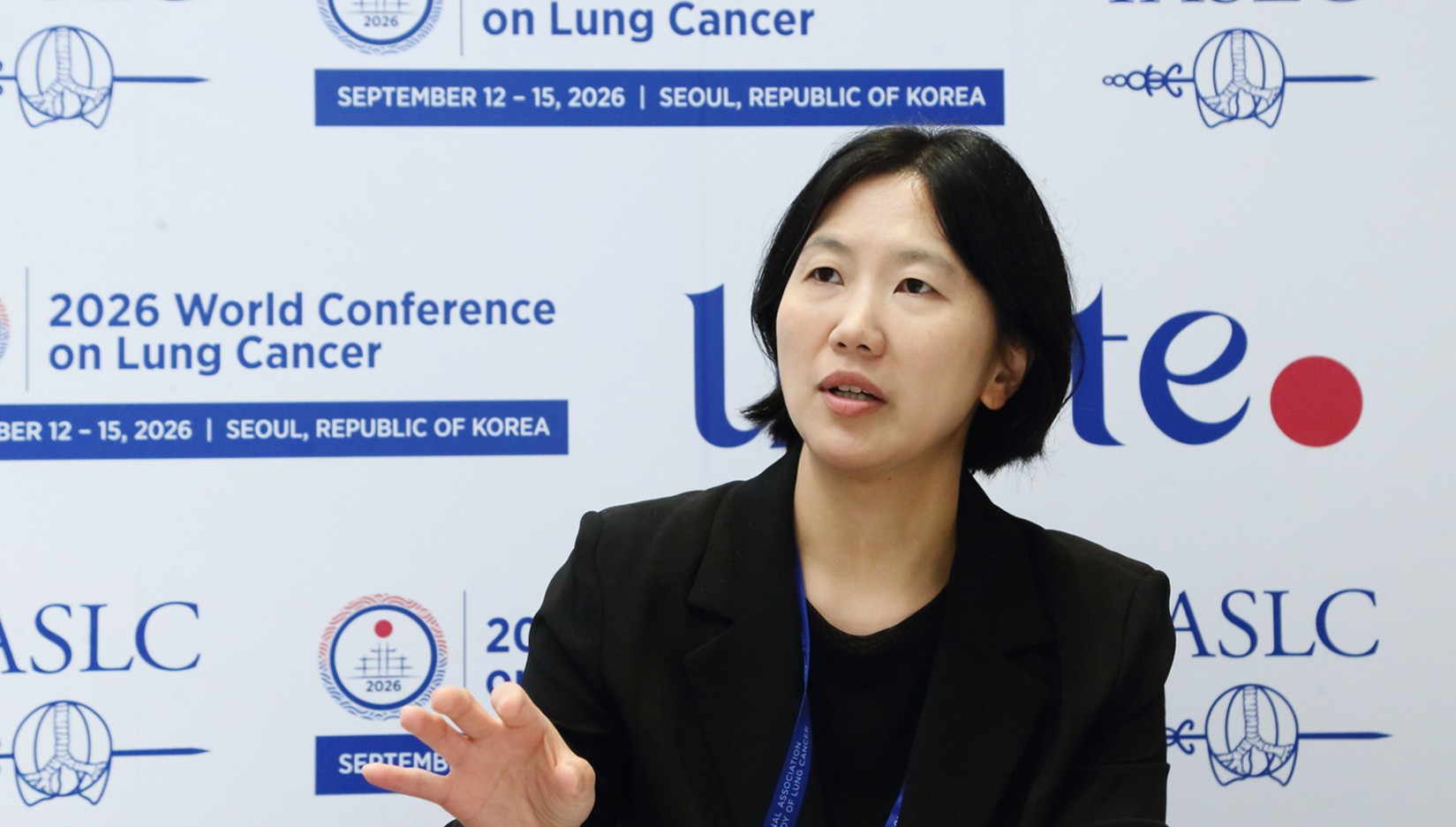
- "Leclaza, the best first-line option…expanded reimb will increase accessibility"
- PALOMA-2 recorded an objective response rate (ORR) of 90 and the 3-year overall survival (OS) rate of 70%…mOS has not yet been reached