- LOGIN
- MemberShip
- 2026-09-23 11:09:33
- GLP-1 vision loss debate resurfaces as lawsuits mount
- by Son, Hyung Min | translator Alice Kang | 2026-09-22 08:56:47
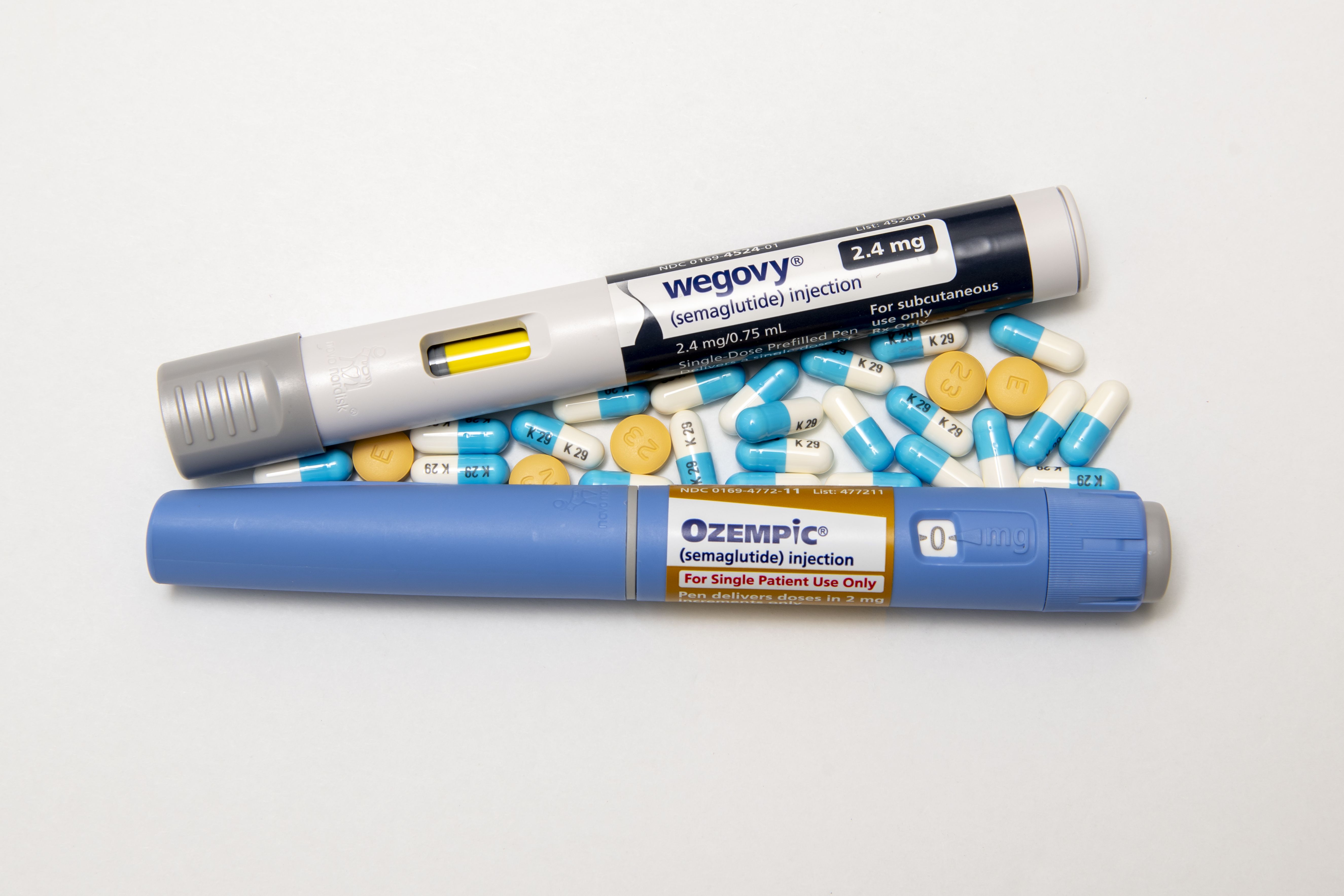
Concerns over optic neuropathy associated with GLP-1 therapies are resurfacing in the US.
Patients who developed non-arteritic anterior ischemic optic neuropathy (NAION) after using GLP-1 therapies, including Wegovy (semaglutide) and the diabetes treatment Ozempic, which contains the same active ingredient, have filed lawsuits alleging that the drugs caused their condition and subsequent vision loss.
Evidence on the association between semaglutide and NAION, however, remains conflicting. The European Medicines Agency (EMA) last year classified NAION as a “very rare adverse effect” of semaglutide, while a retrospective cohort study involving more than 1.2 million patients found no increased risk.
The US Food and Drug Administration (FDA) is also investigating a potential association, bringing renewed attention to the ocular safety of GLP-1 therapies.
Vision loss alleged after GLP-1 treatment
According to industry sources on the 21st, US patients who used GLP-1 therapies have filed lawsuits against Novo Nordisk and Eli Lilly, alleging that they developed NAION and suffered vision loss after treatment.
NAION occurs when blood flow to the optic nerve is suddenly reduced, resulting in damage to the nerve. It can cause sudden visual field defects or loss of vision, and the resulting impairment may not fully recover.
However, the drugs involved in the lawsuits cannot be interpreted as carrying the same level of evidence regarding this potential safety risk.
The FDA is investigating a potential association between GLP-1 therapies and NAION. To date, semaglutide is the only active ingredient for which a regulatory authority has formally recognized NAION as an adverse effect. Wegovy and Ozempic contain semaglutide, whereas Zepbound contains tirzepatide and differs in its mechanism of action.
Novo Nordisk and Lilly maintain that a causal relationship between their therapies and NAION has not been established. They note that differences in study populations, comparator groups and follow-up methods may contribute to the varying findings across studies.
EMA recognizes adverse effect…review also underway in Korea
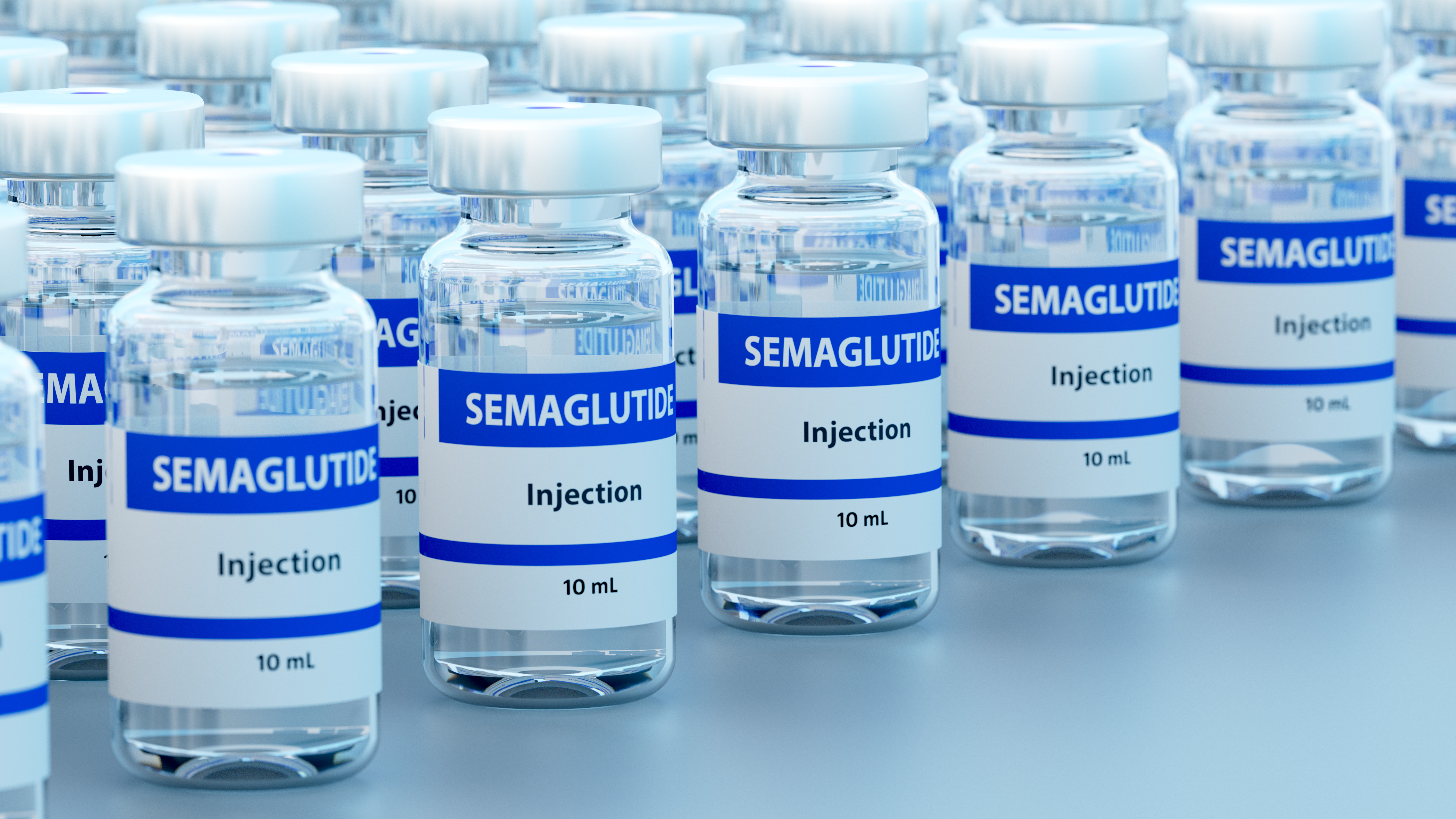
The potential association between semaglutide and NAION began drawing significant safety attention in 2024.
Following observational studies reporting a higher incidence of NAION among semaglutide users, regulatory authorities began reviewing the available evidence.
After reviewing nonclinical and clinical data, post-marketing safety reports and epidemiological studies in June last year, the EMA’s Pharmacovigilance Risk Assessment Committee (PRAC) concluded that the evidence was sufficient to support a causal association between semaglutide and NAION.
The committee subsequently recommended adding NAION as an adverse reaction to the product information for semaglutide-containing medicines, including Wegovy, Ozempic and Rybelsus.
The frequency was classified as very rare, affecting up to 1 in 10,000 people. Some large epidemiological studies reviewed by the EMA found that adults with type 2 diabetes exposed to semaglutide had approximately twice the risk of developing NAION compared with those not exposed to the drug.
In absolute terms, this corresponded to approximately one additional case of NAION per 10,000 patients treated with semaglutide for 1 year. Clinical trial data also showed a slight increase in incidence compared with placebo.
The EMA recommended that patients promptly contact a healthcare professional if they experience sudden loss of vision or rapidly worsening eyesight while receiving semaglutide and that treatment be discontinued if NAION is confirmed.
Related safety measures are also under review in Korea.
The Ministry of Food and Drug Safety said last month that it is monitoring domestic and international adverse-event reports and considering whether to add information on NAION to the labeling of semaglutide products.
No increased risk in 1.21 million patients…evidence remains mixed
However, large-scale evidence that does not support an association between semaglutide and NAION also exists.
A retrospective cohort study published last year in the international journal Military Medicine found no increased risk of NAION associated with semaglutide use.
The study analyzed 1,212,775 adults treated within the US Military Health System between December 2017 and September 2023.
The cohort included approximately 970,000 patients with type 2 diabetes and 240,000 patients with overweight or obesity, with 2,447 cases of NAION identified overall.
After adjustment for comorbidities, patients with type 2 diabetes who were prescribed semaglutide had a 64% lower risk of developing NAION than those treated with non-GLP-1 medications.
No statistically significant association between semaglutide use and NAION was identified among overweight or obese patients. Based on these findings, the researchers concluded that concerns over NAION alone did not warrant ruling out semaglutide as a treatment option.
The findings contrast with earlier observational studies that reported an increased risk.
Determining causality is further complicated by the fact that NAION itself is associated with conditions common among patients treated with semaglutide, including diabetes, obesity, hypertension and sleep apnea.
As a result, findings from observational studies may depend in part on how effectively the impact of semaglutide exposure can be separated from patients’ underlying risk factors.
Gap between regulatory assessment and clinical evidence…attention rises on FDA review
Taken together, the available evidence has generated a regulatory safety signal for a potential association between semaglutide and NAION, but studies continue to differ on the magnitude of the risk.
The EMA has formally classified NAION as an adverse effect of semaglutide after reviewing multiple sources of evidence. At the same time, data showing no increased risk, including the study of more than 1.2 million patients, continue to accumulate.
In the US in particular, the regulatory assessment remains ongoing.
The FDA is reviewing a potential association between NAION and GLP-1 therapies, including semaglutide, but has not yet required a specific NAION warning comparable to that adopted in Europe.
With related lawsuits now mounting in the US, attention is expected to focus on the FDA’s safety assessment and whether it ultimately requires changes to product labeling.
Given the low absolute incidence of NAION and the inconsistent findings across studies, however, the available evidence does not support treating the risk of optic neuropathy as uniform across the entire GLP-1 class.
An industry official said, “NAION occurs very rarely, so it would be difficult to draw definitive conclusions about the safety of semaglutide from any single study or, conversely, to recommend across-the-board discontinuation of treatment. Given the conflicting findings to date, treatment decisions should take into account each patient’s individual risk factors, including diabetes, hypertension and sleep apnea.”
-

- 0
댓글 운영방식은
댓글은 실명게재와 익명게재 방식이 있으며, 실명은 이름과 아이디가 노출됩니다. 익명은 필명으로 등록 가능하며, 대댓글은 익명으로 등록 가능합니다.
댓글 노출방식은
댓글 명예자문위원(팜-코니언-필기모양 아이콘)으로 위촉된 데일리팜 회원의 댓글은 ‘게시판형 보기’와 ’펼쳐보기형’ 리스트에서 항상 최상단에 노출됩니다. 새로운 댓글을 올리는 일반회원은 ‘게시판형’과 ‘펼쳐보기형’ 모두 팜코니언 회원이 쓴 댓글의 하단에 실시간 노출됩니다.
댓글의 삭제 기준은
다음의 경우 사전 통보없이 삭제하고 아이디 이용정지 또는 영구 가입제한이 될 수도 있습니다.
-
저작권·인격권 등 타인의 권리를 침해하는 경우
상용 프로그램의 등록과 게재, 배포를 안내하는 게시물
타인 또는 제3자의 저작권 및 기타 권리를 침해한 내용을 담은 게시물
-
근거 없는 비방·명예를 훼손하는 게시물
특정 이용자 및 개인에 대한 인신 공격적인 내용의 글 및 직접적인 욕설이 사용된 경우
특정 지역 및 종교간의 감정대립을 조장하는 내용
사실 확인이 안된 소문을 유포 시키는 경우
욕설과 비어, 속어를 담은 내용
정당법 및 공직선거법, 관계 법령에 저촉되는 경우(선관위 요청 시 즉시 삭제)
특정 지역이나 단체를 비하하는 경우
특정인의 명예를 훼손하여 해당인이 삭제를 요청하는 경우
특정인의 개인정보(주민등록번호, 전화, 상세주소 등)를 무단으로 게시하는 경우
타인의 ID 혹은 닉네임을 도용하는 경우
-
게시판 특성상 제한되는 내용
서비스 주제와 맞지 않는 내용의 글을 게재한 경우
동일 내용의 연속 게재 및 여러 기사에 중복 게재한 경우
부분적으로 변경하여 반복 게재하는 경우도 포함
제목과 관련 없는 내용의 게시물, 제목과 본문이 무관한 경우
돈벌기 및 직·간접 상업적 목적의 내용이 포함된 게시물
게시물 읽기 유도 등을 위해 내용과 무관한 제목을 사용한 경우
-
수사기관 등의 공식적인 요청이 있는 경우
-
기타사항
각 서비스의 필요성에 따라 미리 공지한 경우
기타 법률에 저촉되는 정보 게재를 목적으로 할 경우
기타 원만한 운영을 위해 운영자가 필요하다고 판단되는 내용
-
사실 관계 확인 후 삭제
저작권자로부터 허락받지 않은 내용을 무단 게재, 복제, 배포하는 경우
타인의 초상권을 침해하거나 개인정보를 유출하는 경우
당사에 제공한 이용자의 정보가 허위인 경우 (타인의 ID, 비밀번호 도용 등)
※이상의 내용중 일부 사항에 적용될 경우 이용약관 및 관련 법률에 의해 제재를 받으실 수도 있으며, 민·형사상 처벌을 받을 수도 있습니다.
※위에 명시되지 않은 내용이더라도 불법적인 내용으로 판단되거나 데일리팜 서비스에 바람직하지 않다고 판단되는 경우는 선 조치 이후 본 관리 기준을 수정 공시하겠습니다.
※기타 문의 사항은 데일리팜 운영자에게 연락주십시오. 메일 주소는 dailypharm@dailypharm.com입니다.