- LOGIN
- MemberShip
- 2026-09-22 14:20:59
- "Wegovy, health benefits outweigh concerns about muscle loss"
- by Son, Hyung Min | translator Hong, Ji Yeon | 2026-09-22 08:56:58
A professional opinion suggests that there is no need to be concerned about muscle loss related to the obesity treatment 'Wegovy'.
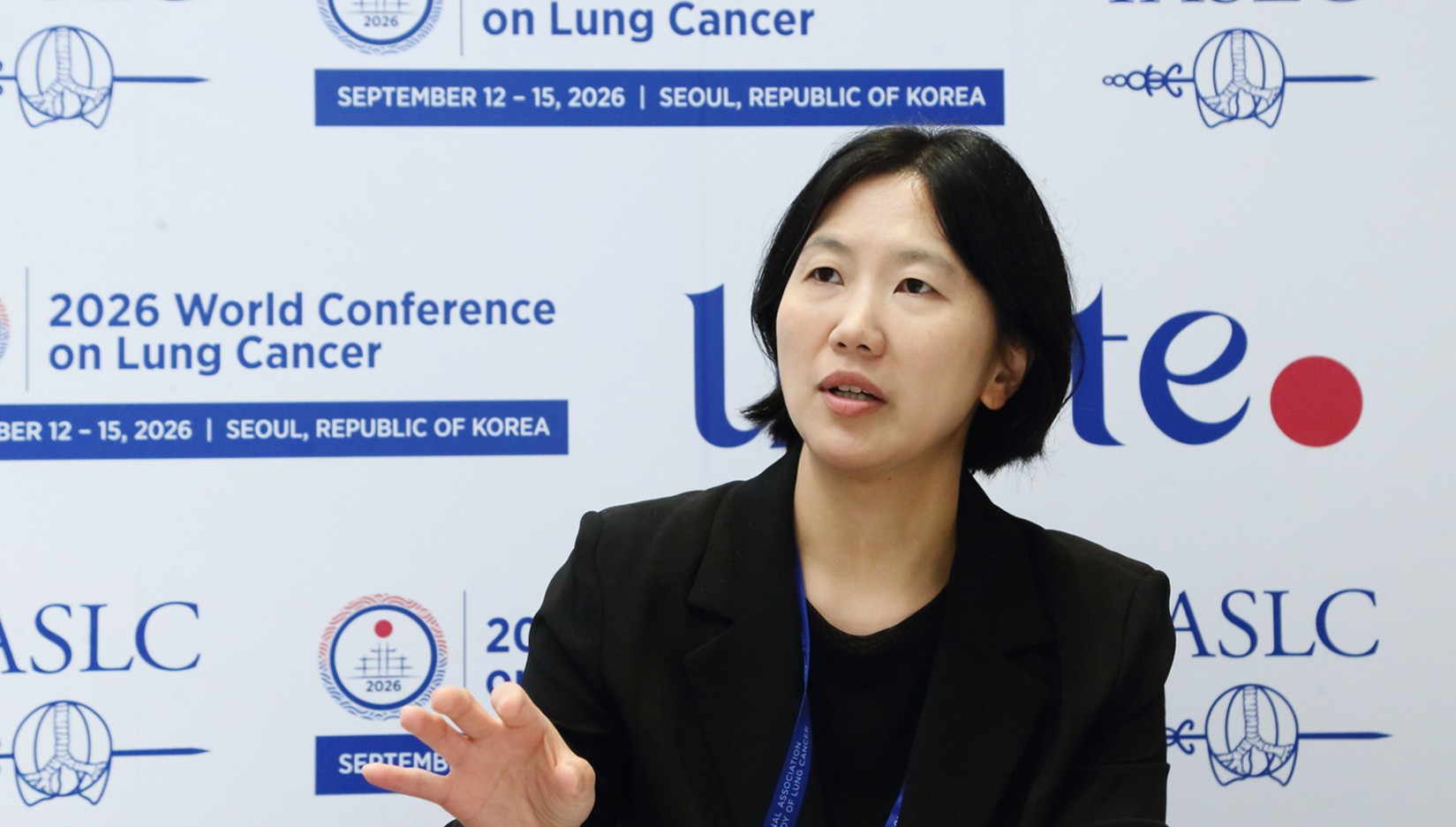
Professor William Timothy Garvey of the Department of Nutrition Sciences at the University of Alabama at Birmingham (UAB) recently met with Daily Pharm and said, "There is no need to be concerned about muscle loss from GLP-1 agents," adding, "The health benefits gained from weight loss can be much greater, and healthier weight loss is possible if accompanied by protein intake, resistance training, and lifestyle improvements."

In addition, Professor Garvey said it is difficult to interpret the decrease in lean body mass that occurs during weight loss as identical to actual muscle loss. He argues that researchers must evaluate not only body composition changes but also treatment benefits, such as improvements in cardiovascular and metabolic diseases.
Professor Garvey, who recently visited South Korea to attend the International Congress on Obesity and Metabolic Syndrome (ICOMES 2026) hosted by the Korean Society for the Study of Obesity, is an expert who has long researched obesity, insulin resistance, and cardiometabolic diseases.
Professor Garvey also directly participated in major clinical trials of Wegovy (semaglutide). He served as the senior author on STEP 3 study, which evaluated the combined effects of an intensive lifestyle modification program and Wegovy, and as the lead author on STEP 5 study, which examined the long-term weight-loss effects of Wegovy over two years. Professor Garvey also served as senior author on the recently announced high-dose study, the STEP UP study.
Professor Garvey's point in these studies is not simply how much weight was lost. His perspective is that one must closely observe which tissues decrease during weight loss, whether physical functions are maintained, and how cardiometabolic risk factors such as blood sugar, blood pressure, and lipids, as well as obesity-related complications, change.
Professor Garvey also noted that much of the existing data on muscle loss relies on measurement methods that make it difficult to distinguish lean body mass from actual muscle. In recent MRI-based analyses, the extent of actual muscle reduction was smaller than previous estimates. In the STEP UP study, about 84% of the weight loss came from adipose tissue.
Professor Garvey believes Wegovy should not be limited to weight loss alone. He explained that evidence of improvements in cardiovascular and metabolic risk factors is accumulating alongside weight loss, and that obesity must also be approached as a chronic disease requiring long-term treatment and management, much like diabetes or hypertension.
Decrease in lean body mass is different from actual muscle loss… fat-centered weight loss confirmed in MRI
Professor Garvey pointed out that when interpreting the controversy over muscle loss with GLP-1 class obesity treatments, one must first examine how body composition is measured.
To date, dual-energy X-ray absorptiometry (DXA) has been used primarily in related studies. While this method is highly accurate in measuring bone mass and fat mass, it has limitations in measuring lean body mass. Lean body mass includes not only muscle but also body fluids, bones, and organ tissues altogether.
Professor Garvey explained, "The proportion of actual muscle among the lean body mass measured by DXA may only be a maximum of 50%," adding, "Just because there is a result showing that one-third of the weight loss is lean body mass, the entirety of that cannot be viewed as muscle loss."
Recently, studies using MRI to evaluate changes in actual muscle and surrounding tissues more closely have increased.
According to Professor Garvey, some studies have shown that the proportion of actual muscle reduction during weight loss is around 10%, rather than the previously discussed 30% range. The remaining significant portion was attributed to decreases in intramuscular glycogen or adipose tissue surrounding the muscles.
Professor Garvey added, "This is a result showing the possibility that actual muscle loss is not as large as the DXA-based estimates," and, "Additional data is needed to further investigate."
The STEP UP study also conducted a body composition sub-analysis using MRI to evaluate the effects of high-dose (7.2mg) Wegovy.
The analysis results showed that approximately 84% of the weight lost after Wegovy administration originated from adipose tissue. Adipose tissue and visceral abdominal fat decreased by more than 30%, and lean body mass decreased by about 10%.
Despite the changes in body composition, no deterioration in muscle function was observed. In the 30-second sit-to-stand test, muscle function in the Wegovy-administered group was maintained or slightly improved, with no significant worsening even compared with the placebo group.
Professor Garvey pointed out, "Regardless of the method used to lose weight, fat generally decreases first and in greater amounts, and some reduction in muscle mass may also occur," adding, "The important thing is whether the reduced muscle mass is at a level that causes practical harm to the patient."
Professor Garvey continued, "While visiting South Korea, I felt that concerns about muscle loss are emerging among many patients and the media," adding, "Considering both expected benefits and potential side effects together before starting treatment is a sound and critical attitude."
Professor Garvey remarked, "There is no need to be overly concerned about muscle loss," adding, "The health benefits gained from weight loss can be much greater, and healthier weight loss is possible if reduced food intake is supplemented mainly with protein while accompanied by resistance training and lifestyle improvements."
However, Professor Garvey noted that older adults and postmenopausal women require more careful management.
Professor Garvey recommended, "Postmenopausal women are already experiencing changes in body composition, such as an increase in body fat and a decrease in lean body mass," adding, "It is necessary to increase the dosage slowly and adequately maintain protein, iron, and calcium intake while simultaneously engaging in resistance training."
Managing cardiometabolic risks beyond weight loss… focus on complication-centered treatment
Professor Garvey urged that the significance of second-generation obesity treatments, including Wegovy, should not be found solely in the simple extent of weight reduction.
If the average weight loss from obesity treatments used before 2014 was generally less than 10%, second-generation treatments such as Wegovy show an average weight loss of around 15%, allowing more patients to reach clinically meaningful weight-loss goals.
Such a change was also evident in studies accompanied by lifestyle modifications. In STEP 3, adding Wegovy 2.4mg to intensive dietary, exercise, and behavioral counseling resulted in an average weight loss of 16.0% at 68 weeks. The placebo group averaged 5.7%, and about one-third of the Wegovy group lost more than 20% of their body weight.
Professor Garvey presented this result as evidence that additional weight-loss effects can be expected when lifestyle modifications and drug therapy are combined.
He also cited improvements in obesity-related complications.
Professor Garvey said, "The reason for classifying Wegovy as a second-generation treatment is not solely because of the average 15% level of weight loss," adding, "It is important that one can simultaneously expect health benefits that lower the risk of various complications associated with obesity and improve metabolic health."
In the STEP clinical trials, along with weight loss, researchers confirmed improvements in fasting blood sugar, fasting insulin, insulin sensitivity, triglycerides, blood pressure, and CRP, an inflammatory marker.
In the SELECT study, which evaluated the cardiovascular benefits of Wegovy, approximately 17,600 non-diabetic overweight and obese patients with a history of cardiovascular disease were tracked for about four years. As a result, the risk of major adverse cardiovascular events was about 20% lower compared to the placebo group.
Professor Garvey interpreted this as evidence demonstrating that the evaluation criteria for obesity treatment are shifting from weight loss to complication management.
Professor Garvey stated, "The purpose of obesity treatment lies in elevating the patient's quality of life and lowering mortality and hospitalization rates by preventing and improving related complications," adding, "Recently, clinical trials are also changing toward setting complication improvement as a primary endpoint, moving beyond simply how much weight was lost."
In addition to obesity and cardiovascular diseases, Wegovy's active ingredient, semaglutide, is accumulating clinical evidence in cardiometabolic areas such as metabolic dysfunction-associated steatohepatitis (MASH) and diabetic kidney disease.
Professor Garvey evaluated, "If obesity and insulin resistance persist, they can lead to cardiovascular diseases, diabetes, and chronic kidney disease by passing through prediabetes, metabolic syndrome, hypertension, dyslipidemia, and fatty liver," adding, "Semaglutide has shown the possibility of managing multiple cardiometabolic risk factors within a single treatment strategy."
"Yo-yo effect, not a matter of willpower"… obesity, requires long-term management
Professor Garvey believes that, even with Wegovy, maintaining the effects matters more than short-term weight loss.
When weight decreases, the human body responds physiologically to return to its previous weight. As satiety signals weaken and appetite signals strengthen, the likelihood of weight regain increases if treatment is discontinued.
Professor Garvey stressed that such weight regain should not be viewed as a lack of willpower on the patient's part.
Professor Garvey emphasized, "Gaining weight again is not the patient's fault, but a phenomenon related to the pathophysiology of the disease called obesity," adding, "Just as one does not arbitrarily discontinue diabetes or hypertension medications just because their condition has improved, obesity must also be approached as a chronic disease requiring continuous treatment and management."
Long-term follow-up studies also supported this perspective.
In STEP 5, after 104 weeks of Wegovy treatment, patients maintained an average weight loss of approximately 15.2%. The proportion of patients who achieved a weight loss of 5% or more was tabulated at 77.1% in the Wegovy group and 34.4% in the placebo group.
Experts said it is difficult to decide whether to continue treatment, adjust the dosage, or discontinue it based solely on weight changes. The intention is that metabolic indicators such as blood sugar, blood pressure, and lipids, as well as comorbidities and the patient's treatment goals, must be considered comprehensively.
Professor Garvey predicted that, as obesity treatments develop, increasing treatment persistence will become important.
Currently, the development of long-acting formulations with extended administration intervals, oral medications, and treatments combining multiple mechanisms such as amylin, glucagon, GIP, and PYY, in addition to GLP-1, is continuing.
Professor Garvey suggested, "One of the biggest challenges in obesity treatment is patients prematurely discontinuing treatment," adding, "Technological advancements that extend administration intervals or expand oral medication options can help increase the treatment persistence rate."
High doses and diverse formulations are introduced… treatments tailored to each patient are also specified
As the choices for obesity treatments increase, future treatment strategies are expected to become further segmented according to the patient's weight loss goals and comorbidities.
Professor Garvey noted that even within the same Wegovy treatment, dosage selection can vary depending on individual patient responses and the required level of weight loss. This means that high-dose treatment can become another option for patients who do not achieve sufficient effects with the existing 2.4mg or who require additional weight loss.
The study that examined this possibility is STEP UP. It compared the effects of Wegovy 2.4mg with a once-weekly high dose of 7.2mg.
In the study, the average weight loss in the Wegovy 7.2mg group was approximately 21%, based on an analysis assuming continued treatment. The 2.4mg group was 17.5%, and the placebo group was 2.4%. The proportion who lost 25% or more of their body weight also differed: 33.2% in the 7.2mg group, 16.7% in the 2.4mg group, and 0% in the placebo group.
Professor Garvey said, "As there are individual differences in drug responses for each patient, it is meaningful in that a new option has emerged for patients who require a higher dose."
Professor Garvey suggested that, even when selecting medications, clinicians should use an approach based on individual patient characteristics rather than uniformly applying the treatment that showed the greatest weight-loss effect.
This means that patients who have a high BMI and mobility difficulties, thus requiring a large amount of weight loss, and patients with specific comorbidities such as cardiovascular disease or diabetes, may have different necessary treatment strategies.
Professor Garvey concluded with the anticipation that "If a patient has a history of cardiovascular diseases such as myocardial infarction or stroke, or has accompanying diabetes, there is sufficient basis to consider a medication like semaglutide that has proven efficacy in related clinical trials," adding, "A personalized approach of selecting a treatment that fits the patient's condition and treatment goals among various treatment options will become important."
-

- 0
댓글 운영방식은
댓글은 실명게재와 익명게재 방식이 있으며, 실명은 이름과 아이디가 노출됩니다. 익명은 필명으로 등록 가능하며, 대댓글은 익명으로 등록 가능합니다.
댓글 노출방식은
댓글 명예자문위원(팜-코니언-필기모양 아이콘)으로 위촉된 데일리팜 회원의 댓글은 ‘게시판형 보기’와 ’펼쳐보기형’ 리스트에서 항상 최상단에 노출됩니다. 새로운 댓글을 올리는 일반회원은 ‘게시판형’과 ‘펼쳐보기형’ 모두 팜코니언 회원이 쓴 댓글의 하단에 실시간 노출됩니다.
댓글의 삭제 기준은
다음의 경우 사전 통보없이 삭제하고 아이디 이용정지 또는 영구 가입제한이 될 수도 있습니다.
-
저작권·인격권 등 타인의 권리를 침해하는 경우
상용 프로그램의 등록과 게재, 배포를 안내하는 게시물
타인 또는 제3자의 저작권 및 기타 권리를 침해한 내용을 담은 게시물
-
근거 없는 비방·명예를 훼손하는 게시물
특정 이용자 및 개인에 대한 인신 공격적인 내용의 글 및 직접적인 욕설이 사용된 경우
특정 지역 및 종교간의 감정대립을 조장하는 내용
사실 확인이 안된 소문을 유포 시키는 경우
욕설과 비어, 속어를 담은 내용
정당법 및 공직선거법, 관계 법령에 저촉되는 경우(선관위 요청 시 즉시 삭제)
특정 지역이나 단체를 비하하는 경우
특정인의 명예를 훼손하여 해당인이 삭제를 요청하는 경우
특정인의 개인정보(주민등록번호, 전화, 상세주소 등)를 무단으로 게시하는 경우
타인의 ID 혹은 닉네임을 도용하는 경우
-
게시판 특성상 제한되는 내용
서비스 주제와 맞지 않는 내용의 글을 게재한 경우
동일 내용의 연속 게재 및 여러 기사에 중복 게재한 경우
부분적으로 변경하여 반복 게재하는 경우도 포함
제목과 관련 없는 내용의 게시물, 제목과 본문이 무관한 경우
돈벌기 및 직·간접 상업적 목적의 내용이 포함된 게시물
게시물 읽기 유도 등을 위해 내용과 무관한 제목을 사용한 경우
-
수사기관 등의 공식적인 요청이 있는 경우
-
기타사항
각 서비스의 필요성에 따라 미리 공지한 경우
기타 법률에 저촉되는 정보 게재를 목적으로 할 경우
기타 원만한 운영을 위해 운영자가 필요하다고 판단되는 내용
-
사실 관계 확인 후 삭제
저작권자로부터 허락받지 않은 내용을 무단 게재, 복제, 배포하는 경우
타인의 초상권을 침해하거나 개인정보를 유출하는 경우
당사에 제공한 이용자의 정보가 허위인 경우 (타인의 ID, 비밀번호 도용 등)
※이상의 내용중 일부 사항에 적용될 경우 이용약관 및 관련 법률에 의해 제재를 받으실 수도 있으며, 민·형사상 처벌을 받을 수도 있습니다.
※위에 명시되지 않은 내용이더라도 불법적인 내용으로 판단되거나 데일리팜 서비스에 바람직하지 않다고 판단되는 경우는 선 조치 이후 본 관리 기준을 수정 공시하겠습니다.
※기타 문의 사항은 데일리팜 운영자에게 연락주십시오. 메일 주소는 dailypharm@dailypharm.com입니다.