
- LOGIN
- MemberShip
- 2026-05-01 23:44:46
- Policy
- Co-payments retained for non-reimb drug+reimb drug comb
- by Lee, Jeong-Hwan Apr 18, 2025 05:57am
- The Ministry of Health and Welfare (MOHW) has decided that, even if an additional or combination anticancer drug is added to a chemotherapy regimen already covered by health insurance, the initial chemotherapy will continue to be subject to the patient’s existing co-payment. Boehringer Ingelheim’s idiopathic pulmonary fibrosis and fibrosing interstitial lung disease treatment Ofev (nintedanib) will have new reimbursement criteria established, while the reimbursement standards for donepezil oral tablets and patches, such as Aricept tablets and Donerion patches, will be revised. The reimbursement criteria for rituximab injections (such as MabThera), ceftazidime (such as vancomycin), and ganciclovir injections (such as Cytovene IV) will also be updated. On April 17, the MOHW issued an administrative notice proposing partial revisions to the 'Detailed Criteria and Methods for Applying Reimbursement (Drugs).' The revision is aimed to take effect on May 1, and a public comment submission will run through April 21. Previously, if a non‑reimbursed drug was added to a regimen already covered by reimbursement, even the previously reimbursed drugs would lose their coverage, increasing patients' out‑of‑pocket costs. Under the revisions, adding a non‑reimbursed anticancer drug to an already reimbursed regimen will not change the co-payment rate for the reimbursed drugs. In detail, a new clause states, 'When combining a reimbursed chemotherapy regimen with another anticancer drug, the existing co-payment for the previously initiated chemotherapy shall continue to apply to that regimen.' The MFDS approved Ofev's new reimbursement coverage for chronic fibrosing interstitial lung disease among the indications. The coverage will be provided to patients with chronic fibrosing interstitial lung disease confirmed by high‑resolution chest CT (HRCT), excluding idiopathic pulmonary fibrosis. The reimbursement criteria include cases where ▲predicted forced vital capacity (FVC) ≥ 45% ▲ predicted diffusing capacity for carbon monoxide (DLco) ≥ 30% and < 80% ▲despite prior treatment (steroids, immunosuppressants), within the past 24 months one of the following: a relative decline in predicted FVC ≥ 10%; a relative decline of greater than 5% or less than 10% with worsening respiratory symptoms; or a relative decline of greater than 5% or less than 10% with HRCT documented fibrosis progression. Patients must be re‑evaluated every 12 months after treatment initiation (HRCT and pulmonary function tests), and if disease progression is confirmed (predicted FVC decline ≥ 10% within 12 months with HRCT worsening), administration must be discontinued. The reimbursement criteria for donepezil formulations state the dosage and duration for 3 mg oral tablets. The reimbursement criteria for 3 mg tablets indicate that ▲an initial dose of 3 mg once daily may be started to reduce adverse gastrointestinal reactions if needed, but use should not exceed 1–2 weeks ▲in underweight women (BMI < 18.5 kg/m²) aged ≥ 85 years who require ongoing 3 mg once‑daily dosing, reassessment should determine continuation based on evaluation methods. Moreover, if dosing at 3 mg once daily must continue beyond 6–8 weeks, a dosing justification form must be submitted. Reimbursement criteria for rituximab injections have been expanded to include myasthenia gravis. Eligible patients are those who are MuSK antibody–positive because they are refractory to at least one prior therapy (corticosteroids, azathioprine, cyclosporine, mycophenolate mofetil, tacrolimus, etc.) or unable to receive such therapies due to ▲serious adverse effects, and who have either moderate to severe myasthenia gravis (MGFA class IIa or higher) or ▲at least two myasthenic crises within the past year. Reimbursement is covered for rituximab at 375 mg/m² weekly for four doses or 1 g every two weeks for two doses, with retreatment permitted upon relapse. For vancomycin and ceftazidime, reimbursement has been expanded beyond their approved indications to include adult bacterial endophthalmitis. Vancomycin is reimbursed for intravitreal injection of 1 mg/0.1 mL administered at intervals of 3 days or more based on clinical findings (inflammation and infection control), and ceftazidime is reimbursed for intravitreal injection of 2 mg/0.1 mL or 2.25 mg/0.1 mL at intervals of 2 days or more. If combination use is clinically required, each drug's reimbursement criteria apply. For ganciclovir, reimbursement criteria have been added for acute retinal necrosis syndrome (ARN) and CMV retinitis (CMVR), expanding the reimbursement scope. Eligible patients are those ▲who are nonresponsive or intolerant to systemic antiviral therapy or ▲who have rapidly progressive, vision‑threatening retinal lesions; dosage is 2 mg/0.1 mL intravitreally once to three times weekly, with dose reductions permitted based on patient status.

- Policy
- Will a 'Duodart' generic for prostatate drug be available?
- by Lee, Hye-Kyung Apr 16, 2025 05:55am
- Product photo of Duodart A generic version of GSK's benign prostatic hyperplasia (BPH) combination product 'Duodart Capsule (dutasteride·tamsulosin hydrochloride),' which drove the success of the combination drug market for urology in Korea, is now under development. On the 14th, the Ministry of Food and Drug Safety (MFDS) approved an open-label, randomized, two-group, two-period, fasting, single-dose, oral, crossover study in healthy adult male subjects for the biological equivalence evaluation of Aprogen Biologics' 'Dutatams Capsule' and the original 'Duodart Capsule.' Duodart is a fixed-dose combination of the 5α-reductase inhibitor dutasteride and the α‑blocker tamsulosin, which was first approved in Korea in 2021. It was subsequently listed on the reimbursement drug list the following year. According to market research firm UBIST, Duodart surpassed KRW 10 billion in outpatient prescription sales in its second year of market launch in 2023 and reached KRW 23.2 billion last year. Until earlier this year, before four fixed-dose combination products of dutasteride and tadalafil were released, the prostate hyperplasia combination market was considered unchallenged. Apart from Duodart, Hanmi Pharmaceuticals had launched 'Gugutams,' a product combining tamsulosin and tadalafil. Despite various ingredients such as tamsulosin·finasteride·dutasteride for prostate hyperplasia treatment; mirabegron·solifenacin for overactive bladder treatment; and sildenafil·tadalafil for erectile dysfunction having lost their patents, there had been no updates to new fixed-dose combinations launches. Among these, only Duodart was performing well. Duodart is designed for the treatment of moderate to severe BPH and is administered orally once daily as a single capsule. Combining the two active ingredients into one capsule achieves rapid symptom improvement and reduces the long-term risks associated with disease progression. Furthermore, it minimizes dosing frequency, improves patient adherence, such as the likelihood of missed doses, and simplifies treatment regimens.

- Policy
- Global pharma proposes 'indication-based pricing system'
- by Lee, Jeong-Hwan Apr 16, 2025 05:55am
- Overseas global pharmaceutical companies with subsidiaries in Korea are currently voicing the adoption of policies aimed at resolving 'reimbursement inequities' for therapies for severe and rare diseases and implementing an 'indication-based pricing system' amid an early presidential election. While the Korean government maintains that an indication-based pricing system should be carefully reviewed over the long term due to various potential challenges, global pharmaceutical companies have begun gathering public opinion on the issue at a parliamentary forum. On the 15th, Rep. Seo Mi-hwa of the Democratic Party, a National Assembly's Public Healthcare Committee member, is preparing to hold a 'Discussion Forum on Resolving Inequalities in Innovative New Drugs and Regulatory Reforms.' It is intended to highlight that only 22% of innovative new drugs, such as those changing the treatment paradigm for severe and refractory diseases like cancer drugs, are reimbursed in Korea, leaving patients without timely access to therapies. In particular, the forum will also discuss measures to introduce an indication-based pricing system in Korea to expand reimbursement for new drugs. The introduction of an indication-based pricing system was an issue raised by the Korea Research-Based Pharma Industry Association (KRPIA), which requested a pilot project from the Ministry of Health and Welfare (MOHW) and other government agencies overseeing national health insurance. The KRPIA requested that the government initiate a pilot project applying a 'weighted average price by indication' and 'differentiated reimbursement rates by indication' for drugs under risk-sharing agreements (RSA). Furthermore, KRPIA is reportedly planning to propose to the candidate camps of parties such as the Democratic Party and the People Power Party policies to expand patient treatment opportunities through the implementation of an indication-based pricing system during this early presidential election cycle. The request is based on the fact that some overseas countries, including Italy, France, and Switzerland, are already implementing policies that evaluate the therapeutic value of drugs with multiple indications separately by indication, by determining different insurance prices or applying differential discounts at reimbursement. The KRPIA is urging these measures to be adopted as a commitment to enhancing patient access to medications. The request aligns with a presidential policy proposal that will coincide with a parliamentary debate later this month. However, the MOHW has stated that the indication-based pricing system should be carefully reviewed from a long-term perspective. While they agree with the rationale for introducing the system, the MOHW believes that further long-term discussions are necessary, such as financial impact analysis, establishment of legal grounds, and development of billing and settlement systems to prevent circumvention and distorted prescribing practices among some patients, must be addressed first. The rep. office responsible for preparing for the forum stated, "At the discussion forum, we will look for solutions to the prolonged processing period following reimbursement listing and the delays in reimbursement payments occurring within the approved indications," and added, "We will review the regulatory improvement policy agenda from the perspective of treatment disparities among patients."
- Policy
- DPK’s election pledge includes substitution dispensing
- by Lee, Jeong-Hwan Apr 15, 2025 05:54am
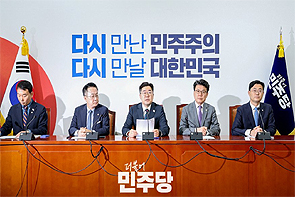
- The Democratic Party of Korea will include a policy to support domestically developed new drugs through a drug pricing system that links the investment rate (amount) of research and development (R&D) by pharmaceutical companies with a drug’s insurance price ceiling and drug price reduction rate in its presidential election pledge. DPK’s intention is to lead the development of the pharmaceutical and bio-industry, which is a future growth engine for the country, by enabling pharmaceutical companies that are constantly striving to evolve and create new drugs to benefit from the government's efforts rather than those intent on generic sales. In particular, since the Korean pharmaceutical industry is still dominated by generic drug manufacturing, the Democratic Party of Korea is also looking into whether maintaining the current tiered drug pricing system would be of practical help to the industry's development. The DPK is also considering ways to reasonably legislate the Seok-yeol Yoon administration's pilot project for unlimited non-face-to-face medical care and ways to resolve the supply and demand instability of medicines, including the promotion of alternative dispensing, to adopt them as presidential campaign pledges. Recently, Won-Joon Cho, the senior expert advisor for health and welfare at the Democratic Party of Korea(and the head of the presidential election pledge task force for the policy committee) held a meeting with the Press Corp and revealed the direction of the presidential election pledges related to the pharmaceutical and bio-industry and the health industry. ◆Pharmaceutical and bio-industry promotion measures=The Democratic Party of Korea (DPK) agreed that the pharmaceutical and bio-industry is an industry that drives future growth of South Korea, but also recognized that it is a field that has a dual nature that requires regulation due to safety concerns. This is why there are differences in the views of pharmaceutical and bio industries among government ministries such as the Ministry of Health and Welfare (MOHW), the Ministry of Food and Drug Safety (MFDS), the Ministry of Science and ICT, and the Ministry of Trade, Industry and Energy (MOTIE). In this situation, Cho said, “The Democratic Party of Korea will definitely improve unnecessary administrative procedures or excessive regulations that hinder the promotion of the pharmaceutical and bio-industry and the creation of new domestic drugs. However, we will make sure that excessive deregulation does not lead to distrust of products or the industry as a whole.” This is because the pharmaceutical industry is directly linked to the lives and safety of the people, and at the same time, it has the special characteristic of being the future food of the nation. Cho said that he has been preparing pledges based on 3 principles: ▲expanding investment and support, ▲reorganizing the current support system, and ▲strengthening social responsibility to promote the pharmaceutical and bio industry. “We will come up with a concrete performance-based R&D policy and adopt a system that rewards drug prices in proportion to the R&D investment ratio,” said Cho, adding, ”We are also paying attention to the opinion that the tiered drug pricing system needs to be improved to make it more intuitive and reasonable.” He added, “Even when a pharmaceutical company wants to contribute to society, in many cases, the scope is narrow. We are considering making pledges to support the diversification of social contribution methods by improving the innovative pharmaceutical company certification system, among others. We will include a policy to support pharmaceutical companies that export domestically produced new drugs overseas, rather than for Korea’s industry structure built around generics, as our presidential election pledges.” In particular, he said, “As we operate a generic-based industrial structure, there is a side to the issue of illegal rebates that cannot be abolished no matter how much the system is improved. I believe we should put support for overseas expansion and export pharmaceuticals into a separate package of pledges. There are also big concerns in the pharmaceutical industry about the Trump administration, and DPK is looking at countermeasures for the pharmaceutical industry from a broader perspective of trade.” ◆Seeking solutions to the instability of non-face-to-face medical care and drug supply = Cho said that DPK escapes criticism that it pretends to seek progressive politics but is hindering technological progress. The point is that DPK often has to consider what attitude it should take when faced with social and public demands for medical policies that are integrated with the IT industry, such as non-face-to-face medical care. Nevertheless, Cho emphasized that healthcare policies that are closely related to the health and lives of the people cannot be focused solely on fostering and promoting them as an industrial framework. The current government was criticized for conducting non-face-to-face medical care as a tool for industrial development for an unlimited period - for years - based on the enforcement decree without amending the law, which is regarded abnormal. “The healthcare sector is also making technological progress together with the high-tech IT industry. However, due to the nature of healthcare, if the basic premise of public safety is not secured, the foundation of the policy may be shaken,” said Cho. ”It is difficult to lead healthcare policy with an overly industrial frame. However, it is necessary to make pledges that reflect the reality and accept new systems and environmental changes with a flexible attitude.” He also criticized the former government, saying, “IT was a pilot project, so the biggest problem was that it is allowing non-face-to-face medical care that goes beyond the actual project without any legal basis.” He added, “There were no restrictions on the target, standards, scope, region, or time limit. I have never seen a pilot project like this. Serious illegal activities are continuing.” In response, the Democratic Party said that it will establish a legal basis as soon as possible so that the principle of non-face-to-face medical care can be established in this presidential election, and will hold the current government accountable for the background of the pilot project. “The policy-making process that led to the current pilot project should be thoroughly investigated and held accountable,” said Cho, ”Non-face-to-face medical care is intended to supplement the public's access to medical care, but the results of the pilot project have become a tool and a window for prescribing anti-hair loss drugs and emergency contraception. It is being used in a way that is completely different from its original purpose.” Regarding DPK’s direction for legalizing non-face-to-face medical care, he said, “Legislation is needed that includes not only the target, scope, and standards, but also the management and supervision of intermediary platforms. Delivery of medicine is not an immediate problem. It is not too late to decide on this issue when the basis for the Medical Service Act for Non-face-to-face medical care is created and additional discussions on the Pharmaceutical Affairs Act are held.” He also added, “We need to think about whether to adhere to the principle of non-face-to-face medical care that DPK proposed for the 21st National Assembly. This is because we cannot ignore the fact that many people have experienced or are using non-face-to-face medical care.” He also emphasized, “Even if we adopt the principle of allowing only people with limited mobility and residents of remote areas, the law should cover areas where there is a great social demand, such as pediatric patients.” Finally, regarding the issue of instability in the supply of pharmaceuticals, he summarized it as “It is still a difficult problem to solve and an urgent task. Policy-wise, we need to come up with alternatives.” “It is important to decide what policy agenda to adopt to address the issue of supply and demand instability. For example, the ingredient-specific prescription is a very sensitive issue between different medical schools, so it is politically difficult to tackle,” said Cho. ”We will introduce the agenda of vitalizing substitute dispensing, which is inevitable to resolve supply and demand instability, even if we would need to discuss the conflict that may arise in the future.” He added, “There will be more and more direct conflicts over the scope of practice, and the DPK will strengthen the governance structure under the Healthcare Workforce Support Act to achieve consensus and social compromise among the professions in a consultative body with the participation of the relevant parties.” This is interpreted as the party’s intention to actively utilize the Healthcare Workforce Scope Adjustment Act, which is pending in the Legislative and Judicial Committee, initiated by Democratic Party member Yoon Kim.

- Policy
- NHIS prepares measures to implement dual drug pricing system
- by Lee, Tak-Sun Apr 15, 2025 05:54am
- The National Health Insurance Service (NHIS) is preparing a procedure for implementing the dual drug pricing system for domestically developed new drugs and will collect industry opinion this month. The measure seeks to prepare guidelines for actual negotiations, as the MOHW's notification last month included a provision for the dual drug pricing system. According to industry sources on the 14th, the National Health Insurance Service recently delivered a measure for the implementation procedure of the dual drug pricing system to pharmaceutical organizations and will collect opinions until the end of this month. Dual pricing refers to the situation where the listed insurance ceiling price is different from the actual price. Currently, drugs reimbursed under the Risk-Sharing Agreement (RSA) are subject to dual pricing. When the MOHW notified of the amendments to the 'Standards for Determination and Adjustment of Pharmaceuticals' on March 4, it included a provision on the availability of dual drug pricing contracts for domestically developed new drugs. Specifically, through the revision, ' Appendix 1 Schedule 2: The 'Evaluation Criteria for Drugs Requiring Evaluation Considering the Impact on Healthcare,’, new drugs developed by innovative pharmaceutical companies, approved by the MFDS through expedited review, and exempted from submitting bridging data by conducting domestic clinical trials, can sign a separate contract with the NHIS for the purpose of enhancing global competitiveness. As a result, domestically developed drugs that meet the conditions will be eligible for dual pricing like RSA drugs. It is analyzed that it is much more advantageous to receive a higher drug price when registering a drug overseas if the indication price is higher than the actual price through the dual drug pricing system. This is because importing countries set prices by referring to domestic drug prices when registering drugs. Currently, the only new drug developed in Korea that has been subject to dual drug prices is K-CAB, a new drug for gastroesophageal reflux disease. K-CAB has been reimbursed under the Refund type agreement determined during negotiations on the price-volume linkage system, which resulted in a difference between the drug’s actual and displayed prices. The actual ceiling price is KRW 1,300, the same as when it was first listed in 2019, but the actual price is expected to be lower than this due to the several price-volume agreements it has undergone since. The current plan for the implementation of the dual drug pricing system is expected to include details on the target, negotiation methods, required documents, and post-implementation management measures. When the dual drug pricing system for new domestic drugs is fully implemented, the NHIS is expected to face even greater administrative burdens. This is because the number of cases in which the NHIS has to recalculate the reimbursement amount from the displayed price to the actual price and refund the difference will increase. It is reported that the NHIS is already devoting a considerable amount of time and manpower to the reimbursement process. An industry official said, “The dual drug pricing system is limited to domestically developed innovative drugs, so it may not be applicable to many, but it will definitely help pharmaceutical companies that benefit from it. However, the key question is how the NHIS will address the issue of the increasing reimbursement administrative burden."

- Policy
- NHIS opens a non-reimbursement information portal
- by Lee, Tak-Sun Apr 11, 2025 06:01am
- The National Health Insurance Service (NHIS) announced that it will launch a 'non-reimbursement information portal' on the 10th to help people easily understand information on non-reimbursed items at a glance to improve their right to know and promote rational medical use. Unlike reimbursed items, where prices and standards of care are set by law, those of non-reimbursed items are set by medical institutions autonomously, so people have difficulty making medical choices because they do not have enough information about whether the prices of the non-reimbursed medical services are reasonable and safe. In response, the NHIS explained that it has established the 'Non-Reimbursement Information Portal' to provide comprehensive information on the safety and effectiveness of major items, symptoms, and treatments for each disease, in addition to price information on non-reimbursed items, to support people make informed medical choices. In addition, the Ministry of Health and Welfare has strengthened access so that people can more easily and reasonably access medical services by collecting non-reimbursement information from various institutions, including the National Health Insurance Service, Health Insurance Review and Assessment Service, the Korea Human Resource Development Institute For Health & Welfare, and the Korea Disease Control and Prevention Agency. The Ministry of Health and Welfare has added a menu on: Understanding non-reimbursement, Taking non-reimbursed services with information, and Statistics on non-reimbursed items. Users can easily check key information at a glance on the landing page. Starting with a guide to non-reimbursed care and an introduction to non-reimbursed care systems that could help people make appropriate and rational choices when using non-reimbursed care, the website shows prices for each non-reimbursed item, medical fees for major diseases and surgeries (reimbursement + non-reimbursement), results of safety and effectiveness evaluations of non-reimbursed items, and various statistical results related to non-reimbursed care. It also provides a shortcut service for each institution that allows users to check videos that help them manage their health, information on diseases related to non-reimbursable items, and details on the information provided. The information provided by this non-reimbursement information portal includes 1,064 non-reimbursement items, 91 diseases, and 54 health technology reevaluation results, and the information will continue to be expanded through continuous analysis and evaluation, as well as strengthened cooperation with specialized institutions. The price information provided by the non-reimbursement information portal is based on information collected through the non-reimbursement reporting system, which has been in effect since 2023. Under the non-reimbursement reporting system, hospitals are required to submit items, amounts, and treatment details to the National Health Insurance Service twice a year (March and September), and clinics once a year (March). “By providing comprehensive non-reimbursed medical information through the non-reimbursement information portal, we expect to strengthen access to non-reimbursement information and contribute to ensuring that people can use the non-reimbursed medical services they need at an appropriate cost, safely and reasonably,” said NHIS President Ki-Suck Jung. Jung added, “We plan to continue our efforts to help people use medical services rationally and reduce the burden of medical expenses.”

- Policy
- Cost of cell&gene therapies for clinical patients set
- by Lee, Jeong-Hwan Apr 10, 2025 05:56am
- The government has set out to create standards for the 'cost of clinical trial drugs' to be used as an indicator when giving patients expensive cell and gene therapy drugs at the clinical trial stage. This is to rationally calculate the cost that patients must pay when they are administered investigational drugs for therapeutic purposes. The government plans to look at the cost calculation methods for investigational drugs that are in operation overseas, such as in the US and Europe, and analyze the current state of the system in Korea to create cost standards for each detailed item of investigational drugs. On the 8th, the Korea Institute of Drug Safety & Risk Management announced that it would begin research on establishing a standard for the cost of investigational drugs. The current Pharmaceutical Affairs Act stipulates that drugs in the clinical trial stage can be used for therapeutic purposes. The problem is that there is no reasonable standard for pricing drugs that must be charged to patients, as the manufacturing costs of cell therapies and gene therapies are often high. This is because there are various detailed items that are included when calculating the cost according to the characteristics of each drug, such as cell therapy and gene therapy. The cost of investigational drugs is the price minus the cost of facility and environmental management and research and development and refers to the cost directly incurred in the manufacture of investigational drugs used for individual patients. The KIDS will investigate the cost calculation methods for investigational drugs that are being used in overseas countries such as the US and Europe to establish the cost calculation standards for patient claims for investigational drugs, and examine the cost calculation details when claiming the cost of investigational drugs for therapeutic use in domestic clinical trials. The cost calculation method will also be analyzed by comparing the cases when importing investigational drugs and domestic contract manufacturing drugs. KIDS will also seek to discover the specific cost calculation items used for cell therapies and radiopharmaceuticals that take into account their characteristics, such as the manufacturing process of pharmaceuticals. Based on this, KIDS plans to prepare a detailed cost standard for each item used to calculate the price of investigational drugs. KIDS explained, “We will study whether detailed items such as raw material costs, material costs, labor costs, manufacturing expenses, and quality inspection costs should be included in the cost calculation of manufactured drugs. We will consider the purpose of the cost stipulated in the Prime Minister's Decree on the Pharmaceutical Affairs Act & Regulation on Safety of Drugs.” It added, “We will also look at the details of the raw material costs, such as whether the raw material is autologous or allogeneic, the type of source, such as blood, cord blood, skin, or adipose tissue, and the method of collection, such as surgery or blood collection. The goal is to establish standards that can be used by suppliers of investigational drugs when calculating costs.”

- Policy
- Health and Welfare Committee meeting may not be held in APR
- by Lee, Jeong-Hwan Apr 08, 2025 05:57am
- The Constitutional Court sentenced former President Suk Yeol Yoon to dismissal at 11:22 a.m. on the 4th, setting the stage for an early presidential election. The election date must be announced by Acting President Duck-Soo Han within 10 days of the president's impeachment. This means that the date of the early presidential election will be confirmed before the 14th of this month. The National Election Commission announced that it would begin accepting registrations for the 21st presidential election on the 4th, immediately after the Constitutional Court decided to cite the impeachment motion. The dismissal of the president has made it difficult for the National Assembly's standing committees to hold meetings. The secretaries of the ruling and opposition parties of the NA’s Health and Welfare Committee are likely not to hold a standing committee meeting in April. First, the National Election Commission announced the method of registering as a preliminary candidate, the campaigning method, and the taboo acts. A person who wants to become a preliminary candidate must submit to the National Election Commission documents certifying eligibility, such as a family relationship certificate, a document certifying criminal record, and a certificate of formal education, and pay a deposit of KRW 60 million (20% of the KRW 300 million deposit required of candidates). Assuming that all 60 days of the early presidential election period are used, the official candidate must register by the 10th to 11th of next month. The winner of the early presidential election will immediately begin his or her term without going through the Presidential Transition Committee. A prospective candidate may set up an ▲election office, ▲distribute campaign business cards, ▲create and send out promotional materials to no more than 10% of the total number of households in the country, ▲wear or carry a sash or sign, and ▲publish and sell (except through door-to-door sales) one copy of a prospective candidate's campaign pledge book in the usual way. Even if they are not a candidate or an election official, those who are allowed to campaign can do so at any time by sending text messages, posting on websites, or sending e-mails, and can campaign by phone or in person on days other than the election day. However, in order to conduct election campaigns by sending text messages through automatic mass communication or by entrusting an email transmission agency to send emails, one must register as a candidate or a candidate-to-be. Automatic mass communication is a method of sending messages to more than 20 recipients at the same time or to fewer than 20 recipients by automatically selecting recipients using a program. As the grounds for the presidential impeachment election confirmed, in accordance with Article 90 of the Public Official Election Act, it is not possible to install or post banners or other facilities that specify the name of a political party or the name, photo, or content that can be inferred from the name of a candidate (including a person who is seeking to be a candidate) to influence the election. The National Assembly is also likely to refrain from holding standing committee meetings this month. This is because the early presidential election has a greater weight than the holding of a standing committee meeting for the examination or processing of the bills under its jurisdiction. First of all, the Health and Welfare Committee is likely to not hold a Legislative Subcommittee and plenary session on its bills in April. An opposition member of the Health and Welfare Committee said, “With the early presidential election confirmed, there is a high probability that the bill review under the jurisdiction of the Health and Welfare Committee will be delayed. Although an agreement between the ruling and opposition party secretaries is necessary, I don't think the subcommittees on bills that were normally held during peacetime will be held.”

- Policy
- Pemzayre, high-priced drug post-management system candidate
- by Lee, Tak-Sun Apr 08, 2025 05:56am
- Handok 'Pemzayre Tab,' Handok's bile duct cancer (cholangiocarcinoma) treatment, is expected to be subjected to the post-management system for high-priced drugs. Pemzayre Tab is likely to be added to the reimbursement list in May. Consequently, a submission system for evaluating treatment outcomes as part of the post-management evaluation will be established. According to industry sources on the 7th, Pemzayre passed the Health Insurance Review and Assessment Service (HIRA's) Drug Reimbursement Evaluation Committee (DREC) in January. The company is negotiating with the National Health Insurance Service (NHIS) for drug pricing negotiations. Considering the 60-day drug pricing negotiations period, Pemzayre will likely to be added to the reimbursement list in May. This drug is the first targeted drug in South Korea with cholangiocarcinoma indication. Pemazyre is indicated for patients with locally advanced or metastatic who have FGFR2 gene fusions. Pemzayre has been in used the United States, Europe, and Japan. If it is reimbursed, this drug will be used in adult patients with locally advanced or metastatic cholangiocarcinoma who have FGFR2 gene fusions or rearrangements and have undergone one or more systemic therapy. Based on its anatomical origin, cholangiocarcinoma is classified into intrahepatic cholangiocarcinoma (iCCA), arising from bile ducts within the liver, and extrahepatic cholangiocarcinoma, developing from bile ducts outside the liver. Because this cancer is frequently diagnosed at an advanced stage with a poor prognosis, there is a critical unmet need for targeted therapies. FGFR2 fusion or rearrangements are known to be found in 10-16% of patients with iCCA. In recognition of this urgency, the Korean Ministry of Food and Drug Safety (MFDS) designated this as an orphan drug in November 2021. The MFDS granted marketing approval via expedited review in April 2023. Following approval, the drug quickly entered the reimbursement procedure. After successfully establishing reimbursement criteria in August last year and passing the DREC review in January this year, its chances of inclusion in the National Health Insurance system have markedly increased. However, pricing remains a significant issue. The product, which contains 14 tablets per package, has a supply cost of approximately US$19,000 per product. Given that the treatment course may extend for up to 42 days, its reimbursement could significantly burden health insurance expenditures. Accordingly, the government is expected to manage this drug under the "High-Priced Drugs Reimbursement Management Criteria." Currently, six drugs, Kymriah, Zolgensma, Spinraza, Yescarta, Luxturna, and Tecartus, are subject to these criteria. The criteria for high-priced drugs include ▲Newly listed with high prices and uncertain cost-effectiveness that require further verification ▲Incur substantial annual per capita expenditures, or generate annual health insurance claims that could severely impact the national health insurance budget ▲Expected to provide long-term benefits from a single administration, necessitating additional safety confirmation and long-term evaluation ▲Based on their impact on healthcare, deemed necessary for management. Once a drug is designated as a target under the high-priced drug post-management system, a post-administration response evaluation must be conducted, and the resulting data must be submitted. Based on this data, the HIRA will then perform performance evaluations and ongoing monitoring of treatment effectiveness. If a drug is under patient-based performance risk-sharing agreements, the NHIS will use it to calculate drug reimbursement amounts.
- Policy
- Bylvay to be redeliberated for reimbursement in Korea
- by Lee, Tak-Sun Apr 07, 2025 05:51am
- Ipsen Korea’s Bylvay Cap, which has been undergoing an accelerated listing process as the first drug included in the pilot project for the parallel operation of the approval-benefit evaluation-drug price negotiation system, has failed to receive recognition as being eligible for reimbursement by the Drug Reimbursement Evaluation Committee (DREC) of the Health Insurance Review and Assessment Service (HIRA). However, DREC’s result - 'redeliberation - has allowed the company to reattempt review at the next DREC meeting. HIRA announced on the 3rd that it will hold the 4th 2025 DREC meeting and redeliberate the reimbursement of Bylvay Cap. Ipsen Korea’s Bylvay Cap is a drug used to treat pruritus in patients with progressive familial intrahepatic cholestasis (PFIC), and it has attracted attention as the first drug selected for the pilot project for the parallel operation of the ‘approval-assessment-negotiation linkage’ system. The pilot project for the parallel operation of the ‘approval-assessment-negotiation linkage’ system was introduced to shorten the period from drug approval to reimbursement, and as the name suggests, the approval, evaluation, and negotiation process for a single drug is carried out all at once to shorten the period of listing. However, the evaluation stage has slowed down the process. The reimbursement of another drug included in the pilot project, Qarziba Inj, was also once delayed at the DREC review stage. Qarziba has been reimbursed by health insurance since December last year, but Bylvay has yet to pass the DREC review process. Last month, HIRA said that it was conducting an in-depth review of the clinical usefulness and cost-effectiveness of Bylvay after gathering the opinions of relevant experts and academic societies, saying that an assessment of the adequacy of reimbursement was underway. Some academics have expressed concern that not only is the speed of listing Bylvay Cap problematic but that the indications under reimbursement review are also narrow. On this day, the results of the deliberation on the Leqvio pre-filled syringe (inclisiran, Novartis Korea), which was on the agenda with the Bylvay Cap, showed that the reimbursement was appropriate if the company accepted an amount lower than the assessed amount. Accordingly, if Novartis accepts the assessed amount, the matter will move on to the negotiation stage with the National Health Insurance Service.
