
- LOGIN
- MemberShip
- 2026-06-14 17:46:42

- Company
- HK inno.N’s GLP-1 drug approved in China for diabetes
- by Cha, Ji-Hyun Feb 03, 2026 06:24am
- HK Inno.N's GLP-1 class obesity and diabetes treatment, ecnoglutide (XW003), currently undergoing Phase III clinical trials in Korea, has received its first product approval in China. Its original developer, Saiwind Biosciences, obtained new drug approval for the type 2 diabetes indication from Chinese authorities, which is expected to bolster HK Inno.N’s domestic development strategy.According to the biotech industry on the 2nd, Sciwind received approval from China’s National Medical Products Administration (NMPA) on the 30th of last month (local time) for the injectable formulation of ecnoglutide indicated for glycemic control in adult patients with type 2 diabetes.Previously, Sciwind had submitted marketing authorization applications to the NMPA for ecnoglutide for type 2 diabetes and obesity indications in November and December 2024, respectively. The obesity indication is currently under NMPA review in China.Ecnoglutide's cAMP-biased GLP-1 receptor agonist mechanism (Source: Sciwind Biosciences)Ecnoglutide is the world’s first cAMP-biased GLP-1 receptor agonist. Compared with conventional GLP-1 therapies, it enhances signaling selectivity, resulting in prolonged efficacy and improved metabolic effects.The approval was based on results from the Phase III EECOH-1 and EECOH-2 clinical trials conducted in China by Sciwind. In the EECOH-1 study, patients with type 2 diabetes inadequately controlled by diet and exercise achieved a reduction in HbA1c of up to 2.43% after 24 weeks of treatment. In the EECOH-2 study, ecnoglutide demonstrated superior glucose-lowering efficacy compared with dulaglutide, an existing GLP-1 therapy, in patients receiving concomitant metformin. In both studies, sustained efficacy and safety were confirmed through 52 weeks of treatment.Upon the approval, attention is turning to the pace of development and future approval strategy for HK Inno.N’s obesity and diabetes pipeline currently undergoing Phase III clinical trials in Korea. HK Inno.N signed a licensing agreement with Sciwind in May 2024 to secure exclusive domestic development and commercialization rights for ecnoglutide. Under the agreement, Under the agreement, HK inno.N paid an upfront payment, milestone payments tied to development stages, and royalties based on post-launch sales.HK Inno.N is currently conducting a Phase III clinical trial for ecnoglutide targeting the obesity indication. Recruitment for the domestic Phase III trial was completed last January, and the trial has now entered the dosing phase. HK Inno.N received Investigational New Drug (IND) approval from the Ministry of Food and Drug Safety in May last year. After enrolling the first patient in September, HK inno.N completed recruitment of a total of 313 participants in approximately four months.The Phase 3 study is being conducted at 24 medical institutions, including Kangbuk Samsung Hospital, and targets adult Korean patients who are obese or overweight without diabetes. Participants receive once-weekly subcutaneous injections of either ecnoglutide or placebo to evaluate efficacy and safety. The primary endpoints are the percentage change in body weight from baseline at week 40 and the proportion of participants achieving at least a 5% reduction in body weight.
- Company
- Bylvay may be prescribed at Big 5 Hospitals in Korea
- by Eo, Yun-Ho Feb 03, 2026 06:24am
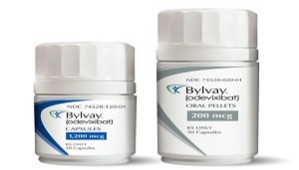
- Bylvay, the first drug approved under Korea’s parallel approval–assessment–negotiation linkage pathway, has successfully secured prescribing access at major tertiary hospitals.According to industry sources, Ipsen Korea’s Bylvay (odevixibat), a treatment for pruritus in patients aged three months and older with progressive familial intrahepatic cholestasis (PFIC), has been approved by the Drug Committees (DCs) of Korea’s “Big 5” hospitals, including Samsung Medical Center, Seoul National University Hospital, Asan Medical Center, and Severance Hospital.Since its inclusion in the national health insurance reimbursement list in October last year, Bylvay has rapidly expanded its prescribing environment.Bylvay is the world’s first oral therapy indicated for the treatment of PFIC-related symptoms. It offers a non-invasive and sustainable treatment option for patients who previously had few alternatives other than high-risk procedures such as liver transplantation.Following its initial approval in the US and Europe in 2021, it has received authorization in major countries. In Korea, it was selected as the first drug under the Ministry of Health and Welfare's ‘Parallel Approval-Evaluation-Negotiation Pilot Program’ in 2023.PFIC is a rare, inherited disease that typically manifests in childhood and causes severe pruritus, growth impairment, and liver failure. Patients and their families endure suffering across all aspects of daily life, including sleep deprivation, interrupted education, and social isolation. Bylvay is a treatment that alleviates this diminished quality of life and opens the possibility for patients to return to their daily routines.Meanwhile, Bylvay demonstrated its efficacy through the Phase III ASSERT study conducted in pediatric and adolescent patients aged 17 years and younger.Study results showed that Bylvay met its primary endpoint by significantly reducing pruritus compared with placebo. It also statistically significantly improved the key secondary endpoint, mean serum bile acid levels at weeks 20 and 24 of treatment, compared to placebo. These therapeutic effects were sustained through 24 weeks of treatment.Professor Seak-hee Oh of the Department of Pediatrics at Asan Medical Center said, “Liver transplantation was a treatment option that had to be chosen as a last resort, despite an average failure rate exceeding 10% and the risk of serious complications. In a situation where there were virtually no alternatives other than transplantation, Bylvay could establish itself as an important alternative that can protect patients without the need for liver transplantation.”
- Company
- Pharmaceutical union joins drug price reform battle
- by Cha, Ji-Hyun Feb 02, 2026 02:16pm
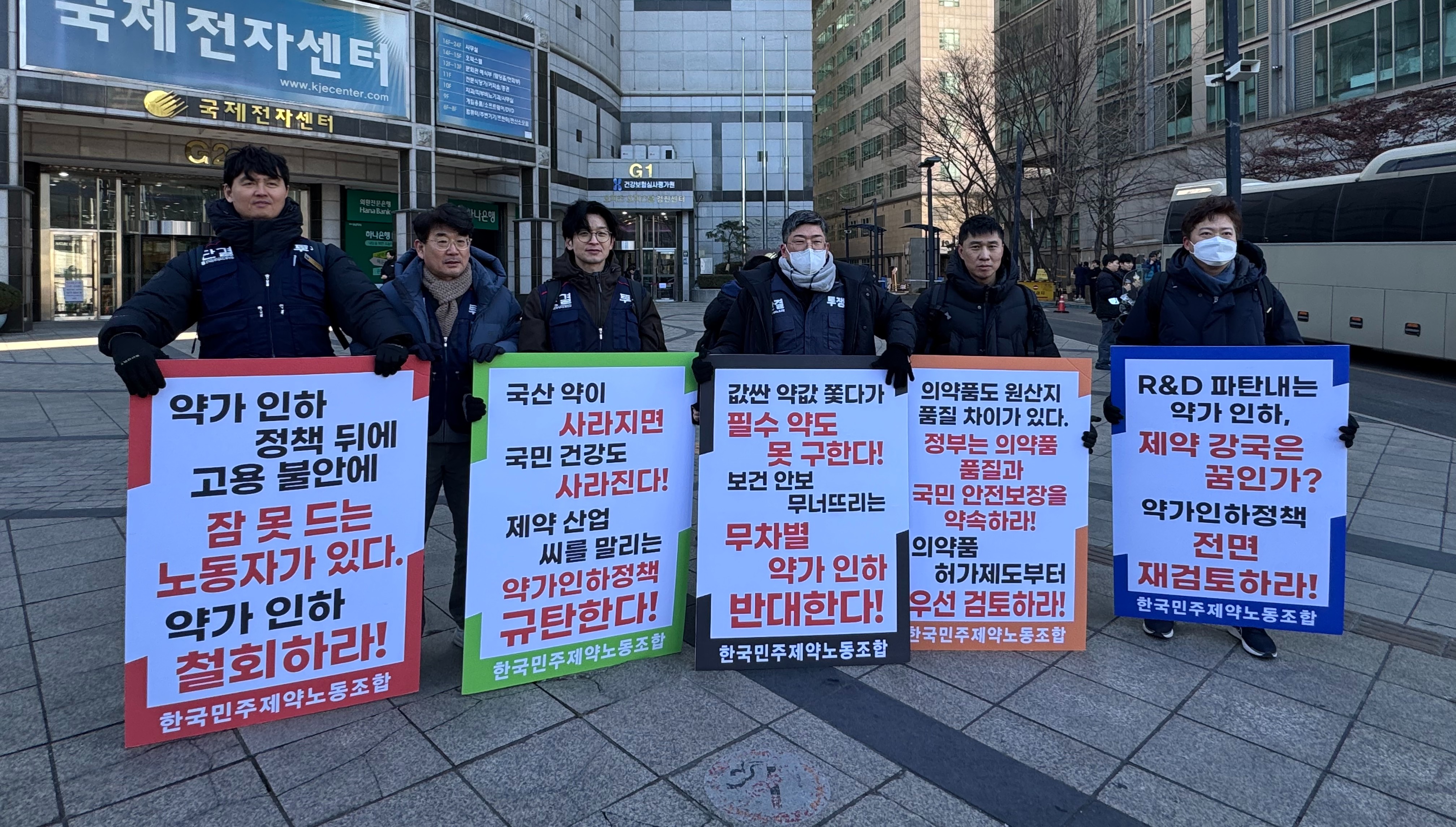
- Tensions surrounding the government’s drug pricing system reform are increasingly shifting from a policy dispute to a matter of employment security. While opposition had previously been led by pharmaceutical industry associations and emergency response committees, labor unions on the ground that are concerned about potential restructuring have now begun to take direct action, significantly heightening the level of tensions. With even foreign-affiliated pharmaceutical sales unions joining the hardline response, observers predict the conflict could escalate into large-scale protests and coordinated collective action.According to industry sources on the 30th, the Korea Democratic Pharmaceutical Unions (KDPU) held a placard protest on the 29th in front of the Health Insurance Review and Assessment Service (HIRA) headquarters in Seocho-gu, Seoul, formally declaring its opposition to the government’s proposed drug pricing reform.The KDPU argued that the policy direction focuses solely on lowering drug prices without sufficiently reflecting the pharmaceutical industry's employment structure and unique characteristics. They also protested, stating that such reforms could lead to job insecurity, a decline in research and development (R&D), and disruptions in the supply of essential medicines.The KDPU is an industry-wide labor union affiliated with the Federation of Korean Chemical Workers' Unions (FKCU) under the Federation of Korean Trade Unions (FKTU). Its membership is largely composed of sales organization employees at multinational pharmaceutical companies, including Allergan, Takeda, Mundipharma, and AbbVie. Kolon Pharmaceutical is the only Korean company included.The KDPU held a picket protest on the 29th in front of the Health Insurance Review and Assessment Service headquarters in Seocho-dong, Seoul, opposing the government's proposed drug pricing system reform plan.This issue was triggered when the government reported a drug pricing system reform plan to the Health Insurance Policy Deliberation Committee last November. The plan proposes lowering the drug pricing calculation standard for generics and off-patent drugs from the current 53% to around 40%.The Ministry of Health and Welfare envisions reducing unnecessary drug expenditure by gradually lowering generic drug prices and adjusting the drug pricing calculation method. It plans to reinvest the secured funds into new drugs and innovative medicines to foster a new drug development ecosystem. In response, the pharmaceutical industry has repeatedly voiced opposition, citing concerns over sharp revenue declines, weakened R&D investment, and instability in the supply of essential medicines.Gi-il Park, chair of the KDPU, whom reporters met at the protest site, cited employment instability as the most critical issue in the government’s proposed reform.Park said, “The pharmaceutical industry already experienced large-scale restructuring at each company during the forced drug price cuts in 2012. For mid-sized and small pharmaceutical firms with limited profit margins, additional price cuts would render restructuring inevitable.”Park also strongly questioned the government's argument that drug price cuts would lead to increased research and development (R&D) investment. He pointed out, “Companies can only increase R&D spending if they generate sales and profits. Forcing drug prices down leaves companies with no choice but to cut costs. Ultimately, drugs that become unprofitable will cease production, potentially leading to disruptions in the supply of essential medicines. Actual stakeholders, like pharmaceutical companies and workers, are excluded from drug pricing policy discussions. A consultative body involving labor, management, government, and experts is necessary.”This marks the first time a pharmaceutical company union has staged a public protest directly targeting the drug pricing system reform.Previously, opposition to the reform had been led primarily by industry associations and emergency response committees. Since the government unveiled the reform proposal, groups such as the Korea Pharmaceutical and Bio-Pharma Manufacturers Association and the Emergency Countermeasure Committee on Drug Pricing Reform have called for revisions and a postponement of implementation through press conferences and official statements.More recently, the center of gravity in the debate has shifted toward the industry’s front lines. On the 22nd, a labor–management forum involving pharmaceutical companies and labor representatives was held at the Hyangnam Pharmaceutical Complex in Hwaseong, Gyeonggi Province. Representatives from the FKCU Pharmaceutical and Cosmetics Division and labor–management delegates from tenant companies jointly called for an end to unilateral drug price cuts.On the 22nd, the Emergency Committee on Drug Pricing Reform for the Development of the Pharmaceutical and Biotech Industry convened a labor–management meeting at the Hyangnam Pharmaceutical Complex in Hwaseong, Gyeonggi Province, urging the suspension of the drug price cut reform.At the forum, labor representatives from the FKCU Pharmaceutical and Cosmetics Division presented numerical estimates warning of an impending “employment shock.” They estimated that if the reform is implemented, annual revenue losses across the pharmaceutical and biotech sector would total KRW 1.2144 trillion, averaging KRW 23.3 billion per company. Operating profits could decline by an average of 52%, potentially wiping out more than half of industry earnings. Such profitability shocks, they argued, would inevitably push companies to prioritize labor cost reductions, leading to restructuring pressure across production, sales, and R&D functions.A contraction in R&D and investment is also expected. The division forecasted that if drug price cuts are implemented, pharmaceutical and biotech companies' R&D expenses would decrease by an average of 25%, and facility investments by 32%. For small and medium-sized pharmaceutical companies, the investment reduction could reach as high as 52%. The subcommittee explained that this investment contraction could directly lead to workforce reductions of 1,691 employees (9%) out of the current 39,170 pharmaceutical industry workers, with mid-sized companies facing workforce reductions of up to 12%.Sang-joon Oh, chair of the Gyeonggi South branch of FKCU, said, “Unstable employment makes it impossible to produce good drugs,” highlighting growing confusion on the ground. Deok-hee Lee, union chair at Ildong Pharmaceutical, warned, “Drug price cuts could ultimately lead to the conversion of regular employees to non-regular status and layoffs, threatening the very survival of the industry.” Given the concentration of small and mid-sized firms in the Hyangnam complex, concerns are mounting that the impact of price cuts could spread to a contraction of the local economy.On the 27th, the Emergency Committee on Drug Pricing Reform for the Development of the Pharmaceutical and Biotech Industry visited the FKTU and met with its president, Dongmyeong Kim. This meeting further underscored the expansion of a joint labor–management response to the reform.On the 27th, the Emergency Committee on Drug Pricing Reform for the Development of the Pharmaceutical and Biotech Industry visited the FKTU and met with its president, Dongmyeong Kim to convey the domestic pharmaceutical and bio-pharmaceutical industry's position and concerns regarding the proposed drug pricing system reform.During the meeting, the emergency committee explained the potential impact of drug pricing reform on industrial competitiveness and employment stability. Both sides agreed that discussions on price cuts should not proceed in isolation from industry and labor considerations, and agreed to maintain close communication and cooperation in future response efforts.Following these labor–management engagements, the labor movement’s response became more explicit. On the same day the KDPU held its protest, the FKTU released an official statement opposing the reform, marking the union’s first official stance at the central level regarding the reform, and the escalation in its level of response.In its statement, the FKTU warned that “an approach aimed at short-term fiscal savings through drug price cuts is a dangerous one that could lead to job insecurity and restructuring. The government should take seriously the lessons of past drug pricing policies, which led to confusion on the ground and weakened the industrial base. The basis for reforming the drug pricing system and its fiscal effects must be transparently disclosed, and a social discussion framework where stakeholders' opinions are substantively reflected must be immediately established.”Observations suggest that if this trend continues, the labor-management conflict surrounding the drug pricing system reform could escalate into a more confrontational phase.The KDPU stated it is reviewing phased countermeasures, including joint responses with the FKCU Pharmaceutical and Cosmetics Division and the FKTU, or additional protests, depending on the progress of future policy discussions and the schedule of the National Health Insurance Policy Deliberation Committee.Should demands for a social consensus mechanism go unmet, the possibility of extreme actions such as collective strikes has also been raised.The FKTU warned, “We will fulfill our responsibility to ensure that the interests of health insurance subscribers and the survival rights of workers are harmoniously reflected in future discussions on drug pricing reform. We will not tolerate any attempt to use this policy as a pretext for deteriorating labor conditions or undermining employment stability.”
- Company
- Sanofi 'deprioritizes' Parkinson's drug ABL301
- by Cha, Ji-Hyun Feb 02, 2026 02:16pm
- The multinational pharmaceutical company Sanofi has adjusted the development priority of a Parkinson’s disease treatment candidate it had licensed from ABL Bio. Regarding the adjustment, ABL Bio stressed that “this does not constitute a suspension of clinical development, nor a termination or cancellation of the licensing agreement.”ABL Bio officially addressed concerns on the 30th regarding the development of ‘ABL301’, a bispecific antibody for treating Parkinson's disease and other neurodegenerative disorders.Previously, on the 29th (local time), Sanofi classified some of its Phase I pipeline assets as “deprioritised” in its fourth-quarter earnings and pipeline update materials. Included in this list was ABL301 (Sanofi code: SAR446159), which ABL Bio licensed out to Sanofi in 2022.Following the news, ABL Bio’s share price opened at KRW 213,500, down about 13% from the previous day’s closing price of KRW 245,500. As of 10:20 a.m., the stock was trading at 207,500 won, down roughly 15% from the prior close.ABL Bio stated that it immediately communicated with Sanofi following the earnings announcement. According to ABL Bio, Sanofi is developing a more meticulous clinical strategy to maximize the clinical success potential of ABL301 amid intensifying competition in the Parkinson's disease treatment development landscape. ABL Bio explained that the specific timeline for subsequent clinical trials has not yet been finalized, which has led Sanofi to use the term “priority adjustment” in its earnings materials.ABL Bio added, “While details of the clinical strategy cannot be disclosed due to competitive considerations, the adjustment is unrelated to ABL Bio’s proprietary platform technology, Grabody-B. Rather, it reflects a strategic approach related to alpha-synuclein, which is considered a potential pathogenic factor of Parkinson’s disease.”The company further added, “Sanofi is still meticulously preparing for the subsequent clinical development of ABL301. Following this clinical strategy will significantly shorten the overall new drug development timeline, enable efficient use of time and resources, and substantially increase the likelihood of success.”ABL Bio repeatedly emphasized that the clinical development of ABL301 has not been halted or terminated. The company stressed, “ABL301 remains a pipeline asset of Sanofi. Sanofi’s commitment to developing ABL301 remains firm, and communication between the two companies is ongoing and active.”
- Company
- Companies prepare measures to cut costs ahead drug price cuts
- by Lee, Seok-Jun Feb 02, 2026 02:16pm
- Warnings of an upcoming drug price cut are shaking pharmaceutical companies from within. Even before the government’s official announcement, internal directives to reduce costs are already being implemented.Some companies have instructed all departments to revise their plans with budget cuts of up to 30%. No division is exempt. R&D, sales, marketing, and HR are all subject to austerity measures. With core departments simultaneously targeted for austerity, tension is rising across the entire organization. Voices are emerging that operations are grinding to a halt.According to industry sources, the atmosphere on the ground has changed dramatically since the government's drug price cut announcement.An executive at a mid-sized pharmaceutical company said, “Because the exact scale of the price cuts has not yet been finalized, companies are acting even more conservatively. Management has decided to assume an immediate revenue decline and prioritize cash preservation.” Another industry insider reported, “With budget execution frozen, discussions on new projects are stalling. Meetings that used to focus on growth strategies have recently shifted to cost control.”The R&D sector is also feeling the impact. New project launches are being put on hold, and external outsourcing contracts are under review. Clinical development plans are being divided into stages or delayed. One R&D executive said, “Approval for long-term projects has become much more difficult. The timing of investments is being recalculated.” Delays in internal approvals are also cited as narrowing the operational flexibility of research teams.Sales and marketing organizations are no exception. Sponsorship of academic conferences and advertising are decreasing, and the scale of promotional material orders is also shrinking. Some companies have effectively halted recruitment plans.The advertising sector is also seeing cases where execution timelines are delayed or contract terms are re-evaluated. A marketing executive stated, “We’ve been instructed to readjust annual advertising budgets. Maintaining brand awareness is important, but cost control is clearly the priority right now.”Sales teams report noticeably slower approval processes. A sales director said, “Sales targets remain unchanged, but support is being reduced. The burden of defending revenue has become heavier. Compared to R&D, the blade is falling more sharply on sales departments.”HR and management support divisions are also included in the austerity drive. Training budgets and welfare benefits are being adjusted, and performance bonus criteria are under further review. Some companies are even discussing the possibility of organizational downsizing. An HR official explained, “Managing fixed costs, including labor expenses, is the top priority. Aggressive investment is difficult until uncertainty is resolved.”The core of the government's proposed reform plan is to lower the pricing benchmark for generic drugs from the current 53.55% of the original drug price to around 40%. While the exact impact will vary by product depending on the detailed implementation method, an adjustment to the unit sales price is inevitable. If the sales base is shaken, it becomes difficult to simultaneously maintain both R&D and sales expenses. This is the background behind some pharmaceutical companies’ preemptive implementation of austerity measures.A sense of crisis is also evident across the industry. Recently, a labor-management meeting was held at the Hyangnam Pharmaceutical Industrial Complex in Hwaseong, Gyeonggi Province, attended by pharmaceutical companies and labor unions. The FKTU’s Pharmaceutical and Cosmetics Division and labor-management representatives of tenant companies urged a halt to the drug price reduction reform.Labor groups presented numerical estimates of the potential shock. If the reform is implemented, annual revenue losses across the pharmaceutical and biotech industry are estimated at KRW 1.2144 trillion, with an average loss of KRW 23.3 billion per company. Operating profits could decline by an average of 52%, according to their analysis. They argue that deteriorating profitability could lead to labor cost reductions and restructuring pressure across production, sales, and R&D personnel.Concerns over contracted R&D and investment were also raised. Implementation of drug price cuts is estimated to reduce R&D expenses by an average of 25% and facility investments by 32%. Analysis suggests investment reductions for small and medium-sized pharmaceutical companies could exceed 50%. A warning followed that approximately 9% of the industry's current workforce of around 39,000 could face layoffs.A senior industry executive stated, “The fact that some pharmaceutical companies have already initiated company-wide austerity measures even before the official announcement demonstrates the intensity of the crisis. Cost reduction is not merely efficiency, it represents a shift in strategic priorities. On the ground, the talk is repeatedly about survival rather than growth. The fact that corporate management stances are already turning conservative internally, even before the drug price cuts are finalized, indicates significant repercussions.”
- Company
- Multinational pharma union 'We oppose drug pricing reform'
- by Son, Hyung Min Jan 30, 2026 11:00am
- On January 29, the Korean Democratic Pharmaceutical Union (KDPU) held a picket protest in front of the Health Insurance Review & Assessment Service (HIRA) in Seocho-dong, Seoul.Both domestic pharmaceutical companies and labor unions of multinational pharmaceutical corporations in Korea have strongly opposed the government's proposed drug pricing reform.The pharmaceutical industry is calling for a reconsideration of the drug pricing reform policy, claiming that the proposal will directly lead to job insecurity, reduced R&D investment, and disruptions in the supply of essential medicines.At 1:00 PM on the 29th, ahead of the Health Insurance Policy Deliberation Committee meeting, the Korean Democratic Pharmaceutical Union (KDPU) held a picket protest in front of the Health Insurance Review & Assessment Service (HIRA) in Seocho-dong, Seoul. The KDPU, an organization composed of labor union members from major multinational pharmaceutical companies, took action to deliver the message about the impact the government's drug pricing reform would have."The nightmare of the 2012 layoff will repeat"The protest site was lined with pickets warning of the policy's impact, featuring slogans such as "If domestic medicine disappears, national health also disappears," "Chasing cheap drug prices leads to limited access to essential medicine," and "Drug price cuts cost the livelihood of workers." The KDPU specifically stated that workers at multinational firms also perceive this drug pricing reform as a direct employment risk.Park Ki-il, Chairman of the KDPU, stated, "The pharmaceutical union was created because of the large-scale restructuring at each company triggered by the 2012 drug price cuts," added, "At that time, companies began downsizing, and even now, the pharmaceutical industry is exposed to the risk of restructuring due to constant drug price reductions. The impact of this reform may be even greater than back then."In particular, Park pointed out that the government is overlooking the structural risk of 'revenue decrease → R&D reduction → cessation of essential medicine production.'Park emphasized, "If the prices of all products are forcibly lowered, revenue will inevitably decrease, and if there is no profit, R&D investment stops." He added, "Companies may give up production of drugs that are not financially viable. This is an issue that could lead to supply disruptions even for essential medicines."Picket protest by the Korean Democratic Pharmaceutical Union (KDPU). He also expressed concern regarding the government's proposed restructuring of the generic drug pricing structure.Park criticized, "If generic drug prices are reduced to around 40%, it will eventually put pressure to lower the prices of original products even further. This is a measure that shakes the profit structure of the entire industry."Furthermore, he stated that the government is interpreting the issue of CSO (sales agency) costs in an excessively simplified manner.Park stated, "Judging that the entire industry is affluent just because some companies spend heavily on CSO costs is an error. We have consistently demanded improvements from companies because such misunderstandings could lead to further drug price cuts."He continued, "Drug price cuts without employment stability measures are a disaster for both workers and the industry. If the government truly cares about public safety, it must completely reconsider the policy."Concerns over large-scale layoffs and weakening industrial competitivenessThe Federation of Korean Chemical Workers' Unions, to which the KDPU belongs, issued a statement on the 15th strongly opposing the government's proposed drug pricing system reform, claiming it fails to adequately reflect the characteristics of the pharmaceutical industry and the realities of labor.The Federation emphasized that the pharmaceutical industry has a high employment-to-revenue ratio and analyzed that if drug price cuts are realized, there is a possibility of approximately 14,000 job losses, centered on research, production, quality, and sales positions.In particular, they pointed out that, given the industry characteristic of fixed costs accounting for a large share, a decrease in revenue can directly lead to workforce reductions and the expansion of irregular positions, making a negative impact on local economies inevitable.The Federation also emphasized that, contrary to the government's goal of creating a new drug development ecosystem, expanding R&D in a situation of decreasing profits is unrealistic.In fact, the net profit margin of the top 100 domestic pharmaceutical companies is only around 3%. If the reform is implemented as initially proposed, an annual revenue decline of up to KRW 3.6 trillion is expected, further reducing the capacity for R&D investment.The Federation demanded that the government ▲reconsider the drug pricing system reform ▲establish a social discussion body in which labor unions participate ▲prepare employment stability measures ▲establish comprehensive measures linked to R&D and strengthening the competitiveness of domestic pharmaceuticals.Picket protest by the Korean Democratic Pharmaceutical Union (KDPU). Park Ki-il (on the right), Chairman of the KDPU, argued for full reconsideration of the drug pricing system reform
- Company
- Will the topical JAKi Anzupgo cream be reimbursed?
- by Eo, Yun-Ho Jan 30, 2026 11:00am
- Interest is growing in the potential inclusion of the topical JAK inhibitor ‘Anzupgo Cream in Korea’s national health insurance reimbursement system.According to industry sources, LEO Pharma Korea’s novel therapy Anzupgo (delgocitinib) for chronic hand eczema (CHE) is expected to be reviewed by the Drug Reimbursement Evaluation Committee (DREC) of the Health Insurance Review and Assessment Service (HIRA) in the first half of this year. LEO Pharma submitted its reimbursement application shortly after receiving Ministry of Food and Drug Safety (MFDS) approval in September last year.It remains to be seen whether this will lead to the introduction of the first reimbursed topical JAK inhibitor in cream formulation in Korea.Anzupgo is the only approved non-steroidal topical cream indicated for the treatment of moderate-to-severe chronic hand eczema in adults who do not respond adequately to topical corticosteroids or for whom such therapies are not appropriate.The product contains no parabens or steroids and exerts its therapeutic effect by inhibiting the JAK-STAT signaling pathway, which plays a key role in multiple inflammatory responses. By suppressing the activity of JAK1, JAK2, JAK3, and TYK2, Anzupgo helps alleviate skin inflammation and pruritus.Until now, treatment options for chronic hand eczema have been limited, primarily relying on potent topical steroids. However, their long-term use carries risks of various side effects, including skin barrier damage, skin atrophy, and telangiectasia.For this reason, when short-term effects are not observed, Korean treatment guidelines recommend combination therapy with topical calcineurin inhibitors or systemic corticosteroids.Currently, the only approved oral treatment for severe chronic hand eczema is GSK’s Alitoc (alitretinoin), which is indicated for patients who do not respond to at least four weeks of intensive topical corticosteroid therapy. It improves symptoms through skin regulation, anti-inflammatory, and immunomodulatory actions. It is known to be effective for long-term management of chronic severe hand eczema with a high risk of recurrence.However, its long-term use is limited by concerns over hepatotoxicity, hypothyroidism, dyslipidemia, and teratogenicity, which restrict sustained treatment.Meanwhile, the efficacy of Anzupgo has been demonstrated in the DELTA FORCE and DELTA 2 clinical trials, which directly compared delgocitinib with GSK’s Alitoc (alitretinoin).In the DELTA FORCE study, delgocitinib demonstrated superiority over alitretinoin capsules when evaluated using the Hand Eczema Severity Index (HECSI) at baseline and Week 12, meeting the primary endpoint.The DELTA 2 trial enrolled 473 patients with moderate-to-severe chronic hand eczema. Participants were randomized to receive either delgocitinib cream or placebo cream, applied twice daily for 16 weeks.The primary endpoint was defined as an Investigator’s Global Assessment for Chronic Hand Eczema (IGA-CHE) score of 0/1 measured at Week 16 of treatment. Key secondary endpoints included IGA-CHE and Hand Eczema Symptom Diary (HESD) scores assessed at Week 4 and 8.Results showed that the delgocitinib group demonstrated statistically significant improvement in chronic hand eczema at Week 16 compared with placebo, successfully meeting both the primary and key secondary endpoints.

- Company
- 'Expanded reimb for Keytruda…expected to improve solid cancer treatment performance'
- by Son, Hyung Min Jan 30, 2026 10:59am
- Professor Keun-Wook Lee of the Department of Hematology and Oncology at Seoul National University Bundang HospitalThe immune checkpoint inhibitor Keytruda is bringing a major shift in the oncology treatment landscape in Korea following expanded scope of reimbursement across major solid tumors.Of the 11 indications included in the reimbursement scope, evaluations suggest that the potential to improve patient access and survival outcomes has increased in areas where existing treatment options were limited.On the 29th, MSD Korea held a press conference at Seongam Art Hall in Gangnam-gu, Seoul, to commemorate the expansion of reimbursement for Keytruda (pembrolizumab).Starting from the 1st of this month, Keytruda's reimbursement in Korea has been expanded to a total of 11 indications, including metastatic HER2-positive and negative gastric cancer, recurrent and metastatic triple-negative breast cancer (TNBC), head and neck cancer, and endometrial cancer.As MSD's flagship immunotherapy targeting PD-1, Keytruda has proven clinical evidence across various solid tumors, and this reimbursement adjustment is drawing industry attention as it covers cancers with high unmet medical needs.Professor Keun-Wook Lee of the Department of Hematology and Oncology at Seoul National University Bundang Hospital emphasized the importance of expanding Keytruda's reimbursement for gastrointestinal cancers, including gastric and colorectal cancers.Patient access to Keytruda has improved, as reimbursement is now available for major gastrointestinal cancers, including HER2-positive gastric cancer, first-line treatment for HER2-negative gastric cancer with PD-L1 CPS 10 or higher, and microsatellite instability-high (MSI-H) colorectal cancer.Professor Lee evaluated, "Keytruda's accessibility has improved as it is now reimbursed for major gastrointestinal cancers," and added, "Considering the characteristics of these cancers, which are directly linked to eating, digestion, and bowel functions and cause great discomfort in life, this expansion is a crucial turning point for patients."Professor Min Hwan Kim of the Department of Hematology and Oncology at Severance HospitalProfessor Lee added, "Reimbursement to minority patient groups such as MSI-H is a meaningful achievement from both clinical and institutional perspectives."Professor Min Hwan Kim of the Department of Hematology and Oncology at Severance Hospital mentioned major clinical evidence in female cancers, such as breast and endometrial cancer.Professor Kim stated, "Keytruda demonstrated meaningful therapeutic effects in metastatic endometrial cancer for the first time in about 50 years, and clearly showed improvement in survival duration compared to conventional therapies even in triple-negative breast cancer, which has a very poor prognosis."Professor Kim explained, "Keytruda confirmed meaningful treatment outcomes in metastatic settings based on sustained responses, which can lead to prolonged survival and improved quality of life."Beyond immunotherapy toward ADCs and targeted therapies, MSD's R&D strategy is acceleratingImmune checkpoint inhibitor to ADC and targeted cancer drugSoo Jung Kim, Executive Director of the Medical Affairs Department at MSD KoreaMSD Korea is strengthening domestic access to cancer treatment and developing innovative new drugs, starting with this reimbursement expansion.MSD is also making efforts to improve administration convenience by developing a subcutaneous (SC) formulation of Keytruda, named 'Keytruda QLEX.'Soo Jung Kim, Executive Director of the Medical Affairs Department at MSD Korea, said, "Keytruda holds more than 40 indications across 18 cancer types. It has changed the paradigm of cancer treatment by improving survival duration in various cancers," and noted, "In the case of Keytruda QLEX, administration is possible in just two minutes. This will significantly increase patient convenience."Kim added, "More than 30 global Phase 3 clinical trials for new oncology drugs are underway. We are expanding our R&D portfolio not only in immunotherapy but also in the fields of targeted therapy and antibody-drug conjugates (ADC)."MSD entered into a joint ADC development agreement with Daiichi Sankyo in 2023 and secured global rights (excluding Japan) for three candidate materials ▲patritumab deruxtecan ▲ifinatamab deruxtecan ▲raludotatug deruxtecan.In particular, clinical research on the B7-H3-targeting ADC 'ifinatamab deruxtecan' is underway to establish a new combination for small cell lung cancer through combination strategies with MSD's bispecific antibody 'MK-6070.'MSD is also conducting global Phase 3 trials for the ADC 'MK-2870.' MK-2870 targets Trop-2 and is being developed with the goal of securing an indication for triple-negative breast cancer. This ADC is a candidate material that MSD in-licensed from China's Kelun-Biotech in 2022 for $1.41 billion.MSD is also actively pursuing next-generation combination strategies linking immunotherapies, targeted therapies, and cancer vaccines.Albert Kim, CEO of MSD Korea, said, "Keytruda's expanded reimbursement is the result of everyone's cooperation to create a healthy tomorrow for patients," and added, "We will continue to prioritize patient-centered treatment accessibility as our top value and actively participate in creating clinical evidence and discussions."
- Company
- Epkinly, a new bispecific antibody for DLBCL, enters the drug negotiation stage
- by Eo, Yun-Ho Jan 29, 2026 08:17am
- Epkinly, new T-cell-engaging bispecific antibody drug, has entered the final stage for insurance reimbursement listing.According to industry sources, AbbVie Korea is currently conducting drug price negotiations with the National Health Insurance Service (NHIS) for the diffuse large B-cell lymphoma (DLBCL) treatment Epkinly (epcoritamab).Epkinly was approved in Korea in June 2024 and obtained designation as an orphan drug by the Ministry of Food and Drug Safety (MFDS).Epkinly is a humanized bispecific antibody (IgG1) that binds to specific extracellular epitopes of CD20 on B-cells and CD3 on T-cells.The drug induces specific T-cell activation and T-cell-mediated killing of CD20-expressing cells by simultaneously acting on cancer cells expressing CD20 and on T-cells expressing CD3.The efficacy of Epkinly was demonstrated in the EPCORE NHL-1 study, a non-randomized, single-arm clinical trial involving 167 patients with relapsed or refractory large B-cell lymphoma who had received 2 or more systemic therapies.Three-year follow-up results from the EPCORE NHL-1 study showed an overall objective response rate (ORR) of 59% and a complete remission (CR) rate of 41%, confirming that more than half of patients who achieved CR maintained their remission after three-years.Professor Deok-hwan Yang of the Department of Hematology at Chonnam National University Hwasun Hospital stated, "Epkinly, a bispecific antibody treatment, not only showed a complete remission rate similar to CAR-T treatments but can also be administered to patients immediately at medical institutions without a separate manufacturing period. As it targets a different antigen than CD19-targeting CAR-T treatments, the emergence of a new treatment option for patients who have failed CAR-T therapy is favorable."Meanwhile, the topline results of AbbVie's Phase 3 EPCORE DLBCL-1 study was disclosed recently. This study was conducted on 483 patients with relapsed or refractory DLBCL who had received one or more prior treatments and were ineligible for high-dose chemotherapy and autologous stem cell transplantation (HDT-ASCT).According to the topline results, Epkinly improved progression-free survival (PFS) by 26%. However, it failed to demonstrate an improvement in overall survival (OS), which was the primary endpoint.
- Company
- First FRα-targeted ADC Elahere approved for ovarian cancer
- by Son, Hyung Min Jan 29, 2026 08:16am
- The antibody–drug conjugate (ADC) class has entered the ovarian cancer field, signaling a potential shift in the treatment paradigm.On the 28th, AbbVie Korea held a press briefing at the Plaza Hotel in Jung-gu, Seoul, to mark the approval of Elahere (mirvetuximab soravtansine) in Korea.Elahere was approved last month for the treatment of high-grade serous epithelial ovarian cancer, fallopian tube cancer, or primary peritoneal cancer that is folate receptor alpha (FRα) positive and resistant to platinum-based chemotherapy, in patients who have previously received one to three prior systemic therapies before the 19th of last month.Jung-yun Lee, Professor of Obstetrics and Gynecology, Severance HospitalElahere is an ADC targeting FRα-positive ovarian cancer. Its mechanism involves delivering the potent cytotoxic drug DM4 directly into cancer cells to destroy the tumor. The drug is drawing particular attention as a new option for patients with ovarian cancer who have developed resistance to platinum-based chemotherapy.Patients with platinum-resistant ovarian cancer often have compromised systemic health due to cumulative toxicity from repeated prior treatments and comorbidities. Therefore, effective later-line treatment options are crucial. However, existing standard treatments like non-platinum-based chemotherapy or certain targeted therapies have shown limited clinical benefits, with low response rates and no statistically significant improvement in survival.In clinical studies, Elahere reduced the risk of disease progression or death by 35% compared with standard non-platinum chemotherapy.The median progression-free survival (PFS) was 5.62 months, an improvement over 3.98 months in the control group. The objective response rate (ORR) reached up to 42.3%, significantly higher than 15.9% observed with standard therapy. The median overall survival (OS) was 16.85 months, versus 13.34 months in the control group, corresponding to a 32% reduction in the risk of death.From a safety perspective, the majority (88%) of adverse events observed in the Elahere treatment group were low-grade and manageable.The Korean Society of Gynecologic Oncology (KSGO) guidelines recommend Elahere for the treatment of FRα-positive platinum-resistant ovarian cancer with the highest level of evidence (Level I) and strongest recommendation grade (Grade A).Jung-yun Lee, Professor of Obstetrics and Gynecology, Severance Hospital, who participated in the pivotal clinical trial, stated, “Elahere demonstrated meaningful improvements across key clinical endpoints in platinum-resistant ovarian cancer, an area with high unmet medical need. It also showed consistent efficacy across subgroups. With an ORR of 42.3%, which is higher than that of the control group, Elahere offers the possibility of improved outcomes even for patients who previously had limited expectations of response. It is the first FRα-targeted therapy to demonstrate an overall survival benefit.”Importance of biomarker testing rises in ovarian cancerProfessor Jae-kwan Lee, Korea University Guro Hospital, Department of Obstetrics and GynecologyWith the approval of Elahere, biomarker-driven personalized treatment strategies are now being more fully implemented in ovarian cancer, raising expectations for meaningful changes in the treatment paradigm.While targeted therapies in ovarian cancer were previously limited to those based on the expression of a few biomarkers like PARP and HER2, the emergence of Elahere has highlighted the importance of FRα biomarker testing.FRα is a protein involved in tumorigenesis and is minimally expressed in normal tissues but highly expressed in ovarian cancer.Approximately 35-40% of all ovarian cancer patients are reported to be FRα-positive. Its expression tends to remain consistent from diagnosis through recurrence, enabling personalized targeted therapy when the cancer progresses to platinum-resistant ovarian cancer.This biomarker is determined positive when membrane staining intensity of 2+ or higher is confirmed in at least 75% of tumor cells using Roche Diagnostics' immunohistochemistry (IHC)-based companion diagnostic assay.Professor Jae-kwan Lee of the Department of Obstetrics and Gynecology at Korea University Guro Hospital said, “Depending on tumor heterogeneity, even cases previously negative for FRα may become positive upon recurrence. For patients without treatment alternatives, retesting should be considered.”
