
- LOGIN
- MemberShip
- 2026-06-24 22:53:18
- Policy
- AHA drug Obizur to soon receive reimb in Korea
- by Lee, Tak-Sun Jan 12, 2024 07:06am
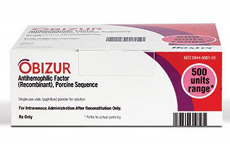
- Takeda Pharmaceuticals Korea’s hemophilia drug Obizur is expected to soon be reimbursed in Korea. The company was found to have completed pricing negotiations with the National Health Insurance Service recently. The drug received conditional approval from the Health Insurance Review and Assessment Service's Drug Reimbursement Evaluation Committee in October last year. According to industry sources on the 11th, Takeda Pharmaceuticals Korea recently completed negotiations with the NHIS on Obizur’s reimbursement and is set to be reported to the Health Insurance Policy Deliberation Committee of the Ministry of Health and Welfare soon. Obizur can be reimbursed in Korea in the month following the HIPDC report. Obizur is used to treat bleeding in adult patients with acquired hemophilia A. At the DREC meeting that was held in October, the committee determined Obizur’s reimbursement was adequate at a price below the appraised value. The importer, Pharmaceuticals Korea, is understood to have accepted this condition. The company also accepted a price less than 100% of the weighted average price of its substitute, thus omitting negotiations on its insurance ceiling price. Therefore, the company only needed to negotiate the estimated claims amount with the NHIS. If reimbursed, Obizur’s reimbursement process will be complete in one year since its marketing authorization in March last year, serving as a good example of expedited reimbursement. Unlike existing bypassing agents, Obizur replaces blood coagulation Factor VIII with AHA indications. Its unique mechanism of action allows Obizur to become the only AHA drug that can stably monitor patients’ blood factor VIII levels using standard assays, enabling individually tailored dosing. In a prospective, non-randomized, open-label Phase II/III study of 28 patients with AHA that evaluated the safety and efficacy of Obizur, all patients that were treated with Obizur had a positive response to treatment at 24 hours after initial dosing. A positive response was one where bleeding had stopped or was reduced, with clinical improvement or with factor VIII activity above a pre-specified target. Takeda Pharmaceuticals Korea said, “Obizur is a gene recombinant therapy that was produced by deleting the B-domain from a porcine factor VIII that is comparable to human Factor VIII. Therefore, the inhibitory antibodies in the human body do not readily recognize the treatment, allowing Obizur to replace the inactivated human coagulation factor VIII to help blood clotting and control bleeding.
- Company
- Generic companies partially win Trajenta patent challenges
- by Kim, Jin-Gu Jan 12, 2024 07:06am
- Generic companies have won the dispute over unregistered use patents of Trajenta (linagliptin). Although the unregistered formulation patent remains, this patent is reportedly relatively easy to avoid or invalidate. As such, the industry expects there is a higher possibility that generic versions of Trajenta will be released earlier after the drug’s substance patent expires in June. According to the pharmaceutical industry on the 11th, the Intellectual Property Trial and Appeal Board ruled that the validity of claims in the invalidation trials against the three Trajenta use patents by Genuone Science and others against Boehringer Ingelheim were established. Genuone Sciences had filed trials against Boehringer Ingelheim to invalidate 3 Trajenta’s use patents (10-1558938, 10-1655754, 10-1806786) in October 2020. Kukje Pharm, GC Biopharma, Mother’s Pharmaceutical, and Boryung had also joined in the trial with Genuone Sciences at the time. After about a year and three months, the first instance court, the Intellectual Property Trial and Appeal Board ruled in favor of the generic companies. All three patents expire in May 2027. If the patent challengers had lost in the first instance court, the release of a generic version of Trajenta would have been pushed back to after 2027. However, with the win, Trajenta generics will likely be available sooner, after the expiry of Trajenta’s substance patent in June this year. The first substance patent for Trajenta expired in August last year, and the second substance patent will expire in June this year. In July last year, Genuone Science and the other companies also succeeded in avoiding the unlisted formulation patent through a trial to confirm the passive scope of patent rights. It is estimated that 7 unlisted formulation patents and 1 unlisted use patent remain for Trajenta. However, industry insiders believe that the remaining patents are generally easy to avoid or invalidate or were registered later and do not have a significant impact on the early launch of Trajenta generics. Moreover, in the case of the 3 use patents, which are key to the launch of generic versions of Trajenta, the IPTAB clearly stated the grounds for their invalidation, such as lack of description and inventiveness, the generic company has a high chance of winning later trials even if the original company appeals. On the reason for invalidating Trajenta’s use patents, IPTAB pointed to “The experimental data related to linagliptin dosage is not disclosed in the patent specification, and linagliptin dosage or combination therapy with other diabetes drugs can be easily be invented from prior art." In other words, the trial court invalidated Trajenta’s patents on two grounds: lack of description and inventiveness. In effect, all 3 use patents directly related to Trajenta’s indication were invalidated, increasing the likelihood of early generic launch after the expiration of Trajenta's substance patent. Jong Hyuk Park, a patent attorney who participated in the patent trial, said, "This decision is significant in that it the court judge on the patentability of additional unlisted use patents that were later registered through divisional patent applications when the indications are already preannounced. Since it was determined that the patents were invalid in terms of both lack of description and inventiveness, it is unlikely that the decision will be reversed on appeal."
- Company
- New colorectal cancer drug Braftovi will receive reimb
- by Jan 12, 2024 07:05am
- Ono Pharmaceutical Korea held a press conference celebrating reimbursement listing of Braftovi (ingredient: encorafenib), a targeted drug for the treatment of metastatic colorectal cancer (mCRC) harboring a BRAF V600E mutation. All eyes are on Braftovi, a new targeted drug for metastatic colorectal cancer emerging after a 15-year gap, for its potential to address unmet demands for treatment options. Experts have assessed that, based on proven efficacy, Braftovi is likely to be highly utilized. On the 11th, Ono Pharmaceutical Korea held a press conference celebrating the reimbursement listing of Braftovi (ingredient: encorafenib), a targeted drug for the treatment of metastatic colorectal cancer (mCRC) harboring a BRAF V600E mutation. Braftovi is a targeted drug, emerged 15 years after Merck’s Erbitux (cetuximab), for the treatment of colorectal cancer. In Phase 3 BEACON CRC studies, Braftovi has demonstrated efficacy and a safety profile in patients with BRAF V600E mutation who have developed tolerance to previous therapies. Based on clinical results, patients who received the combination therapy of Braftovi and cetuximab demonstrated a median overall survival (OS) of 9.3 months, a significant extension compared to the 5.9 months observed in those treated with the combination therapy of irinotecan and cetuximab. The mortality risk decreased by 39%. The therapy’s benefits were consistently observed, regardless of the patient’s systemic therapy outcomes, the number of previous therapies, tumor metastasis range and location. The group that received the combination therapy of Braftovi and cetuximab has shown 10 times higher overall response rate (ORR) compared to the comparative thearpy group (19.5% in Braftovi combination therapy group vs. 1.8% in comparative therapy group). With a three-fold increase in Progression free survival (PFS), the risk of disease progression and death was reduced by 56%. Moreover, the group that received the combination therapy of Braftovi and cetuximab has shown an overall satisfactory safety profile, with a lower rate of severe adverse drug reactions compared to the comparative therapy group. "In the treatment of metastatic colorectal cancer, conventional therapies such as FOLFIRI and FOLFOX, in addition to Erbitux, have been used. However, there were concerns about drug toxicity and side effects. The combination therapy of Braftovi and Erbitux has shown longer treatment duration and a lower treatment discontinuation rate," Cha Yongjun, Professor in the Hematology-Oncology Department at the National Cancer Center, stated. Braftovi may have a role in treating BRAF V600E, which is associated with poor prognosis The BRAF V600E mutation occurs in approximately 4.7% of patients with metastatic colorectal cancer in Korea. Patients carrying this mutation tend to have worse prognosis, such as larger tumor size and peritoneal metastasis, compared to those who do not have the BRAF V600E mutation. In metastatic colorectal cancer patients with BRAF V600E mutation, the OS was 11.4 months, which was less than half of the 43 months for BRAF V600E-negative. The guidelines of the European Society for Medical Oncology (ESMO) and the National Comprehensive Cancer Network (NCCN) have identified the BRAF V600E mutation as a factor associated with poor prognosis in metastatic colorectal cancer, and they recommend BRAF mutation testing for all diagnosed patients. In clinical practices, it is recommended for all metastatic colorectal cancer patients to undergo RAS mutation testing and BRAF mutation testing. As a result, the analysis suggests that Braftovi may have broad clinical utility. “Currently, the available treatment options for colorectal cancer are limited. The therapeutic outcomes for second-line treatments following unsuccessful first-line treatment have been minimal. Nine out of ten patients have failed to proceed to third-line treatments. There is a critical need for new therapeutic options,” Kim Seung Tae, Professor of the Division of Hematology-Oncology at the Samsung Medical Center, commented. Professor Kim analyzed that “BRAF V600E mutated metastatic colorectal cancer is associated with poor prognosis and a significantly high rate of peritoneal metastasis. While the first-line standard treatment typically includes anti-EGFR therapy such as Erbitux, it has been reported that BRAF V600E mutation is less responsive to chemotherapy. Therefore, Braftovi could potentially become a first-line treatment option.”
- Company
- Nexviazyme prescriptions are available at general hospitals
- by Eo, Yun-Ho Jan 12, 2024 07:05am
- Sanofi-Aventis Korea’s Nexviazyme (Avalglucosidase Alfa) Prescriptions for Pompe disease treatment ‘Nexviazyme’ will be available at general hospitals. According to the industry, Sanofi-Aventis Korea’s Nexviazyme (Avalglucosidase Alfa) has recently passed the Drug Committee (DC) of tertiary general hospitals, including Samsung Seoul Hospital, Seoul National University Hospital, Seoul Asan Hospital, Seoul St. Mary's Hospital, and Sinchon Severance Hospital, and other hospitals where Pompe disease treatment is possible. Nexviazyme, developed based on Sanofi’s enzyme replacement therapy ‘Myozyme (avalglucosidase alfa)’ with improvements in usage and dosage, has become the first biobetter to receive preferential drug pricing by the government. In 2016, the government made an announcement regarding preferential drug pricing system, including both biosimilars that demonstrated healthcare enhancements in Korea and biobetters that demonstrated improvements from previously approved biomedicines. According to the announcement, recognizing the challenges in developing biobetters compared to incrementally modified drugs (IMD, synthetic drugs), the pricing of biobetters was set at 100-120% of the pricing of their drug targets (original biological drugs). Utilizing glycoengineering techniques, Nexviazyme has increased the amount of M6P, an important factor in the drug's intracellular uptake, by approximately 15-fold compared to Myozyme. The higher amount of M6P leads to increased drug uptake and improved GAA activity, effectively reducing damage to muscle cells through efficient glycogen breakdown. Moreover, the increased surface M6P enhances immunogenicity, providing safety benefits Pompe disease is a hereditary neuromuscular disorder caused by a deficiency in the enzyme acid alpha-glucosidase (GAA), which is responsible for breaking down glycogen in the muscles. The condition is progressive and can affect individuals of all ages. Left untreated, it can lead to irreversible muscle damage, respiratory and motor function impairment, and even premature death. In the COMET and MINI-COMET studies, enrolling Pompe disease patients, treatment with Nexviazyme demonstrated a 2.43% improvement in forced vital capacity (FVC) compared to Myozyme, with the benefit persisting consistently for up to 97 weeks. In 6 minute-walk test, compared to Myozome, participants administered with Nexviazyme showed a mean distance increase of 30m (4.71%) and demonstrated improvements in the trial’s secondary objectives, including gross motor function, health-related quality of life, and others.
- Policy
- Enhertu’s reimb to be redeliberated at next DREC meeting
- by Lee, Tak-Sun Jan 12, 2024 07:05am
- Reimbursement for the new breast cancer drug ‘Enhertu Inj,’ which was first deliberated by the Drug Reimbursement Evaluation Committee, will be redeliberated at next month's DREC meeting. At the same meeting, JW Pharmaceutical’s iron deficiency treatment ‘Ferinject Inj (ferric hydroxide carboxymaltose complex) was deemed adequate for reimbursement and moved on to conduct pricing negotiations with the National Health Insurance Service. The Health Insurance Review and Assessment Service said on the 11th that it deliberated as above at its 1st Drug Reimbursement Evaluation Committee meeting in 2024 (DREC). At the meeting, DREC deliberated on the reimbursement adequacy of ‘Ferinject Inj’ and ‘Enhertu Inj 100mg.’ Deliberation results of 1st DREC meeting in 2024 The reimbursement adequacy of Enhertu Inj 100mg (trastuzumab deruxtecan, Daiichi Sankyo Korea), which attracted attention as a drug that was having difficulty passing deliberations due to its high cost despite its high effect, was not concluded at this meeting and will be redeliberated at the February meeting after the company submits an improved financial sharing plan. The drug is indicated for ▲HER2-positive breast cancer and ▲HER2-positive gastric or gastroesophageal junction (GEJ) adenocarcinoma. On the other hand, Ferinject Inj, which is used to treat iron deficiency, was deemed adequate for reimbursement. Meanwhile, ‘Lorviqua Tab 25, 100mg (lorlatinib, Pfizer Korea),’ which applied for expanded scope of use as a Risk-Sharing Agreement drug, was deemed to be eligible for the expanded reimbursement for anaplastic lymphoma kinase (ALK)-positive metastatic non-small cell lung cancer if the company accepts a price below the evaluated value.
- Company
- FDA approves BLA for Dong-A ST’s Stelara biosimilar
- by Chon, Seung-Hyun Jan 11, 2024 05:45am
- Dong-A ST announced on the 5th that Accord Biopharma, a subsidiary of Intas Pharmaceuticals, has completed Biologics License Application (BLA) for Stelara biosimilar ‘DMB-3115’ to the U.S. Food and Drug Administration (FDA). The BLA, originally submitted in October 2023, has now been approved by the FDA. FDA accepts BLA for DMB-3115 of Dong-A ST. Dong-A ST and Meiji Seika Pharma will be responsible for R&D of DMB-3115 and exclusively distribute the product to Instas, Accord Biopharma, and Accord Healthcare. The BLA submission was based on the results from quality equivalence testing between Stelara and DMB-3115 conducted in both the United States and Europe. The global Phase 3 clinical trials enrolled patients with moderate to severe chronic plaque psoriasis, and the result demonstrated therapeutic equivalence between DMB-3115 and Stelara. There were no clinically significant differences in safety. Stelara, developed by Janssen, is a treatment for various inflammatory diseases, including plaque psoriasis, ulcerative colitis, Crohn’s disease, and ulcerative colitis. Stelara is a blockbuster biomedicine and has recorded global sales of $17.77 billion (approx. 22 trillion won). DMB-3115 has been under joint development by Dong-A Socio Holdings and Meiji Seika Pharma since 2013. In July 2020, to facilitate more efficient global progress, the development and commercialization rights for DMB-3115 were transferred to Dong-A ST. In July 2021, Dong-A ST finalized a technology transfer agreement with the multinational pharmaceutical company, Instas Pharmaceuticals. Instas acquired exclusive rights for the approval and sales of DMB-3115 in global markets, except for several Asian countries such as Korea and Japan. Instas plans to commercialize DMB-3115 globally via its subsidiaries, Accord Biopharma in the United States and Accord Healthcare in Europe, the United Kingdom, and Canada. Meanwhile, Dong-A ST and Meiji Seika Pharma will be responsible for R&D of DMB-3115 and exclusively distribute the product to Instas, Accord Biopharma, and Accord Healthcare. In July 2023, Accord Healthcare, a subsidiary of Instas, completed submission of BLA for DMB-3115 to the European Medicine Agency. “Based on the proven therapeutic equivalence and safety between DMB-3115 and Stelara, we have successfully submitted the BLA in the United States following our success in Europe,” explained Park Jaehong, R&D President at Dong-A ST. “To fast-track the entry of DMB-115 into global markets, including Europe and the United States, we are fully committed to efficiently completing the remaining procedure in close collaboration with Instas.”
- Company
- Dong-A ST signs MOU with Israel’s Eleven Therapeutics
- by Son, Hyung-Min Jan 11, 2024 05:45am
- On the 9th, Dong-A ST announced that it had signed a memorandum of understanding (MOU) with Israel-based Eleven Therapeutics to develop an RNA-based gene therapy at the JP Morgan Healthcare Conference in San Francisco, USA. The two companies will conduct joint research to discover targeted RNA therapies for fibrotic diseases using Eleven Therapeutics' platform technology, TERA. The TERA platform leverages massively parallel processes to map the chemical space and reveal the structure-activity relationship (SAR) of RNA molecules using artificial intelligence (AI)/ machine learning (ML) and is being used to discover optimal xRNA drugs. Dong-A ST has selected gene therapy as one of its major areas of focus for its future and has been continuing efforts to expand its R&D capabilities from synthetic drugs - its previous forte - to gene therapy. Founded in 2020, Eleven Therapeutics is an Israeli biotech company that develops xRNA therapies by combining combinatorial chemistry and synthetic biology technologies with artificial intelligence and machine learning. The company received a USD 9 million investment from the Bill and Melinda Gates Foundation as support for the development of its RNA design platform and announced a research partnership with Novo Nordisk to develop RNA therapeutics for cardiovascular diseases using its DELiveri platform technology last summer. In addition to Israel, Eleven Therapeutics has laboratories and offices in Cambridge, UK, and Boston, USA, and has been actively continuing research activities in all three countries. Yaniv Erlich, CEO and co-founder of Eleven Therapeutics said, "We are delighted to be working with DONG-A ST on our journey to address the unmet medical needs in fibrotic diseases. Based on our newly forged partnership, we will work to apply xRNA therapies to various disease areas." Jae Hong Park, President of Research and Development at Dong-A ST, said, "By collaborating with Eleven Therapeutics, we have come one step closer to developing innovative RNA therapies. We will strive to transform into a gene and cell therapy specialty company."
- Company
- 5th JAK inhibitor Jyseleca lands in general hospitals in KOR
- by Eo, Yun-Ho Jan 11, 2024 05:45am
- Another JAK inhibitor can now be prescribed at general hospitals in Korea. According to industry sources, Gilead's Jyseleca (filgotinib) has passed the drug committee (DC) review of major national hospitals and medical institutions like Seoul Asan Medical Center and Hanyang University Hospital. After the drug was approved for reimbursement in November last year, its company is now starting to compete for prescriptions in earnest. Jyseleca was first approved with reimbursement as a treatment for rheumatoid arthritis and moderate-to-severe active ulcerative colitis. Patients eligible for reimbursement are those with either of the conditions and do not respond adequately to or are intolerant to existing treatment, and include those who show inadequate response or are intolerant to TNF-α inhibitors among patients aged 65 years and older. Jyseleca received a conditional reimbursement decision for the rheumatoid arthritis and ulcerative colitis indications from HIRA’s Drug Reimbursement Evaluation Committee in July last year. At the time, DREC judged that reimbursement was adequate if the company accepted a price below than the evaluated amount. Eisai Korea then accepted a price less than 90% of the weighted average price of alternative drugs, and omitted insurance price ceiling negotiations with the National Health Insurance Service and quickly received reimbursement in Korea. JAK inhibitors currently available in Korea include ‘Xeljanz (tofacitinib),’ ‘Olumiant (baricitinib),’ and 'Rinvoq (upadacitinib).’ How well Jyseleca will be able to exert its influence amid these drugs remains to be seen. Meanwhile, Jyseleca (filgotinib) is an adenosine triphosphate (ATP) a competitive and reversible inhibitor that selectively inhibits JAK1. JAK1 is a substance that transmits inflammatory cytokine signals and is considered a major treatment target for rheumatoid arthritis. Some of the recent treatments that were released inhibit JAK2 or JAK3, depending on their mechanism of action, but there is some opinion that both mechanisms are involved in immune cell proliferation and homeostasis regulation, and may cause adverse reactions. The drug's efficacy was demonstrated through Phase III trials, including FINCH1, FINCH2, and FINCH3. In the FINCH1 study, Jyseleca 200mg improved arthritis symptoms by more than 20% at 12 weeks when administered to patients with moderate-to-severe active RA (rheumatoid arthritis) despite continued methotrexate (MTX) treatment.
- Opinion
- [Reporter's View] GOV takes measures to stabilize supply
- by Lee, Hye-Kyung Jan 11, 2024 05:45am
- To resolve the issue of medicines supply instability, the government has announced a plan to conduct a field investigation of pharmacies and hospitals that engage in stockpiling of drugs, in collaboration with a local government starting in January. This is the government’s first active involvement in checking nursing homes and taking administrative measures. In March of last year, a public-private consultative body was established, comprised of the Ministry of Health and Welfare (MOHW), the Ministry of Food and Drug Safety (MFDS), the Korean Disease Control and Prevention Agency (KDCA), the Korean Medical Association, Korea Pharmaceutical and Bio-Pharma Manufacturers Association (KPBMA), the Korea Pharmaceutical Distribution Association (KPDA), the Korean Society of Health-system Pharmacists. The decision to investigate stockpiling in nursing homes was made during a meeting held in September last year. The items to be investigated include Sam Il’s ‘Sudafed tab.’ and Sama Pharm’s ‘Setopen suspension,’ and the criteria for categorizing purchases as stockpiling have been defined as cases where the claimed amount (usage) was less than 25% after purchasing. Notably, there have been 40 instances where medical institutions have acquired cold medicines with 0% recorded usage. In response, the government has chosen to examine these cases during the field investigation to see if indeed they were stockpiling. However, a few pharmacies have criticized the government for intervening with purchasing practices ahead of prescription. According to the government, drug shortages have historically been a recurring issue in many countries, regardless of their income levels. However, when addressing medicines of supply instability, such as common cold medicines, which are non-essential but can cause inconvenience when unavailable during the simultaneous outbreak of various respiratory diseases, even with increased production by pharmaceutical companies, government intervention may become necessary. Until now, several measures have been implemented to address the supply shortage. For six ingredients such as 'acetaminophen' and 'pseudoephedrine,' the government raised drug prices conditionally, and for twelve ingredients such as 'mifepristone' and 'cefpodoxime proxetil,' pharmaceutical companies were encouraged for production and provided with administrative support for raw materials. Following their request for cooperation in prescribing alternative medications to enhance demand management and minimize distribution disparities while ensuring fair access to drugs, the government has launched an investigation into stockpiling practices. In November last year, the list of national essential medicines was expanded to include seven products with six ingredients for pediatric drugs, including acetaminophen syrup. Over the past year, various measures, including the establishment of a public-private consultative body, have been prepared for drug supply stabilization. This year, taking suggestions from the meeting, it is crucial to establish a system aimed at preventing drug shortages. In addition, there should be a discussion about a follow-up plan. Waiting until major disruptions in drug supply occur would be too late. It appears that frequent surveys of supply shortages of drugs may be needed. Starting this year, the government plans to raise the prices of unprofitable drugs, extending a measure that was initially introduced last year for supply shortages of drugs. There is an expectation that these various measures will function effectively to address the drug supply issue. This year, we should see a decrease in instances where people ‘hop from one pharmacy to another in search of medicines.’
- Policy
- HIRA establishes new Pharmaceutical Benefits Dept
- by Lee, Tak-Sun Jan 11, 2024 05:44am
- High-priced drugs are changing the drug expenditure review paradigm in Korea. The high cost borne from the use of high-price drugs is increasing the importance of post-listing evaluation of high-priced drugs. To address this shift, the Health Insurance Review and Assessment Service established a ‘Pharmaceutical Performance Evaluation Department’ earlier this year, which is in charge of the post-listing management of high-priced drugs. This is the first time another pharmaceutical department has been established in HIRA since the Pharmaceutical Benefits Department was separately established from the Benefits Listing Department in 2006. According to industry sources on the 9th, HIRA had newly established a Pharmaceutical Performance Evaluation Department under its Health Insurance Review and Assessment Research Institute through restructuring earlier this year. The Pharmaceutical Performance Evaluation Department will be led by Director-General So-young Lee, who also serves as the Head of the Health Insurance Review and Assessment Research Institute. Lee graduated from Chung-Ang University College of Pharmacy and has a strong background in pharmaceutical listing management, including experience as the Director-General of HIRA's Benefits Listing Department. Also, Director Mi-Kyung Kim was appointed to the Pharmaceutical Performance Evaluation Department, who returned after receiving education at the Seoul National University School of Public Health. The Pharmaceutical Performance Evaluation Department will take over duties of the New Drug Performance Management Department that was established as a temporary organization under the Pharmaceutical Benefits Department in September 2022. That department had been temporarily established to address the need for post-listing management of high-priced drugs in line with the reimbursement listing of Kymriah, which costs KRW 360 million per dose. Specifically, the new department will be responsible for evaluating and analyzing the outcomes of patients receiving high-priced drugs at medical institutions. The number of items that are subject to performance evaluations has increased to 4, and includes Kymriah Zolgensma, Spinraza, and Evrysdi. Kymriah (above) and Zolgensma, drugs receiving post-marketing evaluation as high-priced drugs The Drug Performance Evaluation Department currently consists of 9 people under the Director-Genral and plans to expand its workforce in the future. For now, it is in charge of evaluating the performance of high-priced drugs, but in the future, it is expected to serve as a window for the post-listing management of PE exemption drugs that waived submission of pharmacoeconomic evaluation data. HIRA’s webpage introduces the duties of the Pharmaceutical Performance Evaluation Department as ▲ matters related to preparing the basis for performance management of high-priced drugs and system operations ▲ matters related to RWD utilization (E-form, etc.), and post-listing management ▲ matters related to cost-effectiveness evaluation and economic evaluation (reevaluation) of high-priced drugs ▲ matters related to research on the price, listing, and usage of drugs subject to performance evaluations. The post-listing management PE exemption drugs were also mentioned in the recently concluded report on ''Measures to improve the PE exemption system.' In the report, the researchers said, "The economic feasibility of listed PE exemption drugs were evaluated in all other HTA-based major countries,” suggesting the need for reevaluation of these listed drugs for the proper management of the price of drugs that will potentially be used as comparators for the listing of latecomers. The need for post-listing evaluation of PE exemption drugs based on RWE data was also mentioned during a public hearing on 'Measures to Manage Performance-based Reimbursement of Drugs using RWD/RWE' that was held in November last year. Ji-hye Byun, an associate researcher who published the RWE guideline for performance-based reimbursement management, is also in the Drug Performance Evaluation Department. When the plan to improve the post-management of PE exemption drugs is prepared, which is being promoted in earnest this year, the Pharmaceutical Performance Evaluation Department is likely to take the lead and take over the post-listing management work. The establishment of the Pharmaceutical Performance Evaluation Department holds significance as it serves as proof that the drug review paradigm has been changing. HIRA’s Pharmaceutical Benefits Department was separately established from the Benefits Listing Department in 2006 in response to the need to strengthen the management of drug prices and drug expenses. At the time, the measure was made in preparation for the positive-list system set to be introduced in December of the same year. If the positive-list system, which selects and applies reimbursement benefits to only clinically and economically high-value drugs, has led to changes in drug management work, it is interpreted that the new department opened a new paradigm in drug management that complements areas missed by the positive-list system, extending its work to post-management of high-value drugs. in his New Year's speech, Jung-Gu Kang, Director of HIRA, said, “Reimbursement for ultra-high-priced drugs and rare and incurable diseases has been rising as an ongoing issue recently. The entry of rapidly listed ultra-high-priced drugs into Korea’s reimbursement system after waiving economic evaluation has raised the need for post-management of drugs.” He added, “We want to create a mechanism that can monitor the treatment performance of a drug on each patient so that effective drugs can be administered to the public, and also reduce the risk of wasting major health insurance financial expenditures by strengthening post-listing management of drugs based on performance management."
