
- LOGIN
- MemberShip
- 2026-06-27 21:54:18
- Company
- Will Lixiana follow-ons take over the market?
- by Moon, sung-ho Apr 19, 2023 05:51am
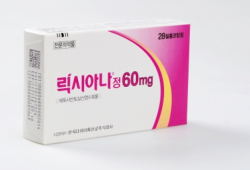
- Activity in related markets has been rising due to the aftermath of the reimbursement approval for Transcatheter Aortic Valve Implantation (TAVI) that had been made last year. Pharmaceutical companies have been increasingly conducting activities to target the Non-vitamin K antagonist oral anticoagulant (NOAC) market. 다이이찌산쿄 릭시아나 제품사진. According to industry sources on the 17th, a series of marketing authorizations have been granted for follow-on drugs of Daiichi Sankyo’s NOAC drug ‘Lixiana (edoxaban)’ recently. More specifically, 6 incrementally modified drugs with different salt formations than the original, the 15mg and 30mg formulations of Hutecs Korea Pharmaceuticals’ ‘Enxiana,’ Handok’s ‘Megaxaban,’ and Genu Pharma’s ‘Genupharma Edoxaban’ were approved on the 12th. However, the prospects are that it would be difficult to launch a product within a short period of time as more than 3 years remain until the patent that the companies were unable to avoid, Lixiana’s substance patent, expires. Meanwhile, the NOAC market, which is being led by Lixiana, has been pointed to as a representative prescription drug market that is showing rapid growth. According to the market research institution UBIST, Lixiana’s prescription sales amounted to KRW 89 billion last year, up 4.9% from the KRW 84.8 billion of the previous year. Lixiana is currently being jointly marketed by Daiichi Sankyo Korea and Daewoong Pharmaceutical in Korea. The NOAC market is expected to continue to grow further as TAVI procedures are being conducted in earnest in the field with its reimbursement. Since May last year, the Ministry of Health and Welfare has converted the coverage status of TAVI procedures for severe aortic stenosis patients over the age of 80 to provide full reimbursement. Following full reimbursement, the Korean Heart Rhythm Society published a revised 'NOAC Use Guideline' in the second half of last year and presented specific criteria for NOAC use in various situations. In particular, as the guideline specified that 'the basis for the use of NOAC on TAVI patients was established,’ the revision heralded expanded NOAC use. Therefore, in line with the growing NOAC prescription market, the domestic pharmaceutical companies' efforts to enter their generics into the market are expected to continue to increase in the future. An official from a domestic pharmaceutical company who requested anonymity, predicted, "The launch of a low-dose 15mg formulation of Lixiana had a direct impact on sales growth last year. The full reimbursement of the TAVI procedure would also further impact Lixiana’s growth.” The official added, “Also, new prescriptions for NOACs are expected to increase significantly in the future as we are into the 1-year point of TAVI’s reimbursement. For the same reason, I believe domestic pharmaceutical companies will also actively work to release their generics as well.”
- Policy
- MSD Welireg is about to be approved in Korea
- by Lee, Hye-Kyung Apr 19, 2023 05:51am
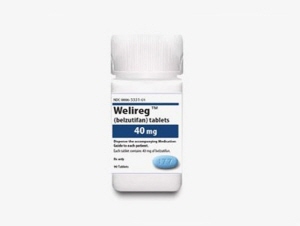
- Domestic approval of Welireg, an oral hypoxia-inducible factor-2 alpha (HIF-2α) inhibitor, is imminent. According to the pharmaceutical industry on the 18th, the Ministry of Food and Drug Safety completed the safety and efficacy review of MSD Korea's Welireg. This drug was approved in Korea in August of last year and was designated as an orphan drug for Von Hippel-Lindau indications in January of last year prior to MSD Korea's application for approval. Welireg obtained approval from the US FDA in August 2021 as an adult VHL treatment that does not require urgent surgery but requires the treatment of RCC, CNS hemangioblastoma, or pNET. Welireg, approved in the United Kingdom and Canada, starting with the United States, has a mechanism that reduces the transcription and expression of HIF-2α target genes related to cell proliferation, angiogenesis, and tumor growth. VHL is a rare genetic disease that occurs in about 1 in 36,000 people. Patients with VHL are known to be at high risk of developing some cancerous diseases, including benign hemangioma and renal cell carcinoma. The recommended dose for Welireg 40 mg tablets is 120 mg daily until tumor progression or unacceptable toxicity. Indications for application for domestic approval are also for the treatment of VHL adult patients who do not require immediate surgery but need treatment for VHL-related renal cell carcinoma, central nervous system hemangioblastoma, and pancreatic neuroendocrine tumor.
- Company
- Dutasteride's market share is on the rise
- by Nho, Byung Chul Apr 19, 2023 05:50am
- Tablet-type dutasteride (left) from JW Pharmaceutical Co., Ltd. and Avodart, a capsule-type product from GSK The biggest advantage of solving the leakage problem is caused by the soft capsule shell rupture. In the dutasteride drug market, which has been growing mainly in capsule form, recently launched tablet-type products are gradually increasing sales. Based on UBIST, dutasteride tablets generated sales of 9.1 billion won last year from 200 million won in 2018, accounting for 10% of the total market. Dutasteride capsules posted sales of 82.9 billion won last year from 55.9 billion won in 2018. Over the past five years (2018-2022), the performance was 55.9 billion, 68.3 billion, 74.7 billion, 80.7 billion, and 82.9 billion won. During the same period, refining shows the growth of 200 million, 3.1 billion, 5 billion, 7.2 billion, and 9.1 billion won. The Dutasteride capsule-type leading product is ranked No. 1 in the related field as GSK Avodart. Based on drug distribution performance, the sales of these drugs last year were around 43.7 billion won. The growth rate from 2021 to 2022 is showing an increase of 4%. Damodat of Hyundai Pharm, Adamo of Hanall Biopharma, and Jdart of JW Pharmaceutical posted sales of 1.4 billion won, 1.1 billion won, and 1 billion won, respectively, last year. Dutasteride (tablet type) has 28 products on the market, and JW Pharmaceutical produces 83% of them through CMO. A total of three domestic companies, including JW Pharmaceutical, have dutasteride tablet manufacturing technology. Avodart, a prostatic hyperplasia treatment developed by GSK in 1993, is the first product. GSK started selling Avodart in 2001 after receiving US FDA approval and conducted clinical trials in Korea in 2006, and in 2009, it was approved for hair loss by the Korean Food and Drug Administration for the first time in the world. As the patent expired in 2016, many generics have been released. Dutasteride is a drug with a mechanism of reducing dihydrotestosterone converted by 5α-reductase. Due to the nature of dutasteride being insoluble in water, it is difficult to make it into a tablet form, so all generics, including the original Avodart, have been sold as soft capsules. In November 2018, JW Pharmaceutical launched Jdart, a purified product for the first time in Korea. Recently, it succeeded in obtaining a patent for dutasteride tablet manufacturing technology (the second in the world after an Indian pharmaceutical company) from the Korean Intellectual Property Office. The JW Pharmaceutical Research Center has succeeded in developing dutasteride into a tablet formulation by applying the Self micro-emulsifying drug delivery system. The tablet type improved the convenience of patients taking the soft capsule by improving the discomfort of sticking to the mouth and esophagus when taking the soft capsule and also solved the problem of content leakage due to the rupture of the soft capsule shell.
- Company
- Will Enhertu pass the fiscal barrier and be reimb in KOR?
- by Eo, Yun-Ho Apr 19, 2023 05:50am
- The reimbursement progress of the anticancer drug that received 50,000 consents in a national petition is gaining attention. According to industry sources, the reimbursement review data for Enhertu, AstraZeneca and Daiichi Sankyo’s HER2-directed antibody-drug conjugate (ADC), has been supplemented and submitted to the authorities on the 14th. No reimbursement standard had been set for Enhertu at the Cancer Disease Review Committee (CDRC) meeting that was held in March. At the time, there was no disagreement among experts about the clinical usefulness of Enhertu. In other words, the reason why a standard had not been set was considered to be because of its potential financial burden on national health insurance finances. In addition, as the drug was accepted for review at the Petition Review Subcommittee held yesterday (15th), the possibility that the agenda will be deliberated at the Health Insurance Review and Assessment Service’s CDRC meeting that will be held on the 26th is rising. With the reattempt gaining a lot of attention, the pharmaceutical company is also determined to make the cut this time. Daiichi Sankyo was known to have prepared various plans to reduce the financial burden, such as by presenting the drug price of Enhertu at the lowest level in the world and considering applying the risk-sharing agreement (RSA) scheme. A company official said, “The seconds and minutes we waste here may be the matter of life and death for the metastatic breast cancer patients. We will also do our best to save all the time we can to Enhertu's reimbursement to save at least one more patient.” Meanwhile, based on DESTINY-Breast01 and DESTINY-Gastric01 trials, Enhertu was approved by the Ministry of Food and Drug Safety in September for the treatment of ▲unresectable or metastatic HER2-positive breast cancer who have received two or more prior anti-HER2-based regimens (third-line or higher treatment); and ▲locally advanced or metastatic HER2-positive gastric or gastroesophageal junction adenocarcinoma who have received two or more prior therapies including anti-HER2-based regimens. Also, in December last year, its indication was expanded based on the results of the DESTINY-Breast03 trial to be used to treat patients with unresectable or metastatic HER2-positive breast cancer who have received one or more anti-HER2-based regimens.
- Company
- Never-ending patent dispute over Galvus
- by Kim, Jin-Gu Apr 18, 2023 05:38am
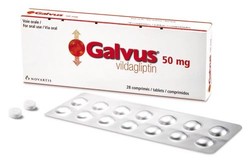
- In a patent dispute over Galvus, a DPP-4 inhibitor-type diabetes treatment, Novartis received a dismissal from the Intellectual Property Tribunal. Apart from this trial decision, the Galvus patent dispute is expected to continue for some time. This is because the dispute between Novartis and the generic company regarding the extension of the duration has not yet been resolved, even though the substance patent expired in March of last year. According to the pharmaceutical industry on the 14th, the Intellectual Property Tribunal recently made a decision to dismiss Novartis in a trial to confirm the scope of its rights filed against a generic company. A dismissal is a trial decision in the sense that the claim does not meet the appropriate requirements. In January 2022, Novartis had previously requested a judgment to confirm the scope of its rights against Kyongbo Pharmaceuticals, United, Ahn-Gook, and Ahngook Newpharm. It was a judgment requesting a judgment on whether they infringed on some of the Galvus material patent claims. Generic companies released generics for Galvus one after another after the Supreme Court ruling in October 2021. Novartis argued that the validity of the Galvus material patent is also valid as the Supreme Court issued a ruling on remand overturns, but the dispute was not finalized as the first trial appealed. Accordingly, it was argued that the early release of generics by generic companies also has room for patent infringement. While this trial was in progress, the Galvus material patent expired (March 4, 2022). In the end, it is analyzed that the Intellectual Property Trial and Appeal Board made a decision to dismiss the trial, judging that the active trial for confirmation of the scope of rights requested by Novartis did not meet the appropriate requirements as a trial. In 2017, Ahn-Gook and others requested a judgment against Novartis that part of the Galvus material patent duration was invalid. In the first trial, the generic company won, and in the second trial, Novartis won. The Intellectual Property Trial and Appeal Board determined that 187 days of Galvus material patents were invalid, and the Patent Court ruled that 55 days were invalid. After the second trial, Novartis appealed. However, the Supreme Court judged that Novartis, which won in the second trial, had no right to appeal, and remanded the case to the first trial. In May of last year, the Intellectual Property Tribunal sided with Novartis. This time, generic companies appealed. The Patent Court opened its defense in January this year. On the 20th of this month, the second defendant has been announced. According to UBIST, a pharmaceutical market research institute, the combined prescription of Galvus and Galvusmet last year was 32.4 billion won. It decreased by 30.7% compared to 46.6 billion won in 2021. Generic products such as Kyongbo, Hanmi Pharm, and Ahn-Gook, which were released early last year, recorded a combined prescription record of 14.5 billion won.
- Policy
- As a result of the PMS of Entresto·Xnepri,
- by Lee, Hye-Kyung Apr 18, 2023 05:38am
- As a result of a post-marketing investigation of the chronic heart failure treatment ingredient 'Sacubitril Valsartan Sodium Hydroxide', the incidence rate of adverse events was 24.62% regardless of the causal relationship. The MFDS prepares an order (draft) to change permission items based on the results of post-marketing surveillance (PMS) conducted by pharmaceutical companies on 3,075 people for 6 years for re-examination in Korea and proceeds with opinion inquiry by the 28th. do. The items in question are Novartis Korea 'Entresto Film Coated Tab' 50mg, 100mg, and 200mg and Sandoz 'Xnepri Film Coated Tab' 50mg, 100mg, and 200mg, which received product approval on April 14, 2016. As a result of a post-marketing survey conducted on 3,075 people for 6 years for re-examination in Korea, the occurrence rate of adverse events was reported to be 24.62% (757/3075 people, 1133 cases) regardless of a causal relationship. Among them, 0.29% (9/3075 patients, 11 cases) of serious adverse drug reactions that could not rule out a causal relationship and 1.33% (41/3075 patients, 47 cases) of unexpected adverse drug reactions that could not rule out a causal relationship ) appeared. Serious adverse reactions included congestive cardiomyopathy, acute myocardial infarction, exacerbation of congestive heart failure, bradycardia, pleural effusion, appendicitis, asthenia, acute renal injury, hypertension, and hypotension. Palpitations, dyspnoea, chest pain, and chest discomfort were uncommon occurrences, and indigestion, vomiting, abdominal discomfort, constipation, oral disorders, and edema were rare. The MFDS requested that if there is an opinion on the proposed change order, it should be submitted with specific reasons and related data attached.
- Opinion
- [Reporter's View] Rise of patients and concerns
- by Eo, Yun-Ho Apr 18, 2023 05:37am
- Medicine is a product with strong public goods characteristics. It is a means of curing human diseases and maintaining health. In Korea, national health insurance is also applied. Another fact is that it is the company that makes and sells it. The purpose is to make a profit. Pharmaceuticals are high-value-added products that can make a lot of money. In this situation, the awakening of patients now exerts its power again, raising the popularity of prescription drugs. Their actions are influencing the decision-making itself for entitlement to benefits. These days, new drug development trends are anticancer drugs and rare incurable diseases. Innovative new drugs are emerging one after another in various cancer areas directly related to human life. There is also hope for patients with rare incurable diseases who have been suffering without proper treatment because only a small number of patients suffer from them. But those drugs are expensive. Most of these drugs are super-expensive. It's been a long time since it was approved by the Ministry of Food and Drug Safety, but prescriptions have not been made and the process for listing benefits has not been completed. The HIRA and the NHIS are bombarded with complaints from patients. Complaints even reach the National Assembly. The Ministry of Health and Welfare and its affiliated agencies are inundated with questions and criticism. Even without determining whether or not to receive reimbursement itself, cases, where the patient's power was clearly demonstrated in the speed of registration, are gradually accumulating. Pharmaceutical companies say that when they promote a drug, it is for the sake of patients. That is true, but there are times when there is no inspiration. It is thanks to companies that are inclined towards 'products' without a dilemma. That's why we hope that the industry's approach to patients will be accompanied by rigorous prudence.

- Company
- Sales of Pfizer, Gilead, and MSD soared last year
- by Jung, Sae-Im Apr 18, 2023 05:37am
- Last year, Korean subsidiaries of multinational pharmaceutical companies made external growth in general. Pfizer Korea, MSD Korea, and Gilead Sciences Korea have enjoyed an increase in sales of COVID-19 vaccines and treatments. The high sales growth of new drugs such as Keytruda, Gardasil 9, and Prolia also contributed to the increase in sales. According to the Financial Supervisory Service on the 18th, combined sales in 37 of the 38 Korean subsidiaries of major multinational pharmaceutical companies, excluding Viatris totaled at KRW 11.72 trillion, up 27.7% from the previous year's KRW 9.18 trillion. During the same period, operating profits increased by 9.8% from KRW 361.2 billion to KRW 396.5 billion. The figure excludes Viatris Korea, which changed its settlement date from the end of November to the end of December last year. About 80% - 30 of 38 Korean subsidiaries of multinational pharmaceutical companies - increased sales. More than half (21) also saw an improvement in their operating profit. The sales expansion of multinational pharmaceutical companies' Korean subsidiaries can be attributed to the high sales growth of new drugs. The companies enjoyed the special procurement demand that arose due to the COVID-19 pandemic by developing vaccines and treatments for COVID-19. New drugs for diseases other than COVID-19 have also shown even growth in sales. According to the market research institution IQVIA, 9 of the top 10 drug sales last year were products from multinational pharmaceutical companies. MSD, Viatris, Amgen, AstraZeneca, Sanofi, and Roche evenly placed their names on the ranking list. Pfizer Pharmaceuticals Korea, which posted the highest sales last year, recorded an overwhelming annual sales of KRW 3.23 trillion last year. This is the highest figure recorded among pharmaceutical and bio companies in Korea. The company made more sales than Samsung Biologics, which recorded KRW 3.13 trillion last year. Operating profit also increased significantly to KRW 120.1 billion, a 102.8% increase from the KRW 59.2 billion won in the previous year. The COVID-19 pandemic drove the high growth for Pfizer Korea. Pfizer is the only one among domestic and foreign companies that supply both a COVID-19 vaccine and treatment. The COVID-19 vaccine ‘Comirnaty’ and the treatment ‘Paxlovid’ that was developed by Pfizer had been supplied through Pfizer Korea in Korea. Thanks to this, sales in its Korean subsidiary soared from KRW 391.9 billion in 2020 to RKW 1.70 trillion in 2021, then to KRW 3.23 trillion in 2022. As distribution and marketing for COVID-19 vaccines and treatments were virtually conducted by the government, the company was able to generate high profits thanks to low SG&A expenses. Pfizer Korea’s operating profit, which suffered a loss of KRW 7.2 billion in 2020, succeeded in turning a profit in 2021 and exceeded KRW 100 billion last year. Gilead Sciences Korea showed the second most growth in sales after Pfizer Korea. Last year, Gilead's Korean subsidiary posted KRW 565.4 billion in annual sales, a 96.1% increase from the previous year's KRW 288.4 billion. Gilead Sciences Korea, whose sales did not belong in the Top 10 among Korean subsidiaries of multinational pharmaceutical companies, jumped to 5th last year. Operating profit increased by 84.1% from KRW 12.5 billion to KRW 23 billion. Sales of its COVID-19 treatment ‘Veklury (remdesivir)’ is deemed to have contributed to Gilead Sciences Korea’s marked growth. The number of COVID-19 patients increased significantly last year, and the number of critically ill patients also increased. Veklury was approved for use in hospitalized patients with severe COVID-19 whose oxygen saturation level is less than 94% or who need supplemental oxygen treatment. MSD Korea also posted an all-time high in terms of annual sales by making KRW 820.4 billion last year. Overtaking AstraZeneca Korea, the company ranked second in sales among multinational pharmaceutical companies’ Korean subsidiaries. Sales of the COVID-19 treatment ‘Lagevrio,' the immuno-oncology drug ‘Keytruda,’ and the cervical cancer vaccine ‘Gardasil 9’ drove the company’s growth. Last year, the government purchased 242,000 courses of LAgevrio from the company. If the contracted amount was introduced last year as planned, sales of KRW 169.4 to KRW 193.6 billion (KRW 700,000 to KRW 800,000 per person) were generated. In addition, sales of Keytruda, the lead product among domestic drug sales, and Gardasil9, which ranks 3rd, reached KRW 356.6 billion based on an IQVIA. On the other hand, the company’s operating profit halved to KRW 28.6 billion due to the rise in the price of finished products the company had purchased from its headquarters and a large amount of money spent on SG&A expenses. In addition, Organon Korea (20.8%), Sanofi-Pasteur (19.9%), Ipsen Korea (19.2%), Abbott Korea (17.6%), Merck (16.8%), Roche Korea (16.6%), Novo Nordisk (16%) %) achieved high sales growth. In particular, sales of Sanofi Pasteur Korea, the vaccine division of the Sanofi Group, surpassed KRW 100 billion in annual sales for the first time last year thanks to strong sales of influenza (flu) vaccines last year. In other words, more than half of the 38 Korean subsidiaries of multinational pharmaceutical companies saw an improvement in their operating profit. However, except for Pfizer Korea, which marked an explosive growth in operating profit last year, the operating profit of the remaining companies fell 8.7% from KRW 302.9 billion in 2021 to KRW 276.5 billion in 2022. This means that the deuteration experience by the other companies was greater than the improvement in operating profit seen by 20 companies other than Pfizer Korea. Also, 5 companies whose operating profits turned to or continued to be a loss. In particular, MSD Korea (-50.7%), Sanofi-Aventis Korea (-60.4%), Jansen Korea (-47.2%), GSK Korea (conversion to a deficit), Abbott Korea (increased deficit), Mandipharma Korea (conversion to a deficit), and Menarini Korea (conversion to a deficit) were among the companies that saw a significant drop in operating profit last year.
- Company
- Mitsubishi and Sanofi signs agreement to sell Rilutek in KOR
- by Jung, Sae-Im Apr 18, 2023 05:36am
- On the 17th, Mitsubishi Tanabe Pharma announced that the company had signed a domestic marketing agreement with Sanofi Aventis Korea for Sanofi’s amyotrophic lateral sclerosis (ALS) treatment ‘Rilutek (riluzole)’ on the 12th. Rilutek is the first treatment for ALS approved by the US FDA. The drug is used to extend survival or delay the need for a tracheostomy in ALS patients. Under the marketing agreement, Mitsubishi Tanabe Pharma Korea will own exclusive marketing rights for Rilutek. The company was able to offer a broader treatment option for the disease with the ALS injection treatment 'Radicut (ingredient: edaravone)' that was approved in the US in June 2016. ALS, which is better known as Lou Gehrig's disease, is a serious rare incurable disease that causes progressive paralysis and atrophy of the whole body muscles due to the degeneration of motor neurons. As the disease progresses, it can lead to paralysis of the limbs and respiratory muscles, leading to death within years. Mitsubishi Tanabe Pharma Korea’s General Manager Tae-hwan Ryu said, “Through sales of the injectable Radicut and the oral treatment Rilutek, we will now be able to offer diverse and effective treatment options for ALS patients in Korea. We are pleased to be starting this relationship with Sanofi-Aventis Korea.”
- Company
- Pay attention to the animal drug market worth 3 trillion won
- by Nho, Byung Chul Apr 17, 2023 05:58am
- Traditional pharmaceutical bio companies are entering the companion animal medicine and feed market worth 2.5 trillion won, attracting attention as they seek new growth engines and external expansion. Yuhan Corporation, Daewoong Pharmaceutical, Donghwa Pharmaceutical, Dongkuk Pharmaceutical, Kwangdong Pharmaceutical, Ildong Pharmaceutical, and CMG Pharmaceutical are among the companies that have declared their entry into the pet market and are taking active steps. These companies are expanding their brands by launching veterinary professional treatment and prescription animal medicines such as injections, antibiotics, and anthelmintics, as well as zoonotic medicines, nutritional supplements, and feed. For this reason, a significant number of biopharmaceutical companies have the intention to preoccupy the market by mobilizing their strengths in formulation development, sales, and marketing to launch 'veterinary medicine/feed' variants of 'drugs/health functional foods' in the rapidly growing pet market. In particular, animal medicines and feed conversion products of OTC and health-functional foods are produced in so-called human-grade raw materials and human-grade manufacturing facilities and are competitive as they secure quality enough to be consumed by humans. In addition, China's pet market, which raises about 200 million pets, reaches 38 trillion won (feed 21 trillion won) as of 2020, making it an attractive industry because it can secure infinite cash cows if it is pioneered only in export markets. is evaluated as First of all, Yuhan Corp.'s veterinary medicine division (AHC), which is achieving external sales of 30 billion won, is leading the related market by increasing the number of veterinary hospital customers. One product that draws attention is GedaCure, a treatment for cognitive dysfunction in dogs launched in May 2021. Crisdesalazine, the main ingredient of GedaCure, is a new drug for Alzheimer's disease discovered with support from the Ministry of Science and ICT. The drug was approved as a domestic synthetic new drug for animals in February 2021 after its efficacy and safety were proven in dogs suffering from cognitive dysfunction syndrome similar to Alzheimer's dementia in humans. Currently, more than 1,300 veterinary hospitals through Yuhan Corp. prescribe it. The fact that GedaCure is effective for canine cognitive dysfunction syndrome as well as meningitis was disclosed at the Fall International Conference of the Korean Veterinary Society held at the Jeju International Convention Center in November 2022. It is expected to grow as a blockbuster drug in the future. In September 2021, Dongkuk Pharmaceutical entered the pet market by introducing Canidol, a veterinary medicine for periodontal disease, for the first time in Korea. Canidol is a pet-only product of Insadol, a 50-billion-dollar blockbuster over-the-counter gum treatment. Canidol contains herbal medicine ingredients, corn unsaponifiable quantitative extract, and silver leaf extract, and the composition of the ingredients is the same as that of insadol. The unsaponifiable corn extract helps to promote the formation of gum bone and strengthens the periodontal ligament. According to Canidol clinical trial results, clinical indicators of the gingival index and bleeding index improved immediately before scaling and 4 to 8 weeks after scaling for 40 dogs who visited the hospital with periodontal disease. In June 2022, Guangdong Pharmaceutical expanded the 20 billion-strong general medicine Kyungokgo brand to pet products. Gyeonokgo Bow, a nutritional supplement for dogs, has been approved and registered as a compound feed for animals, and in the form of pellets, the unique scent of pharmaceuticals is masked. The main ingredients include the mixed concentrate of Sukjihwang and Bokryeong, the main ingredients of Kyungokgo, as well as hydrolyzed duck, sweet potato, and red ginseng concentrate Gold CAD. Among them, MSM, Glucosamine, and Sukjihwang can help dogs' joint and cartilage health, and ginsenosides Rg1, Rb1, and Rg3 can help immune function. Kwangdong Pharmaceutical is building a pet-friendly brand image by conducting activities such as providing pet amenities in partnership with domestic 4-star or higher hotels that allow pets. Through this business agreement, the two companies plan to develop companion animal nutrients that are effective in reducing body fat and improving skin diseases by using the Akkermansia muciniphila EB-AMDK19 strain. Akkermansia is a strain that lives in the intestinal mucosa of the body and is one of the microorganisms important for health. According to numerous domestic and foreign studies, the number of Akkermansia muciniphila is significantly lower in patients with skin diseases such as atopy, intestinal diseases, and obesity compared to normal people. In particular, Enterobiome proved that Akkermansia is also effective for pet obesity. In a study conducted with a research team at the College of Oriental Medicine at Dongguk University, the weight of beagle dogs that consumed Akkermansia decreased by 15.1% compared to non-ingested beagle dogs. In addition, non-clinical toxicity tests are underway for Akkermansia muciniphila raw materials, and based on the data, the US Food and Drug Administration (FDA) New Food Ingredient (NDI) and European Food Safety Authority (EFSA) new raw material (NOVEL) along with registration of food raw materials in Korea. FOOD). In January of this year, CMG Pharmaceuticals acquired Ingmedix, a company specializing in animal nutritional supplements, and entered the companion animal nutritional supplement market. With excellent R&D technology, production capacity, and marketing know-how, we are developing and producing our own brand nutritional supplements for companion animals, and we are also conducting OEM (Original Equipment Manufacturer), ODM (Original Equipment Manufacturer), and OBM (Manufacturer Brand Development and Manufacturing) businesses. It is expected that synergistic effects will emerge when the distribution network is expanded, such as combining offline channels such as veterinary hospitals owned by Ingmedix with online channels such as home shopping and open markets owned by CMG Pharmaceuticals. After laying the groundwork for entering the market as nutritional supplements for companion animals, the company plans to proceed with the development of veterinary medicines. Donghwa is making a strategic investment of 5 billion won in Fitpet, a companion animal healthcare solution company, on the 21st of this month, and is paying attention to related industries. Through this strategic investment, Dongwha Pharm plans to research and develop animal medicines with its 126-year tradition of drug development know-how and large-scale drug manufacturing capabilities by utilizing Pipett's hundreds of thousands of companion animal healthcare databases. In addition, it has secured priority negotiation rights for the commercialization of medicines developed with this investment. Fitpet is a companion animal total healthcare solution company that has attracted more than 60 billion won in accumulated investment and is leading the market.
