
- LOGIN
- MemberShip
- 2026-06-15 04:30:11
- Company
- Major hurdles still remain for Entresto generics
- by Kim, Jin-Gu Jan 21, 2026 09:07am
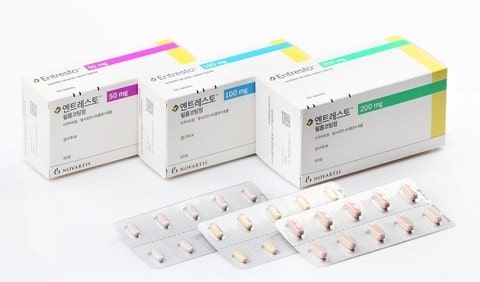
- Patent risks surrounding Novartis’ heart failure drug Entresto (sacubitril/valsartan) have effectively been resolved with the recent Supreme Court ruling. Although patent disputes concluded in favor of generic companies and the patent barriers have now been lifted, the launch of generic versions remains far from straightforward.Now firmly established as a blockbuster with annual prescriptions of nearly KRW 80 billion, Entresto presents a structural challenge in which generic manufacturers have successfully defeated the patents but are still unable to enter the market due to approval delays.Entresto’s repeated surge in prescription sales drives the generic companies’ patent challengesAccording to the pharmaceutical market research firm UBIST on the 20th, Entresto recorded KRW 79.4 billion in outpatient prescriptions last year.Entresto rapidly expanded its prescription sales since its launch in 2018. After recording KRW 6.3 billion in prescription sales in its first year (2018), it surged to KRW 15 billion in 2019 and KRW 22.4 billion in 2020.This rapid expansion of its presence in the heart failure treatment market led to patent challenges from generic companies. Starting with Elyson Pharm in January 2021, over 20 companies filed comprehensive patent invalidation lawsuits against Entresto's five patents.Novartis ‘Entresto’ annual prescription sales (Unit: KRW billion, Source: UBIST)The generics companies' judgment ultimately proved correct. Over the past five years of patent disputes (2021-2025), Entresto's prescription sales surged 2.5-fold in just four years, from KRW 32.4 billion in 2021 to KRW 79.4 billion last year.Not a simple combination drug but a ‘co-crystal complex’... Generic approvals remain at ‘0’Despite the favorable court ruling, generic launches are unlikely anytime soon. The regulatory approval for generic products is holding things back.To date, there have been zero approvals for Entresto generics. More than 10 patent challengers filed marketing authorization applications between April 2022 and July 2023, based on their first-instance patent victories.However, nearly three years later, there is still no news of Entresto's generic product approvals. Considering that generic product approvals typically take about a year and a half after application, this is considered unusual.According to industry sources, the Ministry of Food and Drug Safety (MFDS) has requested multiple rounds of supplementary data. The root cause lies in Entresto’s unique solid-state structure. The pharmaceutical industry points to Entresto's unique crystalline structure as the reason behind these supplementary requests. Entresto works by having its two components, sacubitril and valsartan, act on cardiac neurohormones via separate pathways. What is unique is that these two components form a single crystalline structure in a ‘co-crystal’ form.Most fixed-dose combinations consist of two separate crystalline APIs physically blended together. In contrast, a cocrystal involves two or more components bonded at the molecular level like a single compound, exhibiting properties similar to a single compound, right up until absorption in the body. For this reason, the industry describes Entresto not as a simple ‘combination drug’ but as a molecular ‘complex’ with its own distinct characteristics.The problem is that there are almost no precedents for approving drugs in this co-crystal form. Entresto is known to be the only drug approved as an API-API co-crystal complex, not only in Korea but also in the US and Europe. There are also no known cases worldwide of generic approval for co-crystal complex drugs. This is where the MFDS's dilemma begins. It is reported that they are struggling to find an appropriate analytical method for generic approval. The differing physicochemical properties of co-crystal structures compared to conventional compounds are cited as a burden in the approval review process, making it difficult to apply existing analytical methods directly.Approval Variables remain despite supreme court bictory... early launch may be delayedEntresto has five patents listed in Korea’s patent registry. Following the Supreme Court’s rulings, all five patent barriers have effectively been removed. From a patent perspective, generic manufacturers are now free to launch their products once marketing authorization is granted.However, regulatory approval has emerged as a new bottleneck. Despite the elimination of patent risk, prolonged MFDS review has made it difficult for generic firms to predict their market entry timelines.The pharmaceutical industry interprets this as Entresto's structural uniqueness, creating a new barrier at the approval stage. This means that even with a blockbuster market worth KRW 80 billion annually within reach, a regulatory hurdle separate from the patent dispute remains. Ultimately, the timing of generic approval and actual launch will depend on the regulatory authority's judgment and review direction.
- Company
- "Pharma consignment business faces difficult times"
- by Chon, Seung-Hyun Jan 21, 2026 09:07am
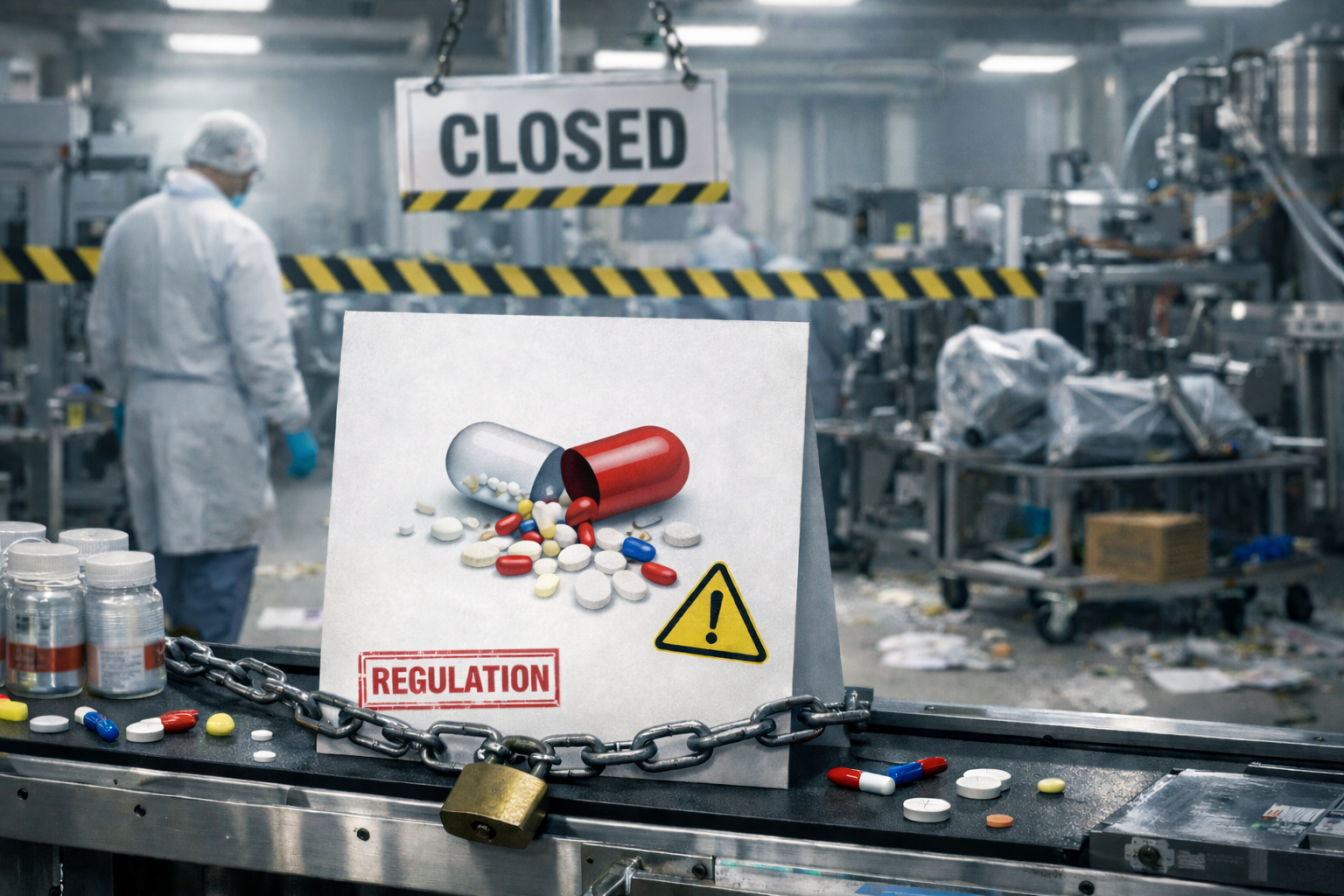
- The survival of consignment production businesses for pharmaceutical companies is threatened. As joint development regulations and the tiered drug pricing system block the entry of late-comer generics, contract manufacturers are struggling to maintain their operations. Concerns are growing that the market will freeze further as the new drug price reform lowers the criteria for generic price calculation and strengthens the tiered pricing system. An increasing sense of poor treatment is being expressed as the government expands support for the biopharmaceutical Contract Development and Manufacturing Organization (CDMO) sector while neglecting synthetic drug consignment.ChatGPT-generated imageAccording to industry sources on the 19th, Korea's domestic pharmaceutical companies are facing concern that the upcoming drug price reform could determine the survival of their consignment businesses. In the reformed system scheduled for implementation this July, the price calculation criteria for generics will drop from 53.55% of the original drug's price before patent expiration to about 40%. The final figure is expected to fall between 40% and 45%. If the maximum generic price drops to 40%, a 25% decrease in profit is expected.A decrease in the generic price criteria inevitably leads to a downturn in the consignment business. Contract manufacturers typically set their supply prices at a certain percentage of the product's insured drug price.For example, if a product is priced at KRW 1,000, the supply price is set around KRW 300–500. Consequently, lower generic insurance prices result in lower supply prices for contract manufacturers. The more unfavorable the cost structure, the higher the supply price becomes.If the insurance price of a generic supplied by a contract manufacturer drops, the consigning company is forced to demand a lower supply price due to its own falling profitability. However, pharmaceutical companies argue they have limited capacity for such cuts due to continuous prior price reductions.Recently, as regulations on authorization and pricing have tightened, more companies are reportedly considering scaling back or abolishing their consignment operations.The tiered drug pricing system, implemented during the 2020 reform, has blocked latecomer generics.Under the tiered drug pricing system, the upper price limit decreases each month as a generic enters the market later. Reintroduced in 2020 after being abolished in 2012, it mandates a 15% price reduction for any generic entering a market with over 20 identical listed products. This makes it difficult for latecomers to enter the market at such low prices. Contract manufacturers, in turn, struggle to expand as they cannot recruit additional consigning companies for their current products.Before the tiered drug pricing system was implemented, the first 20 companies to enter a market would quickly reach their full quota, leaving latecomers without any incentive to join.Additionally, joint development regulations acted as a catalyst for the scale down. Since the revised Pharmaceutical Affairs Act took effect in July 2021, the so-called '1+3' regulation has limited the number of incrementally modified drugs (IMDs) and generics that can be authorized using a single clinical trial.If a product is manufactured at the same site using the same formula and process as the drug used in the bioequivalence study, the bioequivalence data may be used only 3 times. This means only four generics (one original and three others) can be authorized per study. The same '1+3' rule applies to clinical trial data.These regulations also apply to generics already authorized and on sale. After the regulation took effect, only up to three additional consigning products can be added. For instance, a contract manufacturer that previously produced 10 generics can add only 3 more, for a total of 13. Since contract manufacturers can only recruit new clients if an existing one leaves, expanding business regardless of production capacity has become nearly impossible.A consignment manager at a pharmaceutical company commented, "In the past, the government actively encouraged consignment, expecting that specialized mass production would improve quality control," adding, "If they treat the consignment business as the cause of the proliferation of generics and pursue only restrictive policies, we will have no choice but to consider job cuts due to business scaling down or withdrawal."Tiered drug pricing system (different pricing based on the order of listing)The strengthening of the tiered drug pricing system in the upcoming reform is also cited as a factor that will aggravate these difficulties.The Ministry of Health and Welfare (MOHW) has proposed a plan to reduce the price by 5 percent (p) for each subsequent item listed, starting with the 11th product of the same formulation. Because the stepped system will trigger at the 11th product instead of the 21st, the system for additional price cuts will activate much faster across the generic market. Analysis suggests that changing the reduction standard from a flat 15% to a 5%p decrease will disadvantage latecomers in terms of drug pricing cuts.For example, under the current system, if the maximum generic price is KRW 53.55, the 21st generic cannot exceed KRW 45.52 (a 15% drop). The 22nd and 23rd generics fall to KRW 38.69 and KRW 32.89, respectively. The 24th is KRW 27.95, and the 25th is KRW 23.76. The reduction amount decreases as more products enter.Under the reformed system, if the maximum price is 40 KRW, the 11th and 12th generics would drop to KRW 35 and KRW 30 due to the 5%p reduction (representing cuts of 12.5% and 14.3%, respectively). The 13th generic would drop another 5%p to KRW 25, a 16.7% cut. Even at the third step, the rate of reduction is already higher than under the current system.As the 14th and 15th generics drop to KRW 20 and KRW 15, the reduction rates accelerate exponentially to 20% and 25%. Even after only five steps, the price cap falls to about 15% of the original drug's pre-patent price, effectively abolishing the incentive for any further entries and blocking the expansion of consignment businesses.The government's recent active support for the biopharmaceutical CDMO industry further increases the sense of poor treatment among those in the synthetic drug consignment.On December 30 last year, the "Special Act on Regulatory Support for Biopharmaceutical Contract Development and Manufacturing Organizations" was announced. The core of this law includes establishing a registration system for biopharmaceutical export manufacturing, which was not defined in the Pharmaceutical Affairs Act, setting facility standards for export-specialized sites, and institutionalizing GMP certification and raw material certification for CDMO sites.The Ministry of Food and Drug Safety (MFDS) plans to prepare detailed criteria for customized regulatory support, including simplifying import procedures for raw materials used by CDMOs, providing prior GMP consultations, and offering technical advice on manufacturing facilities.An industry official stated, "Previously, there was a strong perception that the consignment business contributed to improving production capacity and creating new revenue streams, but business scaling down has become inevitable due to continuous regulations and price cuts," adding, "It is currently impossible to predict future profit changes, making even this year's business plans unclear."
- Company
- Paxlovid’s prescription market uniquely volatile
- by Chon, Seung-Hyun Jan 21, 2026 09:07am
- The COVID-19 treatment ‘Paxlovid’ recorded approximately KRW 80 billion in outpatient prescriptions last year. With the 2024 National Health Insurance reimbursement decided, it caused a storm in the prescription market. Despite its high price, nearing KRW 1 million per course, it achieved massive prescription volumes. Driven by fluctuations in COVID-19 patient numbers, Paxlovid showed an unusual prescription pattern, with monthly sales differing by as much as 50-fold.According to the pharmaceutical market research firm UBIST on the 20th, Paxlovid generated KRW 79.4 billion in outpatient prescription sales last year.Paxlovid is an oral antiviral that suppresses replication of the COVID-19 virus and is primarily prescribed to high-risk patients at risk of progression to severe disease. In the early phase of its introduction in Korea, the government directly procured and distributed the drug free of charge. However, in June last year, the government halted new supply purchases, transitioning Paxlovid to routine prescribing in medical institutions. Starting October 2024, Paxlovid formally entered the prescription market after its National Health Insurance coverage was finalized. The reimbursement ceiling price was set at KRW 941,940 per course, with a patient co-insurance of 5%.Monthly Paxlovid Outpatient Prescription Amount (Unit: million won, Source: UBIST)Paxlovid made its full-scale market debut in Q4 of last year with KRW 4.1 billion in prescriptions. In Q2 this year, prescriptions exceeded KRW 10 billion, reaching KRW 11.4 billion. In Q3, sales surged more than fourfold quarter-on-quarter, reaching KRW 47.7 billion. At that time, total influenza drug prescriptions accounted for only 0.4% of Paxlovid’s volume.Paxlovid showed fluctuating quarterly prescription sales last year. Sales rose 40% from KRW 8.2 billion in Q1 to KRW 11.4 billion in Q2, then soared to KRW 47.7 billion in Q3. However, Q4 sales plummeted to KRW 12.1 billion, just 25% of the previous quarter's level.The high cost of Paxlovid, coupled with the rapidly fluctuating number of COVID-19 patients, led to significant fluctuations in prescription performance.In the first half of last year, weekly COVID-19 hospitalizations remained relatively stable at around 100 patients per week. The peak was recorded in Week 13 (March 24–30) with 178 admissions, compared with a low of 56 patients in Week 5 (January 27–February 2).Weekly COVID-19 Hospitalization in 2025 (Unit: Persons, Source: Korea Disease Control and Prevention Agency)COVID-19 hospitalization counts are tallied based on patient numbers reported by 221 hospitals and higher-level medical institutions participating in the Acute Respiratory Infection Surveillance Program.Hospitalizations began rising sharply in Week 31 (July 28–August 3) with 220 patients, and peaked in Week 37 (September 8–14) at 459 patients, triggering concerns of another major outbreak. However, from October onward, case numbers declined steadily, returning to first-half levels by November and December.Monthly prescription data clearly reflects this trend. Paxlovid prescriptions rose from KRW 5.5 billion in July to KRW 17.4 billion in August, surpassing KRW 10 billion for the first time. In September, when COVID-19 hospitalizations peaked, monthly prescriptions reached KRW 24.9 billion, the highest among all pharmaceutical products. As hospitalizations declined, prescriptions dropped sharply to KRW 8.1 billion in October, followed by KRW 2.9 billion in November and just KRW 1.2 billion in December.
- Company
- Alteogen licenses out new drug tech to GSK subsidiary
- by Cha, Ji-Hyun Jan 21, 2026 09:07am
- Alteogen has signed a technology out-licensing agreement with a subsidiary of global big pharma, GlaxoSmithKline (GSK), based on its Hybrozyme platform.According to the Financial Supervisory Service on the 20th, Alteogen signed an exclusive license agreement with GSK subsidiary Tesaro for the development and commercialization of a subcutaneous (SC) formulation of the PD-1 immuno-oncology drug ‘Dostalimab’ utilizing the liver hyaluronidase-based SC formulation modification platform ‘ALT-B4’.Under the agreement, Tesaro obtains exclusive rights to develop and commercialize a subcutaneous formulation of dostarlimab using Alteogen’s Hybrozyme technology. Alteogen will be responsible for supplying ALT-B4 for both clinical and commercial products.The total contract value is up to USD 285 million (approximately KRW 421 billion). The deal includes a non-refundable upfront payment of USD 20 million (approximately KRW 29.5 billion) and development, regulatory, and sales-based milestone payments of up to USD 265 million (approximately KRW 391.4 billion). Alteogen will also receive additional royalties linked to product sales upon commercialization.Alteogen's ALT-B4 hydrolyzes hyaluronic acid in the subcutaneous tissue, enabling the conversion of intravenous (IV) formulations into SC formulations. Unlike IV formulations, which require patients to receive injections at the hospital for 4-5 hours, the SC formulation allows patients to self-administer the injection at home in less than 5 minutes.Alteogen's Hybrozyme platform has proven its competitiveness through multiple licensing agreements with global pharmaceutical companies, including MSD, GSK, AstraZeneca, Daiichi Sankyo, Sandoz, and Intas. Notably, MSD developed a subcutaneous formulation of Keytruda using ALT-B4, which received approval in the US and Europe last year and has since been launched commercially.
- InterView
- "Leclaza+Rybrevant shifts the EGFR lung cancer trt paradigm"
- by Son, Hyung Min Jan 21, 2026 09:04am
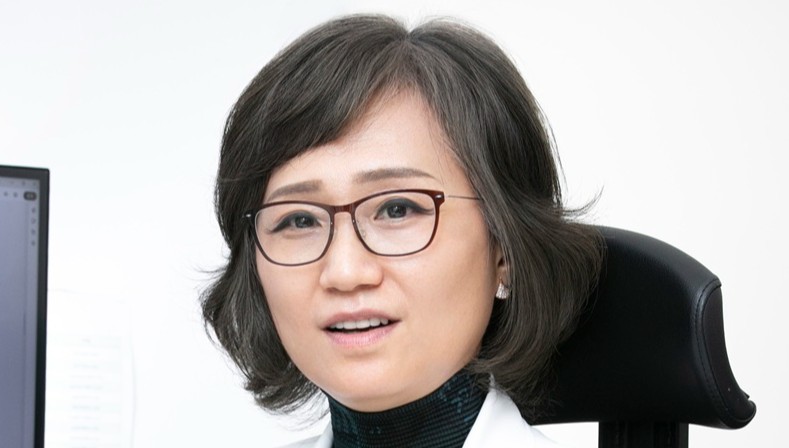
- "The Leclaza + Rybrevant combination therapy confirmed improvement to survival in high-risk patient group with EGFR-mutant lung cancer. The result shifted the existing treatment strategy centered around monotherapy to combination therapy."During a recent meeting with DailyPharm, Professor Ji-Youn Han from the Division of Hematology-Oncology at the National Cancer Center explained the clinical significance of the Leclaza + Rybrevant combination therapy and the changes in EGFR-mutant non-small-cell lung cancer (NSCLC).Professor Ji-Youn Han from the Division of Hematology-Oncology at the National Cancer Center 'Leclaza (lazertinib)' is an EGFR-mutant NSCLC treatment developed by Yuhan Corp. It is a third-generation tyrosine kinase inhibitor (TKI) that targets exon 19 deletions and the exon 21 (L858R) mutation. Johnson & Johnson secured the global rights to Leclaza and has been conducting clinical research on its combination therapy with 'Rybrevant (amivantamab).'Rybrevant is a fully human bispecific antibody that fundamentally blocks tumor growth pathways by simultaneously inhibiting active EGFR mutations and MET mutations·amplification. This drug inhibits various resistance pathways observed in EGFR-mutated lung cancer by blocking ligand binding and promoting receptor degradation.The Leclaza + Rybrevant combination therapy demonstrated improvement in overall survival (OS) in the global Phase 3 MARIPOSA study. In an Asian sub-analysis presented at the European Society for Medical Oncology Asia Congress (ESMO Asia 2025) this year, the combination therapy reaffirmed an OS effect consistent with the global clinical data.A total of 858 participants were enrolled in the MARIPOSA study, including 501 Asian patients. In an analysis at a median follow-up of 38.7 months, the combination therapy reduced the risk of death in Asian patients by 26%. While the median OS for the combination group was not reached, it was 38.4 months for the control group receiving 'Tagrisso (osimertinib)' monotherapy, suggesting the survival benefit of the combination could exceed one year. The 36-month survival rate also remained higher for the combination group at 61% compared to the Tagrisso group.Since Asian patients have a higher prevalence of EGFR mutations and different disease characteristics compared to Western populations, shifts in treatment strategies have a more significant impact on clinical practice. This analysis, which confirmed survival-improvement effects identical to those in the global data, once again demonstrated that Leclaza + Rybrevant has sufficient efficacy in Asian patients.Currently, Leclaza + Rybrevant is approved as a first-line treatment in major countries, including South Korea, the United States, Europe, Japan, and China. Given the high prevalence of EGFR mutations among Korean patients, this Asian analysis is expected to significantly influence clinical guidelines and first-line treatment strategies. Furthermore, the fact that major adverse events (paronychia and rash) of the combination therapy can be managed preventively through the COCOON study is emerging as a competitive advantage.Professor Han assessed, "Leclaza + Rybrevant combination therapy clearly demonstrated consistency in therapeutic effect by showing results in the Asian patient group identical to those of the global clinical trial," adding, "I believe the paradigm shift toward combination therapy-centered treatment has begun."Q. Sub-analysis data from MARIPOSA were recently released. What is your evaluation of the results?Research on combination therapy for the treatment of EGFR-mutated NSCLC has shown a complete shift in the first-line treatment paradigm. Clinically significant improvements in progression-free survival (PFS), the primary endpoint, and OS, the secondary endpoint, were confirmed. These results clearly suggest that combination therapy rather than monotherapy should be adopted as a treatment strategy.However, it is difficult to see combination therapy in its current form as the definitive answer. While there is an OS benefit, it does not manifest identically in all patients. Depending on the mechanism of action, some patients may find the Rybrevant combination therapy more advantageous, while others may prefer 'Alimta (pemetrexed)'-based treatment. Additionally, the possibility remains open for new drugs with different mechanisms to be added as combination partners in the future.What is clear is that a distinct unmet need for monotherapy has existed. Specifically, the limitations of existing treatments were evident in high-risk patients, underscoring the need for a breakthrough therapeutic. Leclaza + Rybrevant presented a meaningful alternative for high-risk patient groups and further clearly demonstrated OS improvement. Based on this evidence, I assess that the treatment paradigm has now completely shifted.Q. How do you interpret the reason why the survival improvement effect of Leclaza + Rybrevant appeared consistently in Asian patients?If the global and Asian data are consistent across all subgroups and show no significant differences, this is the ideal clinical result.As a bispecific antibody, Rybrevant has the advantage of simultaneously inhibiting both the EGFR and MET pathways. Clinically, approximately 10–15% of patients exhibit MET-dependent resistance pathways. This patient group has a relatively poor prognosis, and Rybrevant has the potential to show long-term survival benefits in these patients.Q. Is it the ideal direction to proceed with combination therapy as the standard of care?While it is an ideal direction, I do not believe that combination therapy must be applied to every single patient.Recently, researchers have redefined high-risk patient groups for whom combination therapy should be applied, thereby refining the first-line treatment approach strategy, which I view as an essential step. In my opinion, the patient groups to whom I recommend combination therapy are those with a high tumor burden. For example, high-risk groups with confirmed bone, liver, or central nervous system (CNS) metastases.This also includes patients who show biologically aggressive characteristics, such as mutations being detected in circulating tumor DNA (ctDNA) tests. Additionally, because patients with the EGFR L858R mutation often do not achieve long-term response with monotherapy, combination therapy is considered.Looking at the distribution of EGFR mutations that constitute the high-risk patient group, exon 19 deletions and L858R substitution mutations are roughly split half-and-half. Specifically, I estimate exon 19 deletions at about 60% and L858R at about 40%. Among these, patient groups with high tumor burdens include those accompanied by bone or brain metastases. Among these patients, about 30–40% are high-risk EGFR-mutated NSCLC patients.Q. Overall, how do you evaluate the safety data regarding the adverse events of the Rybrevant combination therapy?Looking at the entire development process, from CHRYSALIS to MARIPOSA and MARIPOSA-2, the journey to find the proper indications was long. Because the drug's adverse events were clear, Johnson & Johnson conducted extensive research on them and simultaneously developed educational programs to help medical staff using the drug in clinical settings do so safely. The COCOON study was also conducted in this context.The COCOON study is significant in that it presented a standardized protocol for systematic management. Whereas management methods previously varied by medical staff or institution, a standardized management strategy that anyone can apply has now been introduced with the COCOON regimen.Rybrevant tends to have more adverse events than Alimta-based treatment. Since it is a drug targeting EGFR, there are areas where EGFR-related adverse events partially overlap when combined with Leclaza. In fact, combining Rybrevant and Leclaza for patients with exon 19 deletions or exon 21 (L858R) mutations may be more challenging than combining Rybrevant and chemotherapy for patients with exon 20 insertion mutations. This is particularly true for adverse events directly associated with EGFR mutation inhibition.A standardized adverse event management strategy was established through the COCOON study, which was designed to preventively manage skin-related adverse events associated with the Rybrevant combination therapy. For example, detailing the active use of chlorhexidine preparations or topical treatments when paronychia occurs is a novel part organized by the COCOON study.Overall, it was a very consistent and determined development strategy. The study did not avoid the drug's adverse events but addressed them directly, ultimately building a clinically applicable management system.Q. The subcutaneous (SC) formulation of Rybrevant was approved in the United States. What impact do you think it will have on clinical practice if introduced in Korea in the future?The characteristic of an SC formulation for anticancer drugs differs from that of methods such as insulin injections, which are administered in small volumes. Anticancer drugs require a specific dose to be administered, and a process is needed to wait for the drug to be absorbed by the body after administration. In cases like exon 20 insertion mutations, where it is combined with intravenous (IV) chemotherapy, a method of simultaneously administering IV and SC drugs during treatment may not be feasible.While there might be a possibility of administering the SC formulation alone with an oral targeted therapy, even in this case, the volume of drug to be injected is not small, and the local volume after administration is significant. Considering that one must wait for the drug to be absorbed into the local area after administration, we need to wait and see how applicable it will be in actual clinical practice. For these reasons, the application of the SC formulation in combination therapy is likely to be more limited compared to monotherapy.Q. With treatment options diversifying and long-term survival being expected, how do you view the issue of reimbursement for combination therapy?Currently, there are quite a few patients who maintain long-term treatment for over five years while taking an EGFR-TKI. In fact, there is a patient who has continued taking the same EGFR-TKI since the early days of our hospital's founding. Because these patients have a great fear of recurrence if they stop the drug, they continue treatment, having become accustomed to it.As the emergence of targeted therapies has led to an increase in stage 4 lung cancer patients surviving long-term at levels similar to patients who have undergone surgery, the 'Special Case Medical Expense Coverage System' is not being fully applied. There are cases where the exception ends after taking an EGFR-TKI for more than 5 years, and a realistic consideration is becoming necessary about how long the subsequent treatment can be recognized by insurance.Q.How do you expect the first-line treatment paradigm for EGFR-mutated lung cancer to change in the future?The MARIPOSA study shifted the paradigm for first-line treatment of EGFR-mutated NSCLC. In particular, it demonstrated the consistency of the therapeutic effect, as results identical to the global data were confirmed in the Asian patient group.Rybrevant’s mechanism of action clearly shows an overall survival benefit by comprehensively blocking not only the major signaling pathways centered on EGFR mutations but also MET-dependent bypass pathways, which occur in about 10–15% of cases. Considering these mechanistic characteristics, one can also expect a "long-tail effect," showing long-term survival after administration, in the latter half of the survival curve for the Rybrevant combination therapy.Of course, the possibility of accompanying adverse events is higher in combination therapy since two agents are used together. However, through studies like COCOON, an excellent protocol for adverse event management has been developed, establishing a foundation for easier application in the real world.

- Company
- High expectations for new 'hair-loss' drugs
- by Choi Da Eun Jan 20, 2026 07:55am
- The technological competition within the pharmaceutical industry surrounding the hair loss treatment market is intensifying. Next-generation technologies that directly target hair follicle stem cell activation and immune·signaling pathways are emerging, overcoming the limitations of conventional treatments focused on male hormone suppression or vasodilation.According to industry sources, pharmaceutical and biotech companies are strengthening efforts to develop mid- to long-term growth strategies based on their hair loss treatment pipelines. In particular, as President Lee Jae Myung mentioned the need to support the costs of hair loss treatment and hinted at the possibility of National Health Insurance coverage, expectations for the development of new treatments are increasing across the pharmaceutical and biotech markets.Hair-loss treatments being developed by domestic pharmaceutical companies in Korea. JW Pharmaceutical's 'JW0061,' Hyundai Pharm's 'clascoterone' 5% solution, Chong Kun Dang's 'CKD-843,' Daewoong Pharmaceutical's 'IVL3001,' OliX Pharmaceuticals' 'OLX104C.'Among these are companies developing new hair loss drugs, including Hyundai Pharm and JW Pharmaceutical.Hyundai Pharm announced this month that its partner, an Italian pharmaceutical company, proved the meaningful efficacy of 'clascoterone' 5% solution for the treatment of male androgenetic alopecia in a Phase 3 clinical trial. Cosmo Pharmaceuticals had previously developed 'Winlevi Cream,' a 1% clascoterone cream for acne, through its subsidiary Cassiopea.JW Pharmaceutical is preparing to enter the market with 'JW0061,' a new drug candidate targeting the GFRA1 receptor. JW0061 is a topical candidate that promotes hair follicle generation and hair growth by directly activating GFRA1, a receptor expressed in hair follicle stem cells. Following U.S. patent registration, preclinical studies confirmed superior efficacy in hair follicle generation and hair growth compared to existing standard treatments.Based on these results, JW Pharmaceutical is preparing to enter Phase 1 clinical trials. Expectations are high as it is being developed as a treatment option applicable to both men and women.Chong Kun Dang and Daewoong Pharmaceutical are leading the development of incrementally modified drugs (IMDs) for hair loss.Chong Kun Dang is developing 'CKD-843,' an IMD that converts existing oral dutasteride medicine into a long-acting injectable administered once every 3 months. It is currently in Phase 3 clinical trials, with research aimed at reducing the medication burden and minimizing systemic side effects.Daewoong Pharmaceutical and Inventage Lab are also developing an IMD of 'IVL3001,' a hair-loss treatment candidate being co-developed by these companies. They have modified oral finasteride into a long-acting injectable administered once a month (up to every 3 months). They recently submitted a Global Phase 2 clinical trial plan to enter Phase 3.Cell- and regeneration-based approaches, primarily led by biotech ventures, are also active. Technologies that improve the hair follicle environment using stem cell-derived substances have drawn attention, with promising results at the research stage.FromBIO announced this month that it completed toxicity tests reflecting the administration route and dosage for its hair loss treatment candidate using adipose-derived stem cells, confirming no significant toxic effects. Based on this, Frombio aims to enter clinical trials by the first quarter of 2027.OliX Pharmaceuticals completed the first patient administration in a Phase 1b/2a clinical trial for its hair loss candidate 'OLX104C.' The company plans to accelerate development to finish Phase 1b this year and Phase 2a by next year. OLX104C works by reducing the expression of the androgen receptor, a key cause of androgenetic alopecia, thereby blocking the hormonal response that triggers hair loss.Additionally, ROKIT Healthcare has applied for the world's first 'Natural Substance PBM Epigenetics' patent for a reverse-aging technology that confirmed full hair regrowth within four weeks of administration and will officially start human clinical trials in March. Beyond simple symptom improvement, it contains epigenetic reverse-aging technology that returns the microenvironment of aged hair follicles to a youthful state.The global hair loss treatment market continues to grow due to aging populations, increased stress, and rising demand for beauty and wellness. Expectations are growing that these treatments will expand beyond the beauty sector into the chronic disease management market. Currently, minoxidil and finasteride-based treatments dominate the commercial market. They have been noted for structural limitations, such as side-effect concerns with long-term use and limited efficacy.However, the hurdles for hair loss research are high. Due to the nature of the treatment, which requires long-term administration, rigorous safety verification is needed, and proving actual hair growth through objective indicators is also difficult. Furthermore, securing price competitiveness and whether health insurance will be applied are considered key variables for market settlement.An industry official stated, "Since hair loss treatments require long-term administration, there is still a large unmet need for new drugs that improve upon the side effects seen in existing male hormone suppression or vasodilation mechanisms," adding, "If a treatment with an innovative mechanism appears, its market impact could be significant."And added, "However, medicines with next-generation mechanisms have a greater burden of proving hair growth with objective indicators as well as verifying long-term safety."
- Company
- Once-monthly Elrexfio sets new standard for multiple myeloma
- by Son, Hyung Min Jan 20, 2026 07:55am
- Elrexfio, a treatment for relapsed or refractory multiple myeloma (RRMM), is emerging as a new option in the hematologic cancer landscape where long-term treatment is inevitable, by extending its dosing interval. This measure is evaluated as a strategic move that simultaneously considers treatment continuity and patient convenience for those who have maintained a response for a certain period.Pfizer’s ElrexfioAccording to industry sources on the 15th, Pfizer’s RRMM treatment 'Elrexfio (elranatamab)' recently extended its dosing interval from once every two weeks to once every four weeks.The Ministry of Food and Drug Safety revised the product label last October to permit once-every-four-weeks dosing, only for patients who achieved a response after at least 24 weeks of treatment and subsequently maintained that response with dosing at 2-week intervals for 24 weeks or longer.This change is significant not merely as a schedule adjustment but because it provides a sustainable treatment environment for multiple myeloma patients requiring long-term care. With the extended interval, patients can reduce their hospital visits by half, easing the physical and psychological burden accumulated during long-term treatment.Multiple myeloma is a representative hematologic cancer characterized by the abnormal proliferation of plasma cells in the bone marrow. Due to its inherent nature of recurrent relapse and resistance, long-term management is considered the cornerstone of treatment. In Korea, the number of patients is steadily increasing due to an aging population and advancements in diagnostic technology, with approximately 2,000 new cases reported annually as of 2022. Its age of onset is concentrated in the elderly population aged 60 and above, posing significant challenges for treatment continuity.While the treatment landscape for multiple myeloma has rapidly advanced with the introduction of various options such as proteasome inhibitors (PI), immunomodulatory drugs (IMiD), and anti-CD38 monoclonal antibodies, a significant limitation remains as a substantial number of patients eventually develop resistance to existing therapies or experience relapse. This has heightened the demand for new treatment strategies that can overcome drug resistance while maintaining long-term response.Elrexfio subcutaneous injection formulation offers a short administration time and greater convenience for both healthcare providers and patients compared to intravenous injections. This approval for once-every-four-weeks dosing maximizes these formulation advantages and represents an opportunity to strengthen the paradigm of patient-centered care.As a BCMA-targeted bispecific antibody, Elrexfio features a mechanism where one antibody simultaneously recognizes CD3 on T-cells and BCMA on tumor cells. By directly linking these two cells, it induces T-cells to selectively attack cancer cells. The formation of this immune synapse triggers T-cell activation and cytotoxic responses, promoting tumor cell death.Contrary to chimeric antigen receptor T-cell (CAR-T) therapies that require complex cell collection and manufacturing processes, Elrexfio can be administered immediately via subcutaneous injection and stably expresses both target specificity and immune activation. It is administered at a fixed dose regardless of body weight, and a stepwise dose escalation and pre-treatment protocol is applied to minimize the risk of cytokine release syndrome (CRS) and immune effector cell-associated neurotoxicity (ICANS).Clinical evidence also supported the extended dosing interval. Long-term follow-up results from the global Phase II MagnetisMM-3 study showed an objective response rate (ORR) of 61.0% and a complete response (CR) or better rate of 37.4% in 123 patients with relapsed or refractory multiple myeloma who had failed triple therapy. The median progression-free survival (PFS) was 17.2 months, and the median overall survival (OS) was 24.6 months.Consistent efficacy was also confirmed in real-world data. The COTA study, which compared the MagnetisMM-3 clinical results to the real-world setting, found that the Elrexfio group showed a 43% lower risk of progression-free survival and a 47% reduction in the risk of death compared to the physician's choice of therapy. The most commonly used physician's choice of therapy in COTA was DPd (daratumumab-pomalidomide-dexamethasone), KPd (carfilzomib-pomalidomide-dexamethasone), and Kd-cyclophosphamide.A matched cohort analysis using the US Flatiron Health (FH) database also showed a 59% reduction in the risk of progression-free survival and a 40% reduction in the risk of death. The most frequently used treatment regimens in the FH cohort were Kd (carfilzomib-dexamethasone), DPd, and EPd (elotuzumab-pomalidomide-dexamethasone).Based on this clinical and real-world evidence, the U.S. Food and Drug Administration (FDA) and the Ministry of Food and Drug Safety (MFDS) officially approved Elrexfio’s once-every-four-weeks dosing regimen. As the focus of multiple myeloma treatment shifts from short-term response to how long and stable treatment can be sustained, Elrexfio’s dosing strategy could likely become a major turning point.Professor Ki-hyun Kim of the Hematology-Oncology Department at Samsung Medical Center stated, "Elrexfio’s bispecific antibody platform enhances both treatment accessibility and effectiveness by directly utilizing the patient’s T-cells without separate cell manipulation. This transition to once-monthly dosing is a meaningful step forward in alleviating the burden of long-term treatment and helping patients regain their daily lives."
- Policy
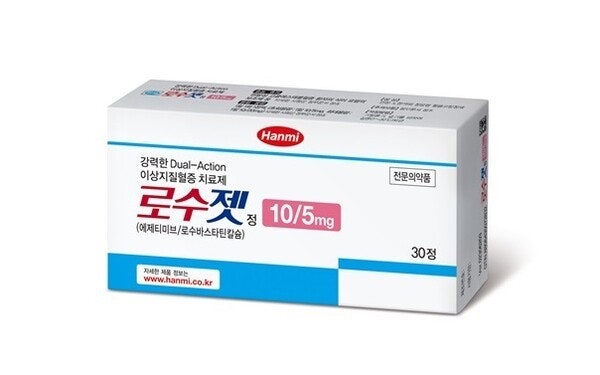
- Generic development for low-strength Rosuzet to begin soon
- by Lee, Tak-Sun Jan 20, 2026 07:54am
- Hanmi's Rosuzet TabDevelopment of generic versions of Hanmi Pharmaceutical’s low-strength combination lipid-lowering drug Rosuzet has begun, as its re-examination period is set to end in September next year.The low-strength Rosuzet formulation, which combines rosuvastatin 2.5 mg and ezetimibe 10 mg, was approved in September 2021 and designated as a re-examination drug for six years.The Ministry of Food and Drug Safety (MFDS) approved Shinil Pharma’s bioequivalence study for its generic candidate SIL1124 on the 13th. The reference drug is Rosuzet 10/2.5 mg, and the study will be conducted in 60 healthy adult volunteers.This marks the start of generic development for Rosuzet 10/2.5 mg. The product was approved on September 24, 2021, and its re-examination period will end on September 23, 2027.Generic applications may be submitted only after the re-examination period expires. The initiation of the bioequivalence study is therefore viewed as part of preparations to meet the regulatory filing timeline. In addition to Shinil Pharma, more companies will likely begin bioequivalence studies in the near future.More than 50 pharmaceutical companies have already expressed interest in developing their generic versions.In addition to the re-evaluation exclusivity period, patents listed in the Green List (specifically, an oral combination tablet containing ezetimibe and rosuvastatin, scheduled to expire on November 29, 2036) are also one hurdle for generic developers.As a result, many generic companies have launched patent challenges. To date, a total of 56 patent avoidance (non-infringement confirmation) trials, including one filed by Shinil Pharma, are currently pending before the Intellectual Property Trial and Appeal Board.If the Patent Trial and Appeal Board rules in favor of the generic companies, this will resolve their patent issues. They could then launch generic versions by September next year, upon expiry of the re-examination period.Low-strength Rosuzet gained rapid popularity following its launch, as it reduces the risk of adverse events such as diabetes and myopathy associated with high-dose statin therapy, while offering superior efficacy compared to statin monotherapy. The product is reported to generate annual sales exceeding KRW 20 billion.Hanmi Pharmaceutical demonstrated Rosuzet’s efficacy and safety through a Phase III clinical trial involving 279 Korean patients. The study was published in the online edition of the international journal Clinical Therapeutics.Currently, 12 products containing the same active ingredients as low-strength Rosuzet have already been approved. However, these products are not generics that completed bioequivalence studies using Rosuzet 10/2.5 mg as the reference drug; instead, they were approved as data-submission products based on independent clinical trials. Their re-examination periods are also identical to those of Rosuzet 10/2.5 mg.As the recent trend in new drug development shifts toward anticancer agents and orphan drugs, new drugs for chronic diseases like hypertension, hyperlipidemia, and diabetes have become scarce. As a result, domestic generic companies that rely on physician-centered marketing of generic chronic disease drugs are facing growing limitations in business development.In this environment, the upcoming expiration of exclusivity for a blockbuster drug like low-strength Rosuzet is expected to draw strong interest from generic manufacturers. Accordingly, generic activity is expected to accelerate ahead of the re-examination expiry in July next year.
- Company
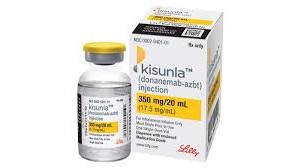
- Next-gen Alzheimer's drug Kisunla to enter Korean market this year
- by Eo, Yun-Ho Jan 20, 2026 07:54am
- Another new treatment option for Alzheimer’s disease, Kisunla (donanemab), is expected to be commercialized in Korea later this year.According to industry sources, Lilly Korea submitted a marketing authorization application to the Ministry of Food and Drug Safety (MFDS) late last year for ‘Kisunla (donanemab)’, a targeted antibody therapy that removes beta-amyloid (β-amyloid, Aβ) protein, which is known to be a major cause of Alzheimer's disease.Kisunla, which is drawing attention as a next-generation Alzheimer's treatment, was approved in the United States and Japan in 2024 and in Europe in 2025.Specifically, Kisunla is indicated for the treatment of early symptomatic Alzheimer's disease in adults with confirmed amyloid pathology who are either heterozygous for the apolipoprotein E ε4 (ApoE4) or non-carriers.The efficacy of Kisunla was demonstrated through clinical trials, including the double-blind, placebo-controlled TRAILBLAZER-ALZ study.In the trial, 1,736 patients with amyloid pathology and either mild cognitive impairment or mild dementia due to Alzheimer’s disease received Kisunla at a dose of 700 mg every four weeks for the first three doses, followed by 1,400 mg every four weeks for up to 72 weeks.At weeks 24, 52, and 76, patients were switched to placebo based on whether they achieved a pre-specified reduction in amyloid measured by positron emission tomography (PET).Analysis showed that patients treated with Kisunla demonstrated a statistically significant reduction in decline on the Integrated Alzheimer’s Disease Rating Scale (iADRS) at Week 76 compared with placebo. Statistically significant improvements were also observed on the Alzheimer’s Disease Assessment Scale–Cognitive Subscale (ADAS-Cog13) and the Alzheimer’s Disease Cooperative Study–Instrumental Activities of Daily Living (ADCS-iADL).The prescribing information includes a warning for amyloid-related imaging abnormalities (ARIA). ARIA generally presents as temporary brain swelling that resolves over time and may be accompanied by small hemorrhagic spots within or on the surface of the brain.Although serious and life-threatening ARIA events were rare and most cases were asymptomatic, patients who are ApoE4 homozygotes showed higher rates of symptomatic and severe ARIA. Therefore, ApoE4 genotyping is required prior to initiating treatment.Meanwhile, Alzheimer's disease is a representative degenerative brain disorder, accounting for approximately 70% of dementia cases worldwide. Its core pathology is known to involve the abnormal accumulation of beta-amyloid protein clumps in the brain, causing neuronal damage that progressively worsens memory and cognitive function.
- InterView
- "Lilly's values in caring and discovery: social contrib."
- by Son, Hyung Min Jan 19, 2026 09:02am
- "Lilly's core values have always been 'Caring' and 'Discovery'. GDOS demonstrates that these values are not merely slogans, but a platform where employees can personally practice them within the community and reaffirm the company's reason for existence."On September 25 last year, Eli Lilly Korea held a volunteer activity attended by all employees to celebrate the 'Global Day of Service (GDOS).' GDOS is a global volunteer program launched by Lilly in 2008, which has accumulated over 1.2 million volunteer hours across 65 countries to date. Eli Lilly Korea has participated since 2010, contributing more than 20,000 hours of service.The Global Day of Service is a day when organizations and individuals worldwide volunteer for local communities and global issues. Lilly operates this day annually as its own GDOS, effectively establishing it as "the volunteering day for Lilly employees worldwide."The theme for the 2025 Eli Lilly Korea GDOS was "A Better World Made Together," centered on two pillars: environmental improvement and support for underprivileged children. Approximately 250 employees were divided into groups to conduct plogging in Jung-gu and Seodaemun, and to create donation kits for child support. The donations were delivered through Save the Children, in cooperation with the Community Chest of Korea. They provided necessary items to children at the Manan District Social Welfare Center in Anyang.2025 Eli Lilly Korea GDOS TF Team. From left: Hyung-min Kim (Regulatory Affairs), Minju Kang (Medical), Yu Seok Kang (ENC), Joohee Lee (Medical)Notably, they introduced 'GDOS Night; for the first time last year, featuring a charity performance by the in-house band and a donation program. A new attempt was made to expand the post-volunteer interaction into another act of sharing by accumulating the entire proceeds from food and beverages purchased by employees as donation funds.GDOS aligns with Lilly's global sustainability strategy, which includes: ▲ expanding access to medicines ▲ improving environments with limited medical infrastructure ▲ strengthening community resilience ▲ minimizing environmental footprints ▲ fostering innovation grounded in inclusion and diversity.We met with Minju Kang, Medical Director of Eli Lilly Korea, who managed last year's GDOS, and the TF team (Joohee Lee, Yu Seok Kang , and Hyung-min Kim) to discuss preparations, operations, achievements, and future directions.Q. Please describe your roles in last year's GDOS.Minju Kang (Medical): I am Minju Kang, head of the Medical Department and the sponsor for GDOS. Each year, a different department takes turns sponsoring GDOS, and since the Medical Department was in charge last year, I took on the role of sponsor.Hyung-min Kim (Regulatory Affairs): I am Hyung-min Kim from the Regulatory Affairs team. For this GDOS, I established the overall program plan, selected volunteer activities, and managed group assignments.Joohee Lee (Medical): I am Joohee Lee from the Medical Department. This program was led by three 'Champion Leaders' centered around Vice President Minju Kang. My role involved planning the program, encouraging employee participation, and setting the direction for which values we should focus on.Yu Seok Kang (ENC): I am Yu Seok Kang from the ENC team. Since GDOS is a long-standing event, my primary role was to ensure that the company's regulations and procedures were strictly followed throughout the support process.Q. What kind of event is GDOS?Minju Kang (Medical)Minju Kang: GDOS is a global corporate social responsibility program in which all Lilly branches worldwide, including the U.S. headquarters and Korea, participate. It has continued for nearly 20 years since its 2008 launch, and Eli Lilly Korea has participated consistently since 2010.It is highly significant because it goes beyond a simple annual event; it is a time for us, as members of a pharmaceutical company, to reconnect with our fundamental purpose asking 'Why do we do this work?'GDOS is operated as a volunteer-based activity involving all employees, and each year the TF Champions plan the program. The format changes annually. In some years, we conduct plogging to improve community environmental health, and other years we assemble donation kits for the underprivileged.Last year, we conducted plogging and kit production simultaneously. Furthermore, we introduced GDOS Night, aiming to extend the lasting impact of volunteer work into a time for sharing and interaction.Q. Compared to other CSR activities, what makes Lilly's program special?Hyung-min Kim (Regulatory Affairs)Hyung-min Kim (Regulatory Affairs): Generally, many volunteer programs rely on external vendors to handle the event's composition and operation. However, at Lilly, employees form their own TF to take the lead in the entire process—from planning and execution to reporting results.Members experience creating the program as protagonists rather than mere participants, gaining a sense of belonging and achievement. I believe this is the fundamental differentiator of Lilly's CSR activities.Joohee Lee: Having worked at other pharmaceutical companies, I found it particularly impressive that Lilly employees worldwide participate in volunteer work on the same day.It is rare to find CSR activities in which employees from every country, including the U.S. headquarters, work toward a common goal with a consistent identity as 'Team Lilly.'Additionally, not only the domestic TF but also TF Champions from each country meet in advance to discuss the planning direction and implementation methods for the GDOS program, and share the results after the event. This systematic approach, in which we learn from and spread the activities of different countries, sets GDOS apart as a sophisticated global volunteer program rather than a simple local activity.Q. We heard the 2025 theme was 'A Better World Made Together.' What were the central messages you focused on?Yu Seok Kang : The first pillar was 'Environmental Improvement.' To this end, we collaborated with the 1365 Volunteer Center to conduct plogging activities that could directly improve the local community's environment. The second pillar was 'Child Support.' In the past, we focused on visiting orphanages to improve their facilities. Last year, during discussions with the Community Chest of Korea, we explored ways to provide more practical help to children.As a result, we agreed that an approach of personally creating and delivering items that children need and would enjoy was more meaningful. By structuring the program around these two core pillars (environment and children), we prepared for the theme of "A Better World Made Together" to be portrayed through the activities.Q. Could you explain what "GDOS Night" was?Joohee Lee (Medical)Joohee Lee: In the past, after the volunteer work was completed, employees typically went their separate ways.Last year, we introduced GDOS Night to strengthen GDOS's communal values further.Many employees voluntarily attended the event even after the official activities ended, continuing the interaction and sharing. I believe this experience catalyzed GDOS to naturally expand its purpose.Minju Kang: GDOS Night was an event planned around the 'Lilly Band,' an in-house club.Employees who participate in the band as a hobby held a charity concert. We expanded the traditional 'one-day cafe' format by renting an external club space, selling food and drinks, and raising funds.It was meaningful because it provided a direct platform for employees to participate and spread a culture of donation beyond just a concert.Q. What is the meaning behind Lilly's core value, 'To unite caring with discovery to make life better for people'?Yu Seok Kang : We thought deeply about how to integrate caring and discovery into our activities harmoniously. In particular, introducing the unprecedented GDOS Night was meaningful because it expanded the event from a mere gathering of Lilly members into a festival where we could share and personally experience the values the company pursues.Furthermore, we interpreted the purpose of GDOS differently by introducing a structure that converted the program's proceeds into donations. I believe this series of processes was an attempt to meld the corporate purpose of caring and innovation into overall activities, and a case of seeking new ways through new methods.Minju Kang: Lilly holds 'Respect for People' as one of its core values, which is based on fundamental respect for human dignity and life. Caring, stemming from this value, has a practical meaning for a pharmaceutical company: providing patients with treatment opportunities and improving their quality of life. At the same time, for such caring to be realized in reality, innovative discovery and continuous R&D investment are essential.Therefore, Lilly simultaneously pursues a people-centered perspective and the discovery that realizes it. The discovery mentioned here refers to the development of new medicines, which directly links to our corporate purpose, as only innovative treatments can provide substantial benefits to patients. From this perspective, GDOS is not an event separate from the company's daily operations, but an extension of the process where caring and discovery for a better life are connected through activities.Q. Is there a message you would like to send to the TF preparing for this year's GDOS?Yu Seok Kang (ENC)Yu Seok Kang: Last year, we made various attempts based on collaborations with several volunteer organizations. However, since most volunteer groups operate with small numbers, there were constraints on schedules and operational methods during the coordination process for GDOS, which requires large-scale participation.In the future, we can enhance efficiency and meaning further if collaboration schedules are coordinated and prepared at an even earlier stage. Although there was some trial and error, the process itself, including discussing with TF members and brainstorming ways to maximize employee participation, was very valuable, and I am satisfied with the overall results.Joohee Lee: The feedback left by CEO after last year's GDOS was also memorable. The suggestion was to consider activities that can deliver hope to patients, caregivers, and the community, aligned with a pharmaceutical company's identity and role. From this perspective, I believe programs that create direct touchpoints with patients, such as the Lilly Band holding a concert for patients, are directions worth considering for the future.Kim Hyung-min: GDOS is not an activity directly linked to performance metrics, but it is an event we must participate in with a sense of mission, personally practicing the company's values as Lilly employees. Since it required preparation outside of working hours, personal motivation was necessary, and being able to provide momentum to each other while working as a team was a great help. I believe a TF involving members who can voluntarily offer opinions is a crucial element for the future success of GDOS.Minju Kang : The charity concert (GDOS Night), which was attempted for the first time last year, received a very positive response. If we consider how to further evolve this format for the charity concert next year, we can expand the meaning of GDOS even further.
