
- LOGIN
- MemberShip
- 2026-07-05 11:33:11
- Company
- Cherry Huang to succeed Jenny Zheng as head of Janssen Korea
- by Eo, Yun-Ho May 07, 2021 06:01am
- Janssen will continue to have a foreign leader head its Korean subsidiary. According to industry sources, Janssen Korea has appointed Cherry Huang as the next CEO of Janssen Korea to take Jenny Zhuang’s place after Zhuang’s term ends in April. Cherry Huang, who is currently the CFO of Janssen Asia Pacific, will be leading Janssen Korea from June this year. Hwang had served over 20 years in Johnson & Johnson since 1997 and has held various finance roles within the company. She had built her career in finance in various regions including in the Southeast Asian cluster, China, and Singapore. With Jenny Zhuang’s transfer, the board of directors (BOD) of the Korean Research-based Pharmaceutical Industry Association has also undergone some change. Following the resignation of Jenny Zhuang as director, KRPIA appointed Hye-young Lee, CEO of Viatris Korea as its new board director. Zheng has served as the Area Managing Director of Janssen Korea/Taiwan/Hong Kong since 2018. She holds a Bachelor of Engineering, Naval Architecture degree from Shanghai Jiao Tong University, and completed her Master of Business Administration (MBA) with Honors from the University of Chicago Booth School of Business.

- Company
- “Evenity is effective in patients at very-high-risk of OP"
- by May 07, 2021 06:01am
- The strategic paradigm for osteoporosis treatment has shifted. Compared to the past where not many patients were treated for osteoporosis and those who were treated used bone resorption inhibitors like bisphosphonate, a more aggressive treatment paradigm has landed in the field of osteoporosis treatment. The development of new drugs had triggered such changes in the treatment trend. Unlike bone resorption inhibitors, the only option patients used to have as a bone-forming agent was teriparatide; however, the introduction of Amgen’s ‘Evenity (romosozumab)’ brought all the difference. Evenity is the first and only bone builder with a dual mechanism of action that increases bone formation and inhibits bone resorption. With the introduction of this promising new drug, the American Association of Clinical Endocrinology∙American College of Endocrinology (AACE∙ACE) newly defined a Very-high-risk group for osteoporosis fractures by revising the 2020 guidelines for the diagnosis and treatment of postmenopausal osteoporosis, to recommend aggressive drug treatment from early on. Dailypharm met with Dr. Felicia Cosman, professor of Medicine at Columbia University Vagelos College of Physicians and Surgeons, to hear about the latest advances and trends in the treatment of osteoporosis. Professor Felicia Cosman. Dr. Cosman is explaining the latest advances in the treatment of osteoproosis in a virtual webinar held on the 4th. (Pic. From the virtual interview) -- Last year, the international guideline newly defined the 'very-high-risk group for osteoporosis fracture' and presented different treatment strategies according to the patient’s level of risk. Could you tell us the background and specifics of the revised guideline? =Academic societies in Korea and abroad have newly defined patients with high risk of fractures as a ‘very-high-risk group for osteoporosis fracture’ and recommends bone-forming agents to be more effective in increasing bone strength. These group of patient can be considered ‘at emergency of osteoporosis’ and are at high risk of experiencing fractures in the near future. The international osteoporosis foundation defined the very-high-risk group for osteoporosis fracture as ‘patients with a 10% or higher probability of experiencing fractures within 2 years.’ Also, according to a retrospective cohort study by Professor Balasubramanian that researched 377,561 women that are 65 years or older who recently experienced fractures, the cumulative risk of subsequent fractures in these women were 10% and 18% in 1 and 2 years, respectively. One notable fact is that the risk and area of subsequent fractures varied according to the initial fracture site. Patients with initial vertebral fracture had the highest risk of refractures at 14%, and those with initial ankle fracture had the lowest risk at 5%. However, as the 2-year risk of refracture in patients with ankle fractures was also 10%, these patients were also categorized as a very-high-risk group. Multiple fracture patients are also classified as a very-high-risk group, regardless of their recent fracture events. This very-high-risk group should use bone-forming agents from early on for rapid bone formation. In the past, bone resorption inhibitors were considered as the first treatment option for these patients; however, the paradigm has shifted to using bone-forming agents from early on. -The new guidelines recommended 4 kinds of treatment strategies for the very-high-risk group. Evenity, which shows a dual effect to increase bone formation and inhibit bone resorption, was also first recommended in the revised guidelines. What is your opinion on this, and how should we devise treatment strategies using the recommended therapies? =As I mentioned before, the paradigm has changed to acknowledge that starting treatment with bone-forming agents like Evenity, followed by bone resorption inhibitors may be more effective for bone formation. This is why Evenity was also included as an option in the new guideline. There aren’t many head-to-head studies on Evenity and teriparatide; however, there is one that was published on NEJM in 2014. The Phase II trial that studied women aged 55 to 85 with low bone mineral density showed that Evenity had improved the BMD in hip, femoral neck and spine more than teriparatide. Evenity also had a higher effect in increasing bone density compared to teriparatide in the hip and spinal area a follow-up study, In practice, the approach needs to be set differently for each patient. For example, a patient in his/her 60s who had experienced spinal fracture may have a low BMD in his/her spine, but a normal BMD in the hip area. If the patient has no other risk factors, he/she may choose to use teriparatide. -As the lead author of the Phase III FRAME (FRActure study in postmenopausal woMen with ostEoporosis) trial, you found that Evenity-Prolia was more effective in reducing the risk of fracture than placebo-Prolia. =The FRAME study compared patients treated with Evenity and placebo for 1 year, both followed by Prolia for 1 year to assess the risk of fractures. Study results showed that at month 12, Evenity reduced the risk of new vertebral and all clinical fracture risk by 73% and 38%, respectively, compared to placebo. Also, patients treated with Evenity saw a mean percent increase in BMD over placebo of 13.3% at the lumbar spine, 6.8% at the total hip, and 5.2% at the femoral neck. This is a superior increase in BMD compared to both mono and dual therapies. Based on such results, the researchers were able to reconfirm that Evenity is the top priority treatment option for patients at very high risk of fractures as it quickly reduces the risk of fractures while increasing bone formation. In particular, Evenity is more suitable for patients with a low BMD in the hip and nonvertebral areas, as well as the vertebrae area. -Despite Evenity’s potency, why do patients need to switch to Prolia after 1 year? Could patients who saw much benefit from Evenity extend their treatment period? =The treatment period reflects the results of the Phase II trial on Evenity. In the Phase II trial, Evenity showed a very high bone-forming effect for 1 year. After that, its effect was comparable to those of bone resorption inhibitors. While no additional benefits were seen in the second year of Evenity treatment, such as an increase in bone mass, patients who switched to Prolia after 1-year of Evenity treatment saw the better effect. Based on such findings, the 1-year treatment period was deemed reasonable considering the administration cycle and number. -- What are your thoughts on the risk of adverse cardiovascular events that were added to the indications in Europe, U.S., and Korea? =The only clinical study on Evenity that presented adverse cardiovascular events was the Phase III ARCH trial that compared Evenity with alendronate. In the study, a higher rate of major adverse cardiac events (MACE), which is defined as the composite of cardiovascular deaths, myocardial infarction, or stroke, was reported at week 12 in patients treated with Evenity (2.0%, 41/2,040 participants) compared to those treated with alendronate (1.1 %, 22 /2,014 participants). However, when including heart failure events, there was no significant difference in MACE between the two groups. In conclusion, the risk and benefits that each patient may see from using Evenity need to be analyzed and compared. Of course, the decision must comply with the recommendations set in the approval process. In the U.S., use of Evenity is restricted for patients that are at very high risk of experiencing cardiovascular events. This includes patients who have experienced strokes or myocardial infarction within 1 year. -In Korea, the reimbursement standards directly affect treatment strategy. In consideration of the reimbursement standards currently set for Evenity in Korea, what areas do you think require further discussion? = When I saw Korea’s reimbursement criteria for Evenity, I wondered whether its application after 2 or more fractures was appropriate. As I have mentioned before, there is ample evidence to support the validity of prescribing Evenity even after just a single fracture. Also, the criteria that first requires the use of bisphosphonates is quite similar to the pre-revised international guideline. The problem is that prescribing bone-forming agents after the use of bisphosphonates doesn’t provide as good an effect in reducing fractures. Korea also needs to consider the paradigm shift in osteoporosis treatment that has already begun. In the past, the global consensus was to first use bisphosphonate; however, this has completely changed now. With the introduction of Evenity, it has been recognized that the right time to use bone-forming agents for optimal effect is in the early stages when patients are identified to be at very-high-risk of fractures.
- Product
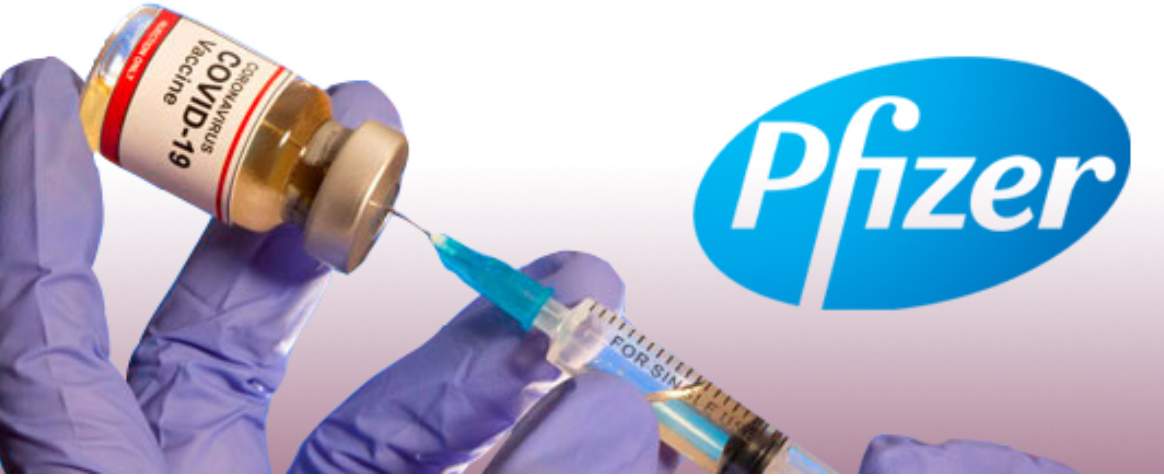
- Pharmacists & employees in their 20s receive Pfizer vaccine
- by May 07, 2021 06:01am
- Pharmacists and employees under the age of 30 who were excluded from the AZ vaccination are expected to receive the Pfizer vaccine next month. The KCDA announced on the 4th that the Pfizer vaccine for social essential personnel and military soldiers under the age of 30 who have been suspended from vaccinating AZ vaccine due to "thrombotic side effects" will begin in June. According to statistics of the Korea Institute for Pharmaceutical Policy affairs, 1,784 pharmacists under the age of 30 have completed their personal reports to The Korean Pharmaceutical Association, and 2,000 including pharmacists who have not reported. "Pharmacists are also among the essential social workers," a pharmacist said. "We have not yet been informed of specific vaccination personnel by the KCDA, but pharmacists and employees under the age of 30 who were excluded from the vaccination will be vaccinated this time." According to COVID-19 vaccination status released byCOVID-19 vaccination task force, 197,092 out of 335,017 people who were vaccinated as of midnight on the 2nd completed the vaccination rate, recording 58.8%. If this includes personnel who will receive the Pfizer vaccine, the inoculation rate is expected to increase slightly.
- Policy
- 40 new drugs licensed last year
- by Lee, Tak-Sun May 07, 2021 06:01am
- Last year, a total of 40 new drugs were licensed in Korea, with five items manufactured by domestic pharmaceutical companies. One item of Yooyoung Pharmaceutical Co., Ltd.'s anti-arthritis treatment and four items of Hwanin Pharmaceutical Co., Ltd. were listed as new drugs. Rare drugs have also been licensed, up sharply from the previous year. The expedited review of treatments such as Remdesivir was also made due to the epidemic of COVID-19 infectious diseases. Domestic pharmaceutical companies were found to have been active in developing salt modified drugs for compounding drugs and patent avoidance purposes. The MFDS announced that it published the "Approval report of 2020 drugs" on the 30th of last month, which contains the current status of drug approvals and reports for the previous year. A total of 3,496 drugs were licensed and reported last year, with 40 new drugs, 24 rare drugs, 6 new drugs developed in Korea, and 2 equivalent biosimilar drugs developed in Korea. Last year's major characteristics of licensed medicines include ▲ expedited review of COVID-19 treatments ▲ increase in rare drug permits ▲ increase in new drug product permits ▲ the largest proportion of licensed drugs. In July last year, the MFDS quickly approved the COVID-19 treatment "Veklury (Remdesivir)" (Gilead Science Korea) as an imported medicine for stable treatment of domestic patients. This is an example of a preemptive response to the national health crisis and establishing a system to supply medical supplies. Rare drug approval has also increased significantly. The number of rare drug item permits declined slightly from 34 items in 2016 to 11 items in 2019, but it turned upward last year and 24 items (14 active ingredients) were licensed. This is believed to be due to the industry's sufficient compliance with the requirements for submission of item permits for rare drugs, which were strengthened under the revised regulations in July 2015, and the level of safety management for rare drugs has also increased. The number of new drugs has been steadily increasing since 40 items were licensed last year, with 35 new imported drugs and five new domestically manufactured drugs being licensed. The new drug was licensed from 15 items (12 ingredients) in 2018 to 35 items (21 ingredients) in 2019 and 40 items (20 ingredients) in 2020. 34 items of chemicals and 6 items of biological drugs (all imported) were licensed, and 13 items of anti-cancer drugs were licensed by the medicinal group, accounting for a high proportion of 32.5% of the total. New drugs developed in Korea decreased from a year earlier to six items, but biosimilars were licensed for two items, similar to the previous year. Five new chemo drugs in Korea are one treatment for slime arthritis and four anti-epidemic drugs, while six new biomedical drugs include PNH treatment and macular degeneration treatment. Permits for "new products" were also increased last year. Of the 326 items subject to the safety and validity review last year, 182 items (55.8%) were licensed and developed intensively, with 154 items (84.6%) containing Rosuvastatin calcium for hyperlipidemia. The development of drugs using new salts or isomers ,which are used for patent avoidance purposes, also increased sharply from two items in 2019 to 74 items in 2020. This is due to the development of a new salt for active ingredients used in diabetes drugs, which is analyzed to be due to the industry's strategy to preempt the diabetes drug market. Of the total 3,110 licensed items, "blood circulation medicine," which includes "HTN treatment," was the most licensed item with 581, accounting for 18.7%. This is similar to 902 items licensed in 2019, accounting for 18.8 percent of the total, and it is analyzed to be due to the continued expansion of the blood pressure drug market, including aging population. 554 fever, pain and anti-inflammatory drugs (17.8%), 425 digestive medicine (13.7%), 337 other metabolic and diabetic drugs (12.1%), 121 blood and body medicine (3.9%), 102 allergy drugs (3.3%), and 95 antibiotic drugs (3.1%) were licensed.
- Policy
- The National Assembly is trying to enact GMP legislation
- by Lee, Jeong-Hwan May 06, 2021 06:07am
- As domestic pharmaceutical manufacturers' GMP (Good Manufacturing Practice) violations occur one after another, the National Assembly and the MFDS are struggling to prevent recurrence by strengthening regulations. The National Assembly is considering reinforcing the administrative disposition of pharmaceutical companies violating GMP through the legalization of the Ordinance of the Prime Minister and the Pharmaceutical Affairs Act of the GMP regulation, which is operated by public notice, and the MFDS is trying to organize a special planning inspection team regularly and operate it on a regular basis. On the 4th, the National Assembly and the MFDS are discussing to resolve the problem of GMP violations in Binex, Vivozon, and Chong Kun Dang. The National Assembly is reviewing a bill that raises the current GMP regulations, centering on members of the Health and Welfare Committee. Currently, the MFDS is issuing a GMP conformity certificate based on the Ordinance of the Prime Minister, the safety regulations for pharmaceuticals. Other detailed GMP regulations are managed by administrative regulations. The National Assembly is preparing to legislate as it is necessary to raise and legislate the GMP regulations to the Pharmaceutical Affairs Act rather than administrative rules due to the illegal manufacturing situation of domestic pharmaceutical companies. It is to raise the GMP regulations and conformity assessment to the Pharmaceutical Affairs Act and to establish a legal basis for the cancellation of GMP certification for pharmaceutical companies that violate the regulations. Some pharmaceutical companies' discretionary manufacturing will strengthen the overall pharmaceutical industry's GMP regulations and penalties for violations. The MFDS is planning to request an increase in manpower for the regular organization and regular operation of the GMP special planning and inspection team for pharmaceutical manufacturing establishments, and taking this voluntary manufacturing situation as an opportunity to monitor pharmaceutical manufacturing establishments at any time to strengthen quality control. Currently, the MFDS operates a GMP special planning and inspection team as a TF composed of two teams. In addition, the factory's intentional and unethical illegal activities are being detected. It is the duty to detect acts such as changing the permission information or falsely writing or concealing manufacturing records without approval from the MFDS. The MFDS will appeal to the National Assembly and related ministries about the need to increase manpower in order to incorporate regular personnel in the planning and inspection team in the future. An official in the National Assembly's Health and Welfare Committee said, "The issue of GMP violation has had a significant impact on the overall pharmaceutical industry in Korea, and various changes have occurred. It influenced the legislation of the National Assembly, and the pharmaceutical association and the pharmaceutical industry reflected on themselves.The National Assembly is determining the need to strengthen GMP regulations." He added, "It is a violation of some pharmaceutical companies, but the necessity of strengthening GMP regulations has been steadily raised. If additional legislation can prevent recurrence of drug quality problems, it is a situation that should be discussed prospectively while avoiding over-regulation."
- Company
- Why SK and GC's deal for Xarelto exclusivity right misfired
- by Kim, Jin-Gu May 06, 2021 06:07am
- SK Chemicals's discussions with GC Pharma on handing over the exclusivity rights of Xarelto (rivaroxaban) had broken down in the end. The reason is known to be that the scope of the patent avoided by SK Chemicals does not match the composition of the generic developed by GC Pharma. According to industry sources on the 5th, the sale of the exclusivity rights of Xarelto between SK Chemicals and GC Pharma ended in misfire. The two companies had been discussing selling the exclusivity rights of Xarelto. GC Pharma's intent to enter the generics market 9 months earlier than other companies seemed to be in line with SK Chemicals's intent to sell its exclusivity rights. However, the discussion ended in a misfire. Officials from both companies stated, “It is true that there had been discussions, but the deal was broken off.” The industry points to the scope of a patent avoidance that SK Chemicals owns as the cause of the breakdown. SK Chemicals, along with Hanmi Pharmaceutical, succeeded in avoiding the composition patent for Xarelto 2.5mg. After winning the first trial in November 2015, the companies obtained the exclusivity right through the first Marketing Authorization Application (MAA) in July of the following year. However, the scope of the exclusivity right the two companies have obtained was limited to the 2.5mg dosage. The component patent of the remaining doses of Xarelto, 10mg, 15mg, and 20mg, had not been registered by Bayer in the first place. When filing for patent avoidance of Xarelto's composition patent, the argument of SK Chemicals and Hanmi Pharmaceutical was that its "manufacturing process was different from the original.” The original tablet is manufactured through a wet granulation process after suspending rivaroxaban in a hydrophilic binder. On the other hand, the generics developed by SK Chemicals and Hanmi Pharmaceutical are made by first spray drying the lactose hydrate and hypromellose+solvent solution into fine powder instead of granules, then adding excipients for tablet manufacturing, followed by compression and tableting. The Intellectual Property Trial and Appeal Board (IPTAB) and the court acknowledged the significant difference in manufacturing and ultimately ruled that SK and Hanmi's generic does not violate the original’s scope of patent. However, the problem was that this manufacturing method was different from the method used in the generic that was self-developed by GC Pharma. As GC Pharma's generic was manufactured in a different way than the one that was acknowledged as 'different from the original drug' by IPTAB, GC Pharma would not be able to exercise the exclusivity rights even if they purchased it. So, GC Pharma either had to develop a new generic with the method through which SK Chemicals avoided the original patent or give up the deal. GC Pharma's decision was to give up the deal. “The two companies started negotiations without specific knowledge of the scope of the exclusivity right, so the deal eventually ended up nowhere,” explained a pharmaceutical industry official. On whether to proceed with the sale of exclusivity rights of Xarelto with other companies, an official from SK Chemicals said, “We haven’t yet made other deals after discussions with GC Pharma had broken down.” According to the pharmaceutical market data research firm UBIST, the outpatient prescription sales of Xarelto recorded 50 billion won last year. This was a 1% decrease from the 50.8 billion won in 2019. In the first quarter of this year, 11.9 billion won worth was sold. In the new oral anticoagulant (NOAC) market, Xarelto stands in second place after Lixiana and is followed by Eliquis and Pradaxa.

- Company
- Moderna’s next steps in Korea…vaccine production scenarios
- by Kim, Jin-Gu May 06, 2021 06:07am
- The establishment of Moderna’s Korean subsidiary has begun. Moderna's business team from its U.S. headquarters had visited a factory of a domestic pharmaceutical company. The company's actions are adding strength to the speculation that domestic production of Moderna's vaccines is imminent. The factory that the business team had visited the previous month is expected to act as an outpost for Moderna’s vaccine production. On this, various scenarios on whether Moderna will directly take charge of vaccine production in Korea or will contract a domestic company to produce the vaccine are being raised in the industry. ◆'Establishment of ‘Moderna Korea’ … why enter Korea? According to industry sources on the 3rd, Moderna had posted an announcement on its website to hire a GM (General Manager) for Korea. Industry officials interpret this as the company's first step into establishing subsidiaries in Korea, Japan, and Australia as stated by the compnay on the 15th last month. The most likely purpose for entering Korea is to produce COVID-19 vaccines. Moderna has been producing 500 million doses of its vaccine annually at its U.S. and European plants. However, the whole amount of the vaccines produced by the two plants are being supplied locally. The production amount of the two plants is said to be tight and is just enough to meet the local demand. Therefore, vaccines for other regions must be produced in other factories. This is also true for the 20 million doses that the company agreed to supply to Korea. Moreover, in the case of the United States, the Defense Production Act fully controls the export of raw materials and equipment used in the production of COVID-19 vaccines, which gives strength to the theory that Moderna will produce vaccines in Korea. Moderna had posted a job announcement on its website to hire a GM for Korea. ◆Why Moderna’s business team visited A Pharmaceutical’s plant In mid-April, a business team from Moderna headquarters visited a plant of a domestic pharmaceutical company, A Pharmaceuticals. "I know that Moderna 's HQ visited and inspected A Pharmaceutical's plant and manufacturing facilities around 2 weeks ago,” said an industry official. However, whether the company has visited plants of other pharmaceutical companies remains unknown. Some are interpreting the visit as Moderna's move to secure a base for the domestic production of its vaccine. However, whether Moderna will be directly producing the vaccine, or will consign its production to a domestic company has not been decided yet. ◆Direct manufacturing or CMO… three possible scenarios The industry has been pushing three scenarios based on the two facts mentioned above. The first scenario is where Moderna takes over the A company’s plant to directly produce its vaccine. mRNA vaccines are largely manufactured in three steps. raw material manufacturing → lipid nanoparticle coating → finished product manufacturing. The key technology in the production of mRNA vaccines lies in the lipid nanoparticle coating process. When injected, mRNA quickly degrades in the body, therefore, the technology that surrounds it with lipid nanoparticles to keep it intact for a long period of time is important. Moderna has been known to pay extreme attention to the security of this technology. It has been using the direct production method to prevent technology leakage in the U.S. and Europe. On the surface, the company has signed a CMO deal with Lonza, a Swiss-based global CMO company, but then directly invested 70 million francs (about 86 billion won) and 40 million francs (about 49 billion won), in the U.S. and Swiss factory respectively. The industry views it as no different from direct production. In the same way, Moderna may start direct production of its vaccine by acquiring a share of a plant in Korea. The second scenario is that Moderna will make a CMO deal with a domestic company to produce the vaccine. Usually, global pharmaceutical companies do not use their own factories when establishing Korean subsidiaries. Most of the companies receive ‘import permits’ rather than ‘ manufacturing permits’ upon their establishment. Rather, in recent years, the trend has been for the subsidiaries to withdraw the already-established factories. Most recently, Janssen, as well as Bayer, Novartis, Abbott, Pfizer, Boehringer Ingelheim, Roche, and MSD previously had also withdrawn operation of their plants. This is why some believe that Moderna, like other companies, will not set up a factory in Korea. For Moderna, which owns only one type of vaccine, the factory is likely to remain a nuisance after COVID-19 ends. Accordingly, some speculate that the vaccine will be developed under a CMO deal with a domestic company. However, whether Moderna will make a technology transfer deal or participate in production by acquiring some of the domestic company’s shares is unknown. The third scenario is that Moderna will dualize the manufacturing process. Moderna will take charge of the core process, and then consign a domestic company for the last step, the fill&finish process. GC Pharma is a prominent candidate for Moderna's filling and packaging process. GC Pharma has already been selected as a CMO for COVID-19 vaccines by CEPI (Coalition for Epidemic Preparedness Innovations), a global private organization, in October last year. GC Pharma's manufacturing will take place in its Ochang plant, and the company plans to fill and finish more than 500 million doses. In addition, GC Pharma already has ties with Moderna. It has already signed a contract for the domestic approval and distribution of the Moderna vaccine. In this scenario, after the raw material is manufactured by Moderna and A Pharmaceutical company, filling, finishing and domestic distribution of the finished product would likely be handled by GC Pharma based on the relationship already established between the two companies.
- Policy
- We must do our best to develop domestic vaccines
- by Lee, Jeong-Hwan May 06, 2021 06:07am
- President Moon Jae-in received a report on the 3rd that "The introduction and vaccination of COVID-19 vaccine is faster than originally planned, and if the amount of introduction by time is as efficiently as possible, the vaccination target for the first half could be raised from 12 million to 13 million. " President Moon presented an opinion that after successful formation of collective immunity this year, and all efforts should be devoted to developing domestic vaccines next year. In the afternoon of that day, President Moon at COVID-19 Response Special Quarantine Inspection Meeting (at the main building of Cheongwadae) said, "Korea has already secured twice as much vaccine as the public, and has exceeded the goal of inoculating 3 million people by the end of April by more than 10%." President Moon ordered that the goal of achieving collective immunity in November be brought ahead of the plan and correct misinformation so that the public would not be anxious. President Moon said, "Even in May, Pfizer vaccine will be supplied stably to Korea every week, and AstraZeneca vaccine will also be delivered in larger quantities than originally planned. The government is most effectively distributing the amount of vaccines introduced into the first and second vaccinations according to a meticulous plan.” He added, "Please make the best use of private medical resources for vaccination, and increase the autonomy and accountability of a local government." President Moon emphasized that efforts should be made to develop vaccines in Korea. He said, "Securing vaccine sovereignty is the most important task in the global competition for vaccine security. Please do your best to use the domestic vaccine developed by our company next year." He said, “Korea is attracting attention as a country that can become a global hub for vaccine production. It has the world's second largest biopharmaceutical production capacity, and currently, three COVID-19 vaccine products developed overseas are produced by consignment or technology transfer in Korea. He said, "For the goal of becoming a global hub country, public-private partnerships will cooperate and provide administrative and diplomatic support." He explained, "The number of confirmed COVID-19 patients is 600-700 every day. Fortunately, the number of confirmed cases is still very small compared to the population, and the fatality rate is incomparably low compared to that of major countries." He said, "With successful quarantine, the economy is recovering rapidly and vaccination is in progress. There is also hope for a daily recovery." He repeatedly emphasized, "If people trust the government and cooperate with quarantine and vaccination, we will accelerate our return to our precious daily lives."
- Policy
- The Vice Minister of Health and Welfare received AZ vaccine
- by Kim, Jung-Ju May 06, 2021 06:06am
- Second Vice Minister of Health and Welfare Kang Do-tae visited a public health center in Yongsan-gu, Seoul on the 3rd and received the AZ vaccineThe health and quarantine authorities and the head of the KMA met together to get the AstraZeneca (AZ) COVID-19 vaccine and agreed to overcome COVID-19. Kang Do-tae, the second vice minister of the MOHW, visited COVID-19 Vaccination Center in Yongsan-gu, Seoul on the 3rd to check the vaccination progress and encouraged the officials. Vice Minister Kang checked the vaccination progress and vaccination movements at the vaccination center, and listened to the difficulties and suggestions of the vaccination subjects and those involved in the field. In particular, Vice Minister Kang said, "We will do our best to manage the vaccine for the safe and rapid vaccination of the people, and cooperate with local fire departments and emergency medical institutions to ensure that there is no lack of a response system for adverse reactions that may occur after vaccination." After visiting the vaccination center, Vice Minister Kang visited the Yongsan-gu public health center and received AstraZeneca vaccine with Minister of the MFDS Kim Kang-rip and Lee Pil-soo, chairman of the KMA. The 2nd Vice Minister Gang-tae (right) and Lee Pil-soo, the new president of the medical association, are shaking hands Lee Pil-soo, the new chairman of the KMA, said, "As a representative of the medical field, we volunteered to alleviate public concerns and anxiety about vaccines and show our will to end COVID-19 as soon as possible." He said, "The KMA and 130,000 members are doing their best to vaccination against COVID-19 to protect the health and lives of the people, and the government, the public, and medical personnel will work together to overcome COVID-19 together." Minister of the MFDS Kim Kang-rip asked special attention, such as observing storage temperature, so that the quality could be maintained continuously during the process of receiving and storing the vaccine, examining the storage status of the vaccine. He also said, "The domestically approved COVID-19 vaccine is thoroughly verified for safety and effectiveness through triple expert consultation at the MFDS. The benefits far outweigh the risks caused by the vaccine, and as it is a vaccine approved by the MFDS, we hope that the people will be vaccinated with peace of mind." Vice Minister Kang expressed his gratitude for the cooperation and hard work of local governments and the medical community in the process of responding to COVID-19. He said, "Vaccination is a safe and effective preventive method, and I hope that the public believe in the government and experts and inoculate them in order for the health of themselves, their families and neighbors."
- Company
- Eli Lilly applies for reimbursement of Emgality in Korea
- by Eo, Yun-Ho May 04, 2021 05:55am
- The new migraine treatment ‘Emgality’ is seeking reimbursement benefits in Korea. According to industry officials, Eli Lilly Korea has recently submitted a reimbursement application for its calcitonin gene-related peptide (CGRP)-targeted migraine prevention therapy ‘Emgality (galcanezumab).’ Emgality, the first CGRP-targeted migraine prevention treatment to be introduced in Korea, selectively binds to CGRP, a substance known to be a key cause of migraine, and blocks its binding to the receptor. The drug was designated as an orphan drug in April of last year and approved in September of the same year. Recently, Emgality was additionally approved by the FDA as a treatment for episodic cluster headaches. Emgality had received much attention as a promising drug in the field of migraine along with ‘botulinum toxin.’ However, as a non-reimbursed drug, the demand for better access to the drug has been rising. If approved, the reimbursement is expected to have a significant impact on the migraine market. Emgality had passed the drug committee (DC) in major general hospitals in Korea including the Seoul National University Hospital and Severance Hospital. Lilly Korea and SK Chemicals have been co-promoting Emgality in Korea. With ‘Ajovy (fremanezumab),’ another CGRP-targeted therapy, soon to enter the Korean market, attention is on how the migraine treatment market will be reorganized in the future. The approval was based on results of the EVOLVE-1 and EVOLVE-2 trials which involved 1,773 patients with episodic migraines for 6 months, and the REGAIN trial which involved 1,113 patients with chronic migraines (at least 15 headaches a month for at least three months) for 3 months. Results of the two trials on episodic migraine patients comparing the MHDs per month over a 6-month period showed that compared to baseline (Emgality group 9.2 and placebo group was 9.1), Emgality demonstrated efficacy over placebo in treating migraines. In particular, in the EVOLVE-2 trial that involved Korean patients, the mean MHDs per month was reduced by 2 more days during the 6-month period in the Emgality group (226 patients) compared to the placebo group (450 patients) (Emgality 4.3 days vs. placebo 2.3 days). Also, 59% of patients treated with Emgality (compared to 36% in the placebo group) saw a 50% reduction in MHDs over the 6-month period. 34% (18% for the placebo group) saw a 75% or more reduction, and 12% (6% for the placebo group) saw a 100% reduction in MHDs. “Emgality showed a migraine prevention effect from the first week. Episodic migraines patients who experienced migraines 4 to 14 days a month have experienced a reduction by half compared to before treatment, and 1 in 7 patients showed a 100% response rate,” said Professor Min-kyung Joo of the Severance Hospital. “The drug may bring a big difference to patients who have been struggling to maintain their daily and social life due to migraines.”
