
- LOGIN
- MemberShip
- 2026-06-21 13:47:34
- Company
- Tepmetko targets rare lung cancer target with reimbursement
- by Whang, byung-woo Apr 16, 2025 05:55am
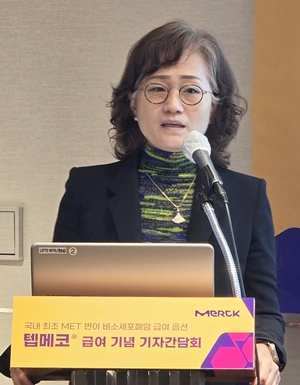
- Merck is seeking to increase the market influence of Tepmetko (tepotinib), which was granted reimbursement 3 years after its approval, by improving treatment access. Although the MET mutation is a rare mutation that occurs in 1.8-3.1% of non-small cell lung cancer patients in Korea, it is evaluated that the drug’s reimbursement will have a significant effect as it increases the success rate when early diagnosis and appropriate treatment are carried out. Ji-Youn Han, professor of Hemato-Oncology at the National Cancer Center, On the 15th, Merck Biopharma Korea held a press conference to shed light on the implications brought by Tepmetko’s reimbursement, a treatment for non-small cell lung cancer with MET exon 14 deletion mutation. In Korea, MET mutations in non-small cell lung cancer are known to cause resistance to other anticancer treatments and have a high rate of metastasis to bones, the brain, etc., which is associated with poor patient prognosis. In addition, most patients are elderly, which lowers the response rate to immuno-oncology drugs, and most patients relapse within 5 months. “MET-mutated non-small cell lung cancer has a poor prognosis, and brings threefold increased risk of death compared to those without mutations,” said Ji-Youn Han, a professor of Hemato-Oncology at the National Cancer Center, who presented at the press conference. ”Most patients are elderly, have a low response rate to immuno-oncology drugs, and have difficulty tolerating strong side effects, so there was a high unmet need for MET-mutation targeted therapies.” Tepmetko’s reimbursement was based on the Phase II VISION study in patients with MET-mutated NSCLC. In the 32.6-month follow-up of 313 patients diagnosed by liquid biopsy or tissue biopsy, Tepmetko showed an objective response rate (ORR) of 58.6%, median progression-free survival (PFS) of 15.9 months, median overall survival (OS) of 29.7 months, and median duration of response (DoR) of 46.4 months in patients diagnosed by tissue biopsy and with no previous treatment experience. These results were consistent regardless of treatment line, biopsy method, etc., and showed consistent efficacy in Asian patients, including Koreans. In a subgroup analysis of 106 Asian patients, the ORR of patients who were initially treated with Tepmetko was 64%, with a median PFS of 16.5 months, a median OS of 32.7 months, and a median DoR of 20.7. “The importance of personalized treatment based on MET mutations is being emphasized in the non-small cell lung cancer setting. Tepmetko has demonstrated consistent effects regardless of the treatment line in Asians,” said Professor Han. Although Tepmetko has demonstrated its effect through clinical results, the company had to jump over high hurdles to be included in the reimbursement list. After failing to set the reimbursement criteria twice, including during the Health Insurance Review and Assessment Service's Cancer Disease Review Committee meeting, the company voluntarily withdrew its reimbursement application, and submitted a new application in July last year, which led to the current result. As a result, Tepmetko became the first treatment option in the same class to be listed for reimbursement, ahead of Tabrecta (capmatinib), an anticancer drug that was approved in Korea at the same time in 2021. Currently, Tepmetko is expected to quickly settle into the prescription environment as it has passed the Drug Committees (DCs) of more than 30 medical institutions nationwide, including the Big 5 tertiary hospitals such as Samsung Medical Center and Seoul National University Hospital. “From the perspective of a doctor treating patients in the clinical setting, we need more treatment options to keep patients alive and improve their quality of life,” said Professor Han. ”I think this coverage of Tepmetko is a positive step because it means patients can use it without financial burden.” “We hope that this reimbursement of Tepmetko will play an important role in the future treatment environment in Korea,” said Christoph Hamann, General Manager of Merck BioPharma Korea. ”Merck will continue to endeavor to drive innovation at the forefront in the field of cancer treatment and will continue to strive to improve the intractable cancer treatment environment.”
- Policy
- Will a 'Duodart' generic for prostatate drug be available?
- by Lee, Hye-Kyung Apr 16, 2025 05:55am
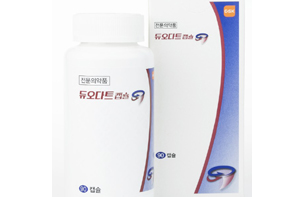
- Product photo of Duodart A generic version of GSK's benign prostatic hyperplasia (BPH) combination product 'Duodart Capsule (dutasteride·tamsulosin hydrochloride),' which drove the success of the combination drug market for urology in Korea, is now under development. On the 14th, the Ministry of Food and Drug Safety (MFDS) approved an open-label, randomized, two-group, two-period, fasting, single-dose, oral, crossover study in healthy adult male subjects for the biological equivalence evaluation of Aprogen Biologics' 'Dutatams Capsule' and the original 'Duodart Capsule.' Duodart is a fixed-dose combination of the 5α-reductase inhibitor dutasteride and the α‑blocker tamsulosin, which was first approved in Korea in 2021. It was subsequently listed on the reimbursement drug list the following year. According to market research firm UBIST, Duodart surpassed KRW 10 billion in outpatient prescription sales in its second year of market launch in 2023 and reached KRW 23.2 billion last year. Until earlier this year, before four fixed-dose combination products of dutasteride and tadalafil were released, the prostate hyperplasia combination market was considered unchallenged. Apart from Duodart, Hanmi Pharmaceuticals had launched 'Gugutams,' a product combining tamsulosin and tadalafil. Despite various ingredients such as tamsulosin·finasteride·dutasteride for prostate hyperplasia treatment; mirabegron·solifenacin for overactive bladder treatment; and sildenafil·tadalafil for erectile dysfunction having lost their patents, there had been no updates to new fixed-dose combinations launches. Among these, only Duodart was performing well. Duodart is designed for the treatment of moderate to severe BPH and is administered orally once daily as a single capsule. Combining the two active ingredients into one capsule achieves rapid symptom improvement and reduces the long-term risks associated with disease progression. Furthermore, it minimizes dosing frequency, improves patient adherence, such as the likelihood of missed doses, and simplifies treatment regimens.

- Policy
- Global pharma proposes 'indication-based pricing system'
- by Lee, Jeong-Hwan Apr 16, 2025 05:55am
- Overseas global pharmaceutical companies with subsidiaries in Korea are currently voicing the adoption of policies aimed at resolving 'reimbursement inequities' for therapies for severe and rare diseases and implementing an 'indication-based pricing system' amid an early presidential election. While the Korean government maintains that an indication-based pricing system should be carefully reviewed over the long term due to various potential challenges, global pharmaceutical companies have begun gathering public opinion on the issue at a parliamentary forum. On the 15th, Rep. Seo Mi-hwa of the Democratic Party, a National Assembly's Public Healthcare Committee member, is preparing to hold a 'Discussion Forum on Resolving Inequalities in Innovative New Drugs and Regulatory Reforms.' It is intended to highlight that only 22% of innovative new drugs, such as those changing the treatment paradigm for severe and refractory diseases like cancer drugs, are reimbursed in Korea, leaving patients without timely access to therapies. In particular, the forum will also discuss measures to introduce an indication-based pricing system in Korea to expand reimbursement for new drugs. The introduction of an indication-based pricing system was an issue raised by the Korea Research-Based Pharma Industry Association (KRPIA), which requested a pilot project from the Ministry of Health and Welfare (MOHW) and other government agencies overseeing national health insurance. The KRPIA requested that the government initiate a pilot project applying a 'weighted average price by indication' and 'differentiated reimbursement rates by indication' for drugs under risk-sharing agreements (RSA). Furthermore, KRPIA is reportedly planning to propose to the candidate camps of parties such as the Democratic Party and the People Power Party policies to expand patient treatment opportunities through the implementation of an indication-based pricing system during this early presidential election cycle. The request is based on the fact that some overseas countries, including Italy, France, and Switzerland, are already implementing policies that evaluate the therapeutic value of drugs with multiple indications separately by indication, by determining different insurance prices or applying differential discounts at reimbursement. The KRPIA is urging these measures to be adopted as a commitment to enhancing patient access to medications. The request aligns with a presidential policy proposal that will coincide with a parliamentary debate later this month. However, the MOHW has stated that the indication-based pricing system should be carefully reviewed from a long-term perspective. While they agree with the rationale for introducing the system, the MOHW believes that further long-term discussions are necessary, such as financial impact analysis, establishment of legal grounds, and development of billing and settlement systems to prevent circumvention and distorted prescribing practices among some patients, must be addressed first. The rep. office responsible for preparing for the forum stated, "At the discussion forum, we will look for solutions to the prolonged processing period following reimbursement listing and the delays in reimbursement payments occurring within the approved indications," and added, "We will review the regulatory improvement policy agenda from the perspective of treatment disparities among patients."
- Company
- Orphan drug 'Thio Spal-P' avoids approval cancellation
- by Kim, Jin-Gu Apr 15, 2025 05:55am
- A rare disease treatment, 'Thio Spal-P Inj (thiotepa),' faced narrow escape from receiving approval cancellation. According to pharmaceutical industry sources on the 11th, the Seoul Administrative Court ruled in favor of Dongin Pharm against the Ministry of Food and Drug Safety (MFDS), ruling a 'plaintiff victory' on the 10th. Dongin Pharm filed a suit in the administrative court arguing that the MFDS' administrative measure related to the cancelation of imported item approval in May last year. This rare disease treatment is used as a premedication regimen before autologous·allogenic stem cell transplantation in adult·pediatric patients with hematological diseases. It is also used when high-dose chemotherapy in combination with stem cell transplantation is adequate for treating adults·pediatric patients with solid cancers. This type of drug, with imported annual sales below KRW 200 million, faced several hurdles. Initially, a medical device company imported a product called 'Thiotepa,' manufactured by US-based pharma company Bedford and distributed in South Korea. However, concerns have been raised in the United States that environmental waste and carcinogens are hugely produced during the production of Thiotepa. Therefore, the US-based manufacturer discontinued production of this drug, leading to discontinued import by the Korean importing company. After that, the Korea Orphan Drug & Essential Drug Center responded. The Korea Orphan Drug & Essential Drug Center secured 'Tepadina Inj' from Italia and began distributing in South Korea. Then, Korean companies also began importing this drug. Dongin Pharm received approval for the imported product 'Tepadina Inj 15mg·1g' with the same active ingredient. This drug soon became included in the National Health Insurance reimbursement list. On May 21st, the MFDS issued an administrative measure of cancellation of imported product approval for this drug. The Ministry of Health and Welfare (MOHW) announced that the reimbursement of this drug will be discontinued the next day due to the decision of approval cancellation by the MFDS. The announcement to suspend reimbursement was reversed within a day. On that same day, the MOHW announced that the reimbursement status for this drug would be maintained. The decision was made in response to a notification from the administrative court indicating that a suspension of execution had been filed. It was due to Dongin Pharm filing a suspension of execution and an administrative suit. In response to MFDS giving a cancelation measure of imported product approval, Dongin Pharm immediately filed a suit for withdrawing such measure and applied for suspension of execution until the ruling. The court accepted the application for suspension of execution. The lawsuit lasted over a year. Dongin Pharm and MFDS appeared in court three times since September 2024 to argue whether cancellation measure of the imported product is appropriate. Ultimately, the Seoul Administrative Court ruled in favor of Donging Pharm. Therefore, Dongin Pharm, which imports Thio Spal-P, was relieved. However, the MFDS has yet to decide whether to appeal. In South Korea, three companies have received approval for imported rare disease treatments containing thiotepa. Two pharmaceutical companies are distributing these drugs to South Korea, excluding a company without any import record. However, Thio Spal-P is the only drug that is in injectable formulation.
- Company
- Daehwa Pharmaceutical's Liporaxel aims for listing in China
- by Nho, Byung Chul Apr 15, 2025 05:55am
- The world's first oral paclitaxel, Liporaxel, for gastric cancer, is expected to enter the first negotiation step with the Chinese health authority in June for health insurance listing. The negotiation outcome gains attention. Daehwa Pharmaceutical's Liporaxel is sold in local Chinese hospitals at approximately KRW 940,000 per 30 mg. Sources said that this drug's anticipated reimbursement price will likely range KRW 400,000-450,000. The global market for paclitaxel injectables is valued at roughly KRW 5 trillion, of which China accounts for approximately 40–50%, making it a critical battleground for drug launches. Liporaxel obtained marketing approval in September 2024 from the China National Medical Products Administration (NMPA) for the indication of gastric cancer and began a full-scale launch centered in Shanghai around March. Until the development of Liporaxel solution in 2016, paclitaxel formulations had been prescribed only in injectable form. The oral liquid formulation of Liporaxel, a gastric cancer treatment, secured the status of the world's first improved drug converted from an injectable to a liquid formulation, and if reimbursement is achieved in China, its ease of administration is expected to drive rapid growth. Conventional paclitaxel intravenous (IV) treatments typically require more than three hours of infusion time, including pre-treatment, so launching a formulation-changed product has been a long-awaited goal for academia and patient groups. The mechanism of action of Daehwa Pharmaceutical Furthermore, in clinical trials for gastric cancer, the new formulation showed improved outcomes compared to IV therapy, particularly in terms of side effects such as hair loss and peripheral neuropathy, which is expected to enhance patient convenience and safety greatly. Notably, by reducing the treatment time, this drug is expected to provide more patients with the opportunity to receive treatment, thereby improving the overall efficiency of cancer care. Liporaxel demonstrated equivalent safety and efficacy compared to a control drug in a Phase 3 trial conducted in approximately 550 gastric cancer patients in China. Meanwhile, Liporaxel was licensed in September 2017 to China's RMX Biopharma under a contract that included a licensing fee of USD 25 million (approximately KRW 33.2 billion) along with separate sales royalties, and the rights for Liporaxel as a second-line treatment for advanced, metastatic, or locally recurrent gastric cancer in the markets of China, Taiwan, Hong Kong, and Thailand are held by Haihe Biopharma.
- Company
- BD experts in demand due to increasing global partnerships
- by Whang, byung-woo Apr 15, 2025 05:54am
- Due to increasing technology transfer and partnership opportunities in the pharmaceutical and biotech industries, the role of business development (BD) is becoming increasingly important. Also, demand is growing for the ability to move beyond R&D that advances science-based technologies to securing actual deals. BD is a position that identifies and introduces promising technologies or new products based on domestic and international market analysis and creates business opportunities such as technology transfer, strategic alliances, and joint research. This means that it is a key department that brings in new products or drives partnerships that will drive company growth, and it is directly tied to the export (licensing out) of new technologies. Domestic pharmaceutical and bio companies are achieving success and making licensing out deals overseas, thanks to increased investment in new drug development. In fact, in 2019, there were 14 licensing-out deals (worth about KRW 8.5 trillion) in Korea, and in 2021, the number of contracts reached 31, a threefold increase from the previous year, setting a new record. In particular, large-scale licensing deals are emerging, whose upfront payments exceed KRW 1 trillion per technology, although their milestone achievement progress remains to be seen. As pharmaceutical companies, which used to focus on the domestic market, are entering the global stage, the BD department is becoming at the forefront of business development, transferring technology to overseas partners and leading joint development, which is adding strength to the growing view that BD capabilities directly affect corporate competitiveness. In fact, domestic bio companies are strengthening their strategy of developing their own products from the non-clinical to early clinical stages and then licensing them out. Specifically, they are actively pursuing entry into the global market by establishing overseas subsidiaries and hiring local BD personnel. " “Lack of experience is the biggest challenge” ... Systematic training is essential. The problem is that domestic companies are still facing difficulties in the global BD process, due to the lack of negotiating power, lack of experience in evaluating technology value, and lack of global communication experience. A representative of Pharma Ventures, who the reporter met at the 2025 Young BD Workshop hosted by the Korea Drug Development Fund (KDDF), expressed disappointment in the “storytelling” poser of Korean companies. “Korean companies have very good scientific capabilities and technology, but they often fail to develop their assets to the level required by global big pharma,” said a Pharmaventures official. ”Companies often concentrate on a single pipeline, so when if they license out their technology, the company's is virtually just giving out their whole value.” It is also important to reduce the gap between investors and Korean companies when it comes to technology transfer and deal-making, but it is often assessed that Korean companies cannot translate science into 'value and business opportunities'. Ultimately, for Korean companies to find opportunities overseas, in addition to R&D, there is a growing need to develop specialized personnel who can turn these into commercial opportunities. In the pharmaceutical and biopharmaceutical industry, there is a common view that, as the saying goes, “it's all about people,” and that talent investment is important for new drug development. However, there is also a realistic point of view that there are still not enough educational opportunities to systematically train BD talents. In particular, young BD managers with 1-5 years of experience are in very high demand for training to strengthen their expertise, as they work in an environment where it is difficult to gain practical experience. In this situation, the 2025 Young BD Workshop held by KDDF in early April sought to foster the next generation of BD talent. Young-min Park, head of the National New Drug Development Project Team This event is a successor to the BD talent development workshop that began in 2018 through the pan-ministerial new drug development project and is a program that focuses on young BD practitioners in their first to fifth years to develop practical global technology transfer capacity. Young-min Park, head of the National New Drug Development Project Team, said, “A sophisticated commercialization strategy is needed from the early stages for successful new drug development. I hope this workshop will serve as a stepping stone for fostering young BD talents with expertise and practical capabilities that meet global standards.” With KDDF at the forefront, BD is responsible for the company's future growth engines, such as closing new product licensing agreements and building partnerships in the long term. As such, the company is showing a consensus on securing and cultivating talent. An industry official added, “I think the cultivation of BD talent is an important factor that can turn Korea's quality technology into commercial success. I think that the education and efforts related to BD, along with the cultivation of various talents in the pharmaceutical and bio sector, will play a major role in creating a Korean bio ecosystem in the future.”
- Policy
- DPK’s election pledge includes substitution dispensing
- by Lee, Jeong-Hwan Apr 15, 2025 05:54am
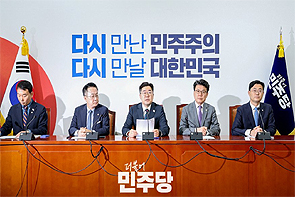
- The Democratic Party of Korea will include a policy to support domestically developed new drugs through a drug pricing system that links the investment rate (amount) of research and development (R&D) by pharmaceutical companies with a drug’s insurance price ceiling and drug price reduction rate in its presidential election pledge. DPK’s intention is to lead the development of the pharmaceutical and bio-industry, which is a future growth engine for the country, by enabling pharmaceutical companies that are constantly striving to evolve and create new drugs to benefit from the government's efforts rather than those intent on generic sales. In particular, since the Korean pharmaceutical industry is still dominated by generic drug manufacturing, the Democratic Party of Korea is also looking into whether maintaining the current tiered drug pricing system would be of practical help to the industry's development. The DPK is also considering ways to reasonably legislate the Seok-yeol Yoon administration's pilot project for unlimited non-face-to-face medical care and ways to resolve the supply and demand instability of medicines, including the promotion of alternative dispensing, to adopt them as presidential campaign pledges. Recently, Won-Joon Cho, the senior expert advisor for health and welfare at the Democratic Party of Korea(and the head of the presidential election pledge task force for the policy committee) held a meeting with the Press Corp and revealed the direction of the presidential election pledges related to the pharmaceutical and bio-industry and the health industry. ◆Pharmaceutical and bio-industry promotion measures=The Democratic Party of Korea (DPK) agreed that the pharmaceutical and bio-industry is an industry that drives future growth of South Korea, but also recognized that it is a field that has a dual nature that requires regulation due to safety concerns. This is why there are differences in the views of pharmaceutical and bio industries among government ministries such as the Ministry of Health and Welfare (MOHW), the Ministry of Food and Drug Safety (MFDS), the Ministry of Science and ICT, and the Ministry of Trade, Industry and Energy (MOTIE). In this situation, Cho said, “The Democratic Party of Korea will definitely improve unnecessary administrative procedures or excessive regulations that hinder the promotion of the pharmaceutical and bio-industry and the creation of new domestic drugs. However, we will make sure that excessive deregulation does not lead to distrust of products or the industry as a whole.” This is because the pharmaceutical industry is directly linked to the lives and safety of the people, and at the same time, it has the special characteristic of being the future food of the nation. Cho said that he has been preparing pledges based on 3 principles: ▲expanding investment and support, ▲reorganizing the current support system, and ▲strengthening social responsibility to promote the pharmaceutical and bio industry. “We will come up with a concrete performance-based R&D policy and adopt a system that rewards drug prices in proportion to the R&D investment ratio,” said Cho, adding, ”We are also paying attention to the opinion that the tiered drug pricing system needs to be improved to make it more intuitive and reasonable.” He added, “Even when a pharmaceutical company wants to contribute to society, in many cases, the scope is narrow. We are considering making pledges to support the diversification of social contribution methods by improving the innovative pharmaceutical company certification system, among others. We will include a policy to support pharmaceutical companies that export domestically produced new drugs overseas, rather than for Korea’s industry structure built around generics, as our presidential election pledges.” In particular, he said, “As we operate a generic-based industrial structure, there is a side to the issue of illegal rebates that cannot be abolished no matter how much the system is improved. I believe we should put support for overseas expansion and export pharmaceuticals into a separate package of pledges. There are also big concerns in the pharmaceutical industry about the Trump administration, and DPK is looking at countermeasures for the pharmaceutical industry from a broader perspective of trade.” ◆Seeking solutions to the instability of non-face-to-face medical care and drug supply = Cho said that DPK escapes criticism that it pretends to seek progressive politics but is hindering technological progress. The point is that DPK often has to consider what attitude it should take when faced with social and public demands for medical policies that are integrated with the IT industry, such as non-face-to-face medical care. Nevertheless, Cho emphasized that healthcare policies that are closely related to the health and lives of the people cannot be focused solely on fostering and promoting them as an industrial framework. The current government was criticized for conducting non-face-to-face medical care as a tool for industrial development for an unlimited period - for years - based on the enforcement decree without amending the law, which is regarded abnormal. “The healthcare sector is also making technological progress together with the high-tech IT industry. However, due to the nature of healthcare, if the basic premise of public safety is not secured, the foundation of the policy may be shaken,” said Cho. ”It is difficult to lead healthcare policy with an overly industrial frame. However, it is necessary to make pledges that reflect the reality and accept new systems and environmental changes with a flexible attitude.” He also criticized the former government, saying, “IT was a pilot project, so the biggest problem was that it is allowing non-face-to-face medical care that goes beyond the actual project without any legal basis.” He added, “There were no restrictions on the target, standards, scope, region, or time limit. I have never seen a pilot project like this. Serious illegal activities are continuing.” In response, the Democratic Party said that it will establish a legal basis as soon as possible so that the principle of non-face-to-face medical care can be established in this presidential election, and will hold the current government accountable for the background of the pilot project. “The policy-making process that led to the current pilot project should be thoroughly investigated and held accountable,” said Cho, ”Non-face-to-face medical care is intended to supplement the public's access to medical care, but the results of the pilot project have become a tool and a window for prescribing anti-hair loss drugs and emergency contraception. It is being used in a way that is completely different from its original purpose.” Regarding DPK’s direction for legalizing non-face-to-face medical care, he said, “Legislation is needed that includes not only the target, scope, and standards, but also the management and supervision of intermediary platforms. Delivery of medicine is not an immediate problem. It is not too late to decide on this issue when the basis for the Medical Service Act for Non-face-to-face medical care is created and additional discussions on the Pharmaceutical Affairs Act are held.” He also added, “We need to think about whether to adhere to the principle of non-face-to-face medical care that DPK proposed for the 21st National Assembly. This is because we cannot ignore the fact that many people have experienced or are using non-face-to-face medical care.” He also emphasized, “Even if we adopt the principle of allowing only people with limited mobility and residents of remote areas, the law should cover areas where there is a great social demand, such as pediatric patients.” Finally, regarding the issue of instability in the supply of pharmaceuticals, he summarized it as “It is still a difficult problem to solve and an urgent task. Policy-wise, we need to come up with alternatives.” “It is important to decide what policy agenda to adopt to address the issue of supply and demand instability. For example, the ingredient-specific prescription is a very sensitive issue between different medical schools, so it is politically difficult to tackle,” said Cho. ”We will introduce the agenda of vitalizing substitute dispensing, which is inevitable to resolve supply and demand instability, even if we would need to discuss the conflict that may arise in the future.” He added, “There will be more and more direct conflicts over the scope of practice, and the DPK will strengthen the governance structure under the Healthcare Workforce Support Act to achieve consensus and social compromise among the professions in a consultative body with the participation of the relevant parties.” This is interpreted as the party’s intention to actively utilize the Healthcare Workforce Scope Adjustment Act, which is pending in the Legislative and Judicial Committee, initiated by Democratic Party member Yoon Kim.

- Policy
- NHIS prepares measures to implement dual drug pricing system
- by Lee, Tak-Sun Apr 15, 2025 05:54am
- The National Health Insurance Service (NHIS) is preparing a procedure for implementing the dual drug pricing system for domestically developed new drugs and will collect industry opinion this month. The measure seeks to prepare guidelines for actual negotiations, as the MOHW's notification last month included a provision for the dual drug pricing system. According to industry sources on the 14th, the National Health Insurance Service recently delivered a measure for the implementation procedure of the dual drug pricing system to pharmaceutical organizations and will collect opinions until the end of this month. Dual pricing refers to the situation where the listed insurance ceiling price is different from the actual price. Currently, drugs reimbursed under the Risk-Sharing Agreement (RSA) are subject to dual pricing. When the MOHW notified of the amendments to the 'Standards for Determination and Adjustment of Pharmaceuticals' on March 4, it included a provision on the availability of dual drug pricing contracts for domestically developed new drugs. Specifically, through the revision, ' Appendix 1 Schedule 2: The 'Evaluation Criteria for Drugs Requiring Evaluation Considering the Impact on Healthcare,’, new drugs developed by innovative pharmaceutical companies, approved by the MFDS through expedited review, and exempted from submitting bridging data by conducting domestic clinical trials, can sign a separate contract with the NHIS for the purpose of enhancing global competitiveness. As a result, domestically developed drugs that meet the conditions will be eligible for dual pricing like RSA drugs. It is analyzed that it is much more advantageous to receive a higher drug price when registering a drug overseas if the indication price is higher than the actual price through the dual drug pricing system. This is because importing countries set prices by referring to domestic drug prices when registering drugs. Currently, the only new drug developed in Korea that has been subject to dual drug prices is K-CAB, a new drug for gastroesophageal reflux disease. K-CAB has been reimbursed under the Refund type agreement determined during negotiations on the price-volume linkage system, which resulted in a difference between the drug’s actual and displayed prices. The actual ceiling price is KRW 1,300, the same as when it was first listed in 2019, but the actual price is expected to be lower than this due to the several price-volume agreements it has undergone since. The current plan for the implementation of the dual drug pricing system is expected to include details on the target, negotiation methods, required documents, and post-implementation management measures. When the dual drug pricing system for new domestic drugs is fully implemented, the NHIS is expected to face even greater administrative burdens. This is because the number of cases in which the NHIS has to recalculate the reimbursement amount from the displayed price to the actual price and refund the difference will increase. It is reported that the NHIS is already devoting a considerable amount of time and manpower to the reimbursement process. An industry official said, “The dual drug pricing system is limited to domestically developed innovative drugs, so it may not be applicable to many, but it will definitely help pharmaceutical companies that benefit from it. However, the key question is how the NHIS will address the issue of the increasing reimbursement administrative burden."
- Company
- Varying sales of Korean subsidiaries of multinational pharma
- by Son, Hyung Min Apr 15, 2025 05:54am
- The 2024 sales performance of multinational pharmaceutical companies' subsidiaries in South Korea varied. Pfizer Korea, MSD Korea, and Gilead Sciences Korea experienced a significant drop in sales due to the impact of COVID-19 becoming endemic. Novo Nordisk saw substantial external growth following the launch of new drugs for diabetes and obesity, while AbbVie also achieved growth by advancing new drugs for immune-related disorders. According to the Financial Supervisory Service (FSS) on the 15th, the sales of the 31 major multinational pharmaceutical companies' subsidiaries in South Korea decreased by 5.5% from KRW 9.717 trillion in 2023 to KRW 9.187 triillion last year. Among the 31 Korean subsidiaries, sales declined at 13 companies, including Pfizer, MSD, AstraZeneca, Viatris, Bayer, Gilead, Lilly, Kyowa Kirin, Ferring, UCB Pharma, Menarini, Guerbet, and Biogen. The company with the largest decline in sales was Pfizer Korea. Last year, Pfizer Korea's sales amounted to KRW 783.7 billion, down 50.3% compared to the previous year. During the same period, operating profit dropped by 57%, from KRW 63.8 billion to KRW 27.2 billion. This was the first time in four years since 2020 that Pfizer Korea's sales fell below KRW 1 trillion. Pfizer Korea was hit directly by a decline in sales due to the endemic phase. Pfizer Korea succeeded in joining the KRW 1 trillion sales club in 2021 through its COVID‑19 vaccine 'Comirnaty' and treatment 'Paxlovid,' but its sales dropped as COVID‑19 stabilized. Pfizer began developing an mRNA vaccine in March 2020 in partnership with Germany's BioNTech as COVID‑19 spread globally. The collaboration between BioNTech, which possesses mRNA technology, and Pfizer, with its extensive global clinical experience, resulted in successful synergy. Consequently, Pfizer Korea's sales increased significantly. The company's sales reached KRW 1.6940 trillion in 2021, exceeding KRW 1 trillion for the first time, and then surged to KRW 3.2254 trillion in 2022. Compared to its 2020 sales, the company saw a 723% increase within two years. However, companies' sales declined as governments announced COVID-19 transitioning into the endemic phase in 2023. Pfizer Korea's sales in 2023 amounted to KRW 1.6018 trillion, a 50% decrease from the previous year, and last year, its sales fell short of maintaining the KRW 1 trillion mark at KRW 783.7 billion. Last year's sales represent a 76% decrease compared to 2022 when the highest sales performance was recorded. MSD Korea also experienced a sales decline of nearly KRW 100 billion from the previous year due to the impact of COVID‑19. MSD Korea's sales last year were KRW 667.8 billion, a 12.2% decrease compared to the prior year. Although the company developed the COVID‑19 therapeutic 'Lagevrio' during the pandemic, its sales declined as the situation transitioned to an endemic phase. MSD Korea explained that the current sales performance reflects the combined effects of decreased COVID‑19 cases and a strategic shift toward focusing on innovative drugs and vaccines. Korean MSD is not only driven by its chief immuno-oncology product, Keytruda, but is also expecting growth from vaccines and innovative new drugs. The company is preparing for domestic launches later this year, including a first‐in‐class pulmonary arterial hypertension activin signal inhibitor, 'Winrebair,' and the first adult customized pneumococcal vaccine, 'Capvaxive.' Gilead's sales last year reached KRW 319.8 billion, a 16.7% decrease compared to the previous year. Analysis suggests that Gilead's sales declined as its COVID‑19 therapeutic, Bekluri, decreased prescription volume. Bekluri is used for patients hospitalized with severe COVID‑19 who have an oxygen saturation of 94% or lower or require supplemental oxygen therapy. The sales of AstraZeneca, the first company to develop a COVID‑19 vaccine, also decreased slightly. AstraZeneca Korea's sales fell by 5.7%, from KRW 639.3 billion in 2023 to KRW 602.7 billion last year. Driven by the domestic launch of its COVID‑19 vaccine, AstraZeneca Korea recorded sales of KRW 655.3 billion in 2021, marking a 31.6% increase compared to the previous year. However, with the emergence of follow-on vaccines from companies such as Pfizer, Moderna, and Janssen, sales slightly decreased to KRW 615.1 billion in 2022. Last year, AstraZeneca Korea decided to withdraw its SGLT-2 inhibitor Forxiga from the market. The withdrawal of a product that had recorded over KRW 50 billion in annual sales significantly impacted overall sales decline. In contrast, the external prescription volume for the non–small cell lung cancer therapy Tagrisso reached KRW 136.8 billion last year, a 52.9% increase compared to the previous year. Additionally, sales declined at several companies, including Biogen Korea (–61.6%), Kyowa Kirin Korea (–29.9%), Viatris Korea (–5.2%), Bayer Korea (–3.6%), Korea Ferring (–2.5%), Korea Lilly (–2.2%), Korea Menarini (–2.0%), Korea UCB Pharma (–1.6%), and Guerbet Korea (–0.1%). New obesity drugs·new drugs for immune diseases are growing, sales surges for Novo Nordisk·AbbVie Meanwhile, innovative new drugs have been performing strongly, resulting in substantial increases in sales for Novo Nordisk, AbbVie, and Sanofi. Novo NordiskNovo Nordisk Korea’s sales increased by 63%, from KRW 230.2 billion in 2023 to KRW 374.7 billion last year. Operating profit rose by 65% during the same period, from KRW 8.3 billion to KRW 13.7 billion. Wegovy drove the growth in Novo Nordisk’s sales. According to market research firm IQVIA, Wegovy recorded KRW 60.3 billion in sales in just one quarter following its launch in October last year. Wegovy, which was approved in South Korea in April 2023, is a GLP‑1 agent containing semaglutide that has demonstrated efficacy in reducing HbA1c levels and body weight. Novo Nordisk developed Wegovy as a once‑weekly obesity treatment after observing weight loss effects during clinical trials of its GLP‑1 diabetes drug candidates. The sales growth of Novo Nordisk’s diabetes products also contributed to overall performance. According to market research firm UBIST, the GLP‑1 agent liraglutide and the insulin degludec combination product, Xultophy, recorded sales of KRW 15.1 billion last year, up 26% compared to the previous year. In addition, the once‑weekly insulin product Tresiba and the insulin combination product Ryzodeg recorded sales of KRW 38.0 billion and KRW 31.3 billion last year, up 3% and 7%, respectively. Sanofi also demonstrated notable growth, with its Korean subsidiary’s sales reaching KRW 529.6 billion last year, an 18.1% increase compared to the previous year. Sanofi expanded its overall market presence through the steady growth of its original products. The antithrombotic agent Plavix recorded sales of KRW 128.5 billion last year, up 2% compared to the previous year. Prescriptions for the insulin product Toujeo reached KRW 27.2 billion last year, an 11% increase over 2023, while the antiarrhythmic agent Multaq achieved sales of KRW 12.4 billion, up 14%. SanofiSanofi is also anticipating robust growth for its biologic Dupixent. Sanofi expects Dupixent's sales to increase further. Dupixent also received expanded approval for chronic obstructive pulmonary disease (COPD) earlier this year. Current COPD treatment guidelines, both domestic and international, now include recommendations for Dupixent. According to market research firm IQVIA, Dupixent's sales reached KRW 143.2 billion in 2023, making it a mega blockbuster product. AbbVie Korea also experienced double-digit growth last year. AbbVie Korea's sales increased by 32%, from KRW 234.7 billion in 2023 to KRW 308.9 billion last year. AbbVie Korea also experienced double-digit growth last year. AbbVie Korea's sales increased by 32%, from KRW 234.7 billion in 2023 to KRW 308.9 billion last year. The strong market positioning of Rinvoq and Skyrizi contributed to substantial growth in AbbVie Korea's sales. Rinvoq, a JAK1-selective inhibitor, was approved in Korea in 2020 for the treatment of rheumatoid arthritis. After that, Rinvoq was approved in 2021 for atopic dermatitis and expanded its indications in 2022 and 2023 to include ulcerative colitis and Crohn's disease, respectively. With the addition of new indications, Rinvoq's sales have begun to climb. According to market research firm UBIST, Rinvoq's sales increased by 450%, from KRW 1.4 billion in 2021 to KRW 7.7 billion in 2022. After breaking KRW 10 billion in early 2023, Rinvoq's sales reached KRW 26.1 billion last year, setting a new sales record. AbbVie AbbVie Korea is also expecting strong growth from 'Skyrizi,' a biologic that targets interleukin (IL)-23, in addition to Rinvoq. Skyrizi was initially approved in 2019 as a treatment for plaque psoriasis, followed by approval in 2022 for psoriatic arthritis, and last year for palmoplantar pustulosis. According to IQVIA, Skyrizi's sales are on a steep upward trend. Skyrizi's sales increased from KRW 8.4 billion in 2021 to KRW 16.5 billion in 2022 and KRW 27.6 billion in 2023. As of 2023, the combined sales of Rinvoq and Skyrizi have surpassed KRW 50 billion. A successful generational transition from Humira in the autoimmune disease sector is being made.
- Opinion
- [Reporter's View] 'Korea Passing' related to new drugs
- by Eo, Yun-Ho Apr 14, 2025 05:57am
- The same term can be interpreted differently. In the pharmaceutical industry, 'Korea Passing' is not a matter of diplomatic conflicts. The issue is not analogous to the United States and North Korea alienating South Korea, but it related somewhat to a single multinational pharmaceutical company alienating South Korea due to drug pricing in other countries. Therefore, the Korean health authority opposes using the term 'Korea Passing' in the pharmaceutical industry. However, the number of cases is increasing. Several pharmaceutical countries have temporarily halted the reimbursement process or given up in South Korea due to China and Canada. When asked about their official reasons, the responses mainly were 'related to company's internal matters.' This financial issue, which is the chief concern of the 'Korea Passing,' in turn exacerbates problems related to 'drugs,' which directly affect human health. It is of utmost concern that more 'drugs in the market cannot be used in practices.' Interestingly, such a 'Korea Passing' issue is often transformed into an 'internal matter.' Although the government and the industry may have different stances, the term 'Korea Passing' implicating 'patriotism' comes as a burden. Since it is generally conceived that 'new drug=multinational companies,' company's statements such as "we will not sell drugs in South Korea because drug pricing in South Korea is too low" impose a burden. To claim such a statement, companies should admit that they are not putting patients first. They may blame the Korean system. However, the Korean subsidiaries of these companies should acknowledge that they have not put Korean patients first. Also, they should question themselves, 'Have we tried our best?' The Korean government cannot avoid being responsible. New drugs that patients most need are primarily products from multinational pharmaceutical companies. Instead voicing concerns for the future of the Korean industry, the government overlooks patients in South Korea. The government should not approach this issue of confidential drug pricing without being flexible since it does not put more financial burden. It is an unavoidable issue a country with a small market size, like South Korea, faces. The government initiated expanding the risk-sharing agreement (RSA) despite opposing opinions from non-governmental organizations. The government must strive to minimize the effect of 'Korea Passing' to resolve remaining conflicts. Despite such concerns, companies must put forward responsibility related to the 'drug' itself when communicating with their headquarters for 'bringing their companies' drugs to South Korea' amid the process of improving the system.
