
- LOGIN
- MemberShip
- 2026-06-24 01:27:08
- Policy
- 1488 drugs approved last year…30% diabetes drugs
- by Lee, Hye-Kyung May 02, 2024 05:52am
- A total of 1488 drugs were found to be approved by the Ministry of Food and Drug Safety last year. The MFDS said on the 30th that it published the Drug Approval Report that contains the approval, certification, and report status of drugs, quasi-drugs, and medical devices in 2023. In the case of pharmaceuticals, a total of 1,488 items were approved, including 1,300 finished drugs, 49 APIs, and 139 herbal medicine ingredients. Of the approved finished drugs, 884 (68%) were ETC drugs and 416 were OTC drugs. Also, the number of orphan drug approvals increased continuously, and diabetes drugs accounted for the largest number of approvals among all finished drugs. However, the number of generic drug approvals has steadily decreased after the ‘1+3 system’ was implemented. In terms of the total number of finished drug approvals, diabetes drugs accounted for the largest number of approvals, totaling at 462. This is more than 30% of all finished drugs. This was followed by antipyretic, analgesic, and anti-inflammatory drugs (120 items), other vitamins (87 items), and blood pressure-lowering drugs (77 items). In terms of synthetic drugs approved last year by type, 29 were new drugs, 22 orphan drugs, 390 data submission drugs (including 15 incrementally modified drugs), and 2 APIs. The number of new drug approvals increased by about 50% compared to 2022 to 29 (5 manufactured and 24 imported), and the top efficacy categories by the number of approved items were nervous system drugs (7), diabetes drugs, and antineoplastic agents (6 each), circulatory system drugs and blood and body fluid agents, respiratory system drugs and allergy drugs (3 each). In the case of orphan drugs, a total of 37 products that contain 26 ingredients were approved last year, an increase of 4 ingredients and 7 products from the previous year. This is a threefold increase from 2019 (9 ingredients), which is likely due to increased industry investment and active government support for orphan drug development. Of the 375 new data submission drugs, 50.4% (189) were submitted for new salts or isomers, followed by 24.5% (92) for new compositions, and 13.3% (50) for new dosage forms (with the same route of administration). Looking at the types of incrementally modified drugs developed and approved in recent years, in 2016-2017, the development of combination drugs (drugs containing two or more active ingredients in a single product) with new active ingredient compositions was popular, and in 2018, 6 sustained-release drugs with improved dosing and dosage by reducing the number of required doses were approved. Last year, a total of 15 products were approved, including 14 combination drugs with new active ingredient compositions and 1 product that improved utility by developing a product with different efficacy and effectiveness. Last year, a total of 802 generic drugs were approved and reported. Other drugs accounted for the largest share of generic drugs. Also, 15 of the synthetic drugs among data submission drugs were recognized as incrementally modified new drugs. Since July 2021, the number of applications for generic approvals decreased sharply until 2022 due to the implementation of the '1+3' system, which limits the use of the same clinical trial data to 3 times. The number of applications in 2023 is on par with those in 2022. A total of 929 quasi-drugs were approved and reported. This was mainly due to the eased mandatory requirement and decreased wearing of masks, as well as the active development of quasi-drugs related to daily life, such as sanitary napkins, band-aids, and toothpaste due to the growing interest in health. A total of 7065 medical devices were approved, certified, and reported, with an increase in ▲high-tech medical devices such as artificial intelligence-based medical devices and surgical rehabilitation robots. Also, ▲ medical device software items are on the increase, and ▲digital treatment devices and heavy-ion particle therapy devices were introduced as new means of treatment.
- Policy
- 32 med schools in KOR confirm their admission quota
- by Lee, Jeong-Hwan May 02, 2024 05:52am
- Prime Minister Han Duck-soo. The 32 medical schools that were assigned increased medical admission quota from the government confirmed their final medical admission quota for the 2025 academic year. After withdrawing the initial announcement of increasing the medical school admission quota to 2,000 students, the government allowed universities to adjust their intake autonomously. As a result, the expansion of the 32 medical schools is anticipated to be around 1,550 students. The Korean Council for University Education (KCUE) plans to review changes to next year's college admissions process, including medical school admission quotas submitted by each university. It will notify the universities of the decisions by the end of this month. On May 1st, Prime Minister Han Duck-soo chaired the "Central Disaster and Safety Countermeasures Headquarters Meeting regarding the doctors' collective" at the Government Complex Seoul. During the meeting, he stated, "The 32 medical schools across the country that have increased their quotas have determined the admission quotas for the 2025 academic year and submitted them to the KCUE." The nine regional national universities have decided to reduce 50% of the previously allocated expansion quotas and recruit accordingly. Most private universities have decided to fully utilize the expansion quotas or reduce them slightly by 10 to 20 students. If Soonchunhyang University, Dankook University, Konyang University, and Cha University, which have not disclosed the exact expansion size, decide to recruit 100% of the allocated expansion quotas, the total number of medical school admissions for next year is estimated to be around 1550. According to Han, the KCUE is scheduled to disclose the results of each university’s medical school admission quota on May 2nd. "The President and the main opposition party leader had a long conversation on Monday regarding national affairs. They discussed the medical school expansion and healthcare reform in particular," Han said. "This reflects the support and desire for healthcare reform." "The government will continue communicating effectively with the National Assembly throughout the healthcare reform process," Han added. "We strongly encourage the medical community to engage in dialogue with the government actively." "If the medical community brings forward a scientific and rational single proposal, the discussion on the expansion scale beyond the 2026 academic year is possible," Han said. "However, it is regrettable that another group of hospital professors plans to go on strike this Friday," he added. “While patients feel anxious, some professors say they are to leave their side,” Han said. “I urge medical school professors to continue to stay by the patient's side as they have done so far, and residents and medical students should also return now,” Han emphasized. The Prime Minister also suggested that they plan to discuss allowing doctors to hold additional positions at 119 emergency centers and metropolitan emergency medical situation rooms to respond to emergency patients. Han explained, "We are working to immediately improve regulations in the medical field to allow general practitioners to treat patients in emergency rooms of other medical institutions and permit trauma center specialists to provide emergency room and inpatient care outside their centers." "Today at the Central Disaster and Safety Countermeasures Headquarters meeting, We will discuss ways to facilitate cooperation between universities and hospitals to ensure swift approval for doctors who wish to work in 119 emergency centers and metropolitan emergency medical situation rooms, thereby enhancing emergency patient response capabilities," Han added.

- Policy
- Gov’t will announce preferential pricing measures by June
- by Lee, Jeong-Hwan May 02, 2024 05:52am
- The government plans to prepare and announce the standards for providing preferential drug prices to pharmaceutical companies that have led healthcare innovation through R&D investment, supply of essential medicines, and job creation by June at the latest. The government will also provide preferential drug pricing for drugs that use domestic APIs and establish a procedure to promptly raise drug prices of drugs experiencing supply instability due to rising costs by June. Also, for efficient health insurance drug expenditures, the MOHW will devise a mid-to-long-term strategy to integrate the currently fragmented mechanisms for adjusting the upper limit of insured drug prices, while also promoting clinical reevaluation of listed drugs and rationalization of the price-volume agreement (PVA) system. The MOHW made the announcement through the '2024 Implementation Plan for the 2nd Comprehensive National Health Insurance Plan' on the 30th. The MOHW plans to prepare a preferential treatment system for innovative new drugs, establish a stable supply support system for essential medicines, and promote efficient drug price expenditures through the detailed plan for the 2nd Comprehensive National Health Insurance Plan. ▲Advancing the preferential treatment system for innovative new drugs=The MOHW will strengthen compensation for innovative growth efforts, including fostering a virtuous cycle for new drug development through R&D investment, etc. This is to support the creation of a sustainable pharmaceutical and biotechnology innovation ecosystem. To this end, the evaluation criteria and procedure regulations for medical care benefits of medicines will be revised by the first half of this year. Specifically, the government will ease the standard for cost-effectiveness evaluations of new drugs that meet the innovation evaluation criteria, such as those that demonstrate clinical superiority. Preferential pricing will be applied to companies that lead healthcare innovation, including companies that invest in R&D, supply essential drugs, create jobs, and ensure stable supply. The detailed action plan will specify how the innovativeness of new drugs should be defined to apply a flexible scope for acceptance during cost-effectiveness evaluations. The plan will apply preferential pricing for new drugs made by pharmaceutical companies with a high R&D ratio and expand subjects for the risk-sharing agreement (RSA) scheme. It will allow RSA to be applied to life-threatening or chronically debilitating diseases that do not qualify for the current special exception of calculations. The MOHW estimates the budget for the program to be around KRW 81.9 billion. ▲Strengthening the support System for a stable supply of essential medicines=To ensure the stable supply of essential medicines in terms of health security, prices of essential drugs will receive preferential treatment upon listing, and drugs with low profitability will be protected. The MOHW has decided to give generics of designated ingredients of national essential drugs a higher drug price than other generics if they are newly registered using domestic ingredients. The preferential rate is 68% of the original drug price, which is higher than the 59.5% granted to first listed generics. In the case of generic drugs, the upper limit will be raised if a listed generic drug designated as a national essential medicine changes its API from foreign to domestic. Also, the government will establish a procedure to quickly raise the price of drugs that have become difficult to produce due to unstable drug supply and rising costs after COVID-19. The government plans to shorten the period required to raise drug prices from '210 days or more' to '30 days or more' by streamlining the review process for the Health Insurance Review and Assessment Service's upper limit increase adjustment criteria and simultaneously negotiating drug prices with the National Health Insurance Service. It will also strengthen the adequacy of compensation for drugs that fall under the drug shortage prevention program by reflecting the manufacturing cost and adjusting the upper limit for herbal medicines covered by Korean medicine insurance. To this end, the MOHW will revise the standards used for determining and adjusting medicines that fall under the MOHW's notification by the first half of this year. Its expected budget is around KRW 75.6 billion. Efficient management of drug expenditures= The government will also maintain rational expenditure management and financial sustainability of Korea’s national health insurance through drug price reevaluations and ensure both drug quality and reasonable cost. As a mid-to-long-term strategy, the government plans to integrate the currently fragmented drug price ceiling adjustment mechanism. The government plans to order a policy research service in May to establish an integrated drug price adjustment mechanism that can accommodate for the authorities’ plans above. More specifically, the research will analyze the current status of the drug price follow-up system as a whole, compare its performance with overseas cases, and prepare a system improvement plan tailored to domestic conditions. Drugs that have been listed for a long time but lack clinical utility will be selected and reevaluated based on current standards. If they fail to prove clinical utility, reimbursement of those drugs will be restricted. Also, the government will maintain a rational follow-up system by adjusting the reimbursement range and drug price through the reevaluation of reimbursement adequacy and reevaluation through comparison with foreign drug prices. The government will also rationalize the PVA system. For example, the government plans to increase the price discount rate for drugs with high claims amounts, such as those whose claims exceed KRW 30 billion. It will also expand the exclusion criteria for the PVA system. The government explained that the PVA system will be improved by expanding the current standard of less than KRW 2 billion to less than KRW 3 billion. Losses incurred during the stay of execution of rebate drug price cuts will be collected afterward to minimize financial losses. To solidify these plans, the MOHW will revise the standards used for determining and adjusting medicines within the first half of this year. The MOHW has estimated the drug cost savings incurred by the administrative action to be around KRW 242.8 billion.
- Policy
- Industry fumes over government's drug price reeval plan
- by Lee, Tak-Sun Apr 30, 2024 05:50am
- The pharmaceutical industry continues to criticize the government's plan to reevaluate Korea’s drug prices based on foreign drug prices. Not only is the industry unconvinced about the purpose of the reevaluation itself, but the industry believes that the government's proposal has been designed to disadvantage the pharmaceutical industry while disregarding existing evidence. As a result, the industry is reluctant to accept the government's proposal this time as final. However, what they worry is that the government will proceed with the reevaluations using the ‘A8 average price excluding the highest and lowest price’ standard nevertheless. The government’s foreign drug price reevaluation plan seeks to adjust Korea’s insurance ceiling price of off-patent drugs by comparing it with the highest price of the same drug in A8 countries. According to industry sources on the 29th, the government proposed the average price of the A8 countries (Japan, France, Germany, Italy, Switzerland, the United Kingdom, and Canada), excluding the highest and lowest prices, as the adjustment standard for the pricing reevaluations at the 8th meeting for the foreign drug price comparison reassessment that was held on the 26th. This news has sparked outrage from many in the pharmaceutical industry. The industry’s position is that the reevaluation using foreign drug prices is a redundant follow-up mechanism and that the government should conduct a research service or pilot project to evaluate its effect before commencing the project in earnest. Some argue that if it is inevitable to implement the program, the adjustment standard should be set as the 'A8 adjusted average price.’ An industry official said, "The A8 adjusted average price is the most reasonable option, as it has been used as a standard in the comparative reevaluation using foreign drug prices in the past and is also being used for new drug listings.” The A8 adjusted average price had been 1 of the 4 options originally proposed by the government. The industry has simulated the 4 adjustment standards proposed by the government and found that the 'A8 adjusted lowest price' will bring the most price reduction, followed by the 'A8 adjusted average price excluding the highest and lowest', then the 'A8 adjusted median price', and finally the 'A8 adjusted average price'. In other words, the government's proposal is the second worst. Another industry official said, "The impact of excluding the lowest price is minimal because there is not much price difference between the countries, but if the highest price is excluded, the price reduction rate will become immense." On the other hand, if the A8 adjusted average price is used as the standard, the price reduction effect is said to be slight. In the industry, there is talk that the government clearly intends to reduce the price of off-patent drugs to save health insurance finances through the measure. An industry official said, “Using the A8 adjusted average price that excludes the maximum and minimum prices has not been used for reevaluations or new drug registrations, and has an equity issue to continuously use the mechanism for the follow-up management of drug prices in the future. The government seems to be trying to refer to that standard without reason, as the effect of drug price cuts is small with existing methods,” expressing discontent. The government plans to hold additional meetings to gather industry opinions regarding its proposal. However, there are those in the industry who believe that even if the government receives more opinions, it will be difficult to change the evaluation standard already set out by the government. An official from a domestic pharmaceutical company said, "This is the first proposal presented by the government after 8 meetings, so it will be difficult to overturn it again. However, industry opinions on subjects for exclusion, detailed criteria, and reduction rates may likely be reflected.” However, despite the government's proposal, it is still unclear whether the reevaluations will be conducted within the year. As the supply and demand of drugs continue to be unstable after the COVID-19 pandemic, the government would be conscious of public opinion that the reevaluation should be postponed as a sharp reduction in drug prices could worsen the supply shortage.
- Policy
- Cancellation of Forxiga approval, HK inno.N gets indication
- by Lee, Tak-Sun Apr 30, 2024 05:50am
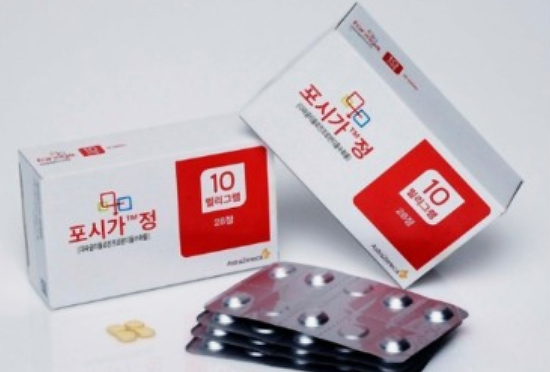
- Forxiga (left), canceled its approval in South Korea, and Dapa N (right), inherited Forxiga’s indication. AstraZeneca Korea voluntarily canceled its Korean approval for ‘Forxiga (dapagliflozin propanediol hydrate), an oral diabetes treatment, valued at KRW 50 billion. As reimbursement will be canceled soon, Forxiga’s exit from the Korean market is imminent. After the approval cancellation, Forxiga indication was transferred to HK inno.N’s generic ‘Dapa N tab.’ Meanwhile, attention is gathered to the outcome of ongoing negotiations for a price-volume agreement (PVA). As the reimbursement cancellation has been scheduled, the variable would be whether the ceiling price will be reduced or maintained. AstraZeneca has been trying to retain the drug price as other countries selling Forxiga might reference the Korean pricing. According to industry sources on the 29th, the approval for Forxiga tab was voluntarily canceled on April 25. From now on, domestic distribution under the name of Forxiga is no longer possible. Following the cancellation of the approval, it is expected to be deleted from the reimbursement listing. Reimbursement deletion is anticipated on June 1st, but insurance coverage will be provided for a certain duration as a matter of custom. Along with the cancellation of Forxiga’s approval, its indication has been transferred to the company’s partnering company HK inno.N’s generic ‘Dapa N tab 10 mg.’ While the generics launched in April of last year only have indications for diabetes due to patent issues, AstraZeneca transferred the indication to its partnering company HK inno.N through granting approval documents. Consequently, Dapa N 10 mg currently has indications for diabetes, chronic heart failure, and chronic kidney disease, and its reimbursement critieria include diabetes and heart failure. What matters from now is whether Forxiga will be able to maintain its current ceiling price of KRW 734. AstraZeneca’s Forxiga successfully defended its price even during customary drug pricing reduction after generics launched last year, through the court’s suspension of execution. However, PVA negotiations became the variable. The National Health Insurance Service (NHIS) tried to negotiate a drug pricing reduction last year for Forxiga, which had increased usage (claimed amount). The first negotiation did not meet an agreement, and the NHIS and AstraZeneca Korea are currently in the final negotiation until May 20th. As Forxiga is expected to be no longer reimbursed starting June 1st, whether the PVA negotiations-reflected ceiling price will be adjusted before Forxiga leaves the Korean market is a matter of interest. The industry expects that AstraZeneca will put all efforts into maintaining the current ceiling price in consideration of other countries that sell Forxiga.
- Company
- Market withdrawal and indication transfer
- by Kim, Jin-Gu Apr 30, 2024 05:49am
- AZ Korea to transfer the Forxiga indication to HK inno.N AstraZeneca Korea voluntarily withdrew approval for ‘Forxiga (dapagliflozin),’ an SGLT-2 inhibitor class diabetes treatment, and transferred the chronic heart failure·chronic kidney disease indication to its partnering company H.K. inno.N’s 'Dapa N.' Due to this clever co-promotion strategy between AstraZeneca Korea and HK inno.N, the prescription market worth KRW 50 billion annually is expected to significantly shift. In particular, HK inno.N’s Dapa N, assuming the indication that no other generics have, is expected to become a dark horse in the SGLT-2 inhibitor market. HK inno.N ‘Dapa N’ assumes the original indication…anticipated to expand its presence in the diabetes market According to pharmaceutical industry sources on the 30th, AstraZeneca Korea recently voluntarily canceled domestic approval for Forxiga tab. At the same time, the company transferred chronic heart failure and chronic kidney disease indications to HK inno.N’s Dapa N. The company granted the clinical documents to HK inno.N. Dapa N will have the same reimbursement criteria as Forxiga. In terms of indications, Dapa N essentially acquired the original product’s market position. The analysis suggests that this transaction benefits both AstraZeneca Korea and HK inno.N. HK inno.N’s expansion in the market for SGLT-2 inhibitor class diabetes treatment is expected. This market has shifted significantly following the changes made by Forxiga, which ranked as the No.1 product. Since Forxiga’s patent expired in April, generics have been launched. In December, AstraZeneca decided to withdraw Forxiga from the Korean market. Consequently, Forxiga’s prescription performance significantly dropped. According to the medical market research firm UBIST, Forxiga’s prescription sales in Q1 were KRW 11.3 billion, down 22% compared to Q1 of last year. AstraZeneca plans to stop distributing additional products once current stocks are depleted. A significant drop in prescription sales is inevitable after Q2. On the other hand, Forxiga generics have competed fiercely, showing rapid growth over the past year. Forxiga generics, officially launched in Q2 last year, generated a prescription performance of net KRW 10.2 billion in Q1. The market share for diabetes treatments containing dapagliflozin has expanded to 48%. Quarterly prescription sales of Forxiga and Forxiga generics. (unit: KRW 100 million, source: UBIST) However, HK inno.N’s Dapa N did not generate satisfactory performance compared to other generic products. Dapa N’s prescription performance in Q1 was KRW 359 million. Dapa N is ranked 9th among those products that generated less than KRW 1 billion, such as Boryung’s ‘Dapapro’ and Hanmi Pharmaceutical’s ‘Dapalon.’ In these circumstances, the analysis suggests that Dapa N has established an opportunity to expand its prescription performance by assuming the original product indication. At the same time, Dapa N is expected to expand its presence in the market for diabetes treatment, including SGLT-2 inhibitors. Forxiga generics are currently approved for diabetes treatment indications. They cannot be used for treating chronic heart failure·chronic kidney disease, which AstraZeneca gained approval for these indications through additional clinical studies. Separate usage patents protect indications of chronic heart failure and chronic kidney disease. AZ Korea minimizes an annual KRW 50 billion gap…the key would be switching Forxiga→Dapa N in the prescription field The analysis suggests that this transfer is a favorable decision for AstraZeneca Korea. It is expected to minimize the KRW 50 billion annual sales gap, especially after headquarters decided to withdraw Forxiga from the Korean market. At the end of last year, AstraZeneca Korea signed a co-promotion agreement with HK inno.N for Xigduo·Sidapvia, a combination therapy containing dapagliflozin. Accordingly, HK inno.N signed a contract to assume the role of domestic distribution of Forxiga until its withdrawal from South Korea. This previous transaction resulted in both companies deciding to transfer the Forxiga indication to Dapa N. Through this comprehensive collaboration for the diabetes treatment portfolio, AstraZeneca Korea can maintain its market presence. Since this is the first case of a generic product inheriting the original product indication, it is a matter of great interest to the pharmaceutical industry. The analysis indicates that indication transfer via granting clinical documents was the first, as it is unusual for a blockbuster original product to withdraw from the market in South Korea. The key would be the preference for Dapa N in the prescription field. In the endocrine field, general hospitals tend to prefer the original product. Although Dapa N assumed the original product’s indication, it is uncertain whether the prescription field would regard it as the original product. Top 10 highest prescription sales of Forxiga generics (Trudapa, Daparon, Daparil, Exiglu, Dapazin, Dapapro, Dapaone, Fosugbet, Dapa N, and Floga). Dapa N is priced at KRW 393 per tablet, about 53.5% of Forxiga’s KRW 734. It is estimated to generate quarterly prescription performance of KRW 5 billion to 6 billion when it successfully substitutes Forxiga after the second quarter.
- Company
- Clinical data on use of Repatha in Koreans revealed
- by Son, Hyung-Min Apr 30, 2024 05:49am
- Miyoung Song, Cardiology TA Lead and Senior Medical Advisor at Amgen Korea Amgen's dyslipidemia drug Repatha (evolocumab) has demonstrated LDL-cholesterol reduction in an additional trial conducted on Koreans. Based on the verified results, Amgen Korea emphasized the need for early access to Repatha for high-risk patients whose LDL cholesterol is uncontrolled with statins. Amgen Korea held a press conference at Spaceshare Seoul Station Center on the 29th to introduce the benefits of Repatha in atherosclerotic cardiovascular disease (ASCVD). ASCVD is caused by the buildup of fatty deposits and cellular waste in the lining of the arteries, which narrows the blood vessels, resulting in uneven blood flow. It includes conditions such as acute coronary syndrome and peripheral artery disease and can cause a heart attack, stable or unstable angina, stroke, transient ischemic attack (TIA), or aortic aneurysm, and hypercholesterolemia is its primary cause. This condition is known to be associated with a high risk of recurrence and death. One in 3-4 patients who have had a myocardial infarction or stroke are at risk of recurrent cardiovascular events. Patients who have had a stroke are 3-4 times more at risk of myocardial infarction and up to 9 times more at risk of ischemic stroke. However, despite high-intensity statin therapy, 2 out of 3 patients fail to reach their LDL-cholesterol target within a year of event onset. The Seoul Asan Medical Center followed patients with atherosclerotic cardiovascular disease from 2000 to 2016, and only 24.4& achieved LDL-cholesterol levels within a year of onset. Among those who used high-intensity statins, the rate was 34.1%. Repatha shows rapid LDL-cholesterol reduction Amgen Korea explained that a high unmet need remains for LDL-cholesterol management in ASCVD. Repatha is a novel treatment for patients with ASCVD and familial hypercholesterolemia who have difficulty managing their LDL-cholesterol levels. It works by binding to and inhibiting the activity of the PCSK9 protein in the blood, thereby increasing the recycling rate of LDL receptors and reducing LDL cholesterol in the blood. At the Korean Society of Lipid and Atherosclerosis’s Annual Spring Congress which was held earlier this month, a research team presented data demonstrating the efficacy of Repatha in Korean patients. In the clinical setting in Korea, patients with acute coronary syndrome (ACS) who were 19 years of age or older and unable to lower their LDL-cholesterol level to less than 70 mg/dL within 24 weeks of ACS demonstrated a 50.9% reduction from baseline in LDL-cholesterol levels at 8 weeks of treatment with Repatha. LDL-cholesterol goal achievement rate was confirmed to be 55.1% for levels below 55 mg/dL and 78.7% for levels 70 mg/dL. Repatha also demonstrated LDL-cholesterol reduction in patients of all ages with ASCVD at the American College of Cardiology Annual Conference 2024 (ACC 2024) which was held from the 6th to the 8th of this month. The study presented at ACC analyzed long-term efficacy and safety outcomes of Repatha vs placebo in patients less than 75 years of age and over 75 of age. The primary composite endpoint was cardiovascular death, MI, stroke, hospitalization for unstable angina, or coronary revascularization. The secondary endpoints were composite measures of myocardial infarction, stroke, and cardiovascular death. Results showed a 21% reduction in the occurrence of diseases set forth as primary and secondary endpoints in patients aged 75 years and older. In patients younger than 75 years of age, the occurrence of primary and secondary endpoints was also reduced by 14% and 20%, respectively, in the Repatha arm. Miyoung Song, Cardiology TA Lead and Senior Medical Advisor at Amgen Korea said, “Korea’s dyslipidemia treatment guidelines recommend PCSK9 inhibitors for high-risk patients who have not achieved target LDL-cholesterol levels. However, It is important to use Repatha more quickly in high-risk patients, and the study results suggest that Repatha can be a viable treatment option for achieving the LDL-cholesterol goal recommended in our guidelines." Kyung-Sook Na, Director of Marketing at Amgen Korea, said, “While Repatha's reimbursement has been extended to include abdominal aortic aneurysms, a gap still exists between practice guidelines and reimbursement. We are working on closing this gap and improving patient care."
- Company
- Evolving ADC…pharma companies explore new DAC platform
- by Son, Hyung-Min Apr 30, 2024 05:49am
- New forms of technology utilizing the antibody-drug conjugate (ADC) are global trends. One such form is the degrader-antibody conjugate (DAC), a conjugate with the ADC merged with targeted protein degradation (TPD). According to industry sources on the 27th, Biotech companies, including Orum Therapeutics, Nurix Therapeutics, Prelude Therapeutics, and C4 Therapeutics, are developing DAC. Global pharmaceutical companies are investing in major biotech companies due to the potential for commercialization of DAC. ADC is a novel anticancer drug that connects an antibody, which binds to specific antigens on the surface of cancer cells, with a cytotoxic drug linked by a linker. ADCs take advantage of antibodies' selectivity for their targets and the drug's cytotoxic activity to selectively target cancer cells, thereby increasing therapeutic efficacy while minimizing side effects. While Roche's Kadcyla, the first-generation ADC, is only approved for breast cancer, second-generation ADCs are approved for various indications. Enhertu and Trodelvy have been shown to be effective in various solid cancer areas, such as breast cancer, non-small cell lung cancer (NSCLC), and colorectal cancer. Consequently, several companies have tried to link new drugs to ADC forms. Notably, DAC is expected to be safer than ADC since it uses TPD, a low-molecule protein degrader. Despite its high intracellular target specificity and ability to induce decreased protein expression, TPD has low in vivo utilization. Developers are conducting clinical trials to use TPD and ADC for precise target identification. BMS·Merk·Pfizer invest in biotech companies…Orum Therapeutics has started clinical trials Orum Therapeutics, Nurix Therapeutics, Prelude Therapeutics, C4 Therapeutics, and Firefly Bio are developing DAC. The first company to start the clinical trials is Orum Therapeutics. Orum Therapeutics is conducting a phase 1 trial of ORM-6151, a candidate product for the treatment of acute myeloid leukemia and high-risk myelodysplastic syndrome. ORM-6151 is anti-CD33 antibody-enabled GSPT1 protein inhibitor. Last year, it received approval for Phase 1 clinical trials from the U.S. Food and Drug Administration (FDA). CD33 is known to be expressed in up to 90% of leukemia patients. Orum Therapeutics has an in-house technology for linking ADCs to protein degraders. Bristol Myers Squibb (BMS) successfully acquired a license-in agreement on ORM-6151. The contract size was a maximum of KRW 230 billion, but BMS paid a non-refundable upfront fee of KRW 129.8 billion. BMS highly praised the potential of DAC candidate development with the TPD approach. Global pharmaceutical companies are actively seeking to acquire DAC platform technology. Last year, Seagen (currently, Pfizer) signed a partnership agreement with U.S. biotech company Nurix Therapeutics to develop pan-targeting DAC. Seagen paid an upfront fee of $60 million. The contract size is up to US$3.4 billion (about KRW 4.7 trillion). Nurix Therapeutics has a targeted protein degrader and modulation platform. The company’s pipeline includes an E3 ligase inhibitor that selectively modulates protein levels in cells. Nurix Therapeutics plans to develop new drugs utilizing this pipeline in DAC. DAC mechanism of action.(Source=Nurix Therapeutics) Merk will co-develop DAC with C4 Therapeutics of the United States. C4 Therapeutics specializes in TPD development and has a TORPEDO (Target Oriented Protein Degrader Optimizer) platform. This platform, a cell-based modality to assess the degradation of disease-causing proteins, can be used to evaluate individual degraders’ efficiency. Lily also invested in Firefly Bio of the United States, engaging in DAC development. Firefly Bio has a proprietary linker technology that can be used in DAC. In a preclinical study analyzing patients with solid cancer and blood cancer, Firefly Bio’s DAC significantly reduced tumor size with a single administration. Prelude Therapeutics, a biotech company in the United States, and Canada’s AbCellera are developing ADC utilizing TPD. In November last year, Prelude Therapeutics signed a partnership agreement with Canadian biotechnology company AbCellera to develop ADCs related to up to five cancer disorders and DACs utilizing TPD. Two companies plan to develop SMARCA degrader DAC that targets five cancer types, including SMARCA4 mutation.
- Policy
- New PVA operation system will be implemented from May
- by Lee, Tak-Sun Apr 30, 2024 05:49am
- The detailed operation standards for the Price-Volume Agreement negotiations will change drastically from May. The reduction rate will be applied differently depending on the amount of each drug’s insurance claims, and products with annual claims of less than KRWk 3 billion will be excluded. In addition, the discount rate of drugs that have been subject to negotiations more than 3 times will be reduced. The National Health Insurance Service (NHIS) announced on April 29 that it will completely reorganize the 'Detailed Operating Guidelines for Price-Volume Agreement Negotiations’ from May. The PVA system adjusts drug prices through negotiation for drugs whose costs increased by a certain level and is a major post-marketing drug price management system used to manage drugs with a large financial impact. Recently, the need to improve the system has emerged in order to prepare for the structural issue of drug costs continuously increasing due to the increase in high-priced drugs such as 'one-shot treatment drugs' and rapidly aging society. To address the issue, the NHIS prepared the ground for improvement based on internal and external research and then organized a PVA system improvement council in 2023 with the MOHW and the pharmaceutical industry to come up with an effective and acceptable PVA system improvement plan. In the revised guidelines, the reference formula is linked to the amount of insurance claims filed for each drug so that drugs with higher claims amounts would receive a higher reduction rate and drugs with lower claims amount would receive a lower reduction rate, compensating for the limitations in Korea’s current reference formula that only focuses on the increased usage rate. In addition, the exclusion criteria that had been set at 'less than KRW 2 billion in claims’ was raised to 'less than KRW 3 billion in claims’ when conducting PVA negotiations to improve the efficiency of the system. In addition, in order to create a sustainable and innovative pharmaceutical and bio-industry ecosystem and foster an environment that ensures a stable supply and demand of drugs, the government decided to reduce the reference formula reduction rate by 30% on the third round of negotiations if the same drug is subject to PVA negotiations 3 times within 5 years and is an innovative pharmaceutical company or a company with an R&D ratio of 10% or higher. In addition, for drugs whose usage has temporarily increased due to unavoidable reasons such as the COVID-19 pandemic, the government introduced a 'one-time reimbursement agreement system' that refunds claims based on another reference formula reduction rate that is different from the existing price adjustment formula, expanding the pharmaceutical companies' options. Director Hae Min Jung of the Department of Drug Management at NHIS said, "The NHIS has been overseeing the overall PVA system, from target selection through usage monitoring to drug price reduction, and saved an average of about KRW 40 billion of health insurance finances per year. I expect the reform to result in additional financial savings of approximately KRW 10 billion per year.” He added, “We would like to express our gratitude to the relevant organizations, pharmaceutical industry, and related experts for their cooperation in coming up with the system improvement plan, and we hope that the organic cooperation between stakeholders will continue for our mutual benefit." The revised 'Detailed Operating Guidelines for Price-Volume Agreement Negotiations’ will take effect on May 1, 2024, and the revised guidelines will be applied to drugs that are being monitored or negotiated as of the effective date.

- Policy
- Gov’t discloses draft for overseas drug price reevals
- by Lee, Tak-Sun Apr 29, 2024 05:50am
- The Korean government presented a draft of its plan during a meeting for the foreign drug price comparison reevaluations that was held on the 26th. The government’s foreign drug price comparison reevaluation was planned by the government to adjust the price of off-patent drugs by comparing their price to the upper limit of A8 countries (Japan, France, Germany, Italy, Switzerland, the United Kingdom, and Canada). The plan was included in the government's 2nd Comprehensive National Health Insurance Plan as a measure to strengthen the fiscal soundness of Korea’s health insurance finances. At the 8th meeting that was held on the morning of the 26th at the Kukje Electronics Center in Seocho-gu, Seoul, the government presented a single proposal based on the opinions collected from the industry. It is understood that the government chose one of the 4 adjustment options (A8 adjusted average price, A8 adjusted minimum price, A8 adjusted median price, and A8 adjusted excluded average price) that it had proposed at the beginning of the first round of talks late last year. However, both sides emphasized that the draft was not final. Representatives from the MOHW, the Health Insurance Review and Assessment Service, the Korea Pharmaceutical and Bio-Pharma Manufacturers Association, the Korean Research-based Pharmaceutical Industry Association, the Korea Biomedicine Industry Association, and other officials from the pharmaceutical industry. "The government proposed a daft, but it is not final," said a government official, adding, "We have asked the pharmaceutical industry for their opinions, and will need to hold another meeting next time. Nothing has been decided yet, including when the plan will be implemented and how the prices will be reassessed.” A pharmaceutical industry representative who attended the meeting also said that the proposal is not final and that more meetings would need to be held for further discussions. "The meeting was held based on the contents presented by the 3 organizations,” the official said, adding, "The government made a single proposal, but it cannot be regarded as final. Additional meetings are inevitable for the government to reach a consensus with the industry." On the other hand, the industry expressed concerns that the government's proposal this time will become the final proposal. The government has also asked the media to refrain from reporting on the government's proposal as the final plan until a finalized version is available. However, the predominant view across the industry is that the reevaluations will be initiated sooner rather than later. This is because the government is planning to invest KRW 10 trillion into healthcare finances over 5 years for essential healthcare as part of its healthcare reform, during which it will seek to stabilize finances by reducing the price of generic drugs. The pharmaceutical industry’s point is that it is not too late to start the comparative reevaluation of overseas drug prices after observing how much financial savings the government has made through existing reevaluations, such as the reevaluation of the upper limit amount and the reevaluation of drug reimbursement adequacy, and added that a preparatory period would needed before the foreign drug price comparison reevaluation to conduct pilot projects or research services. The public and private sectors are expected to start discussing the government’s proposal soon. However, as the pharmaceutical industry disagrees with the purpose of the reevaluation itself, a bumpy road is expected until a final draft is prepared.
