
- LOGIN
- MemberShip
- 2026-06-26 09:37:22
- Company
- Sales of Taxol & Genexol rise together
- by Kim, Jin-Gu Aug 30, 2023 05:31am
- Sales of Taxol and Genexol, which contain paclitaxel, rose together in 1H this year. After the sales companies for the two drugs were switched, competition between Boryeong, which has Taxol, and HK Inno.N, which owns Genexol, have been intensifying. According to the industry research institution IQVIA on the 30th, Taxol posted sales of KRW 5.1 billion 1H this year. This is a 29% YoY increase from the KRW 3.9 billion it had made in 1H last year. Taxol is a cytotoxic anticancer drug that contains paclitaxel. It is widely used for various types of cancers including ovarian cancer, breast cancer, lung cancer, and gastric cancer. It is still widely used even 30 years after its approval in 1996. Taxol’s sales, which had been steadily declining until last year, rebounded this year. Its sales had fallen from KRW 10.5 billion in 2019 to KRW 9.5 billion in 2020, to KRW 9 billion in 2021, then to KRW 7.7 billion in 2022. However, in the 1H this year, its sales performance increased by 29% YoY, signaling a rebound. The industry analysis is that Boryung’s joining as a sales partner had been the main contributor to Taxol’s sales rebound. Boryung had started Taxol’s sales in Q1 this year. It is analyzed that Boryung, which owns solid sales power in the anticancer drug area, led Taxol’s sales rebound. Genexol, the No. 1 product in the paclitaxel market and a generic version of Taxol, also saw an increase in sales in the 1H this year. Genexol's sales in the 1H this year were KRW 12 billion, up 12% YoY from the 10.7 billion won it had made in 1H last year. Genexol is being sold by HK Inno.N this year. Until last year, Boryung was in charge of copromoting Genexol with Samyang Holdings. However, Boryung chose to jointly sell Taxol instead of Genexol this year, and Samyang Holdings joined forces with HK Inno.N for its Genexol. The competition between the two products has intensified after the joint sales partners for the products had changed at the same time. In fact, Taxol’s quarterly sales surged from KRW 1.9 billion in Q4 last year to KRW 2.9 billion immediately after Boryung joined in Q1 of this year. However, its sales then fell slightly to KRW 2.2 billion in Q2. Genexol’s sales had fallen from KRW 6.4 billion in Q4 last year to KRW 5.8 billion in Q1 this year with the partner change. However, sales increased to KRW 6.1 billion in Q2. The pharmaceutical industry expects the competition between the two to intensify further in Q3 and thereafter. Boryung and HK Inno.N already own experience selling Taxol and Genexol in the past. HK Inno.N co-promoted Genexol from 2001 when Samyang Holdings developed Genexol as a paclitaxel generic to 2013. Then, the companies joined forces for the first time in 10 years earlier this year. Boryung had jointly sold Taxol with BMS from 2008 to 2015. The company then jointly sold Genexol until last year. During this period, Genexol surpassed the original Taxol and took over the lead in the market.
- Company
- Perjeta and Herceptin combination drug, Phesgo
- by Eo, Yun-Ho Aug 30, 2023 05:31am
- Phesgo, a subcutaneous injection-type combination of Perjeta and Herceptin, challenges insurance coverage registration. As a result of the coverage, Phesgo of Roche Korea is presented to the Cancer Disease Review Committee of the HIRA today (30th). This is the first case of an improved anti-cancer biobetter. Biobetter refers to drugs recognized by the Minister of the Ministry of Food and Drug Safety as having improved safety, effectiveness, and usefulness (medical compliance, convenience, etc.) compared to previously approved biological drugs, or as being progressive in pharmaceutical technology. In the case of Phesgo, by replacing Herceptin and Perjeta, which were used for intravenous injections, with fixed-dose subcutaneous injections, it was recognized for its innovativeness in improving patient convenience and reducing treatment time and was named as the first improved biologic drug for anticancer drugs. For example, if a patient with metastatic HER2-positive breast cancer who was receiving maintenance therapy every 3 weeks with Herceptin·Perjeta intravenous injection changes the therapy to Phesgo SC, the total time required for dosing and monitoring is 20 minutes from 270 minutes (90 minutes + 180 minutes). (5 minutes + 15 minutes), it is reduced by more than 90% compared to before. In addition, Pesco is a subcutaneous injection administered into the thigh rather than into a vein and can reduce blood vessels and nerve damage caused by repeated intravenous injection. In Korea, Phesgo was approved by the Ministry of Food and Drug Safety for the same indication as Perjeta, so it is expected that the subject of reimbursement will also be discussed according to Perjeta standards. The NCCN Guidelines state that Phesgo can replace Perjeta and Herceptin, and in fact, in the UK, 90% of patients treated with Perjeta and Herceptin changed their treatment to Phesgo one year after Pesco was launched, so Perjeta and Herceptin in Korea also A significant number of patients receiving treatment are expected to switch to Pesco. Meanwhile, Phesgo, a fixed-dose subcutaneous injection, confirmed non-inferior blood concentration and complete remission data compared to the intravenous Perjeta-Herceptin combination therapy in phase 3 clinical trial of FeDeriCa and confirmed a similar safety profile. Also, according to the phase 2 clinical PHranceSCa study on patient preference, 85% of patients preferred subcutaneous treatment to intravenous administration because of a shorter stay in the hospital and more convenient treatment administration. In addition, 87% of the patients who participated in the study responded that they would proceed with Pesco for the remaining breast cancer treatment.
- Company
- Keytruda posts sales of KRW 183.8 bil in 1H...unrivaled lead
- by Chon, Seung-Hyun Aug 29, 2023 05:28am
- The immuno-oncology drug Keytruda’s sales have been skyrocketing in the domestic drug market. In the first half of the year alone, the drug posted sales of over KRW 200 billion and secured its unrivaled lead in the market. The drug’s sales have been rising more steeply after the drug’s reimbursement was extended as first-line therapy last year. According to the market research institution IQVIA on the 24th, MSD Korea’s Keytruda posted the most sales, recording KRW 183.8 billion in 1H last year. With a 94.7% increase from the KRW 94.4 billion it had posted last year, the drug maintained its lead in the market. Keytruda posted sales of KRW 88.8 billion in Q1, which was a 117.1% YoY increase, followed by KRW 96 billion in Q2, up 77.9% YoY. Keytruda is an immune checkpoint inhibitor that inhibits PD-1 (programmed death 1) proteins expressed at the surface of activated T cells, thereby inhibiting its binding to PD-L1 and activates the immune system to treat cancer. The drug is currently approved for 16 cancers: ▲Lung cancer, ▲head and neck cancer, ▲ Hodgkin lymphoma, ▲urothelial carcinoma (bladder cancer), ▲esophageal cancer, ▲ melanoma, ▲renal cell cancer (kidney cancer), ▲endometrial cancer, ▲stomach cancer, ▲small intestine cancer, ▲ovarian cancer, ▲pancreatic cancer, ▲biliary tract cancer, ▲colorectal cancer ▲triple negative breast cancer, and ▲cervical cancer. It is indicated for the largest number of cancer types among cancer immunotherapies approved in Korea. It has shown accelerated performance since its reimbursement was extended to the first line last year. In March of last year, Keytruda’s reimbursement was extended to cover first-line treatment for non-small cell lung cancer. Keytruda sales increased 33.4% from 40.4 billion won in Q1 last year to KRW 53.9 billion in Q2. In Q3 and Q4 last year, it continued to show high growth, recording KRW 67.2 billion and KRW 78 billion, respectively. Keytruda's insurance ceiling price was lowered by 25.6% as the benefits range expanded. Considering the growth rate of 77.9% in the second quarter of this year, it is calculated that the amount of use has more than doubled in one year since the first treatment benefit was applied. Keytruda’s prescriptions have increased significantly after the reimbursement extension. Keytruda’s insurance ceiling price was reduced by 25.6% in March last year with its reimbursement extension. When considering its growth of 77.9% in Q2 this year, the calculation shows that its amount of use has more than doubled in one year since it started being reimbursed as a first-line therapy. Keytruda has maintained its lead position for 14 consecutive quarters since taking first place in Q1 2020. It has positioned itself as an unrivaled leader in the market, posting sales that are over 2.5 times larger than that of Lipitor, which is in second place. Keytruda’s sales are expected to exceed KRW 100 billion in quarterly sales within the year for the first time among drugs sold in Korea. Also, new drugs that were recently introduced by multinational pharmaceutical companies continued to show strong performance. Amgen's Prolia recorded sales of KRW 73.3 billion in 1H, up 32.1% from the previous year, and ranked third place. Prolia’s sales increased by 41.6% YoY to KRW 35.5 billion in Q1 and by 24.3% to KRW 37.9 billion in Q2. In Q2, Prolia had overtaken Lipitor’s rank for the first time and had risen to second place. Prolia is a biological osteoporosis treatment that targets the RANKL protein essential for the formation, activation, and survival of osteoclasts that destroy the bone. Its sales started to rise after it was applied reimbursement as a second-line treatment in 2017. After additionally being approved for reimbursement in the first line from April 2019, Prolia’s sales rose explosively. Last year, in 6 years since it was introduced to Korea, its annual sales exceeded KRW 100 billion for the first time. Prolia is copromoted by Chong Kun Dang in Korea. Sales of Ono Pharmaceutical’s cancer immunotherapy Opdivo increased 35.3% YoY to record KRW 69.4 billion in 1H year. Its sales had risen by 35.4% and 35.2%, respectively, in Q1 and Q2. Opdivo, which was approved in 2015, posted sales in the KRW 10 billion range until Q2 2021, then exceeded KRW 20 billion in Q3 2021, and exceeded KRW 30 billion in Q4 last year. The drug had recorded a high growth rate of 64.7% in 2 years from the KRW 66.7 billion it had earned in 2020 and posted annual sales that exceeded KRW 100 billion for the first time last year. Sales of Sanofi’s atopic dermatitis treatment Dupixent rose 33.7% YoY to record KRW 65 billion in 1H. Dupixent is the first targeted biologic for the treatment of moderate-to-severe atopic dermatitis that is not well controlled with topical therapies or who cannot use topical therapies. Sales of Dupixent, which was approved in March 2018, increased rapidly after it was approved for reimbursement for severe atopic dermatitis in January 2020. Among domestically developed new drugs, HK Inno.N’s gastroesophageal reflux disease treatment K-CAB’s sales had risen 15.0% YoY in 1H to record KRW 59.3 billion, and rose to 6th place. K-CAB, was released in March 2019. It has a new mechanism of action that inhibits gastric acid secretion by competitively binding to the proton pump and potassium ion located in the final stage of acid secretion.
- Policy
- Opdivo reimb as first-line therapy in gastric cancer in KOR
- by Lee, Tak-Sun Aug 29, 2023 05:28am
- The immuno-oncology drug Opdivo will be available for use as a first-line treatment, and the administration subjects for Imbruvica and G-CSF injections will be expanded. The Health Insurance Review and Assessment Service started collecting opinions on the amendment of the reimbursement standards that contain the changes above from the 24th. The adjusted reimbursement standards will be implemented on September 1st. Like the NCCN guidelines, Opdivo will be reimbursed as first-line treatment for HER 2-negative, unresectable, locally advanced, or metastatic gastric cancer. Reimbursement will be approved for the combination treatment (first-line, palliative therapy) 'nivolumab(ingredient name Opdivo) + capecitabine + oxaliplatin,’ and combination treatment (first-line, palliative therapy) 'nivolumab + oxaliplatin + leucovorin + fluorouracil.’ More specifically, patients with PD-L1 expression positive (expression rate≥5) HER2-negative advanced or metastatic gastric, gastroesophageal junction, or esophageal adenocarcinoma are allowed reimbursement, and HER2-positive patients are excluded. In addition, patients whose disease recurred 6 months after completing neoadjuvant chemotherapy, adjuvant treatment, and curative anticancer chemoradiation therapy are also allowed reimbursement. Imbruvica Cap 140mg is approved as first-line monotherapy for patients with previously untreated chronic lymphocytic leukemia (CLL) and small lymphocytic lymphoma (SLL) who are aged 65 years or older with comorbidities. More specifically, patients over 65 years of age with previously untreated active CLL or SLL, whose ▲(CIRS) score >6, or a ▲Creatinine Clearance < 70 mL/min, With the reimbursement extension, Janssen’s Imbruvica will voluntarily lower its insurance ceiling from KRW 58,555 to KRW 48,015. The reimbursement for G-CSF injections will also be extended. It is used to treat pancreatic cancer, and the 'adjuvant FOLFIRINOX(oxaliplatin + irinotecan + leucovorin + 5-FU)' combination will be additionally approved. The G-CSF injections approved are pegfilgrastim (Neulasta Prefilled Syringe Inj), pegteograstim (Neulapeg Prefilled Syringe Inj), tripegfilgrastim (Dulastin Prefilled Syinrge Inj), lipegfilgrastim (Lonquex Prefilled Inj), and eflapegrastim (Rolontis Prefilled Syringe Inj). Among these, Kyowa Kirin Korea’s Neulasta Prefilled Syringe Inj and GC Biopharma’s Neulapeg Prefilled Syringe Inj will be voluntarily lowering their insurance price ceiling. As a result, Neulasta’s price will be lowered from KRW 778,334 to KRW 764,324, and Neulapeg from KRW 567,086 to KRW 565,952. Also, the 'oxaliplatin + capecitabine' combination therapy will be reimbursed for patients with colorectal who have received neoadjuvant or adjuvant chemotherapy.
- Policy
- Hyundai Pharm's Hypejil 3mg
- by Lee, Tak-Sun Aug 29, 2023 05:28am
- 현대약품 치매증상치료제 하이페질정 5mg, 10mg. 9월부터 3mg도 출시된다.A 3mg low-dose product is listed for the first time in a Donepezil tablet used to treat Alzheimer's. The main character is Hyundai Pharm's 'Hypejil Tablet 3mg'. This drug will be paid from September to 486 won for the party according to the calculation criteria. According to the industry on the 25th, 3 mg of Donepezil is the first time that Donepezil 3mg is paid in Korea. There have only been 5mg, 10mg, and 23mg of Donepezil tablets so far. Donepezil 3 mg a day is not an effective dose, so in principle, it is not used for more than 1 to 2 weeks. Normally, rine sedatives require caution as they can increase stomach acid or increase the motility of the digestive system due to choline esterase inhibitors. Therefore, gastrointestinal medicine is often prescribed along with Donepezil at the site. Donepezil 3mg is used as an initial dose for the purpose of reducing these gastrointestinal side effects. Since it is only used as an initial dose, the market size is small, so domestic pharmaceutical companies have not made 3 mg. But 3 mg of donepezil is sold overseas. Hypezil tablet 3mg is the upper limit of the closest product among its products, and the content is calculated at 486 won by applying the content formula. The content formula is calculated at x150% if the content of the applied product is twice the content of the compared product. Hyphenic tablet 3mg and the proximity content product is Hypejil tablet 5mg, and this product is 646 won for the party. It is actually calculated at x133% because 5 mg of Hypejil tablets is less than twice as 3mg of Hypejil tablets. Since the current 3mg low content is the only product, it is likely to maintain its monopoly until a latecomer appears. It is noteworthy whether the 3mg market of Donepezil, which is used for initial treatment for the purpose of reducing side effects, will be newly formed with the appearance of this product.
- Company
- The synergy between technology and sales force
- by Chon, Seung-Hyun Aug 29, 2023 05:28am
- Domestically developed biosimilar products are prominent in the large anticancer drug Asastin market. Samsungbioepis' Onbevzi exceeded 10 billion won in quarterly sales in the first two years of its release, showing a 35% share. It is said that Boryung, which was the first biosimilar to enter the market and has differentiated strengths in anticancer drug sales, added to sales and maximized synergy. According to IQVIA, a pharmaceutical research institute on the 29th, the market size of Bevacizumab in the first half of last year was 59.9 billion won, up 36.1% from the same period last year. Sales in the first quarter were 29.5 billion won, up 39.8% from the previous year, and continued to grow at 30.4 billion won in the second quarter, a high growth rate of 32.8%. Bevacizumab is the original medicine of Roche's Avastin. It is an anticancer drug used for metamorphic direct colorectal cancer and metamorphic breast cancer, non-small cell lung cancer, advanced or metamorphic renal cell carcinoma, glioblastoma, epithelial ovarian cancer, topetic tube cancer, primary peritoneal cancer, and cervical cancer. Domestically developed biosimilars recently led the expansion of the Bevacizumab market. In the Avastin market, Samsung Bioepis released the Biosimilar in September 2021, with an additional entry from Celltrion and Alvogen Korea. Onbevzi's sales in the first half of the year were 20.3 billion won, up 246.9% from the previous year. Onbevzi's sales in the first quarter were 9.8 billion won, more than five times from 1.8 billion won in the same period last year, and recorded 10.5 billion won in the second quarter, up 157.0% from the previous year. OnBev is the first time that a biosimilar product released by Samsung Bioepis has exceeded 10 billion won in quarterly sales. Celltrion and Alvogen Korea, which entered the market this year, have quarterly sales of 100 to 200 million won. Onbevzi was the first to enter the market among biosimilar products and maximized the synergy by equipping it with a customized sales force. Samsung Bioepis signed a domestic exclusive sales contract with Boryeong shortly after OnBevji's domestic license. Boryeong is one of the domestic companies that has strengths in the area of anticancer drugs. Boryung established the anti-cancer division in May 2020. The organization, which was under the specialty medicine sector, was independent as a separate division. We have secured the rights to various anticancer drugs and biosimilars owned by domestic and foreign companies, and equipped with gems and notifications as a LBA strategy that buys the rights to the original anticancer drugs. Boryung also secured domestic rights for Samsung Bioepis' Avastin and Herceptin biosimilar products in 2021. Boryung is on the rise in the anticancer drug business in the first half of this year alone, with anticancer drug sales of 106.1 billion won, up 48% from the previous year. From Boryung's point of view, it is also enjoying the effect of improving performance while equipping high-market products. Samsung Bioepis Samphenet's sales in the first half of the year were 4.1 billion won, up 65.1% from the previous year. Although the sales volume is not large, the effect of Boryeong's sales force was noticeable. Sales of the original drug Avastin have not changed much. In the first half of last year, Asastin's sales were 38.9 billion won, up 2.9% from the previous year. Asastin's first- and second-quarter sales rose 0.4% and 3.6% year-on-year, respectively. Avastin showed a stable growth flow of 28.7 billion won, 30.2 billion won and 30.8 billion won from the first quarter to the third quarter of 2021, but it was 22 billion won in the fourth quarter, down 28.6% from the previous quarter. A decline in sales was inevitable due to the weakening of drug prices following the emergence of biosimilars. Samsung Bioepis was approved for Avastin's first biosimilar OnBevji in March 2021 and has been listed on the health insurance benefit list since September of the same year. In October 2021, the upper limit of 0.1g/4mL of Avastin was reduced by 30% from 33,387 won to 231,271 won due to the listing of OnBevji. Avastin 0.4g/16mL fell 30%. In principle, when biosimilars appear in the domestic drug price system, the upper limit of original medicines is 30% lower than before the patent expired. 'Innovative pharmaceutical companies, equivalent companies, domestic pharmaceutical companies, and foreign companies that have signed a joint contract, or items that Korea is the first licensed country or products produced in Korea' are guaranteed up to 80% of the original products before the patent expiration of both the original pharmaceuticals and biosimilars. Because Samsung Bioepis is not an innovative pharmaceutical company, the price of Avastin's drug has fallen to the previous 70% level. Avastin has experienced a decline in sales of the drug price reduction rate but has since formed similar-scale sales, minimizing the sales gap due to biosimilar penetration. Onbevji had a 34.5% share of the Bevacizumab market in the second quarter. Considering that there has been no additional drop in sales since the price drop by Asastin, Onbebge has actually created a new market worth 10 billion won in quarterly sales. As a result, it is analyzed that the drug price of the original drug also fell by 30% due to the entry of Onbevji, resulting in a significant effect on health insurance finances and the reduction of drug prices for patients.
- Company
- Verquvo busy securing prescriptions in KOR with reimb
- by Eo, Yun-Ho Aug 29, 2023 05:28am
- The new heart failure drug ‘Verquvo’ is busy securing prescriptions in Korea with its reimbursement listing. According to industry sources, Bayer Korea’s soluble Guanylate Cyclase (sGC) stimulator Verquvo (Vericiguat)’ passed the drug committees of Korea Anam Hospital, Chung-Ang University Gwangmyeong Hospital, Seoul National University Bundang Hospital, Samsung Medical Center, Pusan National University Hospital at Yangsan, Yeosu Jeil Hospital, Ewha Womans University Mokdong Hospital, Chonnam National University Hospital, etc. Bayer is currently undergoing review processes at other major general hospitals and plans to make Verquvo’s prescription available at most hospitals nationwide within the year. Verquvo, which is a chronic heart failure treatment, passed the Drug Review Evaluation Committee of the Health Insurance Review and Assessment Service in May after being approved in November 2021, and recently completed drug pricing negotiations with the National Health Insurance Service and is scheduled to be listed next month in September. Since the drug is a new option introduced long after the introduction of Novartis’s ‘Entresto (valsartan/sacubitril, it is expected that the drug will land quickly in the field after reimbursement. As a result, attention is also focused on how Korea’s heart failure treatment market currently occupied by Entresto and antidiabetic SGLT-2 inhibitors will change with the introduction of Verquvo, which has a new mechanism of action. Verquvo can be prescribed as a combination therapy to reduce the risk of cardiovascular death and heart failure hospitalization following hospitalization for heart failure or in need of outpatient intravenous (IV) diuretics in adults with symptomatic chronic heart failure and an ejection fraction less than 45%. The efficacy of the drug was demonstrated through the Phase III VICTORIA trial. The trial enrolled 5,050 adult patients with symptomatic chronic heart failure (New York Heart Association [NYHA] class II-IV) and left ventricular ejection fraction (LVEF) of less than 45% following a worsening heart failure event. A worsening heart failure event was defined as heart failure hospitalization or the use of outpatient IV diuretics for heart failure prior to randomization. 59.7% of the participants had been receiving 3-drug combination therapy, and 41% were severe patients - NYHA Class III or NYHA Class IV. In the trial, patients received up to the target maintenance dose of Verquovo 10 mg or a matching placebo combination with another heart failure therapy. Results showed that at a median of 10.8 months of follow-up, the risk of death from cardiovascular disease or first hospitalization due to heart failure was about 10% lower than that of the placebo group, and the trial met its primary efficacy endpoint with an annual absolute risk reduction of 4.2%.
- Policy
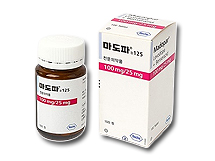
- MOHW-Roche have difficulty discussing resupply of Madopar
- by Lee, Jeong-Hwan Aug 28, 2023 05:21am
- The Ministry of Health and Welfare seems to be having difficulty bringing in Madopar, a Parkinson's disease drug that had withdrawn from the domestic market, back to Korea. The MOHW had previously announced that it would make efforts to resupply Madopar in Korea. Roche Korea is known to have refused to supply Madopar Tab to Korea, citing how additional administrative procedures are required to resupply Madopar and that significant expenses are required to produce quantities for export to Korea. On the 25th, the MOHW responded, "We will find a way to solve the patient's difficulties, including resupply," to a written inquiry submitted by Rep Eun-mi Kang, a member of the Justice Party and the National Assembly's Health and Welfare Committee regarding the supply of Madopar. According to MOHW, the authorities had listened to the patient's difficulties through an interview with the Korean Parkinson's Disease Association. At the same time, the Ministry of Health and Welfare also listened to the company's difficulties through a meeting with Roche Korea and suggested measures for Madopar’s resupply, such as guidance on drug price increase procedures. However, Roche Korea’s position is that it is difficult to resupply the drug in Korea because the company has to obtain documents necessary for new domestic approval from its Italian manufacturing plant and the manufacturing facility has been demanding a considerable price as the cost for restoring manufacturing facilities to produce the quantities for export. As a result, Myung-In Pharm's Myungdopar Tab, a generic version of Madopar, is being used instead of Madopar in the field. The MOHW said, "To address the need for Madopar in Korea, we will hold in-depth discussions with the pharmaceutical company the Ministry of Food and Drug Safety, and the Korean Parkinson's Disease Association to seek a way to resolve the difficulties of patients, including whether to resupply."
- Company
- Price negotiation period for Spinraza and Evrysdi extended
- by Eo, Yun-Ho Aug 28, 2023 05:21am
- The companies of the spinal muscular atrophy (SMA) treatments ‘Spinraza’ and ‘Evrysdi’ failed to conclude drug pricing negotiations for their drugs within the deadline and began extended negotiations. As a result, Spinraza reimbursement extension and Evrysdi’s new listing will only be possible in October at the earliest. According to industry sources, the reason for the delay in negotiations for the two drugs is known to be the differences in opinions between the companies and the authorities on the Expenditure Cap that should be set, which is a type of Risk Sharing Agreement (RSA) scheme that is applied to drugs eligible for reimbursement through the pharmacoeconomic evaluation exemption system. In other words, the companies were unable to agree on the cap that should be applied, in consideration of factors such as the expected amount of use and the number of patients. Discussions on reimbursement and reimbursement extension of SMA treatments had seemingly gained speed in line with the movement that pressed for the abolition of Spinraza’s reimbursement suspension standard, but discussions were prolonged after a certain group requested a wider coverage than what the government and pharmaceutical companies expected. At the time, the government announced plans to proceed with discussions on Evrysdi’s listing after agreeing on the reimbursement extension standards for Spinraza. Both drugs were finally put on the final table for negotiations, but the news on the conclusion of the negotiations can only be expected in September. Meanwhile, SMA treatments currently reimbursed in Korea include Spinraza and Novartis Korea's one-shot treatment, 'Zolgensma (Onasemnogene abeparvovec-xioi))'. Spinraza is administered directly into the spinal fluid, and Zolgensma is administered intravenously. Evrysdi, which is attempting new listing, is an oral drug that reduces the social and economic burden patients and their caregivers face due to injections, such as school/work interruption, transportation costs, and nursing care It also has the advantage of being able to reduce drug costs for infant patients as it offers customized prescriptions by age and weight.
- Company
- Trulicity's share reaches 99.8%
- by Kim, Jin-Gu Aug 28, 2023 05:21am
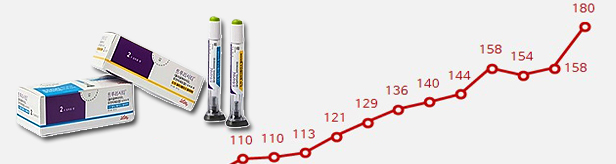
- Trulicity Trulicity, a GLP-1 analog class diabetes treatment, once again set the record for highest sales. However, it is unclear whether this upward trend will continue in the second half. This is because it is said that some disruptions have occurred in domestic supply due to a shortage of global distribution supplies. Ozempic and Rybelsus, which are considered strong opponents, are waiting for release. In the pharmaceutical industry, if the two drugs are added in earnest, it is expected that the diabetes treatment market, which is dominated by Trulicity, will fluctuate greatly. According to IQVIA, a pharmaceutical market research institute, on the 26th, Trulicity's sales in the second quarter were 18 billion won. Compared to the second quarter of last year, it increased by 24.8% in one year. Trulicity is a GLP-1 analog class diabetes treatment. GLP-1 analogs are drugs developed using the GLP-1 hormone involved in blood sugar control in the body. The GLP-1 hormone promotes insulin secretion right after a meal to drop blood sugar, and when blood sugar drops below a certain level, it reduces insulin secretion to help prevent hypoglycemia. It has been 7 years since it was released in Korea, but it is still growing rapidly. Trulicity exceeded 10 billion won in quarterly sales in the third quarter of 2019 and exceeded 15 billion won in sales in the second quarter of last year. After that, it stagnated in the fourth quarter of last year and the first quarter of this year, but set a new record again in the second quarter. Even though it was released as the latest among the drugs in the same class, it won the competition with Victoza, Lyxumia, and Byetta, and in 2017, it virtually solidified its solo system. As of the second quarter of this year, Trulicity's market share reached 99.8%. Shortage of domestic supply and notice of the emergence of competitive drugs. In June, Eli Lilly notified its partner Boryeong that Trulicity would be difficult to supply in Korea. It is said that the clinical site has been struggling with the supply of Trulicity since last July. In this regard, Eli Lilly's position is that there is a disruption in supply due to the increase in global demand. On the other hand, some in the pharmaceutical industry argue that Trulicity's production has decreased relatively as Eli Lilly focused on producing Mounjaro, a next-generation drug, at the headquarters level. The timing of the release of competing drugs is also considered a variable. In the pharmaceutical industry, Novo Nordisk's Ozempic and Rybelsus are considered strong competitors to Trulicity. Ozempic is a long-acting, once-a-week injection of the same type as Trulicity, and Rybelsus is an oral drug. Rybelsus is taken once daily. Novo Nordisk received licenses for Ozempic in April and Rybelsus in May, respectively. It is said that Ozempic has already overtaken Trulicity in the global market. However, the official launch of Ozempic in Korea has been temporarily suspended due to a lack of global supply.
