
- LOGIN
- MemberShip
- 2026-06-28 19:04:11
- Policy
- 9 bepotastine besilate antihistamines listed for reimb
- by Lee, Tak-Sun Feb 23, 2023 05:46am
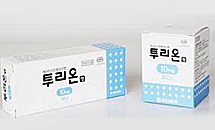
- Leading bepotastine besilate product Sustained-release antihistamine drugs that contain bepotastine besilate will be listed for reimbursement for the first time in Korea. The original bepotastine besilate product developed by Mitsubishi Tanabe Pharma Corporation is Tarion. Tarion was sold by Dong-A ST in 2004 in Korea, and the company withdrew from the Korean market in December 2017 after the drug’s patent expired. Therefore, only its generics that contain the same ingredients and salt-modified products are currently being sold in the Korean market. According to industry sources on the 21st, 9 sustained-release antihistamine products will be listed for reimbursement at a ceiling price of KRW 326 from March 1st. Companies that own related products are the CMO Dongkoo Bio&Pharma, and Mother’s Pharmaceutical, Eden Pharma, Yungjin Pharm, Kukje Pharma, Shin Poong Pharm, Hutecs Korea Pharmaceutical, Myungmoon Pharm, and Union Korea Pharm. This is the first time a sustained-release product that contains bepotastine besilate was listed, and currently ninety-two 10mg bepotastine besilate is taken twice a day, and one once-daily 5mg product is available in the market. Currently, the ceiling price for all the 10mg products is KRW 148 per tablet. By daily dose, the 10mg short-acting drugs cost KRW 296, which is cheaper than the sustained-release drugs, which cost KRW 326. In addition to bepotastine besilate, bepotastine salicylate products that contain a different salt is also available. Also, there are sustained-release products available for bepotastine salicylate. 5 short-acting products and 6 sustained-release products are available each. The ceiling price for these drugs is also KRW 148 for the short-acting product and KRW 326 for the sustained-release products. However, bepotastine besilate products have been showing better performance. Among the major items, Dong-A ST’s Twolion sold the most, recording KRW 9.5 billion in outpatient prescriptions (UBIST), followed by the KRW 4.6 billion made by Daewon Pharmaceutical’s Bepostarbi, then KRW 3.2 billion by Dong Kook’s Bepotan. Among the three products, Twolion and Bepostarbi are bepotastine besilate products and Bepotan is a bepotastine salicylate product. Although the salt-modified sustained-release tablets did not perform so well in the market until now, as sustained-release tablets that contain the same ingredient as the original were released, attention is being paid to whether they will break the existing market structure and drive the market. Antihistamines work as antagonists to excess histamine caused by antigen-antibody reactions and is used for allergic conditions and early cold treatment. In the early days of COVID-19, the market size shrank with the decline in the number of respiratory patients, but last year, it was also used for COVID-19 patients, which led to an upward trend. However, it is difficult for individual companies to develop their products into blockbusters. Competition is fierce in the market with over 100 generics and salt-modified products, and there are several second- and third-generation antihistamines including bepotastine, therefore, it is not easy to foster one product. However, even if the drugs cannot become a blockbuster, the drugs show performance continuously, therefore, industry officials expect the sustained release products can also successfully settle in the market, with sales and marketing activities.
- Company
- Tabreca can now be prescribed at general hospitals in Korea
- by Eo, Yun-Ho Feb 23, 2023 05:46am
- The first MET-targeted anticancer drug, ‘Tabrecta’ can now be prescribed at hospitals in Korea. According to industry sources, Novartis Kore’s Tabrecta (capmatinib) passed the drug committees of the Big-5s general hospitals including Samsung Medical Center (SMC), Seoul National University Hospital (SNUH), Sinchon Severance Hospital, and medical institutions including the National Cancer Center, Pusan National University Hospital, etc. MET mutation is a rare type of cancer that is present in approximately 3-4% of patients with non-small-cell lung cancer (NSCLC). No treatment option had been available in this type until now, which is why attention has been rising for new drugs in the area. Tabrecta targets c-MET and was first approved as a treatment for MET exon 14 skipping mutation in NSCLC in the US in May 2020. However, the issue of reimbursement still remains an obstacle. The company applied for reimbursement in November 2021 after receiving marketing authorization in Korea. However, the agenda was unable to pass review in both Health Insurance Review and Assessment Service’s Cancer Disease Review Committee meetings in August and last month this year. Whether Novartis will apply for and succeed in listing the drug for reimbursement remains to be seen. The drug’s efficacy was confirmed through the GEOMETRY mono-1 trial in 97 patients with METex14. In the pivotal GEOMETRY mono-1 trial, Tabrecta demonstrated a 68% objective response rate (ORR) and 41% ORR in treatment-naïve and previously treated patients, respectively. The duration of response (DoR) was 12.6 months and 9.7 months, respectively. Meanwhile, Novartis is also actively studying the combined use of Tabrecta with other therapies. In particular, its combined use is expected to be able to address the issue of resistance that patients acquire after treatment with EGFR inhibitors. As such, combined use of Tabrecta with AstraZeneca’s 3rd generation EGFR TKI Tagrisso (osimerbinib) is also underway. More specifically, the study will evaluate the treatment effect of Tabrecta+Tagrisso in comparison to platinum-based chemotherapy in NSCLC patients with epidermal growth factor receptor (EGFR) mutation, T790M negative, MET-amplified who progressed following treatment with 1st/2nd generation EGFR tyrosine kinase inhibitors (TKIs) or Tagrisso. Professor Ji-Youn Han, Department of Hemato-oncology, National Cancer Center, said, “Patients who have MET amplification or overexpression have a very poor prognosis. In this sense, with the prompt introduction of MET inhibitors becoming ever important, the approval of Tabrecta, a treatment that demonstrated clear efficacy in MET exon 14 skipping mutation, holds great significance.”
- Company
- Neulasta's sales surpassed those of Neulapeg
- by Kim, Jin-Gu Feb 23, 2023 05:46am
- Neulasta and NeulapegNeulasta and Neulapeg are competing for the lead in the neutropenia treatment market. In the fourth quarter of 2021, Neulapeg took the lead by surpassing the original product, Neulasta, for the first time after its release, but from the first quarter of last year, Neulasta took the lead again, widening the gap with Neulapeg. In the pharmaceutical industry, there is an analysis that the change is due to the replacement of sales partners. Boryung led rapid growth by co-selling Neulapeg with GC Pharma until 2021 but started co-selling Neulasta in partnership with Kyowa Kirin last year. According to IQVIA, a pharmaceutical market research institute, on the 23rd, sales of Neulasta last year were 31.4 billion won. It increased by 29% compared to 24.5 billion won in 2021. During the same period, Neulapeg showed a decrease of 6% in one year from 22.8 billion won to 21.5 billion won. Neulasta is classified as a second-generation neutropenia treatment. Neutropenia treatment is a drug that prevents the side effects of lowering immunity due to a decrease in the number of neutrophils in the body when cancer patients are administered anticancer drugs. Neulapeg is a kind of Biobetter product upgraded from Neulasta. GC Pharma applied PEGylation technology, which attaches polyethyleneglycol only to a specific location, to increase purity and stability and increase the half-life of the drug compared to existing treatments. By 2021, the neutropenia treatment market has developed in such a way that Neulapeg is chasing Neulasta. Released in 2014, Neulapeg had minimal initial commercial success. Until 2018, most quarterly sales were less than 1 billion won. However, as Boryung's sales power increased, it began to show a steep upward trend. GC Pharma signed a joint sales contract with Boryung in October 2018 for Neulapeg. Since then, it has exceeded 3 billion won in the 4th quarter of 2019, 4 billion won in the 4th quarter of 2020, and 5 billion won in the 2nd quarter of 2021, respectively. In particular, in the fourth quarter of 2021, it recorded quarterly sales of 6.3 billion won, surpassing Neulasta (5.6 billion won) and rising to the top of the market. Neulasta, new sales in one year ↑ 29% In the pharmaceutical industry, it is analyzed that the change of sales partner had a significant impact on the change in the market landscape. Boryeong, which led Neulapeg's growth until 2021, started selling Neulasta instead of Neulapeg last year. Boryeong, which contributed to Neulapeg's rise to the top at the end of 2021, led to the recapture of Neulasta, a competing product. Jeil has been co-selling GC Pharma Neulapeg since last year. Jeil had experience co-marketing Neulasta from 2014 to 2017. The gap between Neulasta and Neulapeg is widening after the change of sales partners. The gap between the two products, which was only 700 million won in the first quarter, Neulasta 6.5 billion won and Neulapeg 5.8 billion won, widened to 3.4 billion won in the fourth quarter, 8.4 billion won and 5 billion won. ◆Rolontis, a third-generation new drug, sales of KRW 1.8 billion in 2 months after the launch Rolontis is a third-generation treatment that appeared in the neutropenia treatment market after 16 years. Hanmi Pharmaceutical's Labscovery technology was applied. Compared to existing drugs, the half-life in blood was longer, so the frequency of administration was reduced to once every 3 weeks. Hanmi Pharm received domestic approval for Rolontis in March 2021. In November of last year, Rolontis was listed on the health insurance benefit list. In just two months of benefit, Rolontis posted sales of 1.8 billion won, proving its growth potential. Sales of Handokteva Lonquex and Dong-A ST Dulastin, which were second-generation products, exceeded the 4Q sales. Lonquex and Dulastin posted sales of 1 billion won and 600 million won, respectively, in the fourth quarter of last year.
- Policy
- SGLT-2 DM Combi Benefit Expansion Expected to be applied
- by Lee, Tak-Sun Feb 23, 2023 05:45am
- Expansion of reimbursement for the combination of SGLT-2 diabetes treatment and other treatments is expected to be applied from April. It is said that the government accepted the wage increase after receiving details of voluntary reductions from related companies earlier this month. According to the industry on the 20th, it was reported that the Ministry of Health and Welfare, which is discussing the expansion of the combined benefit of SGLT-2 diabetes treatment, has set up a plan to apply for the benefit in April. Currently, the concomitant benefit drugs being discussed are triple therapy such as metformin + SGLT-2 + DPP-4, metformin + SGLT-2 + TZD, and some SGLT-2 items + sulfonylurea or insulin combination therapy. The Ministry of Health and Welfare estimates that these combined benefits will cost tens of billions of won. The Ministry of Health and Welfare induced 11 companies with benefits expansion drugs to voluntarily lower the maximum amount in order to share finances as it requires enormous financial resources. However, in November of last year, the government received a voluntary cut rate and started an analysis of the fiscal impact, but there was no further progress as it exceeded the expected range. As a result, by the beginning of this month, the voluntary reduction rate was once again received, but this time it is interpreted that the financial range was satisfied. It is said that the companies have expanded the reduction rate and submitted it to the Ministry of Health and Welfare. For drugs that are voluntarily reduced to expand the range of use, benefits can be applied quickly because only a quality supply contract is required with the NHIS, bypassing the review by the Drug Evaluation Committee of the HIRA. In response, the government is said to be planning to apply for benefits from April through a report to the deliberation committee next month. As related combination drugs are currently waiting for approval, it is expected that the expansion of the combination benefit will become a new trend in the diabetes treatment market.
- Company
- Celltrion Eyelea expands U.S. patent
- by Feb 22, 2023 05:55am
- Celltrion researcher is conducting formulation research.(Photo by Celltrion)Celltrion is conducting an additional trial for invalidation of the U.S. patent for the eye disease treatment "Eylea." According to industries on the 17th, Celltrion recently filed an IPR (Inter Parts Review) with the U.S. Patent and Trademark Office, claiming that Eylea's composition patent developed by Regeneron is invalid. Eylea is a biopharmaceutical for treating ophthalmic diseases that treat macular degeneration and diabetic macular edema. It is a blockbuster drug that recorded $9.4 billion (about 12 trillion won) in global sales in 2021. Celltrion is developing the Eylea biosimilar 'CT-P42'. In April last year, it completed the recruitment of global phase 3 clinical patients. A total of 13 countries, including Germany and Spain, recruited patients with diabetic macular edema, which are clinical targets. Celltrion claimed that paragraph 1-18 of US patent number US 10464992 was invalid in this IPR. The patent is about polysorbate 20, sodium phosphate buffer, sucrose, etc., which are commonly used to stabilize vascular endothelial cell growth factor (VEGF) inhibitors such as Eylea. The IPR petition number is PTAB IPR2023-00462. In the petition, Celltrion stressed that the method of utilizing polysorbate 20, sodium phosphate buffer, and sucrose applied to Ailia is not novel content that can be protected by patents. Earlier in November last year, Celltrion won the first trial of an invalidation lawsuit against Regeneron for two Eylea patents (patent number US 9254338, US 9669069). This lawsuit is a lawsuit in which Celltrion jointly participated in the IPR filed by Mylan against the original company Regeneron in May 2021 through an application for participation in the lawsuit in December 2021. Celltrion also filed a lawsuit against one patent (patent number US10857231) related to Eylea formulation in September 2021. In March last year, Regeneron, the patent holder, declared the final abandonment of the patent, leading to a victory in the invalidation lawsuit. Celltrion plans to commercialize CT-P42 in time for the expiration of material patents and monopoly rights after the development of CT-P42 is completed. The patent for Eylea material is scheduled to expire in June this year in the U.S. and in May 2025 in Europe, respectively. The expiration date of the U.S. market monopoly has been extended to May 2024.
- Policy
- The ruling party promotes the establishment of a serious dz
- by Lee, Jeong-Hwan Feb 22, 2023 05:54am
- In order to strengthen health insurance coverage for anticancer drugs and treatments for severe rare diseases, legislation will be promoted to separately establish "severe disease accounting." On the 20th, Rep. Lee Jong-sung of the People's Power proposed a partial amendment to the National Health Insurance Act. Rep. Lee Jong-sung argued that health insurance coverage for treatments for severe and rare diseases has been reduced over the past five years of the Moon Jae In government. Lee explained that President Yoon Suk Yeol pledged to expand the application of health insurance for treatments for severe and rare diseases and adopted "relaxing the burden of high-priced medical expenses, such as the rapid registration of treatments for severe and rare diseases." Lee included a clause in the bill to establish a separate accounting for severe diseases for the benefit of treatments directly related to the lives of severely ill people in the health insurance finance. It is a method of using the finances saved by the re-evaluation of drug benefit adequacy and the risk-sharing system (RSA) as financial resources for accounting for severe diseases. Specifically, provisions such as grounds for the establishment and operation of accounting for serious diseases and financial resources for accounting for serious diseases were included. He said, "It is a plan to cover the necessary funds for the treatment of severe diseases without additional financial investment. Since the inauguration of the Yoon administration, expensive anticancer drugs and rare disease drugs have improved the lives of severely ill patients, but they are still suffering from double burdens of disease and economic burden. He added, "If the law is revised, the blind spot of the current medical expense support system for severely ill patients will be partially resolved."
- Policy
- Lucentis biosimilar Ameliebou prices cut 24.5% voluntarily
- by Kim, Jung-Ju Feb 22, 2023 05:54am
- Samsung Bioepis lowers the insurance drug price of its sixth biosimilar Ameliebou 10 mg/mL (Ranibizumab) by nearly 25%. It's been two months since the benefit was released. AbbVie Skyrizi PFS and Amgen Korea Repatha are used a lot, so they will conduct PVA with the NHIS and reduce drug prices to 3-6%. According to the industry on the 20th, the Ministry of Health and Welfare plans to revise the list of drug benefits and the upper limit and is pushing to apply it as of the 1st of next month. First of all, there are a total of six drugs that companies will voluntarily cut next month. Samsung Bioepis' biosimilar Ameliebou 10mg/mL will lower its price by 24.5% within two months of its launch. This drug is a biosimilar of Lucentis and is used to inhibit the formation of new blood vessels by binding to Vascular Endothelial Generating Factor (VEGF)-A. Samsung Bioepis signed a domestic distribution and sales contract with Samil Pharmaceutical with the launch of the product and launched it in January. In addition, products containing 20 mg and 10 mg of Yungjin Fluoxetine Cap will be lowered by 53.4% and 38.4%, respectively, while products containing Revlimid's generic, Lenaldo 10 mg and 5 mg of Kwangdong Pharmaceutical will be lowered by 21.1% and 21.2%, respectively. A total of two drugs will be reduced to PVA next month, subject to type "Ka" and "Na", respectively. If looking at the product, AbbVie Skyrizi PFS belongs to the type "Ga" and is on the negotiating list, agreeing to a 6.1% cut. Amgen Korea Repatha PFS will be lowered by 3.7% from next month as a result of PVA negotiations with the corporation.
- Policy
- Chong Kun Dang's Tamivir is listed as the lowest price
- by Lee, Tak-Sun Feb 22, 2023 05:54am
- Chong Kun Dang, which has stopped selling the flu treatment "Tamiflu" since this year, was immediately covered by the salary of its generic drug. Chong Kun Dang has been selling Tamiflu for more than a decade in partnership with Roche Korea since 2012 and has not released its own generics with only permission. According to the industry on the 20th, Tamivir 30, 45, and 75mg per Chong Kun Dang will be listed as salary at 524, 907 won, and 1063 won, respectively. Tamivir was approved in December 2009 and was the earliest Korean generic to be approved. Chong Kun Dang has been unable to come to the market since 2012 because it has sold the original Tamiflu capsule in partnership with Roche Korea. Instead, Chong Kun Dang has been selling suspension powder products that are not in the original under the Tamivir brand. At the beginning of the year, Chong Kun Dang sent an official letter to the distribution industry and officially announced the suspension of Tamiflu sales, saying that the salesperson of 75, 45, and 30mg of Tamiflu capsules had been changed from Chong Kun Dang to Roche Korea as of January 6. As a result, the registration of Tamivir is interpreted as a measure following the suspension of sales of Tamiflu by Chong Kun Dang. The Tamivir capsule is currently the lowest price on the same system. In the case of Oseltamivir capsule 30mg, the highest price is 854 won and the lowest price is 790 won, which is 266-330 won more expensive than Chong Kun Dang Tamivir products. 45 mg and 75 mg also differ in price from Chong Kun Dang products. Analysts say that Chong Kun Dang is likely to settle in the market for a short period of time as it has experience in selling Tamiflu and has price competitiveness. As COVID-19 subsides, the flu is on the rise again, and some predict that it could exceed the expected sales in March without supply issues. Attention is focused on how much sales Chong Kun Dang, which changed its product from original to generic, will make in the market.
- Policy
- Revlimid generics also allowed reimb for MDS
- by Lee, Tak-Sun Feb 22, 2023 05:54am
- Boryung’s lenalidomide drug Generic versions of Revlimid Cap that contain the same ingredients will be applied reimbursement for the treatment of myelodysplastic syndrome (MDS) in Korea. This is because the generic versions also obtained approval for the indication in October last year. On the 21st, the Health Insurance Review and Assessment Service preannounced plans to apply the above changes when making amendments to the ‘Notices required according to drugs prescribed and administered to cancer patients.’ The amendment will take effect on March 1. The previous reimbursement standards only allowed reimbursement for the original drug, ‘Revlimid Cap,’ among lenalidomide drugs as a treatment for MDS. The standards had been applied since May 2019. Such a decision was made in consideration of the fact that the indications for the same-ingredient drugs that were approved by the MFDS. In the past, only Revlimid had indications related to MDS syndrome approved by the MFDS. However, its generics – Boryung Pharma’s Leblikin Cap, Kwang-dong Pharm’s Lenaldo Cap, and Samyang Holding’s Lenalid Tab – also gained approval for the indication in October last year. This is why HIRA is amending the standards to apply reimbursement to generics as well. Therefore, patients who receive treatment for MDS within the approved indication and reimbursement standards will be granted reimbursement. Meanwhile, the standards for reimbursement of hematopoietic stem cell transplantation will also be amended to allow reimbursement for hematopoietic stem cell transplantations that were conducted without the prior approval process to be allowed reimbursement if they submit other evidentiary that that is equivalent to prior approvals. For this, the notes on the use of blinatumomab monotherapy (Note 6) and inotuzumab ozogamicin monotherapy (note 8) will be changed for acute lymphoblastic leukemia.
- Policy
- Plan to build an information network to normalize the supply
- by Lee, Hye-Kyung Feb 22, 2023 05:54am
- “External environmental factors such as the spread of COVID-19 and the war between Ukraine and Russia have made domestic drug supply and demand abnormal. On January 15, Korea Rare Essential Medicines Center appointed Kim Jin-seok (58, Kyungsung University College of Medicine), former deputy director of the Ministry of Food and Drug Safety, as the 13th director. The KODC, which was established to provide various information on orphan drugs and national essential drugs, is currently managing 511 items of national essential drugs and 315 cases of orphan and essential drugs submitted to the on-site supply and demand monitoring center. A total of 179 items and 14,732 drugs were supplied by the KODC last year, worth 44.2 billion won. Nine free support programs that connect pharmaceutical companies and patients are also in operation, through which 969 new drugs in clinical trials were supplied. Director Kim met with reporters from the Ministry of Food and Drug Safety on the 21st and revealed his ambition to be appointed director of the KODC after 8 months of vacancy. The following is a Q&A from Director Kim. ▶ As the director was appointed after 8 months of vacancy, it seems that there was a setback in the project. "There was a long hiatus for eight months after the former director's resignation. During this period, there was a shortage of medicines around the world due to the outbreak of COVID-19 and monkeypox. Korea was no exception, and monitoring of essential national medicines and supply shortages of medicines occurred. We are aware of the need for a domestic supply of drugs, so this year we plan to focus our efforts on the stable supply of national essential medicines. As in the case of last year’s case where the center urgently imported from Australia to solve the domestic shortage of antipyretics and analgesics due to COVID-19, domestic We will develop our capacity so that the center can play a big role in the stable supply of medicines.” ▶ Please explain the promotion project in a little more detail. “As revealed in the name of the center, the primary goal is to supply medicines that have lost their market function, such as orphan drugs and national essential medicines, from state institutions. Whether it is an orphan drug, an essential drug, or a drug with usage monitoring, a situation in which supply and demand arise means that the function of the market appears in an abnormal situation. It depends on whether or not, but for orphan drugs, at least a network is built with data on suppliers and countries. This year, it plans to build an information network for essential medicines and medicines that require on-site supply and demand monitoring. The Ministry of Food and Drug Safety signed a contract for a consignment project to build an information network last week. Internally, a program is being developed to increase the accuracy of usage statistics for essential medicines. We will complete it within this year so that production and usage can be predicted based on statistical data. " ▶ Recently, there have been cases of drug price adjustments due to shortages, and we know that orphan essential drugs have the biggest concern about profitability. Are there separate studies in this regard? “Because the center is a non-profit corporation under the Ministry of Food and Drug Safety and does not operate a profit-making business, there is no need to adjust the price of medicines supplied by the center due to a shortage of medicines. There was a case that this center that had an impact on the drug price. Last year, the drug price of 'Natasin Eye Suspension' was adjusted due to the increase in the unit price of medicine." ▶Please explain the on-site drug supply and demand monitoring project. “The center is operating an on-site supply and demand monitoring center with 7 professional organizations, including the Korea Hospital Pharmacists Association, the Korean Medical Association, the Korean Pharmaceutical Association, the Korea Pharmaceutical and Biopharmaceutical Association, the Global Pharmaceutical Industry Association, the Korea Biopharmaceutical Association, and the Korea Pharmaceutical Distribution Association. Each organization When a request for medicines in need of supply is made through expert consultation, supply-related issues are informed and solutions are sought.” ▶The budget for the center increased from 3.3 billion won last year to 4.6 billion won this year. How will the increased budget be used? “The main items of the center’s increased budget this year are 490 million won for consignment manufacturing and 600 million won for office relocation, and isoproterenol hydrochloride injection will be introduced as a new consignment manufacturing item to address the need for a stable supply of medicines that have been continuously raised.” We plan to move the center to the Post Tower adjacent to Myeongdong Station in June. The building located along the main road will make it more convenient for users of the center." ▶At the plenary meeting of the Health and Welfare Committee of the National Assembly held on the 9th, it was pointed out that it is necessary to secure personnel exclusively responsible for monitoring the supply and demand situation of medicines in the Korea Rare Essential Drug Center and to establish a close cooperation system with medical and pharmaceutical organizations. "This year, we plan to strengthen the monitoring of discontinued medicines through the administrative network linked to the Ministry of Food and Drug Safety by further activating the operation of the on-site drug supply and demand monitoring network. In particular, actively promote two-way communication between supply and demand monitoring networks through real-time information sharing with 7 specialized organizations Through this, we intend to strengthen the monitoring of unstable supply together.”
