
- LOGIN
- MemberShip
- 2026-07-05 17:21:30

- Company
- COX-2 inhibitors recover and grow 56% in 5 years
- by Kim, Jin-Gu Feb 02, 2021 06:25am
- The prescription volume of cyclooxygenase-2 (COX-2) inhibiting nonsteroidal anti-inflammatory drugs (NSAIDs) seems to be increasing rapidly. A major product Celebrex (celecoxib) had its pricing cut by half after its patent was expired in 2015, but the prescription volume soared by 56 percent in five years until last year. The industry experts say the increased prescription frequency canceled out the decreased pricing. While the original Celebrex is still going dominating the market by annually making 40 billion won, 100 or so generics have doubled the prescription volume in five years and made a 65-billion-won market. However, other follow-on originals like Acelex (polmacoxib) and Arcoxia (etoricoxib) are making disappointing performance with narrow indication. ◆Half-priced COX-2 inhibitor prescription volume soars by 56% On Jan. 28, a pharmaceutical market research firm UBIST reported the COX-2 inhibitor NSAID market reached the volume of 112.9 billion won as of last year. Compared to 113.5 billion won recorded in 2019, the market shrunk by 1 percent, but considering the last six years, the market has been growing at a remarkable rate. The market size marked 72.3 billion won in 2015 grew by 11 percent, 7 percent, 19 percent and 11 percent in 2016 at 80.2 billion won, 2017 at 85.8 billion won, 2018 at 102.2 billion won and 2019 at 113.5 billion won, respectively. Except for 2017, the market has been making a two-digit growth annually until 2019. Considering the star product of the market Celebrex got its pricing halved to 53.55 percent since the patent expiration in June 2015 and a series of generic launched at similar pricing, the prescription volume itself has almost tripled. ◆20 years in South Korean market, Celebrex still generated 40 billion won The market is predominantly filled with celecoxibs. As of last year, the original Celebrex and celecoxib generics took up 36 percent and 57 percent of the market, respectively. In fact, Celebrex’ market presence is still substantial as it made 40.6 billion won last year, regardless of the patent expired five years ago. Although compared to the previous year (44.3 billion won), the prescription volume dropped 8 percent, but the market experts analyze it was due to the drug’s temporary shortage. Celebrex was out of stock for about two months last year due to delayed manufacturing schedule from February. Launched for the South Korean market in 2000, Celebrex prescription volume peaked in 2014 with 70 billion won. But the volume plummeted to 58.8 billion won the following year as the patent expired, and it continued to drop to 40.2 billion won and 36.5 billion won in 2016 and 2017, respectively. Mainly the generics entering the market and pricing cut caused the steep drop in the volume. Since 2018, however, the drug gained back the prescription volume up to 40 billion won. Releasing higher dose, expanding indication and healthcare providers’ high demand for the original seem to have affected the recovery. As the generic pricings were leveled with the off-patent original, the healthcare providers are firmly demanding for the original. ◆Over 100 generics released, the prescription volume doubles in five years Celebrex generic prescription volume was doubled in just five years. As soon as the patent expired in June 2015, 60 companies released their celecoxib generics. And as of late last year, over 100 companies are apparently supplying generics. The total prescription volume of the generics was at 64.9 billion won. Compared to 32.1 billion won in 2016, it is more than twice as much. While the COX-2 inhibitor market volume shrunk by 1 percent last year, the generic prescription was increased by 7 percent. The top selling generics were as follows; Samjin Pharm’s Klicox (4.2 billion won), Hanmi Pharmaceutical’s Coxib (4.2 billion won), Korea Arlico Pharm’s Celcobrex (3.5 billion won), Chong Kun Dang’s Coxbito (3.1 billion won), and Hutecs Korea Pharmaceutical’s Cybrex (2.5 billion won). ◆Original Acelex and Arcoxia generate below 5 billion won each Other original COX-2 inhibitors—Acelex and Arcoxia—are showing rather underwhelming performances. Acelex is a domestically developed new drug by Crystal Genomics. It emerged to the market in August 2015 and Dong-A ST handles the local sales. The two companies have signed a 8.5-billion-won exclusive local sales deal. But from 2018, Daewoong Pharmaceutical joined the force to accelerate the Acelex sales. The company was in charge of small and medium hospitals with 300 and less beds, whereas Dong-A ST marked general hospitals. Acelex’ prescription volume was at 4.2 billion won, 5.8 billion won, 4.9 billion won and 5.5 billion won in 2016 through 2019, respectively. The volume plummeted by 24 percent last year and made only 4.2 billion won. MSD’s Arcoxia is also underperforming. Ever since an older version of COX-2 inhibitor Vioxx was delisted from the market due to adverse reaction reports, MSD ambitiously launched Arcoxia as a follow-up. To avoid concerns on safety, the multinational company also conducted a clinical trial in South Korea as well. But its prescription generated 3.7 billion won, 5.7 billion won, 5.6 billion won, 3.4 billion won and 3.3 billion won in 2016 through 2020. The industry says the two originals’ limited indications are widening the prescription volume gap between Celebrex, and Acelex and Arcoxia. Currently, Acelex and Arcoxia are only indicated to treat osteoarthritis, when Celebrex is indicated to treat rheumatoid arthritis, ankylsoing spondylitis, primary dysmenorrheal and acute pain.
- Policy
- Administration of AZ vaccine to the elderly is appropriate
- by Lee, Tak-Sun Feb 02, 2021 06:25am
- The MFDS’ verification advisory group composed of domestic experts presented an opinion that there was no reason to exclude the administration of AstraZeneca's COVID-19 vaccine to the elderly. In addition, it was evaluated that the inoculation was performed twice at the standard dose, and the inoculation interval was appropriate for 4 to 12 weeks. The verification advisory group held a meeting on the 31st of last month and made such a decision on AstraZeneca's COVID-19 vaccine. Many experts who participated in the verification advisory group said that ▲the clinical trial plan was designed to confirm the efficacy and safety in subjects over 18 years old, ▲the prevention effect was confirmed in all subjects including 65 years or older, ▲immune response after vaccine administration considering the similarities with these adults and ▲having a good safety profile, it was revealed that administration to the elderly could not be excluded just because the number of elderly people among the participants was small. However, the preventive effect was not proven due to insufficient data on the high-risk elderly, and that the seroconversion rate in immunogenicity was not different from that of adults, but the antibody titer was lower than that of adults under the age of 65. In addition, they suggested that the correlation between immunogenic response and preventive effect is not established, so it is desirable to reflect additional results such as clinical trials. It was judged appropriate to administer the standard dose, two times, in the planned clinical trial. The advisory group said that ▲the planned dose in the clinical trial was the standard dose, ▲the first administration in the low-dose group and the standard-dose group had a higher preventive effect in the standard-dose group, and ▲the dose interval between the low-dose group and the standard-dose group was not appropriate to simply compare the preventive effects due to the different backs, and ▲the reason was that the comparison between groups was limited due to the small number of subjects in the low-dose group. As for the vaccine administration interval, the opinion was that 4-12 weeks were appropriate as requested by the company. The evidence was that the effect lasted up to 12 weeks after the first vaccination, and the effect was confirmed when administered for 4 to 12 weeks in a major clinical trial conducted in Brazil. However, it was recommended that it is necessary to present specific guidelines for administration intervals after approval in the clinical field after consulting with experts. The MFDS synthesizes expert opinions, efficacy, effects, and recommendations obtained through this verification advisory meeting, as well as the review results, to determine the safety, effectiveness, and safety of the applied items, including the use of the elderly in situations where clinical data for the elderly are limited. It announced that it plans to receive advice from the Central Pharmaceutical Affairs Review Committee on the 4th on matters that need to be considered during approval. Results of the Central Pharmaceutical Affairs Review Committee will be released on the same day. On the 5th, a final review committee for Celltrion's COVID-19 treatment CT-P59 will be held, and it is planned to make a final decision at this meeting.
- Company
- MSD Korea reaches collective agreement with union
- by Feb 02, 2021 06:25am
- On Jan. 28, MSD Korea CEO Kevin Peter (right) and Labor Union Head Shim-sang Nam-won (left) sign the first collective agreement with negotiation representatives. MSD Korea (CEO Kevin Peters) announced the company reached a collective agreement with the labor union on Jan. 28 before fully splitting off Organon Korea. This marks the first collective agreement settled since the establishment of MSD Korea Labor Union. And the company noted that it was a mutual collaborative outcome of the management and the union before the split-off takes place. MSD Korea CEO, HR manager, MSD Korea Labor Union head and their negotiation council participated in the collective agreement signing ceremony held at MSD Korea headquarters and inked the final agreement. Under the agreement, both parties settled on 77 terms regarding the employee benefits and the working conditions. The agreed terms would be carried on to the new spin-off subsidiary Organon Korea. Moreover, the two parties confirmed for the last time that they would make mutual collaborative efforts to successfully launch the spin-off company. MSD Korea has decided to pay out incentive of 15 million won to each employees reassigned to Organon Korea to welcome them to the new environment. The labor union also promised to cooperate as much as possible during the corporate restructuring process. MSD Korea CEO Kevin Peters addressed, “I am exhilarated to see that the company and the labor union have come to an agreement after persistently engaging in conversation to make MSD Korea the best place to work and grow. Based on the outcome, MSD Korea would focus on our task at hand making the future changes for the Koreans’ healthy lives.” In last February, MSD announced its plan to spin off a subsidiary Organon. The spin-off company aims to seek global leadership and sustainable growth for the future of women’s health based on the diverse cardiovascular, urologic, respiratory, dermatology and women’s health portfolio. By concentrating on oncology, vaccine, hospital-acquired disease and diabetes, MSD plans to significantly enhance the market presence as the premier research-intensive biopharmaceutical company. Organon Korea is to kick off from this month in South Korea as a subsidiary of MSD until the global split off process is completed, which then the new company would be a full-fledged independent company from the latter half of the year.
- Policy
- Clinical data for the elderly for the AZ vaccine are lacking
- by Kim, Jung-Ju Feb 01, 2021 11:52pm
- The detailed schedule and plan for vaccination in Korea was announced, and a limited vaccination discussion continues overseas due to the lack of clinical data for AstraZeneca (AZ)'s COVID-19 vaccine, and the results of the review by licensing authorities are drawing attention later. The MFDS will take all these into account and conduct a statistical review, but will review all the data inferring the effectiveness of the company to determine the final approval. Sang-Bong Kim, Director of Bio-Pharmaceutical Bureau of the MFDS explained this through a regular briefing of COVID-19 during the day on the 28th. Currently, the MFDS is in the process of reviewing as AZ applied for COVID-19 vaccine approval. However, due to the lack of clinical data on the elderly, the company and Germany are also aware of this, and talks about vaccination plans for young people are also coming out. When applying in Korea, AZ also submitted data stating that dose adjustments are not necessary for the young and the elderly, data from clinical trials in the UK and Brazil, and some of the data submitted to the EU licensing authority. Director Sang-Bong Kim said, “The vaccine safety and effectiveness verification advisory group, the Central Pharmaceutical Affairs Review Committee, and the final review committee will thoroughly review when limiting clinical subjects to the elderly. and in the currently submitted clinical results data, the number of elderly clinical investigators is insufficient, so a statistical review is necessary." The MFDS is planning to review and verify the effect inference as well as the immunogenicity data that AZ submitted at the time of EU approval application was submitted to the MFDS. In the case of AZ products, the COVAX facility will collect the amount and timing of supply around the world and notify each country in the future, so the quarantine authorities plan to determine the inoculation plan by reflecting this schedule.
- Company
- KRPIA appoints Oh Dong-wook Chairman & new BOD is launched
- by Eo, Yun-Ho Feb 01, 2021 06:16am
- Along with the appointment of a new chairman, there have been significant changes in the KRPIA’s BOD. On the 27th, the KRPIA announced that, after Avi BenShoshan, former CEO of MSD Korea, Oh Dong-wook, CEO of Pfizer Korea, was elected as the 14th chairman and will lead the association from February 2021. The KRPIA plans to newly launch a new board of directors (BOD), such as the Vice Chair and Director. Sang Pyo Kim, CEO of AstraZeneca Korea and Javed Alam, CEO of Merck Korea, were appointed for the Vice Chair, arising from the appointment of President Oh Dong-wook and the appointment of former GSK Korea CEO to the head office by Julien Samson. Kay Bae, CEO of Sanofi-aventis Korea maintains the Vice Chair. Status of the KRPIAFour new CEOs of multinational companies were newly appointed to the board. Alberto Riva, CEO of Lilly Korea, Kim Jinyoung, CEO of BMS Korea, Kevin Peters, CEO of MSD Korea, and Joshi Venugopal, CEO of Novartis Korea, were included in the new board of directors in 2021. The CEOs of Lundbeck Korea and Mundipharma Korea, former members of the BOD, were removed due to the change of CEOs. As a result, the KRPIA has been transformed into a Korean chairman system after 3 years since 2018. However, the number of Koreans decreased from 8 to 7 among a total of 14 directors. There has been a tendency for Koreans to assume the position of president of KRPIA. Former Chairman Avi BenShoshan was a foreign chairman who was elected after 7 years since 2011 after former Pfizer CEO Dong-Soo Lee, former GSK chairman Jin-ho Kim and former CEO Ok Yeon Kim.

- Opinion
- [Reporter’s View] The transparency in COVID-19 drug review
- by Lee, Tak-Sun Feb 01, 2021 06:16am
- The public is keeping a close eye on the South Korean Ministry of Food and Drug Safety (MFDS) approving the COVID-19 vaccine and treatment. Especially because the pharmaceuticals and their efficacy have been controversial overseas, the public’s interest is heightened on the result of the health authority’s evaluation. To guarantee an objective assessment, MFDS is consulting with experts for three times. After the first verification, the Central Pharmaceutical Affairs Deliberation Committee and the Final Review Committee would conduct the second and third review on the drugs, respectively, for the final decisions Celltrion’s COVID-19 monoclonal antibody treatment candidate Rekirona has been passed by the Verification Council and the Central Pharmaceutical Affairs Deliberation Committee, and now it is waiting for the final decision by the Final Review Committee. AstraZeneca’s COVID-19 vaccine also has been under the Verification Council’s review for 30 days. Regardless of the thorough consultation with three groups of the experts, the public is still skeptic about the objectivity of the review. The public suspects the final decision has been made already, as the health authority addressed the projected approval date on those COVID-19 vaccine and treatment during a briefing session, and politicians are also commenting about the specific date. Now the people are concerned the groups of experts would not be able to make an objective decision as the government and politicians have built an environment strongly pushing for a positive result. In fact, Celltrion’s COVID-19 monoclonal antibody is apparently lacking sufficient data, and the efficacy of AstraZeneca’s COVID-19 vaccine on elderly population came under close scrutiny. But at this point any kind of decision could be made as the experts are disputing over split views. Apparently, some members of the Central Pharmaceutical Affairs Deliberation Committee are opposing against granting an official approval on Celltrion’s COVID-19 so much so that they suggested giving a special case authorization for manufacturing, instead of the approval. For the people’s rights to know and transparency, MFDS is weekly updating the evaluation news on the COVID-19 vaccine and treatment candidates. The ministry does realize the public’s demand for objectivity, independency and transparency on the COVID-19 vaccine and treatment are higher than ever. However, a fiery controversy would be unavoidable every time the expert bodies provide the review result. Even the experts struggle to make an unbiased decision on the drugs, torn between the treatment urgency and safety, as they were hastily developed for the urgent cause. To eliminate the public’s suspicion and ensure transparency, the ministry should fully disclose the Central Pharmaceutical Affairs Deliberation Committee’s meeting minutes. Although the ministry is supposed to disclose the meeting minutes by principle, they sometimes decide to keep the minutes confidential, causing the public to accuse the ministry of making decisions in their favor. Only giving a briefing of the Central Pharmaceutical Affairs Deliberation Committee’s meeting cannot possibly resolve the public’s curiosity. The public is highly suspicious of the expert groups reviewing the drugs with already-decided outcomes as the news articles are making accusations. The ministry would be able to shake off the accusations only if they unveil the Central Committee’s meeting minutes without concealing a word. Hopefully, MFDS would take a bold action on the matter.
- Company
- Daewoong & Roche were selected as Best Companies to Work for
- by Eo, Yun-Ho Feb 01, 2021 06:15am
- Employees of Daewoong, Roche, Baxter, and Medtronic are posing while communicating (clockwise from left)This year, many healthcare companies were listed as one of the top 100 companies to work for. According to related industries, companies such as Daewoong, Roche Diagnosis, Baxter, and Medtronic were selected as the 'Best Companies to Work for in Korea 2020' hosted by the global HR consulting firm GPTW Institute (Great Place to Work Institute). The awards ceremony for Best Companies to Work for in Korea 2020, which is celebrating its 19th anniversary this year, is a system that awards companies that build a good corporate culture for work by practicing trust management. An employee survey is conducted and reviewed on a scale of trust, pride, and fellowship, and then selection is made. The CEO's evaluation is also conducted based on the evaluation of actual employees. ◆Daewoong In the case of Daewoong, it has been highly praised for its excellent environment for employees to immerse themselves in work, high pride and pride, and fair treatment regardless of age or gender. In fact, Daewoong is constantly striving for employee growth with a management policy that employee growth takes precedence over the company's growth. The company is enabling employees to autonomously set their work environment and engage with smart work. By establishing a smart office for the first time in the domestic pharmaceutical industry, employees can freely choose where to work every day, and by introducing a flexible working system, they have used flexible work or partial work according to each individual's circumstances. By strictly following the principle of not asking why when using vacation, it created a work environment where people can take a break when they need to take a break. ◆Roche-diagnostics Roche-diagnostics received high marks for its high reliability management index and employee-centered organizational culture such as education support, career development, and work system. CEO Johnny Tse was selected as the most respected CEO in Korea, and Roche-diagnostics received a lot of great things. In addition, Lee Ji-sook, head of the P&C (People & Culture) department, was selected as the GWP Innovation Leader and won three medals in three categories. The company also won the 'Best Employer in Korea' award by Aon Hewitt three times in a row in 2015, 2016, and 2017. ◆Medtronic Medtronic was awarded the grand prize of 'Best Companies to Work for in Korea 2020' and received the award for the second consecutive year. The company's Asia-Pacific CEO Chris Lee was named “Korea's Most Admired CEO” for the second year in a row, and Medtronic Korea’s Managing Director Sunyoung Lee was named “Great Workplace Innovation Leader” and received a total of three awards. Medtronic Korea aims to provide welfare beyond the needs of its members. In the COVID-19 pandemic, it was focused on putting the safety and health of members first. It operates telecommuting and flexible work, and delivered quarantine packages including hand sanitizers and ultraviolet sterilizers to home to prevent COVID-19. In order to reduce the burden of continuing meal preparation as the work from home is prolonged, points to order food for delivery were provided, providing an environment in which people could concentrate on work comfortably. ◆Baxter Baxter Korea received a high score, especially in the category of pride for the company. The company also scored the highest point in the fairness category, ‘Employees of this company receive fairly regardless of gender.’ For the safety of employees, Baxter has been working from home from immediately after the outbreak of COVID-19 to now, and is implementing various virtual welfare programs to increase work immersion and encourage a happy working environment. It is showing a leading corporate culture by running a flexible work system, flex time (intensive work system), and Family Friday every afternoon on the third Friday of every month.

- Company
- Disappointing result of first 2021 Cancer Committee meeting
- by Eo, Yun-Ho Jan 29, 2021 06:14am
- The National Health Insurance (NHI) reimbursement expansion on the indication targeting ‘all-comer’ and a combined targeted therapy would have to wait for another time. The Health Insurance Review and Assessment Service (HIRA) Cancer Deliberation Committee convened a first meeting of the year yesterday, and they decided the coverage on Takeda Pharmaceuticals’ Zejula (niraparib) is only adequate as a first-line therapy treating BRCA mutation-positive ovarian cancer patients, and dismissed the Cyramza (ramucirumab) and Tarceva (erlotinib)-combined first-line therapy for lung cancer. Technically, the South Korean health authority took a conservative stance on all prescription, except for the marker for poly ADP-ribose polymerase (PPARP) inhibitor, and a combination of two different mechanisms of targeted therapies. Takeda’s Zejula failed to receive HIRA Cancer Deliberation Committee’s nod in last June, and immediately reapplied for the reimbursement expansion in August. The drug wanted to get the NHI benefit as a ‘first-line maintenance monotherapy for the patients with platinum-sensitive relapsed high grade serous epithelial ovarian, fallopian tube, or primary peritoneal cancer who are in response (complete or partial) to first-line platinum-based chemotherapy, regardless of BRCA mutation. But the committee seems to have drawn the line on the indication due to the different level of efficacy depending on the marker and increased eligible patient size. Because Zejula is the first to demonstrate efficacy in ovarian cancer treatment, regardless of the biomarker status, the public had a heightened interest on the drug requesting for extended reimbursement on the first-line maintenance therapy indication. Meanwhile, the health authority appears to have felt the financial burden on the two-drug combination therapy Lilly applied to expand the reimbursement on vascular endothelial growth factor receptor-2 (VEGFR-2) antagonist Cyramza as a first-line therapy to treat patients with non-small lung cancer (NSCLC), in combination with an epidermal growth factor receptor (EGFR) tyrosine kinase inhibitor (TKI) Tarceva. Patients are showing great interest in the combination targeting both VEGFR-2 and EGFR as it showed efficacy in patients with EGFR exon 19 deletion or exon 21 mutation, although it used to demonstrate comparatively weak efficacy before. Originally, Zejula’s reimbursed price was set at 76,400 won per capsule. Compared to the alternative option, Lynparza (olaparib) by AstraZeneca, Takeda’s option was evaluated as more cost-effective. But because Lynparza was listed with a pharmacoeconomic analysis exemption via the risk sharing agreement (RSA), Zejula was also applied with the expenditure cap type RSA. Cyramza was listed for NHI reimbursement in May 2018 as a second-line therapy for stomach cancer with the refund type RSA.
- Company
- KRPIA appoints new Chair Oh Dongwook of Pfizer Korea
- by Eo, Yun-Ho Jan 29, 2021 06:14am
- On Jan. 27, Korean Research-based Pharmaceutical Industry Association (KRPIA) announced Country Manager Oh Dongwook of Pfizer Pharmaceutical Korea is appointed as he 14th Chair of KRPIA leading the organization from February 2021. The new chair was elected as a member of the board in January 2016, and has been contributing in pushing KRPIA forward, as a member of Vice Presidents from February 2018, with his comprehensive insight on healthcare policy and regulation and business environment home and abroad. Chair Oh Dongwook has been evaluated as an outstanding seasoned leader based on his 26 years of diverse and rich experience of being business lead and Asian regional manager in specialty care, vaccine and cardiovascular disease departments at South Korean and global pharmaceutical companies. Since January 2016, Chair Oh Dongwook has been the Pfizer Pharmaceutical Korea country manager. Also in 2014, Oh successfully led the vaccine business in 11 Asian countries including South Korea and Taiwan as a Vaccines Asia Country Cluster Lead. Before joining Pfizer Pharmaceutical Korea, Oh worked at Korean and Asia-Pacific offices at AstraZeneca, MSD and Hanil. Also his job vastly ranged from marketing to sales and R&D. Chair Oh Dongwook noted, “The global pharmaceutical industry is doing its best to overcome the COVID-19 crisis, and the companies would serve their responsibility to let the patients be healthy and happy with their lives by developing and delivering a wide variety of innovative new drugs.” “For the pharmaceutical and bio industry to drive the innovative economic growth in the post-COVID-19 era, the organization would closely engage in communication with the Korean government and companies to create a sustainable and innovative ecosystem,” he added.
- InterView
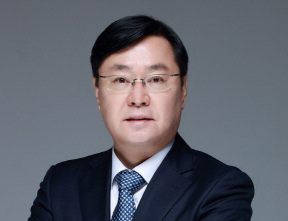
- “34 years in drug industry, but now as a law firm advisor"
- by Eo, Yun-Ho Jan 28, 2021 05:59am
- Advisor Kwon Jaehong A new advisor at Kang Han Law, Kwon Jaehong has 34 years of a long experience in the pharmaceutical industry. After joining JW Pharmaceutical sales department in 1998, Kwon moved to Bristol Myers Squibb (BMS) Korea in 1998 and was leading the Government Affairs and Market Access businesses until last August. But as he retired, he left the corporate boundary. And from this January, he wide opened the door to a law firm. While law firm recruiting a pharmaceutical industry specialist is becoming a latest trend, a global pharmaceutical company’s former government affair director joining a law firm holds a greater level of significance. Daily Pharm interviewed Advisor Kwon at Kang Han Law office in Seoul. “I do not think I would do ‘something groundbreaking.’ But I have been in the center of the communication among pharmaceutical company, government, patient group and healthcare providers for over two decades, which gave me a deeper insight on their perception gap and problem solving measures. Based on those experiences, I want to contemplate on what role I could play here.” Behind his humble words, there were prudence and aspiration. In fact, the law firm has a clear agenda in specifically recruiting him. It is quite different from recruiting a high-level government officer as an advisor from the Ministry of Health and Welfare (MOHW) and the Ministry of Food and Drug Safety (MFDS). These days, South Korean law firms are concentrating on offering a ‘total consulting service for drug pricing,’ covering drug approval, reimbursement application, pharmacoeconomic evaluation (PE) designing, risk sharing agreement (RSA) and PE exemption. Advisor Kwon’s expertise surely meets the need. When he was at BMS, he participated in the National Health Insurance (NHI) listing procedure for blockbuster new drugs. He led the talks on the NHI reimbursement listing and expansion on a blockbuster hepatitis B virus treatment Baraclude, a “super-Gleevec” Sprycel, and a novel oral anticoagulant Eliquis. Also he handled a blockbuster antiplatelet drug Plavix, a first-in-class oral hepatitis C virus treatment Daklinza-Sunvepra, and an immunotherapy Opdivo. As a representative from Korean Research-based Pharmaceutical Industry Association (KRPIA), he also participated in talks for major regulatory reform changes in reimbursement listing and drug pricing, such as introduction of positive listing, selective listing, RSA, PE exemption and lump-sum pricing reduction. “I don’t want to limit myself to pharmaceutical reimbursement listing. The regulations are ever changing. Projecting and preparing for prospective changes takes a vast part of pharmaceutical business. I could provide a help in the process and each phase of adapting to the change, and also I could set up blueprints for now my colleagues and fellow advisers to better understand the industry.” Technically, Kang Han Law is not a major law firm like Kim & Chang and Lee & Co. Also the firm does not even have a team entirely dedicated for healthcare. But as a law firm specialized in healthcare, it has been handling administrative law suit related to the healthcare authority regarding drug pricing. “As I would be working alongside with expert attorneys and advisors, I’m positive we would be able to create a synergy effect. The healthcare sector is directly related to patients, but its regulations are tight and often it finds various variables, which makes it quite interesting. I would do my best to strive for positive outcomes along with my competent colleagues.”
