
- LOGIN
- MemberShip
- 2026-07-06 04:42:32
- Product
- “MA and marketer need experience, analytic mind, acumen”
- by Kim, Min-Gun Sep 18, 2020 06:29am
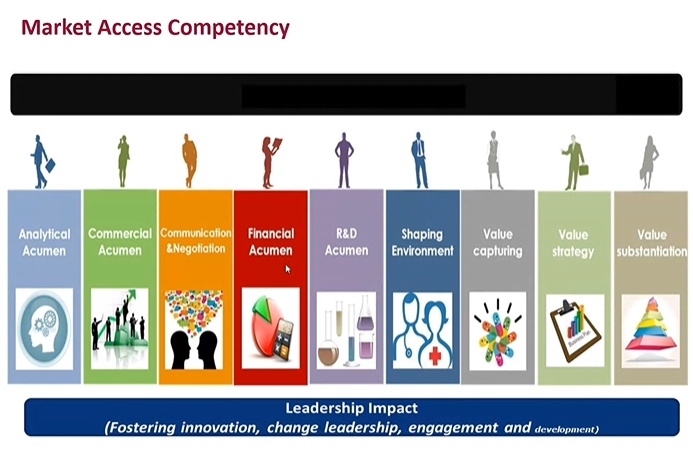
- “For a Market Access (MA) specialist, the most important skill set is to analyze the clinical trial data and to recreate them as a valuable message. They need to find any missing data required for pharmaceutical reimbursement review, and prepare the evidences prior to the review, if need be. If you are a pharmacy school student and want to become a MA specialist, you need to acquire rich experience and knowledge.” That was an advice from MA Director Lim Kyungwha at Jansen Korea to the students in college of pharmacy, who are looking into getting a job in the MA sector. The Pharmaceutical Marketing Professional Leaders (PPL) convened a sixth pharmaceutical industry seminar on Sept. 5 with the theme of ‘the Wave of Pharmaceuticals.’ At the seminar, Director Lim gave a lecture on the current industry status, and the importance of MA specialists. MA Director Lim Kyungwha at Jansen Korea Until few years back, MA specialists played a role of applying for reimbursement listing after a new drug approval. But things have changed—now the MA specialists participate from the clinical designing stage. In the initial clinical stage, new drug development and market access departments come together and talk about strategy as an ‘integrated MA’ to ponder on what the government would stress on when listing for reimbursement, areas to better reflect new drug’s value than other global alternative options, and which clinical outcomes would win the healthcare reimbursement. Director Lim said, “Nowadays, pharmaceutical companies do not consider MA as a single department, but rather treats it like a strategy. It’s because MA can intervene from the initial clinical stage to accelerate the reimbursement listing procedure and affect the entire drug approval and market access strategy.” In other words, MA is a key player in building a strategy for a new drug seeking for a proper acknowledgement of its value and to enter the market fast. Specialized and diversified MA specialist also has to serve two roles of communicating and negotiating with the government. So what kind of skill sets should a MA specialist have? Director Lim said, “MA specialist has to understand clinical data and capture the value in them. The reason why most of the companies hire master’s degree or doctorate degree graduates majoring in public health or social pharmacy is because we need people, who have wide experience and knowledge, skill to analyze finance and market, and understanding of R&D.” “Understanding the general pharmaceutical industry is crucial, as necessary strategy can be designed by understanding of the business. I also finished my MBA, but I went back to school to study social pharmacy,“ Director Lim added. Market access competency She encouraged the students and said, “Students who want to become a MA specialist need to acquire abundant knowledge, experience and strategic mind. As the industry is short of well-experienced MA specialists, the companies time to time hire entry level applicants, fresh out of university or graduate school, with potential seen during an interview.” She also reiterated, “Only because you choose your career path once, does not mean you would stay on it forever. Having richer experience is more important as all companies prefer people with more experience.” ’Acumen’ is critical asset for a marketer, while knowledge in pharmacology and toxicity is essential Executive Director Park Kwang-kyu at Gilead Science Liver Disease Business Department, emphasized ‘acumen’ is the most important factor in a student who dreams of being a marketer, who has to communicate with consumers in the sales department. They have to be highly empathetic to grasp when to be soft or firm during a conversation. Executive Director Park Kwang-kyu at Gilead Science Executive Director Park also mentioned insight, communication and leadership are important as well. He pointed out, “Even the marketers on the job struggle to distinguish ‘insight’ and ‘summary.’ Often the marketers have to deal with big data. And they need to digest the vast amount of data into a concise message,” so “they should be able to say easily in a single sentence to describe ‘what the company should do’ based on those data.” “We need people who are not afraid of challenges with confidence to work well in a multinational company. When it comes down to marketing, your own skill is more valuable than your degree,” he noted. However, Executive Director Park said the number of marketing jobs in multinational companies is declining. He said, “Two decades ago, a pharmacist-turned-marketer was treated as a specialist with expert knowledge. But now we have marketers from liberal arts, biology, pharmacy and nursing background, while [work] has gotten diversified and enhanced. But the company still thinks highly of pharmacy school graduates, so it would be worth it to knock on their doors.” Senior Director Kang Byung-chul at COSMAX BIO Senior Director Kang Byung-chul at COSMAX BIO leading both marketing and R&D departments recommended the participating students to make sure they study about pharmacology test and toxicity test before graduating to apply for a job in a pharmaceutical company. Senior Director Kang highlighted, “In any department, pharmacology and toxicity are the basics. And we all assume a pharmacy school graduates have full understanding of those.” The senior director did not recommend applying for the Business Development (BD) department for an entry level applicant. He said, “Only after working over a decade in R&D or marketing department, you can become a fully functioning member of the BD department. I would recommend transferring to BD department, after becoming a specialist in respective area for 10 years.”

- Company
- “APAC countries need NPM in the age of expensive drugs”
- by Eo, Yun-Ho Sep 17, 2020 06:30am
- A pharmaceutical industry expert suggested Asian-Pacific countries should also take novel payment models into account in this age of high-cost drugs. On Sept. 16, the ‘International Society for Pharmacoeconomics and Outcomes Research (ISPOR) Asia Pacific 2020’ hosted a web session on ‘ICER Threshold for Innovative Medicines – Harmonization with Novel Payment Model (NPM).’ A presenter for the session, Dr. Kevin Haninger of the Pharmaceutical Research and Manufacturers of America (PhRMA) explained about the concept of NPM and introduced various cases in HTA countries including Canada, Australia and the U.K. Following are the NPM types Dr. Haninger talked about; Combination-based pricing: This NPM type grants pricing specifically based on a drug the applicant drug is combined with. For instance, the pricing of ‘Drug A’ would differ when it is used alone, or used in combination with ‘Drug B.’ Switzerland and Italy are using the NPM type at the moment. Indication-based pricing: Considering the number of drugs expanding its indication is increasing lately, the NPM differentiates a drug’s pricing depending on the level of innovativeness each indication has. Such NPM was addressed during recent talks on expanding indications for an immunotherapy, and Korean Research-based Pharmaceutical Industry Association (KRPIA) has also proposed it to the South Korean health authority as an amendment to the current regulation. At the moment, Australia, Switzerland, the U.S and other countries have adopted the system. Outcome-based payments: An outcome-based payment model is also used in South Korea, as a type of risk sharing agreement (RSA). The model allows the health authority to share the risk in pricing depending on the level of demonstrated drug efficacy. Roche’s immunotherapy Tecentriq has received healthcare reimbursement after accepting the differentiated reimbursement coverage based on patient reaction rate. Over-time payments: The model applies stepped pricing and offers payment installments depending on the patient’s administration period. This type has been suggested when discussing reimbursement on one-time treatment Zolgensma treating spinal muscular atrophy (SMA) or CAR T-Cell therapy. The U.S. and Italy are currently using the system. Reviewing each model, Dr. Haninger recommended using the combination-based pricing and indication-based pricing. According to him, only Australia among all Asian-Pacific countries has implemented the NPM types. He elaborated, “As more and more innovative but expensive treatments are developed, we to think of more broadened approach. Currently, most of Asian-Pacific countries are highly dependent on incremental cost-effectiveness ratio (ICER) threshold based on quality-adjusted life-year (QALY), which hinders improvement in patient’s treatment access.” “By applying various NPM, the health authorities should strengthen medical accessibility in general. NPM can be a solution for the delayed reimbursement listing procedure caused by foreign governments referring to pricing in other countries,” he added.
- Policy
- Jeil, started commercialization of JLP-1401
- by Lee, Tak-Sun Sep 17, 2020 06:29am
- Telmiduo Plus by JeilJeil has begun commercializing a high blood pressure-hyperlipidemia three-drug, credit-quantity formulation. It is a formulation that combines Telmisartan-Amlodipine-Rosuvastatin, and is known as a new product of Telmiduo Plus, which Jeil is already launching. The MFDS approved the phase I clinical trial protocol of JLP-1401 submitted by Jeil on the 10th. In this clinical trial, the pharmacokinetic properties and safety of Telmisartan/Amlodipine and Rosuvastatin and JLP-1401 administration will be compared and evaluated in healthy adult volunteers. JLP-1401 is also the name of Telmiduo Plus, which was approved by Jeil in May 2018. Telmiduo Plus has three doses with Telmisartan-Amlodipine-Rosuvastatin dosages of '40/5/10mg', '80/10/20mg' and '80/5/10mg' respectively. Jeil directly develops and supplies contract production to Samjin, Unimed, Hana, and Myungmoon. However, Rosuvastatin 5mg is missing, which has been evaluated as being inferior in market competitiveness. Both Yuhan and Ildong, which produce the same generics, are releasing products containing Rosuvastatin 5mg. In addition, Rosuvastatin 5mg was analyzed that the rate of reaching the target LDL-C control treatment target was high at 83.3% for males and 92.9% for females, even in a study of 1,851 Korean patients. Accordingly, it seems that Jeil is developing an additional combination drug containing Rosuvastatin 5mg. This is because Twynsta 80.5mg, a combination of Telmisartan-Amlodipine, and Crestor 5mg, containing Rosuvastatin are used as reference drugs for this clinical trial. When new products are completed, it is expected that market competitiveness will improve and production will increase. A total of 40 products of Telmisartan-Amlodipine-Rosuvastatin were approved. According to UVIST, in the first half of this year, Ildong's Telostop Plus recorded about ₩1.6 billion, Yuhan's Duowell A about ₩900 million, and Jeil's Telmiduo Plus about ₩800 million.
- Company
- Hanmi promotes clinical use of Keytruda & FLX475
- by Sep 17, 2020 06:29am
- Hanmi is entering a phase II clinical trial that uses a combination of CCR4 target oral immuno-cancer drug (FLX475), which is being developed in Korea, and MSD's immuno-cancer drug Keytruda (Pembrolizumab). To this end, Hanmi announced on the 15th that it has signed a contract with MSD to supply Keytruda for clinical cooperation and clinical cooperation with FLX475-Keytruda. In the first half of next year, Hanmi plans to start phase II in Korea and China, which measures the efficacy and safety of combination therapy for gastric cancer patients in Korea and China. Keytruda, which is necessary for clinical use, is provided by MSD for free. FLX475 is the first oral regulatory T-cell inhibitor developed by US biotechnology company RAPT Therapeutics, and Hanmi secured exclusive rights for development and commercialization in China, including Korea, Taiwan, and Hong Kong by transferring this candidate substance from RAPT Therapeutics last December. Although the prevalence of gastric cancer in Korea is the second largest among all carcinomas, there are limited known appropriate treatments. Hanmi expects this clinical trial to be a test that can confirm the value of the combination therapy of FLX475 and Keytruda in the field of gastric cancer. Se-Chang Kwon, President of Hanmi, said, "As Korea is the country with the highest incidence of gastric cancer in the world, the clinical development of these two drugs is expected to be an innovative treatment option for patients in need of treatment. We will do our best to obtain rapid development and approval." Hanmi is currently building and developing around 30 innovative new drug pipelines in the fields of metabolic diseases, anticancer and rare diseases such as NASH, and is continuing its efforts to expand its innovative portfolio of anticancer drugs through open innovation. Based on multilateral cooperation with various partners, the anticancer pipeline will be further strengthened.
- Company
- Sanofi, to supply flu vaccine, Vaxigriptetra nationwide
- by Sep 17, 2020 06:29am
- Sanofi Pasteur (CEO Pascal Robin) announced on the 15th that it has supplied the flu vaccine 'Vaxigriptetra' nationwide. Sanofi Pasteur said that this year's flu vaccine is included in the NIP, and as the number of recipients expanded due to the spread of COVID-19, patients in need of flu prevention can receive the vaccine on time. Vaxigriptetra can be inoculated at public health centers, consigned medical institutions, and major hospitals and clinics from this day. Sanofi Pasteur selected Singer Song Ga-in, friendly to all ages, as a model of Vaxigriptetra to actively promote the importance of preventing flu, which is emphasized by COVID-19. It conveys the message, 'This year's flu prevention is not an option, it is essential.' It is said that Song Ga-in's positive image across all generations and particularly favorable to the elderly and chronically ill patients who need flu prevention, effectively conveyed the message 'Flu prevention is essential'. Vaxigriptetra was conducted in 6 large-scale global clinical trials (4 continents including Europe, Asia, South America, Oceania, etc.) with more than 13,000 participants. Good immunogenicity and safety data were confirmed. Vaxigriptetra is an imported finished product that Sanofi Pasteur, a global vaccine specialist with 120 years of tradition, completes from raw material to packaging at a production facility in France and supplies it to Korea. Sanofi Pasteur supplies the flu vaccine to 150 of 227 countries (about 66%) worldwide. "Flu prevention is more essential than ever to support the healthcare system in the threat of COVID-19," said Pascal Robin, general manager of Sanofi Pasteur. “It is important to recognize that people can play a major role in building immunity to protect themselves, their families, and those vulnerable to infection,” he added.
- Company
- Growth hormone market fluctuates with Pfizer’s supply issue
- by Kim, Jin-Gu Sep 17, 2020 06:29am
- The growth hormone injection market generating annual sales of 150 billion won had a fluctuating sales rank in the first half of the year. While LG Chem is still leading the market, Pfizer in the second place was dropped to the fifth place due to its global supply suspension. On the contrary, LG Chem, Dong-A ST and Novo Nordisk boosted their sales amid Pfizer’s absence. According to a pharmaceutical market research firm IQVIA on Sept. 15, the growth hormone market was valued at 77.3 billion won in the first six months of this year. The figure grew by 10 percent from 70.1 billion won in same time last year. The growth hormone market is growing every year. The annual sales in 2015 marked 76.3 billion won and reached 91.7 billion won, 101.8 billion won, 126.6 billion won, and 145.7 billion won in 2016 through 2019. The market predicts the sales would break through the 150 billion won mark this year. Growth hormone injection market sales growth in last five years (Unit: KRW 100 million) Source: IQVIA LG Chem has been topping the market with its lineup of Eutropin, Eutropin Plus and Declage. In the first half of the year, the three products generated total 29.8 billion won, which surged by 28 percent from same time last year at 23.2 billion won. Except for the market leader, the leader board had a major shuffle. Pfizer’s Zinotropin that used to be in the second place climbed down to the fifth, but Dong-A ST’s Growtropin, Merck’s Saizen, and Novo Nordisk’s Norditropin jumped up the ladder. Pfizer’s Zinotropin barely made 6.7 billion won in the first half of the year. Compared to 14.7 billion won made last year, it took a steep 54-percent (8 billion won) fall. The market experts analyze the sudden drop in Pfizer’s sales was impacted by the drug supply issue prevalent around the world. Late last year, the global company headquarters halted the supply, when a regular check up confirmed the risk of affecting the product quality found in the production line located in Belgium. With already distributed stocks in South Korea, Pfizer’s sales were not significantly affected until the fourth quarter last year, but it eventually got crippled in this year. Regarding the issue, Pfizer Pharmaceutical Korea official said, “The supply to Korea has been resumed from May,” and “The company is expecting the sales to recover in the latter half of the year.” Top growth hormone product sales from 2015 H1 through 2020 H1 (Unit: KRW 100 million) Source: IQVIA Due to Pfizer’s supply issue, Dong-A ST and Novo Nordisk had the window of opportunity to leverage their sales. Dong-A ST’s Growtropin sales marked 15.9 billion won and instantly came in second. In same time last year, the injection made 12 billion won and placed itself in the fourth place. On the other hand, Novo Nordisk’s Norditropin sales reached 10.2 billion won and took the fourth spot. Compared to last year making 5.9 billion won, its sales skyrocketed by 72 percent. The market experts see the injection to have benefited the most from Pfizer’s supply gap. But apparently, Merck’s Saizen did not get to benefit from Pfizer’s suspended supply. In last year, the company was in the third place, but the sales dipped by 1 percent from 12.7 billion won to 12.5 billion won. Moreover, SciGen Korea’s Scitropin made 1.3 billion won, and Ferring Korea’s Zomacton made 900 million won. A pharmaceutical industry insider explained, “Regardless of declining birth rate, the growth hormone market has been surging as the expanded healthcare reimbursement was granted since last year,” and as “Pfizer took a hard hit with the supply issue in the first half of the year, its competitors aggressively tackled the market.”

- Company
- Where can clinics get flu vaccines?
- by Sep 16, 2020 06:26am
- "All pharmaceutical companies say they don't have flu vaccine stock. I am already worried because the quantity I received from the public health center is small." A Doctor of Clinic A in Seoul said in this way that he called all of the sales staff at pharmaceutical companies that supply flu vaccines, but said it was hard to get supplies. Due to COVID-19, flu vaccine shortages are occurring as expected. Pharmaceutical companies have increased production compared to last year in anticipation of an increase in demand this year, but supply is rapidly exhausting. This is because the private market volume has drastically decreased as the number of people eligible for NIP increased. It is estimated that about 19 million people are eligible for free vaccination this year. It is an increase of 5.19 million people from the previous year. There are many clinics and hospitals looking for supplies, but the supply of them is insufficient. Online orders were sold out as soon as the quantity was released, even though the number of purchases per person was limited to 100. Salespeople in charge receive dozens of inquiries a day asking for flu vaccines. Mr. B, an employee in charge of the flu vaccine sales, said, “Calls are pouring out at the local hospital asking if there is a vaccine. I am sorry that the supply has been exhausted” "It is being used up faster than ever since it was operated with only 70% of the volume than last year," he complained. He added, "Even clinics and hospitals with an existing transaction history can only place orders for About half of last year's amount." There are also frequent inquiries through employees of other pharmaceutical companies because some clinics and hospitals do not have or limited deals with flu vaccine vendors and can not obtain quantities. Mr. C, an employee who sells flu vaccines, said, “I get a lot of calls from third-party employees of other companies contacted by a hospital they are acquainted with.” Some hospitals even raged when the stock was not available. If the salesperson in charge tells them that there is no stock available, the clinic or hospital calls the senior executive of the pharmaceutical company to fire the person in charge or gets angry. An official from a flu vaccine manufacturer said, "There are many hospitals that want to secure supplies in advance in a pandemic situation. Since the vaccine is still in the early stages of supply and shipments are being released every week, the shortage phenomenon will get better sooner or later."
- Company
- Talks on new payment system in the age of high-cost drugs
- by Eo, Yun-Ho Sep 16, 2020 06:25am
- Pharmaceutical experts are initiating talks on setting adequate Incremental Cost-Effectiveness Ratio (ICER) threshold to design a new payment model fitting the age of high-cost drug. The International Society for Pharmacoeconomics and Outcomes Research (ISPOR) Asia Pacific 2020, convened online from Sept. 14 through 16, would be hosting a session titled ‘ICER Threshold for Innovative Medicines – Harmonization with Novel Payment Model (NPM)’ on Wednesday. Most of health authorities in countries currently using Health Technology Assessment (HTA) provide refund to pharmaceuticals that have proved clinical benefit and cost-effectiveness during an assessment process. However, the pharmaceutical industry has been insisting that a practical solution is needed for the latest biopharmaceutical-focused pipelines relatively more expensive than the conventional chemical drugs. At the session facilitated by Professor Suh Dong-churl of Chung-ang University College of Pharmacy, Dr. Kevin Haninger of the Pharmaceutical Research and Manufacturers of America (PhRMA) would explain about the concept of NPM and introduce various cases in HTA countries including Canada, Australia and the U.K in terms of harmonizing ICER threshold with other indicators used to decide healthcare reimbursement. After the presentation, a panel discussion would be held with representatives from the industry, government and academia. As a panelist for the pharmaceutical industry, Senior Director Kim Eunsuk of MSD Korea would point out the limitation of the current HTA system in South Korea and address the rationale of flexible ICER threshold. Director So Soomi of Health Insurance Review and Assessment Service (HIRA) as a government panelist would share the prospective approach the agency is planning to take for the payment system as well as the NPM implementation plan. Initially organized to be hosted in Seoul, the ISPOR Asia Pacific 2020 was inevitably held online due to COVID-19.
- Policy
- KDCA “All hands on deck to seek COVID-19 vaccine"
- by Kim, Jung-Ju Sep 16, 2020 06:25am
- The first director of Korea Disease Control and Prevention Agency (KDCA) Jeong Eun-kyeong stated the government agency would provide all possible support for seeking vaccine and treatment to completely overcome the COVID-19 crisis. Also, she added the rare disease designation and R&D for disease testing and treatment would be expanded as well. On Sept. 14, Director Jeong gave a celebratory address at the KDCA opening ceremony and vowed to fight against COVID-19 along with the people of South Korea. The opening of KDCA was supposed to be on Saturday Sept. 12 according to the revised legislation, but instead the agency was officially opened on Monday. Regarding the agency’s status elevation, Director Jeong expressed her commitment to serve the responsibility, as the change started with “the people’s grave wish and the government’s determination to overcome the COVID-19 as soon as possible, and to proactively prepare and thoroughly respond against such infectious diseases.” Moreover, Director Jeong stated the agency’s key goals—securing central and regional epidemiologic response and capability, taking responsibility as a comprehensive infectious disease control agency, reinforcing response against health risk caused by environmental changes, establishing aging society-related chronic and rare disease prevention program, strengthening future medicine R&D and personalized disease R&D in Korea National Institute of Health (NIH). Specifically, the director said COVID-19 is a barrier that must be overcome, and that the agency is putting the best effort to support the development of relevant vaccine and treatment. Director Jeong stressed, “Aiming to find Korean-made treatment and vaccine, the agency would reinforce collaboration with relevant companies and research institutes to accelerate the development procedure,” but also “the agency is to secure overseas COVID-19 vaccine in development to execute vaccination program as planned.” Additionally, the director said, “The rare disease designation would continue to expand, and relevant supportive policy would be strengthened,” and “Related R&D to develop testing and treatment would also be expanded.” The director concluded the address by saying, “Although we are still stranded in the middle of the stormy sea, I will be with all of you until we reach the shore safely as a new captain of the ship called KDCA, and as another sailor in the ship.”
- Company
- Boryung,launches Tuvero (Arahkor Pre) in Mexico
- by An, Kyung-Jin Sep 16, 2020 06:25am
- Two-way live broadcast in Korea and Mexico Boryung announced on the 14th that it held a web symposium of Tuvero, a combination drug for hypertension and dyslipidemia, based on Kanarb in Mexico on the 11th (time in Korea) and began to launch in earnest. Tuvero is a combination drug that includes Kanarb(Fimasartan), an ARB (angiotensin II receptor blocker)-based hypertension drug developed by Boryung, and Rosuvastatin, a dyslipidemia drug. It was named Arahkor Pre in Spain. The sales and marketing activities in Mexico are handled by local partner Stendhal. The company expects the market demand to be very high as 'Arahkor Pre is the first ARB+Statin combination drug to be released in Mexico. According to Boryung, a number of local specialists in Mexico attended the web symposium, which was broadcast in two-way live in Korea and Mexico in the aftermath of COVID-19, showing hot interest in the new product. At the web symposium under the theme of 'Innovation in the Cardiovascular Risk Reduction, Introducing Arahkor Pre', a total of four speakers including Prof. Jin Joo Park (Seoul National University Bundang Hospital), Prof. María Guadalupe Castro, Universidad La Salle (ULSA), Prof. Joshua Elias (XXI Century National Medical Center), and Prof. Abel Alberto Pavía López, Centro Médico ABC, presented the latest information on cardiovascular disease treatment and the current status of cardiovascular disease in Mexico. Ignacio Conde Carmona (director of Stendhal), who was in charge of the web symposium on that day, said, "The combination of hypertension and dyslipidemia has a number of clinical results that significantly lower the incidence of cardiovascular disease." He added, "Arahkor Pre, a combination of Fimasartan, which has excellent blood pressure lowering effects, and Rosuvastatin, the most widely used dyslipidemia drug, is expected to provide new treatment options for cardiovascular disease patients and medical staff in Mexico." "Arahkor Pre, which clinical effect has been confirmed in the treatment of cardiovascular diseases in the domestic market, is the first ARB+Statin combination drug to be released in Mexico," said Sung-won Choi, executive director of the global business division of Boryung. "We will focus on Arahkor Pre's rapid market settlement by sharing our global marketing know-how, including Korea, with Stendhal, which has formed partnerships and improved synergy since 2013," he said.
