
- LOGIN
- MemberShip
- 2026-07-06 05:48:48
- Company
- Indication of Alunbrig expanded as ALK-positive lung cancer
- by Sep 02, 2020 06:18am
- The indication has been expanded as the first line treatment of Takeda Pharmaceutical Korea's lung cancer treatment, Alunbrig. Takeda Pharmaceutical Korea (CEO Moon Hee-seok) announced on the 28th that The MFDS approved Alunbriq (Brigatinib), an anaplastic lymphoma kinase (ALK)-positive non-small cell lung cancer drug, to expand its indication as a first-line treatment for ALK-positive advanced or metastatic non-small cell lung cancer on the 27th. Alunbrig has been used in the treatment of ALK-positive advanced or metastatic non-small cell lung cancer, which has been treated with Crizotinib in April of last year under insurance coverage. With the expansion of this indication, Alunbrig can also be used in patients with ALK-positive non-small cell lung cancer who have not been treated with existing primary ALK inhibitors. The approval was based on a second interim analysis of the ALTA-1L clinical trial in 275 patients with ALK-positive locally advanced or metastatic non-small cell lung cancer who had not previously been treated with ALK inhibitors. Patients enrolled in the ALTA-1L clinical trial were randomly assigned to the Alunbrig group and the Crizotinib group according to the brain metastasis and past chemotherapy at baseline. The primary endpoint is the progression-free survival (PFS) evaluated by the Blinded Independent Review Committee (BIRC), and the secondary endpoint is the objective response rate (ORR) evaluated by the BIRC, the intracranial objective response rate (intracranial ORR), intracranial PFS and overall survival (OS). As a result of the second interim analysis conducted based on the progress up to June in 2019, it was confirmed that patients receiving Alunbrig improved the risk of disease progression or death by about 51% compared to the crizotinib group. (HR, 0.49; 95% CI, 0.35-0.68; log-rank P

- Company
- Now, a transition of power in the contraceptive market
- by Sep 01, 2020 06:13am
- The domestic over-the-counter (OTC) pre-contraceptive market, which was almost monopolized by imported finished products, is showing mixed trend. Sales of top-tier products such as Myvlar have been sold out for a long period of time, resulting in a sharp decrease in sales, and recently released products are fiercely competing, causing changes. According to IQVIA, a drug market research institute, the size of the major OTC pre-contraceptive drug market in the first half of this year was ₩7.9 billion, down 29% from ₩11.1 billion in the same period last year. Data: IQVIA The market contracted as sales of top-tier products fell sharply. In particular, Dong-A imports Myvlar from Bayer, but it has been discontinued as the problem of changing overseas production plants prolonged. Eventually, there was little sales in the first half of this year. Myvlar, which ranked second in the market, is not expected to recover easily as the out-of-stocks prolong. Dong-A's Melian also suffered a temporary out-of-stock phenomenon, but was able to maintain sales because the supply was fast. Melian's sales in the first half of the year were ₩800 million, up 4.5% from the previous year.. Again this year, Mercilon by Alvogen Korea became first place in OTC contraceptives. The gap with the second place also widened in the absence of Myvlar. However, Mercilon's sales declined slightly compared to last year. Mercilon's sales for the first half of this year were ₩3.9 billion, a 27.8% decrease from the same period last year (₩5.4 billion). Alvogen Korea, which jointly sold Mercilon with Yuhan until the first half of last year, signed a co-promotion contract with Chong Kun Dang from the second half of the contract. Along with Mercilon and Myvlar, Alesse sales by Ildong also declined 19% from 1.1 billion in the first half of last year to ₩900 million. Alesse is an item introduced by Pfizer Pharmaceuticals. OTC products The recent disruption in the supply of imported finished products and the launch of various domestically manufactured items is also leading the market change. First of all, Senseday, developed by Yuhan and introduced last year, is evaluated to have settled relatively, although sales have slowed slightly compared to last year. Senseday recorded ₩600 million in sales in the first half of this year. Ildong also introduced its own product. These are two types of Daon and Baraon released in May. They are estimated to have generated sales of ₩300 million and ₩100 million respectively in the first half of this year. Pharmaceutical companies that have launched their own products, such as Yuhan and Ildong, are competing to promote their brands to consumers. Yuhan expanded its product lineup by releasing a condom named Senseday, and Ildong launched an advertisement with a striking blue package and singer Son Dam-bi as a model. Alvogen Korea is trying to recover sales by attracting positive responses from pharmacists through the 'Mercipharm' campaign that supports contraceptive medication consultation with its partner Chong Kun Dang. With domestic companies introducing follow-up products one after another, attention is paid to the changes in the OTC contraceptive market, which was announced as a gap in sales of top-tier products was created.
- Company
- “Cosidering PPI when prescribing NOAC in high-risk patient"
- by Eo, Yun-Ho Sep 01, 2020 06:13am
- Professor Kim Min-su Already, it has been ten years since new oral anticoagulant (NOAC) has launched in the South Korean market. Experts are actively discussing the practical use of NOAC as relevant prescription records have been accumulated. Regarding the off-label prescription of the drug, the interest has heightened recently on optimizing the dose and bleeding control in Asian population. An example would be simultaneously using proton pump inhibitors (PPIs) with NOAC or dual antiplatelets therapy (DAPT) to manage gastrointestinal bleeding. Clinical evidences are collected to support the East Asian Paradox theory that claims antiplatelets therapy in East Asians and Westerners demonstrate different outcomes in efficacy and safety. Professor Kim Min-su of Cardiology Department at Chungnam National University Sejong Hospital spoke to Daily Pharm that, “In a clinical scene where there a patient has gastrointestinal bleeding while using NOAC, the therapy is maintained with PPI-like gastric mucous membrane protector, if the case is not critical.” As for DAPT, PPI prescription is recommended by American College of Chest Physicians (CHEST) guideline for antiplatelet therapy in patients with atrial fibrillation (AF). The guideline recommends minimizing the risk of gastrointestinal bleeding in patients with AT, who uses aspirin and oral anticoagulant together, by administering 75 mg to 100 mg of PPI. Professor Kim stressed, “DAPT has reportedly increased the risk of gastrointestinal bleeding and led to death. As long-term DAPT is prevalently used in high-risk patients having myocardial infarction, the use of PPI to manage gastrointestinal bleeding should be taken in account.” He added, “We need to be careful on the interaction between antiplatelets and PPI. It dpends, but a drug-drug interaction definitely exists. Also the risk of bleeding could vary for NOAC based on the range of doses like once-daily or twice-daily.” So how about the private clinics prescribing NOAC, when the concern on bleeding still exists? Actually, experts claim the clinics prescribing the drug is not problematic. In fact, the Korean Heart Rhythm Society apparently provides training sessions on NOAC in six different regions with carefully selected speakers. The organization is also expanding programs to raise awareness of the disease. Professor Kim stated, “Even tertiary hospitals, most of the time, provide no other treatment than NOAC prescription for the first-time treated patient with chronic AF. A primary healthcare institute can sufficiently prevent and manage stroke after giving essential exams.” The professor added, “There shouldn’t be any issue for a primary healthcare provider to prescribe NOAC. In the age of warfarin, the prescription of anticoagulants was difficult with lack of international normalized ratio (INR) monitoring equipment and prescription management. But, the time has changed now. The issue is irrelevant with using PPI and NOAC. Personally, promoting prescription of anticoagulants in private clinics would enhance the management of AF in South Korea.”
- Company
- GC-Novartis report COVID-19 cases, all other test negative
- by Kim, Jin-Gu Sep 01, 2020 06:12am
- Although confirmed cases of COVID-19 were reported from GC Pharma and Novartis Korea, sources confirmed others in the companies were not further infected. According to pharmaceutical industry sources on Aug. 28, all workers, who had a close contact with the confirmed cases in the same department or in the vicinity at GC Pharma and Novartis Korea, were tested negative. On Aug. 24, GC Pharma reported its one employee from the R&D center at the Yongin Headquarters has been tested positive for COVID-19. While working from home since Aug. 21, the employee showed symptoms like coughing, sore throat and fever and was tested positive on Aug. 24. GC Pharma closed the headquarters and R&D center on the next day and informed all employees to stay at home. Immediately the buildings were disinfected. Although the patient was confirmed when working from home, all the colleagues working at the same department were tested as well. The company reported every one of them has been tested negative. Regardless, the Korean company plans to maintain the work-from-home system for a while. Novartis underwent the same ordeal as it reported a confirmed case a day prior to GC Pharma. On Aug. 23, Novartis’ Sandoz Korea division had one confirmed case, and each from Novartis and Sandoz, who came in contact with the first case, were tested positive. However, the company reported no other confirmed cases were found in the company. Novartis and Sandoz are housed on 48th and 49th floor in IFC Seoul Building. The patient was reportedly working from the 48th floor, and all other employees on the same floor were tested negative. Regardless of having a close contact or not, all employees were ordered to work from home. Tentatively, the change in workplace is to last until next week. But depending on the situation, the employees may work from home longer, the company official says. A sales person from Boehringer Ingelheim Korea, assigned to respiratory department at general hospitals, has been tested positive on Aug. 25. The company immediately sent home all employees, who had a close contact with the patient, and they are to work from home indefinitely. The multinational company plans to take fruiter actions and test more people who came in contact to follow up with the patient’s epidemiological investigation.
- Policy
- Generic for Xeljanz by Boryung was first approved
- by Lee, Tak-Sun Sep 01, 2020 06:12am
- PfizerBoryeong's generic for Xeljanz was first approved. On the 27th, the MFDS granted Boryung Tofacitinib 5mg (Tofacitinib aspartate) by Boryung as a drug for data-based re-evaluation. This product is a salt-modified product of the original product Gelzanz 5mg (Tofacitinib citrate), which was approved in April 2014, and is the first approved product among generics using Tofacitinib as an active ingredient. This product is expected to be available from November 23, 2025, when the materical patent ends. If the patent challenge had been successful as originally planned, it could be released from November 24th. The Intellectual Property Appeal Board ruled that the avoidance of extending the duration of a material patent through a salt-modifying drug was established in January 2018. The lawsuit was terminated due to the deprivation of generics, when the Supreme Court ruled that patent evasion was impossible in Vesicare’s salt change case. If it had avoided the extension of the duration of the material patent, it could be released on November 24 this year. It is the first drug for generics, but it is also impossible to obtain generic exclusivity. Boryung succeeded in evading the crystalline patent ending on November 24, 2027, but the patent was deleted on March 2 of this year due to the winning of Chong Kun Dang's patent invalidation trial. Because there was no registered patent before applying for permission, it became impossible to obtain generic exclusivity. Approval for generic release was possible after the expiration of the PMS on April 1. Accordingly, efforts to challenge patents to obtain generic exclusivity and early release were useless. It only worked to get rid of the crystalline patent. However, with the deletion of the patent list, the benefits of successful patent challenge companies have disappeared. Xeljanz is the first oral drug to be released on the market for rheumatoid arthritis drugs, mostly in the form of injections. Based on IQVIA, last year’s sales amounted to ₩14.7 billion, a 55.4% increase from the previous year. It is very unfortunate that the early release due to the patent challenge is unsuccessful as a generic.

- Policy
- Ongentys listed at ₩2,515 & Prevymis at ₩145,000
- by Kim, Jung-Ju Sep 01, 2020 06:12am
- SK Chemicals' parkinson's syndrome treatment, Ongentys 50mg (Opicapone) will be listed at ₩2,515 per capsule starting October 1st. MSD Korea's CMV infection and disease prevention drug Prevymis (Letermovir) 240mg was listed at ₩145,000, and Ferring Korea's infertility treatment, Rekovelle PFS (Follitropin delta) is applied at ₩71,494 per 12 μg/0.36 mL, starting next month (September 1). The MOHW announced that a partial revision of criteria for pharmaceutical reimbursed list & upper limit amount table' with the above contents was presented to the general meeting of the Health Insurance Policy Deliberation Committee on the evening of the 27th, and that the deliberation was passed and resolved at midnight. ◆Ongentys= Ongentys Capsule is a standard therapy for Levodopa/Dopa decarboxylase (DDCI), which is a drug approved by the MFDS as an adjuvant treatment for Parkinson's syndrome patients with movement agitation symptoms that do not improve symptoms. All. By taking it once a day, the number of target patients in Korea reaches about 78,000. The company received the application for insurance registration on November 29, as soon as it was approved, and was deliberated by the HIRA on May 7 this year. At that time, the committee recommended this drug as a treatment for the indication in textbooks and clinical practice guidelines, and determined that it had clinical utility, and that clinical trials proved non-inferiority to drugs of the same mechanism. The effect is non-inferior to that of alternative drugs, but the cost required increases based on the applied drug price. Accordingly, it was judged that there was a benefit adequacy when the drug rating was accepted below the evaluation amount (weighted average price of alternative drugs). Excluded countries are listed in the UK, Germany, and Italy among A7, with an adjusted average price of ₩4,957. The company accepted the level of the evaluation amount as recommended by the Drug Review Committee, and agreed to negotiate drug prices with the NHIS to July 27th of the same month. The drug price was agreed at ₩2,515, reflecting the price cuts of some alternative drugs. Considering the number of patients using drugs, the NHIS is expected to charge about ₩6.8 billion in the first year, and there will be no additional financial requirements as alternative drugs exist. The registration date and insurance coverage date were confirmed as of October 1, taking into account the domestic supply schedule of pharmaceutical companies.. ◆Prevymis= Previmis is a drug that prevents cytomegalovirus (CMV) infection and disease in adult patients who have undergone allogeneic hematopoietic stem cell transplantation (HSCT), and has been approved by the MFDS on December 26, 2018. The company applied for insurance registration on April 30, 2019, and discussed two times on January 20 and April 17 at the Economic Evaluation Subcommittee under the HIRA. On May 7th, it was judged that it had the validity of reimbursement, and negotiated drug prices with the NHIS from the 27th of the same month to July 27th . At that time, the committee was judged that it was recommended as a CMV infection prophylaxis for patients with allogeneic hematopoietic stem cell transplantation in textbooks and clinical practice guidelines, clinical trials showed improved clinical usefulness compared to unpreventive therapy, and cost-effectiveness was also evaluated economically compared to non-prophylaxis therapy (cost-effectiveness analysis, ICER). Excluded Countries are listed in the A7 countries, and domestic fiscal impacts are expected to be claimed about ₩4.5 billion per year. In summary, the NHIS and the company agreed on the insurance listing price with a 240mg content of ₩145,000 and a 480mg content of ₩238,700. The registration date and insurance coverage date are September 1st. ◆Rekovelle PFS= This drug is a self-injectable pen used to induce superovulation for the purpose of infertility treatment, and was approved by the MFDS on December 27 last year. The company applied for insurance registration on January 8th of this year, and the the commitee decided on a conditional non-reimbursement decision that if it accepted the weighted average price or less of the alternative drug through a deliberation on May 7th. .The committee judged that it was published in related textbooks at that time, and it is recommended for inducing ovulation by stimulating follicle growth and development in clinical practice guidelines .However, in the case of cost-effectiveness, compared to the four components of the same family follicle stimulating hormone injections (follitropin-α, follitropin-β, follitropin, urofollitropin), which are alternative drugs, the clinical usefulness is specific, and the cost is determined to be expensive based on the applied drug price .It was recommended to accept the alternative drug at an amount below the weighted average price .Among the A7 countries, it is listed in France, Germany, Italy, and the United Kingdom .The adjusted average price is ₩133,497 for 12 µg content, ₩399,437 for 36 µg content, and ₩798,149 for 72 µg content .The company accepted this and agreed to list the health insurance through negotiations with the NHIS from June 9 to July 30 .Considering the expected market share based on clinical usefulness, the estimated billing amount for the first year was agreed at around ₩1 billion .The NHIS predicts that there will be no additional fiscal requirements because alternative drugs exist .The date of registration and coverage of this drug is September 1st .Vice Minister Kim Kang-rip said, "We expect to expand access to treatment as the burden of patient costs is eased by expanding the health insurance benefits for three medicines, including injections for inducing superovulation for infertility treatment."

- Company
- New HIV drug Biktarvy sales of ₩20 billion in one year
- by Kim, Jin-Gu Aug 31, 2020 05:58am
- It is confirmed that Gilead Science's new HIV treatment, Biktarvy, made close to ₩20 billion in a year after it entered the market in earnest. According to the analysis, Gilead is maintaining the leadership in the HIV treatment market due to the rapid growth of Biktarvy. ◆Biktarvy, sales of ₩14.4 billion in the first half of this year, Cumulative ₩19.4 billion Biktarvy According to IQVIA, a drug market research institute on the 31st, the sales of Biktarvy in the first half of the year are estimated at ₩14.4 billion. Biktarvy is a combination HIV treatment which consists of Bictegravir, Emtricitabine, and Tenofovir alafenamide. After receiving approval from the MFDS in January of last year, it entered the market in earnest while receiving reimbursement in July of the same year. Yuhan is in charge of marketing in the domestic market. For the first half year from July to December, Biktarvy's sales amounted to ₩5 billion. Adding ₩14.4 billion in sales until the first half of this year is ₩19.4 billion. In less than a year of launch, it has produced close to ₩20 billion in sales. Quarterly sales of Biktarvy by Gilead Sciences and major HIV treatments (unit: ₩billion, data: IQVIA) Compared to existing treatments, the efficacy and safety are improved, and the rate of onset of resistance is low. Bictegravir is an active ingredient that is evaluated as a strong second-generation integrative enzyme inhibitor and has high resistance. Tenofovir alafenamide is also a second-generation Tenofovir, changing its base to significantly lower its toxic effects on kidneys and bones, the company explains. It can be taken with/without food, and the size of the pill is smaller than that of existing treatments. ◆Gilead maintains market leadership amid rapid growth in Biktarvy With Biktarvy's rapid growth, Gilead remains a leader in the HIV treatment market. In the domestic market, Gilead, GSK, MSD, Janssen, AbbVie, and BMS are competing for HIV treatment. Among them, Gilead and GSK are known to occupy about 90% of the market. In the case of Gilead, the total sales of five treatments (Genvoya, Descovy, Truvada, Stribild) including Biktarvy in the first half of this year were ₩27.7 billion, up 19% from ₩22.3 billion in the first half of last year. The sales of other treatments, excluding Biktarvy, declined, but Biktarvy offset this. It is explained that the prescriptions for Genvoya are being replaced by Biktarvy. GSK's Triumeq posted sales of ₩15.4 billion. It increased by 16% compared to ₩13.3 billion in the first half of last year. GSK's another HIV treatment Tivicay increased 14% from ₩2.2 billion to ₩2.5 billion over the same period, and Kivexa decreased 23% from ₩1.7 billion to ₩1.3 billion. GSK plans to pursue Gilead with a new HIV treatment, Dovato. After being approved in Korea in March this year, Dovato entered the market in earnest after being listed as a health insurance benefit in June. Dovato is a single tablet that is a mixture of two ingredients: Dolutegravir and Lamivudine. Semiannual sales of major HIV treatments (unit: ₩100 million, data:IQVIA) In addition, MSD's Isentress recorded sales of ₩2.8 billion in the first half of this year, Prezcobix by Janssen of ₩1.3 billion, AbbVie's Kaletra of ₩1.3 billion, and BMS' Evotaz of ₩500 million. In the case of AbbVie’s Kaletra, it was mentioned as one of the potential treatments at the beginning of the COVID-19 incident in the first half of this year.
- InterView
- KRPIA “Narrowing the gap with gov. on appropriate pricing"
- by Eo, Yun-Ho Aug 31, 2020 05:57am
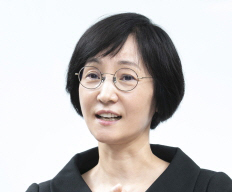
- CEO Lee Youngshin Surely, the number one value of the pharmaceutical industry is ‘new drug.’ And the multinational pharmaceutical companies’ interests are more focused on the ‘adequate value of new drug’ than ever. As the age of ‘high-cost drug’ has emerged, the government and the pharmaceutical industry’s discrepancy when viewing the drug pricing is increasingly widening. Korean Research-based Pharmaceutical Industry Association (KRPIA), an organization representing the multinational companies in South Korea, is raising its voice to narrow the discrepancy. The two parties also have had points they agree on. Last year, the South Korean health authority has expanded scope of risk sharing agreement (RSA) subjects and also announced a plan to further extend the RSA system on follow-on drugs and widen the pharmacoeconomic evaluation (PE) exemption system this year. Nevertheless, they have a mountain of tasks to work on as well. Recently, KRPIA had a conflict with National Health Insurance Service (NHIS) when it presented the revised drug pricing negotiation guideline. The government and the industry still have many issues to talk over, such as adding more drugs subject to negotiation and authorized pricing reduction, adding drugs approved with Phase III clinical evidence in development as subject for RSA, and amending detailed operational guideline for negotiating price-volume agreement (PVA). Daily Pharm met with KRPIA CEO Lee Youngshin, as she celebrates one year anniversary of her appointment, and got to listen to her opinions up close on what KRPIA sees in the age of high expectation and changes. -Based on the organization structure and member companies of KRPIA, its relationship with stakeholders tend to change time to time. For the past one year, which part did the organization concentration on? Each member company has different priority, but we are more focusing on common issues we all face instead of their respective interest. Currently, the organization has about 50 active groups, consisting of seven committees and various TF teams and working groups. With various agenda on the table, we are constantly discussing on solutions for the companies to mutually advance forward. A clear advantage is having conversations with committees formed with respective expertise. The collective expertise helps us find good solutions. The organization is trying to create a communicational platform taking in account not only for the industry, but also for other various stakeholders. -The common denominator that resonates with all stakeholders and priority, we assume, would be the ‘drug pricing.’ Let’s hear the organization’s wider perspective on the drug pricing and relevant issues. Besides KRPIA, many of stakeholders put the drug pricing first on the agenda. When the government creates regulation and environment that does not acknowledge the value of new drug by claiming the logic of drug pricing is keeping them low, the Korean pharmaceutical companies would also struggle to develop new drugs. For a single new drug to be developed, a company has to invest trillions of wons along with that many of human resources for over a decade of time. An appropriate drug pricing should be guaranteed to generate a positive cycle of constantly investing and seeking for innovative new drugs. South Korea’s national income per capita has exceeded USD 30,000, and also by growing out as a developing country, the country has consolidated its position as an advanced country. When Korea’s pharmaceutical and bio companies develop and export their new drugs, we would wish for them to be priced at an appropriate pricing in other advanced countries. There could be various opinions on what is an appropriate pricing for a drug, but for advanced countries like South Korea, using the OECD average pricing would be a reasonable answer. -It seems like the government and companies should narrow the gap between different notions of an ‘appropriate drug pricing.’ Now that the ultra expensive drugs are released to the market, the health authority’s concerns are deepening. Highly expensive drugs capable of shaking up the whole market are emerging. These expensive drugs would continue to make their ways to the market. The traditional drugs have bloomed from chemicals, but the cost of these drugs would grow further as they are branching out from new technologies in bio, cell and gene therapies. KRPIA also wishes to supply treatments with inexpensive pricing. Considering the innovativeness and social needs of a new drug, we need to have further discussion on flexibly applying ICER threshold value. In other words, RSA is the answer to mutually benefit everyone—the government, company and patients. KRPIA wants the RSA system to operate in more flexible manner, as an improved framework of RSA could have the government and companies meet eye to eye on highly expensive drugs. -As the ‘drug pricing’ has become the key agenda KRPIA deals with, the expertise in ‘government affairs’ with related government bodies are now ever so crucial. But concerned voices are growing as Vice-chairman Lee Sang Suk has left the organization, followed by Senior Director Sean Kim of Market Access and Healthcare Policy. The organization has been consistently working on government affairs. The time when KRPIA’s Senior Director Sean Kim of Market Access and Healthcare Policy Committee left the organization overlapped with the time when Health Insurance Review and Assessment Service’ (HIRA) major personnel transfer happened. And because the government has been on overdrive amid COVID-19, many of the work could not progress as we hoped to. Regardless, the organization is still engaging with the government bodies to provide them our perspectives and recommendations. Fortunately, we have recently decided on the successor of former Senior Director Sean Kim. The organization newly appointed Senior Director Kim Minyoung, a senior manager at Amgen Asia. The senior director is an excellent specialist with 25 years of expertise in market access and healthcare regulations. As she has impeccable network with the government officials, we have high hopes on her. -The headquarters of multinational companies have been lately involved with so many corporate M&A or split-up cases. And they have caused some problems in job security within the working environment. In some extreme cases, there were a couple of suicide cases within the member companies. Shouldn’t the organization step in and address the issue? The decisions on corporate M&As are made by the headquarters. Such cases have happened before, and they would stay the same in the future. Comparatively, the Korean companies tend not to go through that many M&A cases. The cultures in the headquarter countries and Korea have seem to differ from each other. In last year, the organization newly formed HR Committee. For the organization to handle the labor union issues, we have legal restrictions. However, for the relevant company management to have open conversations as much as possible, we would seek for opportunities to provide any sort of help possible. -When speaking of drug pricing and financial cost, many of the experts argue the drug pricing structure should be changed to enhance the patients’ access to new drugs. While promoting the use of generics, some say the unnecessary expenditure on pharmaceuticals, like on chronic diseases, should be reduced. But KRPIA seems to reserve its opinion on generic. That would be correct. The organization has never issued an official statement on it. It would be inappropriate for the organization to have a say in the sensitive topic affecting other stakeholders, as generics are a big part of Korean pharmaceutical companies. Generics have been the foundation of the Korean pharmaceutical industry, and it serves as a major income source of the Korean companies. One of the biggest strength the Korean pharmaceutical industry has is that every company has their own manufacturing facility. In a wider sense, we need to seek opportunities to export more Korean-made generics to the global market. -Recently, KRPIA had a dispute with NHIS. Sources say the organization submitted official statement regarding problems in NHIS meeting operation, lack of transparency in guideline revision, and illogic in pricing negation procedure. After having a meeting with NHIS, the participants were gravely disappointed in the government body. Despite our request, NHIS handed out the revised guideline at the meeting and collected them back immediately, only allowing the organization representatives to talk about limited opinions. As the guideline would work as a practical regulation to affect upper-level standards and statutes, NHIS should clearly disclose the guideline and finalize the legislation process after accepting all opinions. We welcome the government body’s decision to hold regular quarterly meetings, but we would advise NHIS to contemplate with the organization to draw up prospective improvements at the meeting. -We had sources reporting the organization having conversations on recommending different drug pricings for each indication. Setting different pricing for different indication in same substance drugs is essential to enhance patients’ treatment access. Australia and many other countries have adopted the system and we have submitted relevant recommendation to HIRA and NHIS. Although it would be challenging to implement the indication-basis drug pricing in Korea, where a single pricing is given to a single drug, the organization would continue to work with the government to introduce the system.
- Company
- Sanofi Pasteur Korea welcomes new GM Pascal Robin
- by Eo, Yun-Ho Aug 31, 2020 05:57am
- General Manager Pascal Robin The newly appointed general manager at Sanofi Pasteur Korea, Pascal Robin has started his work in the office from Aug. 25. According to the company, General Manager Pascal Robin has been successfully serving various executive-level positions for over two decades in pharmaceutical industry distribution management, strategy, management and marketing. After joining Sanofi Pasteur in 2002, he has been diversifying his expertise in all vaccination market as he comprehensively covered all areas from production to sales in domestic and global markets, and in emerging and advanced countries. Prior to his appointment in Sanofi Pasteur Korea, Robin led the vaccine sector of the company in Romania and Moldva and also took the job as a general manager at Sanofi Romania managing three areas regarding OTC, specialty care and consumer healthcare. General Manager Pascal Robin stated, “I am exhilarated to take over the general manager position in Korea, where the company has been contributing immensely to protect people in South Korea from the risk of various infectious diseases prevalent in the country by providing diverse vaccine portfolio covering infants to elderly for over 30 years.” He added, “Besides a number of new vaccine portfolio against infectious disease, the company is in process of seeking two investigational vaccines to tackle COVID-19, capable of mass-production. Amid exceptional pandemic we are currently experiencing, the company would do its best to fulfill the responsibility and role of a global vaccine company leading the vaccine market.”
- Company
- Kadcyla passed deliberation for cancer maintenance therapy
- by Eo, Yun-Ho Aug 31, 2020 05:57am
- According to related industries, the Antibody-drug conjugate (ADC) Kadcyla (Trastuzumab emtansine) passed the cancer disease review committee of the HIRA (26th). The exact criteria for applying for an increase in benefits is 'post-operative adjuvant therapy for HER2-positive early breast cancer patients with invasive residual lesions after receiving preoperative adjuvant therapy based on Taxane and Herceptin (Trastuzumab). Kadcyla, which was registered as a refund type of the Risk Sharing Agreement (RSA) in August 2017, is now available to prescribe benefits for HER2-positive, unresectable, locally advanced or metastatic breast cancer patients who have failed treatment with Herceptin and Taxane-based anticancer drugs. Roche aimed to increase benefits shortly after obtaining indications for early breast cancer in August last year, but failed. After passing through the cancer disease review committee, Kadcyla is approaching the expansion of the coverage of early breast cancer maintenance therapy in about a year of expanding indications. Meanwhile, in the KATHERINE study, Kadcyla reduced the risk of recurrence by 50% compared to Herceptin monotherapy, the current standard treatment, in patients in the high-risk recurrence group who were found to have residual cancer despite preoperative chemotherapy and surgery. The fact that the increase in the benefits of breast cancer treatment drugs has been focused mainly on the 'metastatic breast cancer' category is also a point of interest in the review of the cancer disease review committee. Treatment for breast cancer has a different purpose depending on the stage. If prolonging survival is the goal of metastatic breast cancer in terms of treatment strategy, the treatment goal of early breast cancer is cure. Currently, Herceptin (Trastuzumab) is the only targeted treatment that has been applied as a benefit in adjuvant therapy after surgery for early breast cancer. Sohn Joo-hyuk, a professor of oncology at Severance Hospital, said, "The supply environment for breast cancer drugs is much improved than before. However, if the opinions of specialists are reflected in the gray area, it will help to build a better environment. There is a need to apply more flexible benefits to the use of drugs."
