
- LOGIN
- MemberShip
- 2026-06-21 11:49:13

- Policy
- Drug-switching to AZ Ultomiris increases with aHUS reimb
- by Lee, Tak-Sun May 07, 2025 06:02am
- Product photo of Soliris and Ultomiris Drug switching for atypical Hemolytic Uremic Syndrome (aHUS) has become common practice. As 'Ultomiris (ravulizumab)' becomes reimbursed as of January in addition to previously reimbursed 'Soliris (eculizumab),' patients on Soliris are switching to Ultomiris. Two drugs are pre-reviewed medications distributed by AstraZeneca. According to industry sources on the 30th, the Health Insurance Review & Assessment Service (HIRA)'s Medical Practice Assessment Division has recently disclosed that the number of pre-reviewed cases between February and March was 15. Ten of these cases were submitted by Ultomiris for pre-review assessment. Nine of the ten Ultomiris cases were approved, while one was not. Two Soliris cases are related to the termination of administration. Two were approved, while one was not. aHUS is a rare disease in which chronically uncontrolled complement activity leads to thrombotic microangiopathy (TMA), causing persistent damage by thrombosis and inflammation to the small blood vessels throughout the body. It is known that approximately 79% of patients die or require dialysis within three years of onset and suffer permanent renal damage. The only treatment, Soliris, has been reimbursed by national health insurance since July 2018. However, because it is an expensive drug, reimbursement decisions are made through pre-review authorization as part of benefit management. The problem is that the approval rate for pre-review authorization is as low as 30–40%, prompting calls to either ease the pre-review authorization requirements or switch to follow-up review to improve patient access. Meanwhile, Ultomiris, an upgraded alternative to Soliris, has been reimbursed for aHUS since January of this year. Ultomiris is a next-generation C5 complement inhibitor with a half-life approximately four times longer than Soliris. In contrast, Soliris must be administered every two weeks, while Ultomiris extends the dosing interval to eight weeks, thereby improving convenience. As administration convenience has dramatically improved, patients on Soliris are now switching to Ultomiris. All ten cases disclosed were drug-switching administrations. In nine approved cases, Soliris had been administered in three cases in 2024, two cases in 2023, two cases in 2022, one case in 2021, and one case in 2018, and applications for coverage as Ultomiris drug-switching met the criteria and were approved. In a case where Soliris was not approved in 2022, the review committee concluded that treatment discontinuation was necessary due to symptom improvement, leading to non-approval. Drug-switching from Soliris to Ultomiris is expected to increase further. When setting the reimbursement criteria for Ultomiris, the Ministry of Health and Welfare also clarified the criteria for drug-switching. It specified that patients currently on Soliris who switch to Ultomiris must meet the maintenance criteria under the Ultomiris coverage guidelines and not meet any discontinuation criteria. MOHW also announced that the starting point for monitoring treatment efficacy and calculating the treatment period would be when Soliris was administered. However, whether reimbursing Ultomiris will raise the pre-review authorization approval rate for aHUS patients is still uncertain. This is because non-approval cases continue to occur among new patients. An industry professional said, "Since last November, pre-review authorizations for Soliris and Ultomiris in PNH have been converted to standard reviews, but for patient care, pre-review authorization should also be abolished for aHUS."

- Policy
- Increasing requests for BESREMi reimbursement
- by Whang, byung-woo May 07, 2025 06:02am
- Whether the polycythemia vera (PV) treatment BESREMi (ropeginterferon alfa-2b) will be considered for the Drug Reimbursement Evaluation Committee (DREC) review gains attention. Product photo of BESREMiAccording to the pharmaceutical industry sources, the 5th DREC of the Health Insurance Review & Assessment Service (HIRA) is scheduled to convene on the 8th. BESREMi is a next-generation interferon that targets the JAK2 mutation gene, which causes polycythemia vera. It was developed with improved purity and tolerability over existing interferons so that it can be administered every two weeks for the first 1.5 years and then every four weeks thereafter. However, despite having its reimbursement criteria set by the Cancer Drug Reimbursement Committee in March of last year, BESREMi has not yet been submitted to the Drug Reimbursement Evaluation Committee (DREC) even after 14 months, and it remains unclear whether it will be on the agenda for the upcoming 5th committee meeting. On May 2, the Korea Leukemia Patients Association called for a discussion of BESREMi's reimbursement to provide a treatment option for polycythemia vera patients with no alternatives. The Association explained, "The only treatment currently reimbursed by national health insurance is hydroxyurea. However, approximately 10–20% of all patients are either refractory or cannot continue to take the drug due to side effects. For these patients, BESREMi is virtually the only treatment alternative." As of 2023, there are 4,995 polycythemia vera patients in South Korea, who are classified into low- and high-risk groups. Professor Seong-Yun Lee of the Division of Hematology-Oncology at Ilsan Paik Hospital remarked, "Although polycythemia vera may seem small in patient pool as a rare haematologic malignancy, the patient population continues to grow. Over time, low-risk patients transition to the high-risk category, increasing the likelihood of resistance or intolerance, so the scale should not be underestimated." Notably, during the parliamentary petition in February last year to urge BESREMi's reimbursement, the initiative collected 50,552 signatures in just 30 days, demonstrating broad social consensus on the need for treatment, and the Association insists that the system and administration must respond swiftly. The Association stated, "The fact that BESREMi has not been submitted to the DREC even 14 months after the Cancer Drug Reimbursement Committee's decision reflects that the government and the pharmaceutical company are ignoring the desperate reality of patients without treatment options," and demanded, "BESREMi must be placed on the committee's agenda, approved, and quick price negotiations must follow." Nevertheless, there is reason to hope that BESREMi will be on the 5th DREC's agenda, as the HIRA's Economic Evaluation Committee has already confirmed its cost-effectiveness. The next steps will proceed based on whether the company accepts the government's proposal, and industry sources say that PharmaEssentia Korea, which has BESREMi, has agreed to the proposal after persuading its global headquarters. Although further discussions remain, some predict that BESREMi's bid for reimbursement will advance rapidly now that some compromises have been reached. The key will be the specific price-setting since, with global interferon shortages continuing and more cases of BESREMi adoption emerging, the price set in Korea may serve as a reference. It is also anticipated that PharmaEssentia Korea may propose a risk-sharing agreement (RSA) during negotiations, meaning that even after DREC approval, negotiations with the HIRA on pricing will remain a challenge for the company. Professor Lee said, "It would be ideal for all patients to receive treatment without financial burden, but considering the limits of national health insurance finances, priority reimbursement for patients who are resistant or intolerant to hydroxyurea is urgently needed. These patients have no other treatment options if they cannot be treated with hydroxyurea."

- Company
- Reimb for Pfizer Korea’s Lorviqua extended to first-line
- by Whang, byung-woo May 07, 2025 06:02am
- Pic of Lorviqua Pfizer Korea announced that Lorviqua (lorlatinib) will be reimbursed by health insurance for the first-line treatment of anaplastic lymphoma kinase (ALK)-positive metastatic non-small cell lung cancer (NSCLC) starting May 1. Lorviqua is a third-generation ALK tyrosine kinase inhibitor (TKI) designed to be effective against ALK mutations that were designed to easily cross the blood-brain barrier (BBB). In May 2022, it was granted reimbursement as a first-line treatment, 3 years after the indication was expanded to include ALK-positive metastatic non-small cell lung cancer as a first-line treatment. Patients with ALK-positive non-small cell lung cancer account for over 80% of all lung cancer cases and are characterized by relatively young age and a history of minimal or no smoking. Professor Sang Wee Kim, Professor of Oncology at Asan Medical Center, said, “It is important to treat ALK-positive metastatic non-small cell lung cancer with effective drugs based on accumulated clinical results from the early stages due to its characteristics. The reimbursement of Lorviqua is welcome news for patients who have not been able to receive proper treatment due to reimbursement restrictions, and there are high expectations in the medical field.” According to the 5-year follow-up results of the global Phase III CROWN clinical trial, Lorviqua demonstrated an 81% reduction in the risk of disease progression or death compared to the crizotinib group in patients with no prior treatment experience. Additionally, the median progression-free survival (PFS) for Lorviqua was not reached at 60.2 months of follow-up, regardless of brain metastasis status, while the median PFS for crizotinib was 9.1 months at 55.1 months of follow-up. According to an analysis of the CROWN 5-year results, this is the longest progression-free survival rate achieved among ALK-positive non-small cell lung cancer treatments to date. The safety profile of Lorviqua was consistent with the primary analysis, and no new safety signals were identified at the 5-year mark. Efficacy and safety were also consistently maintained in studies involving Asian patients. “Due to the nature of ALK-positive metastatic non-small cell lung cancer, there is a high unmet need among patients whose quality of life may be reduced due to brain metastases. It is meaningful that the reimbursement of Lorviqua as a first-line treatment will improve access to treatment for patients in Korea,” said Jin-Jeong Oh, Marketing Lead of the Oncology Business Unit at Pfizer Korea. Oh added, “Pfizer Korea will continue to strive to create significant changes in patients' lives and improve the treatment environment through various innovative therapies.”

- Company
- Reimb extension of anticancer drug combos imminent
- by Moon, sung-ho May 02, 2025 05:56am
- With the government announcing a major overhaul of its reimbursement policy for the use of anticancer drug combination therapies, there are various predictions on what specific methodology would be adopted. Curiosity is also growing about the scope of reimbursement that will be granted among the numerous combination therapies available, as well as when it will be applied. #In particular, as the MOHW has only announced the overhaul without providing any specific details, pharmaceutical companies, healthcare professionals, and patients are paying close attention and offering various predictions. According to industry sources on the 28th, the Ministry of Health and Welfare recently announced a partial amendment to the “Detailed Standards for the Application of Medical Care Benefits” with the main focus on improving the reimbursement policy for combination therapies. If confirmed as is, the amendment will be applied starting next month. The key point of the amendment is to completely change the reimbursement method for combination therapies, which has recently emerged as a major option in cancer treatment. Over the past five years, a total of 54 combination therapies using anticancer drugs have been approved in Korea. Among these, 28 involved adding new drugs to existing ones, while 26 involved combining two new drugs. However, if a new drug that is not covered by insurance is added to a drug that is already covered, it is considered a new therapy, and the existing drug is also no longer covered, placing a significant burden on patients. Furthermore, as combination therapy has become a trend in new drug development not only in Korea but also in the global market, controversy has repeatedly arisen whenever a new combination is approved in Korea. Amidst this controversy, the MOHW decided to add the following content to the revised notice: “In cases where anticancer therapy already granted reimbursement is used in combination with other anticancer drugs, the existing coinsurance rate shall apply to the existing anticancer therapy.” The MOHW added, ”In accordance with the HIRA announcement that the drug administration standards for anticancer therapy will be changed, the cost burden regulations will also be revised accordingly.” For reference, the MOHW also provided HIRA's contact information instead of its own in the administrative notice. Following the administrative notice, patient groups and related organizations such as the KRPIA unanimously welcomed the MOHW's policy. However, as no further details have been provided, questions surrounding the specific methodology are growing. Based on the announcement alone, it is unclear whether all anticancer drugs that are currently reimbursed regardless of indication will immediately be granted the same coverage when used in combination with other anticancer drugs starting in May. Even if individual treatments are currently covered by reimbursement, if they are approved for new indications when used in combination and are not covered by reimbursement, there is uncertainty as to which of the treatments will be covered by reimbursement after the administrative notice is finalized. This naturally leads to the question of whether the more expensive or less expensive one of the two drugs will be reimbursed. In addition, there are questions about whether combination therapies that have been approved by the MFDS based only on progression-free survival (PFS) data without overall survival (OS) data will be reimbursed under the MOHW's new policy. Accordingly, the industry, especially the multinational pharmaceutical companies, is paying close attention to the HIRA Cancer Disease Deliberation Committee meeting scheduled for the 30th. If the MOHW administrative notice is finalized at the end of this month, the industry expects the additional details to be announced at the CDDC meeting held at the end of April. At a CDDC meeting in October last year, HIRA established deliberation principles for discussing whether to approve reimbursement for major combination therapies and has been gathering opinions from relevant academic societies. A CDDC member, who is a university hospital professor, said, “In previous discussions, HIRA did not allow the use of drug A with reimbursement and drug B with 100% coinsurance just because their combined use was approved by the MFDS. Instead, we decided to discuss it if a request was made through the collection of opinions from academic societies.” He added, ”Even if it is approved by the MFDS if reimbursement is granted as is, it will cause problems with insurance finances, so this would require the Cancer Drug Review Committee’s control.” He added, “We were originally scheduled to discuss the opinions on combination therapy reimbursement proposed by each academic society at the end of this month. We will focus on the recommendations made in the guidelines for anticancer drugs, but it is questionable whether it is possible to switch all the recommended therapies to reimbursement at once given the current situation.” This is why there are concerns in the frontline about what will happen if the MOHW's announcement is implemented in May. Some are fearing possible reimbursement cuts. With the MOHW's policy on combination therapy announced, a series of inquiries have already been pouring in from patients during outpatient visits. A professor of hematology and oncology at a tertiary hospital, who requested anonymity, said, “HIRA has gathered opinions on the reimbursement of combination therapy through academic societies, but it is still questionable whether everything can be applied in May. I am concerned that there will be cuts when we file the claims.” He added, ”In the case of multiple myeloma, combination therapy is always used for each stage of treatment. Moreover, the number of high-priced treatments has been increasing recently,” he said, expressing his concern, ”If reimbursement cuts are made, hospitals will suffer considerable damage. We must prepare for all possibilities.” As a result, if the MOHW's policy is applied as is to clinical practice, the sequencing itself, including the number of treatment sequences, will differ for each type of cancer. A pharmaceutical industry official explained, “Although this policy is being promoted specifically for anticancer drugs, issues of equity with other diseases are bound to arise in the future. If this policy is limited to anticancer drugs, the entire sequencing in clinical practice will change. If some drugs are used in the first line because they are reimbursed, there may be cancer types for which there are no treatment options that can be used with reimbursement in the second line.” The insider concluded, “Considering all these factors if the May notice is finalized, it could cause significant confusion in practice and the pharmaceutical industry. While patients may welcome this development, it is an issue that requires more systematic discussion.”

- Policy
- Reimb for ovarian cancer treatment lacks full coverage
- by Whang, byung-woo May 02, 2025 05:56am
- Despite expanded reimbursement for homologous recombinant deficiency (HRD)-positive ovarian cancer, HRD-related tests remain non-reimbursed. The Korean medical community has taken the initiative to resolve this issue. Sources reported that the Korean Society of Gynecologic Oncology is collecting evidence to propose reimbursing the HRD tests to the Ministry of Health and Welfare (MOHW). HRD is the loss of homologous recombination repair, which is one of the DNA repair processes. When a patient tests positive for HRD, cancer cells are unable to repair DNA damage effectively. In particular, mutations in BRCA1/2 genes, commonly occurring in breast cancer and ovarian cancer, cause HRD. The HRD prevalence in ovarian cancer is clinically reported to be about 50%. The Korean Society of Gynecologic Oncology focuses on the HRD tests because of expanded reimbursement for the ovarian cancer treatment Zejula. The National Health Insurance reimbursement criteria for Zejula expanded since October last year to the treatment of HRD-positive ovarian cancer. Previously, reimbursement of Zejula was approved for patients with BRCA mutations-associated ovarian cancer who responded to platinum-based therapy in first-line treatment. Due to expanded reimbursement, Zejula is now the only PARP (Poly ADP-ribose Polymerase) inhibitor with insurance coverage for first-line maintenance therapy in HRD-positive ovarian cancer patients. Product photo of ZejulaAbout seven months after the reimbursement expansion, prescriptions for Zejula have continued to increase. Ovarian cancer patients take two 100 mg tablets once daily, and among conventional ovarian cancer treatments, Zejula is the only one with a once-daily dosing regimen. In particular, since long-term PFS extension benefits have been confirmed in the PRIMA trial and follow-up observational studies, increased prescriptions following reimbursement expansion were expected. The issue lies in the HRD-positive status that is central to the reimbursement expansion. Since the reimbursement criteria are for HRD-positive ovarian cancer treatment, confirming HRD positivity is essential. However, unlike Zejula being reimbursed, the HRD tests remain non-reimbursed. The HRD test requires a next-generation sequencing (NGS)-based gene panel assay, for which the patient must bear approximately KRW 2.5 million in costs. In contrast, BRCA1/2 mutation testing has relatively greater accessibility through national programs and partial health insurance coverage, creating a gap between the two tests. In other words, patients seeking a reimbursed prescription for Zejula must pay out-of-pocket for an expensive and non-reimbursed test. The Korean Society of Gynecologic Oncology has also recognized this issue and plans to propose a policy measure to address it. A society official stated, "From a patient's perspective, it is difficult to understand that a non-reimbursed test is required in order to prescribe a reimbursed drug," and added, "We are planning to review Korea's testing infrastructure and foreign precedents and convey related opinions to the MOHW." The society's proposal on HRD testing is scheduled to be submitted to the MOHW and the Health Insurance Review & Assessment Service (HIRA) as early as the first half of the year. However, whether they will lead to substantive discussions on formal reimbursement remains to be seen. Considering that the prevalence of HRD in ovarian cancer reaches about 50% and that most patients require testing before treatment, the real-world issue of financial burden persists. A Korean Society of Gynecologic Oncology representative added, "To improve treatment outcomes for ovarian cancer patients, the introduction and utilization of HRD testing are necessary. Therefore, institutional support will be necessary."
- Company
- Will Ebglyss benefit from the reimb changes in Korea
- by Eo, Yun-Ho May 02, 2025 05:56am
- With the tide turning in favor of allowing switching between atopic dermatitis treatments in Korea, all eyes are on whether Ebglyss will be able to emerge as a new player in the market. According to industry sources, Eli Lilly Korea accepted a price less than the evaluated amount(lower than the weighted average price of substitute drugs) set for Ebglyss (lebrikizumab) presented by the Drug Reimbursement Evaluation Committee of the Health Insurance Review and Assessment Service in February and is currently negotiating drug prices with the National Health Insurance Service. If Ebglyss is listed, there will be 6 treatment options available for atopic dermatitis in Korea. The options include the biological agents (injectables) “Dupixent (dupilumab)” and “Adtralza (tralokinumab),” and JAK inhibitors (oral) “Rinvoq (upadacitinib),” “Civinqo (abrocitinib),” and “Olumiant (baricitinib).” The health authorities have recently been considering whether to allow JAK inhibitors to be used in cases where patients do not respond adequately to existing treatments (biological agents) or have poor tolerability, which is expected to further intensify market competition. If approved, Ebglyss will immediately benefit from the regulatory changes. It was approved by the Ministry of Food and Drug Safety in August 2024 for the treatment of moderate-to-severe atopic dermatitis in adults and adolescents 12 years of age and older (weighing at least 40 kilograms) who are inadequately controlled by topical treatments or for whom such treatments are not recommended. Ebglyss demonstrated its clinical efficacy and safety profile in a pivotal Phase III clinical trial. Patients who achieve a clinical response after 16 weeks of treatment can thereafter receive a maintenance dose (250 mg) every 4 weeks, making it a useful first-line treatment option for patients with atopic dermatitis in Korea. The clinical studies on which the license was based are the Phase III ADvocate-1, ADvocate-2, and ADhere trials. The trials evaluated the clinical efficacy and safety of Ebglyss in 1062 adults and adolescents with moderate-to-severe atopic dermatitis. In ADvocate-1 and ADvocate-2, which evaluated Ebglyss as a monotherapy, Ebglyss improved outcomes, with 58.8% and 52.1% (16.2% and 18.1%, respectively in the placebo arm) achieving Eczema Area and Severity Index (EASI) 75; and 38.3% and 30.7% (9% and 9.5%, respectively in the placebo arm) achieving EASI 90 during the induction period (weeks 0-16) compared to placebo. Also, after one year of maintenance therapy (Week 52), 81.7% of the Ebglyss arm achieved EASI 75 (vs. 66.4% in the placebo arm) and 66.4% achieved EASI 90 (vs. 41.9% in the placebo arm), demonstrating significant symptom improvement in the long term.
- Company
- New dementia drug Leqembi expands prescriptions in KOR
- by Eo, Yun-Ho May 02, 2025 05:55am
- Despite being a non-reimbursed drug, the Alzheimer's treatment Leqembi is being actively prescribed in Korea. According to industry sources, Eisai Korea's Leqembi (lecanemab) is now available for prescription at major tertiary hospitals including Samsung Medica Center, Seoul National University Hospital, Asan Medical Center, and Sinchon Severance Hospital, as well as other medical institutions such as Gachon University Gil Hospital, Korea University Guro Hospital, Busan Paik Hospital, and Ilsan Gospel Hospital. Since its official launch late last year, the drug has been rapidly expanding its prescription scope in Korea. Leqembi has been proven to reduce the rate of disease progression and slow cognitive decline by selectively binding to amyloid beta (Aβ) aggregates, which are a known cause of Alzheimer's disease. Due to the lack of treatments for the disease, the desperation of the patients and their families had been indescribable. In addition to public petitions, the MFDS's Korea Orphan & Essential Drug Center has been inundated with inquiries on the date of Leqembi’s approval and supply in Korea. However, the problem is the price of the drug. In the U.S., Leqembi costs about KRW 35 million per year; in Japan, it costs KRW 27 million. Due to its high price, it will take a while for the drug to be approved in Korea and be listed for reimbursement as it requires a tug-of-war between pharmaceutical companies and the government. In the Clarity AD study, Leqembi achieved statistically significant results in both its primary and secondary endpoints. Specifically, Leqembi delayed clinical decline in brain function by 27% at 18 months compared to placebo. While the market for amyloid-targeted therapies such as Leqembi is gaining recognition for its effect in delaying the onset of dementia, the use of the drug has been hampered by its characteristic side effects. The amyloid-related imaging abnormalities (ARIA) that are often mentioned as an issue, are abnormal signals observed on MRI scans, such as brain edema or microhemorrhage that are detected with the drug’s use. Depending on how the adverse event occurs, ARIA is classified as ARIA-E and ARIA-H. ARIA-E can be observed on MRI as brain edema or sulcal effusions, and ARIA-H as microhemorrhage and superficial siderosis. Meanwhile, Leqembi has recently received approval from the European Commission (EC). As a result, Leqembi has become the first new Alzheimer's disease drug with a novel mechanism of action to be approved in Europe.
- Opinion
- [Reporter's View] USIM data leakage incident is a warning
- by Kim, Jin-Gu May 02, 2025 05:55am
- The SKT USIM data leakage incident has spread anxiety throughout society. Previously, there have been countless personal data security breaches, but the latest incident is considered differently. The scale of the expected damage is so large that it’s hard to estimate. Long lines have formed in front of SKT stores as people wait to replace their USIM cards. This incident not only exposes gaps in telecom security but also serves as a reminder of the importance of personal data protection across all sectors. The pharmaceutical and biotech industry is no exception. The information handled by biopharmaceutical companies goes far beyond simple customer data. Health information of clinical trial participants, disease and genetic data, and records of drug responses are high-risk data that, if hacked, could cause irreparable damage. Moreover, such information is routinely shared through collaborations with external partners, including hospitals, research institutes, and CROs. Even a single vulnerability in the security framework could jeopardize the entire ecosystem. The biopharmaceutical industry has had personal data breaches before. In 2024, one firm was indicted for illegally collecting the names, diagnoses, and prescribed medications of 39,000 patients from four general hospitals. In 2023, another company suffered a hack that exposed sensitive data, such as physicians' and pharmacists' names, affiliated institutions, specialties, email addresses, and mobile phone numbers. Within companies, information security departments are often undervalued. They don't directly contribute to productivity, and the nature of their work means 'doing a good job' is frequently taken for granted. Yet data security is not solely the IT department's responsibility. Every organization member, from the CEO to the researchers, must be aware of 'data risks.' Especially now, as AI-driven drug development, digital health, and telemedicine expand data-driven business models, information protection becomes not just an obligation but a 'competitive advantage.' The SKT incident is a warning. The pharmaceutical industry should learn from it, audit its security frameworks, and strengthen its crisis-response capabilities. A single moment of neglect could make the biopharmaceutical industry the next victim. It can take years to build trust, but only a single day to lose it.
- Company
- Entry of oral GLP-1 obesity drug imminent...Novo vs Lilly
- by Son, Hyung Min Apr 30, 2025 06:11am
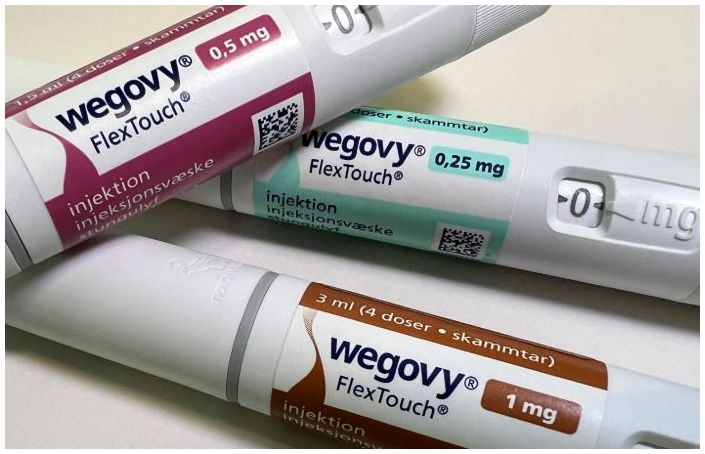
- The launch of an oral GLP-1 class obesity drug is imminent. Novo Nordisk recently completed a Phase III clinical trial for its oral obesity drug candidate and submitted a marketing authorization application to the U.S. Food and Drug Administration (FDA). Eli Lilly, a competitor of Novo Nordisk, is also developing an oral GLP-1 class drug candidate, orforglipron, as a successor to Zepbound. Lilly has confirmed significant weight loss effects of its candidate in a Phase III clinical trial. In addition, domestic and international pharmaceutical companies such as Viking Therapeutics, Ildong Pharmaceutical, and D&D Pharmatech are also actively developing oral GLP-1 drugs. Novo and Lilly complete Phase III trials side by side According to industry sources on the 28th, Novo Nordisk has completed a Phase III clinical trial for its oral semaglutide-based obesity drug candidate and recently submitted a marketing authorization application to the FDA. The pharmaceutical industry has been racing to develop new formulations since GLP-1 class obesity treatments such as Saxenda, Wegovy, and Zepbound emerged as global blockbuster drugs. The existing drug Saxenda requires once-daily administration, while Wegovy and Zepbound require weekly injections. Oral formulations are expected to gain a competitive edge in terms of convenience of administration. Novo Nordisk, which developed the oral diabetes drug Rybelsus containing semaglutide, has also begun developing an oral obesity drug. In the OASIS1 clinical trial, which confirmed the weight-loss effect of oral semaglutide, a 50mg dose of the compound demonstrated a 15% reduction in body weight compared to placebo over 68 weeks. This result was statistically significant compared to the placebo group, and adverse reactions were comparable to those observed in previous injectable clinical trials. Novo Nordisk is also developing a combination oral formulation of GLP-1 and amylin analog to stay ahead of the competition. According to clinical results disclosed to date, the average weight loss effect of this new drug candidate at week 12 was 12%. Eli Lilly has also recently disclosed the results of a Phase III clinical trial for its oral GLP-1 agent. Lilly's investigational drug, orforglipron, demonstrated simultaneous effects on HbA1c and weight loss. In the Phase III clinical trial named ACHIEVE-1, orforglipron 36 mg (once daily) reduced HbA1c by an average of 1.5% over 40 weeks. During the same period, the placebo group saw a reduction of only 0.1%. Additionally, the orforglipron group showed an average weight loss rate of 7.9%, compared to 1.6% in the placebo group, demonstrating a significant difference. In terms of safety, no significant adverse reactions were observed beyond the gastrointestinal side effects that are characteristic of GLP-1 class drug. The rate of treatment discontinuation due to adverse effects was 8% in the orforglipron 36 mg group, higher than the 1% in the placebo group, but most were mild-to-moderate in severity. No serious adverse reactions, such as liver toxicity, were reported. Lilly is preparing to submit a marketing authorization application for the obesity indication of orforglipron by the end of this year, with the diabetes indication targeted for submission in 2026. Lilly aims to shift the paradigm of the GLP-1 market, which has been dominated by injectable formulations, by leveraging orforglipron. Lilly expects a strong response from the medical field, as orforglipron is an oral small molecule drug with manufacturing ease and supply flexibility. In fact, Lilly has already invested billions of dollars in expanding its production infrastructure in the U.S. since last year to prepare for the global launch of orforglipron. Novo Nordisk and Lilly lead the oral obesity drug pathway, with Viking and Ildong among other domestic and international pharmaceutical companies in pursuit Semaglutide-based obesity drugsIn addition to Novo Nordisk and Lilly, Viking Therapeutics, Ildong Pharmaceutical, and D&D Pharmatech are also actively developing oral GLP-1 drugs. Viking Therapeutics recently announced the results of a Phase I clinical trial of VK2735, an oral candidate drug targeting GLP-1/ glucose-dependent insulinotropic polypeptide (GIP). This study evaluated the safety and tolerability of VK2735 in healthy adults with a body mass index (BMI) of 30 kg/m² or higher, who received a single daily dose of VK2735 for 28 days. The clinical results demonstrated encouraging safety and tolerability of VK2735 at a maximum daily dose of 40 mg. In detail, VK2735 at 40 mg showed a maximum weight loss effect of 5.3% compared to baseline. In terms of safety, all treatment-related adverse events reported in participants who received VK2735 were mild-or-moderate. The majority (76%) were mild, and vomiting, one of the representative side effects of obesity drugs, was not reported. Viking Therapeutics plans to confirm the potential of VK2735 through a Phase II clinical trial Yunovia, a new drug research and development subsidiary of the Ildong Pharmaceutical, is conducting a Phase I clinical trial on ID110521156, a new drug candidate in the GLP-1 receptor agonist class targeting metabolic diseases such as diabetes and obesity. ID110521156 is a small molecule drug, and the company aims to develop it as an oral synthetic new drug for diabetes and obesity with distinct advantages over existing representative treatments, such as peptide injections, including superior productivity and excellent ease of use. Previously, Yunovia confirmed the efficacy of its candidate’s insulin secretion and blood sugar control through preclinical efficacy and toxicity evaluations. Its candidate also demonstrated superior safety compared to competing drugs in the same class and confirmed promising drug characteristics in the recently completed Phase I single-ascending dose (SAD) trial. D&D Pharmatech is collaborating with U.S.-based Metsera on the development of an oral obesity drug. Previously, Metsera entered into a technology transfer agreement with D&D Pharmatech in April 2023 to acquire the rights to 'DD02S,' an oral GLP-1-based peptide obesity treatment candidate, and 'DD03,' an oral GLP-1, GIP, and glucagon receptor triple agonist obesity treatment candiate. The first patient dosing for a Phase I/II clinical trial on DD02S was completed in North America last November. D&D Pharmatech confirmed that DD02S demonstrated more than 12.5 times higher absorption rate than the currently marketed oral GLP-1-based obesity treatment ‘Rybelsus (semaglutide)’ in preclinical studies.
- Opinion
- [Reporter’s View] Consideration in legislating telemedicine
- by Lee, Jeong-Hwan Apr 30, 2025 06:07am
- Following the presidential election on June 3, which will determine the next president and new administration, one of the most urgent healthcare policies that would need to be addressed is ‘non-face-to-face treatment,’ or telemedicine. Currently, two bills to formalize telemedicine, which is currently under pilot programs, are pending in the National Assembly. Both bills were proposed by members of the People Power Party (Rep Bo-yoon Choi and Jaejun Woo). The Democratic Party of Korea is also preparing to introduce a bill to formalize telemedicine. Amid this situation, platforms that mediate telemedicine services have urged the National Assembly and the government to legalize telemedicine by fully permitting its use for all patients and to establish a system for delivering prescription medications to patients. They argued that implementing the Yoon Suk Yeol administration's unrestricted pilot program, which was launched with the goal of activating and fostering the telemedicine industry, as is, would minimize patient inconvenience and allow platforms currently operating as intermediaries to maintain and expand their revenue models. From the perspective of platforms that generate revenue by mediating telemedicine and prescription between medical institutions, patients, and pharmacies, calling for the institutionalization of telemedicine under a “negative approach” that maximizes the scope of its application is understandable. However, this conflicts with the fundamental principle of South Korea's healthcare system, which prioritizes in-person diagnosis and prescription, which is why the agenda requires careful consideration. Since telemedicine was permitted in Korea in February 2020 due to the COVID-19 pandemic, the platform industry has developed rapidly over the past 5 years. It is also a true that these platforms contributed to the stable implementation of telemedicine and preventing national and social panic caused by the spread of new infectious diseases. Nevertheless, the full legalization of telemedicine without clarifying distinctions between initial and follow-up visits or specifying the scope of application raises sufficient concerns that it could undermine or distort the domestic system built on the principles of in-person diagnosis and prescription. Furthermore, it is necessary for the executive and legislative authorities to carefully consider whether it is truly a top priority to dismantle regulations and legalize telemedicine so that all patients can receive telemedicine without any barriers, even in metropolitan areas such as Seoul and Gyeonggi Province, where medical institutions are abundant. In simpler terms, it is essential to closely examine the potential side effects that may arise if an environment is created where patients with minor illnesses can easily obtain prescription medications through telemedicine simply because they find it inconvenient to visit a hospital. The Ministry of Health and Welfare has already confirmed that non-face-to-face medical consultations have affected the overprescription of obesity drugs such as Saxenda during the pilot project, and has implemented supplementary administrative measures such as revising the list of prohibited drugs. Currently, the medical community and pharmacists are raising questions about the necessity of allowing telemedicine for conditions like hair loss or acne, which are relatively non-urgent and have low severity, as well as the need for medication prescriptions in such cases. Without properly understanding this reality, simply transferring the current unrestricted telemedicine system into legislation based on the fact that South Korea has implemented telemedicine for over 5 years could accelerate distortions in the medical delivery system or increase the risk of abnormal diagnostic and prescription practices. While radical reforms may sometimes be necessary to modernize outdated systems, such reforms inevitably come with corresponding side effects. Prior to the COVID-19 pandemic, South Korea's healthcare system had not faced significant issues, except for shortages in essential and regional medical care. Therefore, the legislative direction for the institutionalization of telemedicine to be discussed by the National Assembly after the 21st presidential election should focus on effectively resolving the collapse of essential and regional medical care, rather than promoting the telemedicine industry or developing platform business models. South Korea's healthcare system has been established and developed over the past 25 years since the separation of medical and pharmaceutical services in 2000, under the slogan “Diagnosis by doctors, dispensing by pharmacists.” If telemedicine policies are legalized solely based on the global and nationwide shock and damage caused by the novel infectious disease pandemic over the past few years, there is a risk that a system that disregards the domestic healthcare delivery system and pharmacy ecosystem may replace the current system that has been established since the separation of medical and pharmaceutical services. Given that the outcome of the June 3 presidential election will determine whether the current administration remains in power or changes, the specific direction of the telemedicine systemization will also be influenced by the results of the presidential election and subsequent legislative reviews in the National Assembly. The new president and government should prioritize making a social consensus on institutionalizing telemedicine in a manner that maintains and restores a safe and unbiased healthcare system, rather than focusing on telemedicine for the industry revitalization.
