
- LOGIN
- MemberShip
- 2026-06-22 16:59:21

- Company
- "We have clinically proven Stelara for Koreans"
- by Moon, sung-ho Oct 28, 2024 05:53am
- Due to its wide variety of conditions, Crohn's disease requires customized long-term treatment depending on the disease type and inflammatory region. When treating patients with Crohn's disease, the location of the disease is challenging because the intestinal tract of the ileum (lower part of the small intestine) is narrow. Recently, the research results of the K-STAR study, the Real-World Evidence (RWE) study of Stelara, a drug containing the original ingredient ustekinumab, was conducted for the first time in Korean patients, were published in 'IBD (Inflammatory Bowel Diseases) Journal.' The K-STAR study followed the effects and safety of Stelara in Korean patients with Crohn's disease over a year. Discussion with Dr. Byong Duk Ye and Dr. Chang Kyun Lee who have presented the first RWE study conducted in South Korea.This research confirmed clinically and endoscopically improved effects and drug tolerance profile regardless of the disease-affected regions or disease type.다. On October 14th, Daily Pharm met with the research authors, Dr. Byong Duk Ye, a Professor at Asan Medical Center (Gastroenterology), and Dr. Chang Kyun Lee, a Professor at Kyunghee University (Gastroenterology), and heard about potential changes to the treatment strategy for Crohn's disease after the K-STAR research. ▶ We have heard that the study is the first study to use the Real-World Data collected from Korean patients with Crohn's disease. Ye: The K-STAR study is a RWE study conducted from April 2018 to April 2022. It enrolled 464 patients with Crohn's disease who have started the Stelara treatment in 44 medical centers. The study evaluated the results of all adverse reactions and the efficacy over the year after the Stelara treatment. The study was significant because it was the first Stelara RWE to involve Korean patients with Crohn's disease and a multi-agency Post-Marketing Survey (PMS) study where clinical response rate·remission rate, endoscopic remission rate, and improvements to biomarker index were comprehensively evaluated. Furthermore, 60% of the patients enrolled in the study already had complications, including stenosis and fistulas. After the Stelara treatment, these patients had no further advancement in Crohn's disease and remained stable for up to 1 year. Lee: The study is meaningful because it is an RWE that shows the distribution of disease types and conditions among Koreans undergoing treatments. Unlike previously presented real-world data (RWD)-based studies were retrospective, the K-START study is significant because it collected data over a year, following pre-planned criteria from the beginning of the study. ▶ Stelara monotherapy's clinical remission rate was similar to that of the concomitant use of the drug with immune modulators. What does it entail? Ye: Patients using immune modulators often report pain during treatment due to a variety of side effects. Because of this, using the drugs in combination was uneasy. The current research showed that the clinical remission rate of Stelara monotherapy was not significantly different from that of using Stelara in combination with the immune modulator. It lowered the occurrence of side effects due to the immune modulators and provided a medical cost-saving effect ▶ We would like to hear about the report on differences in the treatment outcomes of patients previously treated with a biological agent or not. Ye: In the research, higher treatment effects were observed in patients with no prior experience with a biological agent than patients with experience of such experience. At 16-20 weeks of treatment, combined effectiveness was 50.3% for patients with no prior experience with a biological agent and 30.7% for patients with prior experience. At 52-66 weeks of treatment, 47.7% and 36.0% of combined effectiveness were observed, respectively. Both follow-up periods showed significant differences. Based on these results, greater effects can be expected when Stelara, a biological agent, is used as the first-line treatment. In my opinion, the study's importance lies in having Korean patients with Crohn's disease as study participants and in using Stelara monotherapy as the first-line treatment of a biological agent without using the drug in combination with an immune modulator. Lee: Many patients registered to the previous RWD-based studies already have prior experiences with medication, so they have undergone drug switching. This study is particularly significant because the percentages of patients with prior biological agent treatment (53.4%) and without one (46.6%) are nearly similar. ▶ In the K-STAR study, what treatment effects of Stelara were observed in the regions affected by the disease? Ye: In this research, the clinical response rate was higher in patients with the disease affecting the ileum (L1) than in patients who have the disease spread to the colon (L2) or ileocolon (L3). Typically, Anti-Tumor Necrosis Factor (TNF) agents, which show strong anti-inflammatory effects, were considered for patients with terminal ileal Crohn's disease. However, this research demonstrated that Stelara could effectively treat terminal ileal Crohn's disease. ▶How would you think the Stelara-treatable patient group would change following this research? Lee: In Korean patients with Crohn's disease, the ileum is the most affected region. Through this research, Stelara was found to effectively treat terminal ileal Crohn's disease, and the treatable patient group has expanded. We could expect to achieve treatment effects when providing Stelaral monotherapy at an early stage in patients aged 65 years and older with terminal ileal Crohn's disease who were hesitant about undergoing immune modulators. Also, Stelara was proven effective in treating patients who initially attempted anti-TNF agents and then experienced diminishing effects. We can now consider various treatment methods in the clinical setting. Ye: Regardless of disease type, over 50% of all patient groups reached clinical response, clinical remission, and clinical remission without steroids when treated with Stelara. In other words, patients with Crohn's disease with accompanying complications who were not subject to surgeries had anti-TNF agents as a treatment option. Now, Stelara can be considered depending on clinical conditions. ▶Recently, drug prescription sequence is often discussed when treating IBD, such as Croh's disease. We are curious what drugs are primarily prescribed in treating Crohn's disease. Ye: Patient-customized prescriptions are important when prescribing drugs. Safety is foremost considered when prescribing to patients who are likely to have a high risk of side effects. Administration methods are important depending on patient lifestyles. We primarily consider treatment effects for patients with poor prognosis and need to modulate inflammation quickly. Lee: Drug prescription sequence differ depending on patient profiles, so nothing is absolute. Drugs with high safety profiles are primarily used in patients who are prone to having drug-associated side effects, and drugs with superior effects are used for patients who need to treat the inflammation quickly on top of safety. Additionally, the drug prescription order is selected after a comprehensive assessment of cost issues, insurance policies, and lifestyles. In conclusion, we think that the goal of the sequence is to aim for the long-term maintenance of the treatment by considering such treatment decisions.
- Policy
- Switching between JAKis approved for atopic dermatitis
- by Lee, Tak-Sun Oct 28, 2024 05:53am
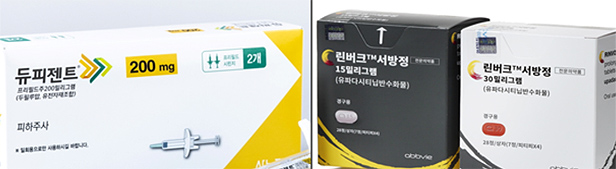
- Reimbursement for switching between severe atopic dermatitis drugs may be approved soon in Korea. However, further efforts by pharmaceutical companies would be needed to share the additional finances required. Therefore, it is analyzed that pharmaceutical companies will overcome the Health Insurance Review and Assessment Service’s review process by voluntarily reducing their drug price. According to industry sources on the 25th, voluntary price reductions are being discussed to receive reimbursement for switching between severe atopic dermatitis drugs. The reimbursement standards for switching between biologics and JAK inhibitors have already been established through expert discussions. The remaining step is for pharmaceutical companies to voluntarily reduce their insurance price ceiling to minimize the financial impact. If the proposal passes HIRA’s Financial Impact Assessment Subcommittee, it will be reviewed by the Drug Reimbursement Evaluation Committee (DREC). If it passes, final negotiations will be held with the National Health Insurance Service to expand their reimbursement standards. Currently, if a patient starts treatment with one of the biologics or JAK inhibitors and then switches to the other, they are not eligible for reimbursement or special calculations, which increases the burden on patients. However, academics argue that switching is necessary for personalized treatment. The Korean Atopic Dermatitis Association has also included cross-dosing between drugs in its recently revised guidelines and has been asking the government to allow switching. In response, the MFDS has been discussing switching between biologics and JAK inhibitors with experts since September. It became an issue in the NA Audit as well, with Rep Mi-hwa Seo, Jin-suk Jeon (Democratic Party of Korea) and Ye-ji Kim (People Power Party) demanding measures. In response, HIRA explained it has completed its review with experts and will cooperate to ensure that the follow-up process progresses as soon as possible. “We have already established the reimbursement standards that take into account the latest evidence and clinical situation, and only the issue of financial sharing remains,” said a HIRA official. In the case of reimbursement extensions, the pharmaceutical companies achieved a breakthrough by offering to share the financial burden by voluntarily reducing the price of their respective drugs. Last year, the SGLT-2+DPP-4+metformin diabetes drug combination was also reimbursed through voluntary price reductions by pharmaceutical companies. Treatments approved for severe atopic dermatitis in Korea include the biologics Dupixent (Sanofi) and Adtralza (Leupharma), and JAK inhibitors Ilumiant (Lilly), Rinvoq (AbbVie), and Civinqo (Pfizer). Of these, the voluntary price reduction rate will likely be determined based on drugs with the highest expected additional claims if switching is allowed.

- Company
- Januvia generics occupy 17% of market in 1yr
- by Kim, Jin-Gu Oct 28, 2024 05:53am
- Generic versions of the DPP-4 inhibitor diabetes drug ‘Januvia (sitagliptin)’ have expanded their share to 17% within a year of its launch. In the pharmaceutical industry, the assessment is that their penetration rate is somewhat slower compared to other DPP-4 inhibitor generics. In fact, the generic versions of Galvus (vildagliptin) and Tenelia (teneligliptin), which went off-patent before Januvia, gained market share similar to their original versions within a year of generic launch. Q3Prescriptions of Januvia and Janumet generics in Q3 reach KRW 5.1 billion…market share rate 17% According to the market research institution UBIST on the 28th, the outpatient prescription volume of sitagliptin monotherapy and sitagliptin-metformin combination therapy was KRW 30.2 billion in Q3 this year. This is down 13% from the KRW 34.8 billion in Q3 last year. In the sitagliptin monotherapy market, the generic products generated a combined prescription amount of KRW 1.6 billion. The original product, Januvia, generated KRW 5.8 billion during the period. The generic versions accounted for 22% of the single-drug market. In the sitagliptin-metformin combination market, the generics generated a combined prescription volume of KRW 3.5 billion. In the same period, the original Janumet-Janumet XR generated KRW 19.3 billion. The share of the generics in the combination market is around 15%. The generics of the entire Januvia series generated a combined prescription volume of KRW 5.1 billion. The prescriptions of the Januvia series generics have increased from KRW 2 billion in Q4 last year, KRW 3.6 billion in Q1 this year, KRW 4.5 billion in Q2, and KRW 5.1 billion in Q3. During this period, the share of generics expanded from 7% to 12% to 15% to 17%, etc. Quarterly prescriptions of Januvia, Janumet and their respective generics (Unit: KRW 100 million, Data: IQVIA) By company, Hanmi Pharmaceutical recorded the highest cumulative prescription sales of KRW 2.4 billion over the past year. Its single-agent drug ‘Sita Tab’ accounted for KRW 600 million and the combination drug ‘Sita Met XR’ accounted for KRW 1.9 billion. This was followed by Seoul Pharmaceuticals, Kyungbo Pharmaceutical, and Daewon Pharm with cumulative prescription sales of KRW 1.5 billion each. The rest of the companies have earned less than KRW 800 million in cumulative prescriptions over the past year. The 21 generic companies have accumulated less than KRW 100 million in cumulative prescriptions over the past year, which renders the average prescription revenue per company to less than KRW 100 million. Compared to Tenelia and Galvus...the speed of market penetration↓ The industry consensus is that the Januvia generics have not met expectations in terms of market penetration. Januvia's patent expired in September last year. Many companies were interested in the patent expiry of the product, as it had been the leading product in the prescription market for DPP-4 inhibitors worth KRW 600 billion a year. A total of 89 companies received approval for their generic versions, 52 of which launched products. Despite the rush to enter the market, the initial performance of the products has been disappointing. In fact, compared to other products in the same class, such as Tenelia and Galvus, Januvia generics have been slower in gaining market share. In the case of Tenelia-Tenelia M, the generic surpassed the original’s market share with a 51% share in its first year. Tenelia's patent expired in October 2022. Thirty-eight pharmaceutical companies launched generics simultaneously. Since then, Tenelia generics have quickly penetrated the market. In the first year of its launch, the combined generic prescription volume was KRW 13.1 billion, higher than that of the original's KRW 12.4 billion. In the case of Galvus-Galvus Met, the generic’s share reached 44% in the first year. The patent for Galvus expired in March 2022. Since then, generic products have steadily increased prescriptions. In the first year, combined generic prescriptions amounted to KRW 5.7 billion, significantly narrowing the gap with the original (KRW 7.4 billion). One of the reasons why Januvia generics struggled to penetrate the market earlier in its launch is that the market for DPP-4 inhibitor class diabetes drugs is already saturated. In addition to the Januvia series, the market is also dominated by originator products such as Zemiglo, Trajenta, Tenelia, Suganon, Galvus, Onglyza, Nesina, and Guardlet. Of these, Tenelia, Galvus, and Trjenta generics have emerged after their patents expired. Moreover, in the DPP-4 inhibitor diabetes market, overall prescription sales have been declining since the introduction of SGLT-2 inhibitors such as Forxiga and Jardiance. In this context, the entry of large numbers of Januvia and Janumet generics into the market, as well as the fierce competition, led to performance below expectations. This, coupled with supply and demand uncertainties during the initial launch of the generics, would have had a significant impact. Generic companies struggled to secure volumes for a while after Januvia's patent expired, as manufacturers of sitagliptin raw materials were unable to keep up with the sudden increase in demand from domestic pharmaceutical companies, leading to supply instability for Contract Development and Manufacturing Organizations.
- Policy
- Directly injected gene scissor therapy receives PT3 approval
- by Lee, Hye-Kyung Oct 25, 2024 05:49am
- An in vivo gene scissor therapy that is injected directly into the body will enter Phase III clinical trials in Korea. On the 23rd, the Ministry of Food and Drug Safety (MFDS) approved a Phase III clinical trial to evaluate the efficacy and safety of ‘NTLA-2001’ in participants suffering from Transthyretin Amyloidosis with Cardiomyopathy (ATTR-CM). 'NTLA-2001,’ which is an investigational new drug by U.S. Intellia Therapeutics, works by delivering the ‘guide RNA’ that guides the gene editing ‘Cas9 mRNA’ to the target gene in a Lipid Nano Particle (LNP) to liver cells through intravenous injection to eliminate the target gene in the liver. LNPs basically bind to ApoE in the blood and enter the liver mainly through ApoE receptors on the surface of liver cells, but there have been problems with toxicity due to excessive accumulation. However, NTLA-2001 offers enhanced biodegradability by incorporating ester links into its lipid structure and achieved a half-life of one-quarter that of conventional LNPs in animal studies. NTLA-2001 has achieved positive results in a global Phase I study as a treatment for hereditary transthyretin amyloidosis (hATTR) and is on track to become the first-in-class Crispr-based therapy. ATTR is a disease in which mutations in the transthyretin gene cause the liver to produce misfolded transthyretin protein, leading to neurological damage and heart muscle abnormalities. There are reportedly around 50,000 patients worldwide, and with an average life expectancy of 2-15 years after symptom onset, there is much interest in its cure. Meanwhile, in April 2016, the US-based Regeneron signed a collaboration agreement with Intellia Therapeutics to jointly develop next-generation gene therapies using CRISPR gene editing technology. Under the agreement, Intellia received an upfront payment of USD 75 million (KRW 104.6 billion) and is eligible to receive additional payments based on future performance. In 2020, Regeneron secured the rights to commercialize NTLA-2001 through an additional USD 100 million (KRW 139.5 billion) license agreement. Current U.S. FDA-approved treatments for ATTR include Pfizer's Vyndaqel (tafamidis meglumine) and Vyndamax (tafamidis), Alnylam’s Onpattro (patisiran) and Amvuttra (vutrisiran), and Ionis' Tegsedi (inotersen).
- Company
- Will the ATTR-CM drug 'Vyndamax' receive reimb approval?
- by Eo, Yun-Ho Oct 25, 2024 05:49am
- Product photo of Vyndamax Cap. Will 'Vyndamax,' a new drug used to treat transthyretin amyloid cardiomyopathy, successfully be listed for insurance reimbursement? Pfizer Korea's Vyndamax (tafamidis 61 mg), a treatment for ATTR-CM (ATTR amyloidosis with cardiomyopathy), has recently passed the Drug Reimbursement Evaluation Committee (DREC) of the Health Insurance Review and Assessment Service (HIRA). It is an accomplishment after 2 years and 10 months after applying for reimbursement in 2021. The last hurdle is the drug price negotiations with the HIRA. At its first attempt at reimbursement in early 2021, Vyndamax failed to receive designation as an essential medicine. After that, the economic evaluation was conducted in the first half of the same year and a second attempt was made through the Risk Sharing Agreement (RSA) program. In April 2022, the drug had not passed the reimbursement criteria committee of the HIRA. It passed the committee review in July of the same year. However, after 9 months, it received a non-reimbursement decision from the DREC review. This time, it finally passed the DREC review. As a result, the industry's attention is on whether Vyndamax would pass the drug price negotiations and get the final listing. Meanwhile, Vyndamax is the only treatment option for ATTR-CM. ATTR-CM is fatal, where the overall survival is merely 2-3.5 years when not treated timely, but patients are often misdiagnosed as heart failures. The disease is known as having poor treatment outcomes due to inadequate treatment availability. Amid these difficulties, the efficacy of Vyndamax was demonstrated through the Phase ATTR-ACT study, which showed Vyndamax reduced the occurrence of cardiovascular-related events and improved 6 minutes walking test in CM patients. As a result, Korean doctors are claiming for the necessity of Vyndamax prescription. "Vyndamax can help patients by increasing the survival rate. As Vyndamax was approved in South Korea last year, it brought immense development in the treatment setting. However, it is not yet covered with insurance reimbursement, so patients cannot start treatment after getting diagnosed," Dr. Jung-Woo Son, a Professor of Wonju Severance Christian Hospital's Cardiology.

- Product
- AZ seeks to reaffirm Tagrisso’s position in NSCLC
- by Moon, sung-ho Oct 25, 2024 05:49am
- Se-hoon Lee, a Professor at Samsung Medical Center, recently gained attention by publishing a study on Leclaza (lazertinib, Yuhan Corp), a domestic third-generation EGFR TKI (Tyrosine Kinase Inhibitor). With the advent of another option to the global standard therapy option Tagrisso (osimertinib) increasing the number of treatment options to two and rendering choices difficult on-site, Dailpharm met with Lee to hear his thoughts on treatment strategies that should be implemented in the clinical field? Sehoon Lee, MD, Professor of Hematology/Oncology at Samsung Medical Center, spoke at an event hosted by AstraZeneca on the 11thto evaluate the value of Tagrisso amid the growing number of treatment options for EGFR mutation-positive non-small cell lung cancer (NSCLC). As the event was hosted by AstraZeneca, Professor Lee first described Tagrisso as a ‘model’ treatment for the development of EGFR TKIs, starting with Iressa (gefitinib). In particular, the recent increase in the number of patients with EGFR mutation-positive NSCLC, particularly in East Asia, has made TKIs more relevant, said Lee. “Recently, the number of non-smoking lung cancer patients has been increasing, and many of them are EGFR mutation-positive NSCLC patients,” said Lee. “And new therapies have emerged, starting with Tagrisso. So it is now time for us to establish treatment strategies using third-generation EGFR TKIs.’ So what does Professor Lee see as the future strategy for lung cancer treatment? In the domestic market, the addition of Tagrisso monotherapy and chemotherapy combination therapy, as well as Leclaza monotherapy as first-line treatments for NSCLC, has rendered choice difficult for clinicians who have to prescribe treatments. At the same time, the US FDA has approved the Leclaza+Rybrevant combination therapy, and this may soon be approved in the domestic market as well. When asked about the differences between the two drugs, Professor Lee described the current situation as a ‘complex era’. While he considers Tagrisso to be the standard option, he also sees the newer drug as being in an ‘equal’ position. In other words, Tagrisso's position as a standard option remains unwaivered, even though the Leclaza+Rybrevant combination is recommended as first-line therapy in the NCCN guidelines. “I presented a study on Leclaza at the World Congress of Lung Cancer (WCLC), and we carefully discussed the evaluated study results with the sponsor, Janssen, to clarify the wording and terminology,’ says Lee. ’The gist of the presentation was that there was a possibility that lasertinib+amivantamab may be more beneficial.” He also noted the OS data for Tagrisso+chemotherapy, which is approved in Korea but is currently only available on a non-reimbursed basis. “Tagrisso monotherapy demonstrated a median overall survival of 38.6 months in the first-line treatment of EGFR-mutated NSCLC.” said Lee, adding that “Tagrisso+chemotherapy showed a significant PFS extension effect compared to monotherapy, despite the inclusion of more than twice as many patients with central nervous system metastases.” ‘The combination showed a significant improvement in survival over Tagrisso monotherapy, with a PFS of 24.9 months in patients with central nervous system metastases and 24.7 months in patients with the L858R mutation,” said Lee. ’While the data are still immature, the widening gap in OS data is now being observed, and we look forward to seeing the final data.”

- Company
- K-new drugs Rosuzet·K-CAB dominate the prescription market
- by Chon, Seung-Hyun Oct 25, 2024 05:48am
- Pharmaceuticals developed by Korean pharmaceutical companies using their R&D capacities have strengthened their influence on the outpatient prescription market. Quarterly prescription sales of Hanmi Pharmaceutical's new combination drug, Rosuzet, and HK inno.N's K-CAB exceeded KRW 50 billion, ranking at the top. Astra Zeneca's anticancer agent, Tagrisso, also exhibits a high growth rate with its expanded reimbursement. According to drug market research company IQVIA on October 23rd, Rosuzet, a combination therapy used to treat hyperlipidemia, recorded the highest outpatient prescription amount by generating KRW 53.5 billion. Rosuzet exhibited growth of 17.5% compared to Q3 last year, leading the market for the past three quarters. Pharmaceuticals ranking by quarterly outpatient sales. Hanmi Pharmaceutical Launched in late 2015, Rosuzet is a combination drug for the treatment of hyperlipidemia. It is comprised of two active ingredients: Rosuvastatin and Ezetimibe. Since Rosuvastatin·Ezetimibe combination drugs are effective in lowering low-density lipoprotein-cholesterol (LDL-C) and cost less than taking two separate drugs, they are popular in the prescription market. From generating KRW 26.7 billion in prescription sales in Q3 of 2020, Rosuzet continued to exhibit a high growth rate, doubling in size over 4 years. In Q1, Rosuzet became first pharmaceuticals developed in South Korea to rank No.1, and it continued to maintain the top-rank for three consecutive quarters. Rosuzet's cumulative prescription sales for Q3 were KRW 153.6 billion, up 17.3 % year-over-year (YoY). It is likely to exceed KRW 200 billion in prescription sales. Rosuzet has exceeded KRW 100 billion in prescription sales for five consecutive years since 2020. K-CAB's prescription sales for Q3 amounted to KRW 50.4 billion, up 27.5% YoY, ranking No.2. It surpassed Lipitor in Q2 and became second. In Q3, it chased Rosuzet by a difference of KRW 3.2 billion, placing among top-ranked pharmaceuticals. K-Cab's cumulative prescription sales for Q3 were KRW 142.2 billion, up 24.6% from the previous year. K-CAB, approved as the 30th new drug developed in South Korea in 2018, is an antiulcer drug of the 'Potassium-Competitive Acid Blockers (P-CAB)' class. It blocks gastric acid by competitive binding of proton pumps and potassium ions, which are expressed in the gastric parietal cells catalyzing gastric acid secretion in the final step. K-CAB quickly shows drug effects faster than the conventional proton pump inhibitors (PPI). It continues to exhibit a high growth trend with its benefit of taking the medication regardless of food intake. K-CAB secured five indications serially, including treatment of erosive gastroesophageal reflux disease, treatment of non-erosive gastroesophageal reflux disease, treatment of gastric ulcer, antibiotic combination therapy for the eradication of Helicobacter pylori in patients with peptic ulcer or chronic atrophic gastritis. K-CAB's sales partner changed from Chong Kun Dang to Boryung this year, but the company continued to show high growth. HK inno.N and Boryung signed a co-promotion agreement at the end of last year, and they have started to co-sell K-CAB and the Kanarb family products. Astra Zeneca's anticancer agent, Tagrisso, also exhibited significant growth. In Q3, Tagrisso generated KRW 36.5 billion in outpatient prescription sales, up 59.4% YoY. It skyrocketed 72.4% in two years from KRW 21.2 billion in Q3 of 2022. Tagrisso is an epidermal growth factor receptor (EGFR) tyrosine kinase inhibitor (TKI). EGFR-TKI is a targeted anticancer agent prescribed to patients with metastatic non-small cell lung cancer (NSCLC) who have accompanying EGFR mutations. Starting this year, Tagrisso expanded the National Health Insurance reimbursement scope to include the 'first-line treatment of locally advanced or metastatic non-small cell lung cancer (NSCLC) with specific genetic mutations' along with Yuhan's Leclaza. In Q4 of last year, Tagrisso recorded KRW 21 billion in outpatient prescription sales, showing a 73.6% increase over three quarters due to expanded reimbursement. Anticancer agents are primarily prescribed for inpatients. However, Tagrisso significantly increased outpatient prescription sales due to its oral formulation. Expanded during a similar period as Tagrisso, Leclaza recorded KRW 12.8 billion in outpatient prescription sales for Q3, up 86.1% from last year. Daewoong Bio's Gliatamin, a brain function-improving drug containing choline alfoscerate, recorded KRW 41.2 billion in Q3 prescription sales, down 4.4% from the previous year. It ranked fourth overall. Despite several issues related to its efficacy, reduced reimbursement scope, and retrieval negotiation order, it continued to influence the market for prescription drugs. In Q3, Chong Kung Dang's choline alfoscerate containing Chongkundang Gliatirin recorded KRW 31.1 billion, a 10.9% increase from the previous year, placing among the top.
- Policy
- Reimb discussions restart for BMS’s Camzyos in KOR
- by Lee, Tak-Sun Oct 25, 2024 05:48am
- The National Health Insurance Service was found to have restarted reimbursement discussions for the obstructive hypertrophic cardiomyopathy treatment Camzyos (mavacamten, BMS). BMS and the NHIS entered into drug price negotiations for Camzyos in August but failed to reach an agreement within the 60-day deadline. However, the deadline has been extended, and it is expected that the company may be able to list the drug for reimbursement as early as next month. In particular, there are opinions that the criticisms made during the NA audit may have accelerated the drug’s reimbursement discussions. Lorviqua, whose reimbursement progress was also criticized during the NA Audit, may likely skip the Drug Reimbursement Evaluation Committee review and re-enter into negotiations with the NHIS. According to industry sources on the 24th, during the NA Health and Welfare Committee’s Audit that ended on the 23rd, Democratic Party of Korea Rep. Hee-Seung Park inquired about the Camzyos’s reimbursement progress and requested its prompt reimbursement. Camzyos’s reimbursement has been in the drug price negotiation stage since early August. The deadline for negotiations was 60 days, so an agreement was supposed to be reached in early October. In response to Park's inquiry, the NHISon explained, “Based on DREC’s review results, we are in the process of negotiating with the company to set an appropriate drug price and expected claims amounts, and signing the risk-sharing agreement. However, during the current negotiation process, the pharmaceutical company requested a pause in the negotiation as it needed time to submit additional data, upon which the NHIS accepted the request and extended the negotiation deadline.” In other words, the period needed to submit the additional data was excluded from the negotiation period, which was why the deadline was extended. “In order to ensure access to new drugs for the active treatment of cardiomyopathy patients while minimizing the financial burden, we plan to closely review the financial impact data such as patient size and market share submitted by pharmaceutical companies and clinical literature to reflect the financial impact and clinical value of the drug under negotiation,” said the NHIS. Camzyos had been the focus of recent media coverage, as well as the NA audit, to ensure expedited access for the patients. As a result, payers are also reportedly considering expediting its reimbursement. As such, negotiations have resumed, raising the possibility of the drug being listed as early as next month. However, time is running out to finalize and report the negotiation results to the Health Insurance Policy Review Committee meeting that will be held next week. If not next month, there is still a good chance of reimbursement by December. Also, industry eyes are on whether Lorviqua (lorlatinib, Pfizer), which had failed negotiations with them in June, will enter into negotiations again. Lorviqua is a treatment for ALK (anaplastic lymphoma kinase)-positive NSCLC that was in the process of extending its reimbursement to first-line treatment. Initially, the company submitted an application to extend the drug’s reimbursement standards as an Expenditure Cap type RSA, but after negotiations broke down, the company reapplied for the drug’s reimbursement through the general listing pathway. According to the regular procedure, the drug must be first reviewed by HIRA’s Drug Reimbursement Evaluation Committee to start negotiations with the NHIS, but as it is a special case where the drug is switching its status from RSA to general listing, there is a high possibility that the government will simplify the procedure. during the NA Audit on the 16th of this month, Dong-Kyu Lee, Director General of MOHW’s Bureau of Health Insurance Policy, said, “We are currently in negotiations with the pharmaceutical company,’ and showed a proactive stance, saying, “We will complete negotiation as soon as possible for the benefit of the patients.’ As a result, the industry expects Lorviqua’s reimbursement agenda may skip the DREC stage and restart negotiations with the NHIS.
- Policy
- MFDS says 'no procedural issues' regarding 'Leqembi'
- by Lee, Hye-Kyung Oct 24, 2024 05:52am
- Product photo of Leqembi. The Ministry of Food and Drug Safety (MFDS) stated that there was no procedural issue during the approval of 'Leqembi (lecanemab),' a dementia treatment, that omitted the review by the Central Pharmaceutical Affairs Advisory Committee (hereafter referred to as the "Advisory Committee"). Out of 33 active ingredients of new drugs that received domestic approval since 2023, only 6 active ingredients were reviewed by the Advisory Committee. The final approval of Leqembi was based on its effects, treatment options, and monitoring plans. In answering the questions from media reporters on October 22nd, the MFDS stated that regarding the procedural issue of Leqembi approval, "The specialists in the MFDS had reviewed thoroughly based on science-based expert analysis." The MFDS explained that they had made a comprehensive assessment. In particular, the drug demonstrated a reduction in cognitive impairment (27%) in patients with mild Alzheimer's disease and the potential to provide new treatment option by targeting the removal of the significant cause of the disease (amyloid beta), unlike conventional drugs. Additionally, the drug's company established a stringent monitoring method (such as MRI monitoring) to follow ARIA, a potential side effect of treatment. Leqembi's ARIA has been identified as cerebral edema and microhemorrhage confirmed by MRI imaging test. Also, the MFDS emphasized that they could seek consultation from the Advisory Committee when they decide outside consultation is needed, but it is not a mandatory procedure during the approval process. During the National Assembly's parliamentary audit of the Health and Welfare Committee, held on October 10th, Rep. Jeon Jin-sook, a member of the Democratic Party of Korea, questioned the approval process of a new dementia drug that received a recommendation for non-approval from the European Medicines Agency's (EMA) Committee for Medicinal Products for Human Use (CHMP) due to side effects. "Although it is a new drug, approval has been granted without seeking expert opinion," Rep. Jeon said. "In the United States, this drug was approved with the required warning label statement in the prescribing information after the FDA's advisory committee meeting. Europe postponed approval," Rep. Jeon explained. In answering this question, the MFDS said, "The Pharmaceutical Affairs Act guides that the Advisory Committee shall be established to respond to inquiries from the Minister of the MFDS, but it does not mandate the Advisory Committee's review." They explained, "We request consultation from the Advisory Committee when we decide outside consultation is necessary, such as making conditional approval (requiring submission of Phase 3 clinical trial data) or marketing authorization·review." The MFDS further added that as part of Leqembi's risk-assessment plan, they will conduct a post-marketing survey (patient registration research, 6 years) and thoroughly monitor the occurrence of ARIA in Korean patients. "In the approval detail, we required management of ARIA by checking ARIA occurrences by MRI testing before and during the drug administration and suspending administration based on disease severity," the MFDS said. "Since ARIA tends to occur in the early course of treatment, we required testing before 1st, 5th, 7th, and 14th drug administration, and the administration will be suspended when the disease severity is found as moderate to severe during the testing." Meanwhile, Leqembi is intravenously administered in a sing-dose every two weeks. It is a new drug known to delay the cognitive impairment due to Alzheimer's disease by 27%. The drug eliminates 'amyloid beta' aggregates, abnormal protein in neurons, and amyloid fibrils.
- Company
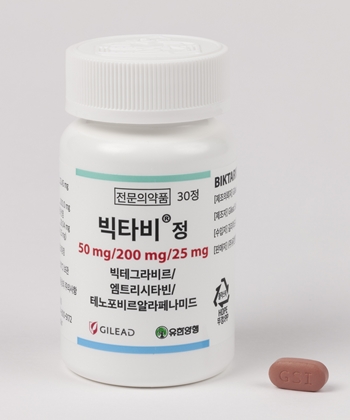
- Biktarvy’s indication expanded to patients 6yrs and older
- by Whang, byung-woo Oct 24, 2024 05:52am
- Pic of Biktarvy The indication for the HIV-1 treatment Biktarvy (bictegravir/emtricitabine/tenofovir alafenamide, B/F/TAF) has been expanded to include children and adolescents aged 6 years and older. Gilead Sciences Korea announced on the 23rd that its Biktarvy has been approved by the Ministry of Food and Drug Safety for the treatment of HIV-1 infection in children or adolescents 6 years of age and older. The approval allows Biktarvy’s use in adults and pediatric patients aged 6 years and older weighing 25 kg or more who are antiretroviral treatment-naïve or who have achieved stable viral suppression (HIV-1 RNA
