
- LOGIN
- MemberShip
- 2026-06-22 14:37:05
- Company
- Mounjaro aims for 'diabetes·obesity' synergy
- by Whang, byung-woo Nov 19, 2024 06:12am
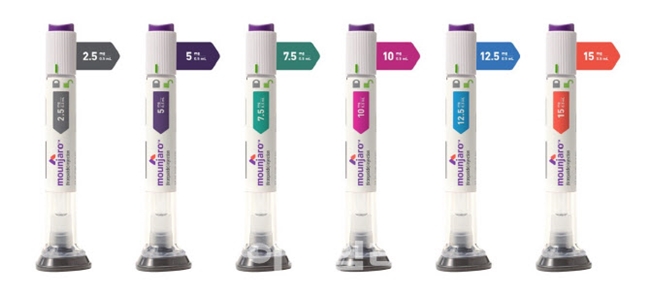
- Eli Lily's Mounjaro (tirzepatide), the first once-weekly GIP·GLP-1 receptor agonist, will enter the market with its diabetes and obesity indications. Unlike already launched Wegovy (semaglutide), Mounjaro has two indications: diabetes and obesity. Experts anticipate that Mounjaro's sales strategy will be focused on diabetes treatment although a separate indication is not a chief factor for medication choice in clinical practices. Product photo of Mounjaro. Mounjaro is a single molecule that activates both GIP and GLP-1 receptors, which are primary incretin hormones that stimulate insulin secretion in the body. Mounjaro received the Ministry of Food and Drug Safety (MFDS) approval for the treatment of type 2 diabetes in June 2023. In August, it added an indication to treat chronic weight management, resulting in two indications. Mounjaro generated significant sales in the global market, so it has high expectations for the Korean market. Mounjaro's sales in Q3 amounted to US$3.11 billion (KRW 4.29 trillion), an increase from US$1.41 billion (KRW 1.9683 trillion) last year. Zepbound recorded US$1.26 billion (KRW 1.73 trillion). In South Korea, 73.6% of patients with diabetes are overweight and obesity patients. Therefore, the analysis suggests that Mounjaro has a high potential. Hyuk-Sang Kwon, Korean Diabetes Association (Endocrinology at The Catholic University of Korea Yeouido St. Mary's Hospital), said that "Type 2 diabetes patients with obesity must be treated with a goal of improving glycated hemoglobin and weight loss." Kwon explained, "Still, many type 2 diabetes in South Korea have difficulty managing glycated hemoglobin (HbA1c) and body mass index (BMI). We need a proactive treatment to improve treatment prognosis." SungHee Choi, Korean Diabetes Association (Endocrinology at Seoul National University Bundang Hospital), said, "Mounjaro is administered as an adjuvant treatment to dietary therapy and physical therapy to improve regulation of blood sugar in adult patients with type 2 diabetes." Choi said, "Wegovy with semaglutide was recently launched. It is said that Mounjaro is positioned as the treatment for obesity rather than diabetes, but in my opinion, it must be focused as a diabetes treatment." Lily Korea says that the company is preparing for reimbursement before announcing the launch date. "We are closely discussing with the Ministry of Health and Welfare (MOHW) for reimbursement, and we have invested over US$20 billion in the past four years to expand production and distribution capacities," Lily's representative said. "In South Korea, we are putting our best efforts into supplying Mounjaro stably." Clinical practices point out high costs as a barrier. The company is expected to determine a launch date after weighing the options for reimbursement strategy and the possibility of a non-reimbursement. As the domestic distributor candidates for Mounjaro are being discussed, the industry anticipates the launch date of Mounjaro in the first half of 2025. It is said that Mounjaro will enter the market before Wegovy launches and has a market-dominating effect. Meanwhile, the latest Mounjaro's SURMOUNT-1 study results will positiviely affect obtaining reimbursement. Sub-group analysis of adults who participated in the randomized Phase 3 SURMOUNT-1 trial showed that the risk of diabetes progression was reduced by 94% after patients were treated with Mounjaro for about 3 years. The average rate of weight loss during the treatment was 15.4-22.9% for the Mounjaro group, and the average weight was reduced by 34.6~54.2lb from about 236.8lb. Mounjaro's weight loss effects observed in the early treatment stage were maintained throughout the study period.
- Company
- Academia pushes for Tagrisso’s reimbursement expansion
- by Moon, sung-ho Nov 19, 2024 06:12am
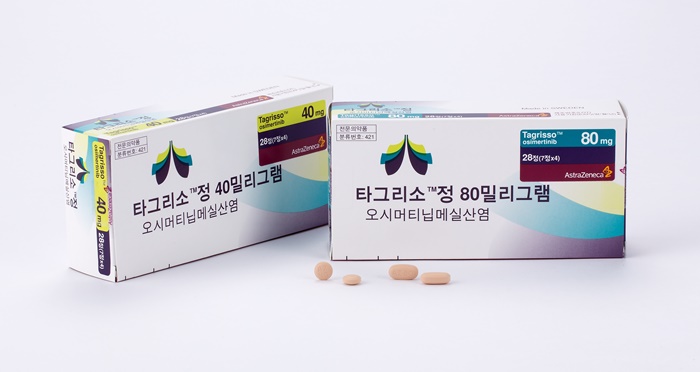
- Less than a year after AstraZeneca's lung cancer drug Tagrisso (osimertinib) was granted expanded reimbursement coverage, another round of discussions on its further expansion has begun, drawing attention to its background. As the expansion request came from the medical community, not pharmaceutical companies, it will be interesting to see if the experts' request will be granted. #On the 18th, according to the pharmaceutical industry and medical community, the Health Insurance Review and Assessment Service recently held the 8th Cancer Disease Deliberation Committee meeting in 2024 to deliberate on whether to set a reimbursement standard for Tagrisso. The committee discussed the need to set a reimbursement standard for ‘Tagrisso in combination with pemetrexed and platinum-based chemotherapy’ as a first-line treatment for patients with locally advanced or metastatic non-squamous non-small-cell lung cancer with EGFR exon 19 deletion or exon 21 (L858R) substitution mutation. In other words, less than a year after the drug’s reimbursement was expanded to its use as a monotherapy, the authorities are reviewing extending its reimbursement as a combination therapy as a first-line treatment for NSCLC. The review is based on the results of the FLAURA2 study, which compared the efficacy of the Tagrisso+chemotherapy combination therapy with Tagrisso monotherapy. Study results showed that the Tagrisso+chemotherapy combination reduced the risk of disease progression or death by 38% compared to Tagrisso alone. Median investigator-assessed PFS was 25.5 months, an 8.8-month extension compared to 16.7 months with Tagrisso monotherapy. Median PFS by blinded independent central review (BICR) was 29.4 months, compared with 19.9 months in the Tagrisso monotherapy arm. This led to a reimbursement discussion, but the outcome was a 'reimbursement standard not established’ decision However, it is worth noting the background of why CDDC decided to discuss Tagrisso's reimbursement extension. Usually, a “pharmaceutical company” applies to expand the reimbursement of anticancer drugs, but this time, the Korean Lung Cancer Society applied for the reimbursement expansion upon which the cancer review was held. The Korean Association For Lung Cancer applied to expand the reimbursement of the Tagrisso+chemotherapy combination, and AstraZeneca supported it. This means that the need to use the Tagrisso+chemotherapy combination has been recognized in clinical practice. “Pemetrexed plus cisplatin or carboplatin, which is used as combination therapy, is relatively well tolerated by patients,” said Professor Sang-We Kim (Medical Oncology) from Seoul Asan Medical Center. ”It can be relatively difficult because you have to receive chemotherapy for four cycles, but from the fifth cycle, you receive only pemetrexed. Given the positive outcomes, including PFS in the FLAURA2 study, the combination may be a viable first-line treatment option compared to Tagrisso monotherapy.” As such, AstraZeneca is expected to further review the data and decide whether to reapply for reimbursement expansions. However, there is a possibility that AstraZeneca may not pursue the reimbursement expansions, given that any additional reimbursement would require further price cuts for Tagrisso. A HIRA official said, “The regulations allow medical societies to apply for reimbursement of drugs. This is what happened to Tagrisso. There have been many such cases before. However, even if a medical society applies for a reimbursement expansion, it may not be possible to discuss it without the cooperation of the pharmaceutical company because the drug’s cost-effectiveness must be verified.” “For new drugs that are applied the risk-sharing agreement, it is more often the pharmaceutical company that applies for reimbursement coverage, as they have to prove the drug’s cost-effectiveness. However, it has always been possible for academic societies to apply for reimbursement expansions, like in this case.”
- Company
- Premium meningitis vaccine Bexsero lands in hospitals in KOR
- by Eo, Yun-Ho Nov 18, 2024 05:49am
- The next-generation meningococcal vaccine, ‘Bexsero’ can now be prescribed in general hospitals in Korea. According to industry sources, GSK Korea’s Bexsero, the first meningococcal B vaccine introduced to Korea, has passed the drug committees (DCs) of the Big 5 tertiary hospitals, including Samsung Medical Center, Seoul National University Hospital, Seoul St. Mary's Hospital, Seoul Asan Medical Center, and Sinchon Severance Hospital. Kyungpook National University Hospital, Korea University Anam Hospital, Korea University Ansan Hospital, Inje University Paik Hospital, Seoul National University Bundang Hospital, Seogwipo Medical Center, Ajou University Hospital, and Pusan National University Yangsan Hospital. Meningococcal infections can cause invasive meningococcal infections, meningitis, and sepsis. Invasive meningococcal infection progresses rapidly and can cause death within 24 to 48 hours of the onset of symptoms. Even with treatment, the disease is deadly, with a fatality rate of 8-15%. Typical serogroups of meningococci that cause invasive meningococcal infections in humans include A, B, C, W, X, and Y. The most predominant meningococcal serogroup in Korea, the United States, and Europe are serogroup B, with high levels found in infancy and adolescence. From 2010 to 2016, the proportion of meningococcal B serogroup cases identified in Korea was 28%, but from 2017 to 2020, the rate increased significantly to 78%. Meningococcal B's capsular polysaccharide is structurally similar to human tissue, which has made vaccine development challenging due to the risk of autoimmune damage. GSK developed Bexsero by applying novel technologies that employ genome sequencing. Since its initial European approval in 2013, GSK has accumulated over a decade of experience in preventing meningococcal B infections, conducting 17 studies on subjects aged 2 months to adults. Professor Hyunmi Kang, Department of Pediatrics at St. Mary's Hospital in Seoul, said, "The prevalence of meningococcal serogroups varies across countries and time periods, so it is not easy to predict. In Korea, serogroup B meningococcal infection cases have increased in recent years, increasing the need for its prevention.”
- Company
- 'Tevimbra' can be prescribed at general hospitals
- by Eo, Yun-Ho Nov 18, 2024 05:49am
- 'Tevimbra,' a type of immune checkpoint inhibitor, is becoming more widely available for prescription at general hospitals. According to industry sources, BeiGene's PD-1 inhibitor Tevimbra (tislelizumab), which has applied for reimbursement for its esophageal cancer indication, has passed the drug committees (DC) of tertiary general hospitals, including Samsung Medical Center, Seoul National University Hospital, Seoul St. Mary's Hospital, and Asan Medical Center. Tevimbra is a PD-1 inhibitory immune checkpoint inhibitor that demonstrated clinical usefulness as the second-line therapy for esophageal squamous cell carcinoma. It was approved in South Korea in November 2023. The drug passed the Cancer Disease Review Committee (CDRC) of the Health Insurance Review and Assessment Service (HIRA) in August in its second attempt and is awaiting consideration for the Drug Reimbursement Evaluation Committee (DREC) review. Since there haven't been any immune checkpoint inhibitors with reimbursement for esophageal cancer, it remains to be watched whether Tevimbra will become available as the new treatment option. Currently, seven immune checkpoint inhibitors have been approved or authorized for marketing in South Korea, including ▲Keytruda ▲Opdivo ▲Tecentriq ▲Imfinzi ▲Bavencio ▲Jemperli ▲Tevimbra. The number of indications for these drugs totals 64. However, only 21 therapies are reimbursement-listed (about 33%). None of these drugs are included on the reimbursement list for the treatment of esgophageal cancer. In South Korea, platinum-based anticancer chemotherapy is approved for reimbursement as both first-line therapy and second-line therapy or higher for esophageal squamous cell carcinoma. The low reimbursement rate for immune checkpoint inhibitors in each indication, such as esophageal cancer, is due to drug price and finance. It has been known that after drugs were reimbursed for treating several cancer types, such as lung cancer, the overall claim amount for immune checkpoint inhibitors and the percentage of anticancer agents under the National Health Insurance significantly increased, resulting in a financial burden. Based on the 2023 report, the claim amount of anticancer agents was KRW 2.4 trillion. The claim amount for immune checkpoint inhibitors was about KRW 500 billion, accounting for 20% of the anticancer agents' claims. Patients have high hopes for BeiGene's Tevimbra because the company announced the drug supply at a relatively lower price. BeiGene has already demonstrated its 'Fair pricing of innovative new drugs' philosophy to eliminate potentially excluded patients through the reimbursement procedure for the blood cancer treatment, 'Brukinsa (zanubrutinib).' Meanwhile, the global Phase 3 clinical RATIONALE-302 study showed Tevimbra prolonged the median overall survival (OS) by 2.3 months compared to chemotherapy (8.6 months vs. 6.3 months), statistically reducing the death risk by 30%. The response rate was twofold higher in Tevimbra compared to chemotherapy (20% vs. 10%), and Tevimbra extended the median duration of response (DOR) by approximately three months, from 4.0 months to 7.1 months. As a result, the National Comprehensive Cancer Network (NCCN) Guidelines were revised, detailing Category 1 recommendation for Tevimbra as a favorable option for second-line therapy for esophageal squamous cell carcinoma.
- Policy
- HK Inno.N to distribute Tamiflu as Roche’s new partner
- by Lee, Tak-Sun Nov 18, 2024 05:49am
- HK Inno.N will be responsible for the domestic distribution of ‘Tamiflu Cap’ in addition to the distribution of the antiviral drug ‘Xofluza.’ The company is expected to gain external growth with the distribution of Tamiflu, which has an annual sales volume of KRW 15 billion. According to industry sources on the 15th, HK Inno.N sent a letter to its business partners and announced that it will distribute Roche Korea’s Tamiflu Cap. 30/45/75mg from the 14th. Tamiflu is “the” antiviral flu drug. Its sales were sluggish in 2020 and 2021 during the height of the COVID-19 pandemic, but have risen significantly since last year with the rise of the flu epidemic. Last year, its outpatient prescriptions amounted to KRW 15 billion based on UBIST. Its previous distributor, Chong Kun Dang had distributed Tamiflu in Korea since 2012, but the companies’ partnership ended last year and Roche has been seeking a new domestic partner since. Last year, HK Inno.N signed an exclusive domestic distribution and commercialization agreement with Roche Korea for the antiviral flu drug Xofluza (baloxavir marboxil). Under the agreement, HK Inno.N will distribute Xofluza for 2 years and jointly conduct marketing and sales activities with Roche Korea. Xofluza is a new drug that can treat influenza with just one dose, unlike other oral influenza treatments that require 5 days of administration. It is the first flu antiviral drug to be developed in 20 years. However, Xofluza is still non-reimbursed in Korea, so it has not been able to raise significant domestic sales. If it succeeds in being reimbursed in Korea, it is expected to take over Tamiflu's sales. Roche had shown its trust in HK Inno.N, signing for Tamiflu following Xofluza. HK Inno.N is expected to become Roche's new partner in Korea after Chong Kun Dang. “HK Inno.N has recently emerged as a key player in the domestic respiratory virus drug market, supplying Pfizer's new COVID-19 vaccine,” said a pharmaceutical industry insider. ”Its distribution of Tamiflu will help accelerate the company's external growth and raise company awareness in the antiviral drug market.”
- Company
- Demand rises for reform of the cancer drug reimb system
- by Moon, sung-ho Nov 18, 2024 05:49am
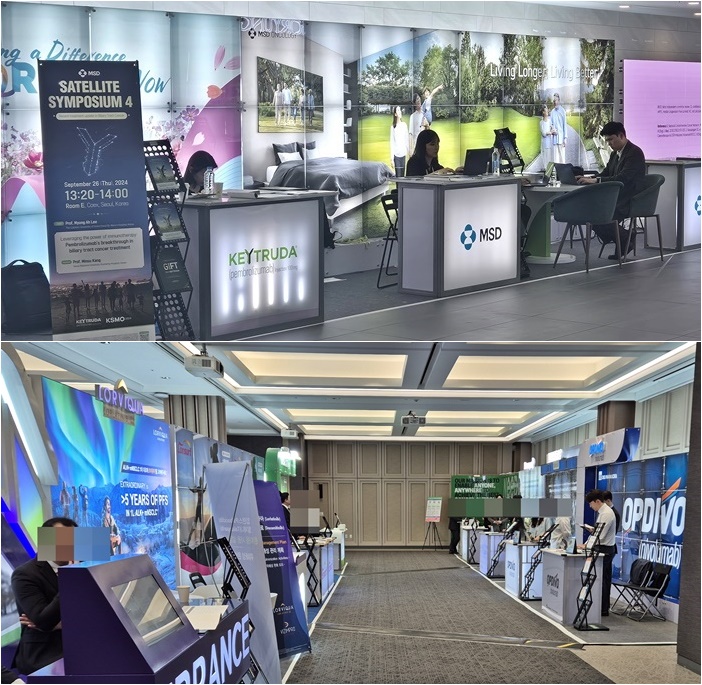
- With the presence of new anticancer drugs increasing in the clinical field, the pharmaceutical industry has been demanding the authorities apply a new reimbursement model in Korea. In addition to the existing immuno-oncology drugs, the emergence of antibody-drug conjugates (ADCs), which have proven effective in various cancers, has led to calls for different drug prices for each 'indication.’ # These calls have been mainly coming from multinational pharmaceutical companies that own new anticancer drugs, but they have been met with a lukewarm response in the field. The reason is that the system they requested considers the profitability of companies rather than the patients. According to industry sources on the 9th, as immuno-oncology drugs or ADCs with indications for various cancer types have recently been introduced to the field, the opinion has been raised on how different drug prices should be applied to the same drug by indication. The system, indication-based pricing (IBP), is a further subdivision of value-based pricing (VBP), which states that drug prices should reflect the actual value of drugs. Currently, the single-price policy used by Korea’s health insurance system bases a drug’s price on the initial indication. For each additional indication that is covered, the existing drug’s price must be reduced to reflect the expanded scope of coverage. For example, if an immuno-oncology drug called A is initially approved for lung cancer, and then expands its indication to gastric and breast cancer, the existing price must be reduced through negotiation to reflect the increased use in practice. The problem is that an increasing number of drugs have indications for multiple cancers, including major immuno-oncology drugs and ADCs, and as demand for their reimbursement is rising, the current single-price system cannot accommodate all the indications. One such treatment is MSD Korea's immuno-oncology drug Keytruda (pembrolizumab). As of August, Keytruda was approved in Korea for 33 indications in 17 different cancers. Since last year company has been pushing to expand reimbursement for Keytruda. It has applied for reimbursement of a total of 17 indications in Korea but has not been able to cross the Cancer Disease Deliberation Committee’s threshold. After applying for reimbursement for 13 of its indications last year, the company has added 4 more indications this year: ▲MSI-H gastric cancer, ▲MSI-H biliary tract cancer, ▲HER2-positive gastric cancer, and ▲HER2-negative gastric cancer. MSD Korea recently submitted an additional financial-sharing proposal that included a gastric cancer indication and is reportedly making every effort to cross the CDDC threshold. The multinational pharmaceutical industry is of the opinion that the government should consider treatments with multiple indications, including immuno-oncology drugs such as Ono Pharmaceutical’s Opdivo (nivolumab), Roche’s Tecentriq (atezolizumab), AstraZeneca’s Imfinzi (durvalumab), and ADCs represented by Enhertu (trastuzumab deruxtecan), and the autoimmune disease treatment, Sanofi’s Dupixent (dupilumab). “In the current system, we have to apply for the reimbursement of each indication separately, which means that we have to continuously conduct negotiations with the government,” said one multinational pharmaceutical industry official. ”I think the need for indication-specific pricing, which is being adopted in some countries overseas, is a reference to the need that we need to find a more efficient way to work the system.” In fact, major countries such as the United Kingdom, France, Germany, Italy, Japan, Switzerland, and the United States have adopted indication-specific pricing, said the official. “The use of a single drug for multiple indications will be increasing not only in cancer but also in other diseases,” said the official. “We need a more comprehensive approach.” Then how do clinicians who actually use the drugs on-site feel about the need? First of all, the pharmaceutical industry’s dominant opinion is that IBP is necessary for 'multinational pharmaceutical companies,' but believes in the need for a cautious approach in implementing the system. This means that while the need is acknowledged, patient consent should be prioritized. For now, the demand is more focused on the profit logic of pharmaceutical companies than an improvement on the patient’s part. “With the rising number of anticancer drugs that hold multiple indications, I do agree on the need to calculate drug prices by indication,” said Dr. Shin-kyo Yoon, Professor of Oncology at Asan Medical Center, ”but the opinions of patients are more important than ours. It is not easy because the entire system would need to be reorganized.” Another professor of oncology at a university hospital said, “It's not an easy problem, as the price cuts in the current system are entirely borne by the drug companies. The IBP seems to have come about because they have to apply for reimbursement while avoiding drug price reductions and receive approval for the additional indications. In the end, it's a problem that the government should need to address.” As such, introducing IBP has been mentioned during the National Assembly's audit, which ended last month. However, the Ministry of Health and Welfare and the Health Insurance Review and Assessment Service did not specifically mention the need for such a system, saying that the necessity of the system should be reviewed first. At the same time, the authorities stated that it is time to think about how too much of Korea’s health insurance finances are being spent on reimbursing anticancer drugs. The MOHW said, “We will review the necessity of introducing a Korean-style IBP system that reflects the value of each indication by comprehensively considering various factors such as expanding access to new drugs and the impact on health insurance finances. However, we would need to conduct literature reviews, explore domestic and foreign cases, evaluate its operability within the current drug pricing system and the national health insurance system, and calculate the benefits of introducing the system comprehensively.” It added, “The post-settlement method, in which the actual price is set differently for each indication and then settled between the payer and pharmaceutical companies, requires sufficient review and public discussion on the method of calculating drug prices by indication and the reimbursement method between the payer and pharmaceutical companies.” “In the case of anticancer drugs, many good drugs are being released, but at a higher than we expected,” said Kook-hee Kim, Director of the Pharmaceutical Management Division at HIRA. ”Recently, we have been managing finances by adjusting the reimbursement standards for artificial tears and choline alfoscerate drugs, but there is a concern on whether such saved finances should be solely invested in anticancer drugs.”

- Company
- Six reimbursement revaluations fail in 4 years
- by Chon, Seung-Hyun Nov 15, 2024 05:49am
- Six items have been removed from the reimbursement list after reimbursement reevaluations during the past 4 years. Silymarin bilberry fruit dried powder, followed by itopride, failed the reimbursement reevaluations. Streptokinase - streptodornase, oxiracetam, and acetylcarnitine were also removed due to reimbursement reevaluation failures. Pharmaceutical companies are facing annual losses of up to KRW 240 billion as a result of the 6 drugs' reimbursement reevaluation failures. According to the Ministry of Health and Welfare on the 14th, 55 itopride-based drugs have been removed from the reimbursement list as of this month. The move follows the government's reimbursement revaluation. The health authorities selected 7 ingredients, including thioctic acid, pranlukast, itopride, sarpogrelate, levodropropizine, mosapride, and formoterol, to be reevaluated this year. As a result, the authorities concluded that itopride lacked clinical efficacy and was removed from the benefit. Three components - thioctic acid, pranlukast, and mosapride - were recognized as clinically useful and will remain on the reimbursement list. In the case of sarpogrelate and levodropropizine, the two will be removed from the reimbursement list but will remain covered if pharmaceutical companies voluntarily reduce their prices. The decision of formoterol was deferred pending clinical reevaluation by the MFDS, with the condition that the NHIS will recollect a portion of their reimbursement costs if the drugs fail to prove clinical efficacy. This means that only itopride fully failed the reimbursement reevaluations, and all products containing itopride will be removed from the reimbursement list. Itopride products from JW Life Science, JW Pharmaceutical, Kuhnil Biopharm, KyungDong Pharm, Kwangdong Pharmaceutical, Kukje Pharm, Nexpharm Korea, Novem Healthcare, NEWGEN Pharma, Daewon Biotech, Daewon Pharmaceutical, Dongsung Pharm, Dongwha Pharmaceutical, Mother’s Pharmaceutical, Medix Pharm, Bukwang Pharmaceutical, Samsung Pharm, Celltrion Pharm, Sinil Pahramcetucial, Shinpoong Pharmaceutical, iCure Pharmacueticals, Ahngook New Pharm, Ahngook Pharmaceutical, Alvogen Korea, SPC, Neo Bio Korea Pharm, Youngil Pharm, Young Poong Pharmaceutical, Yuyu Pharma, Yuhan Corp, Eden Pharma, Reyon Pharmaceutical, Intro Biopharma, Il-Yang Pharmaceutical, Ilwha, Jeil Pharmaceutical, Chong Kun Dang, Jinyang Pharmaceutical, Cosmax Pharma, PharmaKing, Poonglim Pharmatech, Hana Pharm, BMI Korea, Abbott Korea, Union Korea Pharm, Korus Korea, Korea Pharma, Pharmbio Korea, PMG Korea, Hutecs Korea Pharmaceutical, Han Wha Pharma, Whan In Pharm, Huons Meditech, Huons Life Sciences, will be withdrawn from the reimbursement market. Itopride is used to treat digestive symptoms caused by functional dyspepsia. According to the drug research institution UBIST, it generated KRW 23.6 billion in outpatient prescriptions last year. Itopride's prescription volume has decreased 18.7% in 5 years from KRW 29.1 billion in 2019 but has maintained prescription sales of over KRW 20 billion annually. From the pharmaceutical companies’ perspective, the reimbursement cut for itopride means a loss of more than KRW 20 billion a year. During the various reimbursement reevaluations that were conducted since 2021, a total of 6 ingredients were removed from the reimbursement list. In 2021, the health authorities announced a plan to reevaluate the reimbursement adequacy of 5 ingredients, including ▲grape seed extract Vitis vinifera (grape seed and grape leaf extract), ▲avocado soya, ▲ginkgo biloba dried extract, ▲bilberry dry extract, and ▲ silymarin. Among them, silymarin and bilberry dry extract were concluded to be inadequate for reimbursement and were removed from the health insurance reimbursement list. For both silymarin and bilberry dry extract, the prescription market has not been eliminated as some products that have filed administrative lawsuits have retained their reimbursed status. However, the prescription market has shrunk significantly due to the mass breakaway of products that accepted the reimbursement deletion. Silymarin's prescription market size grew 44.6% over 3 years, from KRW 23.6 billion in 2019 to KRW 34.1 billion in 2022, showing a significant increase in demand in the prescription market. Silymarin is an OTC drug used for toxic liver disease, hepatocyte protection, chronic hepatitis, and cirrhosis. However, after failing reimbursement reevaluations, sales fell to KRW 26.7 billion in 2022, down 21.5% from the previous year, and then to KRW 25.7 billion last year, down 24.8% from 2 years ago. Last year, the prescription amount of bilberry dry extract was KRW 13.3 billion, down 30.3% from the previous year. Bilberry dry extract is a drug used to improve retinal degeneration and vascular disorders of the eye caused by diabetes. The prescription market for bilberry dry extract was worth KRW 31 billion in 2021, but after the government deleted its reimbursement status, sales dropped 38.5% to KRW 19.1 billion in 2022 and shrank further last year. Prescriptions for bilberry dry extract last year shrank by 57.1% compared to two years ago. Streptokinase - streptodornase (Strepto preparations), oxiracetam, and acetyl L-carnitine, which were eligible for reimbursement but failed to pass the MFDS’s clinical reassessment, have seen their prescription market decline to the point of extinction. Last year, the prescription market for strepto preparations was KRW 16.1 billion, down 41.0% from the previous year. In 2022, the MFDS determined the strepto preparations lacked clinical efficacy during reimbursement reevaluations. However, given the ongoing clinical reassessment, conditional reimbursement was offered to defer the reimbursement reevaluation results only for items that agreed to refund the reimbursed costs based on the outcome of the clinical reevaluation. Strepto preparations are used for the “relief of acute inflammatory edema caused by ankle surgery or trauma to the ankle” and “difficulty in bile drainage accompanying respiratory diseases.” In 2017, the MFDS ordered a clinical reevaluation of strepto preparations after controversy arose over their efficacy. However, the clinical reevaluation failed to prove their efficacy, and the drug was excluded from the health insurance reimbursement list in December last year, the the indications were also deleted. Oxiracetam and acetyl L-carnitine were selected for reimbursement reevaluations last year but failed clinical reevaluations and were unable to proceed to reimbursement reevaluations. In January, the prescription and dispensing of oxiracetam was discontinued after the clinical reevaluation failed to verify the drug’s efficacy. Oxiracetam was approved for the treatment of cognitive impairment caused by Alzheimer's disease, multiple sclerosis, and temperamental brain syndrome due to brain dysfunction. Oxiracetam generated KRW 23.2 billion in prescription sales in 2022, but its clinical reevaluation failure wiped out the prescription market. Acetyl-L-carnitine was subject to reimbursement reevaluations in 2023 but was not evaluated due to its failure to pass clinical reevaluations. Acetyl-L-carnitine is licensed for use in “primary degenerative diseases” or “degenerative diseases secondary to cerebrovascular diseases.” In 2013, the MFDS ordered a clinical reevaluation of acetyl-L-carnitine preparations. However, in 2022, the indications were removed due to the drug’s failure to demonstrate efficacy in both indications. Acetyl-L-carnitine had a prescription market worth KRW 77.9 billion in 2019, but its removal from both the approval and reimbursement list led to losses for pharmaceutical companies. The 6 ingredients that were removed from the reimbursement list among those subject to reimbursement reevaluations over the past 4 years since 2021 had a combined prescription volume of KRW 242.3 billion in 2019. Pharmaceutical companies have realized an annual loss of KRW 242.4 billion in prescription sales due to the removal of the 6 ingredients.
- Policy
- AZ’s Imjudo and Imfinzi both make reimbursement progress
- by Lee, Tak-Sun Nov 15, 2024 05:49am
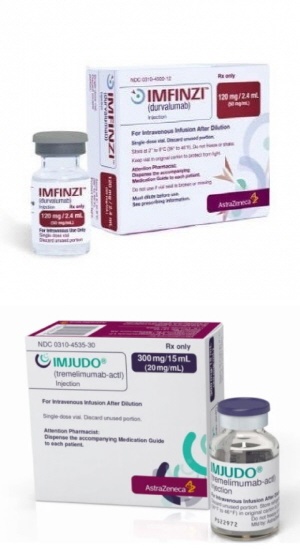
- AstraZeneca (AZ) Korea’s ‘Imjudo Inj.’ Has passed the first step to reimbursement listing in Korea. Also, reimbursement standards for ‘Imfinzi Inj,’ which is seeking reimbursement expansions, were set. However, these are only the first steps to reimbursement. On the 13th, the Health Insurance Review and Assessment Service held the 8th Cancer Disease Review Committee in 2024 to deliberate on the reimbursement standards for anticancer drugs. As a result of the deliberation, reimbursement standards were set for the new drug Imjudo Inj (tremelimumab) but not for Tecvayli Inj (teclistamab, Janssen). Imjudo is indicated for the first-line treatment of adult patients with advanced or unresectable HCC in combination with durvalumab. Here, durvalumab is AZ's immuno-oncology drug Imfinzi. Imfinzi is indicated for the treatment of patients with unresectable locally advanced non-small cell lung cancer (NSCLC) whose disease has not progressed after platinum-based concurrent chemoradiotherapy (CCRT). However, based on clinical results, the company has been seeking to expand its coverage to include liver and biliary tract cancers. One such example is the Imfinzi-Imjudo combination as a first-line treatment for liver cancer. Another is biliary tract cancer. Since February, Imfinzi+gemcitabine+cisplatin has been used for the first-line treatment of patients with locally advanced or metastatic biliary tract cancer. However, Imfinzi is currently paid fully out-of-pocket. As Imfinzi is an expensive drug, costing KRW 3,347,202 per bottle, healthcare professionals as well as patients have been requesting Imfinzi be covered by the government. The patients' voices were also discussed as an agenda at the last national audit. In response, HIRA had promised a proper review. On this day, their efforts bore fruit. Reimbursement standards were finally set for the drugs. With both drugs being set reimbursement standards, AZ can now look forward to the prompt reimbursement of both of its drugs. However, another AZ drug - Tagrisso (osimertinib mesylate), the company's flagship treatment for non-small cell lung cancer- failed to make the cut. The company sought to set reimbursement standards for Tagrisso in combination with pemetrexed plus platinum-based chemotherapy in the first-line treatment of patients with locally advanced or metastatic non-squamous NSCLC with an EGFR exon 19 deletion or exon 21 (L858R) substitution mutation, but the application was not accepted. On the same day, the CDDC deliberated on reimbursement standard improvements proposed by medical societies. As a result, requests to improve the phrase - “failed chemotherapy including docetaxel” - wording in the subjects for prostate cancer chemotherapy, and suggestions regarding the administration of palliative therapy in case of recurrence/metastasis during or after the administration of adjuvant therapy, were accepted.
- Company
- Leqvio with 'twice-yearly treatment' set for mkt
- by Whang, byung-woo Nov 15, 2024 05:49am
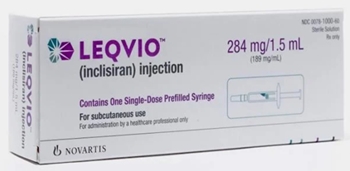
- Leqvio is set to challenge the market with its superior drug tolerance, administered twice yearly, compared to existing treatments. Product photo of Leqvio.According to the pharmaceutical industry on November 15, Novartis Korea launched the siRNA therapy Leqvio (inclisiran) on November 11. Lecvio is the first-in-class siRNA drug approved in South Korea. It is approved as an adjunct to dietary therapy for patients with primary hypercholesterolemia (heterozygous familial and non-familial) and mixed dyslipidemia. Leqvio uses naturally occurring siRNA to block PCSK9 protein production and lower LDL cholesterol levels. It has the advantage of its twice-yearly administration by doctors, reducing the challenges associated with self-injection. Novartis is reportedly working to establish prescription access for Leqvio in general hospitals. Industry sources said that Drug Committee (DC) approvals for Leqvio are proceeding across hospitals nationwide, with some hospitals already completing the process. Novartis' Leqvio was launched in South Korea after the product became available. Novartis is expected to start building its prescription sales as the DC reviews advance within general hospitals. With Leqvio prescriptions anticipated, there is growing interest in how Novartis’ domestic sales strategy will unfold. Although specific details have not yet been announced, it is anticipated that Novartis will consider either utilizing its own sales line or engaging in co-promotion with a Korean company. Leqvio's competing drug, Amgen’s Repatha, is co-marketed with Jeil Pharmaceutical. However, given Leqvio’s potential focus in general hospitals, Novartis may utilize its internal sales team. Will Leqvio lead the prescription trend? It will depend securing reimbursement Experts anticipate that Leqvio will have a market presence despite cost hurdles, as cholesterol management trends evolve to prioritize patient convenience along with clinical effectiveness. For hypercholesterolemia patients, maintaining LDL-cholesterol (LDL-C) at recommended levels consistently and early on is crucial in reducing the risk of atherosclerotic cardiovascular disease (ASCVD). Long-term strategies are anticipated to shift toward minimizing the frequency of medication doses for patients, with an increased focus on injection therapies that allow healthcare providers to monitor patient progress directly. "While statins require daily use and Repatha requires 26 injections annually, Leqvio is administered in twice-yearly injections by a doctor," Dr. Byeong-Keuk Kim, a cardiologist at Sinchon Severance Hospital, said. "Doctors face difficulty when patients who don’t respond well to statins. Now, we could have Leqvio as a treatment option." "Leqvio’s six-month dosing schedule could improve drug adherence, potentially resulting in a sustained decrease in LDL-C levels and lower cardiovascular risk in clinical practice," Dr. Kyung Woo Park, a cardiology professor at Seoul National University Hospital, said. However, with the competing PCSK9 inhibitor Repatha already reimbursed, Novartis' primary aim would be on obtaining reimbursement for Leqvio. Repatha’s reimbursed cost is approximately KRW 121,000 per injection, with recommended dosing every two weeks or once monthly at 420 mg (three dosages), bringing annual treatment costs to KRW 1.45 million. Novartis is working on Leqvio's reimbursement listing. The company aims to continue negotiations with the government to establish reimbursement for Leqvio at about KRW 3 million, aligning with Repatha’s annual price. "While Leqvio may be chosen by elderly patients facing adherence challenges or those with poor prognosis, many others already experience significant improvements by combining existing therapies with regular exercise. For some, even a once-monthly Repatha injection successfully maintains desired levels. In my opinion, balancing high costs against the administration convenience needs further discussion," a cardiology professor at a major hospital in Gyeonggi-do said.
- Opinion
- [Reporter’s View] Who’s to blame the new drug reimb delays
- by Eo, Yun-Ho Nov 15, 2024 05:49am
- Expedited approval of new drugs is one of the oldest issues in the pharmaceutical industry. Shortening the insurance reimbursement review period for drugs has been discussed almost every year, and in fact, the regulatory deadline is getting shorter and shorter. This is true for both the evaluation and negotiation stages of the Health Insurance Review and Assessment Service and the National Health Insurance Service. However, it is also true that the deadline is only a deadline set for the pharmaceutical company to apply and the authorities review the application, so it is not proving to be effective in expediting the reimbursement of new drugs. The responsibility lies on both sides. First of all, many pharmaceutical companies spend a considerable amount of time between the post-approval feedback process with their respective headquarters before actually applying for reimbursement - in other words, taking their time weighing up the gains and losses. During this process, the companies may delay the timing of reimbursement to receive a higher price or give up some indications due to competition from other products. Some companies deliberately delay drug price negotiations in anticipation of being included in the government's new coverage plan, while others cancel the introduction of a drug altogether because they believe it is not marketable in Korea. The “Korea-passing” decision, where the companies forego Korea and introduce the drug to other countries first, has become commonplace. In fact, at a recent press conference, HIRA said, “Regarding the time it takes to reimburse a new drug, although the evaluation is carried out within the statutory deadline, there is a difference in the actual time taken to the listing because the companies take a considerable amount of time to supplement their data, etc. In order to quickly register a new drug, the companies must first faithfully complete documents when applying for a decision.” However, the government's “let's complete discussions in the earlier stages and send the agenda to the Drug Reimbursement Committee” decision also plays a role. If you trace back the process of listing a drug that is long overdue for listing, there are certainly cases where the companies had voluntarily withdrawn their application after the Drug Reimbursement Standard Subcommittee decided to delay the review. However, there are many cases where such withdrawal is not “voluntary.” The deferral decision is very common during drug pricing negotiations between the NHIS and pharmaceutical companies. However, we need to remember that the 60-day deadline set for negotiations is a promise, and a deadline is a deadline. Also, the NHIS has referred to the negotiation deadline as a sort of "benefit" when announcing its plan to shorten the deadline for new drugs. The problem is that there is no transparency in the progress made in those 60 days. Nothing is disclosed on what happened to the drugs that exceeded the listing review deadlines. As a result, only the patients are left to suffer in endless await. No answer nor explanation on the direction of progress is provided to those who wait in dire need. This new year, all the stakeholders involved should make collaborative efforts to reduce the period to actual reimbursement listing.
