
- LOGIN
- MemberShip
- 2026-06-22 21:56:20
- Opinion
- [Reporter’s View]Contradictions in the CSO reporting system
- by Kim, Jin-Gu Oct 07, 2024 05:48am
- The implementation of the CSO reporting system is now just 2 weeks away. It means that after the 19th of this month, no one will be able to engage in sales and promotion activities in the pharmaceutical industry without a CSO report certificate. Although there are only 2 weeks left until the law takes effect, there is still confusion among CSOs and pharmaceutical companies that entrust the CSOs with promotion and sales tasks. This is because the specific implementation rules for the system are yet to be set. This lack of preparation was highlighted during a Briefing Session on the CSO Enforcement Rules that was held on the 2nd of this month. The Ministry of Health and Welfare held the briefing session jointly with the Korea Pharmaceutical and Bio-Pharma Manufacturers Association. The briefing was livestreamed on KPBMA’s YouTube channel. The session attracted much attention, with more than 2,000 online viewers. However, in the YouTube comment section, most people expressed frustration. It was hard to find viewers who found the MOHW’s explanation helpful. In particular, many people were frustrated with the process of filing the CSO report. The MOHW’s explanation of the process was contradictory. According to the MOHW, it is illegal for CSOs who have not completed their registration before the 19th to conduct promotional activities. The problem is that the report certificate cannot be issued before the 19th. Without the certificate, the activities are illegal, but the certificate cannot be issued on the date, which causes a contradiction. On this, the MOHW explained that since the law comes into effect on the 19th, local governments cannot issue certificates before the date. The MOHW’s workaround to the dilemma was issuing a ‘receipt.’ Companies that need the certificate before the 19th can submit the necessary documents then to their respective local public health centers, receive a receipt certificate, and use it until the report certificate is issued. For pharmaceutical companies and CSOs, this means that they will have to sign double consignment contracts. Moreover, even this is not possible in the immediate future. In order for the MOHW to ask local governments to issue a receipt certificate instead of a report certificate, an enforcement rule must be promulgated, but the MOHW is still in discussions with the Ministry of Government Legislation on how to prepare detailed enforcement rules. This grows doubt on whether the government really did prepare for the system for over 3 years. The MOHW promoted the enactment of the CSO reporting system in September 2021 through a lawmaker's proposal. In April last year, the CSO reporting system was introduced with the amendment of the Pharmaceutical Affairs Act. In other words, there was at least a year to at most 3 years for the government to prepare for the system. Nevertheless, there are now 2 weeks to go before the system’s implementation, and detailed rules for implementing the law are still not in place. In addition to the certificate issue, there are still no detailed regulations on who needs to report, the scope of economic benefits that may be provided, and training obligations. The MOHW has said it expects to issue the implementation rules within the next week. Even if the rules are promulgated a lot of confusion will remain in the field. The scheme, which aims to stamp out illegal rebate practices, has been bogged down since its inception. Can the system really be implemented in two weeks?
- Company
- Darzalex seeks reimbursement extensions again in KOR
- by Whang, byung-woo Oct 07, 2024 05:48am
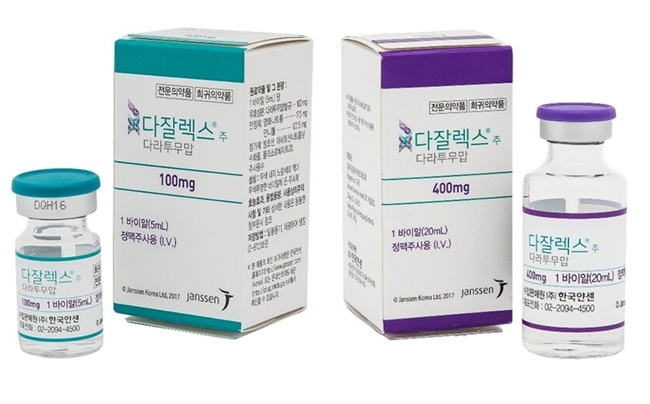
- With Janssen Korea reapplying to extend the reimbursement of its Darzalex (daratumumab), which it first failed at the Drug Reimbursement Evaluation Committee’s stage, whether the company will succeed in making progress in its discussions this time is gaining attention. Pic of Darzalex According to industry sources on the 4th, the Health Insurance Review and Assessment Service's Drug Reimbursement Evaluation Committee will deliberate on the adequacy of Dazalex's reimbursement on the 10th. At the center of the discussion is the DVTd regimen (Darzalex+bortezomib+thalidomide+dexamethasone), which is used as a first-line treatment for multiple myeloma in practice. In the previous review, DREC concluded the ‘reimbursement extension adequacy unclear’ for the DVTd regimen. This is contrary to the conclusion reached by the Cancer Disease Deliberation Committee in January, which acknowledged the need to set reimbursement standards for the DVTd regimen. In this context, ‘unclear’ means that it is not adequate to extend the reimbursement standard, putting on hold the reimbursement extension process. However, HIRA stated that the company may reapply for redeliberation. In response, Janssen Korea has reportedly reapplied for DREC’s redliberations. Multiple myeloma, which Darzalex is indicated for, is a typical blood cancer characterized by its long treatment period. As a first-line treatment, patients receive 6 months of induction therapy followed by about 2 months of autologous stem cell transplant preparation and transplantation, which rounds up to a total of 8 months. In Korea, the 3-drug VTd regimen (bortezomib+thalidomide+dexamethasone) was first introduced as a first-line treatment, and then evolved to become the RVd regimen (lenalidomide+bortezomib+dexamethasone), which has since become the standard first-line treatment. The DVTd regimen (Darzalex+bortezomib+thalidomide+dexamethasone) is a 4-drug regimen that adds Darzalex to the VTd regimen. In fact, there has been a great need for the 4-drug regimen in clinical practice. Even if Korea’s treatment situation is not the same as those in other major countries such as the United States, the industry believes it should not be significantly different. Youngil Koh, Professor of Hemato Oncology at Seoul National University Hospital, said, “The reimbursement extension of Darzalex is a very important issue in practice. It may not be easy for Korea to provide the same level of coverage for Darzalex as other countries such as the United States due to various conditions, but there shouldn’t be too much difference either.’ Professor Koh added, “‘Tree drugs are better than two drugs, and four drugs are better than three drugs in the initial treatment of multiple myeloma, so the message that adding Darzalex is better has been around for a long time. However, patients are not benefiting from its use due to lack of access to Darzalex as a combination therapy for multiple myeloma in Korea, either as first-line or second-line treatment. The bottom line is that there is a significant reimbursement gap between the U.S. and Europe and the domestic reimbursement landscape, which needs to be addressed. Darzalex accumulates long-term data…shows improved performance over the existing 3-drug regimen The question is whether the DVTd regimen, which has already received a ‘reimbursement adequacy unclear’ decision from DREC, will be able to overturn this judgment during the second review. For this, the company is likely to emphasize the adequacy of the reimbursement expansion based on the results of DVTd regimen study that was published this year. The CASSIOPEIA study, which was presented at the European Haematology Association (EHA) Congress in June, compared the DVTd regimen followed by autologous stem cell transplantation to VTd regimen followed by autologous stem cell transplantation in newly diagnosed multiple myeloma patients who were candidates for stem cell transplantation. Study results showed that the benefit of adding Darzalex was significant. At a median follow-up of 80.1 months, results showed a median progression-free survival of 83.7 months with the 4-drug regimen, compared to 52.8 months with the 3-drug regimen, a difference over 30 months. This analysis demonstrates that as the first treatment option for newly diagnosed multiple myeloma patients, early, effective agents can prolong progression-free survival and improve overall survival. The 7-year follow-up study results are particularly significant given that the 5-year relative survival rate for multiple myeloma is approximately 50% for both men and women. However, Darzalex remains ‘non-reimbursed,’ and only the other 3 drugs - the VTd regimen -are currently covered, so it remains to be seen if the relatively expensive Darzalex will make its way onto Korea’s health insurance reimbursement plans.
- Company
- No new news on reimb extension of Lorviqua for 4mths
- by Eo, Yun-Ho Oct 07, 2024 05:48am
- No progress has been made on the discussions on the ALK inhibitor anticancer drug ‘Lorviqua,’ which the company had reapplied for first-line reimbursement benefits immediately upon failing to successfully conclude its first drug pricing negotiations. According to industry sources, the health authorities have not decided at what stage they will initiate the process for Pfizer Korea’s ALK-positive NSCLC drug Lorviqua (lorlatinib), for which the company has now terminated the risk-sharing agreement (RSA) and applied to list it through the general reimbursement listing process. It has already been more than 4 months since Pfizer submitted the application for the drug’s general reimbursement listing in June, shortly after negotiations with the National Health Insurance Service broke down over the drug's price. At the time, the NHIS said that the drugmaker had expressed its intention to switch Lorviqua’s reimbursement listing status to general listing, which was listed through the pharmacoeconomic evaluations exemption system as an expenditure cap type RSA, but that the switching cannot be discussed as the company’s application falls under extending its reimbursed scope of use. As a result, the negotiations broke down. However, despite the company’s prompt reapplication thereafter, this delay in the simple initiation of the process itself has left patients waiting without reservation. The issue is in the regulatory process. Currently, RSA drugs can apply for reevaluation upon the expiry of their RSA term, or start their price-volume agreement negotiations from the Health Insurance Review and Assessment Service’s Drug Reimbursement Evaluation Committee’s review stage. However, for RSA drug’s reimbursement extensions, no such streamlined track is available. Moreover, since Lorviqua was originally contracted as an expenditure-cap type RSA drug through the pharmacoeconomic evaluation exemption track but is seeking reimbursement through the general listing track, the government having more difficulty shaping the direction. The problem is that the patients are left to wait without promise. Regardless of whether the drug’s reimbursement will be extended or not, the government's flexible administration and the will of the pharmaceutical companies would be needed to achieve results. Yool-Seo Cho, Director of the Korean Lung Cancer Patients' Association, who leads a community of more than 500 ALK-positive patients and caregivers, said, “It's frustrating for patients to have to wait and watch as Korea's reimbursement standards fail to keep up with treatment guidelines. In ALK-positive NSCLC, access to treatment is a matter of life and death for the patients.” Cho added, “We request the government to actively work to improve patient access to treatment, including the swift review of the reimbursement extension for lorlatinib so that patients can receive the right treatment with less mental suffering and financial burden." Lorviqua was specifically designed and developed by Pfizer to penetrate the blood-brain barrier (BBB). The drug’s high clinical value as a first-line treatment was recognized in the 5-year long-term follow-up results of the CROWN study that was presented at ASCO. Results showed that Lorviqua reduced the risk of disease progression or death by 81% compared to crizotinib, with 60% of patients surviving without disease progression at 5 years. The risk of brain metastasis progression was reduced in 94% of patients, with only 4 of 114 Lorviqua-treated patients without brain metastases developing brain metastases.

- Company
- Camzyos’s reimbursement decision imminent
- by Moon, sung-ho Oct 04, 2024 04:38am
- Obstructive hypertrophic cardiomyopathy (oHCM), has been regarded as a difficult-to-treat area due to the lack of a cure. However, with the recent introduction of new drugs and reimbursement granted for its diagnostic test, expectations are rising for a paradigm shift in oHCM treatment – the key to which will be whether or not the newly introduced treatment will be reimbursed. According to the industry sources on the 28th, the National Health Insurance Service and BMS Pharmaceutical Korea have been negotiating the drug price of the oHCM treatment Camzyos (mavacamten) since August. oHCM is a rare and potentially fatal heart disease in which the thickened left ventricular muscle blocks blood flow to the rest of the body, causing symptoms ranging from shortness of breath to heart failure, syncope, and sudden cardiac death. Camzyos was approved by the Korean Ministry of Food and Drug Safety in May 2023 for the treatment of oHCM as a treatment that selectively inhibits the excessive cross-linking of cardiac myosin and actin, which is responsible for the development of oHCM. Specifically, the drug is inidicated to improve exercise function and symptoms in patients with symptomatic (NYHA class II-III, mild and moderate) oHCM. After years of symptomatic management with off-label agents due to the lack of a cure, the introduction of Camzyos has been regarded as a paradigm shift in its treatment landscape. Last year, the European Society of Cardiology (ESC) updated its guidelines for the first time in 9 years, recommending Camzyos the highest evidence level A for the first time among treatment options. ‘Until now, the treatment of oHCM has focused on symptom relief and prevention of complications, rather than addressing the underlying cause,’ said Professor Hyung Kwan Kim, Department of Cardiology at Seoul National University Hospital. “As oHCM is a disease where many complications can occur at a young age and leave sequelae, we expect the approval of the new drug to provide a better treatment environment for patients.’ The problem is that despite the availability of the new drug, patient access to such is still low due to so-called financial toxicity and the high burden of drug cost. Furthermore, the recent reduced patient burden for oHCM’s diagnostic test, which is leading to an increase in the number of patients, further highlights the reimbursement hurdle. As of 2023, the total number of oHCM patients registered in Korea is about 20,000. However, the actual number is expected to be higher given the prevalence of oHCM. It is generally believed that oHCM occurs in 1 in 200 to 500 people in the general population, and if this prevalence rate is applied to the entire Korean population, it is estimated that approximately 100,000 to 250,000 people in Korea have oHCM. Fortunately, the diagnosis rate of oHCM in Korea is on the rise as echocardiography, which is used to diagnose hypertrophic cardiomyopathy, has been covered for people with known or suspected heart disease since 2021. As a result, the diagnosis rate of patients with oHCM, which was Camzyos’s treatment target, has also increased with the reimbursement extension of echocardiography in 2021. In 2021, 466 patients were diagnosed with oHCM, about 1.6 times more than the 291 patients diagnosed in 2020, the year the reimbursement was extended. In other words, the reimbursement of the diagnostic test has increased the number of diagnosed patients, but the therapeutic reimbursement ‘hurdle’ is limiting treatment on site. From the patient’s perspective, they are left to wait and see if the final stage of the reimbursement discussion - the ‘drug price negotiation’ - will conclude successfully. However, there has been no news regarding the conclusion of the drug price negotiation since it passed the NHIS Drug Reimbursement Evaluation Committee in July after being put on hold once. This means that the NHIS and pharmaceutical companies have yet to reach an agreement on the total expected claims amount and the level of financial sharing. “The drug passed DREC review in July, but its drug price negotiations started in August,” said a pharmaceutical industry official who requested anonymity. “Considering the 60-day drug price negotiation period, it is likely that the negotiation period will end in early October. Since it was not listed in October, the drug is expected to be applied for reimbursement at the end of this year at this timeline.”

- Company
- Expectations rise for the reimbursement of Phesgo in Korea
- by Whang, byung-woo Oct 04, 2024 04:38am
- Professor Matteo Lambertini On the 30th, Roche Korea announced that the socio-economic benefits of Phesgo (pertuzumab/trastuzumab) for early-stage and metastatic HER2-positive breast cancer were highlighted at the 2024 Korean Society of Medical Oncology (KSMO) Congress. The 2024 Korean Society of Medical Oncology (KSMO) Fall Meeting, which was held at COEX, brings together domestic and international experts from approximately 45 countries to share the latest research and innovative approaches for treating cancer. At a symposium held under the theme of Phesgo on the 26th, Kyong-Hwa Park, Professor of Medical Oncology at the Korea University Anam Hospital, chaired the session, with Professor Matteo Lambertini, Chair of the ESMO Young Oncologists Committee, participating as a speaker. Professor Lambertini emphasized the treatment effect of Phesgo through his presentation, ‘Patient Centricity with PHESGO: Achieving a Win-Win Strategy.’ The idea is that Phesgo, as a subcutaneous injection, can improve the efficiency of treatment, allowing patients with early and metastatic HER2-positive breast cancer to maintain an improved quality of life in the long term. “Phesgo is a treatment that can effectively reduce treatment and monitoring time for patients, in addition to the superior therapeutic efficacy of the trastuzumab-pertuzumab combination, which was confirmed to be non-inferior to existing intravenous agents in Phase III FeDeriCa study, with a comparable safety profile,” said Professor Lambertini. The idea is that the use of Phesgo can reduce treatment time, which will bring socioeconomic benefits for patients, hospitals, and healthcare providers, as well as improve treatment efficiency. In fact, as a maintenance therapy, Phesgo can be administered in as little as 20 minutes, reducing treatment time for dosing and observation by up to 90% compared to a total of 270 minutes required for conventional intravenous infusions. In addition, it was designated as the first biobetter for cancer in Korea in 2021, demonstrating reduced dosing time and improved patient convenience. Phesgo is a single subcutaneous injection formulation that contains trastuzumab and pertuzumab, which were previously administered intravenously and separately, The combination of trastuzumab and pertuzumab is currently the standard of care for a variety of early-stage HER2-positive breast cancers. Professor Lambertini said, “‘In fact, a study of the socioeconomic impact of Phesgo in Italy showed that switching to subcutaneous Phesgo could reduce healthcare professional involvement time per patient by 25% compared to existing intravenous formulations.” Meanwhile, the National Comprehensive Cancer Network (NCCN) guidelines recommend the combination of trastuzumab and pertuzumab as a Category 1 recommendation for the first-line treatment of HER2-positive metastatic breast cancer.
- Company
- Biologics seek to expand indications…is approved for COPD
- by Son, Hyung Min Oct 04, 2024 04:38am
- Biological agents are expanding their reach beyond inflammatory diseases such as atopic dermatitis, oesophagitis, and asthma to lung disease. Recently, Sanofi and Regeneron's biologic Dupixent was approved by the US Food and Drug Administration (FDA) for the treatment of chronic obstructive pulmonary disease (COPD). Other biologics, such as GSK's Nucala and AstraZeneca's Fasenra, have also shown progress in treating COPD in clinical trials and are looking to expand their indications. Biologics are manufactured from pathogenic microorganisms, such as proteins, antibodies, nucleotides, and cells. They have specific effects on specific proteins or cells, which enables them to treat diseases, and are characterized by low side effects compared to chemical drugs. Dupixent secures first COPD indication among biologics Sanofi and Regeneron According to industry sources on the 3rd, the FDA approved Dupixent for the treatment of COPD. This is the first COPD indication secured by a biologic. Dupixent is the first biologic to target the signaling of interleukin (IL)-4 and IL-13, which are key drivers of type 2 inflammation. It has been shown to be effective in inflammatory conditions such as asthma, atopic dermatitis, and eosinophilic esophagitis. The expansion of Dupixent’s indication to COPD was based on the Phase III BOREAS and NOTUS trials. The trials included 1,874 COPD patients. Patients were randomly assigned to receive Dupixent or placebo every 2 weeks in addition to triple therapy with an inhaled corticosteroid (ICS), long-acting beta-agonist (LABA), and long-acting muscarinic antagonist (LAMA) or dual LABA and LAMA dual therapy. Results showed that Dupixent reduced the annualized rate of moderate or severe COPD exacerbations by up to 34% compared to placebo over 52 weeks, which was the primary endpoint. In addition to Dupixent, Sanofi, and Regeneron are developing the IL-33 inhibitor itepekimab for COPD. The companies are currently conducting 2 clinical studies on itepekimab and expect to present new data next year. Biologics continue to look to expand COPD indications GSKIn addition to Dupixent, other biologics are also looking to expand their indications to COPD. GSK recently announced positive clinical trial results for its IL-5 inhibiting biologic, Nucala. The trial was conducted in 806 COPD patients aged 40 years and older without asthma who required triple therapy with an ICS, LABA, or LAMA to determine the efficacy of Nucala in moderate/severe exacerbations. Results showed that Nucala reduced the primary endpoint of moderate/severe annualized exacerbation rate. Patients treated with Nucala for up to 104 weeks demonstrated a statistically and clinically significant reduction in the annualized exacerbation rate compared to placebo. AstraZeneca is investigating the biologic Fasenra for several diseases, including COPD, chronic rhinosinusitis, and hypereosinophilic syndrome (HES). Fasera is a biologic that binds directly to the IL-5 receptor alpha on eosinophils, leading to rapid depletion of blood and tissue eosinophils. AstraZeneca However, Fasenra did not demonstrate an effect in COPD in 2 clinical studies - GALATHEA and TERRANOVA, which were published in 2019. AstraZeneca is conducting a third Phase III study on Fasenra in patients with high eosinophil levels, as it has confirmed the drug’s benefit in this population. The ongoing Phase III RESOLUTE trial, which is studying Fasenra in more than 600 COPD patients, is expected to be completed by next June. AstraZeneca is also seeking to expand the indication for Tezspire, a biologic the company had co-developed with Amgen, to COPD as well. Tezspire is an anti-thymic stromal lymphopoietin (TSLP) monoclonal antibody therapy that binds to TSLP, which causes airway inflammation. Other biologics inhibit IL-5, lgE, and others, and Tezspire is the first to target this mechanism. Currently, Tezspire is only approved for the treatment of severe asthma.
- Company
- "Importance of fungal infections TX amid COVID-19 spike"
- by Son, Hyung Min Oct 04, 2024 04:38am
- Sung-Yeon Cho, a professor of at the Catholic Univ. of Korea Seoul St. Mary "Fungal infections usually occur in immunocompromised patients and have a high fatality rate. Because fungal infections can be fatal to patients, especially during the resurgence of infectious diseases, such as COVID-19, it is of paramount importance to secure various treatment options." During a recent meeting with Daily Pharm, Sung-Yeon Cho, a professor in the Department of Infectious Diseases at the Catholic University of Korea Seoul St. Mary's Hospital, suggested potential improvements to treatment settings for fungal infections in South Korea. In August, the number of patients hospitalized for severe COVID-19 symptoms was a record high for this year, and concerns about the pandemic increased, posing threats to public healthcare due to fungal infections. The U.S. Center for Disease Control and Prevention (CDC) has designated September 16-20, 2024, as 'Fungal Disease Awareness Week' and notifies the importance of managing fungal infections. The most reported fungal infections are COVID-19 associated pulmonary aspergillosis (CAPA), COVID-19 associated mucormycosis (CAM), and Candida auris. These diseases worsen the prognosis of immunocompromised patients, leading to death. As infectious diseases resurge, the emphasis on fungal disease management and treatment becomes increasingly important. However, there are unresolved issues regarding the timely treatment of Korean patients, as the focus of governmental support has been on antibiotics among antimicrobials, and patient access to treatments is limited. European and U.S. guidelines suggest Vfend (voriconazole) and Cresemba (isavuconazonium) as first-line treatments for invasive CAPA. Cresemba won the Ministry of Food and Drug Safety (MFDS) approval in 2020 and it has been listed as the 'National Essential Drug.' However, it still has unmet medical needs because it is not reimbursed by national health insurance. This is in contrast with Cresemba's reimbursable status in Europe, the UK, Hong Kong, Taiwan, and China. Cho strongly suggested that fungal infections can be fatal to immunocompromised patients, and thus, patient access to treatments must be improved. Fungal infections, the fatality rate↑ in patients with COVID-19 CAPA is categorized as the highest-ranked, 'Critical Priority Group,' in the WHO-published 'Fungal Priority Pathogen List.' It shows the highest antifungal tolerability, mortality, and occurrence rate. CAPA is a variety of fungal infections induced by the 'aspergillosis' fungus, which exists in nature. Patients with respiratory diseases or are immunocompromised can commonly contract 'invasive CAPA.' Invasive CAPA is the most serious form of CAPA, usually occuring in immunocompromised patients. It commonly invades the lungs but can induce infections in any part of the body. "Fungus exists naturally, but infections do not happen when the immune system normally works. Patients receiving anticancer therapies, with a lowered number of neutrophils in white blood cells or taking extended steroids are vulnerable to fungal infections, " Cho said. "COVID-19-associated infections reduce normally working protective mechanism of upper/lower respiratory airways and make the body susceptible to all secondary infections related to the respiratory system," Cho added. Based on the results of a study involving 2427 patients with severe COVID-19 symptoms, 4.6% of all hospitalized patients and 11.2% of intensive care unit patients had CAPA infections. The median value of time it takes until CAPA diagnosis was 9.5 days. In particular, corticosteroid use in throughout the body has increased the risk of CAPA infections in COVID-19 patients. 30-day mortality was found to be higher in CAPA-infected patients (30%) than in patients with severe COVID-19 symptoms who are CAPA-negative (7.2%). "Fungal infections have a high mortality rate because they commonly occur in patients with lowered white blood cell neutrophils, who have undergone anticancer therapies, who are taking extended steroids, and who are immunocompromised. The mortality rate for CAPA is 30%. It is known to be up to 100% when not diagnosed," Cho said. "The rate of contracting CAPA is reported to be approximately 15-25% of COVID-19 patients who are hospitalized in intensive care units in South Korea. Since there are cases where CAPA is not diagnosed, depending on institutes and patient sizes, the incidence rate is reported to be as low as 5% and up to 50%. The CAPA mortality rate differs on diagnosis," Cho added. A previous study indicated the seriousness of fungal infections, showing that CAPA has a similar incidence rate and mortality rate in patients with viral infections, including severe influenza infections, besides COVID-19. WHO recommends physicians always consider the possibility of fungal infections when treating patients. Effective treatments have emerged, but are 'pie in the sky' The importance of fungal infection treatment has been emphasized, but patient access to new drugs is limited in South Korea. Voriconazole, a class of Azole, and Cresemba are prescribed as a first-line treatment of CAPA. Antifungal agents are used in patients who are likely to have COVID-19-associated CAM, besides CAPA. However, discussions about the reimbursable status of those agents are still challenging. Antibiotics include antimicrobials effective for treating germs, antifungals effective for treating fungus, and antivirals effective for treating virus. Among these, antifungals and antiviral agents are not included in the scope of the 'Cost-Effectiveness Evaluation Waiver System.' During the COVID-19 pandemic, the government included antimicrobials in the 'Cost-Effectiveness Evaluation Waiver System.' However, it sees that expanding the scope to antifungals does not meet the gravity and urgency standards. As a result, some are advocating for reimbursement of new antifungal drugs, citing the increasing incidence rate of fungal infections is on the rise worldwide, including in South Korea. However, reimbursement for new antifungals has not been made lately. "Voriconazole is a treatment with extended proof of superior effects in treating CAPA than other antifungals, based on accumulated data since the 1990s. However, there are concerns of extended treatments depending on the patient's immune conditions and refractory due to antifungal tolerance," Cho said. "Cresemba is in high demand among patients likely to have multiple infections as it is effective in treating broad spectrum fungal infections as well as improved safety profiles," Cho added, "Drug interactions that may occur in antifungals of Azole class is 2-10, whereas in Cresemba is as low as 1-1.5. It has the advantage of administering to patients with severe symptoms who are taking multiple drugs." Cresemba proved non-equivalence to the first-line treatment, voriconazole, and it is regarded as having a broader antifungal spectrum. Additionally, Cresemba significantly reduced the most typical adverse reactions of antifungals, such as liver toxicity and photosensitivity, to almost none. "The biggest reason for delayed reimbursement listing of antifungals is finance, but low awareness of infectious diseases can also be attributed. Although antifungals may be crucial to patients, they are not on the priority list," Cho said, "Reimbursement listing of antifungals is often being delayed because people think it is substitutable despite the fact that none are substitutable." "There should be no cases where good new drugs with confirmed clinical data and recommended by global guidelines cannot be prescribed in 2024 due to systemic issues," Cho emphasized, "The reimbursement criteria must be improved considering that patients who need antifungals have life-threatening severe infections."

- Company
- Imfinzi builds evidence for biliary tract cancer reimb
- by Whang, byung-woo Oct 02, 2024 05:49am
- AstraZeneca is reattempting to extend reimbursement of its immuno-oncology drug imfinzi (durvalumab) after announcing significant clinical outcomes in biliary tract cancer. Amid the rising interest in Imfinzi’s reimbursement reapplication review, with patient petitions being posted on the National Assembly's e-petition website, the outcome of the Korean subgroup analysis has been recently announced, gaining attention. 임핀지 제품사진According to industry sources, the Health Insurance Review and Assessment Service will hold the 7th Cancer Disease Deliberation Committee (CDDC) meeting on the 2nd of this month. This time, AstraZeneca is knowingly reattempting to extend Imfinzi’s reimbursement after failing to extend its reimbursement as a first-line treatment for biliary tract cancer last year. Last year, the company was not able to receive full coverage for the Imfinzi and GemCis (gemcitabine plus cisplatin) combination, and only GemCis was granted reimbursement at the time. AstraZeneca has now reapplied to CDDC for full coverage based on several additional grounds. Highlights include a Korean subgroup analysis of TOPAZ-1, Imfinzi’s Phase III study in patients with locally advanced or metastatic biliary tract cancer, which was presented at the Korean Society of Medical Oncology (KSMO) International Conference on October September 27th. The 3-year follow-up of 120 South Korean patients who were enrolled in the TOPAZ-1 study showed that the Imfinzi combination improved median overall survival (mOS), 3-year OS rate, and clinical safety compared to conventional therapy. Korean patients treated with the Imfinzi combination showed an mOS of 16.6 months, compared to the 11.3 months found in Korean patients treated with conventional therapy, which is a 5.3-month extension in overall survival. The OS rate at 3 years also improved over twofold, being 21.0% in the Imfinzi combination arm and 8.8% in the conventional therapy arm. Another factor that can also influence the decision is patient demand. A petition had been uploaded to the National Assembly on September 13 called for prompt insurance reimbursement of Imfinzi. The petitioner, who described herself as the child of a patient with stage IV intrahepatic biliary tract cancer, said she had been paying more than KRW 10 million a month for Imfinzi as out-of-pocket cost because of its non-reimbursement, and that she was now unable to afford the treatment because she had exhausted her insured actual expense limit. Despite Imfinzi’s proven effect, the petitioners believe that many patients have difficulty accessing the treatment due to financial reasons. As of September 30, the petition had received 5,114 signatures. Imfinzi is now recommended as a first-line standard of care in major biliary tract cancer treatment guidelines, including the National Comprehensive Cancer Network (NCCN) and the European Society for Medical Oncology (ESMO), and is reimbursed in major countries, including the United States and the United Kingdom. However, there is also a view that the cost of Imfinzi, an immuno-oncology drug, is burdensome for Korea’s health insurance finances and that the company’s proportion of financial sharing will determine whether it passes CDDC review, regardless of the drug’s clinical performance. The industry's view is that the fact that only GemCis was reimbursed in the Imfinzi combination regimen illustrates such government concerns. The government had decided to not fully reimburse the Imfinzi-GemCis combination because this would require significant additional health insurance funding to cover its use as first-line treatment for biliary tract cancer.
- Policy
- EUA for Novavax's COIVD-19 vaccine targeting the variant
- by Lee, Hye-Kyung Oct 02, 2024 05:49am
- The Ministry of Food and Drug Safety (Minister Oh Yu-kyoung, MFDS) announced emergency use authorization of Novavax's 'COVID-19 Vaccine corresponding to JN.1 strain of SARS-CoV-2 (2024-2025 Formula).' The emergency use authorization is a system designed to respond appropriately to a public health crisis, including infectious disease pandemics. In this system, the MFDS minister enables the supply of medical products that do not have domestic approval by ordering manufacturers and importers to manufacture or import upon requests from the central administrative agency. MFDS gathers expert opinions by reviewing companies' submitted clinical and quality documents through the official posting of the emergency use authorization upon request from the central administrative agency. Then, after review and voting from the committee for the 'Public Health Emergency Preparedness and Responses for a Medicinal Product,' the MFDS makes a final decision. The Korea Disease Control and Prevention Agency (KDCA) requested the emergency use authorization based on the vaccination plan to prevent COVID-19 for this winter. The MFDS quickly reviewed the item and approved of it. SK Chemicals will be responsible for importing and distributing the Novavax vaccine. Novavax vaccine is a direct injection of antigen protein using a recombinant protein vaccine technology to induce the synthesis of vaccine-eliminating antigens. With the Novavax COVID-19 vaccine entering South Korea, clinical fields will have wider array of choices for vaccine types. Recently approved Pfizer vaccine and Moderna vaccine are made of mRNA, which is designed to express antigen protein that induces immune responses in the body. The MFDS stated it would provide safe vaccination for people by strengthening the safety management system for COVID-19 vaccines, including managing quality and collecting reporting of adverse reaction cases.
- Product
- ‘Disclose the pricing rationale used for COVID-19 drugs'
- by Kang, Hye-Kyung Oct 02, 2024 05:49am
- The Korean Pharmacists for Democratic Society (CEO Kyungrim Jeon, KPDS) has called for the disclosure of the cost-effectiveness evaluation results of the COVID-19 treatments Paxlovid and Veklury Inj. “The Ministry of Health and Welfare is engaging in the atrocity of setting excessive drug prices for COVID-19 treatments,” said the KPDS on the 30th, adding, “Much question remains on the clinical utility of current COVID-19 treatments among vaccinated elderly patients, and the KPDS criticizes the Ministry of Health and Welfare for setting an unreasonable price and the arbitrary co-payment rates, which only filling the bellies of pharmaceutical companies.” “In addition to filling the medical gap with national health insurance finances, the MOHW is now lining the back pockets of pharmaceutical companies,” criticized KPDS. “One course of Paxlovid and Veklury is priced at KRW 941,940 and KRW 312,000, respectively. In principle, the price of drugs is set based on clinical utility, taking into account the cost of existing treatments, but the cost of COVID-19 drugs is tens of times more expensive than drugs for similar diseases.’ Oseltamivir (brand name: Tamiflu), a treatment for influenza, a type of respiratory system infection, costs about KRW 17,000 per course, and zanamivir (brand name: Relenza Rotadisk) costs KRW 23,000. In addition, the influenza treatment PeramiFlu, which was not reimbursed in 2012 despite its high clinical utility but high price, is currently purchased by patients at KRW 100,000 to KRW 150,000. “According to the statutory infectious diseases classifications set by the Korea Disease Control and Prevention Agency, novel influenza is a Class 1 reportable disease. On the other hand, COVID-19 is not highly contagious or fatal - which is why it falls under Class 4. Why is the price of a Class 4 treatment drug set several times more expensive than the price applied for the common respiratory infectious disease treatments?,” questioned KPDS. He also demanded an explanation as to why cancer patients and those with severe, rare, and incurable diseases have to pay higher coinsurance rates than those infected with COVID-19. The claim follows the MOHW’s decision to limit the out-of-pocket costs for Paxlovid and remdesivir to KRW 50,000. “Considering the prices of the drugs - being KRW 940,000 and KRW 312,000 - the co-insurance rates of the drugs are 5% and 1.6%, respectively, which is the same or lower than the 5% co-insurance rate paid by patients with severe, rare and incurable diseases or cancer to purchase the drugs,’ the KPDS pointed out. “The amendment to the enforcement decree was made in response to the provision which stipulates the Minister of Health and Welfare can lower the co-insurance rate for infectious disease treatments to reduce the burden of infectious disease treatment and increase access, but the logic of the bill does not disallow lowering access to treatment for patients with severe, rare and difficult diseases and cancer,” he said. The general consensus is that the co-insurance rate needs to be lowered for all essential medical treatments to increase access. The KPDS pointed out, “The Ministry of Health and Welfare should not our requests for clarification while charging suspicious prices for treatments that are not yet clear in terms of reimbursement standards or proven effectiveness, and applying suspicious co-insurance rates to increase the burden on health insurance finances. The national health insurance finances are not the MOHW’s private finances.” ‘The MOHW should stop its recent rush of determining drug benefits at questionable prices in the name of rewarding innovative value. It must increase transparency in the drug price determination process and consider the public interest first in drug production and supply.”
