
- LOGIN
- MemberShip
- 2026-06-23 23:19:34
- Company
- Multinational pharmaceutical companies post mixed results
- by Son, Hyung-Min May 28, 2024 01:31pm
- The Korean subsidiaries of multinational pharmaceutical companies posted mixed performances last year. Sales of Pfizer Korea, MSD Korea, and Gilead Sciences Korea, which developed COVID-19 vaccines and treatments, plummeted due to the base effect of the pandemic. On the other hand, GlaxoSmithKline (GSK) and Amgen Korea saw sales increase thanks to the growth in sales of their innovative new drugs. According to the Financial Supervisory Service on Saturday, the sales of 36 major multinational pharmaceutical companies in Korea fell 12.5% to KRW 10.37 trillion last year from KRW 11.84 trillion in 2022. Of the 36 MNCs, 12 companies, including Pfizer, MSD, Janssen, Gilead, Bayer, Alcon, Lilly, MundiPharma, Ipsen, Teva-Handok, and Biogen, saw a sales decline. The company that saw the largest decline was Pfizer. Last year, the company's revenue fell 50.3% YoY to KRW 1.60 trillion. The company's sales surged from 2021 supplying the COVID-19 vaccine Comirnaty and the treatment Paxlovid. The company's sales soared to KRW 391.9 billion in 2020, KRW 1.70 trillion in 2021, then to KRW 3.23 trillion in 2022, but as the number of COVID-19 patients started to decrease with the endemic, the company's sales fell by half last year. As the government took charge of the distribution and marketing of COVID-19 vaccines at the time, the company was able to generate high profits due to low SG&A costs. MSD Korea's revenue fell 7.3% from KRW 820.4 billion in 2022 to KRW 760.9 billion last year. After posting sales of KRW 471.6 billion in 2019 and KRW 541.9 billion in 2021, MSD Korea’s sales surged to exceed KRW 800 billion in 2022 but then saw a slight decline last year. According to the market research firm IQVIA, sales of its flagship product Keytruda increased 66.4% from KRW 239.6 billion in 2022 to KRW 398.7 billion last year. However, the company attributed the decline to a drop in sales of its diabetes drug Januvia and COVID-19 drug Lagevrio. Gilead posted sales of KRW 384 billion last year, down 32.1% YoY. Gilead also saw a decline in prescriptions for its COVID-19 drug Veklury, which led to a sales decline. This is due to a sharp decline in the number of patients with COVID-19 and a significant drop in the number of critically ill patients. Veklury is used for patients hospitalized with severe COVID-19 who are below 94% oxygen saturation or require supplemental oxygen therapy. Meanwhile, AstraZeneca, which was the first to develop a COVID-19 vaccine, saw a slight increase in sales. AstraZeneca Korea's sales rose 3.9% from KRW 616.1 billion in 2022 to KRW 639.3 billion last year. AstraZeneca Korea posted sales of KRW 655.3 billion in 2021, up 31.6% YoY, driven by the launch of its COVID-19 vaccine. However, the company's sales fell slightly to KRW 615.1 billion in 2022 with the introduction of vaccines by Pfizer, Moderna, and Janssen. AstraZeneca Korea’s sales rebounded last year thanks to the strong performance of its anticancer drugs. Sales of the company’s lung cancer drug Tagrisso rose 4.2% YoY to KRW 110.9 billion based on IQVIA, while the immuno-oncology drug Imfinzi generated KRW 82.7 billion in sales last year, up 57.9% from the KRW 52.4 billion in 2022. Sales of the breast cancer drug Lynparza increased 22.2% year-on-year. In addition, Alcon Korea (-21.4%), Lilly Korea (-15.8%), Sanofi Pasteur (-6.2%), Bayer Korea (-3.0%), and Janssen Korea (-2.7%) also saw a sales decline. GSK-Amgen-Sanofi post sales gains...driven by innovative new drugs GSK, Amgen, and Sanofi-Aventis posted sales increases last year, driven by sales of innovative new drugs. GSK posted sales of KRW 385.1 billion last year, up 39.6% from KRW 275.8 billion in 2022. GSK's growth was driven by its shingles vaccine, Shingrix. Last year, Shingrix was the top seller in the shingles vaccine market, with sales of KRW 38.5 billion, according to IQVIA. The fact that two domestic pharmaceutical companies joined to sell and promote Shingrix also contributed to its rapid market penetration. GSK partnered with GC Biopharma and Kwangdong Pharmaceutical to promote sales of Shingrix in Korea. Also, sales of GSK's benign prostatic hyperplasia combination drug Duodart increased 186.5% YoY. Amgen Korea posted sales of KRW 228.8 billion last year, up 33.3% YoY. Its innovative new drugs, including Prolia, Xgeva, and Repatha contributed to the sales growth. According to the market research institution IQVIA, Amgen's Prolia generated KRW 151.1 billion in sales last year, up 30.6% YoY. This is a 64.0% increase in two years from KRW 92.1 billion in 2021. Launched in Korea in November 2016, Prolia is a biologic osteoporosis treatment that targets the RANKL protein, which is essential for the formation, activation, and survival of bone-destroying osteoclasts. Sales of Repatha, a PCSK9 class dyslipidemia treatment, exceeded KRW 10 billion for the first time last year with 10.5 billion won. Sales of Xgeva, which was released as a double-dose strength of Prolia, also exceeded KRW 10 billion for the first time last year. Sanofi-Aventis Korea's sales totaled KRW 501.8 billion last year, up 3.7% YoY. The company saw steady sales growth, adding an indication for its biological agents Dupixent and Eloxatin. According to market research firm IQVIA, Dupixent generated sales of KRW 143.2 billion last year, up 36.1% YoY. Dupixent is a first-in-class drug that targets the signaling of interleukin (IL)-4 and IL-13, which are major contributors to type 2 inflammation. It has been shown to be effective in inflammatory diseases such as asthma and atopic dermatitis. Last year, Eloxatin's sales reached KRW 43.6 billion, up 2.8% YoY. Sales of Eloxatin, which was approved in Korea in 2005, have been on a slight decline since 2019, but have exceeded KRW 40 billion on average from 2020 to last year.
- Company
- Handok strengthens global pharma partnerships
- by Kim, Jin-Gu May 28, 2024 05:52am
- Handok is strengthening its partnerships with global pharmaceutical companies. At the end of last year, Handok signed deals with the Dutch company Argenx and Swedish biopharmaceutical company Sobi for three rare disease treatments. This year, the company also launched a combination therapy for high blood pressure co-developed with Sanofi. On May 24, Handok signed a deal with India’s global pharmaceutical company Biocon for liraglutide, a GLP-1 agonist used to treat diabetes and obesity. Handok plans to fill the pipeline gap caused by patent expiration and license endings through these partnerships. Handok signs a licensing deal with India’s pharmaceutical company Biocon for a product containing the same active ingredient as Saxenda According to industry sources on May 25th, Handok signed a licensing deal with India’s global pharmaceutical company Biocon for liraglutide. Liraglutide is the same active ingredient as Novo Nordisk’s diabetes and obesity treatments, Victoza and Saxenda. Handok stated that this product has not yet been launched in the global market, but it recently received approval from the UK Medicines and Healthcare products Regulatory Agency (MHRA). Its global product name has not been determined. Handok signed a licensing deal with India’s pharmaceutical company Biocon for a product containing the same active ingredient as Saxenda. It is expected to be commercialized in South Korea after 2025. Saxenda and Victoza’s patents are set to expire by 2025. Saxenda is protected by two accounts of patents, each expiring in November this year and November next year. Victoza has four patents registered, and one has already expired. The expiration dates for the rest are June 2024, November 2025, and March 2037. However, the patent set to expire in 2037 is based on Liraglutide’s effect on cardiovascular diseases. Handok will not infringe on patents by launching Liraglutide after 2025 and by not commercializing it for the purpose of treating cardiovascular disease. Although new obesity drugs of the GLP-1 class, like Wegovy and Mounjaro, have not been officially launched in South Korea, the industry has a high expectation for follow-up drugs with the same active ingredient since Saxenda is practically dominating the obesity treatment market. According to a pharmaceutical market research company IQVIA, Saxenda topped KRW 66.8 billion in sales last year, up 13% YoY. The stock market response is also positive. On May 24th, Handok’s stock hit KRW 17,010, up 23.3% from the previous day. It was the highest amount in recent years, and the analysis suggests that Hadok’s announcement to introduce GLP-1 obesity and diabetes treatments has been viewed as good news. Introduced three orphan drugs consecutively…co-developed a hypertension drug with Sanofi In the second half of last year, Handok initiated partnerships with global pharmaceutical companies In September last year, Handok signed an exclusive marketing deal with Dutch Argenx for VYVGART, a treatment for myasthenia gravis. VYVGART is the first-in-class subcutaneous formulation for myasthenia gravis to be approved by the U.S. FDA. In October, Handok signed a strategic partnership deal with Sweden’s global pharmaceutical company Sobi, introducing two rare disease drugs, Empaveli and Doptelet. Empaveli targets an adult patients with paroxysmal nocturnal haemoglobinuria (PNH). It has received approvals in the United States, Europe, Australia, and Japan. Doptelet is indicated to treat adult patients with primary chronic immune thrombocytopenia (ITP). Last year, Handok introduced three rare diseas drugs, VYVGART, Empaveli, and Doptelet, to South Korea. In February, Handok launched ‘Aprovasc,‘ a combination therapy for hypertension that was co-developed with Sanofi, in South Korea. It is the first combination therapy of amlodipine and irbesartan, to receive approval in South Korea. In October 2019, Handok signed a licensing deal with Sanofi for the domestic development, manufacturing, and approval for a combination therapy to treat high blood pressure. In November, Aprovasc received the approval of the Ministry of Food and Drug Safety (MFDS). Sanofi has development and marketing rights as an original developer, and Handok will be responsible for domestic manufacturing and co-promoting Aprovasc with Sanofi. Will it fill the gap left by the patent expired 'Tenelia' and licensing retrieved 'Soliris'? Handok plans to expand cooperation with global pharmaceutical companies to fill the gap left by previous core products. Previously, Handok had Tenelia·Tenelia M, diabetes treatments of the DPP-4 inhibitor class, and Soliris and Ultomiris, rare disease treatments, as its key pipeline. However, in October 2022, Tenelia’s substance patent expired. Consequently, a many Tenelia generics were launched. In February last year, AstraZeneca Korea retrieved sales rights of Soliris and Ultomiris. Initially, Handok introduced these two drugs to South Korea from Alexion Pharmaceuticals. When AstraZeneca acquired the original developer Alexion Pharmaceuticals, the domestic sales rights transferred to AstraZeneca Korea. Handok had a sales gap from its previous core products for chronic diseases, Tenelia (left), due to patent expiration, and for rare disease area core products, Soliris (middle) and Ultomiris (right), due to sale rights retrieval. Consequently, Handok was left with no drugs related to diabetes treatment and rare disease treatment, which used to be its key pipeline. Handok plans to fill the gap in rare disease treatment area with VYVGART, Empaveli, and Doptelet. Empaveli and Doptelet are considered to be the suitable substitutes as they have indications for PNH and myasthenia gravis, as in Soliris and Ultomiris. Furthermore, Handok is expected to succeed in the novel drug market since it has already established a business network by overseeing domestic sales of Soliris and Ultomiris after these drugs received reimbursement coverage in 2018. Additionally, Handok plans to fill the gap in chronic disease treatment area with Aprovasc, a combination therapy for treating high blood pressure, and liraglutide, a treatment for diabetes and obesity. Handok aims to expand to the high blood pressure market, which was previously its weakness, with Aprovasc. And, its diabetes treatment portfolio is expected to grow with liraglutide. Handok’s diabetes portfolio includes various diabetes drugs, including the sulfonylurea (SU) class ‘Amaryl,‘ the SGLT-2 inhibitor class ‘Suglat,‘ the DPP-4 inhibitor class ‘Tenelia,‘ and medical devices, such as blood glucose monitoring device. Adding liraglutide to this list will strenghthen Handok’s completion of the diabetes portfolio.

- Company
- Roche’s Kadcyla sales KRW 70 bil…unrivaled lead in ADC mkt
- by Nho, Byung Chul May 28, 2024 05:52am
- Roche’s Kadcyla continues to remain the unrivaled lead in the domestic ADC (Antibody-Drug Conjugate) drug market, accounting for 60% share of the KRW 120 billion market. Based on drug distribution performance, the domestic ADC drug market was valued at KRW 113.8 billion last year, of which Kadcyla (treatment for HER2-positive metastatic breast cancer) accounted for KRW 75.8 billion, maintaining the top rank in the market ever since its launch. Kadcyla’s sales in 2019, 2020, 2021, and 2022 were in the range of KRW 35.4 billion, KRW 43.5 billion, KRW 52.7 billion, and KRW 51.8 billion, respectively. In second place is Daiichi Sankyo's Enhertu (treatment for HER2-positive breast cancer), which posted KRW 20.4 billion last year. Takeda's Adcetris (Hodgkin's lymphoma) and Pfizer's Besponsa (lymphoblastic leukemia) are on an upward curve, posting sales of KRW 9.8 billion and KRW 5.5 billion each in 2023. Sales of Astellas’ Padcev (metastatic urothelial carcinoma), Roche’s Polivy (B-cell lymphoma), Pfizer’s Mylotarg (myeloid leukemia), and Gilead’s Troldelvy (triple-negative breast cancer) remain in the KRW 400 to 900 range. Meanwhile, Kadcyla is regarded as Roche's defense or alternative to the inflow of Herceptin biosimilar and is a targeted anti-cancer drug that links Herceptin (trastuzumab) antibody to a taxane-based anticancer drug. Its prescribing strengths include prolonged survival (6 months longer in clinical trials) and minimized side effects. A global research firm (Motley Fool) has recognized Kadcyla’s product power and rated it as one of the world's top 7 drugs, along with Eliquis and Tecfidera. Enhertu is known to have overcome the limitations of existing therapies and is effective across solid tumors, not just in one indication. Earlier last month, the US FDA approved Enhertu as a tumor-agnostic treatment, of any type, allowing the drug to be used in patients with HER2-positive solid tumors with an immunohistochemistry (IHC) score of 3 or higher. The global ADC drug market has more than doubled in 3 years, from KRW 4 trillion in 2019 to KRW 13 trillion in 2023, and is expected to reach KRW 41 trillion by 2028. Since the first ADC, Pfizer's Mylotarg, was approved by the FDA in 2000, 13 ADCs have been introduced to the market. Pfizer acquired Seagen, a leader in the ADC field, late last year for USD 59 trillion to pave the way in ADC. Gilead Sciences also acquired Immunomedics in September 2020 for USD 29 trillion. Through the acquisition, the company acquired Immunomedics’ ADC development technology and FDA-approved ADC therapies.
- Company
- ‘Amgen’s success is based on its people and culture’
- by Eo, Yun-Ho May 28, 2024 05:52am
- Amgen is a well-versed player in the industry. Not only is it the leading global biotechnology company, but the company seems to know how to change its form to suit its environment, just like how Amgen Korea adjusts to Korea. Since entering Korea in 2015, Amgen has added 6 of its launched products to the reimbursement list, including its osteoporosis drugs Prolia (denosumab) and Evenity (romosozumab), skeletal-related event prevention drug Xgeva (denosumab), dyslipidemia drug Repatha (evolocumab), acute leukemia drug Blincyto (blinatumomab), and multiple myeloma drug Kyprolis (carfilzomib). In addition, the company is actively working to expand coverage by adding indications for each drug. Each of these launches had its challenges, given the Korean reimbursement landscape, but Amgen Korea showed its unique focus and perseverance and completed negotiations with the government. All of the drugs mentioned above are now leading their respective markets. In baseball, the same pitcher has different wins depending on which team he is on. Like this, part of the drugs’ success can be attributed to the good drugs, but the remaining parts certainly have something to do with the company’s strong suit. What kind of benefits would employees of such a company enjoy? Dailypharm met with Terry (Tae Hee) Yoon, 48, who oversees Amgen's People & Organization (P&O), to learn about the company's vision, talent, and welfare. Terry (Tae Hee) Yoon, Head of People & Organization at Amgen Korea -Amgen Korea has been making remarkable achievements. What are Amgen's strengths in terms of human resource management? Amgen was founded in 1980, which is not long compared to other multinational pharmaceutical companies, but it has a history of steady growth. Amgen Korea started small in 2015 and has grown to 180 employees. In terms of its presence in Korea, Amgen has been in operation for 40 years, and its Korean counterpart only 10 years, yet it has been able to quickly bring a variety of innovative medicines into the Korean market. The first reason for this success is that our business strategy is realistic, very organized, and strategic. Chasing short-term growth can lead to greed, but rather, Amgen has systematically developed and executed a long-term strategy. The second strength is in its people. Amgen does a great job of hiring talent strategically and their retention. And they help these talented people advance their careers through internal promotions at the next step. Amgen doesn't just hire the best people from outside the company, we also help those who are already here thrive. -What is Amgen's idea of an ideal employee? We hire based on our four leadership attributes - Inspire, Accelerate, Integrate, and Adapt. Of course, we also look at the experience, skills, and qualifications of the person to do the described job. But at the end of the day, when we seek to hire, promote, or nurture an employee, we evaluate them based on our four leadership attributes. No matter how good a person is at their job, if they do not demonstrate or meet the behaviors that align with our four leadership attributes and our values, we don't think they are the right fit for Amgen. We look at performance, but we also look at behavior. -So if someone has shown good performance, but doesn't have the four leadership attributes, they may not get the job? It’s hard to tell if a candidate has the attributes from a simple interview. Leadership attributes are not yes or no questions, so we ask ‘proving questions’ to find out the current or past behaviors of the person based on the leadership attributes and determine how he or she handled the job, how he or she responded to situations, and how he or she would solve problems. In addition to these processes, we interview the person with the department, HR, and if necessary, the president, and then have a calibration meeting before hiring. This process ensures that we finally hire a candidate that each department agrees upon and that he or she has the right skills that align with Amgen's leadership attributes. - Interest has been rising among college students in pursuing careers in multinational pharmaceutical companies lately. Despite the fact that there are only a few openings a year and the door is narrow, not only pharmacy students but also general college students are showing interest. Every experience counts. Also, working at a local company does not reduce the chance of working at a multinational pharmaceutical company, and having a lot of experience abroad doesn't give you a free pass to Amgen either. Many of our most experienced employees come to Amgen after accumulating experience in domestic pharmaceutical companies. Recently, Amgen signed an MOU with the College of Pharmacy at CHA University to allow students to gain experience working as interns. My advice to new graduates or undergraduates is to accumulate experience and build your own unique profile. Rather than obsessing over one company and thinking, "It's either this company or nothing," I want people to be prepared by accumulating a variety of experiences. Amgen doesn't have a large recruitment scale and is hiring on a rolling basis, so I think it's good to accumulate experiences whether small or large to prepare. -It seems like there is a lot of demand within the company as well to gain experience in different tasks and positions. I know Amgen has a STAR program. Amgen Korea's STAR (Short Term Assignment Resource) program allows employees to understand and experience the work of various departments within the company, and develop a future career that matches their potential capabilities as well as their ability to collaborate and communicate with employees from other departments. I think it's great that the company provides diversity so that people's diverse abilities are not buried and can be brought out through new opportunities. Of course, not all employees who take part in the program transfer to different positions. Some employees decide that it's better to stay in their current position after experiencing the STAR program, while others change departments. – Approximately what percentage of the employees seek to change their position? It varies from person to person. We prioritize those who have a desire to change their position, but ultimately, the company needs to identify the core positions it needs. What you want to do and what you're good at can be different, so we try to identify the positions first and then build the talent pipeline pool to fit those positions. -How does Amgen evaluate its employees? Amgen has a system called MAP (Maximizing Amgen Performance). It's a five-point rating scale, and we evaluate three cycles: goal setting, mid-year, and year-end. But we limit the evaluations to just three times. In the case of the year-end evaluation system, the company's goals are shared with the vice presidents, who then share them with their employees and develop engagement scores and programs accordingly. The year-end review then evaluates the KPI part as well as leadership attributes. In terms of leadership attributes, HR helps facilitate workshops for teams, which are then internalized to individual employees to ensure objectivity and consistency. As part of the evaluation process, the leadership team has a formal calibration meeting with other departments to assess whether the employee's performance is aligned with the company’s leadership attributes in a multi-faceted way. Because of this process, I trust that my leaders and other collaborators can give me an objective, multi-faceted assessment of what I've worked hard on. With so many different departments involved, this process can be very sobering. You may be doing a great job, but there may be conflicts in a cross-functional context, and the department head would have blind spots. This evaluation may result in a downgrade, even if the head of the person’s department wants to give the person the highest possible rating. -What benefits do you offer to your employees that are unique to Amgen? During the pandemic, most pharmaceutical companies started remote working programs allowing employees to work from home for safety reasons. After the pandemic, most of these programs have been shut down, or are allowed to work from home only on dates that have been approved by managers. Amgen's Flex Space culture, both in Korea and globally, seems to have built a strong sense of trust between the company and employees. Amgen Korea has introduced Flex Space culture such as smart offices and Fun Friday, where employees can leave work early on the third Friday of every month to spend time with their families, encouraging employees to also focus on their lives outside of work. - Looking at your past activities, you seem to be focusing on 'family' in particular. Yes. One of the unique aspects of Amgen is our Family Friendly Certification, which we received in 2022. The average age of our employees is in their early 40s, which is very young, and is an age when there are a lot of family concerns, including childcare. The employee resource group (ERG) program is also based on this. Our employees are highly engaged in the company, driven by our bottom-up culture, rather than from the top down. Our ERG program is one example of this. This year, we'll be inviting families to the office to introduce and showcase the company their parents or children work for. - What else would you like to introduce about your company? Amgen is a company that has grown and will continue to grow. It's a great place to work for women, with 70% of our executives being women, and we have a systematic career development program in place for talented people of all genders, and many opportunities for local talent to expand their roles into global. One such program is Thrive, which is run in the Asia Pacific region. The Thrive program has been and will continue to be an opportunity for candidates to expand their work experience in other Asian regions after a selection process. There are also opportunities for employees to work on projects with people in Region, even if you're not directly working overseas.
- Company
- Global pharmaceutical companies acquire radiopharmaceuticals
- by Son, Hyung-Min May 28, 2024 05:52am
- The high interest in radiopharmaceuticals has led to investments by pharmaceutical companies. Last year and this year, Lily invested KRW 3.5 trillion in a company developing radiopharmaceuticals. Global pharmaceutical companies, including AstraZeneca, Novartis, and BMS, have acquired companies developing radiopharmaceuticals and entered the market. In South Korea, FutureChem and Dong-A ST are also developing radiopharmaceuticals and exploring opportunities for technology transfer and commercialization potential. Radiopharmaceuticals work by delivering radioactive isotopes into the body, and then the isotopes release radio waves when reaching cancer cells, destroying cancer organs. Radiopharmaceuticals are divided up by diagnosis and treatment markets, with the diagnosis market having over 90%. The major pharmaceutical industry is focused on the radiopharmaceuticals diagnosis market and the treatment market, which represents a blue ocean opportunity. According to industry sources on May 28th, Lily signed a co-development deal with Aktis Oncology, a company specializing in radiopharmaceuticals. Through this contract, Lily has acquired the right to commercialize a part of Aktis’ developing products for diagnosis. Lily will pay Aktis up to US$1.1 billion as it achieves future milestones, including a $60 million upfront payment. Following the acquisition of POINT Biopharma and the development of biopharmaceuticals with Aktis, Lily demonstrated a focus on the industry. Lily invested US$1.4 billion (approximately KRW 2 trillion) in acquiring POINT Biopharma’s PNT2022, a prostate cancer treatment candidate, and PNT2003, a neuroendocrine tumor treatment candidate. Global pharmaceutical companies, including Lily, Novartis, AZ, and BMS, enter radiopharmaceuticals development. Novartis also completed the acquisition of a company specializing in developing radiopharmaceuticals. Novartis succeeded in acquiring Mariana Oncology of the United States. The contract size was up to US$1.75 billion. Through this acquisition, Novartis secured MC-339, an actinium-based radioligand therapy (RLT). MC-339 is under clinical trials for indication in small-cell lung cancer. Radioligand is a treatment that conjugates therapeutic radioisotope with a targeted ligand. When the therapeutic radioisotope binds to targeted cells, the radioisotope is released, inhibiting the cancer cell growth. Novartis plans to expand its radiopharmaceuticals pipeline. Last month, Novartis signed a co-development agreement with Japan’s pharmaceutical company PeptiDream. PeptiDream has PDC (peptide-drug conjugate) technology, which conjugates a peptide to radionucleotides. In addition to having prostate cancer treatment Pluvicto and neuroendocrine tumor treatment Lutathera, Novartis aims to secure additional novel drugs. AstraZeneca and BMS also initiated radiopharmaceuticals development. In March last year, AstraZeneca acquired Fusion Pharmaceuticals, a Canadian company developing radiopharmaceuticals. AstraZeneca secured FPI-2265, a novel candidate for treating metastatic prostate cancer. FPI-2265, targeting prostate-specific membrane antigen (PSMA), is under phase 2 clinical trials. FPI-2068, a EGFR-cMET targeting radioconjugate, also entered a Phase 1 study. In December, BMS acquired RayzeBio, a company specializing in radiopharmaceuticals, for approximately US$4.1 billion. RayzeBio is developing radiopharmaceuticals that target a wide range of solid cancers, including gastroenteropancreatic neuroendocrine tumors (GEP-NET). Its primary pipeline includes GEP-NET, RYZ101, which targets somatostatin receptor 2 (SSRT2) overexpressed in small-cell lung cancer, and RYZ801, targeting glypican-3 (GPC3). Attention↑ in South Korea…FutureChem entered a Phase 2a study As global pharmaceutical companies show high interest in radiopharmaceuticals, opportunities for domestic biopharmaceutical companies to transfer technology may be on the horizon. Currently, FutureChem is evaluated to be at the foremost stage of development. This month, FutureChem initiated the first administration of FC705, targeting castration-resistant prostate cancer (CRPC), in a patient as part of its Phase 2a study in the United States. FC705 is a radiopharmaceutical targeting PSMA, which is overexpressed in prostate cancer cell surfaces. This treatment is based on a PSMA-binding peptide conjugated with a therapeutic radioisotope, which kills the cancer cells. In Phase 1 clinical trials, all the patients treated with FC705 met overall response rates (ORR) and disease control rates (DCR). FutureChem is conducting a Phase 2 trial in South Korea, in addition to its U.S. clinical trials and is under discussion for technology transfer with China. AbTis, a Dong-A ST’s subsidiary, will start novel radiopharmaceuticals development with CellBion. Last month, two companies signed a co-development agreement. Utilizing AbTis’ AbClick, a linker platform technology, and CellBion’s linker technology of radiopharmaceuticals, they plan to develop a novel Antibody-Radionuclide Conjugate (ARC) targeting gastric cancer and pancreatic cancer. AbTis plans to use Ac-225, a strong therapeutic radioisotope, and cooperate in clinical, production, and commercialization. SK Biopharmaceuticals designated radiopharmaceuticals as one of three new modalities and aims to enter clinical trials within three years. In September last year, SK Biopharmaceuticals signed a business agreement with the Korea Institute of Radiological & Medical Sciences (KIRAMS) for novel drug study, clinical development utilizing actinium-225 (Ac-225), the key ingredient of radiopharmaceuticals, and constructing related facilities.
- Opinion
- [Reporter’s View] Lung cancer but also a 'rare disease'
- by Eo, Yun-Ho May 27, 2024 05:48am
- What appears to be the same 'cancer' type can be classified based on different numbers. Cutting-edge, targeted anticancer therapies are being developed to target an extremely small number of patients within a specific category of cancer. The cancer types we refer to as liver cancer, gastric cancer, and lung cancer are major categories, and they are classified as different subtypes. Even if a tumor originates from the same organ, treatment difficulty and the number of patients differ among these subtypes. The transition of medicine’s prescription criteria to the focus on 'genetics' is expected as precision medicine is already being developed. It is knocking on our door, yet we still need time to acclimate. These cutting-edge, targeted anticancer therapies can be used once patients’ genetic mutations are confirmed. However, the South Korean system is having difficulty accepting this type of therapy. Let’s examine the cases of lung cancer, which many anticancer therapies currently target. Anticancer therapies, such as RET-targeted medicines 'Gavreto (pralsetinib)' and 'Retevmo (selpercatinib),' MET-targeted medicines 'Tabrecta (capmatinib),' 'Tepmeko (tepotinib),' and 'Rybrevant (amivantamab),' attempted for reimbursement listing in the past years but they all failed. Although these anticancer therapies fall under the top category of 'lung cancer,' their subject category falls under for the number of patients with orphan drugs. Furthermore, previously listed targeted anticancer therapy and immunotherapy for cancer face hurdles in expanding reimbursement coverage. These drugs need value re-evaluation and prediction of the usage volume because the prices and the expanded usage are high. Such strictness is required to maintain the National Health Insurance system of South Korea. We cannot simply blame the government authorities. However, a transition of approach seems necessary considering one of the characteristics of recently developed novel drugs is that the number of patients, in other words, the number of mutations of a certain genetic, is quite few. As mentioned earlier, novel drugs only target a few patients. Out of the total solid cancer population in South Korea, less than 1% of patients have such rare disease, and less than 200 patients are diagnosed. Furthermore, the experts explain that these patients do not respond well to conventional therapies (previously used medicines). Because of these reasons, the industry has lately advocated for re-establishing the definition of a rare disease. The disease should reflect the number of patients per treatment option rather than the number of patients for the entire disease. Of course, such changes may require more detailed discussion. It’s time to put together ideas on how to have targeted anticancer therapies, which have expanded usage but are targeting fewer patients, to be covered by reimbursement. It’s true that there is an increased number of 'medicines available in the market but cannot be used' in South Korea. Now, the pharmaceutical companies need to be resolute, and the government needs to act.
- Policy
- New dementia drug Leqembi receives approval
- by Lee, Hye-Kyung May 27, 2024 05:48am
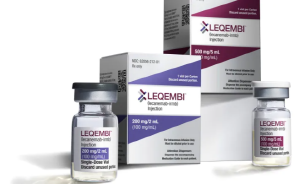
- The new drug ‘Leqembi (lecanemab-irmb),’ which reduces the rate of disease progression and slows cognitive decline from Alzheimer's disease, has received marketing authorization in Korea. The Ministry of Food and Drug Safety (MFDS) announced on Thursday that it has approved Eisai Korea’s Leqembi, a new drug for Alzheimer's disease. Leqembi was approved as a treatment to slow the progression of mild cognitive impairment (MCI) and mild dementia due to Alzheimer's disease.’ The drug has been proven to reduce the rate of disease progression and slow cognitive decline by selectively binding to amyloid beta (Aβ) aggregates, which are a known cause of Alzheimer's disease. However, its efficacy and safety in patients whose condition has progressed to moderate or severe Alzheimer's disease have not been confirmed. The MFDS shared the results of the safety and efficacy review with the Health Insurance Review and Assessment Service prior to Leqembi’s approval to help shorten the reimbursement review period to enable quicker access to the Alzheimer's disease treatment. Under the approval and reimbursement linkage system, Leqembi’s reimbursement review is expected to start upon its approval. Following the U.S. (July 2023), Japan (September 2023), and China (January 2024), Korea will become the fourth country to approve Leqembi’s use in the world. However, the problem is the price of the drug. In the U.S., Leqembi costs about KRW 35 million per year; in Japan, it costs KRW 27 million. As this means that it would cost tens of millions of won to slow down the progression of mild dementia, patients in Korea are left with no option but to wait for its reimbursement.
- Policy
- Tepmetko reapplies for reimb in Korea for the third time
- by Lee, Tak-Sun May 27, 2024 05:48am
- Tepmetko Tab (tepotinib, Merck) is applying for reimbursement in Korea for the third time after failing to set a reimbursement standard at the Cancer Disease Deliberation Committee (CDDC) stage in March. With no other treatment available for patients with MET-mutation positive metastatic non-small-cell lung cancer (NSCLC), the industry’s focus is on whether Tepmetko will succeed in receiving reimbursement approval this time. According to industry sources on the 26th, MSD recently applied for reimbursement of Tepmetko to the Health Insurance Review and Assessment Service. This is the third reimbursement application the company has filed for the drug. Tepmetko, which was approved in Korea in November 2021, started its reimbursement journey in earnest in 2022. In its first attempt, the company sought to receive reimbursement for Tepmetko as a treatment for locally advanced or metastatic non-small cell lung cancer with a confirmed MET exon 14 skipping mutation but failed at the HIRA’s CDDC stage in February last year. After the first failure, the company reorganized its data and made its second attempt last October. However, the company’s second attempt was also unsuccessful. In March, the CDDC again failed to set reimbursement standards. The company voluntarily withdrew their application in April thereafter. After taking a break, the company is now seeking reimbursement for the third time. No other drug for MET-mutation-positive NSCLC has successfully received reimbursement in Korea. Another same-class drug Tabrecta (capmatinib, Novartis) also failed to receive reimbursement after its 2021 approval and is now reportedly focusing on nonreimbursed sales. Although patients with MET mutations account for a small percentage (3-4%) of patients with metastatic NSCLC, the patients are in desperate need of a targeted therapy option due to their poor prognosis. In February, the company received traditional approval from the US FDA based on additional data. The company is known to be seeking reimbursement in Korea with the efficacy data that continues to accumulate. It has already passed the drug committees (DCs) of 13 major medical institutions in Korea and is being prescribed on a non-reimbursement basis through patient assistance programs. Therefore, the industry’s attention is on whether Tepmetko can pass the difficult Korean health insurance market barriers and receive reimbursement in its 3rd attempt.

- Company
- Leclaza demonstrates efficacy as combo therapy in NSCLC
- by Son, Hyung-Min May 27, 2024 05:48am
- Clinical data demonstrating the efficacy of the Leclaza and Rybrevant combination in lung cancer will be presented at the upcoming American Society of Clinical Oncology (ASCO) Annual Meeting. An abstract published for the ASCO 2024 Annual Meeting (ASCO 2024), a five-day conference that is set to start on the 31st, confirmed the additional efficacy of the combination therapy. In addition to the primary endpoint results for the combination announced last year, the abstract confirmed the drug’s efficacy in rare types of mutations, giving the combination a green light for its entry into the global new drug market. Johnson & Johnson (J&J), which holds the global rights to both treatments, filed for the combination’s approval as a first-line treatment for EGFR-positive NSCLC to the U.S. Food and Drug Administration (FDA) last December. According to industry sources on the 25th, abstracts of the results of the Phase III MARIPOSA follow-up study of Leclaza and Rybrevant were released on the 25th. Leclaza is Yuhan Corp’s treatment for non-small cell lung cancer that targets the epidermal growth factor receptor (EGFR) mutations exon 19 deletion and exon 21 (L858R). The company has been testing the drug’s potential in combination with Rybrevant, Janssen's EGFR exon 20 mutation-targeting NSCLC drug, in NSCLC. The MARIPOSA trial evaluated Leclaza and Rybrevant’s efficacy in patients with EGFR-positive locally advanced or metastatic NSCLC. Results that were presented last year showed that the combination improved overall survival (OS) and reduced the risk of disease progression and death by 30% compared with Tagrisso. At the upcoming ASCO meeting, the results of a subgroup analysis that evaluated the combination’s efficacy in high-risk groups, including patients with TP53 mutation, circulating tumor DNA (ctDNA), and brain or liver metastases, will be presented. TP53 mutations are present in various cancers, including lung and liver cancers, and the inactivation of TP53 is known to be associated with malignant lung cancer. 636 patients with treatment-naïve EGFR-positive exon 19 del or exon 21 mutated NSCLC enrolled in the study. Based on an analysis of 636 evaluable patients, patients treated with Leclaza+Rybrevant achieved a median progression-free survival (PFS) of 18.2 months in patients with TP53-mutated NSCLC, which was longer than the 12.9 months achieved with Tagrisso monotherapy. In patients with detectable ctDNA at baseline, PFS was 20.3 months in the Leclaza+Rybrevant group, compared with 14.8 months in the Tagrisso monotherapy group. In patients with liver metastases, PFS was 18.2 months with the Leclaza+Rybrevant group versus 11.0 months with the Tagrisso monotherapy group. The researchers said, “Given that this high-risk biomarker population accounts for up to 85% of all EGFR-positive NSCLC patients, we believe that the Leclaza+Rybrevant combination may play an important role as a standard of care in first-line NSCLC.” Leclaza+Rybrevant demonstrates efficacy in rare-mutated types of lung cancer as well Yuhan Corp’s Leclaza and Janssen’s RybrevantThe Leclaza and Rybrevant combination also demonstrated efficacy in NSCLC harboring atypical mutations in the CHRYSALIS-2 study. The CHRYSALIS-2 study was initiated to identify biomarkers that are associated with higher response rates to the Leclaza+Rybrevant combination therapy. The Cohort C study that was presented this time evaluated the potential of the Leclaza+Rybrevant combination in treating NSCLC harboring atypical EGFR-positive mutations, excluding exon 20 insertion mutations (S768I, L861Q, and G719X). Cohort C of the CHRYSALIS-2 study enrolled patients with atypical EGFR mutations, excluding exon 20 insertion mutations, who were treatment-naïve or had two or fewer prior lines of therapy, which may have included a 1st/2nd-generation EGFR TKI. The median age was 64 years, and 68% of the patients were Asian. The most common mutations were G719X (54%), L861Q (24%), and S768I (22%). As of December 14, 2023, at a median 13.8 months of follow-up, the ORR was 51% in the treatment-naïve subset. The ORR for patients harboring solitary mutations at G719 (n = 13), L861 (n = 8), and S768 (n = 2) was 54%, 63%, and 100%, respectively. Among patients treated with prior Giotrif, the ORR was 45%. Up to now, the only drugs that have shown an effect in EGFR-positive variants, including G719X, L861Q, and S768I, have been Boehringer Ingelheim's Giotrif and AstraZeneca's Tagrisso. In this area that lacked treatment options, the combination of Leclaza and Rybrevant showed efficacy against rare EGFR-positive mutations, paving the way for the combination to become the standard of care for NSCLC. The details of the clinical results from the CHRYSALIS-2 cohort will be presented at the ASCO Abstract Session by Dr. Byoung Cheol Cho, Director of the Lung Cancer Center at Yonsei University Cancer Hospital.
- Company
- Bukwang subsidiary’s IPO in Korea will be postponed
- by Kim, Jin-Gu May 24, 2024 05:49am
- Bukwang Pharmaceutical announced that the IPO schedule for its subsidiary Contera Pharma would inevitably need to be postponed. Initially, Contera Pharma planned to gain momentum for its IPO listing in Korea and abroad based on the Phase II results of its new drug candidate for Parkinson's disease, JM-010, but the schedule was postponed as the drug failed to demonstrate statistical significance. However, the company had affirmed that it had not given up its plan to list Contera Pharma. Woo-hyun Lee, the Chairman of its parent company, OCI Holdings, is planning to visit Contera Pharma in Denmark this month to see firsthand the development progress of JM-010 and other portfolios. Je-Young Lee, CEO of Bukwang Pharmaceutical, held an online emergency briefing session on the morning of the 23rd to explain Contera Pharma's JM-010 clinical results and plans. Bukwang Pharmaceutical announced on May 22 that it did not meet the primary endpoint target in the European Phase II clinical trial of Contera Pharma's Parkinson's disease candidate JM-010. The primary endpoint was the reduction in dyskinesia as assessed by the Unified Dyskinesia Rating Scale (UDysRS) at Week 12. On this, CEO Lee said, "Although we confirmed the drug’s pharmacological effect, we were unable to confirm a statistically significant difference between JM-010 and the placebo, which was our primary endpoint. We are conducting additional subanalysis on our findings and have identified some significant results. We plan to announce the specifics at upcoming international academic conferences." However, regardless of the sub-analysis results, the company decided to discontinue the US trial. Lee explained, "Our initial strategy was to shorten the duration of the ongoing US Phase II trial and enter Phase III early based on the European Phase II trial results, but we had to give up this strategy due to failure to achieve statistical significance in the US trial. Further delays and additional investments are too burdensome. As painful as it is, we have decided to discontinue the US trial." As for Contera Pharma's IPO, the company said it will have to delay its timeline. CEO Lee said, “Our original plan for a quick IPO has become a little difficult, and we would inevitably have to postpone the listing.” “However, given Contera Pharma’s capabilities and other pipelines, it would be disappointing to give up on the listing itself.” Lee emphasized, “We are not suspending or abandoning the company’s IPO itself.” He also dismissed speculations and questions about whether the clinical trial failure would lead to a breakup of OCI Holdings and Bukwang Pharmaceutical, or Bukwang Pharmaceutical and Contera Pharma. CEO Lee said that he and OCI Holdings Chairman Woo-hyun Lee will visit Contera Pharma in Denmark this month to look at the company's pipeline. "Of course, it is true that JM-010 is a significant part of Contera Pharma, but OCI is constantly attempting to make its way into the pharmaceutical industry, and this result is unlikely to change OCI's policy on Bukwang Pharmaceutical." “Contera Pharma owns a number of other pipelines in addition to JM-010. We plan to visit Contera Pharma in Denmark with Chairman Lee at the end of May and plan to review the company's portfolio development situation there.”
