
- LOGIN
- MemberShip
- 2026-06-24 09:41:49
- Company
- Will the first oHCM drug Camzyos be reimbursed in Korea?
- by Eo, Yun-Ho Feb 28, 2024 05:50am
- The industry’s eyes are focused on the reimbursement review progress of Camzyos, the first treatment for obstructive hypertrophic cardiomyopathy. Dailypharm’s coverage found that the pharmacoeconomic evaluations for Camzyos(mavacamten), BMS Pharmaceutical Korea's new drug for obstructive hypertrophic cardiomyopathy (oHCM), is now complete and that it will be submitted for review by the Health Insurance Review and Assessment Service's Pharmacoeconomic Evaluation Subcommittee next month (March). Being the first treatment option in its field, many challenges are expected in its reimbursement approval process. However, as the government has shown a willingness to improve the valuation process for new drugs, including providing preferential treatment for innovative new drugs, it remains to be seen whether this will positively impact Camzyos’s reimbursement process. Camzyos is the first and only cardiac myosin inhibitor that specifically targets excess cross-bridge formation of myosin and actin proteins, the main cause of oHCM. It improves left ventricular hypertrophy and left ventricular outflow tract obstruction by separating myosin from actin, relaxing the overcontracted heart muscle. Due to the lack of a cure, oHC has long been managed with off-label drug use. The European Society of Cardiology (ESC) revised its HCM guidelines for the first time in 9 years with the introduction of Camzyos. Before then, HCM guidelines have been based on small observational data reported from individual institutions, retrospective analyses, or expert consensus opinions. Therefore, Camzyos was a game-changer in the field. After demonstrating its significant effect in two large-scale Phase III randomized controlled trials (RCTs), Camzyos was recommended at the highest evidence level, A, for the first time among treatment options in the ESC guidelines. The American College of Cardiology (ACC) and American Heart Association (AHA) are also currently preparing to update their guidelines. Based on the Phase III trial data, Camzyos received a breakthrough therapy designation (BTD) and was approved by the US FDA. Based on these factors, Camzyos appears to meet the criteria for an innovative new drug announced by the government last year, where: ▲ there is no substitute or therapeutically equivalent product or treatment; ▲ has shown clinically meaningful improvement, such as a significant prolongation of survival period; ▲has received the Ministry of Food and Drug Safety’s GIFT (Global Innovative products on Fast Track) designation, US FDA’s Breakthrough Therapy Designation (BTD), and was approved through the European EMA’s Priority Medicines scheme (PRIME). With reimbursement for the breast cancer drug Enhertu (trastuzumab deruxtecan) recently making progress by passing an unusual ICER threshold, attention is focused on whether Camzyos can follow suit. In the Phase III EXPLORER-HCM trial, which served as the basis for Camzyos’s approval, Camzyos achieved and improved the primary composite endpoint of the proportion of patients with decreased symptom burden (by NYHA class) and functional capacity (peak oxygen consumption, pVO2) by more than 2 times compared with placebo. In particular, 20% of the patients who received treatment with Camzyos achieved both primary endpoints, pVO2 improvement, and the NYHA class requirement. Also, the dynamic left ventricular outflow tract obstruction was reduced by over 4 times with the use of Camzyos. 7 out of 10 patients treated with Camzyos improved to the extent that they would not consider surgery, and showed consistent benefits over 30 weeks.
- Company
- Samsung Bioepis confirms efficacy of its Eylea biosimilar
- by Nho, Byung Chul Feb 27, 2024 05:45am
- Samsung Bioepis (CEO Hansung Ko) announced today that the company had presented the follow-up results from its Phase III clinical trial on SB15 (Korean brand name: Afilivu/Eylea biosimilar/Aflibercept) at the Annual Asia-Pacific Academy of Ophthalmology (APAO) Congress that was held in Indonesia from the 22nd to the 25th this month, SB15 is a biosimilar of Eylea, the eye diseases treatment for diseases such as macular degeneration that was developed by the U.S. company Regeneron in the U.S. It works by binding to the vascular endothelial growth factor (VEGF) and inhibiting the formation of new blood vessels. Macular degeneration is an ocular disease caused by aging and inflammation of the retinal macula, the nerve tissue in the center of the retina of the eye. In severe cases, it can cause blindness, resulting in high patient costs due to continuous treatment. In the abstract presented at the congress, Samsung Bioepis disclosed the results of a subgroup analysis of 103 patients (82 patients in Korea and 21 in Japan) with neovascular age-related macular degeneration (nAMD) in Asia who participated in a Phase III clinical trial for SB15. The company conducted a global Phase III clinical trial on SB15 from June 2020 to March 2022, recruiting 449 patients from 10 countries across Asia, Europe, and the U.S. The data from the Asian region was selected for the follow-up analysis. In the Asian subgroup analysis, the efficacy, safety, and immunogenicity, including best corrected visual acuity (BCVA), of patients randomized at Week 0 to receive SB15 through Week 56 (SB15 arm, 52 patients) versus the original drug product (original drug product arm, 24 patients) versus patients randomized at Week 0 to first use the original drug product then switch to SB15 from Week 32 (switch arm, 26 patients) were analyzed. Results showed that the patients' best-corrected visual acuity improved similarly in all 3 arms at Week 56 compared to Week 0: 8.3 letters in the SB15 arm, 7.0 letters in the original drug’s arm, and 6.8 letters in the switching arm. The type and frequency of adverse events were also comparable in the SB15, original, and switching arms, with no new safety signals identified in any of the 3 arms and no detection of anti-drug antibodies, an indication of the drug's immunogenicity. Hejin Kim, Vice President of the Medical Team at Samsung Bioepis, said, “We were able to reaffirm the efficacy of SB15 through the Asian subgroup analysis. The drug demonstrated bioequivalence to the original drug in the Asian subgroup just as it had in the global clinical trial.” Samsung Bioepis currently owns a total of 11 biosimilar products in its pipelines, and SB15 is the second ophthalmic treatment developed by the company after SB11 (Amelivu in Korea, Byooviz in the U.S. and Europe, and Lucentis biosimilar/ ranibizumab). Samsung Bioepis plans to work with Samil Pharm on the sales of SB15 and SB11 in Korea to boost the development and sales synergies of both companies. The 2 companies launched SB11 in January 2023, and in February this year, they signed an additional sales agreement for SB15, establishing a cooperation system for the 2 ophthalmic drugs.
- Policy
- AbbVie Korea will discontinue supply of Kaletra
- by Lee, Tak-Sun Feb 27, 2024 05:45am
- The HIV drug Kaletra, which was used as a first-line antiviral treatment during the COVID-19 outbreak, will be withdrawn from the domestic market. The decline in domestic demand is cited as the reason. On the 23rd, AbbVie Korea reported to the Ministry of Food and Drug Safety that will stop supplying Kaletra Tab(lopinavir + ritonavir) in Korea. The company explained, "In light of the decrease in demand for Kaletra and the fact that improved substitute options are well in supply, we plan to discontinue its supply." The company added that the impact on patients is expected to be minimal as improved alternatives are already well-established in the market. In consideration of the available improved alternatives to Kaletra, AbbVie said it will work to ensure that patient care is not disrupted through notifications and guidance to long-term care organizations and their patients. With the notification, Kaletra will be available only until October of this year. Kaletra was used as an antiviral drug during the first outbreak of the COVID-19 virus in February 2020. However, in August of that year, the National Medical Center’s Central Clinical Committee for New Infectious Diseases removed Kaletra from recommendations in the clinical practice guideline for the antiviral treatment of COVID-19. Instead, remdesivir was added in its place. The reasoning was that Kaletra seemed to have no or limited effect against COVID-19. At the time, the committee explained, "HIV-protease inhibitors, including Kaletra, are not generally recommended for COVID-19 and may be considered cautiously in very limited circumstances, such as in clinical studies.” Kaletra gave up the rights to its patent in early 2020, allowing generics to be developed around the world, but no generic versions have been released in South Korea since. Currently, Pfizer's Paxlovid and MSD's Lagevrio are the only officially authorized COVID-19 treatments in Korea.
- Company
- K-biopharma starts trials with bispecific antibodies
- by Son, Hyung-Min Feb 27, 2024 05:45am
- Major global pharmaceutical companies have accomplished successful marketing of bispecific antibodies. Now, the Korean biopharmaceutical industry is also joining this challenge. Current bispecific antibodies include Roche’s Lunsumio and Columvi, Abbvie’s Epkinly, and Janssen’s Tecvayli. Korean companies are planning to evaluate the possibility of developing bispecific antibodies in an area of immunotherapy. According to industry sources on the 26th, Hanmi Pharm, ABL Bio, and ImmuneOncia joined the race to develop bispecific antibodies. Bispecific antibodies are known to have clinical advantages as they have additional specific antigen-binding sites compared to monoclonal antibodies. Korean biopharmaceutical companies have started developing anticancer therapy with bispecific antibodies. Hanmi Pharm’s immunotherapy candidate product BH3120 has recently entered Phase 1 clinical trials. BH3120 simultaneously targets 4-1BB and PD-L1. PD-L1 is a target that immunotherapies, such as Keytruda and Opdivo, have demonstrated effectiveness. Hanmi plans to expand the antibody’s efficacy by also targeting 4-1BB protein. Hanmi’s bispecific antibody platform technology, Pentambody, was applied to developing BH3120. Pentambody is a next generation bispecific antibody platform technology that stimulates immune cells while attacking target cancer cells simultaneously. BH3120 is designed to activate 4-1BB specifically in the immune cells near PD-L1-expressing cancer cells. This design minimizes toxicity while demonstrating anti-cancer efficacy in preventing late recurrence. ABL Bio has the most bispecific antibodies of any pharmaceutical companies in Korea. ABL Bio has more than seven pipelines including ABL001(VEGFxDLL4), ABL111(Claudin18.2x4-1BB), and ABL503(PD-L1x4-1BB). ABL Bio is also developing ABL001 jointly with Handok. Handok has entered into a licensing agreement with ABL Bio, securing the rights of the drug in Korea and the company has been focusing on biliary tract cancer since February 2021 and conducting Korean Phase 2 clinical trial of ABL001(HDB001A). Handok’s Korean Phase 2 clinical trial, which enrolled patients with biliary tract cancer, demonstrated drug’s efficacy. Therefore, Handok has established a foundation for expanding into multinational clinical studies. In the clinical trial, ABL001 was administered in combination with Paclitaxel to patients who had received their first or second systemic anticancer therapies. The combination therapy demonstrated an objective response rate (ORR) of 37.5%. The median overall survival (OS) was reported to be 12.5 months, with an estimated median duration of response rate (DOR) of 9.4 months. The company is planning to enter later stage clinical trials. ABL Bio announced the interim analysis of Phase 3 for ABL111 last year. The company aims to secure indications for solid cancer by simultaneously targeting Claudin18.2 and 4-1BB. ABL111 did not show any serious adeverse reactions of greater than level4, with an index of 4-1BB-specific toxicity side-effects, according to the company. Additionally, ABL503 is a cancer immunotherapy that simultaneously targets PD-1 and 4-1BB, similar to Hanmi’s BH3120. According to the Phase 1 clinical trial result, one instance of complete response (CR) and three instances of partial remission (PR) were confirmed in ovarian cancer patients administered with ABL503. The Phase 1 clinical trial of ABL503 is currently being conducted at six institutions in the United States and three institutions domestically, focusing on dose escalation and expansion parts. Once the optimal dosage is determined, the plan involves identifying the most suitable target among solid tumors. ImmuneOncia’s IMC-201 is an independently developed bispecific antibody utilizing CD47 and PD-L1. In the preclinical study, IMC-201 binds strongly to solid cancer cells or blood cancer cells expressing CD47/PD-L1 and selectively binds to cancer cells even when cancer cells and red blood cells are co-cultured. In addition, IMC-201 exhibited higher macrophage-dependent phagocytosis than monoclonal antibody IMC-002. Particularly in a mouse tumor model of triple-negative breast cancer, IMC-201 showed more substantial tumor suppression than the combination of monoclonal antibodies IMC-002 and IMC-001. ImmuneOncia is developing cancer immunotherapy candidate IMC-002. IMC-002 blocks the signal between CD47 on cancer cells and macrophages. The result of IMC-002 administration to 12 patients demonstrated no drug toxicity in each dose. 6 out of 12 patients showed stable disease (SD). The company will determine the recommended dose based on Phase 1 clinical study results.
- Policy
- Expedited domestic supply of suspended essential medicines
- by Lee, Hye-Kyung Feb 27, 2024 05:45am
- The timelines for domestic distribution of supply-disrupted essential medicines will likely be shortened to two months from four months starting this year. The Korea Orphan & Essential Drug Center (KOEDC) announced on the 27th their plans to ensure a stable supply through monitoring the supply and demand of orphan drugs and essential medicines in Korea and overseas, according to its ‘2024 Business plan.’ If supply monitoring indicates medical needs and urgency of medicines, the center will shorten the timelines for domestic supply through a preliminary survey of overseas medicines for expedited supply. Previously, the Ministry of Food and Drug Safety (MFDS) was responsible for confirming the expedited supply of essential drugs that had been suspended, and the center handled business related to imports and distribution. The plan for expedited supply of suspended essential drugs: the center will be responsible for implementing preliminary measures of expedited supply, such as independently conducting surveys of overseas medicines and domestic demands. Then, the MFDS will undertake administrative management of the expedited supply. From now on, the center will conduct preliminary measures of expedited supply, such as independently conducting surveys of overseas medicines and domestic demands. Then, the MFDS will undertake administrative management of the expedited supply. Furthermore, the center aims to strengthen the domestic self-sufficiency of suspended essential medicines by expanding consignment manufacturing (a new item per year). If a stable supply of the previously ordered items is achieved, the production will be transferred to private companies. The center will diversify their sources for purchasing (manufacturer, overseas wholesale business) drugs, especially for orphan drugs, to improve the system of imports and distribution of orphan drugs and essential medicines that are not available domestically. Furthermore, the center plans to shorten import timelines and reduce drug prices by discussing estimated demands with a distributor beforehand and obtaining three months of stock. Besides these plans, the center will strengthen its supportive measures. This includes improving the environment related to safe use of medicines and reducing patients’ financial burden by adjusting drug prices. The center will continue to offer support related to regular surveys of overseas medicines and adjustment of drug prices by reducing importing costs, tariff refunds via tariff and tax exemption, low-income funding projects for purchasing medicines (90 million won), and patient support (free supply) programs. “KOEDC will continue to survey and provide information related to the development of orphan drugs and put our efforts into providing patients with medicines that are necessary but unavailable domestically,” KOEDC President Jinseok Kim stated
- Company
- Reimbursement for novel CMV drug Livtencity imminent in KOR
- by Eo, Yun-Ho Feb 27, 2024 05:45am
- The novel cytomegalovirus drug Livtencity will soon receive reimbursement in Korea. According to industry sources, Takeda Pharmaceutical Company of Korea recently completed drug pricing negotiations with the National Health Insurance Service for its cytomegalovirus (CMV) drug Livtencity (maribavir). The drug is expected to be approved in April if no issues arise. When reimbursed, the drug will provide a new treatment option for patients who are resistant to existing drugs. The company submitted an application for Livtencity’s reimbursement in Q3 last year, and the agenda the passed Health Insurance Review and Assessment Service’s Drug Reimbursement Evaluation Committee review in December of the same year. Cytomegalovirus (CMV) is a type of herpes virus that's extremely common worldwide. Over 60% of all adults are infected with CMV within their lifetime and typically develops in patients who use immunosuppressants after hematopoietic stem cell transplantation (HSCT). Around 30-70% of HSCT patients experience CMV viremia. In HSCT patients, CMV causes multisystemic diseases such as pneumonia, hepatitis, gastroenteritis, retinitis, and encephalitis. Among these, pneumonia’s mortality rate is near 60%. Because CMV in immunocompromised patients is fatal, patients had generally received preemptive treatment mainly with ganciclovir, valganciclovir, foscarnet, and cidofovir, and hospitalization had been essential. Additionally, because these drugs have similar mechanisms of action if resistance to one drug develops, it is highly likely that the patient will not respond to other treatments as well. However, the introduction of Livtencity will bring hope to these patients. Livtencity has almost no side effects compared to existing drugs and can become an alternative if patients develop resistance to the existing drugs. Livtencity’s antiviral activity inhibits CMV multiplication and migration through a differentiated multi-modal mechanism of action that inhibits the protein kinase of the HCMV enzyme UL97. It not only inhibits DNA from coming out of cells, but also interferes with viral DNA replication, encapsidation, and nuclear egress. Meanwhile, Livtencity was first approved in November 2021 by the US FDA as the first treatment for patients with post-transplant CMV infection/disease and was approved in Korea in December 2022.
- Policy
- Delayed actual transaction price cuts slash expected savings
- by Lee, Tak-Sun Feb 26, 2024 05:25am
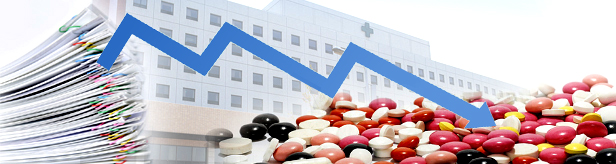
- The implementation of the actual transaction price system intended to reduce the drug price has been postponed. Since the system was initially scheduled to take effect in January, the price monitoring investigation reached conclusion. However, the price adjustments are being delayed for various reasons. Pharmaceutical companies may benefit from the delay, but it results in financial loss for the National Health Insurance Service (NHIS) due to reduced effects of financial savings. According to industry experts on the 22nd, the price cutting of the actual transaction prices of drugs has been repeatedly delayed. It is unlikely to be implemented in March as it has not been included in this year’s Health Insurance Policy Review Committee agenda. Since the post-listing price cuts following the re-evaluation of the upper price limit are scheduled to begin in March, price cutting of the actual transaction prices of drugs is expected to be postponed. This delay is intended to allow the payer to take effective management of returns and budgets into account. However, it is unclear whether the policy changes will take effect in April. Financial savings may be negatively affected due to the delay in policy implementation. The government implements an actual transaction price system biannually. This system investigates the actual prices of drugs distributed in hospitals, except for national and public hospitals. If a drug’s actual price distributed is lower than the upper limit price, it is subject to a discount rate of 10%. The investigations exclude low-priced drugs and drugs that have been listed as shortage prevention drugs (SPD). The NHIS can expect financial savings through the system. The 2019 actual transaction price investigation resulted in price cutting of 3900 drugs, leading to annual financial savings of 42.1 to 112.9 billion won in 2020 and 2021, according to ‘Research on the comprehensive improvement of the actual transaction price system based on the effectiveness evaluation (P.I: Professor Kim, Jinhyun of Seoul National University).’ According to government data, adjusting the upper limit price of 3829 drugs based on the actual transaction price investigation resulted in a net estimated financial savings of 79.6 billion won in 2022. Since a price cutting of drug prices based on the actual transaction price investigation saves a minimum of 40 billion won annually, 10 billion savings in the first quarter are estimated to be lost due to delays in the implementation. The Ministry of Health and Welfare (MOHW) stated that the price cuts of the actual transaction price have been delayed because their review of National Essential Drugs and drugs in short supply is incomplete. The implementation timeline will be decided later, according to the MOHW. Every month, the price of drugs on the drugs shortages list has been increasing. In March, The prices of 49 items of tulobuterol patch are expected to increase by an average of 13.9% of the upper limit price. An additional designation of National Essential Drugs is planned for the first half of the year. However, critics argue that the NHIS is causing financial losses by delaying the price cuts not only for drugs under investigation but also for those where investigations have already concluded. The point is that the drugs in short supply or National Essential Drugs represent only a small fraction of the items investigated for actual transaction prices, and these can be adjusted during post-management. Another point is that the government is refraining from taking risks before the upcoming general election. The government may proceed with implementation cautiously because price cutting of drugs in short supply may lead to public criticism. “Is the government reluctant to take risks before the upcoming general election, despite their goal of efficiently managing finances by assessing the financial structure of national insurance?” a pharmaceutical industry representative emphasized. “If the government continues to delay the implementation, their expected financial savings will be reduced,” a representative added.
- Company
- Shingrix leads shingles vaccine mkt…occupies 44% of mkt
- by Chon, Seung-Hyun Feb 26, 2024 05:24am
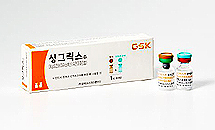
- The new shingles vaccine, Shingrix, has risen to lead the market in its first year of sales. It quickly gained 44% of the market share with its strong shingles prevention effect despite its high price. Since the addition of Shingrix, the market has doubled in size. According to the drug research institution IQVIA, the shingles vaccine market was worth KRW 87 billion last year, expanding 105.8% from the previous year. The domestic shingles vaccine market has been declining every year after reaching KRW 89.9 billion in 2019. In 2022, the market size was KRW 42.3 billion, less than half of what it was 3 years ago. The analysis is that the pandemic has caused the premium vaccine market to shrink. Annual size of shingles vaccine market (Unit: KRW 100 million, Data: IQVIA) However, the introduction of the new Shingrix has revitalized the shingles vaccine market. In last year’s shingles vaccine market, Shingrix posted the most sales, posting KRW 38.5 billion in sales. The vaccine, which has been available since December 2022, began to exert its presence in Q1 last year with sales of KRW 6 billion, occupying a 28.9% share. In Q2 last year, it quickly became the leading shingles vaccine, posting KRW 11.1 billion, and continued to lead in Q3 and Q4, posting KRW 9.9 billion and KRW 11.1 billion, respectively. Shingrix’s share of the shingles vaccine market last year reached 44.2%. In other words, the vaccine took the market by storm, occupying nearly half of the total market in its 1st year of release. In Q4 last year, the company's market share rose to 50.2%, further solidifying its lead. The greatest benefit of Shignrix is its strong shingles-prevention effect. In a Phase III clinical trial (ZOE-50) that was conducted on adults aged over 50 years of age, Shingrix showed a 97.2% efficacy compared to the non-vaccinated group at 3.2 years of follow-up, and in another Phase III clinical trial (ZOE-70) conducted on adults aged 70 years and above, Shingrix showed an 89.8% efficacy at 3.7 years of follow up. This is superior to the 5% protection in adults aged over 50 years of age and 41% in adults aged 70 years and above demonstrated with the use of Zostavax. The prevention rate of SKYZoster is also known to be comparable to Zostavax. Also, Shingrix’s safety profile was confirmed through 5 clinical trials that were conducted on immunocompromised patients aged 18 years and older. Based on such evidence, patients who received autologous hematopoietic stem cell transplantation or those with solid cancer, blood cancer, or solid organ transplant patients who have an increased risk of shingles are also eligible to receive vaccination with Shingrix. At the time of its release, Shingrix's significantly higher price than existing vaccines was pointed to as an obstacle to the vaccine’s early settlement into the market. vaccines. The price of Shingrix, which is administered two times in total, is set at around KRW 500,000 to 600,000. This is more than twice as high as the existing vaccine, which costs KRW 150,000 to 200,000. However, Shingrix rapidly increased its market share in the market supported by its superior efficacy despite the high price. Also, the sales support from 2 domestic pharmaceutical companies contributed to Shingrix’s rapid market penetration. GSK started domestic sales of Shingrix in partnership with two companies, GC Biopharma and Kwangdong Pharmaceutical. Sales of shingles vaccines (Unit: KRW 100 million, Data: IQVIA) Existing shingles vaccine products such as SKYZoster and Zostavax saw sales increase from the previous year, but their market share declined due to Shingrix. SK Bioscience’s SKYZoster’s sales had risen 33.3% YoY to record KRW 26.2 billion last year. SKYZoster is a live attenuated vaccine for the prevention of shingles that was developed by SK Bioscience with its proprietary technology. The vaccine has proven its non-inferiority compared to its competitor (Zostavax) in adults aged 50 or older in 8 domestic clinical institutions. In October 2017, the company obtained approval for SKYZoster from the Ministry of Food and Drug Safety for 'preventing shingles in adults over the age of 50'. Before its approval, MSD's Zostavax was the only vaccine in the market, and the introduction of SKYZoster had sparked market competition. SKYZoster's growth slowed during the pandemic after posting KRW 34.1 billion in sales in 2019. In 2021, sales fell to 18.2 billion won, a 46.7% drop in two years. SKYZoster rebounded in 2022 with 19.7 billion won in sales and grew even more last year. However, its market share fell from 46.5% in 2022 to 30.1% in one year due to the rise of Shingrix. In the case of Zostavax, it posted sales of KRW 22.4 billion last year, up 0.5% YoY. In 2019, Zostavax posted KRW 55.9 billion in sales, occupying 62.1% of the market share. However, its sales have been on a downward trend since then, and its share shrank to 25.7% last year.
- Company
- Samsung Bioepis’s Eylea biosimilar Afilivu approved in KOR
- by Son, Hyung-Min Feb 26, 2024 05:24am
- Samsung Bioepis announced on the 23rd that it has obtained domestic approval for its Eylea biosimilar ‘Afilivu.’ The approval marks the 2nd ophthalmic disease treatment Samsung Bioepis has received approval for after being granted approval for its Lucentis biosimilar Amelivu. Eylea is a macular degeneration treatment developed by the multinational pharmaceutical companies Regeneron and Bayer. Samsung Bioepis plans to comarket both Amelivu and Afilivu with Samil Pharm. The companies released Amelivu last year and signed an agreement for Afilivu in February this year. Samsung Bioepis conducted a Phase III clinical trial for its Eylea biosimilar in 449 patients with wet age-related macular degeneration from June 2020 to March 2022 in 10 countries, including the U.S. and South Korea. In the clinical trial, Afilivu demonstrated bioequivalence in terms of efficacy and safety with Eylea. "With the approval of Afilivu, we have once again demonstrated our biopharmaceutical research and development capabilities. We will continue to strive to contribute to addressing unmet medical needs in the field of ophthalmic diseases in Korea."
- Company
- Eylea continues to lead AMD mkt despite new competition
- by Son, Hyung-Min Feb 26, 2024 05:24am
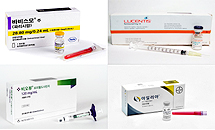
- The entry of new drugs in the macular degeneration treatment market made little impact on Eylea’s sales. Eylea continued to top the macular degeneration treatment market last year, posting sales of KRW 96.7 billion. The Eylea biosimilars Vabysmo and Lucentis, which were released last year, have shown little presence in the market yet. According to the market research institution IQVIA on Thursday, Eylea’s revenue last year was KRW 96.7 billion, up 20.2% from the KRW 80.4 billion it had made in 2022. Eylea is a vascular endothelial growth factor-A (VEGF-A) inhibitor for macular degeneration that was developed by Bayer and Regeneron. The drug was approved in Korea in 2013 and entered the market in earnest the following year after receiving reimbursement approval. Although Eylea’s sales were lower than that of its competitor Lucentis until 2015, the market demographic changed in Q3 2016. Since then, Eylea’s sales have continued to grow, reaching KRW 46.8 billion in 2019, and then KRW 60.3 billion in 2020. In 2022, it surpassed the KRW 80 billion mark and reached the KRW 100 billion mark the last year. However, Eylea now has to fend off an onslaught of biosimilar competitors due to the expiration of its patent last month. Celltrion, Samsung Bioepis, and Sam Chun Dang Pharm have all made a bid with their Eylea biosimilars. The original developers, Bayer and Regeneron, are preparing to develop a higher-dose version of Eylea in preparation for the entry of biosimilars. The companies plan to launch a higher-dose formulation to increase the dosing interval. The two companies plan to seek approval for the higher-dose Eylea for all of their approved indications, including diabetic macular edema (DME), wet age-related macular degeneration (wAMD), and retinal vein occlusion. Novartis’s Lucentis posted sales of KRW19.8 billion last year, down 20.2% from the previous year. Lucentis’s sales have declined steadily since 2020, when it generated KRW 37 billion in sales. In 2022, the company reported sales of KRW 29.4 billion, and even less, to record sales of less than KRW 20 billion last year. Lucentis uses the same mechanism of action to inhibit VEGF-A as Eylea but has a shorter dosing interval. Lucentis must be administered once a month, compared to Eylea, which can be administered once every two months. Eylea’s efficacy had demonstrated superior vision improvement to Lucentis in patients with severe vision loss due to diabetic macular edema. Therefore, Novartis plans to focus on marketing its next macular degeneration drug, Beovu. Like Eylea, Beovu can be dosed once every 2 months. Beovu, which was released in Korea in Q3 2021, generated sales of KRW 8.6 billion in the same year. Since then, its sales have continued to grow, generating sales of KRW 16.5 billion in 2022 and KRW 21.3 billion last year. Total sales of new drugs and biosimilars that entered the market last year amount to KRW 19 billion The Lucentis biosimilars and Roche's Vabysmo, which were newly launched last year, did not make much of an impact in the market the past year. Chong Kun Dang’s LucenBS, which was the first Lucentis biosimilar to enter the market, sold KRW 500 million, and Amelivu, which is comarketed by Samsung Bioepis and Samil Pharm, sold KRW 800 million last year. Chong Kun Dang sought to turn the atmosphere around with a price cut. The company cut the price of Lucentis from KRW 300,000 to KRW 150,000 this month. The original Lucentis costs KRW 580,000 per vial and Samsung Bioepis' Amelivu costs KRW 350,000 per vial. Because its competitor has significantly reduced the price of its drug, attention is rising to what Samsung Bioepis will do in the next as well. Vabysmo, which had gained great attention even before its launch, generated KRW 600 million in sales last year. However, the real competition is expected to start this year, as Vabysmo was granted reimbursement in October last year. Vabysmo is a macular degeneration treatment that was developed by Roche. The drug not only inhibits VEGF but also blocks the angiopoietin-2 (Ang-2) pathway to inhibit neovascularization. Blocking both pathways independently has been shown to be more effective than blocking VEGF alone in reducing inflammation, leakage, and abnormal blood vessel growth. In particular, in clinical trials, Vabysmo improved visual acuity at a level non-inferior to that of Eylea in the TENAYA and LUCERNE trials that compared its safety and efficacy with Eylea. Its duration of response lasted 24 months. In other words, Vabysmo achieved comparable efficacy to other treatments with once every 4 months dosing compared to the once every 1-2 month dosing required for other treatments. In the global market, Vabysmo’s sales are already closing in on that of Eylea. Vabysmo generated approximately USD 3.56 trillion in global sales last year, more than half of Eylea’s $7.8 trillion, in just 2 years after its launch.
