
- LOGIN
- MemberShip
- 2026-06-25 11:12:05
- Policy
- Forxiga generics continue being released in the Korean mkt
- by Lee, Tak-Sun Dec 20, 2023 05:40am
- Generic versions of Forxiga’s salt-modified drug, which were released in April, will be reimbursed from next month. These generics were released later than other Forxiga generics because the original salt-modified drug obtained first generic exclusivity in Korea, banning the sales of other salt-modified drugs that contain the same ingredient until January 7 next year. According to industry sources on the 19th, Foxiga’s salt-modified generics, including Samjin Pharamcetucial’s Dapozin Tab 5mg, Kyungbo Pharm’s Dapakhan Tab 10mg, will be listed next month Fixe single-agent and 8 combination drugs will be listed at the time. Samjin Pharamcetucial’s Dapozin Tab 5mg is a non-salt dapagliflozin 5mg product. Chong Kun Dang’s Exiglu Tab 5mg is the only other same-ingredient and dosage drug available with reimbursement in Korea, but, Chong Kun acquired the first generic exclusivity for its Exiglu upon release and banned other same-ingredient same-dose drugs from being sold in the market until January 7 next year. To avoid this, Samjin Pharamcetucial released a different dosage of the same ingredient drug, Dapozin Tab 10mg, in April this year. Kyungbo Pharm’s Dapakhan Tab 10mg is a 15.27mg dapagliflozin anhydrous lactose mixture. The 5 other generics with the same ingredient had obtained first generic exclusivity at the same time. Therefore, the same-ingredient same-dosage formulation drugs like Dapakhan 10mg can only be sold from January 8th next year. In addition to Dapakhan 10mg, Guju Pharma’s ‘Dafarizin Tab. 10mg,’ Unimed Pharm’s ‘Sugapa Tab. 10mg,’ and Pharmgen Science’s ‘Daflozin Tab 10mg’ will also be listed for reimbursement on January 8th. With the exception of Daflozin Tab 10 mg, whose company decided to select a price, the other four single-agent drugs received a 59.5% markup to the highest price of the same ingredient drugs. However, the premium pricing is only applied temporarily for 3 months as their price will be adjusted in line with the price adjustment of the original salt-modified drug on April 8 next year. In the case of combination drugs, new salt-modified combination drugs will be listed for the first time. Eight items, including Sinil Pharm’s ‘Forxigly Duo ER Tab 10/500mg', will be reimbursed from next month. Forxigly Duo ER Tab 10/500 mg contains 15.27 mg of dapagliflozin anhydrous lactose mixture. and 500 mg of metformin hydrochloride, and there is no other equivalent currently listed on the reimbursement list. Along with Sinil, HLB Pharm, Kyungbo Pharm, and Samjin Pharm will also be granted reimbursement for 2 different dosage forms of the combination each next month. Meanwhile, 64 Korean pharmaceutical companies have entered the Foxiga generic market so far.
- InterView
- Targeted cardiomyopathy drug, Camzyos effective in Asians
- by Son, Hyung-Min Dec 19, 2023 11:19am
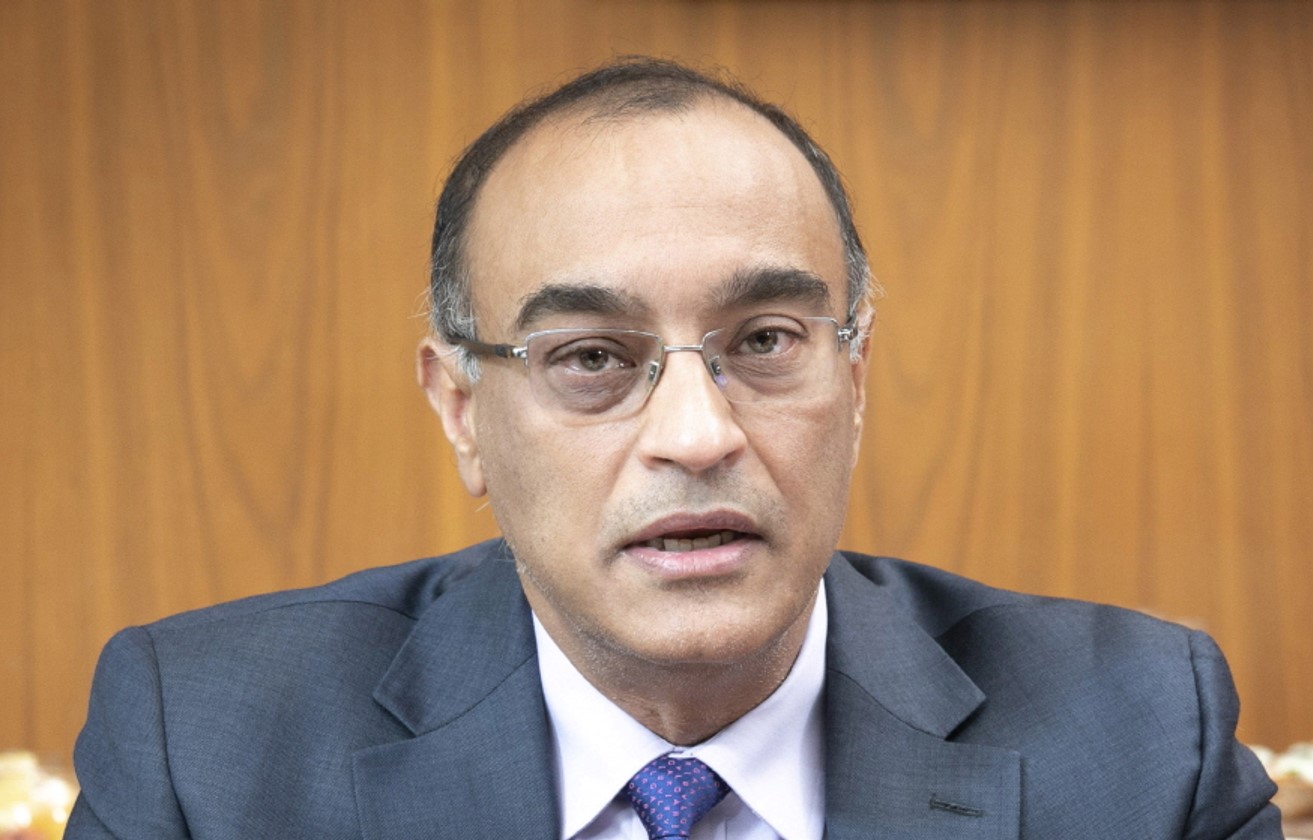
- Milind Y. Desai, a professor of Department of Cardiovascular Medicine at Cleveland Clinic, US The first targeted treatment option for obstructive hypertrophic cardiomyopathy has finally emerged. Obstructive hypertrophic cardiomyopathy (oHCM) is a sub-classification of hypertrophic cardiomyopathy that is characterized by LV outflow tract (LVOT) obstruction impeding blood flow from the heart to the rest of the body. Previously, the treatment options for HCM were limited to chronic disease treatments such as beta-blockers and calcium channel blockers. While these drugs could indirectly manage HCM symptoms, if there was no improvement, there were no other treatment options besides surgery. In this context, BMS’s development of Camzyos offered a targeted therapy option for HCM. Camzyos differs from existing drugs as it directly inhibits myosin, leading to improvements in symptoms and exercise capacity in patients. Camzyos functions by reducing the number of actin-myosin cross-bridges that constricts cardiac muscle, thus relaxing the cardiac muscle. In clinical trials, once-daily administered Camzyos showed significant improvement, bringing about half of the patients to asymptomatic levels. Additionally, 74% of patients experienced considerable improvement in obstructed left ventricular outflow, to the point where they no longer required consideration for Septal Reduction Therapy (SRT). Based on such clinical results, Camzyos was approved in May in Korea, becoming the first drug in Asia to be approved to enhance exercise capacity and alleviate symptoms in adult patients with symptomatic oHCM. Milind Y. Desai, a professor of Department of Cardiovascular Medicine at Cleveland Clinic in the US, analyzed that the demand for Camzyos will rise in medical settings based on results of the studies on Asian patients, as they have shown results consistent to those observed in global clinical studies. Q. What is the current global prevalence of HCM? The estimated global prevalence of HCM is about 1 in 500 or 1 in 200 people. Considering these figures, millions of people worldwide should be diagnosed with HCM; however, approximately 85% of these cases go undetected due to misdiagnosis, underdiagnosis, or delayed diagnosis. Based on a prevalence rate of 1 in 500, in the US with a population of approximately 340 million, it's estimated that there should be about 700,000 people diagnosed with HCM. However, the current number of diagnosed patients is estimated to be only about 100,000 to 120,000. This suggests a substantial disparity between the actual prevalence of the condition and the number of diagnosed cases. Q. What is the treatment strategy for HCM? Until recently, the treatment strategy for HCM primarily concentrated on alleviating symptoms. With no medications specifically approved for HCM, drugs for coronary artery disease, such as beta-blockers, calcium channel blockers, and disopyramide, were used for treating HCM. If symptoms failed to improve with these medications, patients had only invasive treatments, such as surgery, as alternatives. Unlike any existing treatments, Camzyos is the first therapy to directly target the underlying pathophysiology of HCM. Camzyos can inhibit excessive actin-myosin cross-bridges in cardiac muscle. By allowing only the necessary amount of actin-myosin binding to occur, it normalizes the excessive cardiac contractions, effectively treating the obstructed cardiac structure and its related symptoms. Q. In clinical trials, symptoms and exercise capacity of the patients who received Camzyos were significantly improved. In the EXPLORER-HCM trial, patients who received Camzyos achieved both primary and secondary endpoints with significant improvements over those who received placebo. A higher percentage of Camzyos-treated patients achieved each of the composite functional end point (an improvement of at least 1.5 mL/kg/min in peak oxygen consumption (VO2) accompanied by an improvement from baseline of at least one NYHA functional class, an improvement from baseline of 3.0 mL/kg/min or greater in peak VO2 maintaining NYHA functional class) compared with the placebo group. Patients treated with Camzyos showed a higher proportion of relieved LVOT pressure gradients towards normal levels and enhanced quality of life compared to the placebo group. Overall, Camzyos showed significant improvements across all evaluated parameters when compared to the placebo, thereby confirming its superiority in terms of both safety and efficacy. In addition to sustained effectiveness observed in clinical trials, patients treated with Camzyos showed reduced hypertrophied cardiac muscle thickness and size to optimal levels and were resolved of issues with stiff cardiac muscles. Furthermore, in a separate clinical study, EXPLORER-CN which had been conducted in Chinese patients, the results were consistent with those observed in global studies, despite the fact that these patients started treatment at lower doses, confirming Camzyos is an effective treatment option for Asian patients. Q. If you have experience prescribing Camzyos, what actual treatment outcomes have observed with its use? How has it impacted patients’ prognosis and satisfaction with the treatment? Currently, approximately 7,000 patients across the US are receiving treatment with Camzyos. The real-world data indicates a discontinuation rate of Camzyos therapy at around 2.2%, which is lower than what was reported in clinical trials. Among the patients receiving Camzyos treatment at the Cleveland Clinic, there were no cases requiring myectomy, and even patients who had previously undergone myectomy at other medical institutions without symptom improvement have shown a positive prognosis after starting Camzyos treatment at the Cleveland Clinic. Q. In August, the European Society of Cardiology (ESC) updated its HCM guideline. What are the most noteworthy changes? In the past, HCM guidelines had to rely on limited evidence, such as small-scale observational data from individual institutions, retrospective analysis, or consensus opinions from experts. For the past nine years since 2014, there were no drugs that has produced enough data to justify updating the guidelines. During this period, no drugs have received a recommendation with a level of evidence higher than B. However, Camzyos has completely changed the circumstances. With significant efficacy demonstrated in two large-scale Phase 3 randomized controlled trials (RCT), Camzyos has received a recommendation of A based on the newly revised ESC guidelines, making it the first treatment option to receive the highest level of evidence. Nevertheless, there was some surprise and disappointment as Camzyos had hoped to receive a Class 1 recommendation but was instead granted a Class 2A recommendation. Currently, the American College of Cardiology (ACC) and the American Heart Association (AHA) are also preparing for guideline updates, with new announcements expected early next year. Q. In conclusion, how do you predict the paradigm of the HCM treatment will shift in the future? The first step would be assessing the patients diagnosed with HCM for the presence of symptoms. If symptoms are present, treatment could begin with first-line treatment options such as beta-blockers, calcium channel blockers, or disopyramide. If initial drugs fail to alleviate symptoms in HCM patients, it may be more effective to consider transitioning to Camzyos at an appropriate time, rather than simply increasing the dosage and continuing the treatment. However, it's important to know that treating HCM isn't a linear progression from beta-blockers to Camzyos, and then to surgery. Treatment should be tailored to the patient's specific condition, which might necessitate moving back and forth between these stages. The precision medicine approach is already applied in the field of HCM, with AI-based diagnostic tools identifying more patients, and therapies targeting specific genetic mutations are under exploration. Considering these advancements, the future of HCM treatment is expected to become more diverse, offering therapeutic options that are more appropriately tailored to each patient's circumstances.
- Company
- LG Chem joins in the 3-way race in Humira biosimilar mkt
- by Chon, Seung-Hyun Dec 19, 2023 05:54am
- LG Chem has joined in to compete for a share of the Humira biosimilar market. Humira is an original autoimmune disease treatment. With the introduction, a three-way competition will start between Samsung Bioepis, Celltrion, and LG Chem in the KRW 100 billion annual market. It has been 2 years since biosimilars entered the Humira market, but the original product still has a stronghold and remains unrivaled in the market. LG Chem announced on the 15th that it has received marketing authorization from the Ministry of Food and Drug Safety for its adalimumab Humira biosimilar Xelenka. Two types of Xelenka - Xelenka Prefilled Syringe Inj and Xelenka Autoinjector Inj – were approved at the time. Xelenka is approved for the following adult indications: rheumatoid arthritis, psoriatic arthritis, axial spondyloarthritis, adult Crohn's disease, psoriasis, ulcerative colitis, Behcet's enteritis, hidradenitis suppurativa, and uveitis. It is also approved for 3 pediatric indications: pediatric Crohn's disease (6 to 17 years of age), pediatric idiopathic arthritis, and pediatric plaque psoriasis. As a result, three domestic companies, with LG Chem following Samsung Bioepis and Celltrion, have released Humira biosimilars in the market. In July 2020, Samsung Bioepis received approval for Adalloce, the first Humira biosimilar, followed by the approval of Celltrion’s Yuflyma in June 2021. Humira posted sales of KRW 104 billion in 2019 and KRW 91.2 billion and 85.8 billion in 2021 and last year, respectively. Quarterly saels of Humira (Unit: 100 million, Data: IQIVA). Competition in the Humira biosimilar market started in earnest when Samsung Bioepis’s Adalloce was approved with reimbursement in May 2021. Although 2 years have passed since domestic companies started selling Humira biosimilars, the pace of expansions made by the biosimilars has been deemed to be slow.. According to the market research institution IQVIA, the market for adalimumab reached KRW 25.3 billion in Q3. This is a 3.7% YoY increase and a 17.6% rise 2 years from the KRW 21.5 billion in Q3 2021. The original Humira has maintained a solid stronghold over the market despite the entry of its biosimilar. Humira's Q3 sales decreased 2.3% YoY to KRW 21.5 billion. This is still a 1.8% rise from the KRW 21.1 billion it had raised in Q3 2021. Adalloce’s Q3 sales were KRW 3.4 billion. This was a 54.5% increase from Q3 last year and a 13.3% share of the adalimumab market. Yuflyma’s Q3 sales reached KRW 400 million. The market share of the two domestic biosimilars combined was 14.9% in Q3. The share of biosimilars in the Humira market has been gradually expanding after exceeding 10% in Q4 last year, but the sales gap with the original product remains large. Experts have attributed the slow market penetration rate to the small gap in the prices of original products and biosimilars. The insurance ceiling price of Adalloce Prefilled Syringe 40mg/0.4ml and Yuflyma Pen 40mg/0.4ml are KRW 248,877 each, which is only a 15.0% difference from the price of Humira Prefilled Syringe 40mg/0.4ml and Humira Pen 40mg/0.4ml, which are set at KRW 288,091. In principle, under the Korean drug pricing system, biosimilars can receive insurance prices up to 70% of the original drug price that was set before patent expiry. Since October 2016, the price of ‘items developed by innovative pharmaceutical companies, or are equivalent, or those developed by domestic pharmaceutical companies in partnership with foreign companies, or items for which Korea grants first approval, or items produced domestically’ are set up to 80% of the original drug’s price. The price of original drugs whose patents have expired is automatically reduced to 70-80% of its previous level upon the introduction of its biosimilars. Even if a biosimilar is listed at a price 30% or more lower than the original drug's pre-patent expiry price, as the original drug's price is reduced at the same time, it is difficult for the generic company to secure price competitiveness. Some analysts believe that in the field of autoimmune diseases, as drugs are used to treat severe illnesses, doctors and patients may prefer new drugs from multinational pharmaceutical companies that have accumulated trust over time if there is not much difference in drug prices. However, biosimilars are known to contribute to financial savings for national health insurance by lowering the price of original drugs. As of June 7, 2021, the insurance ceiling price of Humira has been reduced by 30% from the previous price. The price of 3 drugs, Humira Pen Inj 40mg/0.4mL, Humira Prefilled Syringe Inj 40mg/0.4mL, and Humira Inj 40mg Vial, were cut 30% from KRW 415,058 to KRW 280,891, and the price of Humira Prefilled Syringe Inj 20mg/0.2mL was cut from KRW 224,002 to KRW 156,801. Humira recorded sales of 27.5 billion won in Q1 2021, but sales had fallen 24.9% the next quarter to 20.7 billion won due to price cuts.
- Company
- 2 new JAK inhibitors secure expanded reimb
- by Son, Hyung-Min Dec 19, 2023 05:54am
- The treatment market for active ankylosing spondylitis, which had been previously dominated by Tumor Necrosis Factor-alpha (TNF-α) inhibitors such as Humira and Remicade, is transforming. As of the 1st of this month, reimbursement has been applied and expanded to include major Janus Kinase (JAK) inhibitors and biologic agents for treating active ankylosing spondylitis; thereby, forecasting a likely surge in market competition. According to the industry on the 16th, the two JAK inhibitors, Pfizer’s Xeljanz (tofacitinib) and AbbVie’s Rinvoq (upadacitinib), newly passed the reimbursement criteria for treating active ankylosing spondylitis. Eli Lilly’s Taltz (ixekizumab) and Novartis’ Cosentyx (secukinumab) now receive expanded reimbursement criteria for primary treatment options active ankylosing spondylitis. Active ankylosing spondylitis is an autoimmune disease that involves inflammation in the spine and, over time, can cause progressive spinal rigidity. The inflammation in spine joints results in pain and loss of flexibility. If left untreated, active ankylosing spondylitis can restrict movements because the bones in the spine fuse in a fixed position. Until now, TNF-α inhibitors were used as the first-line treatment for active ankylosing spondylitis. Due to the lack of treatment options for patients who developed resistance, anticipation is rising on the effect the newly reimbursement treatments will provide to the field. Xeljanz and Rinvoq, first JAK inhibitors to add reimbursement standards for active ankylosing spondylitis. Patients with severe active ankylosing spondylitis who have stopped receiving treatment due to poor response to one or more types of TNF-α inhibitor or IL-17A inhibitor will be able to receive reimbursement for the JAK inhibitors Rinvoq and Xeljanz. JAK inhibitors suppress JAK enzymes., which play a critical role in facilitating processes in the immune system; however, their overactivation can lead to several autoimmune diseases. JAK inhibor Pfizer Rinvoq and Xeljanz proved effective in patients who failed prior treatments in clinical trials as well. In the Phase 3 SELECT-AXIS 2 clinical studies, which enrolled patients with ankylosing spondylitis who failed previous treatments with TNF-α inhibitor or IL-17A inhibitor, the ASAS40 (Assessment of Spondyloarthritis International Society response standard improvement of 40% or more) response rate for patients treated with Rinvoq was 45.0% at week 14. This was significantly higher than that of the placebo group (18.0%). In the Phase 3 S-I clinical trial, which enrolled patients with active ankylosing spondylitis who had an inadequate response to prior TNF-α inhibitor treatments, the ASAS40 response rate for patients treated with Xeljanz was 41%, as opposed to 13% in the placebo group. Due to the current expansion of reimbursement, the patients with active ankylosing spondylitis will be able to receive reimbursement for Xeljanz and Rinvoq, the drugs previously used for eczema, rheumatoid arthritis, and ulcerative colitis. Notably, two drugs offer an advantage over other treatment options due to their convenience in administration, as they are oral treatments. Cosentyx and Taltz, which are biologic drugs, succeeded in expanding the reimbursement criteria as first-line treatments for active ankylosing spondylitis The reimbursement criteria are expanded for Novartis's Cosentyx and Eli Lilly's Taltz, biologics that inhibit IL-17A, to include first-line treatments for ankylosing spondylitis. Previously, reimbursement criteria were limited to cases where there was an inadequate response to one or more TNF-α inhibitors, or when treatment was discontinued due to side effects or incompatibility. Cosentyx and Taltz both function by selectively binding to the cytokine IL-17A, an inflammatory mediator, and inhibiting its interaction with respective receptor. IL-17 inhibitor Novartis Through expanded reimbursement, Cosentyx and Taltz can now be used under the same criteria as TNF-α inhibitors. The reimbursement criteria for these treatments have been expanded for patients with severe active ankylosing spondylitis who had shown insufficient response or drug side-effects despite treatment with two or more types of non-steroidal anti-inflammatory drugs (NSAIDs) or biological Disease-Modifying Anti-Rheumatic Drugs (bDMARDs) for over three months. In the four-year long-term MEASURE 1 study, Cosentyx has shown that in approximately 80% of active ankylosing spondylitis patients, there was no progression of spinal deformity (modified Stoke Ankylosing Spondylitis Spinal Score (mSASSS) changes less than 2) over four years. Moreover, the MEASURE 2 study demonstrated the long-term effect of Cosentyx in improving key symptoms of active ankylosing spondylitis, including morning stiffness, spinal pain, fatigue, and nocturnal back pain up to 5 years. The effectiveness of Taltz was demonstrated in COAST-V clinical studies in patients who are biologic disease-modifying antirheumatic drug (bDMARD)-naïve, and COAST-W Phase 3 studies in patients who previously had an inadequate response or were intolerant to tumor necrosis factor (TNF) inhibitors. The COAST-V clinical trial result demonstrated that the ASAS40 response rate for patients treated with Taltz was 48% at week 16, a significantly higher response rate compared to the 18% in the placebo group. In addition, the COAST-W clinical trial also demonstrated a higher ASAS40 response rate for Taltz compared to the place group (Taltz: 25.4%, Placebo: 12.5%). Cosentyx and Taltz have shown consistent results not only in clinical trials but also in real-world data, confirming their effectiveness and safety in real medical settings.
- Company
- Baxter-JW-HK Inno.N-Kabi introduce 4th gen 3 chamber TPNs
- by Nho, Byung Chul Dec 19, 2023 05:53am
- The race to expand the market share of ‘new lipid formulation total parenteral nutrition’ has been ignited by pharmaceutical companies specializing in parenteral nutrition. The new intravenous lipid total parenteral nutritions that have been introduced to the market are regarded as 4th generation total parenteral nutritions and are an amino acid admixture to the existing three-chamber bags for parenteral nutrition. It consists of refined fish oil (Omega-3) or refined olive oil, amino acids, and glucose. Baxter was the first company to enter the market with a 4th generation product, which received authorization in August last year. Baxter’s Olimer N12E Inj is an olive oil containing amino acid-reinforced lipid emulsions that comes in650·1000·1500·2000ml sizes and are priced at KRW 29,746, KRW 37,777, KRW 43,835, and KRW 55,202, each. The company launched the product in Korea after signing a domestic distribution agreement with Boryung Phramacetucial, a sales and marketing powerhouse in general hospitals in Korea. Among domestic pharmaceutical companies, JW Pharmaceuticals, the domestic leader in the third-generation three-chamber bag for parenteral nutrition, was the first to receive approval and reimbursement for its new product and was expected to rival Baxter's Olimer N12E Inj. In the case of the Winuf A Plus Inj has increased the ratio of amino acids by including refined fish oil, refined olive oil, and refined soybean oil, the fluid is being considered as an upgrade of the company's preexisting three-chamber bag Winurf Inj, which has a market size of KRW 70 billion. Winuf A Plus Inj comes in 1089·1090·1438·1452ml sizes and are priced at KRW 41,609, KRW 41,197, KRW 46,049, and KRW 46,679, respectively. HK Inno. N’s Omapone Plus Inj, which uses refined fish oil, has also recently obtained approval from the Ministry of Food and Drug Safety and is receiving drug price calculations. Although HK Inno.N failed to become the first domestic company to launch a 4th generation product, as its product comes after JW Pharmaceutical, HK Inno.N has newly registered a patent for a 'pharmaceutical composition comprising of omega fatty acids and fluid preparation that contains the same' to differentiate its product theoretically from others. JW Pharmaceutical Fresenius Kabi also received approval to import its Ntense Inj. in September last year, which contains a higher proportion of amino acids such as refined fish oil. The company plans to promote it as a next-generation product to replace its own Smofkabiven Inj. In terms of the drug distribution performance, Smofkabiven Peripheral Inj posted KRW 27.1 billion in sales last year and ranked second in the third-generation three-chamber bag for parenteral nutrition following Winuf. The price of Smofkabiven had suffered cuts due to the combination of products that contain the same components, but the company is looking to turn things around by introducing Ntense Inj. According to reports, Ntense Inj and Omapone Plus are expected to receive prices that are similar to those set for Winuf A Plus. Therefore, the industry prospect is that the fourth-generation lipid emulsions based on refined fish oil and olive oil will form a new market and ignite fierce competition in 2024.
- Policy
- New drugs Zeposia, Koselugo, Trimbow are reimbursed
- by Lee, Tak-Sun Dec 19, 2023 05:53am
- New ulcerative colitis drug .that will be reimbursed from next year New drugs including Zeposia Cap, Koselugo Cap, and Trimbow Cap will be listed for reimbursement starting January next year. In addition, Dong-A ST's diabetes combination drug ‘Sugatree XR Tab’ will also be reimbursed, and the reimbursement standards for drugs that have undergone reevaluation of their reimbursement adequacy will be adjusted as well. On the 18th, the Ministry of Health and Welfare announced that it has issued an administrative notice of the 'Partial Amendment of Details on the Application Standards and Methods of Medical Benefits' that contain the matters above, for enforcement as of January 1 next year. Zeposia Cap is used to treat moderate-to-severe active ulcerative colitis in patients who respond adequately to existing treatment or biological agents including corticosteroids, 6-Mercaptopurine, or azathioprine, or have no response, or have no resistance and are contraindicated to use such drugs. Trimbow Inhaler is used in adults (over 18 years of age) to treat moderate-to-severe chronic obstructive pulmonary disease (COPD) and asthma. In COPD, Trimbow is used for maintenance treatment in patients whose disease is not adequately controlled despite treatment with a combination of two medicines consisting of a long-acting beta-2 agonist plus either an inhaled corticosteroid or a long-acting muscarinic receptor antagonist. In asthma, Trimbow is used for maintenance treatment in adults whose disease is not adequately controlled despite treatment with a long-acting beta-2 agonist plus a medium or high dose of inhaled corticosteroid, and who had one or more exacerbations within 12 months. Koselugo is used conditionally for the treatment of pediatric patients over 3 years but 18 or below with neurofibromatosis type 1 (NF1) who have symptomatic, inoperable plexiform neurofibromas (PN). The patient’s PN is regarded inoperable if the lesion cannot be surgically completely removed without risk for substantial morbidity due to: encasement of or close proximity to vital structures, invasiveness, or high vascularity of the PN. Dong-A ST’s triple antidiabetic combination ‘Sugatree XR Tab’ will also be listed for reimbursement. The drug is a combination of metformin hydrochloride, dapagliflozin, and evogliptin. The MOHW added Sugatree’s combination to the list of dapagliflozin+sitagliptin+metformin combinations that were previously granted reimbursement as part of a metformin+SGLT2i+DPP4i regimen since April this year. Meanwhile, the reimbursement standards for drugs that have undergone reevaluation of their reimbursement adequacy in 2023 will also be adjusted at the same time. The results of the subject substances were presented at the Health Insurance Review and Assessment Service's Drug Benefits Evaluation Committee in July. The drugs for which reimbursement standards will be revised are loxoprofen sodium, limaprost alfadex, and epinastine hydrochloride. Loxoprofen’s antipyretic and analgesic indications for acute upper respiratory tract infections and limaprost alfadex’s indication for the treatment of ischemic symptoms of Buerger's disease will be removed from the reimbursement standards. In addition, the use of epinastine hydrochloride for bronchial asthma will be removed from the reimbursement list. Meanwhile, HA eye drops, which the government decided to continue discussions on its reevaluation results, will not be included in the upcoming reimbursement standard revisions.

- Company
- Who will take over the Forxiga market worth 50 bil?
- by Chon, Seung-Hyun Dec 18, 2023 05:31am
- The pharmaceutical industry is closely monitoring the potential withdrawal of the diabetes drug Forxiga from the market in Korea. This withdrawal is expected to intensify competition among companies aiming to fill the market gap left by Forxiga. Companies that have recently introduced generics of Forxiga are predicted to enter intense market competition. Furthermore, there is speculation that Daewoong Pharmaceutical, having launched a new medication from the same class this year, could benefit from these developments. According to the industry, AstraZeneca Korea has officially declared on the 14th its exit from the Korean market with its diabetes treatment Forxiga. This decision by AstraZeneca to withdraw from the market is attributed to increased competition arising from the introduction of generics, drug price cuts, and restructuring of their portfolio. Forxiga is a SGLT-2 inhibitor class treatment for diabetes and contains dapagliflozin as its active ingredient. SGLT-2 inhibitors function by preventing the reabsorption of glucose in the kidneys, which leads to the excretion of glucose via urine and consequently lowers blood sugar levels. According to the data from UBIST, a market research firm, Forxiga’s prescription totaled to 51 billion won in the previous year. Therefore, pharmaceutical companies already in the SGLT-2 inhibitor market may likely benefit from the Forxiga's withdrawal. SGLT-2 inhibitors, which are used as diabetes treatments, has recently shown rapid growth in sales. In Q3 of this year, SGLT-2 inhibitors monotherapy achieved outpatient prescription sales of 37.7 billion won. This reflects a 41.0% increase compared to the previous year. From Q3 of 2020, where it reached 20.1 billion won in sales, there has been a remarkable 87.2% growth over three years. SGLT-2 inhibitors, unlike DPP-4 inhibitors which are another class of diabetes treatments, offer an insulin-independent mechanism of action; therefore, they are not affected by insulin resistance. Additionally, clinical studies that demonstrate benefits in weight loss are seen as a positive factor contributing to the market expansion of SGLT-2 inhibitors. The recent sales for dapagliflozin monotherapy, including Forxiga, have shown a steep increase in growth. Q3’s prescription sales of dapagliflozin monotherapy reached 20.5 billion won, up 56.0% YoY compared to the last year. The market size has approximately doubled from the 10.9 billion won in Q3 of 2021, demonstrating substantial expansion over just two years. The market has significantly expanded recently with the introduction of Forxiga generics. Following the expiration of Forxiga's substance patent in April, numerous pharmaceutical companies in Korea rushed to release generics containing the dapagliflozin. Currently, there are approximately 60 companies that have introduced generics of Forxiga monotherapy. Dapagliflozin’s prescription sales was recorded at 14.5 billion won in Q1, and it increased to 17.9 billion won in Q2, up 23.4%. Compared to Q1, the prescription sales in Q3 increased by 40.8%. For pharmaceutical companies, Forxiga's market exit is seen as an opportunity to grow through the substitution of generics that contain the same active ingredient. In the early stage of the Forxiga generic market, Boryung Pharmaceutical and Hanmi Pharmaceutical are emerging as key players. Boryung's Trudapa has achieved prescription sales of 1.2 billion won since its introduction, while Hanmi's Daparon has recorded a prescription amount of 1.1 billion won in the past six months. Additionally, other companies like Chong Kun Dang, Aju Pharm, KyugDong Pharmaceutical, and Daewon Pharmaceutical have also seen prescription figures exceeding 500 million won. Following Forxiga's withdrawal, prescriptions of other for-2 inhibitors like empagliflozin, ipragliflozin, ertugliflozin, and enavogliflozin may also rise. Empagliflozin, already a significant player in the SGLT-2 inhibitor market alongside dapagliflozin, is expected to potentially benefit from this market shift. Empagliflozin monotherapy’s sales from prescription reached 14.6 billion won in the Q3, a YoY 53.0% increase from 9.5 billion won in the Q3 of 2020, demonstrating a strong growth. As for Empagliflozin-class monotherapy, Boehringer Ingelheim's Jardiance is currently the only product. Daewoong Pharmaceutical's new drug Envlo may rise to become a viable competitor in the SGLT-2 inhibitor market. Envlo, which contains the active ingredient Enavogliflozin, is Daewoong Pharmaceutical’s SGLT-2 class inhibitor, which was developed for the first time among domestic pharmaceutical companies. It received domestic approval last year and was launched in May. Envlo demonstrated superior efficacy with just 0.3 mg, which is less than one-thirtieth of the dose required by existing SGLT-2 inhibitors. In phase 3 clinical trials involving patients with type 2 diabetes, it proved superior in lowering glycated hemoglobin (HbA1c) and fasting blood sugar levels, as well as in safety, compared to existing drugs. Since its introduction, Envlo has achieved a prescription sales of 1.6 billion won. In Q2, it reached 400 million won in prescriptions, which then increased to 1.1 billion won in Q3. Despite being relatively new to the market and thus having a smaller prescription volume, Envlo has already outperformed the sales performance of ipragliflozin and etugliflozin, making it the third most prescribed drug in its class. In this sense, Envlo is beginning to establish a significant presence in the market, outshining Forxiga's generics. Daewoong Pharmaceutical’s past experience in marketing is postulated for the background of Envlo's market expansion. Since 2018, Daewoong Pharmaceutical has been a co-distributer of Forxiga, and had led its market expansion. Daewoong Pharmaceutical has proven its sales power in the anti-ulcer drug market. The company distributed AstraZeneca's PPI class anti-ulcer drug Nexium for 13 years, from 2008 to last year. This year, they have focused on selling self-developed gastroesophageal reflux disease drug, Fexuclue. Fexuclue has successfully penetrated the market, recording a prescription amount of 37.4 billion won in its second year until the Q3 of this year. Last year, Daewoong Pharmaceutical launched Nexierd, containing the active ingredient Esomeprazole, and its cumulative prescription sales in Q3 of this year reached 4.8 billion won, ranking it among the top in its class. AstraZeneca has secured the domestic supply of Forxiga until the first half of next year and is discussing patient protection measures with the Ministry of Food and Drug Safety (MFDS).
- Company
- Dupixent seeks to expand its indication to COPD
- by Eo, Yun-Ho Dec 18, 2023 05:31am
- Indications for the interleukin inhibitor ‘Dupixent’ is being expanded actively in the field. According to industry sources, after being approved for rashes, Sanofi’s Dupixent (dupilumab) has further demonstrated efficacy in chronic obstructive pulmonary disease (COPD) and is seeking to expand its indication to the area. Its indication for itchy rashes has been approved recently in Korea. Specifically, it has been approved for the treatment of adult patients aged 18 years or older with moderate-to-severe prurigo nodularis whose disease is not adequately controlled with topical prescription therapies or when those therapies are not advisable. Prurigo nodularis is a chronic, debilitating inflammatory disease that is correlated with the skin, immune system, and nervous system in association with type 2 inflammation. The intense itching arising from the condition can be worsen continuously due to neuro-immune interactions. It can occur at any age but has a particularly high incidence in people in their 50s and 60s. More than 80% of patients experience itching lasting more than 6 months and more than 50% experience itching lasting more than 2 years. Over 60% experience sleep disturbances and affected patients were found to be more likely to suffer from depression and anxiety than healthy individuals. Dupixent is a fully human monoclonal antibody that inhibits the signaling pathways of interleukin-4 (IL-4) and interleukin-13 (IL-13), which are the main causes of Type 2 inflammation. IL-3 and IL-13 are known to be key and central drivers of the type 2 inflammation that plays a major role in multiple diseases including prurigo nodularis, atopic dermatitis, asthma, chronic rhinosinusitis with nasal polyposis (CRSwNP), etc. The indication expansion to prurigo nodularis was made based on the data from two placebo-controlled Phase III trials, PRIME and PRIME2. Pruritus improvement in the two trials, as measured by the proportion of patients with a ≥4-point reduction in Worst Itch Numeric Rating Scale (WI-NRS), showed that 60% and 57.7% of patients in the Dupixent arm of the PRIME and PRIME2 study achieved significant WI-NRS reduction, compared with the 18.4% and 19.5% in the placebo arm, respectively. In terms of treatment effect on skin lesions, 48% and 45% of patients in the Dupixent arm of the PRIME and PRIME2 trial continued to show improvement at Week 24, achieving more than double reduction of ‘clear’ or ‘almost clear’ skin. Expectations for the drug’s potential in COPD had risen with the company’s announcement of positive results from its second Phase III trial, NOTUS. The NOTUS is a placebo-controlled Phase III trial that evaluated the efficacy and safety of Dupixent in adults whose conditions are not controlled using triple therapy of inhaled corticosteroids (ICS), long-acting beta-agonists (LABA), and long-acting muscarinic antagonists (LAMA). The study found that Dupixent rapidly and significantly improved lung function by week 12 and that these benefits were sustained through week 52. Based on the positive results of the landmark BOREAS study the FDA granted Breakthrough Therapy designation for Dupixent as an add-on maintenance treatment in adult patients with uncontrolled COPD associated with a history of exacerbations and an eosinophilic phenotype

- Policy
- PVA price cut rate will be raised by up to 15%
- by Lee, Tak-Sun Dec 18, 2023 05:31am
- From next year, items with higher insurance claims will be subject to higher price cuts when negotiating prices through the Price-Volume Agreement (PVA) system. The maximum price cut rate is also expected to be raised to 15% from the current 10%. However, the exclusion limit will also be raised to KRW 3 billion from the current 2 billion won, which is expected to increase the range of small and medium-sized products that benefit. The National Health Insurance Service reportedly held a public-private consultative body meeting with the Korea Pharmaceutical and Bio-Pharma Manufacturers Association and shared the plans above on the 15th. With this public-private consultation meeting as its last, the NHIS will prepare a final draft with the Ministry of Health and Welfare and apply the changes from January next year. However, changes requiring revision of notifications will be implemented after April next year. A change that does not require revision of the notification – changing the formula to be applied differently according to the claims amount – will be implemented from January next year. Based on the threshold of KRW 30 billion, a higher reduction rate will be applied for higher claims amounts. However, the range of items that are exempt from being applied PVA will be expanded. Currently, drugs with insurance claims of less than KRW 2 billion are excluded, but the plan is to raise this criterion to KRW 3 billion. In addition, a measure has been put in place to adjust the reduction rate or provide refunds for items with temporarily increased usage due to infectious disease situations or unstable drug supply, such as in the case of respiratory drugs that were sued for COVID-19. Furthermore, the innovative drugs mentioned will be recognized for their fair value, and the reduction rate will be lowered for innovative new drugs. If an innovative drug is subject to negotiation 3 times in 5 years, the discount rate will be reduced further during the third negotiation. The maximum reduction rate will be raised from the current 10% to 15-20%, with 15% being the most likely rate considering the range deemed acceptable by the pharmaceutical industry. The rate is expected to be implemented after April next year as it requires revision of the notification. The PVA improvement plan has been discussed with the pharmaceutical industry through a public-private consultative body after the results of the ‘A study on the performance of the Price-Volume Agreement System and measures on its improvement’ that Professor SeungJin Bae from Ewha Womans University's College of Pharmacy participated as the principal investigator, was released in April. The contents shared during the final public-private consultative body meeting were also based on the results of the research service. However, the final draft excluded the research service’s proposal of adding items whose claims had increased by 10% and exceeded by over KRW 5 billion in Type A of the PVA system, which the pharmaceutical industry responded most sensitively to.
- Opinion
- [Reporter’s view] On improving self-sufficiency of APIs
- by Kim, Jin-Gu Dec 18, 2023 05:31am
- The government said it has planned to lower reliance on imports of cutting-edge parts and raw materials from foreign countries to below 50%. The Ministry of Trade, Industry, and Energy (MOTIE) recently announced a ‘3050 strategy for the industry supply chain,’ which aims to lower the reliance on imports from any single foreign country for 185 key categories that are utilized in semi-conductor, secondary battery, and automobiles to below 50% by 2030. This strategy is intended to eradicate the root of the problem amid recent concerns about the ‘shortage of urea solution.’ In the bio-category, items such as biological media, biomedicines, and disposable bags were included. However, active pharmaceutical ingredients were not included in this category because the selected items for the bio-category were mainly materials, parts, and equipment. However, the pharmaceutical industry is pointing out that the rationale behind the current policy is closely related to the domestic API situation in Korea. The problem is that Korea’s reliance on foreign raw materials is extremely high, particularly from a single country such as China. This situation is the same for APIs. Korea’s self-sufficiency rate of APIs is low, with growing reliance on imports from China. In fact, according to the Ministry of Food and Drug Safety (MFDS), Korea's self-sufficiency rate for APIs had been merely 24.4% in2021. Since 2008, Korea's self-sufficiency rate remains at 20% on average. By country, Korea has improted the most from China, worth a total of $740.23 million (approximately 950 billion won) in 2021 alone. This amount is over three times higher than the imports made from the second-highest country, India, which totaled at $225.35 million. Similar to the urea situation, if the supply of APIs from China to Korea is blocked somehow, it would well hinder the production and supply of the finished drugs as well. Depending on circumstances, this could worsen the issues like the repeated shortage of acetaminophen-based cold medicines that arose this year. However, despite the suggestions that have been made on the necessity to increase the self-sufficiency of domestic raw material drugs, no specific aim has been set to resolve the self-sufficiency issue. Additionally, there is a lack of social consensus on the level of self-sufficiency that would be deemed adequate. Specifically, discussions on which and how much API should be produced is needed. Currently, only statistics regarding the domestic production volume and the amount and country of origin for imported rAPIS are available. Statistics on which APIs are being produced domestically and which are imported from foreign countries are not available. Due to the current circumstances, Korea's response has been limited to implementing countermeasures, like assigning a task force if any issues emerge. There are systems in place that designate drugs as national essential medicines or shortage prevention drugs; however, these systems pertain to finished drugs, so it does not directly address the self-sufficiency rate of APIs. Although there are calls to increase the self-sufficiency rate of raw material drugs, no substantial progress has been made for its implementation. Therefore, a policy with a clear goal needs to be set by identifying specific APIs that need domestic production, understanding the level of reliance on foreign sources for these materials, and evaluating the practicality of achieving domestic self-sufficiency, among others. A potential strategy could be for the Ministry of Health and Welfare (MOHW) to lead the process by designating essential APIs, akin to how the MOTIE designated 185 key industrial materials. Furthermore, pharmaceutical companies should receive incentives for utilizing domestic APIs over cheaper alternatives from China. Additionally, when domestic APIs used, the companies should be eligible for broader preferential drug pricing and extended duration than existing standards.
