
- LOGIN
- MemberShip
- 2026-06-25 13:21:13
- Company
- Expansion of coverage for SMA treatment Spinraza
- by Nov 03, 2023 05:32am
- Biogen Korea held a press conference on the 2nd at the Conrad Hotel in Yeouido, Seoul to commemorate the expansion of the reimbursement standard for Spinraza, the first SMA treatment developed Differentiation between single-dose Zolgensma and oral Evrysdi “Spinraza welcomes relaxation of salary standards” Hyeongjun Park, Professor of Neurology at Gangnam Severance Hospital, gave a presentation on changes in the SMA treatment environment. Biogen's Spinraza, a treatment for spinal muscular atrophy (SMA) with the advantage of direct intrathecal administration and multiple administration, succeeded in easing the age limit for reimbursement. It showed the potential to differentiate itself from competing drugs such as Novartis' Zolgensma, a one-shot treatment, and Roche's Evrysdi, a PO drug. Biogen Korea held a press conference on the 2nd at the Conrad Hotel in Yeouido, Seoul to commemorate the expansion of the reimbursement standard for Spinraza, the first SMA treatment developed. In order to receive Spinraza coverage in Korea, patients with 5q SMA must be 5q ▲ genetically diagnosed with a deletion or mutation in the SMN-1 gene ▲ not using a permanent ventilator ▲ develop SMA-related clinical symptoms and signs under the age of 3 All criteria had to be met. Due to this benefit expansion, the age limit for children under 3 years old has been deleted. As a result, SMA type 3 patients who developed symptoms after the age of 3 can now begin treatment with Spinraza for which reimbursement is applied. This expansion of the reimbursement standard is considered to be one step ahead of competing drugs in dominating the SMA treatment market. Zolgensma, a one-shot treatment, works by inserting a functional replacement copy of the SMN1 gene into a carrier called a ‘vector’ and then delivering it to motor neurons in the body through intravenous injection. The disadvantage is that it is difficult to administer multiple doses to patients who cannot be treated with a single administration. Evrysdi, an oral medication, has a similar mechanism to Spinraza but has the disadvantage of not being able to be administered directly intrathecally. Park Hyeong-jun, a professor of neurology at Gangnam Severance Hospital, said, “Zolgensma can only be administered once, so if the patient has experienced the virus once, an immune response will occur, making multiple administrations difficult.” He added, “Due to the risk of an immune response, it is only administered to patients under 2 years of age.” He continued, “In the case of Evrysdi and Spinraza, there is no direct comparative study, so it is difficult to say which drug is better. The difference is that Spinraza can be administered directly intrathecally. Because Evrysdi is an oral medication, there is no guarantee that the drug will only go to the spinal cord when administered. “There may be a shortage of doses,” he added. He said that it is meaningful to see improvement in symptoms in a wider range of patients by lifting Spinraza's age restriction. Professor Park said, “It was getting worse, but it’s important to feel like it’s improving. The probability of a patient who cannot walk walking and a person lying down and rolling to the side are different. There are many patients whose movements gradually improve. “This is why we need Spinraza, a multi-dose drug,” he said, adding, “It is true that people are cautious because Spinraza is a drug that costs more than 10 million won per bottle, but it is meaningful that the scope of what can be done for patients has expanded due to this expansion of coverage.” Ultra-rare disease SMA, the advantage of Spinraza is that can be administered directly. SMA is a rare, genetic, neuromuscular disorder whose symptoms are caused by a deficiency of the survival motor neuron (SMN) protein caused by a damaged or missing SMN1 gene. People with SMA may have difficulty sitting, standing, and walking. SMA is a leading cause of death in infants and young children, affecting approximately 1 in 10,000 live births, and causes a variety of disabilities in patients older than their teens. It is classified into types 1 to 4 depending on the time of symptom onset. Spinraza is an antisense oligonucleotide (ASO) with a mechanism of action that continuously increases the amount of SMN protein. In order to deliver the treatment to the cause of the disease, it can be administered directly to the central nervous system where motor neurons are located through intrathecal injection therapy. Spinraza can be differentiated in administration method because it can be administered multiple times. The treatment has confirmed its continued effectiveness and safety profile across all ages and types based on clinical research data and real-world use evidence (RWE) accumulated through treatment for up to 8 years or more.
- Opinion
- [Reporter’s view] WLA Registration
- by Lee, Hye-Kyung Nov 03, 2023 05:32am
- WHO announced on October 26 that the Ministry of Food and Drug Safety was listed on the WHO Listed Authorities. The news became known in Korea on the afternoon of the 30th, when WHO posted a list of WLA-registered countries on its website and then suddenly deleted it. It was confirmed that the error was due to detailed coordination, and it was on the afternoon of the 31st that the Ministry of Food and Drug Safety officially heard the news of WLA registration. WHO also officially distributed a press release and announced that Korea was listed in the WLA. The good news about the Ministry of Food and Drug Safety's WLA is that although Korea is a full member of the ICH, it has not been listed on the WHO's SRA (Stringent Regulatory Authority), which means that the domestic pharmaceutical and bio industries have not been able to receive incentives in bidding for the procurement of medicines and vaccines from UN-affiliated organizations. In particular, in 2021, when COVID-19 was prevalent, Hong Kong limited the scope of countries recognizing vaccination certificates to countries listed in the SRA, raising controversy over the reliability of the regulatory level of domestic pharmaceuticals. This is a happening that occurred as the WHO has not been operating the SRA registration application process since 2015. WHO has been promoting WLA, in which WHO directly evaluates regulatory agencies, since 2016 to replace SRA, which is based on ICH membership requirements. Korea had no choice but to wait for an evaluation system to replace SRA since 2016, and submitted its first letter of intent for registration in 2021, when WHO began accepting letters of intention to register WLA. The news of the Ministry of Food and Drug Safety's WLA registration is a great achievement after two years. However, the specific incentives that the domestic pharmaceutical and bio-industry will experience once WLA registration is achieved are unknown. The Ministry of Food and Drug Safety also provides advantageous conditions by applying exceptions to WHO quality certification (Pre-qualification (PQ)) when SRA countries bid for the procurement of medicines and vaccines from UN-affiliated organizations, and WHO provides equivalent standards to countries listed in the WLA. The only announcement was that they expected to implement support measures. The pharmaceutical bio-industry is expecting WHO's PQ exception to be applied through this WLA listing. Although WHO is not a regulatory agency, it conducts PQ when procuring medicines and vaccines from UN-affiliated organizations, which includes data review, testing, and on-site inspection. In the end, it seems that domestic sites will only be able to realize the Ministry of Food and Drug Safety's WLA registration if they are able to receive exceptions to WHO's PQ. We hope that the Ministry of Food and Drug Safety will be able to announce in detail WHO's incentives for WLA registration as soon as possible.
- Company
- Cosentyx is approved for hidradenitis suppurativa
- by Eo, Yun-Ho Nov 03, 2023 05:32am
- 'Cosentyx' has entered the field for hidradenitis suppurativa where no other treatment option than ‘Humira’ had been available until now. Moreover, the company plans to immediately enter the market for the indication in Korea as well. According to industry sources, Novartis Korea recently submitted an application to the Ministry of Food and Drug Safety to extend the indications for its interleukin (IL)-17A inhibitor Cosentyx (secukinumab) to hidradenitis suppurativa (HS). Considering how the indication was approved by the US FDA on the 1st, the company is rapidly preparing to introduce the treatment to Korea. Cosentyx is the first interleukin inhibitor to receive approval for the hidradenitis suppurativa indication and is an achievement made in 10 years after Humira (adalimumab). Hidradenitis suppurativa is characterized by pain and skin lesions such as subcutaneous nodules, abscesses with sinus tract formation, and scars. Repeated inflammation and pus can cause odor, interfering with daily life and adversely affecting the patient’s quality of life. Hot and humid weather makes these symptoms worse, and when the initial inflammation and subcutaneous nodules worsen, sinus tracts can form to the inside of the skin and cause scarring. Its prevalence, which is around 0.00033-4.1% worldwide, has been increasing gradually. According to data from the Health Insurance Review and Assessment Service, about 10,000 patients were reported with hidradenitis suppurativa in Korea as of last year, but the actual number is estimated to be greater. Studies in North America and Europe showed that it occurs more commonly in women, but in Korea, it occurs more commonly in men. Cosentyx's approval was based on the results of the SUNSHINE and SUNRISE trials, which were the largest Phase III clinical trials conducted in the field of hidradenitis suppurativa. Study results showed that the proportion of patients who achieved clinical response (HiSCR50) for hidradenitis suppurativa was higher in the Cosentyx 300mg arm than in the placebo arm when administered every 2 or 4 weeks. Cosentyx for hidradenitis suppurativa is administered at a dose of 300 mg every 4 weeks, and the dose can be increased every 2 weeks if the patient shows inadequate response. In the SUNSHINE study, the percentage of patients achieving HiSCR was 44.5% in the Cosentyx arm, compared to a mere 29.4% in the placebo arm. The HiSCR achievement rates in the SUNRISE study were 38.3% and 26.1%, respectively. In addition, the Cosentyx 300mg 4-week treatment arm also showed a significantly higher HiSCR achievement rate than the placebo arm. In the SUNSHINE study, the HiSCR achievement rate in the Cosentyx 300mg 4-week treatment arm was 41.3%, but 29.4% in the placebo arm. In the SUNRISE study, the rates were 42.5% and 26.1%, respectively. In addition, as a result of exploratory analysis up to 52 weeks of treatment, the HiSCR rate of the Cosentyx arm was sustained through week 52 of the study.
- Company
- Novartis Jakabi expands graft-versus-host disease coverage
- by Nov 02, 2023 05:35am
- Novartis Korea announced that Jakabi, a Janus Kinase (JAK) inhibitor, will be covered by insurance for the treatment of acute or chronic graft-versus-host disease from November 1. About 1 year and 6 months after Jakabi was approved for graft-versus-host disease indication in May of last year, insurance benefits were applied to patients aged 12 or older who did not respond sufficiently to previous corticosteroid treatment. Graft-versus-host disease is a disease that occurs after allogeneic hematopoietic stem cell transplantation when the donor's T cells recognize the patient's normal cells as foreign substances. A variety of symptoms appear across multiple organs and greatly reduce the patient's quality of life. Steroids are used as the first treatment, but there is a risk of various side effects. In addition, about half of patients do not respond to treatment and show dependence on steroids, which reduces the effectiveness of treatment. Jakabi is a targeted treatment that selectively inhibits JAK hyperactivity signals and acts on both JAK1 and JAK2, the main causes of inflammation and tissue damage in graft-versus-host disease. Jakabi acts as a mechanism to lower the excessive production of inflammatory cytokines that cause tissue damage in graft-versus-host disease and to suppress the expansion of T cells. Jakabi has proven its effectiveness in patients with acute graft-versus-host disease refractory to corticosteroids through REACH2,3 clinical studies. Kim Hee-je, a professor at Seoul St. Mary's Hospital (Department of Hematology), said, "Patients with hematological diseases who have suffered from severe acute or chronic graft-versus-host disease that occurs after allogeneic hematopoietic stem cell transplantation have not been able to establish a standard treatment after the failure of primary steroid treatment, so there is no effective treatment available. “There was no such thing,” he said. The professor added, "Jakabi's listing on the payroll means that for the first time, a treatment that will solve the unmet need for treatment that has not been addressed in Korea has been prepared for the first time, and at the same time, patients can receive effective treatment without financial burden." Lee Ji-Yoon, managing director of Novartis Korea's Blood and Oncology Division, said, "We are pleased that this reimbursement listing has laid the foundation for domestic graft-versus-host disease patients to receive treatment comfortably without financial burden." Managing Director Lee said, “We will continue to strive to provide better treatment opportunities for domestic graft-versus-host disease patients and create an environment where they can focus solely on treatment.”
- Company
- Reblozyl can be prescribed in general hospitals in KOR
- by Eo, Yun-Ho Nov 02, 2023 05:35am
- Reblozyl, a treatment for myelodysplastic syndrome, can now be prescribed in general hospitals in Korea. According to industry sources, BMS Korea’s Reblozyl (luspatercept-aamt) passed the drug committees (DCs) of several medical institutions in Korea including Samsung Medical Center and Sinchon Severance Hospital. Reblozyl is indicated to treat anemia in patients who showed inadequate response to or are intolerant to treatment with an erythropoiesis-stimulation agent (ESA) who have ▲ very low- to intermediate-risk myelodysplastic syndrome with ring sideroblasts (MDS-RS), or ▲ very low- to intermediate-risk myelodysplasia/myeloproliferative tumor with ring sideroblastic cells and thrombocytosis, or ▲myeloproliferative neoplasm with ring sideroblasts and thrombocytosis, or ▲ anemia in adult patients with beta-thalassemia who require regular red blood cell (RBC) transfusions. The starting dose is 1.0 mg/kg subcutaneously once every 3 weeks for myelodysplastic syndrome and beta-thalassemia. Reblozyl has a mechanism of action that induces red blood cell maturation by inhibiting hyperactivation of the Smad 2/3 pathway caused by TGF-β superfamily ligands. Reblozyl demonstrated efficacy in the Phase III MEDALIST trial. Study results showed that the proportion of patients in the placebo arm who achieved continuous blood transfusion (transfusion independence) for at least 8 consecutive weeks during the 24-week observation period was only 13% while 38% in the Reblozyl arm reached 38%. During the same period, the rates of achieving transfusion independence were 8% and 28% respectively for 12 weeks or longer, and 4% and 19% respectively, for 16 weeks or longer in the placebo and Reblozyl arm, When extending the period to 48 weeks, only 7% of patients in the placebo arm achieved transfusion independence for longer than 16 weeks, whereas in the Reblozyl arm, the rate was 28%. Meanwhile, myelodysplastic syndrome is a malignant disease that occurs in hematopoietic cells in the bone marrow. It is a geriatric disease whose incidence increases rapidly in people over 60 years of age. It is characterized by ineffective and dysplastic hematopoiesis in the bone marrow and a decrease in normal white blood cells, red blood cells, and platelets in the peripheral blood. The most common symptoms include fatigue, general weakness, and decreased exercise capacity due to anemia. In severe anemia, symptoms such as palpitations, shortness of breath, and chest pain may also appear and develop into acute myeloid leukemia. Due to different clinical manifestations and course of the disease in each subcategory, some people live stably for decades with only mild anemia, but others develop complications due to a decrease in red blood cells or develop acute leukemia and die within a few months.
- Policy
- SR version of gabapentin enters Korean market
- by Lee, Tak-Sun Nov 02, 2023 05:35am
- The first sustained-release formulation of gabapentin, which is used for nerve pain, has been introduced to Korea. The drug is Alvogen Korea’s Gralise SR Tab. The drug will be reimbursed from November and is expected to improve the convenience of intake for patients. According to industry sources on the 1st, Gralise SR Tab 600mg will be listed at KRW 648/tablet. It has improved the dosage guidelines from the 3 times a day with existing immediate-release tablets to once a day. The drug may be taken once daily with dinner. The Gralise SR was recognized as a drug that offers a new dosing method and strength, and the drug price was calculated at 110% of the insurance price ceiling set for the development target products. Therefore, its listed price became 10% higher than the highest price of KRW 589 given to the existing gabapentin immediate-release tablet 600 mg. However, its scope of indication is narrower than those for existing immediate-release tablets. Gralise SR 600 mg is only indicated for pain associated with postherpetic neuralgia. The immediate-release versions were also allowed used for epilepsy and neuropathic pain. The original gabapentin is Neurontin from Viatris Korea. The drug was introduced to Korea in 2000, and 174 products are currently approved on the market, indicating the highly competitive market. Based on UBIST last year, the original Neurontin's outpatient prescriptions amounted to KRW 21.4 billion. In a clinical trial on 359 patients with postherpetic neuralgia, Gralise SR showed a higher Cmax (highest blood concentration after drug administration) and a lower steady-state AUC (blood drug concentration) than its immediate-release version. The time to reach maximum plasma concentration (Tmax) was 8 hours, about 4 to 6 hours longer than immediate-release gabapentin. Graliz SR is an imported product developed by the US pharmaceutical company Almatica Pharma. It was approved by the FDA in 2011. Attention is rising on whether this drug, which offers an improved convenience, will rise to become a rival to Neurontin.
- Policy
- There were more than 20 doses of Dapagliflozin 5mg
- by Lee, Tak-Sun Nov 02, 2023 05:35am
- Forxiga 5mg, it was withdrawn from the domestic market Even though there are 21 SGLT-2 series Dapagliflozin propanediol hydrate 5mg products listed for reimbursement, the stepped drug price was not applied to the newly listed items in November. Why? This is because all 21 products were viewed as first-time registered products. According to the industry on the 1st, Nexpharm Korea's 'Floga 5mg' met the standard requirements when it was listed for reimbursement in November, and was added to the 59.5% given to first generics to the existing highest price of the same drug, setting a price of 291 won per tablet. Even though there are already 21 generics on the benefit list, they were calculated using the highest price formula. The stepped drug price system implemented in 2020 is such that when generics enter the market with more than 20 already listed identical products, the price is capped at 85% of the lowest price for the same drug or 38.69%. However, this time, the stepped drug price was not applied. This is because, in the case of a first-registered product, multiple products are considered one. Dapagliflozin 5mg was listed for the first time in Korea on April 8. AstraZeneca's original drug, Forxiga 5mg, was listed on the reimbursement list in 2014 but was deleted in 2018, so there was no identical drug on the reimbursement list at the time of listing the generics. Therefore, all 21 products listed for reimbursement on April 8 were recognized as first-listed. However, for the same drug that will be registered in the future, a stepped drug price will be applied. From now on, drug prices will be calculated based on the total number of registered items, including the first listed products. Therefore, the next item listed for benefit is calculated at 85% of the lower of the lowest price for the same product or 38.69%, regardless of whether the standard requirements are met. Nexpharm Korea's Floga 5mg was listed for reimbursement 7 months later than competing drugs, but was fortunate enough to receive a high price. An industry official said, "The generic calculation standards themselves were complicated, so in the case of Dapagliflozin 5mg, it was not possible to know whether the stepped drug price would be applied in the field." He explained, “It was only later that I understood why Nexpharm products received the highest price plus extra.”
- Company
- Public petition filed for the reimb of Verzenio
- by Eo, Yun-Ho Nov 02, 2023 05:35am
- A public petition imploring the government to reimburse Verzenio for early breast cancer has been posted online for review. On October 31st, a petition was posted on Cheong Wa Dae’s National Petition Bulletin Board entitled ‘Petition requesting reimbursement for Verzenio (abemaciclip), a targeted treatment for early breast cancer.’ The petitioner introduced himself as a person whose wife is suffering from HR+/HER2- breast cancer and asked the government to promptly list Verzenio, which is virtually the only treatment option available for her condition, for reimbursement. Accordingly, attention is focused on whether the CDK4/6 inhibitor Verzenio, which recently reapplied for reimbursement after a failure, will be able to successfully be reimbursed. Apart from letrozole generics that are used as endocrine therapy, Verzenio is the only new drug for the HR+/HER2- subtype of breast cancer. The drug was first approved on November 18th, 2022 as an adjuvant treatment for adult patients with hormone receptor-positive/human epidermal growth factor receptor 2-negative (HR+/HER2-), node-positive, early breast cancer (EBC) at high risk of recurrence in combination with endocrine therapy. More specifically, a very limited range of patients with ▲ 4 or more positive axillary lymph nodes, ▲ 1-3 positive axillary lymph nodes, and a tumor size of 5 cm or larger, or ▲histological grade 3 disease, can receive treatment with Verzenio. Lilly applied for reimbursement immediately upon Verzenio‘s approval. However, the drug struggled from the first step to its reimbursement at HIRA's Cancer Disease Review Committee level. After a long wait of 6 months after submitting the application, the agenda was finally reviewed at the 3rd CDDC meeting that was held on May 3rd. However, Verzenio had unfortunately many contestants. A total of 9 items were reviewed in the 3rd CDDC meeting. This was the largest amount of subjects among the 7 cancer screening meetings held this year. Five months after the first CDDC review, Lilly filed for reimbursement again on October 4th to the Health Insurance Review and Assessment Services. The company was equipped with new supporting data presented at the 2023 ESMO Congress that had been held in Madrid, Spain recently. The 5-year morachE data that was released was a follow-up study of the 4-year data released at the San Antonio Breast Cancer Symposium published in Lancet Oncology in December 2022. Study results showed that the differences in the major clinical indicators - invasive disease-free survival (IDFS) and distant relapse-free survival (DRFS) rates – widened more distinctively between the Verzenio arm and the control arm (endocrine therapy alone) at 5 years compared to 4 years. At 5 years, the primary efficacy endpoint IDFS differed by 8%. This means that even after completing Verzenio treatment during the limited period of 2 years after surgery, its treatment effect continued until the 5th year. This data is even more significant as the term, ‘cure,’ is generally used 5 years after cancer treatment.
- Policy
- Complete deletion of Ranitidine from the list of benefits
- by Lee, Tak-Sun Nov 01, 2023 05:40am
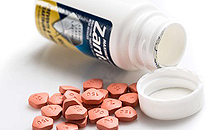
- Most ranitidine products, which were suspended due to adulteration in September 2019, will be removed from the reimbursement list as of November. This is because there has been no production performance over the past three years or no insurance benefit claims over the past two years. There are only three Ranitidine products remaining on the November list. According to the industry on the 30th, unclaimed medicines were deleted and unproduced, and expired medicines were deleted from the November benefit list, leading to the expulsion of the majority of ranitidine preparations. Ranitidine preparations were suspended on September 26, 2019, after the impurity NDMA (N-nitrosodimethylamine) was detected. Although it has been on the benefits list with benefits suspended, it has been completely removed from the list due to the recent overhaul of unclaimed and unproduced medicines. In order to normalize the benefits, there is no choice but to apply for benefits again, but as it is analyzed that it will be difficult to maintain the license through renewal, it appears that it will virtually be permanently excluded from the market. Unclaimed medicines are those that have not been claimed for insurance benefits over the past two years (July 1, 2021 - June 30, 2023) and are subject to deletion from the benefits list. 125 items were deleted from the November list. Unproduced or expired medicines are medicines that have not been produced or imported for the past three years (January 1, 2020, to December 31, 2022) and are deleted from the benefit list if their expiration date or expiration date has expired. This time, 961 items were deleted. Ildong Pharmaceutical's Curan (5 products), which was the flagship product of a single ranitidine drug, was deleted due to non-production and expired expiration dates. Daewoong Pharmaceutical's Albis Tablet, which had the highest performance among combination drugs, was also removed from the benefits list due to non-production and expiration date. This time, 46 items identical to Alvis disappeared from the benefit list. Now, there are only three ranitidine products remaining on the payroll list. The combination drug is Anacid from Aju Pharmaceutical, and the single drug is Genupharma Latini Tablet and SCD Ranitidine 150mg. The three items were also suspended as of September 26, 2019.
- Company
- Daewoong-Merck pursues full-cycle AI-based new drug dev
- by Lee, Seok-Jun Nov 01, 2023 05:40am
- Daewoong Pharmaceutical announced on the 31st that it had signed a memorandum of understanding (MOU) with Merck Life Science for the ‘establishment of an AI-based new drug development platform and full-cycle technical support of new drug development.’ The companies will work together to improve the efficiency and productivity of the new development process. Under the MOU, Merck will provide the data and programs necessary for the drug development process, and Daewoong will incorporate them into its web-based modeling platform for drug candidate discovery, verification, and monitoring. Merck will become the first in the industry to use AI (artificial intelligence) to support the technology necessary for the ‘entire cycle’ of new drug development. Daewoong Pharmaceutical will utilize Merck’s ‘SYNTHIA™’ and 'AMS(Aldrich Market Select)’ to improve the efficiency of its drug development process. Daewoong Pharmaceutical has demonstrated its R&D capabilities by developing new homegrown drugs for 2 consecutive years, including the gastroesophageal reflux disease treatment 'Fexuclue' and the SGLT-2 inhibitor antidiabetic ‘Envlo.’ Through the MOU, the company plans to strengthen its competitiveness in R&D and spur the development of first-in-class global blockbuster drugs. Joon-Seok Park, Park Chief of Daewoong Pharmaceutical's Drug Discovery Center, said, “We expect the MOU to increase our efficiency in new drug research and lay the foundation for our growth into a global big pharma by widening the gap in our new drug R&D capabilities with other domestic competitors. Ji Young Chung, Head of Science and Lab Solutions at Merck Life Science, said, “Our MOU with Daewoong Pharmaceutica holds significance as it marks the first partnership in Korea forged to support AI-based drug development throughout its entire lifecycle.”
