
- LOGIN
- MemberShip
- 2026-06-26 06:27:56
- Policy
- MFDS starts review on phenylephrine after FDA advisory decis
- by Lee, Hye-Kyung Sep 19, 2023 05:42am
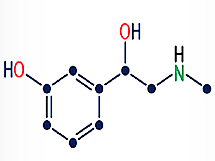
- Syrup formulation of phenylephrine that is being used as a cold medicine With the Nonprescription Drug Advisory Committee (NDAC) concluding that the nasal decongestant ‘phenylephrine’ is not effective, Korea’s Ministry of Food and Drug Safety is also preparing to conduct its review. An MFDS official said, “We will decide on future measures after a comprehensive review, including discussion with experts, based on data on domestic use experience of medicines that contain the relevant ingredient. We do not know what sanctions the FDA will announce in the future, whether it will be banned or used, but we plan to conduct our review at the Ministry of Food and Drug Safety level.” The controversy over the effectiveness of phenylephrine arose after the results of the FDA’s advisory committee NDAC’s meeting which was held on the 11th and 12th, was disclosed. Phenylephrine is an ingredient that has been known to be effective for nasal congestion. It stimulates sympathetic nerve receptors in the nasal mucosa to constrict dilated blood vessels in the nasal mucosa. In the United States, experts have continuously pointed out problems regarding the effectiveness of phenylephrine, and have been evaluating data on its efficacy since 2007. After discussing the data evaluation and clinical trial results at the recent NDAC meeting, all committee members unanimously agreed that phenylephrine is no more effective than a placebo (fake medicine). The result applies to oral formulations, not to the other formulations such as nasal sprays or eye drops, and although there are no safety issues, the committee concluded that the drug lacks evidence in terms of effectiveness. According to NDAC meeting data, 242 million phenylephrine drugs were sold in the United States last year. Its sales amounted to $1.76 billion (about KRW 2.34 trillion). In Korea, 118 over-the-counter drugs contain phenylephrine as the main ingredient, including Kolon Pharmaceutical's 'Komi Syrup,’ Daewoo Pharmaceutical's ‘Coben Syrup,’ GSK’s ‘Theraflu Nighttime Dry Syrup,’ and Dong Wha Pharm’s ‘Pancol A.’
- Policy
- Januvia generics up for insurance price cuts… 119 combinati
- by Lee, Tak-Sun Sep 19, 2023 05:41am
- MSD Caution is required for the use of the generic versions CPP-4 inhibitor class antidiabetic drug ‘Januvia (sitagliptin, MSD)’ that have poured out into the Korean market as many are subject to price cuts due to inequality of price when they are prescribed in multiplications. According to industry sources on the 18th, HIRA recently added 119 combinations of Januvia single-agent generics to the list of oral drugs that require the use of cost-effective dosages. These combinations were selected as items subject to price cuts because the price of multiple doses of the lower-strength drug exceeds that of the single higher-strength drug. For example, the upper limit for Chong Kun Dang's Sitagrip 25mg Tab is KRW 254, but if it is double prescribed, it exceeds the price ceiling set for Sitagrip 50mg Tab, which is KRW 382. Even if you prescribe 4 times the amount of Sitagrip 25mg Tab, its price exceeds the price ceiling of KRW 575 set for Sitagrip 100mg Tab. This was why the lower-strength drug became subject to price cuts. The original Januvia, which had already been included as an item subject to price cuts, was still included in the list even though the price of the drug was lowered due to the introduction of generics. The price of Januvia 25mg Tab (KRW 261) in double or quadruple doses, exceeds the price ceiling set for Januvia 50mg Tab (KRW 393) and Januvia 100mg Tab (KRW 592). Also, the double dose of Januvia 50mg Tab exceeds the price ceiling of Januvia 100mg Tab, and therefore became subject to price cuts. 157 single-agent and 82 fixed-dose combination versions of Januvia generics were listed for reimbursement in Korea this month. The low-strength multiple prescription price cut system was introduced by the HIRA in 2007 to prevent additional financial expenditures and improve patient convenience. If the price of multiple prescriptions of a low-strength drug exceeds that of the same but high-strength drug, that difference is deducted from the price of the low-strength drug. Accordingly, if the subject drugs are prescribed or dispensed multiple times without any special reason, the relevant medical expenses and dispensing fees will be cut. If multiple prescriptions and dispensing are unavoidable, the reason must be stated in the medical expenses statement. Meanwhile, ‘Verquvo Tab’ which was newly listed for reimbursement this month, was also found to be subject to the multiple prescription price cut system.
- Policy
- Olumiant re-examination period extended by 35 months
- by Lee, Hye-Kyung Sep 18, 2023 05:26am
- In March of this year, the post-sales investigation (PMS) plan of Lilly Korea Olumiant, which was approved for severe circular alopecia indications in adult patients over the age of 18 from the Ministry of Food and Drug Safety in March of this year, will also be changed. According to the minutes of the meeting of the Central Pharmaceutical Review Committee held on August 16th and 18th, which was recently released by the Ministry of Food and Drug Safety, it was concluded that it is reasonable to extend the investigation period and change the subject in consideration of the current status of the usability permission to change the indication of the target after the market. The original PMS period was six years, but this adds 35 months. The subjects also decided to include 800 atopic dermatitis and 753 protomy alopecia with no change in the total number of cases in the existing 3000 cases (350 atopic dermatitis). The rest of the cases are filled with patients with rheumatoid arthritis. Olumiant is an oral autoimmune disease treatment with JAK inhibitory method, and it has only indications for rheumatoid arthritis at the time of approval in 2017, but it has additional efficacy and effect for atopic dermatitis in May 2021 and circular alopecia in March of this year. Regarding the change in the number of PMS cases, Commissioner Han said, "The drug permit indications have been added sequentially, and the case composition and investigation period adjustment are reasonable for sufficient collection of safety information on the newly added indications." By April of this year, the actual cumulative number of PMS registered patients for rheumatoid arthritis and atopic dermatitis was 1214 cases of rheumatoid arthritis and 310 cases of atopic dermatitis, according to Commissioner Lee. Another commissioner needed to adjust the number of cases at an appropriate level, but this time Olumiant agreed to adjust the number of cases filed by the company because the PMS period is very short. Commissioner Lee emphasized, "After being applied to clinical practice, many rheumatoid patients improve, and it has a good effect on other rheumatic diseases such as psoriatic arthritis, so it is thought that there will be more applications in the future. Patients with rheumatoid disease can be seen as a higher risk group related to cardiovascular side effects than patients with atopic circular alopecia, so it should be properly distributed to the patient group suitable for checking the side effects of drugs during the purpose of PMS." Regarding the existing recruitment of 3,000 cases, it was also said that it would be difficult to secure patients with rheumatoid arthritis as atopic dermatitis and prototype alopecia were added to the indications. "Despite the addition of atopic dermatitis and circular alopecia to the efficacy items, this drug may not be able to secure enough patients with rheumatoid arthritis expected by the highest number of approved efficacy items, which may not fill the planned patients until December, which is the re-examination period," said one commissioner. Excessive competition with the same line of drugs and biological agents will be difficult to recruit patients. It seems reasonable to allow the re-examination period to reach the necessary 3000 cases of re-examination by extending the re-examination period and changing the number of subjects. Meanwhile, if the PMS period of Alumiant is adjusted to 6 years + 35 months, it will end on November 10, 2026.
- Company
- nAMD drug Vabysmo will likely be listed for reimb in Oct
- by Eo, Yun-Ho Sep 18, 2023 05:26am
- The macular degeneration treatment ‘Vabysmo’ is expected to be listed for reimbursement in October this year. According to industry sources, Roche Korea has completed drug pricing negotiations for its bispecific antibody Vabysmo (faricimab) with the National Health Insurance Service. Once it passes the Health Insurance Policy Review Committee, reimbursement can immediately be applied to the drug. Vabysmo, which was approved in Korea in January this year, passed the Health Insurance Review and Assessment Service’s Drug Reimbursement Evaluation Committee review in July, then immediately entered into drug price negotiations and virtually completed the reimbursement process within 8 months of its approval. As a treatment approved for neovascular or wet age-related macular degeneration (nAMD) and diabetic macular edema (DME), it has a differentiated mechanism of action that targets both the vascular endothelial growth factor (VEGF) inhibitor and angiopoietin-2 (Ang-2). In particular, Vabysmo is the first medicine given by injection into the eye and can be administered every 16 weeks (4 months), therefore, the less frequent injection interval can reduce the treatment burden for patients. The recommended dose of 6mg (0.05ml) of Vabysmo is administered by intravitreal injection every 4 weeks for the first 4 doses. nAMD patients who show no disease activity after the initial 4 doses receive additional doses every 4 months (16 weeks). In the case of DME patients, the administration interval can be increased every 4 weeks to a maximum of 4 months (16 weeks) at the doctor’s discretion. The drug’s efficacy was demonstrated through 4 Phase III trials, TENAYA and LUCERNE studies on nAMD, and YOSEMITE, and RHINE studies on DME. The TENAYA and LUCERNE studies were non-inferiority trials comparing Vabysmo with 'Eylea (aflibercept)' as a treatment for nAMD. Results showed that Vabysmo, which is administered at a maximum interval of 4 months (16 weeks), was non-inferior to Eylea, which is administered every 2 months (8 weeks), in terms of visual acuity improvement at Year 1. In particular, at 1 year, nearly 80% of people receiving Vabysmo maintained a treatment interval of 3 months or longer. The results of the second year of treatment that were recently announced showed that more than 60% of patients maintained a 4-month (16 weeks) administration interval, and was expected to provide continuous clinical benefits to patients. Meanwhile, nAMD and DME are major causes of vision loss that affects 40 million people worldwide. If blood vessel leakage occurs in patients with nAMD or DME and accumulates in the macula, edema may occur behind the eye, causing vision impairment.
- Policy
- Super-antibiotic Tygacil reauthorized for use in Korea
- by Lee, Tak-Sun Sep 18, 2023 05:26am
- The ‘super-antibiotic’ Tygacil (Tigecycline, Pfizer Korea) received reauthorization in Korea and is expected to be able to avoid the treatment disruptions that had remained a lingering concern in the industry. Due to the lack of other drugs containing the same ingredient, there had been concerns that Tygacil’s failed renewal would cause disruptions in patient treatment. The drug had previously failed to renew its marketing authorization due to administrative reasons. The Ministry of Food and Drug Safety approved Pfizer Korea's ‘Tygacil Inj’ on the 14th of this month. The approval comes less than two months after its marketing authorization was canceled due to the expiration of the validity period on July 30. At the time, Pfizer explained that the failure to renew Tygacil’s marketing authorization was due to “administrative issues" and that they were “in the process of obtaining reauthorization." The company added, “Reimbursement is allowed during the 6-month reimbursement grace period after the marketing authorization expires, during which prescriptions can made with the same reimbursement code as before. We are making efforts to receive reimbursement as quickly as possible.” After failing to receive marketing authorization, Tygacil’s reimbursement listing was also deleted from the list on the 1st of this month. However, a grace period of 6 months is granted, and reimbursement can be applied until March 1 next year. Pfizer dispelled concerns about disruptions in treatment, saying it had sufficient inventory. A Pfizer official said, "We have secured a sufficient amount of inventory to supply prescriptions with reimbursement as before during the 6-month benefit grace period. We will continue to make efforts to ensure smooth supply. After the reimbursement claim period ends, pharmacies can return the remaining inventory that has the previous reimbursement code to wholesalers from whom it was purchased.” With stock for the existing Tygacil still available until March of next year, and since new authorization has been made, it appears that there will be almost no interruptions in using the treatment. Tygacil is a ‘super-antibiotic’ that is effective against many resistant bacteria that cannot be treated with existing antibiotics and is the only preparation of its ingredient in Korea. The drug is indicated for people 18 years for the treatment of ▲complicated skin and skin structure infections, ▲Complicated Intra-abdominal Infections, and ▲Community-Acquired Bacterial Pneumonia. In particular, due to its advantage of being able to be used as a monotherapy for complicated infections, the drug is currently registered as a National Essential Medicine in Korea. Regarding its supply issue, experts have stressed the need to resolve its supply issue. Currently, one drug with the same ingredient as Tygacil is approved in Korea. Penmix received marketing authorization for its ‘Piperacillin Inj’ in 2016, but the drug was not listed for reimbursement due to patent issues. Tygacil’s patent is valid until March
- Company
- KRW 100 bil loxoprofen market suffers reimb cuts
- by Chon, Seung-Hyun Sep 18, 2023 05:26am
- Industry concerns are rising on the announcement of reimbursement cuts for the nonsteroidal anti-inflammatory drug ‘loxoprofen.’ The adequacy of its reimbursement as an antipyretic/analgesic for acute upper respiratory tract inflammation has not been recognized by the authorities in Korea, and its scope of prescriptions is set to be narrowed as a result. As reimbursement for this particular indication has rapidly increased since the COVID-19 pandemic, the losses felt by pharmaceutical companies are expected to be even greater. According to industry sources on the 13th, the Health Insurance Review and Assessment Service concluded that only 2 out of the 3 indications for loxoprofen are eligible for reimbursement after deliberating the reevaluation results submitted regarding the reimbursement adequacy of insured drugs in 2023. Until now, loxoprofen was reimbursed as ▲an anti-inflammatory and analgesic for chronic rheumatoid arthritis, osteoarthritis (degenerative arthritis), back pain, periarthritis, and glenohumeral syndrome; ▲an anti-inflammatory and analgesic used post-operative, trauma and tooth extraction’ and as ▲an antipyretic and analgesic for acute upper respiratory infection. Among the three, the authorities determined the drug inadequate for reimbursement as an ‘antipyretic and analgesic for acute upper respiratory tract infection,’ and preannounced its removal from the reimbursement list. From the company’s perspective, they will have to bear the loss of prescriptions that had been made for the specific indication. Quarterly outpatient prescriptions of Loxoprofen (Unit: KRW 100 million, Data: UBIST) According to the market research institution UBIST, the amount of outpatient prescriptions for loxoprofen last year amounted to KRW 103.5 billion. From the pharmaceutical company's perspective, the over-KRW 100 billion annual prescription markets will inevitably contract with the reimbursement removal. The losses felt by pharmaceutical companies are expected to be even greater given that sales of that particular indication for loxoprofen had risen rapidly during the COVID-19 pandemic. The prescription amount for loxoprofen preparations increased by 6.6% from KRW 78.3 billion in 2018 to KRW 83.5 billion in 2019, but then decreased to KRW 74.9 billion and KRW 72.4 billion in 2020 and 2021, respectively. At the time, COVID-19 was pointed out as the direct cause of the declining loxoprofen prescription market. After the spread of COVID-19, the number of patients with infectious diseases such as flu and colds plummeted due to strengthened personal hygiene management such as washing hands and wearing masks, and the market for related treatments had also decreased significantly However, its prescriptions soared thereafter to KRW 103.5 billion, up 43% YoY. The rise of confirmed COVID-19 cases which amounted to hundreds of thousands of cases per day had significantly increased the demand for loxoprofen. In terms of quarterly prescriptions, loxoprofen showed rapid growth after recording KRW 17.6 billion in Q3 2021, increasing 12.1% YoY, surging to KRW 19.8 billion in Q4. In Q1 last year, prescriptions for loxoprofen amounted to KRW 24.9 billion, up 47.9% YoY,. Its sales from Q2 to Q4 last year, recording over 30% growth rate compared to the previous year. Its growth continued this year as well. In 1H last year, loxoprofen prescriptions amounted to KRW 56 billion, rising 14.2% YoY. Prescriptions in Q1 were KRW 26.9 billion, up 8.0% YoY, and in Q2, prescriptions increased 20.4% YoY to KRW 29.1 billion. The recent increase in loxoprofen prescriptions appears to also have been influenced by the increase in cold and flu patients after the end of the COVID-19 pandemic. If the indication for ‘antipyretic and analgesic for acute upper respiratory tract infection,’ which has been bringing the most growth, is removed from reimbursement, the losses felt by pharmaceutical companies will inevitably be significant. The restrictions made on loxoprofen’s reimbursement are expected to have an impact on the entire domestic pharmaceutical industry. According to HIRA, 125 pharmaceutical companies have loxoprofen drugs that are listed for reimbursement. Shing Poong Pharm, Hutecs Korea Pharmaceutical, Huons, Genuone Science, and Dongwha Pharm have recorded the highest prescriptions in Korea’s loxoprofen market. Hutecs Korea Pharmaceutica’s Lexofen Tab posted the highest prescriptions of KRW 5.5 billion last year. Huons' Hurophen and Shinpoong Pharmaceutical's Loxofen recorded prescriptions of KRW 4.3 billion and KRW 4.1 billion, respectively. Genuone Science’s Genuone Loxoprofen and Dongwha Pharm’s Loxonine Dongwha followed with prescription sales of KRW 3.7 billion each.
- Policy
- Authorization rate for No.16 is still 0%
- by Lee, Hye-Kyung Sep 18, 2023 05:26am
- While the Ministry of Food and Drug Safety recently completed the designation of 'Global Innovative Product Rapid Review (GIFT)' No. 16, there are still no items that have been approved using this system. The Ministry of Food and Drug Safety established the Global Innovative Products on Fast Track in September last year. It also contains innovative, gifted medicines that can pioneer new areas of treatment. The most recently designated GIFT item is the 'BI 1015550' substance, a treatment for idiopathic pulmonary fibrosis. The product name has not been confirmed. The drug has been designated as a GIFT for improved effectiveness, and is currently being approved by the U.S. FDA in BTD process. In Korea, it was also designated as a gift item on September 12th. The items subject to GIFT are limited to ▲medicines for the purpose of treating serious diseases such as life-threatening cancers or rare diseases ▲medicines for the prevention or treatment of infectious diseases that may cause serious harm to public health, such as the spread of bioterrorism infections or infectious diseases ▲new drugs developed by innovative pharmaceutical companies designated by the Ministry of Welfare ▲combination of drugs and medical devices . There are no existing treatments or have been clinically meaningful improvements in effectiveness than existing treatments. If designated as a target for Hinban GITF, it will be received at least 25% reduction in the review period (e.g., 120 working days → 90 working days), application of rolling review from the prepared materials first, close communication between reviewers and developers such as item briefing sessions and supplementary briefing sessions, and regulatory-related professional consulting. The GIFT system is a branded rapid examination program that has been operated since the establishment of the rapid examination department, and was prepared to activate the rapid examination conducted for two years and to strengthen the rapid commercialization of innovative products. Since the rapid examination was established in August 2020 and the rapid examination was started, a total of 33 items were designated for rapid examination until July, of which 28 items, or 85%, were approved. The gift-designated items are aiming to shorten to 75% of the 120 working days, which is the general screening period, but there is still no news of the approval of Roche Korea’s product, which was designated in November last year. An official from the Ministry of Food and Drug Safety said, "There are no GITF approved items as it takes time for the company to prepare supplementary materials after the actual first screening, but it is expected that the GIFT designated items will be linked to the permission in the second half of this year."
- Policy
- Celltrion receives approval for Nesina Met SR
- by Lee, Hye-Kyung Sep 15, 2023 05:33am
- Celltrion, which acquired the Asia-Pacific distribution rights for Takeda Pharmaceutical products, used them to create an improved new drug. One of the acquired products, Nesina Met SR, a type 2 diabetes treatment, received approval from the Ministry of Food and Drug Safety. The Ministry of Food and Drug Safety announced on the 14th that it had approved Celltrion's type 2 diabetes treatment Alogliptin Met SR. This is the first time that Celltrion has received domestic approval for a chronic disease treatment. Alogliptin Met SR appears similar to Nesina Met, which Celltrion acquired from Takeda in 2020 and has domestic licensing rights but is a domestically developed product with a different formulation and dosage. First of all, the dosage form of Nesina Met is a rectangular film-coated tablet, but Alogliptin Met SR is approved as an oval-shaped SR film-coated tablet. SR has the advantage of reducing the number of medications taken because the efficacy lasts for a long time with a single dose. Nesina Met was released with Alogliptin and Metformin doses of 12.5/500 mg, 12.5/800 mg, and 12.5/1000 mg, respectively, but the two Alogliptin Met extended-release tablets have the same dosage and are released at 25/1000 mg instead of 12.5/1000 mg. In the case of Nesina Met or Alogliptin Met SR, the maximum recommended daily dose of each ingredient should not exceed Alogliptin 25mg and Metformin 2000mg. When taking Alogliptin Met SR, taking 2 tablets of the existing Nesina Met once a day becomes easier by taking 1 tablet at a time. Celltrion acquired the Asia Pacific rights to 18 Rx and OTC items, including Nesina Met, from Takeda for $278.3 million in December 2020. Currently, the domestic sales rights for Nesina Met are held by Celltrion Pharmaceuticals. Attention is focused on whether Celltrion will enter the domestic chronic disease treatment market as it has developed Alogliptin Met SR, conducted clinical trials, and obtained product approval.
- Policy
- Which P-CAB generic will come first, K-CAB or Vocinti?
- by Lee, Tak-Sun Sep 15, 2023 05:33am
- Companies have started developing generic versions of the P-CAB (potassium-competitive acid blocker) class gastroesophageal reflux disease (GERD) treatments K-CAB (tegoprazan, HK Inno.N) and Vocinti (vonoprazan, Takeda Pharmaceuticals Korea). The post-marketing surveillance (PMS) period for the original drugs, which are being targeted by the generic companies, is set to end in 2024 and 2025, respectively. The release of their generic versions will then depend on whether they can avoid the originals’ patents. According to industry sources on the 14th, approvals for bioequivalence tests using K-CAB and Vocinti as reference drugs have been continuing this year. In the case of bioequivalence tests filed for the approval of K-CAB generics, starting with SamChunDang Pharm in May, Kukje Pharm, Jinyang Pharm, and Hutecs Korea have been approved to conduct bioequivalence tests with K-CAB. Hanlim Pharm was first to receive approval to conduct a bioequivalence test for its Vocinti generic on September 12th. In terms of the expiry of the PMS term, K-CAB's generics will likely be approved first. K-CAB’s PMS term expires on July 4, 2024, and Vocinti on March 28, 2025. The PMS system also serves a data protection function, therefore generic can only be approved after the end of the PMS period. However, the market release date may be delayed much further as the patent term for the original drug is in effect until 2036. K-CAB and Vocinti In the case of K-CAB, its substance patent expires on August 25, 2031, and its crystalline patent on March 12, 2036. Over 70 generic companies have filed for trial to avoid the two patents. If the companies succeed in avoiding both patents, the release date of K-CAB generics may be pulled forward. Patent challengers are focusing on avoiding the extended term of K-CAB’s substance patent. If they succeed, they may launch their generic versions after December 6, 2026, the expiration date that had been set before HK Inno.N filed to extend their patent term. On the other hand, if the companies fail, the first generic may only be launched in 2036 after the crystalline patent expires, or in 2031 if the companies only succeed in avoiding the crystalline patent. In the case of Vocinti, one patent expires on December 20, 2027, and the other patent expires on November 17, 2028. No pharmaceutical companies have filed patent challenges yet. But in terms of patent duration, Vocinti ‘s generic can hit the market sooner. However, unlike K-CAB, Vocinti has not been released yet and is non-reimbursed in Korea. If Vocinti is not released in the Korean market before the end of the PMS period, its marketing authorization may be revoked. In this case, there is a possibility that the generic will have difficulty procuring the control drug needed for the bioequivalence test. Also, if Vocinti remains non-reimbursed, the latecomer will have to go through the process of reimbursement listing as a drug subject to pricing negotiations, so it may be reimbursed later than K-CAB generics which will receive a set reimbursement price. Therefore, the launch of the generic drugs will ultimately depend on whether or not the companies succeed in avoiding their patent. An industry official said, "K-CAB had posted sales of KRW 100 billion, so generic companies are very eager to release their generic versions of the drug as soon as possible as its commercial viability has been proven. However, if the companies do not succeed in avoiding the patents, their launch date may be delayed, therefore, releasing a Vocinti generic can also be a good alternative.”
- Company
- nAMD tx Vabysmo can be prescribed at general hospitals
- by Eo, Yun-Ho Sep 15, 2023 05:33am
- Vabysmo, a treatment for macular degeneration, can be prescribed at general hospitals. According to related industries, Vabysmo, Roche Korea's first bispecific antibody treatment for eye diseases, passed the drug committee of medical institutions such as Konyang University Hospital, Kim Eye Clinic, Nune Eye Clinic, Inje University Busan Paik Hospital, and Chung-Ang University Hospital. Roche is also conducting landing procedures at medical institutions across the country. As Vabysmo is currently negotiating drug prices with NHIS, it is expected to be linked to actual prescriptions if it is listed on the insurance benefit list. Vabysmo, approved for the treatment of neovascular or wet age-related macular degeneration and vision damage caused by diabetic macular edema, is a new drug with a differentiated mechanism that targets both VEGF-A and Ang-2, the main disease pathogenesis. It is the first intraocular injection that enables administration at 4-month (16-week) intervals through approved clinical research based on a new mechanism, which can reduce the treatment burden on patients by administering a small number of injections. Vabysmo is administered by intravitreal injection once a month (4 weeks) at the recommended dose of 6mg (0.05ml) for the first 4 doses. Afterward, nAMD patients without disease activity are administered once every 4 months (16 weeks). In patients with DME, the dosing interval can be increased in 4-week increments up to a maximum of 4 months (16 weeks) at the discretion of the medical staff. Meanwhile, Vabysmo has proven its effectiveness through a total of four phase 3 studies, including clinical studies of TENAYA and LUCERNE related to nAMD treatment and YOSEMITE and RHINE related to DME treatment. Among them, the TENAYA and LUCERNE studies are non-inferiority trials compared to Vabysmo and Eylea in the treatment of nAMD. As a result of the study, Vabysmo treatment at intervals of up to 4 months (16 weeks) in the first year of treatment showed a non-inferior level of visual acuity improvement compared to Eylea treatment at 2-month (8 weeks) intervals. In particular, in the first year of treatment, approximately 80% of the Vabysmo treatment group maintained a dosing interval of more than 3 months (12 weeks). The recently announced results of the second year of treatment showed that more than 60% of patients maintained a dosing interval of 4 months (16 weeks), raising expectations that it would provide continued clinical benefits to patients.
