
- LOGIN
- MemberShip
- 2026-06-27 00:29:43
- Company
- Interleukin inhibitors Cosentyx·Tremfya busy extending reim
- by Eo, Yun-Ho Jun 05, 2023 05:37am
- News of reimbursement extensions granted for interleukin inhibitors is continuing in Korea. According to industry sources, the scope of reimbursement for Novartis Korea's IL-17A inhibitor 'Cosentyx UnoReady Pen' 300mg/2mL, and Janssen Korea's IL-23 inhibitor ‘Tremfya (guselkumab)' have been extended since last month, and the 1st of this month, respectively. As with the other doses of Cosentyx, its 300mg dose can also be prescribed to patients with moderate-to-severe plaque psoriasis, active and psoriatic arthritis (PsA), adults with active ankylosing spondylitis (AS), adults with severe ankylosing spondylitis, etc. In Korea, Cosentyx is reimbursed for patients with chronic severe plaque psoriasis that lasts for more than 6 months, and ▲10% of the total skin area has been affected, ▲has a PASI 10 or higher, ▲has shown no response to methotrexate (MTX) or cyclosporine when administered for more than 3 months or cannot continue treatment due to side effects, or ▲has shown no response to PUVA or UVB therapy when treated for more than 3 months or cannot continue treatment due to side effects. The reimbursement approval was made based on the MATURE trial. The trial results showed that 95.1%/75.6%/43.9% of patients that received Cosentyx 30mg reached PASI 75/90/100 each, and demonstrated better efficacy over its placebo. In the case of Tremfya, the drug will be granted reimbursement for palmoplantar pustulosis from this month. Under the new reimbursement standards, the drug may be used with insurance benefits from June 1st in patients aged 18 and older with moderate-to-severe palmoplantar pustulosis, ▲whose PPPASI is 12 or higher and has shown no response to therapeutic doses of acitretin, methotrexate, or cyclosporin when administered for more than 3 months or cannot continue treatment due to side effects, or ▲who has shown no response to phototherapy when treated for more than 3 months or cannot continue treatment due to side effects. Palmoplantar pustulosis is characterized by pustular blisters accompanied by erythema on the skin of the palms and soles that turn into brown scales, and then become dry, thick, and cracked. When the condition persists, the patient’s nails may be deformed and even fall out. The condition interferes with the patient's daily life because the condition causes severe itching and pain. As it is difficult to distinguish palmoplantar pustulosis from other skin diseases such as fungal infections, accurate differential analysis between the two is necessary. Cosentyx 300mg was approved on November 1st, 2022 to treat ▲plaque psoriasis patients and ▲psoriatic arthritis (PsA) patients who have accompanying moderate-to-severe plaque psoriasis or have not adequately responded to an anti-TNAα treatment before. Meanwhile, Tremfya was approved as a treatment for adult patients with plague psoriasis in April 2018 and as a treatment for adult patients with palmoplantar pustulosis in May 2019, and the indications applied for insurance benefit in September 2018 and May 2021 respectively.
- Opinion
- [Reporter’s View]Rise of adjuvant therapies amid concerns
- by Eo, Yun-Ho Jun 05, 2023 05:37am
- Although it may not be the same, the concept of administering a drug for ‘prevention’ has been around for a while. Patients who have chronic diseases have been taking drugs to ‘manage’ their condition rather than treat it. Also, some drugs just exist to prevent a condition, like anticoagulants. The same has just recently been applied to anticancer drugs. Companies have been acquiring or seeking indications as adjuvant or neo-adjuvant therapy for early-stage disease with their various new anticancer drugs through various research. Even at the 'American Society of Clinical Oncology 2023 Annual Meeting’ that is being held in Chicago, USA, adjuvant therapy research data are pouring in for 'Keytruda (pembrolizumab)', 'Kisqali ( ribociclib)', 'Herceptin (trastuzumab)' and others. However, concerns have followed the uprise of adjuvant therapy, with the biggest burden being financial. As everyone knows, even after being cured, cancer can frightfully recur. Depending on the type of cancer, some cancers have a recurrence rate that nears 80%. In the current era of high-priced pharmaceuticals, prescribing anticancer drugs that are leading the high-priced trend as adjuvant therapy and granting insurance reimbursement would naturally pose a burden for the health authorities. Another fact is that the benefits of adjuvant therapy are also receiving attention from the academic world. Already, adjuvant therapy has begun to be listed in the guidelines of world-renowned academic societies, with higher and higher grades of recommendation. So this is now the time for all those involved to ponder. Carefully examine the necessity of adjuvant anticancer therapy for each drug, and weigh the practical benefits rather than the indistinct and vague worry about its 'burden.' Treating patients with recurrent cancer may be less cost-effective. Recurrence and metastasis are fatal factors that increase cancer mortality. Since there is no right answer, we have to weigh the good and the bad. It is not possible to leave the piling number of applications for drugs to be used as adjuvant or maintenance therapies unattended. It is not just about the profits and losses. The stakeholders should also consider the specificity of each drug and the patient's situation and find consensus that takes into account Korea’s unique health insurance system and the pharmaceutical industry’s ecosystem.
- Policy
- The method of revaluation of wages that Godex has changed
- by Lee, Tak-Sun Jun 05, 2023 05:36am
- It is noteworthy whether HIRA will act as a variable by changing the evaluation method starting with the re-evaluation of benefit adequacy this year. The improved evaluation method is to increase the objectivity of the social demand part, which is the third evaluation item. Accordingly, in the case of drugs whose clinical usefulness is unclear but whose cost-effectiveness has been recognized, the evaluation of social needs is expected to be evaluated in more detail. The Ministry of Health and Welfare announced on the 30th of last month that the Health Insurance Policy Deliberation Committee deliberated on ways to partially improve the 2024 benefit adequacy re-evaluation target and benefit adequacy re-evaluation method. The proposal to improve the re-evaluation of benefit adequacy reported to this committee was prepared at a meeting held in December of last year to reinforce the method of evaluating social needs. The beginning was because of the Godex capsule. Although the clinical usefulness of Godex Capsule was unclear in the re-evaluation of reimbursement adequacy last year, the cost-effectiveness was recognized due to the drug price cut, and the benefit was finally maintained. In response, the members of the relevant committee raised an issue, and after re-submitting the agenda, the deliberation was finalized. At the same time, it was requested to strengthen the evaluation method such as social demand. The HIRA prepared and reported an improvement plan by reflecting only the part of the evaluation method requested by the committee in the 'review of drug benefit adequacy rationalization plan', which ended in March. In the improvement plan, the terms of the clinical usefulness item were changed to specify the purpose of the evaluation contents, and the quality level was considered in addition to the literature ratio that recognized the effect when evaluating clinical effectiveness. Accordingly, it was decided to judge that it is clinically useful only when it is evaluated above 'some' in terms of medical recommendation and clinical effectiveness. In addition, the social demand item is greatly improved. It will be specified in three evaluation items, including medical factors, and will be evaluated in a score method by determining details. Afterward, the scores were summed up and the final evaluation was decided by a committee composed of 11 members. In the meantime, social demand items have not been evaluated with points, but have been assessed by reviewing society's opinion collection, civic and patient group opinion submissions, financial impact through calculation of financial impact, medical importance, age, and patient's economic burden. In order to maintain benefits, it is possible if it is judged to be primarily clinically helpful or if the clinical usefulness is unclear, but cost-effective and social demand is high. In the revised plan, the conditions for maintaining reimbursement for drugs with unclear clinical usefulness are expected to become much more stringent. In particular, as this improvement plan is decided to be applied for re-evaluation this year, it is expected to affect drugs whose clinical usefulness is unclear. A total of six ingredients are in the process of being re-evaluated this year. Rebamipide, Limaprost Alfadex, Loxoprofen Sodium, Levosulpiride, Epinastine, and Sodium Hyaluronate eye drops will likely have mixed results for pharmaceutical companies.
- Company
- Forxiga will maintain its price for 10 months in KOR
- by Jung, Sae-Im Jun 02, 2023 05:38am
- The prices of AstraZeneca’s SGLT-2 inhibitor ‘Forxiga (dapagliflozin)’ and combination drug ‘Xigduo’ will stay as is until February next year. On the 1st, the Seoul Administrative Court’s 1st Administrative Division accepted the suspension of execution filed by AstraZeneca against the Ministry of Health and Welfare to cancel the drug price cut disposition for Forxiga and Xigduo. With the court’s ruling, Forxiga and Xigduo will be able to maintain their price until February 29, 2024. The litigation date for the merits of the lawsuit has not been set yet. The SGLT-2 inhibitors Forxiga and Xigduo are blockbuster diabetes treatments that contain dapagliflozin which has been raising KRW 90 billion in outpatient prescriptions a year. The two products were subject to price cuts due to the entry of many dapagliflozin generics in April. With the listing of their generics, the government had announced that it will make an ex officio adjustment to the prices of Forxiga and Xigduo, reducing it by 30% as of May 1st. In objection, AstraZeneca filed an administrative lawsuit and at the same time applied for suspension of execution. As Forxiga and Xigduo also have indications for chronic heart failure and chronic kidney disease that for which the patent had not expired yet, the company argued that the listing of generics that only have the diabetes indication cannot serve as a basis for lowering the price of the original drug. The company also claimed that the damages incurred from the non-acceptance of the suspension of execution will be irrecoverable. In April, the court temporarily suspended the enforcement of drug price cuts for the two products and extended the stay of execution by 2 more after examining the suspension of execution on the 16th, until a decision was made on whether to accept the claim. As the court ruled to suspend execution on the 1st, AstraZeneca Korea will now able to continue its main lawsuit while maintaining the current price for Forxiga and Xigduo. During the 10-month term the suspension of execution is applied, AstraZeneca Korea will be able to prevent a loss of about KRW 23 billion (based on UBIST) that could have risen due to drug price cuts. If the main lawsuit is not ruled upon by February 29, 2024, the suspension of the execution period may also be extended further.
- Company
- BMS and Gilead compete tightly in HBV drug market in KOR
- by Nho, Byung Chul Jun 02, 2023 05:38am
- BMS’s Baraclude and Gilead Science’s Viread are fiercely competing in the KRW 200 billion original hepatitis B treatment market. Based on drug distribution results, sales of Baraclude and Viread, the No.1 and No.2 products in the HBV market in 2022, were tallied at KRW 69.5 billion and KRW 62.8 billion, respectively. Just last year, Baraclude’s sales slightly surpassed that of Viread, however, in 2018, 2019, and 2021, Viread (KRW 116.7 billion, KRW 83 billion, KRW 63.1 billion) posted higher sales than Baraclude (KRW 70 billion, KRW 69.8 billion, KRW 62.1 billion). However, Gilead Sciences' steep rise in sales of its total corporate product lineup of HBV products is noteworthy. The company also owns Vemlidy, which posted sales of KRW 34.9 billion last year. When combining sales of Viread and Vemlidy, the two drugs occupy 55.9% of the total market share with KRW 97.7 billion, far ahead of Baraclude’s 39.8%. The 4th to 8th in line, GSK’s Zeffix, Ildong Pharamceutical’s Besivo, GSK’s Hepsera, Novartis’s Sebivo, and Bukwang Pharmacuetical’s Levovir made sales of KRW 3 billion, KRW 1.7 billion, KRW 1 billion, KRW 1 billion, and KRW 600 million, respectively, occupying 0.4% to 1.8% share of the market. Sales performance of all of the lower-ranking product groups, excluding Besivo, had been on a range-bound downward slope for the past 5 years. Sales of Besivo, a new homegrown drug introduced in Korea, on the other hand, have been growing steadily. In 2018, 2019, 2020, 2021, and 2022, the drug sold KRW 400 million, KRW 900 million, KRW 1.2 billion, KRW 1.5 billion, and KRW 1.7 billion, and is expected to settle as a new growth engine for Ildong Pharmaceutical in the future. Meanwhile, Baraclude (entecavir) 1mg and 0.5mg is indicated for the treatment of chronic hepatitis B virus (HBV) infection in adults (aged 16 or older) and pediatric patients aged 2 years or older with evidence of active viral replication, persistently elevated serum alanine aminotransferase (ALT) levels and histological evidence of active inflammation and/or fibrosis. Viread and Vemlidy Tab (tenofovir disoproxil fumarate) are indicated for the ‘treatment of chronic hepatitis B and HIV 1 infection in adults and pediatric patients 12 years or older,’ and ‘treatment of chronic hepatitis B in adults,’ respectively. Zeffix (lamivudine), Besivo (Besifovir dipivoxil), Hepsera (adefovir dipivoxil), Sebivo (telbivudine), and Levovir (clevudine) are indicated for the treatment of chronic hepatitis B infection. Baraclude is a guanosine nucleoside analog with specific activity against HBV DNA polymerase that inhibits the synthesis of the HBV DNA positive strand. It has demonstrated a long-term treatment effect and safety with a high virus suppression effect and low resistance. Viread’s mechanism of action is similar to adefovir, a nucleotide analog, but has a much stronger antiviral effect, and has achieved 0% resistance until recently. Vemlidy is an HBV treatment that Gilead released as an upgraded version of ‘Viread (tenofovir).’ It contains the same active ingredient, tenofovir, but comes in a 1/10 dose, demonstrating improved safety with comparable efficacy to the existing product. Meanwhile, GSK’s adefovir dipiboxil hepatitis B treatment Hepsera Tab., which currently maintains an insurance listed price of KRW 3,839, is set to be deleted from the reimbursement list on August 1st, and expected to be withdrawn from the Korean market then.
- Company
- K-Pharma Bio ASCO launch table
- by Hwang, Jin-joon Jun 01, 2023 05:43am
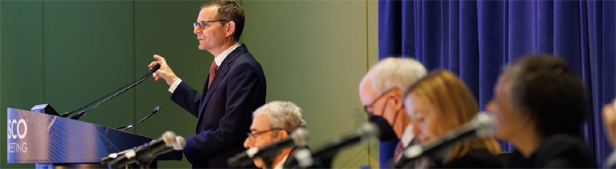
- Pipeline clinical results of major domestic pharmaceutical bio companies such as Yuhan Corp. were disclosed at ASCO. According to the industry on the 31st, the abstract of a paper scheduled to be presented at ASCO, which will be held in Chicago, USA from June 2nd to 6th (local time), was recently released. ASCO is a major international academic conference that celebrates its 59th this year. About 400 biopharmaceutical companies from all over the world participate every year. There are more than 2,900 paper abstracts published this year. Most of the research results are made public in the form of posters. At this ASCO, Yuhan Corp. and GC Cell's US affiliates Artiva, Genexine, AbClon, and Abion disclosed research results of major pipelines under development. Four studies related to Yuhan Corporation's third-generation lung cancer drug Lazertinib were announced. Lazertinib is an oral third-generation EGFR tyrosine kinase inhibitor (TKI) drug with high selectivity for EGFR T790M-resistant mutations. Some details of clinical trials using Amivantama and Lazertinib in combination with EGFR mutation advanced non-small cell lung cancer (NSCLC) with no treatment experience were disclosed. These are the results of circulating tumor nucleic acid (ctNDA) liquid biopsy using plasma samples and long-term follow-up of 20 patients as of November 15 last year. Median follow-up and treatment periods were 33.6 and 33.5 months, respectively. In terms of efficacy, PFS and OS could not be estimated. At 12 months, 85% (n = 17) of the patients showed the expected PFS. At 24 months and 36 months, it was 65% (13 people) and 51% (10 people), respectively. 50% of patients are continuing treatment with PFS. In phase 2 clinical trial for NSCLC patients with brain metastasis, Lazertinib showed an intracranial objective response (iORR) in 22 out of 38 patients. Treatment-related side effects were identified in 85% (n = 27) of patients. The most common side effects were skin rash and paresthesia. Grade 3 or higher adverse events were reported in 10% (3 patients). Grade 3 or higher side effects are side effects that could potentially endanger the patient's life if not treated. Professor Min-hee Hong of Yonsei Cancer Center explained, "This study means that using Lazertinib instead of topical treatment can be a potential treatment strategy for NSCLC patients with brain metastases." The results of a study to identify biomarkers for the treatment of Amivantamab and Lazertinib in a tumor environment after administration of Osimertinib, a major third-generation lung cancer drug, were also disclosed. "The MET mutation identified by tissue immunohistochemical analysis (IHC) can be a predictive biomarker for the response to Amivantamab/Lazertinib administration after Osimertinib administration," said Professor Benjamin Besse and others at the Gustave Roussy Cancer Center in France. Analysis using tumor nucleic acid (ctDNA) did not identify some groups." Clinical results were also announced comparing the incidence of venous thromboembolism (VTE) side effects in EGFR mutant NSCLC patients with the combined administration of Amivantamab and Lasertinib and single administration of each drug. VTE is one of the common side effects of lung cancer patients. In a study of 540 patients, the incidence of VTE was higher with combination therapy than with each monotherapy. Artiva, a US affiliate of GC Cell, announced the first human administration data for 'AB-101', a CAR-NK cell therapy. These are the results of a phase 1/2 clinical trial of monotherapy of AB-101 and the combination of AB-101 and the anticancer drug 'Rituximab (product name: Rituxan)' in patients with relapsed/refractory B-cell non-Hodgkin's lymphoma. AB-101 responded in 3 out of 4 patients who had previously failed CD19-targeted CAR-T treatment. In the AB-101 monotherapy group, ORR was 27% (3/11 patients). Genexine disclosed the results of phase 2 clinical trial led by head and neck cancer researchers on the triple combination therapy of 'GX-188E', a DNA vaccine for the treatment of cervical cancer, 'GX-I7', and 'Keytruda', candidates for immuno-anticancer drugs for lymphopenia. This clinical trial was led by Professor Kim Hye-ryeon of the Department of Oncology at Severance Hospital. The study was conducted on 11 patients with head and neck cancer who were about to undergo surgery. After surgery, 63.6% (7 patients) showed MPR and 36.3% (4 patients) showed pCR. AbClon disclosed the efficacy and safety of the CAR-T treatment 'AT101' confirmed in phase 1 clinical trial. In this phase 1 of 18 patients with relapsed or refractory B-cell non-Hodgkin's lymphoma, an ORR of 66.7% (4/6 patients) was confirmed in subject group 1. AT101 showed an ORR of 100% (3/3 patients) in phase 1 clinical trial subject group 2. There was no cytokine release syndrome of grade 3 or higher in each subject group. Abion presented the results of the pilot expansion cohort analysis of NSCLC's new drug candidate 'ABN401'. The pilot expansion cohort is a clinical trial designed to predict the direction of phase 2 clinical trial after the phase 1 clinical trial. Patients with c-MET mutation NSCLC were selected and administered the same dose of ABN401 as in the ongoing phase 2 clinical trial. Through data analysis, the efficacy, safety, and tolerability of ABN401 were confirmed. No adverse events of grade 3 or higher were observed.
- Company
- The share of the domestic bio-industry is around 1%
- by Hwang, Jin-joon Jun 01, 2023 05:42am
- "It has been confirmed that the domestic bio-industry accounts for around 1% of the global market. In order for Korea's bio-industry, which is a latecomer, to secure global competitiveness, policy, and institutional support is needed." Lee Jeong-Seok, chairman of the Korea Biopharmaceutical Association, said this at the ‘Biohealth Industry National Competitiveness Forum’ held at the National Assembly Library in Yeouido, Seoul on the 30th. The debate was hosted by National Assembly member Jeong Il-young and the Korea Biopharmaceutical Association, and hosted by the National Assembly's New Growth Industry Forum. It was planned with the purpose of requiring strategic discussions to strengthen the competitiveness of the health industry, which is considered one of the future growth engines. Chairman Lee Jeong-Seok said, "Alvin Toffler predicted in his book 'The Third Wave' that the bio age would open in the 21st century and that biotechnology and space engineering would lead industrial development." We are witnessing what is happening,” he said. Chairman Lee continued, "As I realized while going through the Corona 19 Pandemic Tunnel, the bio-industry is an essential industry to secure the public health and safety net," and explained, "It is one of the future new industries that must secure competitiveness." Chairman Lee said, "The bioindustry is doing its best for R&D, investment, and technological development in terms of survival." He emphasized, "The health industry in Korea can develop depending on the timely interest and support of the government and the National Assembly."
- Company
- ↓Sales of Nexavar and Lenvima &↑Sales of Cabometyx
- by Kim, Jin-Gu Jun 01, 2023 05:39am
- Nexavar, Lenvima, and Tecentriq The second-line treatment Stivaga also decreased by 23%, and Only 2nd and 3rd line treatment Cabometyx grew by 11%. Sales of major liver cancer treatments plummeted. Nexavar (Sorafenib) sales decreased by nearly half in the first year, and Lenvima (Lenvatinib) sales also decreased by 41%. It is analyzed that the impact of the immuno-oncology drug Tecentriq being added to the liver cancer first-line treatment market as a combination therapy with Avastin. However, Cabometyx, which is used as a 2nd and 3rd line treatment, was the only one that showed an increase in sales. In the case of second and third-line liver cancer treatment, it is analyzed that the limited coverage range is working in favor of Cabometyx. Sales of Nexavar and Lenvima plummeted after the addition of Tecentriq’s first-line treatment. According to IQVIA, a pharmaceutical market research institute, on the 26th, sales of Nexavar in the first quarter of this year were 1 billion won. Compared to 2 billion won in the first quarter of last year, it decreased by half. After launching in Korea in 2006, Nexavar was listed on the reimbursement list as a liver cancer treatment in 2008. Since the introduction of Lenvima, sales of Nexavar have declined. In the second quarter of 2021, when Hanmi Pharmaceutical released a generic Nexavar, the drug price was reduced and sales further decreased. In May of last year, when Tecentriq received reimbursement for the first-line treatment of hepatocellular carcinoma through combination therapy with Avastin, the decline in sales increased further. The situation is similar for Lenvima, which formed a competitive structure with Nexavar. Since entering Tecentriq last year, the decline in sales has been evident. Renvima's sales in the first quarter were 2.3 billion won, down 41% from 4 billion won in the first quarter of last year. On the other hand, Tecentriq's growth rate is steeper after expanding its scope to the first-line treatment for liver cancer. Tecentriq's sales, which were 18.4 billion won in the first quarter of last year, exceeded 20 billion won in the third quarter after the expansion of liver cancer benefits, and grew further to 23 billion won in the first quarter of this year. Stivarga and Cabometyx, the second and third-line liver cancer treatments, had mixed feelings. Stivarga decreased 23% from 3.6 billion won in the first quarter of last year to 2.8 billion won in the first quarter of this year. On the other hand, Cabometyx increased by 11% from 4.7 billion won to 5.2 billion won. It is the only treatment for liver cancer that has seen an increase in sales. It is interpreted that the reason for the mixed results between Stivarga and Cabometyx, even though they are the same follow-up treatment, is due to the difference in efficacy between the drugs. In 2020, Ipsen made an indirect comparison of the two drugs. As a result of a one-to-one comparison of previously conducted phase 3 clinical data using a clinical matching-adjusted indirect comparison (MAIC) method, Cabometyx outperformed Stivarga in PFS by 5.6 months vs. 3.1 months. Around the time this study was published, sales of Stivarga have been steadily declining. Stivarga's sales, which were 6.1 billion won in the second quarter of 2020, decreased by half in about three years by the first quarter of this year. On the other hand, Cabometyx increased by 58% from 3.3 billion won to 5.2 billion won during the same period. Analysts say that the fact that reimbursement for second and third-line liver cancer treatment is limited is also working in favor of Cabometyx. In the guidelines revised last year, the combination therapy of Tecentriq + Avastin is recommended as the first-line treatment for liver cancer. If this fails, you can try a combination of Nexavar, Lenvima, Stivarga, Cabometyx, or another immuno-oncology drug. However, in this case, benefits are not applied no matter what drug is used as a secondary treatment. In the field of treatment, Nexavar is prescribed for non-reimbursement, followed by Stivarga or Cabometyx. Stivarga and Cabometyx are approved for use only in patients previously treated with sorafenib. It is analyzed that prescriptions are concentrated on Cabometyx in a situation where available drugs are limited after the failure of the first treatment.
- Company
- The only non-reimbursed Evrysdi struggle in the market
- by Jung, Sae-Im Jun 01, 2023 05:39am
- (From the left) Spinraza, Evrysdi, Zolgensma It has been 1 year and 6 months since the only oral spinal muscular atrophy (SMA) treatment, ‘Evrysdi (risdiplam),’ has been released in the Korean market. However, the company is having trouble posting sales in Korea. This is in stark contrast to how the same product exceeded the sales of 'Zolgensma' and is comparable to the sales of 'Spinraza.’ The fact that the reimbursement application was not even discussed for nearly 2 years and its reimbursement was blocked acted as a barrier in Korea. However, the Health Insurance Review and Assessment Service plan to review Evrysdi at its Drug Reimbursement Evaluation Committee (DREC) soon. According to the market research institution IQVIA on the 31st, the SMA treatment market in Korea had reached KRW 20 billion in Q1, up 15% YoY. Three SMA treatments are currently available in Korea: ▲Biogen’s ‘Spinraza (nusinersen)’ ▲Roche’s ‘Evrysdi (risdiplam,’ and ▲Novartis’s ‘Zolgensma (onasemnogene abeparvovec). Data: IQVIA Among the 3, the drug that posted the highest sales was Spinraza, which posted KRW 14.3 billion in sales in Q1 this year. When it was the only drug available in the market, it once exceeded KRW 20 billion in quarterly sales, but it recently showed a decline in sales due to the emergence of its competitors. In Q1 this year, its sales fell 18% YoY. Zolgensma, the “one-shot treatment” that only needs to be administered once in a lifetime, came in second with KRW 5.4 billion. On the other hand, Evrysdi, the only oral drug, recorded only KRW 300 million in quarterly sales. This is in stark contrast with the global market trend. In the global market, Evrysdi’s sales exceeded Zolgensma's and are even threatening Spinraza’s sales. In its Q1 earnings report, Roche announced that Evrysdi's global sales recorded CHF 363 million (approximately KRW 530 billion). During the same period, Zolgensma posted sales of USD 309 million (approximately 409 billion). Evrysdi’s global sales followed up to the bottom of Spinraza’s sales, which posted USD 443 million (approximately KRW 586 billion). SMA is a rare condition in which the SMN1 gene is innately deficient or mutated to result in progressive muscle atrophy. Globally, SMA occurs in about 1 in 10,000 newborns, and in Korea, it is known that about 30 patients (based on 300,000 newborns) occur each year. The severity of the condition is closely related to the number of the “backup” SMN2 genes. The SMN2 gene can produce up to 10% of the SMN protein that SMN1 cannot produce. In the case of SMA Type 1, the most common and severe form of SMA, if left untreated, over 95% of the motor neurons are damaged within 6 months, and 90% die before the age of 2. Although the condition is rare, the number of treatment options had increased to three at once with the recent development of new drugs. Starting with Spinraza in December 2017, Evrysdi in November 2020, and Zolgensma in May 2021 each drug received approval from the Ministry of Food and Drug Safety. The 3 drugs have different characteristics. Spinraza has the strength of being the first treatment. Evrysdi is an oral drug that is easy to administer and relatively inexpensive. Zolgensma is the most expensive drug in Korea, but it is a gene therapy that can fundamentally treat the disease with one single injection. The market prospects are more favorable to Evrysdi. U.S. analysts have predicted that Evrysdi would post the highest sales in 2026. They expect that the more affordable oral drug strategy will work for the benefit. Evrysdi, which has risen to the forefront in major countries such as the United States and Japan, is struggling only in Korea. Roche released the drug into the domestic market and applied for its reimbursement about a year after approval. Its sales were recorded only since Q3 2022, 1 year after its launch. However, unlike the other two drugs that are approved for reimbursement, the non-reimbursed Evrysdi posted less than KRW 500 million in quarterly sales. Roche applied for the reimbursement of Evrysdi to HIRA in mid-2021, but HIRA delayed discussing Evrysdi’s reimbursement for nearly two years. The biggest reason was the extension of Spinraza's reimbursement standards. As the two drugs target the same disease, the authorities planned to discuss the reimbursement of Evrysdi after revising the reimbursement standards for Spinraza, but the discussion on Spinraza took longer than expected, not allowing Evrysdi to even be submitted for review by DREC. With discussion making way recently, Spinraza and Evrysdi’s reimbursement applications recently passed Drug Reimbursement Standard Subcommittee. The 2 drugs are scheduled to be presented for review to DREC for the meeting on the 1st of next month. Expectations are high that the agendas will easily pass the DREC review as they have been discussed for a long time. As the price is cheaper than its comparators, the drug pricing negotiations are also expected to be completed without difficulty. If reimbursed, Evrysdi’s sales are expected to expand significantly. However, since the reimbursement standards are also being extended for Spinraza, it will be difficult for the latecomer Eversdi to compete in the Korean market. Whether or not the reimbursement for switching will be recognized is also expected to be a variable that determines the extent of Evrysdi’s sales growth.
- Company
- SK bioscience's coronavirus vaccine, approved in the UK
- by Kim, Jin-Gu Jun 01, 2023 05:39am
- SKYCovione While SKYCovione, a domestic COVID-19 vaccine, obtained approval in the UK, SK bioscience predicted that global expansion would begin in earnest after the WHO EUL listing expected next year. According to the pharmaceutical industry on the 31st, SK bioscience received official approval for SKYCovione from the British MHRA on the 26th (local time). It is a vaccine for primary vaccination (1st and 2nd) for adults over 18 years of age in England, Scotland, and Wales. It is the first overseas approval for a domestic corona vaccine. SK Bioscience is promoting WHO EUL listing and EMA sales permission. It applied for EUL listing to WHO in September of last year, and conditional permission to EMA in August of last year. It is said that the documents are currently being reviewed by both institutions. SK Bioscience expects to register for the WHO EUL next year. When the WHO EUL listing is completed, it plans to apply for permission to countries around the world that need SKYCovione thereafter. In the case of low- and middle-developed countries in Southeast Asia, Central and South America, and Africa, which are considered potential exporters of SKYCovione, it is possible to enter the market depending on whether or not the WHO EUL is listed, SK Bioscience explained. "We have applied for permission to the UK, EMA, and WHO EUL," said an official from SK Bioscience. This official said, "In the case of low- and middle-developed countries, they usually follow the WHO EUL," and added, "We expect the WHO EUL to be listed next year. Once it is listed on the WHO EUL, we can identify the demand for each country and apply for permission. From next year onwards. We expect to be able to increase global sales.” SK Bioscience expects that SKYCovione's global sales will generate enough even after next year in that the possibility of annual vaccination of the corona vaccine increases. There are already active discussions on the annual vaccination of corona vaccines in the United States, Japan, and Australia. The Korean government also announced that it would inoculate the corona vaccine once a year like the flu vaccine. If the corona vaccine is inoculated annually, SKYCovione is expected to have a competitive edge in the market different from mRNA vaccines. It is expected that SKYCovione will be widely used in low- and middle-developed countries markets that do not have cryogenic facilities because it has proven its long-term safety as a synthetic antigen method and is relatively easy to distribute and store.
