
- LOGIN
- MemberShip
- 2026-06-30 12:24:18
- Opinion
- [Reporter’s View] Value of convenience in drug intake
- by Eo, Yun-Ho Dec 13, 2022 06:07am
- Taking the right medicine and taking the daily drug only once every month. This convenience in administration has become a competitivity in the pharmaceutical market. Although this had been more emphasized in the field of chronic diseases in the past, it is being emphasized in the field of anticancer drugs as well. The emergence of one-shot treatments played some role, but advanced new drugs are now showing off not only their efficacy but also their convenience. Convenience in administration. This means that the drug is easy to administer. Some may raise the question, “Why is convenience important when taking drugs? Since drugs are taken to treat illnesses, isn’t their efficacy what’s important?” However still, pharmaceutical companies seem to be obsessed with the concept. Some go as far as to use ‘convenience in administration' as the main slogan for the marketing and sales of their products. Why? The reason is simple. Efficacy alone does not cut it for newly introduced drugs. Of course, groundbreaking paradigm-shifting drugs are also sometimes introduced, but it is also true that it is becoming increasingly difficult to make drugs that are much better than existing drugs. This is why pharmaceutical companies do not conduct direct head-to-head trials with their previous competitors. Usually, head-to-head trials are conducted in comparison with the existing first-line drug (standard treatment) for the disease. Occasionally, when a competitor is a first-line drug, head-to-head trials are conducted, but such drugs rarely secure “superior” results over existing options. However, there are more chances for drugs to improve the convenience in administration while having the same efficacy as existing drugs. Of course, convenience is not of the utmost importance. Its importance varies by situation. Commonly, doctors would not change easily prescriptions for life-or-death conditions like cancer just because another drug has better convenience of intake. Therefore, anticancer drugs need to demonstrate a significant improvement in convenience or better efficacy, in addition to convenience. Due to the risk of unexpected side effects, no doctor will prescribe a new drug to a patient when the existing drug shows effect. Also, the benefit of convenience may falter due to the use of a drug as a combination therapy or related diseases. On the other hand, convenience is more important in chronic diseases that require daily intake of medications. This is the same reason why fixed-dose combinations are preferred for elderly patients who need to take a large number of drugs every day. In this sense, the growing expectations for drugs with longer dosing intervals that require monthly or annual administration reflects the need for improvement in the quality of life of patients in addition to efficacy. Convenience is a difficult value to blindly ignore or support. However, it is also necessary to acknowledge the value of convenience in diseases for which convenience is a major factor and develop drugs to address that clear need, as more and more drugs with improved convenience in administration are suffering in the reimbursement approval process due to non-recognition of their benefit.
- Company
- Sales of Actinum series have been sluggish
- by Nho, Byung Chul Dec 13, 2022 06:07am
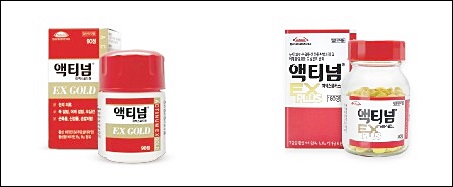
- The Actinum series, once known as Takeda Pharmaceutical's signature mixed vitamin, is experiencing its biggest sales slump in more than seven years since its launch. According to drug distribution performance data, the performance of the Actinium series last year was 2.3 billion won, down 74% from 8.9 billion won in 2018. Between 2018 and 2021, Actinium EX Gold's sales were 4 billion, 2.9 billion, 1.5 billion, and 990 million won, and Actinium EX Gold recorded 4.9 billion, 3.7 billion, 2.1 billion, and 1.2 billion won during the same period. In the first half of 2022, the appearance of the two products was 140 million won and 80 million won, respectively, the worst in the past five years. Actinum, whose main ingredient is Fursultiamine, is once expected to be a blockbuster OTC drug through two lineup of EX Gold and Plus, and is considered the main player in the so-called high-dosage vitamin drug. The inflection point of performance is the aftermath of the boycott of No Japan in 2019 and Takeda, which ended this yearIt is in line with the issue of the transfer rights. It is analyzed that the performance has drawn a gradual downward curve in the indiscriminate boycott of Japanese products, regardless of all industries such as pharmaceuticals, automobiles, and food and beverage. Takeda Pharmaceutical recently transferred its license to Celltrion Pharmaceutical for its OTC Whituben and Albotyl. Actinum is known to have handed over its copyright to Japanese company Alinamin Pharma in 2021. Actinium, which was launched in Korea in 2015, has been sold through cooperative wholesalers such as Geo-Young and Dongwon, and signed an exclusive domestic sales partnership contract with Dong-Wha from April 2019 to January this year. Currently, the authority to import and sell Actinium is in charge of ZP Therapeutics Korea, a commercial business corporation of Zuellig Pharma Korea. The rapid success factor of this product, which was renamed Arinamin in Japan and marketed as Actinum in Korea, lies in its product power. Actinium is a thin-layer sugar tablet and manufacturing method patent, which increases the convenience of taking vitamins with a small size of 9.2mm, and the content and ingredients are stable for four years with a stabilized vitamin product patent. According to Actinium clinical studies, about 80% of patients complaining of eye fatigue, shoulder stiffness, and back pain showed mild or higher symptoms, and at least 3.3 days to up to 5.9 days after starting to take each symptom. In recognition of these efficacy, Actinium EX Plus passed Seoul National University Hospital's Drug Committee (DC) three months after its launch in August 2015, and its product power was recognized. In particular, sufficient data such as clinical data must be available to pass OTC DC at Seoul National University Hospital. In fact, OTC landed at Seoul National University Hospital is only a small number of items such as Ildong's Aronamin and Pfizer's Centrum.
- Policy
- Reimb of Samil·Kukje's rebamipide eye drops adequate
- by Lee, Tak-Sun Dec 13, 2022 06:07am
- Samil Pharmaceutical and Kukje Pharma’s rebamipide eye drop solutions that were developed as a treatment for dry eye were deemed adequate for reimbursement by Korea’s Health Insurance Review and Assessment Service. This is the first achievement made for the drug in 4 months since its approval in June. With the reimbursement adequacy recognized for the drug, its reimbursement listing is expected to come sooner after negotiations with NHIS. HIRA’s Drug Reimbursement Evaluation Committee (DREC) held its 12th annual meeting on the 8th and announced such results. The DREC determined that the reimbursement of Kukje Pharma’s ‘Reba-eye Eye Drops’ and Samil Pharmaceutical’s ‘Reva-K Eye Drops’ are adequate for the treatment of tear functions and ocular surface status in adult patients with dry eye symptoms. Kukje and Samil’s two drugs were approved as incrementally modified drugs by the Ministry of Food and Drug Safety in June. Rebamipide has been previously approved as a treatment for gastric ulcers and gastritis in Korea. However, after its mechanism of action that increases goblet cell density and mucus in the eye were found, Samil Pharmaceutical and Kukje Pharma developed the drug as an eye drop for affected patients. Their drug demonstrated superior efficacy over placebo in a domestic clinical trial in Koreans. Based on such evidence, the MFDS approved them as incrementally modified new drugs, recognizing their improved safety and efficacy. After receiving acknowledgment for its safety and efficacy from the MFDS, HIRA’s DREC acknowledged the adequacy of the drug’s reimbursement during its first deliberation of the drugs. If the agenda passes the drug pricing negotiation step with the NHIS, they will be listed for reimbursement. On the same day, DREC also granted conditional approval for the reimbursement of Janssen Korea’s Erleada Tab (apalutamide).' Erleada's reimbursement adequacy will be accepted if the company accepts the conditions proposed by DREC for the reimbursement.
- Policy
- Big Pharma's sale of Old Drug has increased
- by Lee, Tak-Sun Dec 13, 2022 06:07am
- The number of domestic pharmaceutical companies acquiring domestic copyrights of original drugs has been increasing recently. This is a case in which domestic copyrights have also changed as most original developers sold global copyrights as part of restructuring. Jeil announced on the 8th that it will exclusively supply Bonviva and Bonviva plus, treatments for osteoporosis, in Korea. Bonviva originally entered the domestic market with permission from Roche, a multinational pharmaceutical company. As global copyright was transferred to British pharmaceutical company Aetna Pharma in 2017, domestic copyrights are also changing. Since 2015, Handok has been selling and obtaining permission rights, but it has recently been transferred to Jeil. Pharmanovia, a subsidiary of Aetna Pharm, which has global copyright, signed an exclusive sales contract with Jeil when it established a domestic branch. Currently, Bonvia is licensed by Jeil Pharmaceutical, and Bonviva Plus is registered as a licensed company by Alvogen Korea, a developer. However, reimbursed pharmaceutical companies are still in Korea and Germany. In the future, there is a high possibility that pharmaceutical companies will also be transferred to Jeil through transfer and transfer. SK Chemicals recently acquired domestic copyright for Omnaris nasal spray, an allergic rhinitis treatment. Omnaris nasal spray was introduced and sold by Handok from Nycomed, Switzerland, but domestic copyrights were transferred to Takeda in 2011 and AstraZeneca in 2015. AstraZeneca sold Omnaris' global copyright to Covis Pharma in 2018, and the final destination of domestic copyrights was SK Chemicals. Omnaris was completely transferred to SK Chemicals through transfer and transfer of permission and rights. SK Chemicals also acquired the domestic license for AstraZeneca's asthma treatment Alvesco. LG Chem also acquired the domestic copyright of the anti-inflammatory painkiller Vimovo from AstraZeneca. Vimovo is an NSAIDs-PPI complex released in Korea by AstraZeneca in 2012. LG Chem Participates in Co-promotion Recently, both the right to permit and the right to pay have been transferred. Vimovo's global copyright was also sold to German pharmaceutical company Grünenthal in 2018. Although domestic pharmaceutical companies have acquired exclusive sales rights in Korea beyond co-promotion with overseas pharmaceutical companies, it is too much to lead to a significant increase in profits. This is because it is an old drug that is less competitive than other drugs because it has been released for a long time. Moreover, pharmaceutical companies with global copyrights may terminate their domestic copyright contracts, which cannot be considered completely attributed to assets.
- Policy
- Will SGLT2 combi benefit expansion eventually not happen?
- by Lee, Tak-Sun Dec 12, 2022 05:48am
- #iDiscussions on the expansion of combined benefits between SGLT-2 drugs and other drugs continue to conflict. The government presented a voluntary cut rate to related companies last month to analyze their fiscal impact based on it, which is known to fall short of expectations. As a result, it is expected that it will soon be decided whether to continue the discussion or end it. According to the industry on the 11th, the results of the analysis of the financial impact of the voluntary reduction rate of the upper limit of drugs submitted by 11 diabetes companies to the Ministry of Health and Welfare last month fell short of expectations. The drugs currently under discussion for salary expansion are three-drug therapy such as metformin+SGLT-2+DPP-4, metformin+SGLT-2+TZD, and SGLT-2 +Sulfonylurea or insulin combination therapy. These combination treatments are effective in treating diabetes, so they have continuously demanded pay expansion, focusing on related academic societies. The Ministry of Health and Welfare planned to receive voluntary cuts from companies with these drugs and analyze the financial impact and skip drug price negotiations with the Drug Benefit Evaluation Committee if it meets the expected range and reflect them in the salary through a report by the Health Insurance Policy Review Committee. Otherwise, if the financial increase reflecting the weak cut is greater than expected, it has been delivered to companies through a meeting that it will end discussions on the expansion of combined use. An industry official said, "The voluntary cut rate submitted by companies does not seem to be at the level that the Ministry of Health and Welfare thinks," adding, "If the voluntary cut rate falls below expectations, it is highly likely to end the discussion as announced at the meeting." Since this discussion has been going on for a long time since 2016 through the Diabetes Association, the government will feel burdened to end it immediately. Some analysts say that there is a possibility of receiving another voluntary cut rate. Another official from the pharmaceutical industry said, "So far, we have not notified the company of the results of the financial impact analysis, but I don't think the ait is good," adding, "I think we will discuss ways to cut the weak price once again."
- Company
- “Tagrisso shows effect as 1st-line in the real world"
- by Dec 12, 2022 05:48am
- AstraZeneca’s 3rd generation EGFR mutation-positive non-small cell lung cancer (NSCLC) treatment ‘Tagrisso (osimertinib)’ has shown consistent effects with the clinical trial results in practice. In the real world, Tagrisso demonstrated excellent treatment effects even in patients with brain metastasis, poor systemic condition, or patients with rare mutations. The real-world study results from Germany and Japan that contained the results above were presented at the ESMO Asia 2022 Congress that has been held in Singapore on the 2nd. The large-scale, real-world studies evaluated the use of Tagrisso as a first-line treatment in the field on 600 patients in Japan and 200 patients in Germany. Japan large-scale real-world study results (Source: ESMO) In the Japanese trial that analyzed 583 patients, Tagrisso achieved a median progression-free survival (mPFS) of 20.0 months and median overall survival (mOS) of 4.09 months. By mutation, Tagrisso’s PFS in patients with exon19 deletions reached 23.5 months. In those with L858R mutations, the PFS was 17.0 months. In terms of OS, the OS was 36.1 months in the L858R mutation group, and the median OS was not reached in the exon19 deletion group. German large-scale real-world study results (Source: ESMO) In the German trial that analyzed 217 patients, the time to next treatment or death (TTNTD) and the time to discontinuation (TTD) were measured. Results showed that Tagrisso’s mPFS was 16.2 months, TTNTD 19.2 months, and TTD 14.8 months. In other words, Tagrisso demonstrated an excellent effect not only in patients with brain metastasis that are commonly found in NSCLC but also in patients with rare EGFR mutations. Especially, the rate of patients with brain metastasis accounted for 38% of all patients enrolled in the German real-world study, and 11% were patients with rare mutations that had been excluded from clinical trials. Also, 14% were patients with poor prognosis, the ECOG PS2-3 NSCLC patients. During an interview with Dailyphram, Professor Frank Griesinger of Hemato-Oncology from Germany at Pius-Hospital Medical Campus, University of Oldenburg, said, “Unlike how tests are conducted every 6-8 weeks to evaluate PFS in clinical trials, the PFS in real-world studies tends to be shorter due to longer testing intervals in the field. Tagrisso showed a consistent effect in the real-world study despite the fact that the study enrolled a higher proportion of patients with brain metastasis and rare mutations or poor general conditions, and their age was around 4 years older. Professor Frank Griesinger Professor Griesinger added that over 90% of EGFRm NSCLC patients in Germany choose to use Tagrisso in the first line. He explained that sequential therapy with Tagrisso where other 1st or 2nd-generation treatments are first used followed by 3rd generation drugs may deprive patients of their opportunity to use Tagrisso. Professor Griesinger said, “If you look at the treatment journey of those that undergo sequential treatment, only 70 to 80% of those with advanced disease can receive mutation testing as patients who have already developed resistance often do not have enough tissue left to perform a biopsy. Blood biopsy is somewhat less accurate. Besides, only 38% of Asians are found to receive biomarker testing after developing resistance. Considering how only around half of the few that are tested are T790M-positive, not many patients can use Tagrisso as later line therapies.” He added, “One mistake most people make in the course of making treatment decisions is that the OS data of Tagrisso is good as sequential therapy. But the results have to be better as the data comes from the selected 30% of patients who are eligible to use Tagrisso in the first place. We should not overlook the other 70% of the patients that cannot use Tagrisso in that environment” The OS from the Asian subgroup analysis results for Tagrisso’s Phase III trial has raised controversy. Although Tagrisso showed statistically significant improvement in the entire patient group, the risk ratio (HR) was 0.995 when separately analyzing the Asian patients in the population. An HR of 0.995 means that the difference between Tagrisso and the control group is 0.005, it could be interpreted that there is virtually no difference between Tagrisso and the control group. Regarding Tagrisso’s effect on Asians, Professor Griesinger said “Some parts of the Asian sub-analysis results have been difficult to interpret, but I don't think it's is an issue because the total OS shown demonstrates improvement in the entire population. Tagrisso effect was also consistent in the Japanese real-world study.” Professor Griesinger emphasized, “Based on my practice and research experience Tagrisso is a worthy first-line standard therapy. If the patient has EGFR mutation, there is no reason not to use Tagrisso.”
- Company
- Nucala retries insurance benefits for the first time in five
- by Eo, Yun-Ho Dec 12, 2022 05:48am
- Nucala, a respiratory antibody drug, is seeking to register insurance benefits again. According to related industries, GSK Korea recently submitted an application for the salary of Nucala, a severe eosinophilic asthma treatment. It is the first re-challenge in about five years since the non-reimbursed decision of the Drug Benefit Evaluation Committee of the Health Insurance Review and Assessment Service in 2017. At that time, the committee decided that the cost effectiveness was unclear as a result of Nucala's PE data analysis. Nucala is an interleukin (IL)-5 antagonist that reduces eosinophilic levels, a type of white blood cell involved in asthma triggers. Currently, it can be used as an additional maintenance treatment for asthma treatment in adult patients suffering from severe eosinophilic asthma with 150 cells/㎕ or more in the blood or 300 cells/㎕ or more in the blood within 12 months before the start of ▲ treatment, and is prescribed as a non-reimbursement. Nucala proved its validity through phase DREAM, MENSA, and SIRIUS studies. Among them, MENSA was published in the NEJM in 2014 as a representative study of this drug. This study was conducted on patients with severe asthma who developed exacerbations despite the use of several regulators, including high-dose inhaled corticosteroids (ICS), and in particular, patients with increased eosinophils by more than 150 cells/㎕ (more than 300 cells/㎕ a year ago) were recruited in the initial screening. They were administered Mepolizumab and placebo, and the annual incidence of exacerbation was observed. As a result, the annual incidence of exacerbation in the Mepolizumab 75mg intravenous treatment group at 32 weeks decreased by 47% compared to the placebo group, and the Mepolizumab 100mg subcutaneous injection treatment group also decreased by 53%. In addition, the quality of life was improved, and asthma control satisfaction was higher than placebo. The SIRIUS study observed dose changes in OCS after 20–24 weeks when Mepolizumab was administered in patients with oral corticosteroids (OCS). As a result, the dose of OCS in the Mepolizumab 100 mg subcutaneous injection group was reduced by 50% compared to the placebo group, and asthma control satisfaction and quality of life evaluation were significantly improved. This study was published in the ERJ in 2014 as the first to demonstrate a decrease in the dose of OCS when administering antibody drugs. In addition, various sub-analysis confirmed the effect of improving the incidence rate of deterioration and quality of life according to the eosinophil level.
- Company
- Daewoong suspends clinical trials of COVID-19 treatments
- by Kim, Jin-Gu Dec 12, 2022 05:47am
- All three clinical trials have been discontinued, and DWRX2003' has not progressed in domestic and foreign clinical trials. Daewoong decided to voluntarily stop the last clinical trial of DWJ1248, which was being developed as a treatment for severe COVID-19. Analysts say that Daewoong's COVID-19 project has also ended as all three clinical trials of the drug have been suspended. Daewoong announced on the 9th that it will voluntarily suspend the phase 3 clinical trial of the COVID-19 treatment DWJ1248. Daewoong explained the reason, "It is expected that it will be difficult to secure clinical results as the transition rate to severe patients decreases due to the rapidly changing COVID-19 situation and the expansion of vaccination." With this decision to suspend clinical trials, all clinical projects related to Daewoong's DWJ1248 have been terminated. Daewoong announced in July 2020 that it would develop Foistar, which was previously used to treat chronic pancreatitis, as a treatment for COVID-19. Daewoong then operated three clinical trials at the same time. They include two-thirds clinical trials for mild and moderate patients, three clinical trials for combination therapy with Remdesivir for severe patients, and three clinical trials for severe prevention purposes. Among them, phase 3 clinical trials for preventive purposes were suspended in December last year. In addition to DWJ1248, Daewoong is developing DWRX2003 containing Niclosamide as a treatment for COVID-19. However, this candidate substance is also said to have difficulty in clinical trials. Daewoong was approved for phase 1 clinical trial in October 2020. The clinical trial conducted at Chungnam National University Hospital was completed in June last year. However, there is no news that the second phase will be held since then. Overseas clinical trials of this drug are also failing to boost. In the Philippines, phase 1 clinical trials were started with the aim of recruiting 40 people, but phase 1 ended early with only two people gathered. The company's strategy is to focus on clinical trials in Australia, India, and Indonesia. However, even this is said to have difficulty recruiting patients as the local vaccination rate increases rapidly. In the case of DWRX2003 clinical trials, vaccinations are excluded from recruitment.
- Product
- Jeil will stop distributing Viagra, Cardura, Detrusitol
- by Kim JiEun Dec 12, 2022 05:47am
- Jeil Pharmaceutical will discontinue distributing Viagra at the end of this month after parting ways with Viatris Korea that it had made a distribution agreement with for the drug. Jeil Pharmaceutical has recently sent an official notice to drug wholesalers about the company’s discontinued distribution of some products. In the notice, Jeil Pharmaceutical wrote, “Due to the termination of the distribution agreement with Viatris Korea, we will be discontinuing the distribution of Viagra Tab, Viagra L film, Cardura XL Tab, and Detrusitol SR Cap.” Jeil Pharmaceutical also wrote that its distribution license with Viatris Korea terminates as of December 30th and asked that inquiries about the aforementioned products be directed to the license holder, Viatris Korea. Distribution of the following 7 products will be discontinued under Jeil’s measure: ▲Viagra Tab 50mg (4 tablets); ▲Viagra Tab 100mg (4 tablets); ▲Viagra L ODF 50mg (4 sheets); ▲Viagra L ODF 100mg (4 sheets); ▲Detrusitol SR Cap 2mg (30 capsules); ▲Detrusitol SR Cap 4mg (30 capsules); and ▲Cardura XL Tab. The date of their distribution discontinuation will be December 23. Due to Jeil’s suspension of distribution, the affected drugs are rapidly running out of stock at online malls that sell drugs to pharmacies. Cardura XL Tab In the case of Viagra Tab., the product is already sold out in some online malls and is not available for order. Also, only a small stock of Viagra L, Detrusitol SR Cap, and Cardura XL Tab is said to remain for order. As the drugs being discontinued distribution are urology-related products, it is expected that pharmacies near urology clinics will be affected for a certain period of time. A local pharmacist said, “If a wholesaler notifies pharmacies of a discontinuation of distribution, the temporary demand for the drugs will inevitably rise. In the case of Viagra Tab, there has already been a shortage since last month due to delays in production schedules. As it may take some time to normalize sales, pharmacies that receive related prescriptions may have difficulty dispensing the drug.” Meanwhile, Viatris Korea is the Korean subsidiary of Viatris that was launched in November 2020 through a merger between Global Pfizer’s business division Upjohn and the global healthcare company Mylan.
- Company
- GLP-1 Diabetic Trulicity's High Flux
- by Kim, Jin-Gu Dec 12, 2022 05:47am
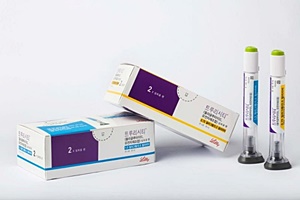
- Trulicity GLP-1 analog diabetes treatment Trulicity is on the rise. In the third quarter of last year, sales increased by 22% compared to the same period last year, continuing to grow. Attention is drawn to the competitive drug Ozempic. The pharmaceutical industry predicts that Ozempic will be a strong opponent of Trulicity. In the global market, Ozempic has already surpassed Trulicity sales. According to IQVIA, a pharmaceutical market research firm, Trulicity's sales in the third quarter were 15.8 billion won. It increased by 22.3% compared to 12.9 billion won in the third quarter of last year. Trulicity is a GLP-1 analog diabetes treatment. GLP-1 analogs are drugs developed using GLP-1 (Glucagon-Like Peptide-1) hormones that are involved in controlling blood sugar in the body. GLP-1 hormones promote insulin secretion immediately after meals, lowering blood sugar, and reducing insulin secretion when blood sugar falls below a certain level to help prevent hypoglycemia. Trulicity monopolizes the GLP-1 analog diabetes drug market. As of the third quarter, the sales share reached 99.8%. Trulicity received domestic item approval in May 2015 and released its salary in May 2016. It was the latest GLP-1 analog diabetes drug to be released, but it grew steeply every quarter. Since 2017, it has virtually solidified its dominance system. At the same time, it is breaking new sales records every quarter. In addition to Trulicity, Lyxumia, Victoza, and Byetta have entered the domestic market, but they seem to have been completely pushed out of the competition with Trulicity. Lyxumia and Byetta withdrew their item permits and withdrew from the domestic market, while Victoza's quarterly sales fell to around 30 million won. Ozempic & RybelsusThe pharmaceutical industry's attention is focused on competitive products to be released by Novono Disc Pharmaceutical. Novo Nordisk was granted Ozempic in April and Rybelsus in May. Ozempic is a long-term, once-a-week injection of the same type as Trulicity, and Rybelsus is a drug that converts it into an oral drug. Rybelsus is a once-a-day drug. In the pharmaceutical industry, It includes an indication of reducing the risk of cardiovascular events compared to Trulicity. Synergy with Rybelsus, the world's first oral GLP-1 analog, is also expected. In the global market, Ozempic has already overtaken Trulicity. According to a quarterly report by Eli Lilly and Novo Nordisk as of the second quarter, Ozempic's global sales in the second quarter amounted to $1.986 billion. During this period, Trulicity's global sales were $1.94 billion.
