
- LOGIN
- MemberShip
- 2026-06-15 16:43:53

- Policy
- NHIS publicly discloses RSA Refund-type drugs
- by Jung, Heung-Jun Jan 06, 2026 08:25am
- Going forward, fewer patients are expected to miss out on refunds simply because they are unaware of refund-eligible drugs under Korea’s Risk-Sharing Agreement (RSA) system.On the 2nd, the National Health Insurance Service (NHIS) disclosed the “List of Risk-Sharing Refund-Eligible Drugs.” The aim is to improve information accessibility for patients who are prescribed refund-type drugs.There have been demands in the past from the National Assembly for information on refund-type reimbursed drugs. During the NA audit the year before the last, concerns were raised that patients were missing out on reimbursements due to a lack of information.Previously, lists of RSA drugs had been shared with medical institutions for the purpose of supporting patients subject to full out-of-pocket payments. However, this marks the first time the NHIS has directly disclosed the list of refund-type drugs to the general public.An NHIS official stated, “Starting in January this year, we plan to disclose the list of refund-type drugs on a monthly basis. This was a frequent request from patients, and addressing that need is the primary purpose. Following requests from the National Assembly, we reviewed the matter and decided on regular disclosure.”According to the refund-type RSA drug list released by the NHIS, there are 61 drugs under refund-type RSA contracts. These drugs are from 26 multinational companies and 3 domestic companies.When classified by dosage, the number of refund-eligible drug items reaches 112. Among them, AstraZeneca Korea (AZ) accounted for the largest share with 14 items.When categorized by dosage, 11 of the 112 refund-type items are from domestic companies. Multinational companies account for over 90% of the refund-type contract drugs.Domestic companies with refund-type RSA drugs include Yuhan’s Leclaza (lazertinib), JW Pharmaceutical’s Hemlibra (emicizumab), Handok’s Defitelio Inj (defibrotide), Vyxeos Liposomal Inj, and Pemazyre Tab (pemigatinib).Domestic companies are divided into those with domestically developed new drugs and those with overseas new drugs introduced to Korea, where they hold the local marketing rights. Among the refund-type drug list, domestically developed new drugs like Leclaza and multiple new drugs marketed by Handok stand out.Among multinational companies, AZ and Novartis Korea each had the most drugs, with 6 each. When including dosage distinctions, AZ accounted for 14 items.AZ has refund-type contracts for Tagrisso, Lynparza, Imfinzi, Koselugo, Strensiq, and Fasenra, while Novartis’ refund-type drugs include Kymriah, Kisqali, Zolgensma, Luxturna, Ilaris, and Lutathera.Other companies with multiple refund-type drugs include: ▲Pfizer Korea (Ibrance, Lorviqua, Vyndamax Cap, Paxlovid) ▲Eli Lilly Korea (Verzenio Tab, Cyramza Inj, Jaypirca Tab) ▲BMS Korea (Yervoy, Onureg, Camzyos, Inrebic).The reduction in drug expenditure through the RSA refund-type contracts has been largely concentrated on high-priced anticancer drugs and rare disease treatments from multinational pharmaceutical companies.

- Company
- 3 new K-biosimilar approvals last year…second-highest
- by Chon, Seung-Hyun Jan 06, 2026 08:25am
- Last year, South Korean biopharmaceutical companies received approval of three new biosimilar products. It was the second-highest annual output following the record-breaking eight approvals in 2024. Samsung Bioepis and Celltrion have seen their follow-up pipelines reach the commercialization stage one after another, while Sam Chun Dang Pharm successfully entered the market with its first biosimilar, expanding the number of domestic biosimilar players to five. Currently, Celltrion and Samsung Bioepis received 11 approved biosimilars each.According to industry sources on the 5th, domestic firms obtained approval from the Ministry of Food and Drug Safety (MFDS) for four new biosimilar products last year. Samsung Bioepis secured two of these approvals, while Sam Chun Dang Pharm obtained one. Samsung Bioepis received approval for Obodence (a biosimilar to Prolia) in April 2025, followed by Xbryk (a biosimilar to Xgeva) in May. Both Prolia and Xgeva were initially developed by Amgen, using the same active ingredient, denosumab, but with different dosing schedules and administration cycles. Prolia is used for treating osteoporosis, whereas Xbryk is indicated for preventing skeletal-related events in patients with bone metastases and for treating giant cell tumors of bone.In September 2025, Sam Chun Dang Pharm's Vgenfli, a biosimilar to Eylea (aflibercept), cleared its final regulatory hurdle. This product is indicated for ophthalmic conditions such as wet age-related macular degeneration, macular edema following retinal vein occlusion, and diabetic macular edema. This marks Sam Chun Dang Pharm's first domestic biosimilar approval, entering a competitive field where Samsung Bioepis and Celltrion had already secured approvals for their respective Eylea biosimilars in 2024.The number of biosimilar approvals received by South Korean pharmaceutical and biotech companies by year (unit: number, source: MFDS)The three biosimilar approvals in 2025 were the second-highest in record. It recorded 9 in 2024, and the previous high was 3 in 2015 and 2022. Beyond new product entries, domestic firms are continuously strengthening their market competitiveness through supplemental formulation approvals.Celltrion obtained approval for an Auto-Injector (AI) formulation of Omlyclo in December 2025. This followed the June 2024 approval of the pre-filled syringe (PFS) version. Omlyclo is a biosimilar to Xolair (omalizumab), used for chronic idiopathic urticaria and asthma. The AI formulation is a unique option not currently offered by the original manufacturer in Korea, designed to enhance treatment accessibility for patients who find it challenging to visit medical institutions.Similarly, Celltrion added two new types of Avtozma (an Actemra biosimilar) in February 2025.Samsung Bioepis received approval for its Eylea biosimilar, Afilivu, in 2024, and introduced a pre-filled syringe version last year.To date, South Korean biopharmaceutical companies have successfully commercialized 27 products across 15 therapeutic areas.Celltrion pioneered this space in 2012 with Remsima and has since secured approvals for biosimilars referencing Herceptin, MabThera, Humira, Avastin, Eylea, Stelara, Xolair, Prolia, Xgeva, and Actemra.Samsung Bioepis began its journey in 2015 with Etoloce (Enbrel biosimilar) and has successfully expanded into areas referencing Remicade, Humira, Herceptin, Avastin, Lucentis, Soliris, Eylea, Stelara, Prolia, and Xgeva.LG Chem and Chong Kun Dang have also made notable entries into the Enbrel, Humira, Nesp, and Lucentis markets.Celltrion and Samsung Bioepis received approval for 11 biosimilars each. Celltrion and Samsung Bioepis account for 85% of the 26 approved products. Recently, traditional pharmaceutical companies have increasingly joined forces with these biosimilar developers for domestic distribution.While Samsung Bioepis initially partnered with MSD Korea, it later transferred rights to Yuhan Corp for several autoimmune treatments. However, in March 2024, Samsung Bioepis established its own internal sales organization for direct distribution. It currently maintains partnerships with Boryung for its oncology portfolio (Samfenet and Onbevzi) and Samils Pharmaceutical for its ophthalmology products. For Obodence, Samsung Bioepis selected Hanmi Pharmaceutical as its marketing partner, sharing domestic sales responsibilities.In 2017, Samsung Bioepis initially selected Daewoong Pharmaceutical as the sales partner for Samfenet but switched the distributor to Boryung in 2021. Immediately following the domestic approval of the Avastin biosimilar Onbevzi in 2021, the company signed an exclusive domestic sales agreement with Boryung. For its ophthalmic disease treatments, Samsung Bioepis chose Samil Pharmaceutical as the sales partner for its Lucentis and Eylea biosimilars.Samsung Bioepis recently selected Hanmi Pharmaceutical as the sales partner for Obodence. Samsung Bioepis acts as the developer responsible for production and supply, while both companies jointly manage domestic marketing and sales activities.Daewoong Pharmaceutical entered into a joint sales and distribution agreement with Celltrion Pharm to begin domestic sales of Celltrion's Prolia biosimilar, Stoboclo. Daewoong Pharmaceutical is conducting joint sales of Stoboclo across general hospitals and clinics nationwide alongside Celltrion Pharm. While Celltrion previously sold its biosimilars in the domestic market exclusively through its affiliate, Celltrion Pharm, Stoboclo is the first product from a pharmaceutical company other than Celltrion Pharm to be distributed in the domestic market. Additionally, Daewoong Pharmaceutical has joined LG Chem's sales efforts for its Humira biosimilar, Xelenka.
- Policy
- Rare disease drugs to be reimbursed within 100 days
- by Lee, Jeong-Hwan Jan 06, 2026 08:25am
- Starting in the new year, the government will shorten the timeline for National Health Insurance (NHI) reimbursement listing of rare disease treatments from the current 240 days to 100 days, strengthening patient access to medicines.To address frequent shortages of essential medicines, the government proposed ‘activating made-to-order manufacturing’ by establishing a public production and distribution network through collaboration between the government, pharmaceutical/distribution/medical associations, and pharmaceutical companies.Under this model, the government requests production of frequently out-of-stock drugs from manufacturers and purchases the entire output for supply.By expanding the emergency import of treatments and contract manufacturing, the government aims to create an environment where patients can obtain treatments without difficulty, even if private supply ceases due to low demand.In addition, patient co-insurance payments under the NHI special reimbursement calculation scheme for rare and severe intractable diseases will be further reduced.On the 5th, the Ministry of Health and Welfare (MOHW), the Ministry of Food and Drug Safety (MFDS), and other relevant agencies jointly announced measures to strengthen support for rare and severe intractable diseases. Rare Drugs to be listed within 100 days… approval-evaluation-pricing parallel review to continueFrom the new year, the government will significantly reduce the time required for NHI listing of rare disease treatments from within 240 days to within 100 days.Furthermore, the government will continue its pilot program for ‘parallel approval-evaluation-price negotiation’ for rare disease drugs, where it is difficult to establish robust efficacy and safety evidence due to extremely small patient populations. This program reduces the time required for drug price approval and listing from the current 330 days to 150 days, a reduction of 180 days.The first pilot program included Qarziba and Bylvay Cap, while the second pilot program is currently underway with three selected drugs.Prices for rare disease treatments will be set at a certain level relative to the average price in reference countries.Expansion of emergency import and made-to-order manufacturing for rare essential and shortage drugsFurthermore, to ensure access to treatments even if pharmaceutical companies halt manufacturing or imports due to low demand, the government is expanding emergency imports and custom manufacturing.First, medications for self-treatment that patients previously had to purchase directly overseas will be converted into emergency import items for at least 10 products starting this year to stabilize supply.Emergency import refers to a system in which the government directly procures drugs from overseas and supplies them when the domestic supply is disrupted.While an emergency import system already exists through the Korea Orphan and Essential Drug Center, ultra-low-demand products have often been excluded. Expanding the scope of emergency imports aims to address these limitations.If an emergency import drug was previously eligible for reimbursement, reimbursement price applications will be prioritized, and existing emergency import drugs will also be allowed to apply for reimbursement.In particular, to ensure a stable domestic supply of essential medicines at risk of discontinuation, the government will activate made-to-order manufacturing through a public production and distribution network involving the government, pharmaceutical companies, distributors, medical associations, and industry groups.Last year, KRW 810 million was allocated to manufacture 7 drugs through made-to-order manufacturing. This year, an additional KRW 500 million will be allocated to expand production to two more drugs.Under this system, the government shares information on drugs scheduled for supply discontinuation with the pharmaceutical industry. The Korea Orphan and Essential Drug Center analyzes prescription and supply history, demand, and regulatory issues, after which pharmaceutical companies decide whether to proceed based on production intent and required budget. Public production projects are then implemented through product transfer, new approvals, or manufacturing contracts.The government plan is to expand from the current 7 items to 17 items by 2030, adding 2 items annually starting this year.This would mean 25% of the 40 essential drugs requested for emergency import by the medical field would be converted to public production.When expanding emergency import and made-to-order-manufactured items, priority will be given to treatments for rare diseases.Reduced patient co-insurance costs through enhanced special reimbursement supportTo reduce the financial burden of high-cost care for patients with severe diseases, the government will strengthen special reimbursement schemes that lower NHI co-insurance payment rates.For high medical expenses related to rare and severe intractable diseases, the patient's co-insurance payment rate will be further reduced from the current 10%.Taking into account factors such as the need for continuous treatment and management and the burden of high medical costs, a reduction plan will be prepared in the first half of this year, followed by approval by the Health Insurance Policy Deliberation Committee, with implementation scheduled for the second half of the year.Furthermore, starting this January, 70 additional diseases, including congenital functional short bowel syndrome, will be added to the list of rare diseases eligible for special billing exceptions, with continuous expansion planned.The re-registration process for rare and intractable diseases will also be reorganized to be more patient-centerd. Until now, the government required separate test results for 312 specific rare and intractable diseases upon re-registration.Reflecting field feedback that additional testing is unnecessary given the incurable nature of these conditions, unnecessary testing requirements will be eliminated during re-registration.Support for low-income patients through the rare disease medical expense assistance program will also be expanded.The income and asset criteria separately applied to households with dependent family members will be phased out starting in 2027, expanding support for low-income individuals.Customized medical nutrition support based on disease-specific needs will continue to expand. The government currently provides special formula milk and low-protein instant rice to rare disease patients requiring dietary management. Since September last year, it has additionally provided special corn starch for patients with glycogen storage disease.This year, based on a survey of the current status of special diet usage and additional demand, the government plans to review expanding the range of supported items and support the development of new products.
- Policy
- Industry asks NHIS to defer February vote on drug price cuts
- by Lee, Jeong-Hwan Jan 06, 2026 08:25am
- The pharmaceutical industry is voicing concerns that the government's plan to push through a drug pricing system, which includes price cuts for domestically produced generic medicines, for approval by the Health Insurance Policy Deliberation Committee (HIPDC) next month (February), represents overly hasty administration.Industry consensus is that because the government failed to adequately collect industry opinions when it announced the reform plan late last November—lowering the pricing benchmark for generics from 53.55% of the originator price to the “40% range”—it is necessary to resume consultations in the new year before obtaining the approval of the Health Insurance Policy Deliberation Committee, and then set a new implementation date for the drug pricing system reform plan.The demand is that postponing or deferring the timing of the generic drug price reduction from July this year to next year or later is necessary to ensure domestic pharmaceutical companies' management predictability and the normal execution of their business plans.Some members of the National Assembly’s Health and Welfare Committee are also paying close attention to these concerns, raising questions over whether changes will occur in the government’s administrative timetable.According to domestic pharmaceutical industry sources on the 5th, the Ministry of Health and Welfare (MOHW), the government agency responsible for the drug pricing system reform plan, has not yet initiated a formal process to gather opinions from pharmaceutical companies regarding the reform plan, including generic drug price cuts and pricing incentives.On November 28 last year, the MOHW reported the reform plan to the HIPDC, publicly announcing its intention to reduce the generic pricing benchmark from 53.55% of the original drug’s price to the 40% range.At the same time, the ministry disclosed plans to finalize the reform through a HIPDC vote in February this year and to fully implement the revised pricing system and price reductions starting in July.At the time, domestic pharmaceutical companies reacted strongly, criticizing the ministry for abruptly announcing the plan without providing sufficient prior explanation regarding the specific pricing rate, the scope of generics subject to price cuts, or the targets and methods for pricing incentives.Pharmaceutical companies are criticizing the Ministry for failing to show any signs of reviewing or partially reflecting the industry's demands even now, over a month after the Health Insurance Review and Assessment Service report and into the new year.Industry stakeholders complain that the ministry has not retreated even marginally from its unilaterally disclosed proposal, instead adhering strictly to the government plan—creating an environment in which meaningful dialogue between the MOHW and the pharmaceutical industry cannot take place.In fact, Jeong-Kee Hong, Executive Director of the Korea Pharmaceutical and Bio-Pharma Manufacturers Association (KPBMA), strongly appealed for a deferral of implementation during a National Assembly policy forum on the drug pricing reform held last December, pointing out how the proposed timeline was excessively tight, undermining predictability, and that insufficient analysis had been conducted on the reform’s negative impact on the pharmaceutical industry.At the time, Executive Director Hong stated, “When pursuing drug price reductions, prior evaluation and analysis of the long-term impact on the pharmaceutical industry must be conducted first, and the effects on employment, production bases, and supply chains must also be examined. Notifying the industry of price reductions just 7 months before the system implementation makes it difficult for pharmaceutical companies to establish business plans and ensures no predictability.”Despite these industry appeals, the MOHW has shown little indication of establishing a consultation channel until now, prompting growing skepticism within the pharmaceutical sector regarding the plan to finalize the reform at the February HIPDC meeting.Against a backdrop of mounting uncertainty in the pharmaceutical industry—driven by the COVID-19 pandemic and rising trade barriers imposed by major economies such as the United States—industry voices warn that the MOHW’s focus on cutting health insurance expenditures, rather than regulatory innovation to support domestic new drug R&D, could ultimately threaten national security and pharmaceutical sovereignty.Accordingly, the pharmaceutical industry is expected to intensify calls for the MOHW to moderate the pace of its drug price cut measures.Mr. A, a drug pricing manager at a top domestic pharmaceutical company, stated, “We need to critically assess whether cutting generic drug prices to save KRW 1 trillion in health insurance funds is truly the top administrative priority the Ministry should pursue, given Korea's current situation. Throughout the prolonged COVID-19 pandemic, conflicts over medical policies and healthcare gaps, pharmaceutical companies have dedicated their management efforts to new drug R&D amid significant uncertainty. At this point, reducing generic prices to the 40% range is difficult to understand in terms of urgency or appropriateness.”Mr. B, another executive from a top pharmaceutical company, also stated, “While the Minister of Health and Welfare and the Vice Minister in charge of the pharmaceutical industry have consecutively published opinion pieces in media outlets expressing strong strong commitment to generic drug price reduction and strengthening the sustainability of the national health insurance finances, there has been no visible effort to establish a discussion table for collecting industry feedback on their strong opposition. Rather than repeating and reinforcing the government's drug pricing system reform plan already reported to the HIPDC, what is needed now is a consultative approach that proactively accommodates industry demands and promises the possibility of revising the reform plan.”As industry opposition persists, the National Assembly is closely monitoring the MOHW’s handling of the pricing reform.Some members of the Health and Welfare Committee are questioning the rationality of rushing implementation without sufficiently accommodating industry concerns, and there is a growing sense that legislative mediation may be necessary if government–industry tensions escalate.An official from a ruling-party lawmaker’s office on the committee remarked, “There is concern that the policy of applying differential pricing to generics for domestic pharmaceutical companies that have expanded investment in new drug R&D was not sufficiently reflected in this drug pricing system, and we partially share that view. We are currently communicating with the pharmaceutical industry to determine whether the MOHW’s drug pricing system reform truly sends a policy signal encouraging competition based on innovation rather than rebates.”The official continued, “It's difficult for the National Assembly to hastily take on the legislative branch's mediation role before conflicts even arise. The domestic pharmaceutical industry has sufficiently voiced its opposition to the policy, and since the consultation process with the government is still ongoing, we need to observe the situation a bit longer. If the government implements the drug price reduction reform plan quickly and the resulting shock to the pharmaceutical industry is significant, then some level of incentive measures should follow to offset it to a certain extent."
- Policy
- MFDS establishes dedicated division to accelerate biosimilar reviews
- by Lee, Tak-Sun Jan 05, 2026 10:39am
- The establishment of a dedicated division for biopharmaceutical approvals is expected to accelerate the review process for domestically developed biosimilars.The Biopharmaceutical Approval Division has been formally incorporated into the Biopharmaceuticals and Herbal Medicine Bureau. With the Biologics Approval Task Force (TF), which began operations in 2024, having been elevated to a permanent division, the review of related products is expected to gain momentum, alongside last year's increase in biosimilar fees.According to the Ministry of Food and Drug Safety (MFDS) on the 1st, the Biopharmaceutical Approval Division was newly established as of the 30th of last month. Hyun-jung Park, a senior civil servant who previously led the TF, has been appointed as division director.Notably, the Biopharmaceutical Approval Division is expected to focus on shortening biosimilar review periods by organizing dedicated teams to review each product.The biosimilar approval review fee was raised last September from the previous KRW 8.03 million to KRW 310 million. The MFDS has stated that it aims to significantly reduce approval timelines using the additional resources secured through the fee increase.Hyun-jung Park, Director of the Biopharmaceutical Approval DivisionDuring a recent presidential policy briefing, MFDS Minister Yu-kyoung Oh announced plans to reduce the average review period for new drugs and biosimilars to 240 days. The current average review timelines are 420 days for new drugs and 406 days for biosimilars. If achieved, this would effectively cut review periods by nearly half.The key to shortening review timelines lies in operating dedicated review teams. By concentrating reviews on a per-product basis, the MFDS aims to eliminate unnecessary delays. The Biopharmaceutical Approval Division is expected to play a central role in this effort.The Ministry of Food and Drug Safety (MFDS) introduced a new expedited review system last year alongside increased fees for new drugs. This system involves forming dedicated product teams (18 members) incorporating specialized personnel for new drug approvals, prioritizing the review of Good Manufacturing Practice (GMP) reviews, and providing customized face-to-face meetings both before and after marketing authorization applications.The establishment of the Biopharmaceutical Approval Division is widely interpreted as an effort to extend this expedited review framework to biopharmaceuticals. All 13 members of the former Biologics Approval TF have been transferred to the new division.Since 2024, the Biologics Approval TF has been responsible for handling approval-related petitions, including preliminary reviews, coordination requests (covering GMP, review processes, risk management plans, and patent issues), issuance of requests for additional data, and approval of extensions for response periods when necessary, and coordination of responses from relevant departments.

- Company
- Chinese API importers outnumber domestic manufacturers in Korea
- by Chon, Seung-Hyun Jan 05, 2026 10:39am
- The number of Chinese active pharmaceutical ingredient (API) suppliers importing APIs into Korea continues to rise. Compared to six years ago, nearly 100 more Chinese companies are now supplying APIs to the Korean market, significantly outnumbering domestic producers. The scale of Chinese API imports has also steadily grown, indicating an expanding influence of Chinese products in the domestic market. In addition, as pharmaceutical companies face price pressure and seek lower-cost APIs, the number of Indian suppliers has also grown substantially.According to the Ministry of Food and Drug Safety on the 3rd, the total number of Chinese API importers in 2024 was recorded at 350. This represents an increase of 19 companies from the 331 recorded in 2023, within just one year.Number of Chinese and Indian API importers and domestic API manufacturers by year (Unit: No. of companies; Source: MFDS)The number of Chinese API importers has shown an upward trend year after year. In 2018, APIs were imported from a total of 254 Chinese companies, meaning 96 new importers have been added over the past six years. Although the number declined from 342 in 2021 to 333 in 2022 and 331 in 2023, it rose again in 2024.As the scale of Chinese API imports continues to grow, the number of newly identified importers is also increasing.The value of Chinese API imports rose from USD 678.09 million in 2018 to USD 816.32 million in 2024, representing a 20.4% increase over six years.Domestic pharmaceutical companies prefer inexpensive imported APIs to reduce costs, leading to a sustained increase in imports from China and diversification of import sources. In 2014, China ranked 6th among domestic drug import sources, but by 2024, it had jumped to 3rd place.The number of Chinese importers now exceeds that of domestic API manufacturers. In 2024, there were 315 domestic API producers, 35 fewer than Chinese importers. While domestic producers were 12 fewer than Chinese importers in 2018 (242 domestic vs. 256 Chinese), the gap widened to 23 in 2024.The volume of Chinese APIs used in the domestic market is comparable to that of domestically produced APIs.In 2024, total API production amounted to KRW 4.4007 trillion. Excluding exports worth USD 2.17314 billion, APIs valued at KRW 1.43 trillion were used in the domestic market, calculated using an average 2024 exchange rate of KRW 1,367 per USD.This calculation indicates that Chinese API used domestically last year amounted to KRW 1.1159 trillion. Considering that Chinese API is cheaper than domestic products, this suggests that domestic companies actually use more Chinese API than domestic API.The number of companies importing active pharmaceutical ingredients from India is also steadily increasing. In 2018, 192 companies imported Indian API, but by 2024, this number had risen to 241, an increase of 49 companies over six years. In 2024, the gap between the number of companies importing Indian API and those producing domestically was only 74.Concerns are spreading that if generic drug prices fall further, the avoidance of relatively expensive domestic APIs will intensify.Under the revised drug pricing system scheduled to take effect this July, the pricing benchmark for generics will drop from 53.55% of the price of the original drug before patent expiration to the 40% range. A setting between 40% and 45% is regarded as most likely. Arithmetically, lowering the maximum generic price from 53.55% to 40% implies a 25% deterioration in profitability.An industry insider stated, “Ongoing drug price-cut policies have significantly expanded efforts to source low-cost APIs from import suppliers in China and India. If the price of generics, a core revenue source for domestic pharmaceutical companies, drops sharply, they will inevitably have to further reduce API costs to cut expenses.”
- Policy
- Rebate penalty in innovative pharma certification reform
- by Lee, Jeong-Hwan Jan 05, 2026 10:39am
- The pharmaceutical industry's attention is drawn to the Ministry of Health and Welfare's (MOHW) proposed reform of the Innovative Pharmaceutical Company certification system.The MOHW is considering a transition from the current 'cancellation of innovativeness certification' rule for illegal rebates to a points-based scoring system.While the MOHW initially announced a shift toward a scoring system, which would give incentives towards new drug development from pharmaceutical companies rather than a penalty disqualifying the certification, it has faced significant pushback from those expressing concerns.On January 2, the pharmaceutical industry is currently anticipating an administrative measure related to rebates concerning innovative pharmaceutical company certification system reform that can sufficiently encourage R&D investment.Even if the current disqualification rules for illegal rebates are maintained without a transition to a scoring system, the industry's demand is for a reasonable reform that prevents certification cancellation for cases that occurred long ago.The industry argues that for R&D plans to be maintained, regulations should be established to ensure that certification is not revoked for extremely old rebate cases or for instances where court rulings determined the company did not actively participate in the illegal activity.The MOHW plans to issue a legislative and administrative notice within January after receiving feedback from both domestic and international pharmaceutical companies. The MOHW noted that the original schedule for the notice was delayed due to the process of gathering diverse opinions from stakeholders.An official from a domestic pharmaceutical company explained, "The MOHW seems to be considering various administrative directions regarding the transition to a scoring system," and "It is crucial that the unreasonable cancellation rules be updated rather than a focus on transitioning to a score system. The goal of the certification is to provide preferential treatment to companies that are dedicated to new drug R&D."
- Company
- Upcoming JPM 2026…K-bio focuses on 'global big deals'
- by Hwang, byoung woo Jan 05, 2026 10:39am
- The '44th Annual J.P. Morgan Healthcare Conference (JPMHC 2026)', the world's largest investment event, will be held from January 12 to 15 (local time), with major domestic pharmaceutical and biotech companies participating to target the global market.This year's event is expected to focus on the reorganization of global supply chains following the implementation of the U.S. Biosecure Act and innovation in drug development based on Artificial Intelligence (AI).Korea's domestic companies plan to strengthen their status through main track presentations while aiming to derive future technology export results through business meetings.JPMHC 2026 is a place where approximately 500 major global pharmaceutical companies, as well as domestic firms, share new R&D achievements and discuss the future direction of the pharmaceutical and biotech industries. For domestic companies, JPMHC 2026 serves as an opportunity to achieve the major goals of 'technology export' and 'partnership formation'.Samsung Biologics and Celltrion to give main track presentations…focus on CDMO strategiesThe most notable participant is Samsung Biologics. The company has received an official invitation for the 10th consecutive year since 2017 and will take the stage in the Grand Ballroom, where only 25 top-tier companies selected by the hosts are featured.CEO John Rim, serving as the speaker, is expected to officially declare the new CMO brand 'ExellenS'.This branding represents Samsung Biologics' core value '4E (Excellence)' and will emphasize company's outstanding competitiveness in the contract manufacturing (CMO) field.Notably, the presentation is likely to highlight the achievement of exceeding $20 billion (approx. KRW 26 trillion) in cumulative orders last year, the expansion of North American bases through the acquisition of the Rockville, Maryland plant, and the 'Super-Gap' strategy to absorb demand shifting away from Chinese CDMOs following the Biosecure Act.Celltrion will also give a main track presentation to demonstrate the synergies of the integrated entity.CEO Jinseok Seo, the eldest son of Chairman Jungjin Seo, is expected to step forward to announce a digital transformation roadmap that introduces AI platforms into areas of drug development to clinical trials and sales.Furthermore, the company is expected to specify plans for a full-scale entry into the new CDMO business based on its recently secured production facilities in the U.S., declaring its leap from a biosimilar firm to a 'Total Healthcare Company'.[Stock Photos] Samsung Biologics CEO John Rim delivers presentation at the 2025 Annual J.P. Morgan Healthcare Conference.APAC track official invitations…scheduled to participate in JPM week meetingsOfficial invitations for presentations on the Asia-Pacific (APAC) track will include presentations of domestic firms.Alteogen, invited as a presenting company, plans to explore additional export possibilities for its human hyaluronidase (ALT-B4) technology, which converts intravenous (IV) injections into subcutaneous (SC) formulations.D&D Pharmatech also announced its selection as an APAC track presenter, unveiling its goal to expand contact with global investors and pharmaceutical companies.D&D Pharmatech is expected to broaden its reach with multinational firms by emphasizing differentiated convenience during the 'New Obesity Drug' rush, presenting clinical progress and oral formulation technology for GLP-1 class obesity and metabolic disease treatments.Hugel is also known to be planning a presentation on its strategy to expand North American market share for its FDA-approved botulinum toxin 'Letybo' and the synergy of its filler business.Beyond the presentation tracks, the activities of biotechs seeking substantive licensing-out (L/O) contracts through unofficial meetings and showcases during JPM Week are also specified.Onconic Therapeutics stated it will participate after receiving an official invitation for the second consecutive year and plans to hold serial meetings with global pharmaceutical companies, biotechs, and investment institutions.ABL Bio will engage in follow-up discussions regarding its blood-brain barrier (BBB) shuttle platform 'Grabody-B', which previously led to large-scale contracts with GSK (approx. KRW 4.1 trillion) and Eli Lilly (approx. KRW 3.8 trillion). Notably, the company plans to share plans for entering Phase 1 clinical trials for its bispecific antibody ADC pipelines (ABL206, ABL209) currently under development through its independent U.S. firm, 'NEOK Bio'.STCube will put forward encouraging clinical data for its immune checkpoint inhibitor 'Nelmastobart'. Based on data proving the biomarker potential of the target protein BTN1A1, STCube is reportedly planning to discuss detailed business structures with global big pharma predicated on actual adoption.ROKIT Healthcare plans to participate in the 'Biotech Showcase 2026' held during JPM Week to present its AI hyper-personalized organ regeneration platform.STCube CSO Seung-han Yu stated, "Nelmastobart has great potential to become a new immune axis that supplements the limitations of existing immune checkpoint inhibitors," and added, "STCube will continue discussions with global companies centered on the mechanism and clinical data at this year's J.P. Morgan Healthcare Conference."An anonymous domestic industry official stated, "J.P. Morgan Healthcare Conference has become an event for South Korean companies to move beyond simple participation to becoming key partners for business discussions on innovative new drugs. As it is a major event at the start of the year, we expect achievements through active meetings during the event."
- Company
- Reimb talks for GVHD drug Rezurock extend into the New Year
- by Eo, Yun-Ho Jan 05, 2026 10:39am
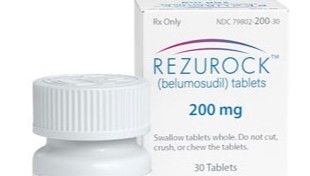
- The graft-versus-host disease (GVHD) treatment Rezurock has stalled at the final stage on its path toward reimbursement listing in Korea.Sanofi Korea and the National Health Insurance Service (NHIS) failed to conclude price negotiations for the ROCK2 inhibitor Rezurock (belumosudil) by the end-of-year deadline and have entered extended negotiations. As a result, reimbursement discussions have carried over into the beginning of this year.Accordingly, it remains to be seen whether Sanofi can complete the listing process in 2026.Rezurock, which was granted accelerated approval from the U.S. Food and Drug Administration (FDA), was approved in Korea in August 2024 and launched as a non-reimbursed product in November. Its key feature is the selective inhibition of ROCK2, a novel mechanism targeting the inflammatory response and fibrosis process in chronic graft-versus-host disease (cGVHD).Chronic GVHD is a complication that occurs in approximately half of patients who receive allogeneic hematopoietic stem cell transplantation. While the patient population may be small due to the disease's nature, it affects half of transplant recipients and is a severe, life-threatening condition requiring essential treatment.Graft-versus-host disease is the leading cause of death in hematologic malignancy patients, accounting for 37.8% of deaths excluding relapse. The problem is that as hematopoietic stem cell transplants increase annually in Korea (1,794 cases in 2023), treating chronic GVHD is becoming increasingly important. Among transplant patients, 42% experience chronic GVHD within an average of 3 years, and 66% have already experienced acute GVHD.However, a significant treatment gap remains. Steroids, recommended as first-line therapy in both domestic and international treatment guidelines, are not suitable for long-term use. Prolonged steroid therapy can cause Cushing’s syndrome, which causes various systemic side effects when used for extended periods, including osteoporosis, joint necrosis, organ failure, hyperlipidemia, gastrointestinal disorders, and growth retardation.While 96% of patients with chronic GVHD receive steroids as first-line therapy, 70% require second-line treatment, and as many as 50% ultimately need third-line therapy. When second-line therapy fails, patients are left to be treated with a combination of steroids and immunomodulators due to a lack of effective third-line options.Furthermore, 97% of GVHD patients treated with steroids experience at least one complication, with infection (79.5%) being the most common. Systemic, multiple symptoms significantly impair patients' quality of life, and host reactions occurring in the lungs or liver are particularly fatal.Against this backdrop, attention is focused on whether Rezurock, if granted reimbursement, can establish itself as a new treatment option.Meanwhile, in clinical trials involving patients who had failed two or more lines of systemic therapy, Rezurock demonstrated a high overall response rate (ORR) of 75%, confirming superior efficacy over existing treatments. Notably, it showed response rates of 71%, 39%, and 26% in the joints, liver, and lungs, respectively—areas where improvement is difficult with conventional therapies.Professor Hee Je Kim, Head of the Department of Hematology at Seoul St. Mary’s Hospital, said, “In 42% of patients with chronic graft-versus-host disease, symptoms occur at multiple sites throughout the body, significantly lowering quality of life. Host reactions occurring in the lungs and liver, in particular, can have a fatal impact on blood cancer patients, making effective management therapies urgently needed.”
- Policy
- 'Platform wholesaler ban law' forum faces backlash over bias
- by Lee, Jeong-Hwan Jan 02, 2026 08:00am
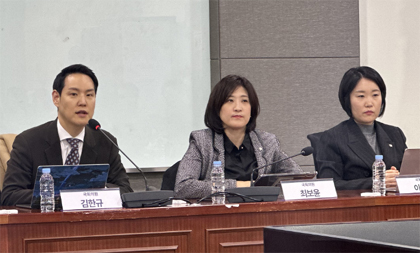
- Rep. Hankyu Kim of the Democratic Party of Korea (center) hosted an emergency forum titled 'Asking the Venture Industry's Opinions on the Pharmaceutical Affairs Act Amendment' on December 16.Rep. Hankyu Kim of the Democratic Party of Korea received criticism from the healthcare and medical communities for openly opposing a bill that would prohibit platforms from also serving as pharmaceutical wholesalers. Rep. Kim opposed this bill, which passed the Health and Welfare Committee and theLegislation and Judiciary Committee with agreements reached by both parties, during an emergency National Assembly forum that he hosted.During the forum, Rep. Kim reportedly voiced strong opposition to the statement from a division head from the Ministry of Health and Welfare (MOHW), the primary department responsible for the proposed amendment to the Pharmaceutical Affairs Act. Some in the medical community expressed concern that the "host lawmaker appeared to be targeting the official by demanding an immediate change in stance or a revision to the legislative proposal". Objections have been raised that the forum was operated with a coercive manner, essentially ordering the ministry to draft an amendment in favor of platform industries and startups for a bill that is already awaiting a final plenary session vote.During the emergency forum on December 16, Rep. Kim stated, "Today’s seminar was co-hosted by 10 members of 'Unicorn Farm', but if the MOHW does not listen to the opinions [of startups and VCs], I will gather 20 members next time for a seminar. If that is still insufficient, I will gather 30 members for discussion."On December 17, representatives from the medical community and bipartisan officials from the National Assembly’s Health and Welfare Committee evaluated Rep. Kim's remarks as biased. They noted that holding a division head responsible for follow-up measures regarding a bipartisan agreement that has already cleared the Welfare and Judiciary committees is likely to draw criticisms of partiality.Medical industry insiders and committee officials argued that the operational direction of the forum, titled "Asking the Venture Industry's Opinion on the Doctor Now Prevention Act," could be perceived as an attempt to intimidate the MOHW administration, which is working to protect public health and the drug distribution ecosystem.Jun-Hyuk Kang, Director of the Pharmaceutical Policy Division at the MOHW, stated during the event, "The Pharmaceutical Affairs Act amendment is different from the 'Tada Ban Law.' The expression 'Doctor Now Prevention Act' is also incorrect, and it is not a law that hinders innovation." He explained, "If a platform operates a wholesaler, it cannot be free from the incentive to drive the prescription and dispensing of its own distributed medications. This law is designed to prevent such conflicts of interest."Kang's statement implied that the delay in passing the bill, which has stalled despite clearing committees, must be resolved to prevent telemedicine platforms from abusing the system for private profit.Immediately after Kang's statement, Rep. Kim continued with remarks that appeared to demand an immediate revision of the bill.Rep. Kim said, "Just because the MOHW says I shouldn't call it a 'Tada Ban Law' doesn't mean I can't. Because many people see it that way, I call it the second 'Tada Ban Law,' and I believe 'Doctor Now Prevention Act' is an accurate term." He added, "The MOHW seems to question why companies enter the platform wholesale business, but what business a company chooses to conduct should be a matter of corporate freedom."Rep. Kim continued, "It is unreasonable for the MOHW to judge whether something constitutes innovation. While the ministry wants to separate the dispensing and prescription of drugs from wholesaling, the correct legislative approach would be to regulate specific conduct, such as penalizing a wholesaler or platform that negatively influences a pharmacist’s prescription or forces generic substitution, rather than banning the wholesale business itself." He argued, "It is strange to insist on this amendment just to block a wholesaler that distributes 90 types of drugs, as Doctor Now does."Rep. Kim further challenged the official, saying, "I could offer a rebuttal to every single point the MOHW makes. I am questioning the procedural legitimacy. I believe the ministry should state its willingness to seek alternatives to the venture industry's opinions. What is most disappointing is that, based on the division head's words today, the MOHW seems to have no intention of changing its position or engaging in further discussion. Is it the official position of the department that no further discussion is possible?"As these remarks became public, the healthcare community questioned whether the emergency forum was intended solely to pressure the MOHW.A pharmaceutical industry official noted, "I heard that Rep. Kim openly pressured the ministry for a revision. Why demand a modification from the MOHW for a bill that secured bipartisan agreement and is awaiting a plenary vote? Remarks about gathering 20 or 30 lawmakers if the ministry doesn't comply sound like a threat."The official added, "The delay in the Pharmaceutical Affairs Act amendment is a matter that could shake the domestic healthcare system and the public health safety net," and added, "Dismissing doctors and pharmacists as focused on protecting their own turf, while framing platforms and startups as the 'weak' party to block the bill, is an act that ignores people’s right to health and life."The official said, "Despite numerous explanations for the legislation and reports of illegal platform activities during the pilot project, Rep. Kim’s insistence on protecting specific corporate interests through a distorted frame is difficult to understand," and concluded, "This attempt to modify the bill will only increase the burden on the Democratic Party, the government, and the President."
