
- LOGIN
- MemberShip
- 2026-06-15 16:43:54
- Company
- Hemlibra improves joint health and physical activity in hemophilia patients
- by Lee, Seok-Jun Dec 23, 2025 08:00am
- JW Pharmaceutical announced on the 22nd that patients with hemophilia A who switched to prophylactic treatment with Hemlibra (emicizumab) showed improvements in joint health indicators as well as increased levels of physical activity.Hemlibra is an innovative new drug that mimics the function of coagulation factor VIII, which is deficient in patients with hemophilia. It is the only treatment for hemophilia A that can be used in both patients with antibodies resistant to existing treatments (Factor VIII products) and non-antibody patients. Another key feature is its sustained preventive effect with subcutaneous administration as infrequently as once every four weeks. In May 2023, health insurance reimbursement in Korea was expanded to include non-antibody severe hemophilia A patients aged one year and older. In October 2025, Hemlibra was also added to the World Health Organization’s Essential Medicines List (EML) and the Essential Medicines List for Children (EMLc).A research team led by Professor Rebecca Kruse-Jarres of the Department of Hematology and Oncology at the University of Washington in the United States is conducting the ‘BEYOND ABR Study’ to evaluate changes in joint health and physical activity when patients with hemophilia A switch to Hemlibra.The team presented interim analysis results in poster format at the 67th Annual Meeting of the American Society of Hematology (ASH 2025), held in Orlando, USA, over four days starting on the 6th (local time). Unlike previous studies that primarily evaluated bleeding reduction effects, the BEYOND ABR study uniquely observed joint function and physical activity.The study enrolled 136 patients with moderate-to-severe hemophilia A who did not possess antibodies against conventional Factor VIII products.A total of 88 patients were included in the analysis of joint health using the Hemophilia Joint Health Score (HJHS). HJHS is a clinician-assessed measure evaluating the function and mobility of major joints such as the knees, ankles, and elbows. Scores range up to 120 points, with lower scores indicating better joint health. The analysis showed that the mean HJHS improved from 10.1 points at baseline—reflecting generally mild joint damage—to 2.8 points at 12 months after switching to Hemlibra. Among all patients analyzed, 23 patients (26.1%) experienced an improvement of 4 points or moreFurthermore, the 27 ‘target joints’ (joints prone to recurrent bleeding) identified in 15 patients before the study initiation at baseline were no longer observed at the 12-month mark after switching to Hemlibra, with no recurrence of repeated bleeding.Physical activity levels also showed improvement. The research team comprehensively assessed patients' walking and physical activity at various intensities using the International Physical Activity Questionnaire (IPAQ). As a result, the proportion of patients classified as ‘low physical activity’ according to IPAQ criteria decreased from 30.8% (32 out of 104) to 23.4% (22 out of 94) at 12 months post-switch. Conversely, the proportion of patients in the ‘high physical activity’ category increased from 44.2% (46 out of 104) to 52.4% (54 out of 103) at 3 months post-switch and remained at 50.0% (47 out of 94) at 12 months.The proportion of patients experiencing no bleeding also remained stable. Between weeks 25 and 48 after Hemlibra administration, 105 out of 134 patients (78.4%) reported no bleeding requiring treatment. Furthermore, at the 6-month follow-up, 125 out of 130 patients (96.2%) stated they preferred Hemlibra over their previous Factor VIII prophylaxis.JW Pharmaceutical plans to accumulate additional long-term observational data through follow-up and expand the evidence base that can be utilized in establishing treatment strategies in actual clinical practice.A JW Pharmaceutical representative stated, “This study presents interim analysis results confirming the bleeding prevention efficacy of Hemlibra in patients switching from conventional Factor VIII prophylaxis, along with changes in joint health and activity indicators. It provides meaningful clinical data to address key concerns, joint status, and exercise performance, key considerations when deciding whether to switch therapies.”
- InterView
- [Reporter’s View| Global trials turn eyes toward Asia
- by Son, Hyung Min Dec 23, 2025 08:00am
- The key theme at the recent European Society for Medical Oncology Asia Congress ‘ESMO ASIA 2025’ held in Singapore went beyond simply global pharmaceutical companies presenting data on Asian subgroups.What became clear at the meeting was a deeper shift: the center of gravity for where clinical outcomes are generated, and where investment and development strategies follow those outcomes, is moving toward Asia.One of the most illustrative examples of this trend was AstraZeneca’s presentation at ESMO Asia. According to the company, 60–70% of patients enrolled in gastrointestinal cancer clinical trials are now being recruited in Asia. Trial designs are increasingly built around Asian data, with approximately 50 active clinical trial sites operating across the region.This signifies that, beyond mere participation rates, the core evidence determining the reliability of clinical outcomes is being generated in Asia. This is why projections indicate that incorporating Asia-centric data will become inevitable in future discussions regarding new drug approvals and reimbursement.The message global pharmaceutical companies are sending is now clear. Asia is no longer merely a site for secondary analysis in global clinical trials; it is becoming the point where clinical outcomes are first generated and where new drug development strategies originate. This signals that the day when the weight of primary endpoints shifts to Asia, rather than being relegated to subgroup analyses, is not far off.Within this wave of change, Korea's role becomes increasingly crucial. As long as Asia remains a diverse region rather than a monolithic entity, which country and which company will be chosen as a strategic partner ultimately depends on each company's level of preparedness. The question of what position Korea will occupy within this Asia-centered restructuring of clinical trials and investment has now become an unavoidable challenge.The shift in clinical outcomes naturally leads to changes in global pharmaceutical companies' investment strategies. From early development to late-stage trials, combination strategies, and follow-up studies, there is a clear move to place Asia at the center. In effect, clinical development and capital are relocating together. Essentially, a structure is forming where clinical trials and investment move simultaneously.A particularly noticeable change in this process amid China's growing presence. China is no longer merely a country with a large patient population. Building on national-level expansion of clinical infrastructure, regulatory innovation, and capital investment, it is rapidly accumulating the capability to independently drive development from early-stage clinical trials through to late-stage Phase III trials. Cases are also increasing where global pharmaceutical companies design clinical strategies by partnering with Chinese biotech firms for development.China's strengths extend beyond speed and scale. In specific mechanisms of action and indications, scenarios are emerging where China becomes the starting point for global development. This suggests that clinical trials and investments shifting to Asia could converge back to China.Korea has long established itself as a reliable clinical trial execution country in global trials. Rapid patient recruitment and excellent medical infrastructure are clear strengths. However, as China strengthens its design and leadership capabilities, maintaining a strategic presence through execution capabilities alone becomes difficult.What global pharmaceutical companies seek in Asia is not merely a large patient pool, but partners capable of jointly discussing development strategies. Engagement at the clinical design stage, interpretive capabilities for specific patient populations, and a research ecosystem capable of leading follow-up studies are becoming increasingly important.Korea possesses the conditions to move beyond being a mere participant and take on roles in clinical design, interpretation, and expansion. Its specialized clinical capabilities centered around large tertiary hospitals, accumulated experience with specific cancers and patient groups, and rapid data production speed are competitive even within Asia. The problem is that this capability remains confined to individual researchers or institutions and is not consolidated into a national-level strategy.The shift to Asia does not offer equal opportunities to all countries. While many nations conduct clinical trials, only a limited number accumulate results and sustain investment. As China rapidly moves to become a leading developer, what Korea needs is not a question of how much to participate, but a choice of how deeply to engage.
- Policy
- 3 supply shortage drugs set to receive a price premium
- by Jung, Heung-Jun Dec 23, 2025 08:00am
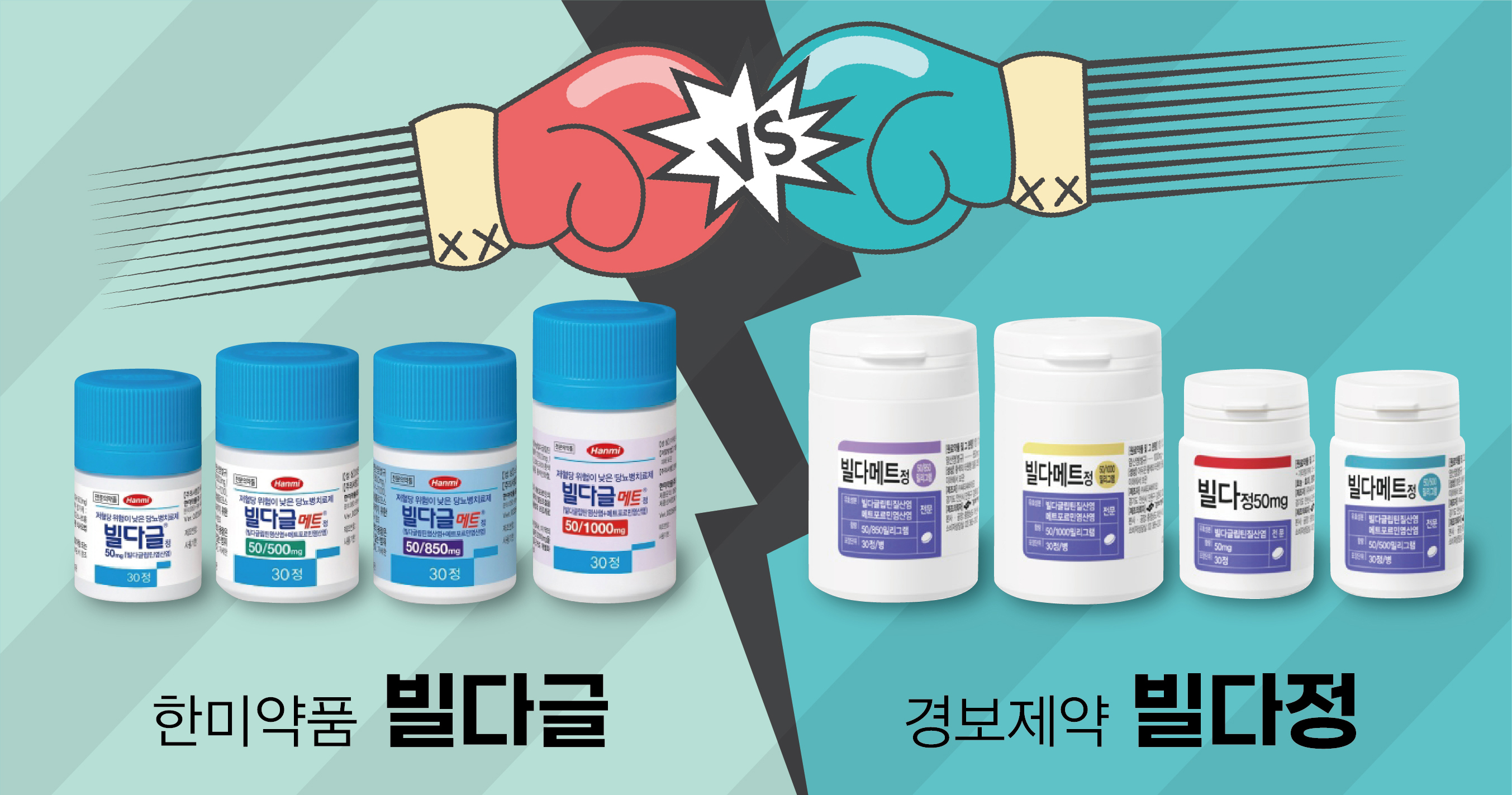
- Hanmi Pharm's Vildagle Tab and Kyongbo Pharm's Vilda TabWhile drug prices for approximately 4,000 items will be reduced next January, including those affected by the Actual Transaction Price adjustment, prices for certain products at risk of supply shortage will be increased.These adjustments apply to drugs for which the government is either extending price premiums due to low profitability or raising prices to offset production costs for 'discontinuation-prevention drugs'.According to industry sources on December 22, the price premium period for two salt-modified vildagliptin products, scheduled to expire in January, will be extended for another year.Hanmi Pharmaceutical's Vildagle Tab 50mg (vildagliptin hydrochloride) and Kyongbo Pharm's Vilda Tab 50mg (vildagliptin nitrate), both DPP-4 inhibitor diabetes treatments, were initially set to lose their four-year price premiums next month.However, in line with the Drug Reimbursement Evaluation Committee (DREC)'s opinion on stable supply, the premium period will be extended by 1 year.Currently, Vildagle Tab receives a premium of KRW 300 from KRW 240, and Vilda Tab receives KRW 314 from KRW 240, a premium of 25%-30% at the ceiling price.These two products entered the market in 2022 through salt modifications, before the expiration of the Novartis patent on its original drug, Galvus (vildagliptin).While prices typically drop following patent expiration and the entry of generics, these salt-modified products successfully defended their pricing. By continuously raising their price premiums, they are now priced above the KRW 240 ceiling price of the original Galvus.Additionally, the ceiling price for Bukwang Pharmaceutical's Antiroid Tab (propylthiouracil), an antithyroid agent designated as a 'discontinuation-prevention drug', will increase by approximately 11% next month, from KRW 34 to KRW 38.Price compensation for 'discontinuation-prevention drug' is granted to medicines that are essential for clinical treatment but are at risk of production stoppage due to low profitability.As an ingredient designated as a 'National Essential Drug', it has faced concerns about supply instability amid rising raw material costs, given its low drug pricing. The 11% price hike for Antiroid Tab will take effect on the 1st of next month.Meanwhile, the products undergoing price reductions next month total around 4,000 items, including 3,940 drugs whose prices are being adjusted following the government's Actual Transaction Price investigation.
- Company
- K-Bios acquire US plants to mitigate tariff risks
- by Chon, Seung-Hyun Dec 23, 2025 08:00am
- Korea’s flagship biotech companies, Samsung Biologics and Celltrion, are moving in tandem to acquire manufacturing plants in the United States. Following Celltrion, Samsung Biologics has made a decisive move by acquiring a multinational pharmaceutical manufacturing facility with an investment exceeding KRW 400 billion. These two companies—Korea’s largest biotech exporters to the U.S.—are leveraging strong profitability to pursue large-scale mergers and acquisitions (M&A) as a preemptive strategy to mitigate tariff risks.Samsung Biologics acquires GSK plant in the U.S. for KRW 410 billion...first overseas investmentAccording to industry sources on the 22nd, Samsung Biologics signed an agreement with GSK to acquire a biologics manufacturing facility formerly operated by Human Genome Sciences (HGS), located in Rockville, Maryland. Samsung Biologics America, the U.S. subsidiary of Samsung Biologics, will invest $280 million (approximately 410 billion won) to acquire the facility. The asset acquisition process is expected to be completed within the first quarter of 2026.Human Genome Sciences' biopharmaceutical production facility in Rockville, Maryland, USAThe Rockville production facility is a 60,000-liter API manufacturing plant located in the heart of Maryland's biocluster. It consists of two manufacturing buildings. The facility is equipped with infrastructure capable of supporting antibody drug production at various scales, from clinical development to commercial manufacturing.This marks Samsung Biologics' first overseas plant acquisition. Samsung Biologics currently operates five plants in Songdo, Incheon. All five plants were constructed using internally sourced funds.Since its inception, Samsung Biologics has sequentially built Plant 1 (30,000 liters), Plant 2 (155,000 liters), and Plant 3 (180,000 liters). In October 2022, just 23 months after groundbreaking, it launched Plant 4, which boasts the world's largest manufacturing capacity (240,000 liters) for a single plant. With the start of operations at the 180,000-liter Plant 5 last April, Samsung Biologics' total manufacturing capacity expanded to 785,000 liters. Samsung Biologics invested KRW 5.9089 trillion in the construction of Plant 5.The GSK plant Samsung Biologics is acquiring this time is not large in scale compared to the domestic plants it built itself or the investment amounts involved. Samsung Biologics invested over KRW 2 trillion each in the construction of Plants 4 and 5.Samsung Biologics explained, “This acquisition establishes a dual-source production system connecting Songdo, Korea, and Rockville, USA, providing flexible and stable production options to global customers.” The company plans to expand its collaboration base with North American customers and enhance its ability to respond to regional supply environment changes, thereby further elevating its CDMO competitiveness.Samsung Biologics' acquisition of the US plant is analyzed as a strategy to preemptively mitigate tariff risks.South Korea and the U.S. agreed at the APEC summit in Gyeongju last October to apply Most-Favored-Nation (MFN) treatment in the pharmaceutical sector. This means domestically manufactured drugs in the U.S. will receive MFN treatment, similar to Japan and the EU, with tariffs capped at a maximum rate of 15%.According to the detailed agreement released last month, the White House announced a Joint Fact Sheet (JFS) from the Korea-U.S. summit stating that tariffs on Korean pharmaceuticals would not exceed 15%. It was confirmed that any tariffs imposed on pharmaceuticals would not exceed a 15% tariff rate. Generic drugs would be subject to zero tariffs. Nevertheless, industry players note that future tariff uncertainties remain.Celltrion acquires Lilly plant for KRW 460 billion... resolves tariff risk for top two U.S. exportersFrom the perspective of domestic pharmaceutical and biotech companies, building factories locally in the U.S. is the most realistic and optimal strategy to eliminate tariff risk.Celltrion has taken the most proactive steps in preparation for U.S. tariffs. In September, Celltrion USA, a subsidiary of Celltrion, signed a definitive agreement to acquire a biopharmaceutical manufacturing facility located in Branchburg, New Jersey, from ImClone Systems Holdings, a subsidiary of Eli Lilly. The acquisition price is approximately USD 330 million (about KRW 460 billion). In addition to the plant acquisition cost, Celltrion plans to invest a total of KRW 700 billion, including initial operating expenses.Celltrion received approval from Ireland's competition authorities last October and completed the final review by the U.S. Federal Trade Commission (FTC) in November. These two reviews are key procedures where regulatory agencies assess whether combining corporate assets could harm market competition, representing the final hurdle determining the deal's success.With these acquisitions, Korea’s leading biotech exporters have invested over KRW 1 trillion to secure U.S. production bases, effectively insulating themselves from tariff risks.According to the Ministry of Food and Drug Safety (MFDS), Korean pharmaceutical exports to the U.S. reached USD 1.49 billion (approx. KRW 2 trillion) last year, accounting for 16.1% of Korea’s total USD 9.28987 billion pharmaceutical exports. Finished pharmaceutical products accounted for USD 1,298.99 million (87.1%), while active pharmaceutical ingredients (APIs) amounted to just USD 192.19 million (16.9%. Samsung Biologics and Celltrion dominate this export volume.Samsung Biologics recorded US regional sales of KRW 1.1741 trillion out of its total sales of KRW 4.5473 trillion last year, representing 25.8%. The proportion of Samsung Biologics' sales to the US was 28.5% in 2022 and 26.3% in 2023. Samsung Biologics calculates regional sales based on the location of its CDMO clients. Its cumulative third-quarter U.S. sales reached KRW 1.6482 trillion, already surpassing last year's total exports. U.S. sales accounted for 38.8% of Samsung Biologics' cumulative third-quarter revenue of KRW 4.2484 trillion.Celltrion Regional Sales (Unit: KRW 1 billion, Source: Celltrion)Celltrion has secured 11 FDA approvals in the U.S. Its North American biologics revenue reached KRW 1.045 trillion last year. While Celltrion's North American sales decreased by 11.3% from KRW 709.5 billion in 2022 to KRW 629.2 billion in 2023, they surged 66.1% year-on-year last year, surpassing KRW 1 trillion for the first time. In Q3 alone this year, North American exports surged to KRW 265 billion, more than three times the figure from the same period last year, driven by biosimilar expansion and preemptive shipments ahead of tariff risks.Securing new revenue streams through U.S. manufacturing bases... Generous investments with cash accumulated from high-purity performanceBoth Samsung Biologics and Celltrion avoided tariff risks while securing new revenue streams by establishing U.S. manufacturing bases.Samsung Biologics acquired the Rockville production facility, inheriting contracts for existing products manufactured there and securing a stable supply of large-scale contract manufacturing (CMO) volumes. The company explained that by retaining all 500+ local employees with operational experience and expertise, it established a system that preserves manufacturing continuity and operational stability post-acquisition.Celltrion secured a stable revenue base from the outset by acquiring Lilly's plant and taking over the existing CMO volume of active pharmaceutical ingredients (APIs) previously produced by Lilly. Celltrion anticipates that once the manufacturing line conversion is completed, following post-acquisition validation and re-approval procedures, full-scale production of its own products and CMO volume supply to Lilly will commence next year. This is expected to yield tangible results, structurally mitigating U.S. tariff risks while improving manufacturing efficiency and expanding profitability.Samsung Biologics and Celltrion were able to flexibly secure U.S. manufacturing bases thanks to cash reserves accumulated through high performance.Samsung Biologics recorded cumulative sales of KRW 4.2484 trillion and operating profit of KRW 1.6911 trillion during the first three quarters of this year. Its operating profit margin reached 39.8% relative to sales. Samsung Biologics held KRW 922.1 billion in cash and cash equivalents as of the end of the third quarter.Celltrion posted cumulative sales of KRW 2.8323 trillion and operating profit of KRW 693.3 billion for the first three quarters of this year. This represents an operating profit margin of 24.5%. Celltrion's cash and cash equivalents totaled KRW 810 billion as of the end of the third quarter.
- Policy
- Celltrion has added 'Omlyclo' Pen Inj…rival Xolair
- by Lee, Tak-Sun Dec 23, 2025 07:59am
- Celltrion's 'Omlyclo'Celltrion has started chasing the original product in the Korean market through the expanded formulation of 'Omlyclo (omalizumab)', used to treat allergic asthma and chronic spontaneous urticaria.The original drug is Novartis' Xolair, an injectable generating KRW 20 billion in the domestic market (KRW 21.1 billion according to the 2023 IQVIA). Omlyclo is a biosimilar to Xolair, and it was added to the reimbursement list in September of last year.The Ministry of Food and Drug Safety (MFDS) approved Omlyclo Pen Inj in September. This product is a pen formulation, a different formulation from Omlyclo PFS Inj approved in June of last year.The difference between a pre-filled pen and a pre-filled syringe is whether the needle tip is exposed. A pre-filled syringe is injected with a needle exposed, while a pre-filled pen may reduce fear due to its hidden needle tip. Both formulations can be self-injected.The original drug Xolair has no pen formulation approved in South Korea. Only the conventional injectable and pre-filled syringe formulations are available.Considering these factors, Celltrion may be one step ahead in the future competition against Xolair.When it comes to prices, Celltrion has a competitive edge. Xolair is priced at KRW 216,755 per 150mg. In contrast, Omlyclo costs KRW 173,404, approximately KRW 40,000 less.However, Omlyclo 300mg of higher strength has not yet been added to the reimbursement list, thereby constituting the current weakness.Product sales overseas are also at full scale. In September, it was launched in Europe. In Europe, Omlyclo is reportedly the sole biosimilar to omalizumab.Omlyclo obtained U.S. FDA approval in March, thereby beginning to target the North American market on a full-scale basis.However, due to the patent expiration of Xolair in November, other biosimilars, such as one from Teva Pharmaceutical, are about to enter the market. Celltrion taking the market lead in the early race is expected to drive sustained sales.Xolair's global sales amounted to approximately KRW 5 trillion as of 2023.

- InterView
- [Desk View] Thoughts on 18-year economic evaluation system
- by Eo, Yun-Ho Dec 22, 2025 08:54am
- Anticipation and concerns are remaining as the reform of the drug pricing system in 2026 is approaching.Amid the anticipated introduction of various regulatory frameworks and drug price-reduction measures, as a journalist covering multinational pharmaceutical companies, I am closely monitoring potential shifts in South Korea's economic evaluation system.It has been approximately 18 years since the economic evaluation system was first introduced as part of the 2007 Drug Expenditure Rationalization Plan. It has been more than enough time to identify systemic flaws and determine necessary improvements.Economic evaluation is a tool for assessing the cost-effectiveness of a drug. The majority of new medicines must undergo this process for insurance reimbursement listing.In principle, economic evaluation is straightforward. It measures clinical benefit against cost to determine how much more the payer is willing to spend. However, because these are new drugs, economic evaluations involve numerous assumptions, ranging from treatment duration and the extent of clinical efficacy recognized to endpoint selection, extrapolation, and weighting. Consequently, the structure is such that reimbursement is based entirely on which assumptions are accepted.The pace of new drug listing in South Korea is reportedly slower than in other major economies. Economic evaluation is cited as the primary cause. If it is such a simple tool, why does it take so long? It is because a consensus must be reached on those aforementioned assumptions. Every single underlying assumption requires total agreement.Because acceptance of these assumptions determines the Incremental Cost-Effectiveness Ratio (ICER) and, subsequently, the price, this process becomes a battle in which neither side can easily concede. We must reconsider whether spending this much time at this stage is truly the right direction.Depending on the assumptions made, a drug can be considered a cost-effective treatment or dismissed as unacceptably expensive. Currently, drug characteristics vary significantly not only across different therapeutic areas but even within the same disease category. However, the government’s actual evaluative criteria remain extremely limited. In contrast, looking at evaluation results from agencies such as the UK’s NICE, one can see instances in which manufacturer-proposed assumptions are accepted even when they deviate from traditional methods.Experts argue that, since assumptions in economic evaluations involve uncertainty, efforts must be made to minimize it. However, this is directly linked to the speed of new drug adoption. Minimizing uncertainty inevitably requires a significant amount of time. The real question is whether such a process actually reduces that uncertainty.For drugs with high clinical need, cost-effectiveness can be sufficiently demonstrated if different assumptions are applied. In other words, flexibility in evaluation can accelerate market entry. For more radical reform, we could consider a system that categorizes ICER ranges and determines drug prices accordingly.Similar to France's ASMR, South Korea could establish pricing criteria based on value, using scores for different ICER ranges as one component of the value judgment. It is finally time for a serious re-evaluation of the current system, where economic evaluation serves as the final stage of drug pricing.
- Company
- Reimb remains urgent for severe alopecia areata treatment
- by Eo, Yun-Ho Dec 22, 2025 08:54am
- The South Korean government shows intent to expand hair-loss reimbursement, drawing industry attention to the related measures to follow.Recently, during a policy briefing for the Ministry of Health and Welfare (MOHW), President Lee Jae Myung stated that hair loss is not merely a cosmetic issue but a disease that can affect an individual's quality of life, dignity, and even their survival. The awareness of a problem has been proposed that hair loss, long dismissed as an issue of aesthetics and grooming, must be re-evaluated from a public health perspective.Notably, the daily lives of patients with severe alopecia areata are severely affected compared to those with hormonal or age-related hair loss.Severe alopecia areata is an autoimmune disorder characterized by the loss of scalp hair, as well as eyebrows, eyelashes, and body hair. Patients experience extreme social stigma and psychological distress due to these physical changes, which often lead to professional disadvantages, social isolation, and mental health issues such as depression and anxiety.While the Janus kinase (JAK) inhibitor 'Olumiant (baricitinib)' is approved in Korea for severe alopecia areata, the process for expanding its reimbursement has faced prolonged delays.Olumiant is an oral, reversible, selective JAK inhibitor already covered by national health insurance for atopic dermatitis and rheumatoid arthritis. In September 2024, the developer, Eli Lilly, applied for reimbursement expansion for three indications: pediatric atopic dermatitis, severe alopecia areata, and pediatric idiopathic arthritis.The issue lies in the different speed of progression of the reimbursement reviews for these indications. In the case of pediatric atopic dermatitis, reimbursement was finalized just two months after it was reported to the MOHW, following discussions by the Drug Reimbursement Criteria Subcommittee.In contrast, despite completing subcommittee discussions and the ministry report, the review of severe alopecia areata has remained stalled for approximately 5 months, with no procedural progress. Given that a financial impact review order is typically issued within one month of a report to the ministry, this delay is considered highly unusual.The severe alopecia areata indication has faced the longest delay among the three simultaneous applications. While the pediatric idiopathic arthritis application concluded with a non-reimbursement decision at the criteria-setting stage, severe alopecia areata remains in a prolonged 'under review' status. Despite identical product and application dates, a significant disparity in reimbursement access has emerged by specific indication.Under the current system, different officials are assigned to review each indication. Consequently, the actual processing speed varies significantly based on individual workloads, review sequences, and policy priorities. This structure means that, even for the same drug, a patient's access to reimbursement can change simply based on 'which reviewer is assigned to a specific indication'.For patients, it is difficult to understand why access to treatment for a drug with the same mechanism and active ingredient differs solely based on the government's internal review order across various indications. For those with severe alopecia areata, where social isolation and mental burden are high due to the nature of the disease, reimbursement delays are not merely administrative issues but matters that affect their entire lives.Professor Yong Hyun Jang, a professor of dermatology at Kyungpook National University Hospital (Insurance Director of the Korean Dermatological Association), stated, "Alopecia areata is not a cosmetic issue but an autoimmune disease caused by immune abnormalities. In severe stages, if the treatment window is missed, recovery becomes difficult. Despite the existence of clinically proven treatments, many patients cannot start therapy due to cost or are forced to stop mid-treatment for financial reasons."Professor Jang emphasized, "Treatments for severe alopecia areata must be viewed as essential medical care to protect a patient's daily life and mental health, not as cosmetic improvement. Discussions on poclies are necessary to improve access to treatments that have sufficient clinical evidence."
- InterView
- ‘Adempas, effective alternative for patients with inadequate response to PDE5i’
- by Son, Hyung Min Dec 22, 2025 08:53am
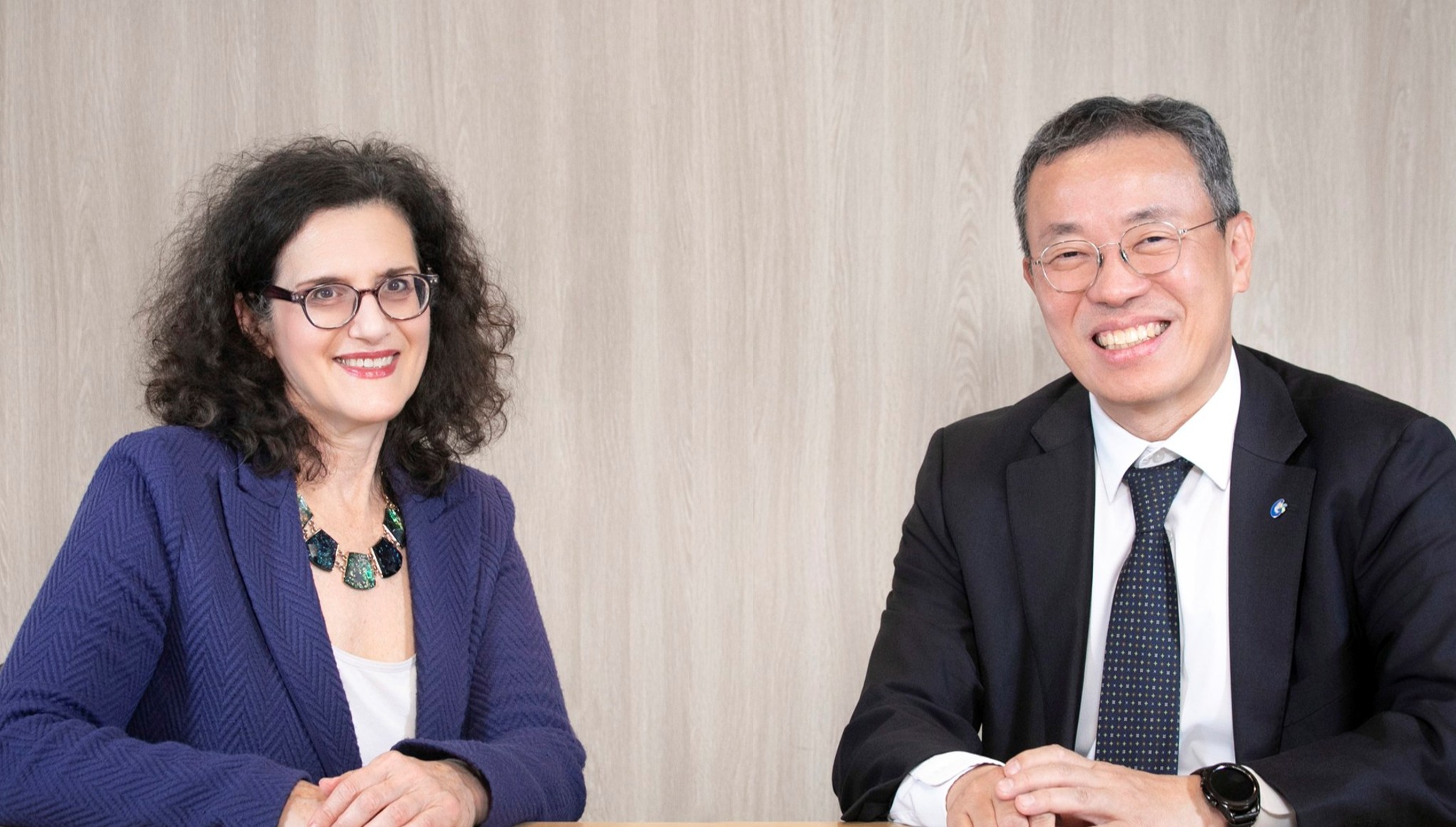
- ‘The ultimate goal for PAH is to reach and maintain a low-risk status. If this goal is not achieved or the risk level is not sufficiently lowered, an early change in treatment strategy is essential.”Switching to Bayer’s sGC stimulator ‘Adempas (riociguat)’ is emerging as a practical treatment strategy for patients with PAH who do not show sufficient response to PDE5 inhibitors. With the recent establishment of reimbursement criteria in Korea, experts note that a turning point has been created in a treatment landscape that has long relied on sequential monotherapy.Vallerie McLaughlin, Professor of Cardiovascular Medicine at the University of Michigan Medical Center, and Wook-Jin Chung, Professor of Cardiology at Gachon University Gil Medical Center, recently emphasized the clinical potential of Adempas in PAH treatment during a recent interview with Daily Pharm.Vallerie McLaughlin, Professor of Cardiovascular Medicine at the University of Michigan Medical Center, Wookjin Jeong, Professor of Cardiology at Gachon University Gil Medical CenterPulmonary hypertension, characterized by abnormally elevated pulmonary arterial pressure, is classified into five groups based on etiology. Among these, Group 1 PAH and Group 4 chronic thromboembolic pulmonary hypertension (CTEPH) are considered rare diseases, accounting for only about 3% of all pulmonary hypertension patients each. Often beginning with nonspecific symptoms like shortness of breath, fatigue, and dizziness, patients frequently attribute these to aging or are misdiagnosed with other conditions at primary care facilities, leading to significant diagnostic delays.PAH is known to be a severe, life-threatening condition, with a mortality risk within 2-3 years if left untreated. In Korea, the number of diagnosed patients has increased due to greater physician awareness, efforts toward early detection, and wider use of right heart catheterization. However, concerns remain that the domestic treatment environment still diverges in part from global clinical guidelines.Unlike international guidelines that recommend initial combination therapy with endothelin receptor antagonists (ERA) and phosphodiesterase type 5 inhibitors (PDE5i) from the outset, sequential monotherapy-based treatment strategies remain commonly applied in Korea.PAH treatments are categorized by mechanism of action into: ▲ Endothelin receptor antagonists (ERAs) ▲ Nitric oxide pathway targeted therapies (PDE5 inhibitors, sGC stimulators) ▲ Prostacyclin analogues (PCAs) ▲ Prostaglandin receptor agonists (PRAs). Global guidelines recommend initiating treatment with a combination of ERA and PDE5 inhibitors from the outset, escalating treatment by adding agents with different mechanisms, such as PCA or PRA, when treatment response is inadequate. This strategy aims to maximize therapeutic efficacy by simultaneously targeting multiple pathophysiological pathways.In contrast, the domestic approach has primarily involved initiating treatment with ERA monotherapy, adding a PDE5 inhibitor if response is inadequate, and subsequently combining PCA or PRA if improvement is still lacking. However, studies report that despite the use of a combination of ERA and PDE5 inhibitors, some patients experience clinical deterioration due to inadequate response to PDE5 inhibitors or issues related to tolerability.In this context, Adempas (riociguat), an sGC stimulator, is gaining attention as a potential treatment option to replace PDE5 inhibitors.In the REPLACE study, which enrolled adult patients with symptomatic pulmonary arterial hypertension (PAH) who showed an inadequate clinical response to PDE5 inhibitor therapy, patients who switched from a PDE5 inhibitor to Adempas achieved a 2.78-fold higher rate of clinical improvement at 24 weeks compared with those who continued PDE5 inhibitor treatment. and a 90% reduction in the risk of clinical worsening.Based on this evidence, the 2022 ESC/ERS (European Society of Cardiology/European Respiratory Society) pulmonary hypertension treatment guidelines also recommend switching from PDE5 inhibitors to sGC stimulators in patients who fail to reach treatment goals despite ERA and PDE5 inhibitor combination therapy.Accordingly, reimbursement criteria for Adempas were newly established in Korea starting this June. Reimbursement is now granted for patients with PAH (WHO Group 1) in WHO functional class II-III who either ▲show insufficient response to ERA and/or PDE5 inhibitor therapy or ▲have contraindications to both ERA and PDE5 inhibitors. This is expected to serve as a new treatment strategy that can improve patient status before escalating to triple combination therapy.Amid these changes, the two professors emphasized, “Suspicion is the starting point in pulmonary hypertension. Alongside the importance of early diagnosis, treatment goals should be set to reach and maintain the low-risk status, with treatment strategies flexibly adjusted based on patient response.”Q. Please explain the main symptoms and causes of pulmonary arterial hypertension, along with its severity.Professor Vallerie McLaughlin: PAH is characterized by prominent shortness of breath during exercise or activity. While the timing varies among patients, they commonly experience dyspnea. In fact, many patients seek medical care primarily due to this shortness of breath. Other symptoms include fatigue, dizziness, chest pain, and leg swelling. These symptoms are non-specific and can commonly occur in other diseases, often leading to delayed diagnosis.PAH is a rare disease. While some cases are idiopathic with no identifiable cause, they can also result from genetic factors, specific medications, dietary habits, or conditions like connective tissue disorders, liver disease, or heart failure.Professor Wook-Jin Chung: The hallmark symptom of PAH is shortness of breath when climbing stairs or hills. Patients may not feel breathless on flat ground, but even mild exertion, such as ascending stairs, can provoke significant dyspnea. Diagnosis is often delayed because symptoms such as fatigue, dizziness, and chest pain are nonspecific.Although advances in drug development have made PAH a more manageable condition, prognosis remains poor. Therefore, prompt evaluation by specialized clinicians, accurate diagnosis, and appropriate treatment are critically important.Q. How do the treatment environments for pulmonary arterial hypertension differ between the United States and Korea?Vallerie McLaughlin, Professor of Cardiovascular Medicine at the University of Michigan Medical CenterProfessor Vallerie McLaughlin: In the United States, 13 PAH drugs have already received FDA approval and are available for use. In practice, many patients are using a diverse class of medications, including endothelin pathway–targeting agents (ERA), prostacyclin pathway–targeting agents (PCA, PRA), and nitric oxide pathway–targeting agents (PDE5 inhibitors and sGC stimulators).Patients classified as high risk require more intensive treatment. For these patients, triple combination therapy may be considered, including intravenous prostacyclin pathway agents in combination with endothelin or nitric oxide pathway therapies.Patients in the intermediate-risk or low-risk groups receive dual therapy based on oral medications, using agents such as ERAs or nitric oxide pathway therapies, including PDE5 inhibitors or sGC stimulators.Initial treatment, however, is only the first step. After 3-4 months of treatment initiation, the patient's risk level must be periodically reassessed using objective evaluation tools. If treatment goals have been achieved, the current regimen can be maintained. However, if the risk level remains insufficiently reduced, treatment intensity must be escalated. Strategies such as triple combination therapy or switching from the previously used PDE-5 inhibitor to an sGC stimulator can be considered. This re-evaluation process is repeated thereafter, with the ultimate treatment goal of achieving and sustaining a low-risk status for the patient.Professor Wook-Jin Chung: Globally, the development of PAH therapies gained momentum with the launch of epoprostenol in 1995. In Korea, effective treatment became possible in 2005, when Bayer’s Ventavis (iloprost) was approved for reimbursement.In the past, treatment escalation was typically initiated only after clinical deterioration. However, because PAH is difficult to cure, waiting for disease progression before intensifying treatment is highly risky and insufficient to reduce mortality. Consequently, recent treatment strategies follow the principle of guideline-directed medical therapy (GDMT), which emphasizes a goal-oriented approach—lowering risk early, achieving a low-risk state, and maintaining it over time.In addition to guiding patients toward a low-risk status, another important treatment goal is to normalize hemodynamic parameters as much as possible.The minimum goal is to sustain a low-risk state by maintaining a mean pulmonary artery pressure (mPAP) ≤40 mmHg and pulmonary vascular resistance (PVR) ≤4 Wood units. Some patients achieve near-normal levels, such as a mPAP ≤20 mmHg and PVR ≤2 Wood units.Injection therapy is required in only about 10% of all patients, and the majority of patients can achieve hemodynamic goals with oral therapies alone.Q. Please share any treatment challenges you have encountered in clinical practice.Wook-Jin Chung, Professor of Cardiology at Gachon University Gil Medical CenterProfessor Wook-Jin Chung: One of the main challenges in treatment is that several therapies used globally have not yet been introduced in Korea. While 13 types of medications are used globally, 4 of them have not been introduced in Korea. Even among the approved drugs, some are not covered by reimbursement, limiting patient access.According to the National Cancer Information Center, Korea's overall five-year cancer survival rate (2018-2022) is approximately 72.9%, whereas the five-year survival rate for PAH is 71.9%. Given that PAH has a poorer prognosis than cancer, government support is essential.Only a portion of PAH patients qualify for a special calculation exception, and even then, this is limited to idiopathic pulmonary arterial hypertension (IPAH). PAH is a high-cost disease where treatment is virtually impossible without insurance support. Therefore, beyond IPAH, it is necessary to expand special reimbursement programs to include PAH caused by other etiologies, based on accurate disease classification.In Korea, PAH treatment typically begins with ERA, with PDE-5 inhibitors added if the response is insufficient. However, there was no subsequent alternative for patients who did not respond adequately to PDE-5 inhibitors. Since intravenous formulations were not introduced domestically, subcutaneous injection and inhalation formulations of prostacyclin pathway-targeted therapies were used.With the recent inclusion of Adempas under reimbursement, a new option has emerged. As an sGC stimulator, Adempas produces a strong vasodilatory effect even at low doses, making it a powerful option for patients who do not respond adequately to PDE-5 inhibitors. It can be used immediately as a switch option in patients with poor PDE-5 inhibitor response and is also available in cases where PDE-5 inhibitors are contraindicated. Clinically, this represents a highly meaningful and practical addition to the treatment landscape.Q. Adempas has been used clinically in the US for a long time. How would you assess its clinical value?Professor Vallerie McLaughlin: Adempas has been used as a treatment for PAH in the US for over a decade, accumulating substantial clinical data over this extended period.Adempas is a drug that directly promotes cGMP production, independent of nitric oxide (NO) levels in the body. Unlike PDE-5 inhibitors, it induces vasodilation and achieves therapeutic effects for PAH in an NO-independent manner, even without the precursor substance NO.In the PATENT clinical trial, which confirmed the therapeutic efficacy and safety of Adempas compared to placebo, significant improvements were observed in exercise capacity (including the 6-minute walk test), pulmonary vascular resistance, and cardiovascular markers, including NT-proBNP, compared to placebo.In addition, the REPLACE study compared treatment outcomes by dividing patients previously receiving combined ERA and PDE-5 inhibitor therapy into two groups: one maintaining existing therapy and the other switching the PDE-5 inhibitor to Adempas. Results showed the clinical improvement rate upon switching to Adempas was 2.78 times significantly higher than in the group that continued PDE-5 inhibitor therapy.Given Korea’s limited access to PAH therapies, switching to Adempas represents an effective alternative for patients who show an inadequate response to PDE-5 inhibitors.Q. What is the value of using Adempas for the treatment of CTEPH?Professor Wook-Jin Chung: Adempas is the only medication available for patients with chronic thromboembolic pulmonary hypertension (CTEPH) and has been used worldwide for over a decade. However, in Korea, it is not covered by insurance, resulting in low patient access.The estimated number of CTEPH patients is nearly comparable to that of pulmonary arterial hypertension patients, but only about 300 to 400 patients actually receive treatment, such as surgery or interventions. Adempas is beneficial for CTEPH patients who still have residual pulmonary artery pressure after intervention or for those who are ineligible for surgery or procedures.Given its strong clinical evidence, it is essential to establish a KCD code for CTEPH and ensure access to the drug through reimbursement coverage. Academic societies plan to continue discussions with the National Assembly and HIRA on this issue.Professor Vallerie McLaughlin: Adempas is the only FDA-approved treatment for CTEPH and has been used in real-world clinical practice in the United States for over a decade.It is indicated for patients with CTEPH whose occluded vessels are too small for surgical or interventional procedures like pulmonary endarterectomy or balloon angioplasty, or for whom pulmonary artery pressure remains elevated after such procedures.Even among patients who undergo pulmonary endarterectomy, pulmonary artery pressure sometimes remains persistently high after surgery. Because persistently high pressure negatively impacts prognosis, pulmonary artery pressure is reassessed at 6 months post-surgery via right heart catheterization. According to UK research, patients whose mean pulmonary artery pressure does not decrease below 35 mmHg post-surgery are known to have a very poor prognosis. For these patients, measures to lower pulmonary artery pressure using Adempas are implemented.There is also evidence that pre-treatment with Adempas before balloon pulmonary angioplasty can reduce surgical risk. Based on these data, Adempas is actively used across various CTEPH patient populations, with successful clinical outcomes.Q. What treatment options are used for CTEPH patients who are not eligible for surgery or intervention?Professor Wook-Jin Chung: Some patients are currently using PDE-5 inhibitors without reimbursement, which reflects the treatment gap caused by the unavailability of Adempas. This highlights the urgent need to establish a KCD code and reimbursement coverage for CTEPH.Professor Vallerie McLaughlin: ERA-class drugs were studied in CTEPH patients in the past, but the results were not successful. Adempas is the only therapy that has demonstrated significant efficacy in CTEPH, and because there are no viable alternatives, the need for its access is even more pressing.Q. What recommendations would you make to improve the pulmonary hypertension treatment environment?Professor Vallerie McLaughlin: Raising awareness of the disease is paramount. Because pulmonary hypertension presents with highly nonspecific symptoms, diagnosis is often delayed. The media also plays a crucial role in this process. Providing the public with clear information about symptoms that should raise suspicion of pulmonary hypertension can greatly facilitate early diagnosis and treatment.Given that experts have already established a robust clinical network, specialized institutions should take on a central role as pulmonary hypertension referral centers. This would enable efficient referral systems, allowing suspected cases identified in primary care settings to be promptly transferred to specialized centers. Clinicians should perform appropriate risk assessments each time a patient visits the hospital and, when necessary, stepwise intensify treatment to reduce risk and lower long-term mortality.Professor Wook-Jin Chung: In Korea, expanding access to medications is the first priority. Introducing new drugs and using them appropriately according to guidelines is crucial for improving treatment outcomes.Furthermore, designating and operating specialized pulmonary hypertension centers is essential. The designation of these so-called ‘Centers of Excellence’ significantly impacts treatment outcomes. Therefore, government-level support is absolutely necessary. I would like to emphasize that a specialized pulmonary hypertension center covering all five types of pulmonary hypertension, not just PAH, needs to be established.We plan to continue the “Lung, Early” awareness campaign to improve understanding of pulmonary hypertension among the public, healthcare professionals, and policymakers, and to maintain discussions with pharmaceutical companies and the government to facilitate access to new therapies. We are also collecting data and conducting research to build a patient-centered treatment environment in Korea, with ongoing efforts to improve care across the entire spectrum of pulmonary hypertension, including PAH.Some patients use PDE-5 inhibitors without reimbursement, but this represents the treatment gap arising from the inability to use Adempas. This underscores the urgency of establishing a new KCD code for CTEPH and securing insurance coverage.

- Company
- Will silymarin reimb reversal be overturned?
- by Kim, Jin-Gu Dec 22, 2025 08:53am
- In a lawsuit challenging the Ministry of Health and Welfare's decision to remove ‘silymarin (milk thistle extract)’ products from the reimbursement list following a reimbursement adequacy reassessment, Bukwang Pharmaceutical secured a reversal victory on appeal.The case has drawn significant attention from the pharmaceutical and biotech industry as it marks the first instance where the Seoul High Court overturned a lower court ruling and recognized the clinical utility of an active ingredient that had failed a reimbursement adequacy reassessment.Bukwang Pharmaceutical overturns first instance loss, successfully demonstrates ‘clinical utilityAccording to industry sources on the 19th, the 9-1 Administrative Division of the Seoul High Court ruled in favor of the plaintiff in the lawsuit filed by Bukwang Pharmaceutical against the Minister of Health and Welfare seeking the ‘revocation of the partial amendment notice of the drug reimbursement list and reimbursement ceiling price table’. This overturns the Seoul Administrative Court's first-instance ruling in favor of the Ministry of Health and Welfare, accepting Bukwang Pharmaceutical's arguments.The key issue in this lawsuit was whether the ‘clinical utility’ of the silymarin component would be recognized. Silymarin was subject to a reimbursement adequacy reassessment in 2021 alongside ▲bilberry dry extract ▲avocado-soybean unsaponifiables ▲Vitis vinifera (grape seed extract) ▲Ginkgo biloba dry extract.Following the reassessment, the government concluded that silymarin lacked reimbursement adequacy, citing insufficient academic evidence to support its clinical utility. In November of that year, the Ministry formally announced the removal of reimbursement coverage for silymarin products.In response, pharmaceutical companies filed administrative lawsuits and sought injunctions to suspend enforcement. Bukwang Pharmaceutical, which markets the silymarin product Legalon, filed a separate lawsuit, while six other companies—including Samil Pharm, Suheung, Young Il Pharm, Korea Pharma, Hutecs Korea Pharmaceutical, and HanAll Biopharma—jointly filed a related suit.After more than two years of litigation, the Seoul Administrative Court issued its first ruling in November 2023, finding the reimbursement removal lawful and ruling in favor of the government.The pharmaceutical companies appealed, and the appellate court took a markedly different view. During appellate proceedings, Bukwang submitted additional evidence, including SCIE-indexed academic papers, to substantiate the clinical utility of silymarin. The court determined that this body of literature was sufficient to support the ingredient’s clinical utility.First case where the court recognized clinical utility. … Industry interest risesWhile multiple administrative lawsuits have challenged reimbursement adequacy reassessment outcomes in the past, no court had previously accepted a pharmaceutical company’s claim regarding clinical utility.In a 2023 case involving bilberry dry extract, a pharmaceutical company prevailed at first instance; however, the court at that time cited procedural flaws in the reassessment process rather than recognizing clinical utility. Ultimately, bilberry dry extract failed to secure final recognition of clinical utility on appeal and was removed from the reimbursement list.By contrast, the silymarin ruling directly addresses the substantive issue of clinical utility, rather than administrative procedure. It represents the first case in which a court explicitly acknowledged the effectiveness of a drug ingredient based on academic evidence submitted by a pharmaceutical company, overturning the government’s determination that the drug lacked sufficient efficacy.Reimbursement for Legalon maintained… potential ripple effects on ongoing lawsuitsAs a result of the appellate victory, Bukwang Pharmaceutical will be able to maintain reimbursement coverage for Legalon. While Legaron's reimbursement was preserved during the lawsuit due to the court's injunction, this ruling is seen as further solidifying its legal standing for reimbursement.Industry observers expect the government to appeal to the Supreme Court to seek a final judgment. However, given that the appellate court explicitly acknowledged the value of the clinical evidence, analysts suggest that pharmaceutical companies may hold a stronger position in any further proceedings.The ruling is also expected to influence other ongoing lawsuits involving silymarin products filed by companies such as Samil Pharmaceutical, as the legal issues at stake are essentially identical.According to pharmaceutical market research institute UBIST, outpatient prescription sales of silymarin products increased by 45% over three years, from KRW 23.6 billion in 2019 to KRW 34.1 billion in 2022. However, following the failure of the reimbursement reassessment, many products were removed from the reimbursement list, leading to a contraction of the market. Currently, only products from seven companies involved in litigation with the government continue to receive reimbursement coverage. Cumulative prescription sales for these products reached KRW 17.5 billion in the third quarter of this year, representing a 5% year-on-year decline. For Legalon, cumulative third-quarter prescription sales fell 11%, from KRW 12.1 billion to KRW 10.8 billion.
- Company
- 'Elahere' launches in KOR…AbbVie's ADC success
- by Son, Hyung Min Dec 22, 2025 08:53am
- New ADC drug 'Elahere'AbbVie is rapidly expanding its oncology portfolio with a series of successful new Antibody-Drug Conjugate (ADC) commercializations.AbbVie secured the first ADC approval for ovarian cancer and is now addressing unmet needs in non-small cell lung cancer (NSCLC) with the approval of a c-Met-targeting ADC.According to industry sources on December 20, AbbVie obtained domestic approval for its new platinum-resistant ovarian cancer (PROC) ADC, 'Elahere (mirvetuximab soravtansine)', in South Korea on December 19.The specific indication is for the treatment of adult patients with folate receptor alpha (FRα)-positive, platinum-resistant high-grade serous epithelial ovarian, fallopian tube, or primary peritoneal cancer who have received one to three prior systemic treatment regimens.Elahere is an ADC targeting FRα-expressing ovarian cancer, utilizing a mechanism that delivers the potent cytotoxic payload DM4 directly into cancer cells to induce tumor cell death. It is garnering significant attention as a new option for ovarian cancer patients who have developed resistance to platinum-based chemotherapy. As the first new mechanism-of-action drug for platinum-resistant ovarian cancer in approximately 10 years, it was designated as an orphan drug in South Korea this past January.Elahere is a first-in-class ADC that includes an FRα-binding antibody, a cleavable linker, and maytansinoid payload DM4, a potent microtubule inhibitor, designed to kill targeted cancer cells.In epithelial ovarian cancer, which accounts for 90% of all ovarian cancer cases, taxanes like paclitaxel and platinum-based agents like carboplatin and cisplatin are primarily used. However, in cases of recurrent ovarian cancer resistant to platinum agents, response rates to the current standard-of-care chemotherapy have been generally low, significantly limiting improvements in survival rates. Elahere proved to be a viable alternative through the Phase 3 MIRASOL study conducted on PROC patients.In the MIRASOL study, Elahere demonstrated a 35% reduction in the risk of disease progression or death compared to existing non-platinum-based chemotherapy.The median progression-free survival (PFS) was 5.62 months, an improvement over the 3.98 months in the control group. The objective response rate (ORR) was 42.3%, significantly higher than the 15.9% observed in the standard chemotherapy group.Median overall survival (OS) was 16.85 months, reducing the risk of death by 32% compared to the 13.34 months in the control group.Regarding safety, adverse events such as ocular reactions, fatigue, and abdominal pain were reported and generally considered manageable.Based on these clinical achievements, Elahere received approval in the U.S. in March of last year and in Europe in November of the same year.The U.S. NCCN guidelines recommend Elahere as a "preferred regimen" (Category 1) for the treatment of FRα-positive PROC patients, and the Korean Society of Gynecologic Oncology also recommends Elahere with the highest level of evidence (Level I, Grade A).Commercialization of c-Met-targeting 'Emrelis' in NSCLCNew ADC drug 'Emrelis'AbbVie also succeeded in ovarian cancer by commercializing an ADC for non-small cell lung cancer, following its success in ovarian cancer.In May, the U.S. Food and Drug Administration (FDA) granted accelerated approval to the c-Met-targeting ADC 'Emrelis (telisotuzumab vedotin)' for adult patients with previously treated locally advanced or metastatic non-squamous NSCLC with c-Met protein overexpression.c-Met is a protein expressed by the mesenchymal-epithelial transition (MET) gene. As a protein that transmits signals to cells, c-Met is considered a major oncogenic driver and is associated with the development of various solid tumors, including colorectal, gastric, and liver cancers, as well as NSCLC. It is known that c-Met alterations occur in approximately 6% of patients with NSCLC.Currently, AbbVie’s Emrelis is the only commercialized ADC targeting c-Met alterations.Emrelis's approval was based on improvements in key endpoints, such as ORR and duration of response (DOR). It is expected to transition to full approval if clinical benefit is confirmed in a confirmatory trial.Analysis of 84 patients with c-Met overexpression in the Phase 2 LUMINOSITY study showed an ORR of 35% and a median DOR of 7.2 months in the Emrelis arm.Major adverse events included peripheral neuropathy, fatigue, decreased appetite, and peripheral edema. Grade 3–4 adverse events reported included lymphopenia, increased liver enzymes, and electrolyte imbalances.Based on this clinical data, Emrelis was also designated as a Breakthrough Therapy by the FDA in 2021.Currently, Emrelis is under another evaluation as a monotherapy in the Phase 3 confirmatory TeliMET NSCLC-01 study.
