
- LOGIN
- MemberShip
- 2026-06-15 16:43:54
- Company
- Support for official academic conferences begins in July
- by Kim, Jin-Gu Jan 12, 2026 03:58pm
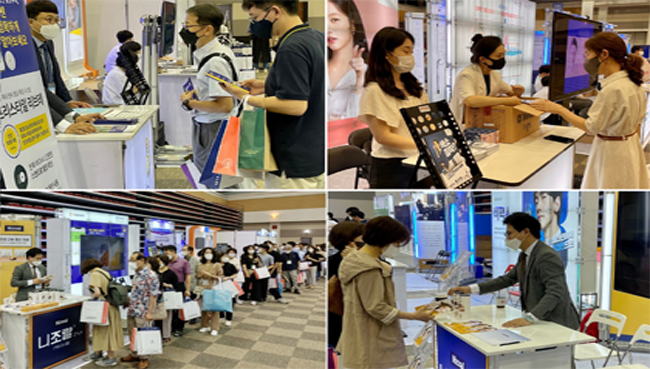
- Support for name-only 'international academic conferences' will be blocked. Starting in July, support will only be available for conferences recognized by professional associations, including the Korean Medical Association and the Korean Pharmaceutical Association.When supporting an academic conference, the overlapping provision of additional food and beverages, booth rentals, and advertisements is prohibited. Promotional materials at booths are limited to pens and notepads valued at KRW 10,000 or less. Exposing product names is prohibited, while exposing company names is permitted.The Korea Pharmaceutical and Bio-Pharma Manufacturers Association (KPBMA) recently received approval from the Fair Trade Commission for 'Code of Fair Competition for Pharmaceutical Trade (5th revision).' The revised Fair Competition Code focuses on blocking various 'pseudo-academic conferences' that pose as academic meetings and on the practice of indirect support. Evaluations suggest that this revision has clarified the boundaries between academic conferences, product presentations, and exhibitions·advertisements, effectively putting the brakes on support methods that utilize product presentations and satellite symposia during academic conferences.◆Blocking formality-only international events = The revised Fair Competition Code has established a new definition for 'internationally held academic conferences in Korea.' To use the title of an international academic conference, the event must pass the screening criteria set by medical and pharmaceutical associations. The screening criteria must include: ▲ number of foreign participants ▲ the level of internationalization of the conference program ▲ the number of annual applications, and ▲ the level of substance in the conference program.Additionally, the event must be held in Korea as an international-scale conference for at least 2 days, with on-site attendance from at least five countries and 50 or more foreign healthcare professionals (excluding those whose attendance is supported by the organizer or invited speakers). Furthermore, budget and settlement details must be submitted to the KPBMA. However, international conferences on rare diseases need only meet either the five-country or the 50-person requirement.The KPBMA will give prior notice requiring the submission of cost settlement details and other supporting documents within 90 days after the event ends to verify whether the international conference held in Korea was conducted in accordance with the plan. If the conference organizing body refuses, the KPBMA is authorized to suspend the conference support process.As there have been many cases that seemed international conferences but were in fact closer to domestic academic events, the codification of these standards is interpreted as a mechanism to filter out formality-only or expedient international events.◆Prohibition of splitting support for academic conferences = Methods for supporting the hosting and operation of academic conferences have also become stricter. When a pharmaceutical company sponsors a conference, it cannot provide overlapping ▲ donations ▲ food and beverages ▲ booth rentals ▲ advertisements related to that conference.Product presentations held during an academic conference are not recognized as 'separate events.' The new code clarifies that product presentations held during a conference are considered part of the conference and must be supported by Articles 8 and 9, which govern academic conferences.Accordingly, it has become virtually impossible to separate and provide independent support for satellite symposia or luncheon sessions held during the conference period as product presentations.This is interpreted as an intent to block overlapping or roundabout support during the conference period. Organizations hosting academic conferences must apply for support to the KPBMA at least 90 days before the event. If there is a potential violation, the KPBMA can demand an explanation or correction, and if not implemented, it can suspend the support process.◆New standards for booth fees limiting 'maximum KRW 3 million' = New standards regarding the operation of exhibition and advertising booths have been established. Booth fees for academic conferences hosted by academic societies range from KRW 2 million to 3 million per instance. In comparison, conferences hosted by medical institutions are set at KRW 500,000 to KRW 1 million per instance. However, booth fees may be adjusted considering inflation rates, etc., in which case they must undergo prior review by the Fair Trade Commission.Academic conferences eligible for booth fee payments are limited to events that provide three or more medical·pharmaceutical continuing education credits (minimum 3 hours) and are attended by 50 or more healthcare professionals (25 for rare disease societies).◆Promotional materials limited to 'pens and notepads' = Standards for promotional materials related to a company's own product presentations have also been strengthened. In principle, no items of value other than food and beverages can be provided. As an exception, only pens and notepads are permitted.In this case, the combined value of the pen and notepad cannot exceed KRW 10,000, in accordance with Appendix 2 of the Enforcement Rule of the Pharmaceutical Affairs Act. Labeling product names on pens and notepads is prohibited. However, company names may be labeled.◆Clarifying meal and transportation costs = Standards for meal and transportation costs for conference participants have become clearer. For domestic conferences, support for up to 3 meals per day can be provided, depending on the number of days attended. Receipts for payments made with a personal card or in cash at restaurants within the hosting region must be provided as evidence. The support limit per meal is KRW 50,000, with actual cost reimbursement.For overseas conferences, meal costs have been fixed by grade and country and city in accordance with the REGULATIONS ON TRAVEL EXPENSES FOR PUBLIC OFFICIALS. They are categorized into Grade A (KRW 100,000 per day), Grade B (KRW 80,000), Grade C (KRW 60,000), and Grade D (KRW 50,000).Standards for supporting local transportation costs for overseas conferences have also changed. Previously, up to KRW 150,000 could be supported based on actual travel costs, such as airport-to-hotel or accommodation-to-venue. Following the revision, a fixed amount of KRW 100,000 can be supported per academic conference.The blocking of formality-only international events, the prohibition on split support for conferences, and the new standards for booth fees will take effect on July 1 of this year. The limitation of promotional materials to pens and notepads, as well as the details regarding meal and transportation costs, have been in effect since January 1 of this year.In addition, this revision reflects new content regarding CSOs and the expenditure report system following revisions to related laws. A new provision requires pharmaceutical companies to prepare and disclose expenditure reports on the details of economic benefits provided to pharmacists, Asian pharmacists, medical professionals, founders of medical institutions, or employees of medical institutions within three months after the end of the fiscal year, and to retain the relevant expenditure reports, ledgers, and supporting data for five years.The definition of pharmaceutical sales promoters now includes not only pharmaceutical suppliers as defined in the Pharmaceutical Affairs Act (i.e., those who have received pharmaceutical product licenses, importers, or pharmaceutical wholesalers) but also "those entrusted with pharmaceutical sales promotion business and those sub-entrusted by them." It has been specified that CSO companies entrusted with sales representation by pharmaceutical companies or wholesalers can also be subject to the promotion business regulations of the Fair Competition Code.
- Company
- Average finished product output rises, but fewer products
- by Chon, Seung-Hyun Jan 12, 2026 03:58pm
- The average finished drug production value of pharmaceutical companies is showing a continued upward trend. With an increase of more than 20% compared to four years ago, average output per company has now surpassed KRW 70 billion. At the same time, the average number of products manufactured by each company has declined, suggesting that firms are gradually moving away from a “department-store-style” business model based on mass small-volume production. Companies with production volumes under KRW 10 billion accounted for half of the total, indicating a significant proportion of small-scale pharmaceutical firms.According to the 2025 Food and Drug Statistical Yearbook released by the Ministry of Food and Drug Safety (MFDS) on January 10, 403 pharmaceutical companies produced KRW 28.4623 trillion worth of finished drugs in 2024, with average production per company reaching KRW 71.2 billion.Average finished drug production value (left, KRW million) and number of products (right, %) (Source: MFDS)The average production value per pharmaceutical company has risen every year.In 2014, pharmaceutical companies produced an average of KRW 47.8 billion worth of products, expanding by 49.0% over the decade. The average production value per company has increased for four consecutive years since reaching KRW 53.2 billion in 2020. Over the past four years, it rose by 33.7%, surpassing KRW 70 billion for the first time.This expansion in average production value is analyzed as a result of the pharmaceutical industry's sustained growth as a whole. Total finished drug production value increased by 99.3%, from KRW 14.2805 trillion in 2014 to KRW 28.4623 trillion in 2024. During the same period, the number of finished drug manufacturers increased by 33.8%, from 299 to 400. As production growth far outpaced the increase in the number of companies, average output per company expanded significantly.In contrast, the number of finished drug products manufactured per company has clearly declined.In 2024, pharmaceutical companies produced an average of 51.3 finished drug products each, down 2.1 products from the previous year. The average stood at 53.4 products in both 2022 and 2023.In 2014, companies manufactured an average of 61.4 products, meaning the figure has fallen by more than 10 products over the past decade. This suggests that firms are gradually moving away from a “department-store-style” business model based on numerous low-revenue products and are instead pursuing structural reform.In 2024, the average production value per finished drug product reached KRW 1.387 billion, up 11.0% year-on-year. Over the past 10 years, the figure has increased by 80.1% from KRW 778 million in 2014. Industry observers interpret this as evidence that pharmaceutical companies are restructuring their product portfolios and pursuing a strategy of selection and concentration, reducing the number of products while improving profitability—marking a clear shift toward structural reform.Number of companies by finished drug production scale (Source: MFDS)Looking at the status of companies by finished drug production scale, small pharmaceutical companies with annual production value under KRW 10 billion accounted for a large proportion.In 2024, 205 companies recorded annual production of less than KRW 10 billion, representing 51.3% of all manufacturers. This represents an increase of 85 companies from the 140 companies below KRW 10 billion in 2014, with their share rising by 4.5 percentage points from 46.8%. In 2019, companies with production value below KRW 10 billion numbered 181, accounting for 51.9%.As of 2024, the largest group consisted of companies with annual production of less than KRW 1 billion, totaling 121 firms. This was followed by 56 companies with production between KRW 1 billion and KRW 5 billion, and 28 companies with production between KRW 5 billion and KRW 10 billion.The number of companies producing less than KRW 1 billion annually more than doubled over the past decade, rising from 51 firms in 2014. However, this segment peaked at 137 companies in 2020 before declining by 12 companies over the following four years.In contrast, large pharmaceutical companies have shown a steady increase. Firms with annual finished drug production of KRW 500 billion or more were just five in 2014, but more than doubled to 13 companies over the past decade. The number of companies with production exceeding KRW 500 billion remained at five through 2017, increased to six in 2018 and 2019, rose to eight in 2021, and surpassed ten from 2022 onward. In 2022, 11 companies recorded production of more than KRW 500 billion, with one additional company added each year for two consecutive years.

- Policy
- Lee administration’s bio-industry support plan revealed
- by Kang, Shin-Kook Jan 12, 2026 03:58pm
- The government is launching large-scale investment and policy support for the bio industry this year as part of its efforts to restore economic growth and secure future growth engines.On January 9, the government held the 2026 National Economic Growth Strategy Public Briefing at the Chungmu Room of the Blue House, presided over by President Jae-myung Lee, where it finalized and announced this year’s national growth strategy.Under the bio-industry development policy, the government will establish a National Bio Innovation Committee under the Prime Minister and announce a provisional Bio Industry Policy Roadmap in the first quarter of this year.President Jae-myung Lee is attending the 2026 National Economic Growth Strategy Public BriefingThe National Bio Innovation Committee will integrate and operate the National Bio Committee (chaired by the President) and the Bio-Health Innovation Committee (chaired by the Prime Minister).To support new drug development and commercialization, the government will expand regulatory review staff and accelerate approval timelines for medical products, while simplifying clinical trial and data submission procedures.The government's plan is to reduce the current approval review periods—420 days for new drugs, 406 days for biosimilars, and 398 days for new medical devices—to 240 days. Furthermore, criteria for exempting biosimilars from Phase III trials will be established this year.Comprehensive support measures covering finance, R&D, regulation, and location will also be implemented to help bio companies expand their global reach. First, ‘Bio Sector Mega Project’ will be established and promoted through the National Growth Fund. R&D support will also be provided for the entire lifecycle (development-clinical trials-approval) of advanced medical devices in six promising fields (medical robots, implants, etc.).Support for open innovation will be expanded to promote joint technology development between pharmaceutical companies and biotech ventures. The government will also pursue the enactment of a provisional Digital Healthcare Act to enhance the use of healthcare data and will upgrade existing bio-health clusters, such as advanced medical complexes, through infrastructure sharing and joint research.Furthermore, it will apply regulatory exemptions for data utilization to AI bio innovation hubs and establish a National Bio Data Integration System to lay the groundwork for data sharing and utilization. To this end, it will also push for the enactment of the proposed Bio Data Act.
- Company
- Isturisa, first and only Cushing's syndrome drug, prescribed
- by Eo, Yun-Ho Jan 12, 2026 03:57pm
- The new treatment for Cushing's syndrome 'Isturisa' is becoming available for prescription at general hospitals. According to industry sources, Isturisa (osilodrostat), Recordati Korea's treatment for adult Cushing’s disease, has passed the Drug Committees (DC) reviews at several medical institutions, including Sinchon Severance Hospital, Ajou University Hospital, and Chonnam National University Hwasun Hospital.Additionally, the landing process is underway at other major tertiary hospitals, such as Samsung Medical Center, Seoul National University Hospital, Seoul St. Mary's Hospital, and Asan Medical Center.Following its inclusion on the insurance reimbursement list last December, the drug appears to be gradually expanding its prescription areas.Cushing's disease is a rare and chronic hormonal disorder caused by a benign pituitary tumor that secretes excessive amounts of adrenocorticotropic hormone (ACTH).If a patient is exposed to high cortisol levels over a long period due to excessive ACTH secretion, morbidity and mortality increase, and various systemic symptoms such as cardiovascular and metabolic diseases, psychiatric disorders, fractures, and osteoporosis occur.The main treatment goals for patients with Cushing's disease are the rapid and sustained normalization of cortisol levels to improve physical signs and comorbidities and to enhance the patient's quality of life.However, about one in three patients with Cushing's disease experiences recurrence or is not fully cured even after pituitary surgery, necessitating additional treatment. For these patients with persistent or recurrent Cushing's disease, drug therapy to lower cortisol levels is recommended, and Isturisa is currently the only drug approved in Korea for the treatment of Cushing's disease.Isturisa demonstrated efficacy through the LINC3 and LINC4 Phase 3 studies, which involved patients with persistent or recurrent Cushing's disease who had previously relapsed after pituitary surgery or radiation therapy, or for whom surgery was not possible.As a result of the research, in the LINC3 study, 86% of patients who continued Isturisa administration at week 34 achieved a complete response (CR) with mUFC levels below the ULN. In comparison, only 29% of patients who switched to placebo after 24 weeks of Isturisa administration achieved a CR.In the LINC4 study, 77% of the Isturisa group and 8% of the placebo group achieved CR at week 12. Furthermore, in the LINC3 extension study, 81% of patients who were administered Isturisa up to week 72, and in the LINC4 extension study, 72.4% of patients who were administered Isturisa up to weeks 72 to 96, consistently achieved CR.A Recordati official stated, 'Recordati is actively promoting the landing of Isturisa in major medical institutions so that Korean Cushing's disease patients, who have struggled to regulate their cortisol levels within the normal range, can receive the treatment benefits of Isturisa quickly, as it is the only drug approved in Korea for the treatment of Cushing's disease.'

- Policy
- Max ICER for cancer drugs exceeds KRW 50 million
- by Jung, Heung-Jun Jan 09, 2026 08:36am
- As a result of cost-effectiveness evaluations of drugs submitted for economic assessment, the median incremental cost-effectiveness ratio (ICER) for anticancer drugs has remained relatively stable at around KRW 40 million over the past 10 years.However, over the last four years, the maximum ICER has exceeded KRW 55 million, suggesting that the ICER threshold is declining depending on the drug.According to the 'Cost-effectiveness results of drugs submitted for pharmacoeconomic assessment' released by the Health Insurance Review and Assessment Service (HIRA) on January 8, the median ICER for anticancer drugs has not fluctuated significantly, even after the acceptance limits were raised in 2014.Median ICER values for anticancer drugs: The median ICER for anticancer drugs from 2014 to 2021 was KRW 45.32 million. For the 2018–2022 period, it was KRW 39.99 million; for 2019–2023, KRW 39.93 million; and for 2020–2024, KRW 42.94 million.Since 2022, HIRA has announced the median, minimum, and maximum ICER values for general drugs, anticancer drugs, and orphan drugs across four reporting cycles.The median ICER for anticancer drugs from 2014 to 2021 was KRW 45.32 million. For the 2018–2022 period, it was KRW 39.99 million; for 2019–2023, KRW 39.93 million; and for 2020–2024, KRW 42.94 million.overlapping periods, the median ICER for anticancer therapies is consistently in the low-to-mid KRW 40 million range.Notably, the maximum ICER value, which had never previously exceeded KRW 50 million, surged to KRW 55.36 million in the 2020–2024 data. This suggests that the authorities are flexibly recognizing the cost-effectiveness of essential anticancer drugs and strengthening coverage.Maximum ICER values for anticancer drugs.The anticancer ICER data for 2020–2024, announced last month, covers eight active ingredients. The drugs that broke through the KRW 50 million ceiling are likely those subject to 'flexible threshold application,' such as Enhertu or Trodelvy, before and after innovative ICER standards were introduced.Given the timing and pricing, Enhertu, a targeted therapy for breast cancer, appears to be the most likely candidate for the record-high maximum value.Upward trend of ICER values over the past decade is also observed in orphan drugs. Specifically, the minimum ICER for rare disease drugs has increased sharply. This reflects the growing prevalence of high-priced orphan drugs compared to the past.The minimum ICER for rare disease drugs rose from KRW 23.16 million (2014–2021) to KRW 39.97 million (2020–2024). The cost-effectiveness of orphan drugs is now approaching KRW 40 million, with a strong upward trajectory.In the 2020–2024 ICER evaluation results, the median for orphan drugs was not disclosed because it included only three rare disease drug active ingredients, which could have led to the identification of specific products.
- Company
- Atopic dermatitis drug 'Ebglyss' enters tertiary hospitals
- by Eo, Yun-Ho Jan 09, 2026 08:36am
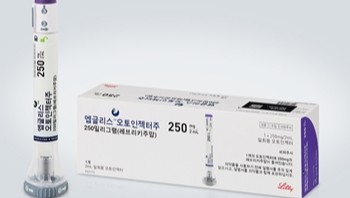
- Ebglyss (lebrikizumab)'Ebglyss,' a new atopic dermatitis treatment, has entered the 'Big 5' tertiary generic hospitals.According to industry sources, Lilly Korea's interleukin (IL)-13 inhibitor Ebglyss (lebrikizumab) has passed the drug committees (DC) of tertiary general hospitals, including Samsung Medical Center, Seoul National University Hospital, Seoul St. Mary's Hospital, Asan Medical Center in Seoul, and Sinchon Severance Hospital, as well as medical institutes, including Korea University Anam Hospital and Seoul National University Bundang Hospital.After Ebglyss was included in the insurance reimbursement listing in July, the prescription areas for this drug have expanded rapidly.Ebglyss is a new biologic that selectively blocks cytokine IL-13, a primary cause of atopic dermatitis. Ebglyss was approved in August 2024 for the treatment of moderate-to-severe atopic dermatitis in adults and adolescents aged 12 years and older (weight over 40kg) who are not adequately controlled by topical therapies or for whom these therapies are not recommended.Existing atopic dermatitis treatments include Dupixent, which inhibits IL-4 and IL-13, JAK inhibitors like Rinvoq, and Adtralza, which targets IL-13. The emergence of Ebglyss further expands the range of treatment options. As atopic dermatitis is a chronic disease that is difficult to cure and requires long treatment periods, a wide range of therapeutic options is essential.The efficacy and safety of Ebglyss have been confirmed through Phase 3 clinical studies, including ADvocate-1, ADvocate-2, and ADhere.In ADvocate-1 and ADvocate-2, which evaluated Ebglyss monotherapy, the Ebglyss group showed Eczema Area and Severity Index (EASI)-75 rates of 58.2% and 52.1%, respectively, during the induction period (weeks 0-16), representing an improvement over the placebo group (16.2% and 18.1%). EASI-90 rates for the Ebglyss groups were 38.3% and 30.7%, respectively, while placebo groups remained at 9% and 9.5%. EASI is the percentage improvement in eczema severity.Furthermore, after one year of maintenance therapy, the Ebglyss group's EASI-75 achievement rate at week 52 was 81.7%, and the EASI-90 rate was 66.4%. These figures were higher than those of the placebo group, at 66.4%.According to Korea's atopic dermatitis guidelines, systemic treatment is strongly recommended for patients with moderate-to-severe atopic dermatitis. However, while the proportion of moderate-to-severe atopic dermatitis patients in Korea increased from 30.9% to 39.7% between 2002 and 2019, the prescription rate of systemic immunosuppressants in this patient group remained at only 5%.
- Company
- Rep. Soo-jin Choi, ‘Why lower drug prices for usage increases?’
- by Kim, Jin-Gu Jan 09, 2026 08:36am
- Rep. Soo-jin Choi of the People Power Party (member of the National Assembly’s Science, ICT, Broadcasting and Communications Committee) sharply criticized the price-volume linkage system at the pharmaceutical industry’s New Year reception.She pointed out that a structure lowering drug prices solely because usage increased is far removed from alleviating the public's medical expense burden and could instead undermine the supply base for generic drugs and the foundation of Korea’s pharmaceutical and biotech industry.Choi made these remarks while delivering a New Year's address at the 2026 Pharmaceutical New Year's Reception hosted by the Korea Pharmaceutical and Bio-Pharma Manufacturers Association (KPBMA) on the 7th. She began, “I'd like to take this opportunity to say this. I still don't understand why drug prices are linked to usage volume.”She continued, “The drugs that can be supplied to the public without burden are affordable generics. New drugs, on the other hand, are truly expensive. Setting generic drug prices below KRW 100 is essentially telling manufacturers not to produce them.”She also assessed that the price reduction tied to increased usage is overly driven by fiscal logic.Choi criticized, “Lowering prices even for medicines whose increased usage allows them to be supplied more affordably to the public is an approach that looks only at numbers and National Health Insurance finances.”She emphasized, “If the industry cannot develop solely because of fiscal consolidation, the Korean pharmaceutical industry will ultimately lose its competitiveness. Drug price reductions must be approached very cautiously and from a holistic perspective.”Regarding institutional reform, she urged the government to conduct a thorough review, adding, “It is time to form an expert panel and build a realistic system that allows high-quality medicines to be supplied to the public at appropriate prices.”
- Company
- Diverging views on pricing reform surface at New Year gathering
- by Kim, Jin-Gu Jan 09, 2026 08:36am
- The 2026 Pharmaceutical New Year's Reception was held with the attendance of approximately 200 key figures from the government, National Assembly, and pharmaceutical industry. Amidst New Year's greetings and presentations of industry visions, differing perspectives on the government's ongoing drug pricing system reform were once again evident throughout the event.The Korea Pharmaceutical and Bio-Pharma Manufacturers Association (KPBMA) and the Korean Pharmaceutical Association (KPA) expressed concerns about the potential industrial impact and on-site confusion resulting from the drug pricing system reform. In contrast, the government and ruling party reaffirmed the fundamental direction of the drug pricing system reform and stated their commitment to pushing forward its implementation.In his welcome address, KPBMA Chair Yunhong Noh identified the drug pricing reform as a pending issue that may seriously affect the entire industry.Noh stated, “The drug pricing system reform is an issue that could shake the very foundation of Korea's pharmaceutical and biotech industry. Rather than pushing ahead the government's set schedule, the reform must be redesigned through consultation with industry stakeholders to strike a balance between public health, industrial growth, and pharmaceutical expenditure.” His remarks were interpreted as a clear call for adjusting the pace of reform and supplementing or recalibrating the system.The Korean Pharmaceutical Association also expressed concern over confusion in the field. Young-hee Kwon, President of the Korean Pharmaceutical Association, said, “Large-scale drug price cuts implemented earlier this year are expected to cause significant confusion across pharmacies. To reduce recurring confusion and improve policy effectiveness, the government must prepare clear institutional alternatives. Practical adjustments are necessary, such as addressing inventory claims and settlement issues.”The Ministry of Health and Welfare explained the direction of the drug pricing system reform as ‘rewarding innovation and ensuring stable supply,’ and reaffirmed its commitment to continue the push.Hyung-hoon Lee, Vice Minister of Health and Welfare, stated, “We will pursue improvements to the drug pricing system to sufficiently reward the value of innovation and ensure the stable supply of essential medicines. We will support the pharmaceutical and biotech industry’s evolution into a more innovation-oriented ecosystem.”Meanwhile, Yu-kyoung Oh, Minister of Food and Drug Safety (MFDS), pledged regulatory support amid a changing regulatory environment. Oh said, “This year will mark the first year of a major transformation in pharmaceutical regulatory services. We will increase the speed and efficiency of reviews by expanding review personnel and introducing an AI-based review support system.”Ruling party lawmakers largely defended the policy direction of drug pricing reform.Yoon Kim, a lawmaker from the Democratic Party of Korea, emphasized, “Drug pricing reform should not be viewed simply as a policy aimed at cutting prices to reduce National Health Insurance spending. It is part of a broader effort to transform the pharmaceutical and biotech industry into an innovative ecosystem that has global competitiveness.”Kim added, “Of course, I am fully aware that there are significant concerns raised in the field. However, if we share the common goal of elevating Korea's pharmaceutical industry to a global level, we can sufficiently discuss and adjust the pace and details of the system. At the National Assembly level, we will reflect the voices from the field and play our role to ensure that the drug price adjustment policy leads to industrial innovation.”Rep. Young-seok Seo, also of the Democratic Party of Korea, remarked, “While various institutional challenges exist, the ultimate criterion for judgment is the public's right to health. We must find solutions within the broader framework of public health.”Opposition lawmakers were generally more critical of both the current pricing system and the government’s reform direction.Rep. Soo-jin Choi of the People Power Party, referring to the price-volume linkage system, pointed out, “The drugs that can be supplied to the public without burden are affordable generics. Setting generic drug prices below KRW 100 is effectively telling manufacturers not to produce them.”Choi further emphasized, “Lowering the price of drugs that can be supplied more cheaply to the public simply because they are high-volume is an approach focused solely on numbers and the NHIS budget. If industry development is sacrificed solely for fiscal soundness, Korea’s pharmaceutical industry will ultimately lose competitiveness. Drug price reductions must be approached very cautiously and from a comprehensive perspective.”Rep. Jia Han of the People Power Party also emphasized, “The system cannot outperform reality on the ground,” calling for system design that reflects industrial realities. Rep. Joo-yeon Lee of the Reform Party also expressed concern, stating, “Without concurrent regulatory improvements and creation of an investment-friendly environment, we risk falling behind in global competition.”There was also discussion of international non-proprietary name (INN) prescribing and generic substitution. KPA President Kwon noted that an amendment to the Pharmaceutical Affairs Act, which simplifies post-notification requirements for substitution, has passed the National Assembly and is scheduled to take effect in February. It has been a long-standing aspiration since the introduction of the drug dispensing separation system.”Kwon also cited specific figures regarding INN prescribing, stating, “According to research by the Korea Institute for Pharmaceutical Policy Affairs, INN prescribing could generate total savings of KRW 9 trillion, including drug costs and broader social costs.” She added that public consensus and media attention on INN prescribing are growing.Rep. Young-seok Seo mentioned the legislative progress on generic substitution, noting that “some long-standing goals of public-sector pharmacists, including the generic substitution simplification law and pay raises, have been partially achieved.” However, regarding the broader system, Seo added that “many challenges still remain.”
- Policy
- AZ’s gMG candidate ‘gefurulimab’ receives GIFT designation
- by Lee, Tak-Sun Jan 09, 2026 08:36am
- AstraZeneca's ‘gefurumab,’ its new drug candidate for myasthenia gravis, has been selected for fast-track review support by Korea’s Ministry of Food and Drug Safety (MFDS).This designation is expected to accelerate its commercialization.On the 5th, the MFDS announced that AstraZeneca’s gefurulimab had been designated as the 63rd product under the GIFT (Global Innovative product on Fast-Track) program.GIFT is a fast-track review program operated by the MFDS since September 2022 to provide patients with new treatment opportunities through expedited product development support.Products eligible for GIFT designation include drugs for life-threatening diseases, rare diseases with no existing treatment alternatives, and innovative new drugs developed by certified innovative pharmaceutical companies.The MFDS designates GIFT products through a comprehensive evaluation of factors such as innovative therapeutic benefit, contribution to public-health crisis response, and the developer’s R&D efforts.Selection into GIFT reduces the review period by at least 25% (from 120 working days to 90 working days).This is achieved by applying a rolling review process, where submitted data are reviewed first, and close communication between reviewers and developers, which is facilitated through product briefings and supplementary explanations. Additionally, companies receive various supports for rapid commercialization, such as specialized regulatory consulting.AstraZeneca announced positive results last July from the Phase III PREVAIL trial, which evaluated the use of gefurulimab in adult patients with anti-acetylcholine receptor (AChR) antibody-positive generalized myasthenia gravis (gMG). Gefurulimab met the primary endpoint and all secondary endpoints in the trial.Gefurulimab is a terminal complement inhibitor that selectively binds to both complement protein C5 and serum albumin. It is a novel bispecific nanobody drug candidate optimized for self-administered subcutaneous injection to treat anti-acetylcholine receptor antibody-positive generalized myasthenia gravis (gMG).Generalized myasthenia gravis is a chronic autoimmune neuromuscular disorder, a rare disease causing muscle function loss and severe muscle weakness.Gefurulimab has been favorably evaluated for its convenience, as it allows once-weekly self-administration, compared with existing treatments for adult myasthenia gravis, such as Ultomiris and Soliris.AstraZeneca Korea's status as a Korean Innovative Pharmaceutical Company influenced gefurulimab’s selection for the GIFT program.This drug has not yet received approval from advanced overseas regulatory agencies such as the US FDA, Europe’s EMA, or Japan’s PMDA. The Ministry of Food and Drug Safety (MFDS) applied its fast-track review program ahead of these overseas agencies.However, the US FDA has designated this drug as an orphan drug and is providing support. The MFDS also designated this drug as a development-stage orphan drug this month.To date, 49 of the drugs designated as GIFT have received marketing authorization.

- InterView
- [Reporter's View] CES 2026, Physical AI and utility task
- by Hwang, byoung woo Jan 08, 2026 07:31am
- One of the keywords from CES 2026, which opened in Las Vegas on January 6 (local time), was 'Physical AI.'As the world's largest tech exhibition, CES serves as a global stage for emerging trends in AI, digital healthcare, mobility, and smart homes.This year at CES, the primary themes in the medical sector were Medical AI with high clinical usability, automation-based diagnostic technologies, and innovations in women's health.While CES is intended to be a forum for the future of technology, this focus was even more pronounced this year.In this year's keynote, Nvidia put Physical AI at the forefront, emphasizing a flow of "Executable AI" spanning robotics, autonomous driving, and manufacturing. Even within the medical and healthcare sectors, Nvidia explained its utility cases in terms of products and partnerships rather than mere theoretical models.This shift is most visible in the digital health sector. CES designated digital health as a major pillar of its official programming.According to KOTRA analysis, the digital health sector saw a 7.4% year-over-year increase in participating companies, the highest growth rate among all industry groups at CES 2026.The term 'expansion' was also officially highlighted, with CES organizers noting that 2026 digital health programming would broaden to include women's health, AI, and wearables.However, the discussions surrounding Physical AI presents a new set of challenges for the domestic medical device industry, which has centered itself around digital health. The center of gravity is shifting from technological performance to the practical role played on-site.The industry is no longer satisfied with AI that proves its validity in research papers. It now demands evidence of how much it reduces bottlenecks in hospital workflows, cuts operating costs, and saves labor and time, ultimately translating these results into contracts.Digital health has long grown by "borrowing time from the market" under the guise of innovation. However, in the era of Physical AI, the market is asking whether that innovation can fundamentally alter cost structures and redesign daily clinical workflows.In this context, it is consistent with Lunit's position as an industry leader that has expanded its reach through global market share gains and strategic M&A that it continues to receive questions regarding its break-even point (BEP).This is not a task for any single company. The entire 'K-Medical Device' sector is expected to face a reality where medical software must integrate with hardware to prove tangible economic utility. For technology to become a reality, it must ultimately reach patients and medical professionals. The collaboration model recently demonstrated by Seers Technology and Daewoong Pharmaceutical is highly suggestive in this regard. A venture company with technical capacity, leveraging the robust sales network and trust of a traditional pharmaceutical firm to overcome the conservative barriers in the medical field, will be linked to future revenue demands.The question posed by CES 2026 is clear. Digital healthcare must now prove it is a tangible industry capable of generating revenue, overcoming its status as a mere 'future growth engine.'
