
- LOGIN
- MemberShip
- 2026-07-06 16:35:43
- Company
- Roche’s ADC Kadcyla retries coverage on early breast cancer
- by Eo, Yun-Ho Apr 10, 2020 06:28am
- Roche is reapplying for Kadcyla’s expanded reimbursement on its early-stage breast cancer indication. According to pharmaceutical industry sources, Roche has recently submitted an application for additional reimbursement on antibody-drug conjugate (ADC) Kadcyla (trastuzumab emtansine). The reimbursement expansion is on the indication as an adjuvant treatment on patients with HER2-positive early breast cancer with residual invasive disease after taxane and Herceptin (trastuzumab)-based neoadjuvant treatment. The application would be reviewed by the Cancer Deliberation Committee in May at earliest. As the anticancer treatment’s first attempt to pass the Health Insurance Review and Assessment Service (HIRA) Cancer Deliberation Committee for the additional reimbursed indication failed last year, the multinational company seems to have prepared more evidences and enhanced financial strategy. Kadcyla, listed for reimbursement in August 2017 via refund type risk sharing agreement (RSA), is available for prescription currently to patients with HER2-positive unresectable locally advanced or metastatic breast cancer, who have been treated with Herceptin and taxane-based anticancer treatment. When the treatment’s reimbursement standard is expanded, Kadcyla would be more prevalently used in treating early breast cancer. Kadcyla’s benefit on early breast cancer treatment was confirmed in Phase III KATHERINE study. Participants of KATHERINE study were divided into Kadcyla only or trastuzumab only group in one-to-one ratio and received 14 weeks of post-surgery adjuvant treatment. The primary endpoints of the study included invasive disease-free survival (iDFS). The study result showed that Kadcyla has significantly reduced the risk of iDFS by 50 percent compared to trastuzumab. In the KATHERINE study, Kadcyla’s effect of cutting the risk of disease recurrence was demonstrated consistently regardless of lymph node and hormone receptor-positive, and in sub-analysis based on the type of targeted therapy administered for neoadjuvant treatment. And new safety issue of the treatment, besides the ones addressed during previous Kadcyla studies, was not found.
- Policy
- The first generics for Pristiq ER were approved
- by Lee, Tak-Sun Apr 10, 2020 06:28am
- PfizerThe generic drugs that avoided the patent of Pristiq ER obtained the item permission. They are expected to be competitive as first generics in the market. The Ministry of Food and Drug Safety approved the approval of four items of Desvenlafaxine, generic for Pristiq ER on the 7th. The generics are Defaxine SR 50·100mg by Whan In, Desven SR 50·100mg by Myungin, Prenexa SR 100mg by Hanlim, Desvela SR 50·100mg by Nexpharm. They have different salts from the original drug Pristiq ER (Desvenlafaxine succinate), and they changed to succinic acid salts rather than benzoate to avoid product licensing and patents. The four companies received a affirmed decision in June last year at a trial to confirm the passive scope of rights to evade patents. It has overcome the salt patent (expected to expire on October 7, 2022) as a salt change drug. And on the 5th of February, when Pristiq ER's PMS expired, they immediately applied for permission on the 6th. As long as it meets the requirements, Patent evasion is also confirmed without Pfizer appealing. Therefore, it is expected to release the product to the market in July after the reimbursement procedure. Pristiq ER is considered as the next-generation antidepressants because they have a low risk of drug interactions and less adverse reactions such as weight loss and decreased sexual function. According to UBIST last year, the outpatient prescription amount is ₩3.1 billion.
- Company
- Novartis Korea recorded the largest sales last year
- by An, Kyung-Jin Apr 10, 2020 06:28am
- Novartis Korea recorded the largest sales last year. The first time since the launch of Korea, the sales of representative medicines and new drugs have reached ₩500 billion. According to Novartis Korea's audit report submitted to the Financial Supervisory Service on the 8th, the company's sales last year were ₩493.4 billion, up 4.1% from the previous year. It is the largest since the establishment of the Novartis Korea branch in 1997. In the same period, operating profit decreased by 85.9% from the previous year to ₩6 billion. Novartis Korea is a foreign-invested company founded in September 1984 under a joint venture agreement between Dongwha Pharm. Co., Ltd. (now Dong-wha) And Swiss pharmaceutical company Sandoz (now Novartis AG). In April 1997, the company name was changed from Korea Sandoz Co., Ltd. to Novartis Korea. Novartis AG and Novartis Pharma AG own 98.3% of the shares and Dong-wha Pharm has the remaining 1.7%. Novartis Korea's newly launched products led the sales increase. According to the drug market research institute IQVIA, the sales of the chronic heart failure treatment drug Entresto (Sacubitril/Valsartan) last year increased by 106.1% from the previous year to ₩13.2 billion. Sales of psoriasis treatment Cosentyx (Secukinumab) amounted to ₩12.3 billion, a 283.5% increase from the first year of release. Entresto and Cosentyx alone recorded sales of over ₩25.4 billion. Lucentis (Ranibizumab), a treatment for macular degeneration, is not a new product, but sales have skyrocketed since the release of the pre-field formulation. Lucentis made sales of ₩30 billion last year. 48.2% year-on-year, breaking record sales. Sales of existing products are also on the rise. Last year's sales of ARB-based hypertension complex Exforge (Amlodipine/Valsartan) increased by 2.3% year-on-year to ₩70.6 billion, the highest among Novartis' drugs. Exforge is a representative item that enjoyed reflex profits after generic drugs were discontinued after NDMA, a carcinogenic substance was detected in Chinese Valsartan-based drug (API) in July 2018. Sales continued to rise after sales exploded in the third quarter of 2018. The sales of leukemia treatment ‘Gleevec’ last year were ₩46.7 billion, and 'Tasigna' sales were ₩40 billion, an increase of 8.3% and 8.4%, respectively. Although the profitability slightly deteriorated as the expenditure increased during the new product release process and the base effect resulting from the achievement of the largest operating profit in the past year, both the existing product and the new product showed stable sales. Novartis Korea posted an operating loss of ₩58.5 billion in 2017. After receiving investigations from the prosecution in the first quarter of 2016 on charges of providing inappropriate economic benefits to health professionals through medical magazines, etc., the deficit was recorded in 15 years, reflecting the fines imposed. As a result of the prosecution for violating the pharmaceutical affairs law, an initial trial this year was sentenced to a fine of ₩40 million and the second trial is in progress. Novartis is expected to accelerate its pipeline restructuring this year. The company compiled some items from the central nervous system (CNS) medicines that had relatively low profitability last year. In addition, the two domestic licenses of the antiepileptic drug 'Trileptal' and the Alzheimer's dementia drug 'Exelon' were handed over to Handok, and the rest of the items, such as the antiepileptic drug 'Tegretol', Parkinson's disease drugs 'Stalevo', and 'Comtan' were not assigned a separate sales marketing manpower according to the ploicy of the head office. This year, it plans to focus on introducing 'Kymriah', a CAR-T treatment that has recently applied for permission, and 'Zolgensma', a treatment for spinal muscular atrophy (SMA). An official from Novartis Korea said that sales of new products such as Entresto and Cosentyx are growing steadily. He said this year, that the company will focus on the reimbursement expansion of asthma treatment 'Xolair' and anti-cancer drug 'Kisqali' and introducing entirely new treatment platforms such as Kymriah and Zolgensma.

- Company
- Yuhan receives KRW 43 bln for first lazertinib milestone
- by An, Kyung-Jin Apr 10, 2020 06:28am
- On Apr. 8, Yuhan has announced Janssen Biotech would pay out USD 35 million (approximately 43 billion won) to the Korean pharmaceutical company for the licensed out lazertinib’s first milestone. The lazertinib pipeline has reached the first development milestone as clinical study on a combination therapy with Janssen’s anticancer medicine ‘JNJ-372’ and lazertinib is on its way. On a consolidated basis, the payout would exceed 2.5 percent of Yuhan’s 1.65 trillion-won equity capital. Lazertinib is a targeted therapy in development as a first-line treatment in patients with non-small cell lung cancer (NSCLC) with epidermal growth factor receptor (EGFR) mutation or as a second-line treatment in patients with NSCLC with EGFR T790M mutation. In November 2018, Yuhan has signed lazertinib license-out deal with Janssen Biotech and received an upfront payment of 50 million dollars (approximately 55 billion won). When lazertinib is successfully commercialized, the Korean company would receive up to 1.25 billion dollars for reaching all milestones.

- Policy
- AbbVie does not enforce Kaletra’s patent right
- by Lee, Tak-Sun Apr 09, 2020 09:43pm
- AbbVie's HIV-1 treatment AbbVie’s Kaletra (Lopinavir/Ritonavir), which is used in the clinical field as a treatment for COVID-19, has abandoned patent rights, but there is no news of generic development in Korea This is because the market size of AIDS treatment (HIV-1), which is the main indication of Kaletra, is not large in Korea and is already occupied by other new drugs, which is disadvantageous in terms of marketability. However, it is known that some pharmaceutical companies are looking at overseas markets and promoting the development of products for export. According to the industry on the 8th, there are three domestic registered patents for Kaletra, which will expire on August 23, 2024 and February 21, 2026, respectively. AbbVie said it would abandon Kaletra's international patent rights on the 23rd of last month. The company explains that it is a humanitarian measure that allows generic drugs to enhance patient access. In this regard, it is known that AbbVie does not enforce Kaletra’s patent rights in Korea. However, since then, there has been no news of generic development in Korea. In order to obtain a license for a generic item, it is necessary to undergo a bioequivalence test to prove its equivalence with the original, but no test has been approved so far. The industry also expects no pharmaceutical companies to develop generic for Kaletra for the domestic market. Because there is no marketability. This is because the domestic COVID-19 infection situation may improve, and marketability cannot be guaranteed even if a generic drug is made. Domestic AIDS treatment marketing manager said that the domestic AIDS treatment market was not as big as ₩40 billion, and even the original pharmaceutical companies with new drugs such as Gilead, GSK, and AbbVie were in control. He also said that even if a new drug patent for AIDS treatment expires, it is difficult to have generic drugs in Korea. Last year, the domestic sales of Kaletra based on IQVIA were ₩2.4 billion. It is an analysis that it is difficult to expect a big hit in the domestic market. Moreover, the AIDS treatment market has a high preference for originals, so generics have limited market share. However, it is expected that there will be demand overseas. Currently, there are more than 1 million COVID-19 confirmed patients worldwide, and there is a high possibility that the epidemic will continue for a while. As a result, it is known that some domestic pharmaceutical companies with overseas distribution networks are pursuing the approval of Kaletra’s generic for export. The item license for export is judged only through the document screening process, so it can be obtained in a week. However, it must be examined separately in the country of import, which may exceed 1 year until actual export. It has been reported that raw materials are already being supplied in countries such as India. An industry official said that some companies are importing raw materials from overseas to make preparations, and they are aimed at overseas markets rather than domestic markets.
- Study: Is convalescent plasma actually effective on COVID-19
- by choi, sun Apr 09, 2020 06:27am
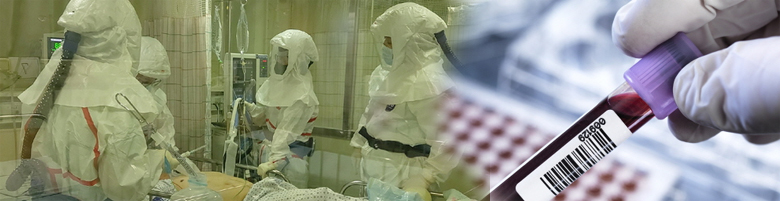
- Following the case reported in China, Korea has published a case study of effective plasma therapy on COVID-19 patients. As the Korean infectious disease control authority has announced its plan to establish a plasma therapy guideline for the COVID-19 patients, the public’s interest on the therapeutic mechanism and effect has heightened. Following is a discussion over the issues regarding the plasma therapy’s mechanism of action and efficacy. ▲Plasma therapy using recovered patient’s antibody to fight against the virus A vaccine has a preventive effect but does not treat the disease after the viral infection. Antiviral remdesivir, currently used to treat COVID-19 patients, relies on inhibition of viral replication and symptomatic therapy relieving the symptoms. On the other hand, plasma therapy uses immune system of a patient who has completely recovered from the viral infection. In the recovered patient’s blood, plasma containing antibody is generated during the process of post-viral infection recovery. And if the convalescent plasma is extracted from the donor and transfused to another patient with severe symptoms, the antibody from the plasma fights against the virus in the patient. Theoretically, the antibody that experienced a specific virus can easily detect the antigen or can mass produce antibody. In such case, the time to alleviation of symptoms and treatment against the virus could be shortened. This is usually the reason why the plasma therapy is a last resort for patients in a critical state of a novel infectious disease without a treatment or vaccine. The U.S. Food and Drug Administration (FDA) on Mar. 24 and Korean health authority on Apr. 1 have respectively approved of using blood product extracted from people who have cured from COVID-19 for treatment purpose. After China has published a clinical study result confirming the therapeutic benefit on five people, Korea has also reported cases cured from blood product. ▲Effect of plasma therapy? “All cured” On Apr. 6, Journal of Korean Medical Science (doi.org/10.3346/jkms.2020.35.e149) has published a study on the use of convalescent plasma therapy in two COVID-19 patients led by Professor Choi Jun Yong (Department of Internal Medicine, Severance Hospital, Seoul) and his research team. This is a first report of using convalescent plasma extracted from recovered patients to treat COVID-19 cases in Korea. The first case, a 71-year-old man, has been treated with antimalarial and HIV drug, but his symptoms worsened. The respiratory rate was over 30 times per minute (normally under 20 times per minute) and chest radiographs showed critical pneumonic symptoms in both of his lungs. C-reactive protein (CRP) was up at 172.6 mg/ L (normally less than 8 mg/ L). When the second case, a 67-year-old woman, was hospitalized, her respiratory rate was at 24 times per minute and oxygen saturation was at 93 percent (normally over 95 percent), while her CRP elevated up to 314 mg/ L with signs of lymphopenia. Regardless of using corticosteroid on top of administering antimalarial and HIV drugs, the female patient sustained lymphopenia and the viral titer was increased. The researchers administered 500 ml of convalescent plasma, obtained from a recovered donor, twice in 12-hour interval and initiated corticosteroid treatment simultaneously. The patients were discharged from hospital after seeing lymphopenia recovery, reduction in viral titer, and recovery of CRP level. A plasma therapy study on critically ill patient with COVID-19 in China, led by Professor Chenguang Shen (National Clinical Research Center for Infectious Disease), has also demonstrated similar outcome. Five patients with COVID-19 and acute respiratory distress syndrome (ARDS) have recovered normal body temperature in three days after receiving convalescent plasma, and showed increase in oxygenation capacity and decrease in viral titer. Three out of five patients were discharged (hospitalized for 53, 51 and 55 days, respectively) and two patients stabilized on day 37 after the plasma therapy. ▲Plasma therapy with positive outcomes, but why the negative issue? The problem is the effect. One says the effect has been confirmed, but the others say it has not been fully confirmed. So why are there contrasting claims? The dispute has sparked due to the limitations in the clinical environment the plasma therapy was conducted. As the studies were conducted in critically ill and desperate patients with novel infectious disease, the variables were not properly controlled in all cases. To appropriately prove the efficacy of the plasma therapy, the infected patients should be divided into three groups. A large-scale long-term clinical study with patient groups receiving plasma therapy only, plasma therapy plus antiviral agent (symptomatic therapy), and placebo should be conducted to test the clinical efficacy. However, the studies published so far had five or two subjects and combined therapy or prior therapies were given to the patients, which makes it difficult to conclude the correlation of plasma therapy and ‘full recovery.’ Professor Choi Jun Yong of Department of Internal Medicine at Severance Hospital commented, “As corticosteroids were used besides convalescent plasma, the research cannot claim the recovered cases were a direct and sole result of the plasma therapy. Such study is leaves limitations in confirming the effect of each therapy type as various antibodies were administered to the patient due to their severity.” “However, the study in Korea has witnessed the drop in viral load, which could be assessed as an effect of transfusing convalescent plasma, as using systemic corticosteroids can only relieve inflammatory response but does not block viral replication,” the professor emphasized. ▲Korean disease control authority setting convalescent plasma use guideline, what to look out for? The limitations still exist because plasma therapy is not the only option and is definitely not the fully proven option. The government guideline should take account of limited convalescent plasma from a donor, prioritization of administrated subject and different level of effect depending on the donor’s condition. But also the authority should keep in mind that the therapy lacks sufficient medical evidences. Medical experts stress that confusion in clinical scene and waste in resources would be minimized if only the health authority clarifies detailed guideline of convalescent plasma use. Professor Choi Jun Yong highlighted, “As for the guideline, the Korean Society for Laboratory Medicine has a lot to contribute. More than anything, it would have to recommend standard of prioritizing the subject for limited convalescent plasma transfusion considering the efficiency and benefit.” And he added, “Depending on the donor’s health condition, the convalescent plasma’s effect and outcome could differ. Future studies should follow to evaluate adequacy of donor and recipient.” The professor also suggested, “The level of neutralizing antibody related to the plasma therapy needs more research. The guideline should consider testing the donor’s neutralizing antibody titer prior to the transfusion, as the young age of a donor does not guarantee high level of the antibody.”
- Product
- Imported drugs are out of stock due to COVID-19 crisis
- by Kim, Min-Gun Apr 09, 2020 06:27am
- Difficulties in supplying medical products are also continuing in the aftermath of COVID-19, which hit Europe. According to the distribution industry on the 7th, domestic and foreign pharmaceutical companies, such as Kuhnil Pharmaceutical, Daewoong Pharmaceutical, JW Pharmaceutical, and Pfizer Korea, stopped supply due to delays in the production of some specialized pharmaceutical products. Recently, Amilo (100T/1000T), a diuretic sold by Kuhnil, was temporarily out of stock. This is because the factory in China, the main raw material for the production of Amiloride, was caught in the aftermath of COVID-19. Kuhnil announced that it will stop operating the plant by May 8th at distributors. Because of this, it will be temporarily out of stock for a month. Resupply is expected on May 11th. Fosrenol 500mg (45T), which JW Pharmaceutical has imported from the UK in the form of finished products, have been suspended from March. Fosrenol is used to treat hyperphosphatemia in patients with chronic renal failure who undergo hemodialysis or peritoneal dialysis. It seems that the spread of COVID-19 in the UK is seriously affecting domestic supply. In mid-March, when JW pharmaceutical announced that the supply would be temporarily suspended due to the manufacturer's circumstances, the British government banned and closed the business of public gathering places such as cafes, pubs and restaurants, except essential facilities such as pharmacies and supermarkets. As of today (7th), the total number of COVID-19 confirmed patients in the UK exceeded 50,000 people and 5373 patients died. British Prime Minister Boris Johnson infected with COVID-19, is undergoing a strong social distance campaign while receiving intensive treatment due to worsening symptoms. JW pharmaceutical announced that it can be replaced with Fosrenol powder 1g packets instead of Fosrenol tablets. COVID-19 is also causing problems in exporting medical products in Germany. Supply of Instanyl nasal spray 100mcg/1.8 mL, imported from Takeda, Germany by Daewoong Pharmaceutical was cut off. Due to the spread of COVID-19 in Europe, Daewoong said that the German government's export permission department in February was delayed for two months, causing a disruption in domestic supply. This month, Pfizer Korea Pharmaceutical's Solu-Medrol 125mg, produced in Belgium, a neighboring country of Germany, was also sold out for a long time. Pfizer Korea expects that normal supply will be possible by November. Pfizer Korea does not give details of the reasons for the out of stock, but the company only explained that it was a delay in the production schedule of Solu-Medrol. Currently, there are 20,000 COVID-19 confirmed patients in Belgium and 1632 deaths. The Belgian government has also been taking steps to close companies temporarily and measures to restrict national movement since mid-March. Meanwhile, Nitropress by Pfizer Korea, which is indicated for the immediate reduction of blood pressure of adult and pediatric patients in hypertensive crises, is also out of stock until May.
- Company
- Social distance postponed tax investigations
- by Nho, Byung Chul Apr 09, 2020 06:26am
- In order to prevent the spread of COVID-19, tax investigations by some pharmaceutical companies in progress are reportedly delayed. According to the industry, Daewoong Bio, Bayer Korea, and Hanmi Pharm are currently under investigation by the National Tax Service. This survey is believed to be a regular tax investigation, not a special tax investigation. On the 30th of last month, the National Tax Service announced the policy of minimizing on-site tax investigations of local tax offices and front-line tax offices to actively participate in the government's social distance following COVID-19. As a result, the pharmaceutical industry's tax investigation schedule is also postponed until the COVID-19 situation calms down. When conducting an on-site tax investigation, the National Tax Service is minimizing on-site investigations based on the judgment that face-to-face contact with investigators and the company's working team is inevitable, and it can also put more psychological burden on the company. However, it said that it is performing as scheduled on issues that are bad or urgent such as act of cornering and hoarding of masks or hand sanitizers. Since mid-February, the NTS Jungbu Regional Office has been conducting tax investigations by dispatching employees from the Bureau 1 to the Daewoong Bio Office. A representative of Daewoong Bio explained, "The NTS Jungbu Regional Office Bureau 1, 2, and 3 are usually in charge of general tax investigations. Since 2015, they have been faithfully engaged in regular tax investigations received in five years." In the 2015 tax investigation, the NTS Jungbu Regional Office judged the commission paid by Daewoong Bio to CSO (sales agency) in full, and collected ₩15.3 billion in taxes the following year. In response, Daewoong Bio brought a judgment against the Tax Tribunal and was finally judged by the National Tax Service's misconduct. In 2017, there was a precedent that received a total of ₩15.3 billion back, which is the total collection tax amount related to sales agency fees. Unlike the claims of the Korea Customs Service, through the final ruling, the tax tribunal clearly identified the substance of the CSO, paid a fee according to the contract, and the CSO also filed a tax return as an import amount while also acting as a pharmaceutical sales agent for pharmaceutical companies other than Daewoong Bio. Was judged to be a normal business activity. In addition, on the basis of the fact that it was difficult to judge that the CSO sales agency activity violated related laws and social order, such as the pharmaceutical affairs law the company decided that it was difficult to consider the company to spend entertainment expenses. At the time, about 40% of the fees that Daewoong Bio paid to the CSO were judged as entertainment expenses, and taxes were collected. In a ruling, the tax tribunal said that there was no specificity at the industry's normal level. Currently, the pharmaceutical industry typically pays 40% to 50% of the fees paid to CSOs. The owner-related specialty corporation mentioned in the last tax investigation was also found to be one of the largest number of CSOs operated by Daewoong Bio, which is currently less than 1% of the total CSO operation fee. At that time, Daewoong Bio was using about 200 CSOs.
- Policy
- Can generic listing negotiation prevent reckless listing?
- by Kim, Jung-Ju Apr 09, 2020 06:26am
- Although some pharmaceutical companies are voicing their concerns over the generic reimbursement negotiation, to be enforced from the second half of the year, some are actually welcoming the new system with an anticipation of positive benefits. Along with the revised drug pricing system coming in effect around the same time, the generic negotiation is expected to eliminate ‘reckless’ competition among reimbursed drugs in same class. Pharmaceutical industry sources reported on Apr. 6 about the growing voices of the industry claiming the partially revised Regulation on National Health Insurance (NHI) Reimbursement Standard is needed for the amended stepped drug pricing system. The revised Regulation on NHI Reimbursement Standard aims to require drugs receiving automatically calculated reimbursed pricing to negotiate with the government and the insurer to sign an agreement before listing. The Korean government and insurer manage drug pricing with pricing and projected volume negotiation prior to the listing, and with price-volume agreement (PVA) negotiation after the listing. So far, the pre-listing obstacles have been mostly targeting new drug or high-cost drugs only, but soon the generics would have to undergo similar procedure to enhance reimbursement listing value and NHI expenditure efficiency. Reimbursement negotiation does not only regard drug pricing, but also regards supplier’s duty, patient accessibility and financial stability depending on the various pursuing items, which allows healthcare insurance to be utilize more directly to manage active pharmaceutical ingredient’s supply and quality and drug production and distribution. The negotiation for generics with National Health Insurance Service (NHIS) would be completed under 60 days like the new drug reimbursement procedure. The government is currently accepting the industry’s opinion while scheduling the amendments to take an effect from the second half of the year. Nevertheless, the industry has expressed their concerns of the government trying to burden the pharmaceutical companies with excessive liability through unnecessary administrative procedure. And some even complained of the government trying to reinforce pre-listing obstacles and keep pharmaceutical companies on a leash to lower drug pricing. However, contrasting voices have been raised, noticeably. They claim the newly revised stepped pricing system could motivate generics to recklessly apply for reimbursement to be more competitive in the market. Accordingly, other set of regulation to manage the generic pricing system is needed. A pharmaceutical company insider said, “Regardless of their sales plan, some generic products are aggressively applying for reimbursement after their approval. When the stepped pricing system comes in effect, generic makers with actual plan to release the product would unfairly receive pricing close to nothing.” The insider also noted the negotiation with the government and insurer would be able to resolve the loophole issues. Another pharmaceutical industry insider argued “When the reckless listing phenomenon gets more prevalent, pricing of some originals with extremely low marketability could be pressured to drop and they could suspend supplying for the Korean market and cause shortage. Ultimately it could negatively affect patient’s accessibility and treatment, so the government and NHIS should clearly address the subject on the agreement.” Moreover, another pharmaceutical company has mentioned of a reverse discrimination. The company insider said, “The government and the insurer impose duty and liability on original item and its company’s agreement, only because it is a first-in-class. But their competitors, the generic companies, are free of any liability. This is why the question of reverse discrimination has surfaced.” The company insider emphasized, “The government should be considerate of some companies complaining of generic reimbursement negotiation, but also some agreeing on the necessity of the system. Based on the industry’s reaction, hopefully the government and the insurer could reflect their opinions on the system”
- Product
- Disaster subsidies must be paid to all citizens
- by Jung, Heung-Jun Apr 09, 2020 06:26am
- 9 out of 10 Dailypharm readers expressed their opinion that the government's emergency disaster aid under COVID-19 should be paid to the entire population, not just the bottom 70% of income. Dailypharm conducted an opinion poll on how to pay for emergency disaster aid through the online survey of Issue & Poll from the 1st to the 7th. Of the 262 Daily Farm readers working in the health and medical industry, 87.8% (230 people) said that all citizens should receive disaster relief funds. Only 12.2% (32 people) voted in favor of the government method of paying the bottom 70%. The readers in favor of the payment of the whole nation thought that it would be reasonable to give it to the whole nation even if the amount was lowered a little. On the other hand, those who favored the selective payment method for the lower 70% insisted that it would be better to pay only the lower 30% or even a little more to the lower income class.
