
- LOGIN
- MemberShip
- 2026-06-22 01:09:01
- Company
- ‘Employees work long-term at Daiichi Sankyo for a reason'
- by Eo, Yun-Ho Feb 13, 2025 05:58am
- To survive and develop, we need to change and adapt to change. This is easy to say, but never easy to do. Daiichi Sankyo is a master of adaptation. The company has established itself in the domestic market by supplying drugs for chronic diseases, mainly cardiovascular diseases. Starting with hypertension drugs such as Olmetec, Sevikar, and Sevikar HCT, the company has launched the antiplatelet drug Effient and anticoagulant Lixiana and has achieved continuous growth by launching new leading products in crisis, such as patent expiry. Maybe it's the products, but it's also the strategy. The story of how Daiichi Sankyo stopped promoting its antibiotic Kravit independently when Olmetec’s patent expired and focused on its circulatory system pipeline through co-promotion with a Korean company is still much talked about. Now, Daiichi Sankyo is looking to take a new leap forward with its oncology business. Last year, Enhertu, an antibody-drug conjugate (ADC) that was listed for reimbursement in Korea, began to gain popularity in the anticancer field, supported by its excellent clinical results. With an average annual growth rate of 15% from 2014 to date, Dailypharm sought to learn more about the talents behind the company's growth. Daily Pharm met with Mr. Hyundong Ryu (50), Managing Director of Management Headquarters at Daiichi Sankyo to learn more about the people behind the company’s growth. Hyundong Ryu, Managing Director of Management Headquarters, Daiichi Sankyo Korea-Tell us about the company's organizational structure. What does the Management Headquarters do? Daiichi Sankyo Korea has 4 headquarters. The Primary Business Unit, responsible for chronic diseases and specialty drugs; the Oncology Business Unit, is responsible for anti-cancer drugs; the Development Medical Headquarters, which is responsible for clinical development, licensing, and follow-up; and the Business Management Headquarters, which is responsible for the overall management and operation of the company. I am currently in charge of the entire Business Management Headquarters, which includes human resources, general affairs, finance, distribution, IT, business planning, and external relations. -Daiichi Sankyo is very good at coming up with products that are needed at the time and achieving good results with those products. This cannot be done without the right “people.” Daiichi Sankyo is known for its job longevity, especially in the industry. What is the secret behind this? We have our own management philosophy and values with regard to human resources, on how to develop talent and treat them at Daiichi Sankyo. We don't just run a company for business, for sales, but for people to come together and work together. The mindset of not using people as tools is something that has been passed down as part of our culture. I think the sincerity of the management in valuing talent and caring to not make employees feel like they are being used as a tool is one of the important reasons behind our employees’ job longevity. -Regarding the new Oncology BU, it’s not easy to create a business unit that didn't exist before, get it up and running, and then have it drive the company's future strategy. What did you focus on and what difficulties did you face in creating the Oncology BU? When you create a new business unit (BU), you're bringing in new people, and the success of the business depends on them. We've been through this process twice in the past where new people come in, intertwine with existing employees, and grow. The company has learned from these experiences how to integrate and resolve cultural conflicts that can arise when bringing in new businesses and bringing in a lot of new talent. We believe that it is best to provide as many opportunities for communication as possible to help people understand the value of the organization's values of 'together' and 'togetherness' rather than trying to artificially seal conflicts. #SB-You seem to have a good internal mindset to deal with change. What does Daiichi Sankyo look for in its employees? Daiichi Sankyo Korea has created new business units and recruited new talents, so in Korea, since the 2020s, we have emphasized and valued “Collaborate & Trust” the most. We don't look at a candidate's experience or specifications but rather how they want to contribute to our organization. For example, we try to select candidates who value work and take responsibility for their work, rather than candidates who emphasize the resonance of “I did it” or “I am the best” or those who want to prioritize their career path. - Interest in multinational pharmaceutical companies has been rising these days. There aren't many new hires at each company, but in the overall framework of multinational companies, this seems to be happening to some extent. Does Daiichi Sankyo have any procedures or requirements for hiring new employees? We hire new employees on a case-by-case basis. It's not a regular program, but we have an intern program that has been up and running for more than 10 years. We hire people who have a good work attitude and understand the value of “working together” as marketing representatives (MRs). We don't look for any specific qualifications. Unless we need a pharmacy professional, we look for a 4-year graduate with some language level, etc., and their attitude towards work and contribution to the team and organization's goals is important. -What programs do you offer to foster talent after they join the company? In terms of fostering talent, the company has a systemic roadmap in place for overall talent growth and support. When you first join the company, we spend 2-3 days training you on the company's systems and other things you need to learn. At the one-year mark, we have a week-long training session at a separate location with other new hires and experienced employees. This is called the first-year onboarding training, which focuses on improving your understanding of the company's mission, values, and culture. In the second year, we hold a reminder training (vision training) where employees reflect on the goals and visions they set in the first year and what they want to achieve within the company. In the third year, you go to the headquarters in Japan for a week of training. When it comes to work-level job training, some parts cannot be fully covered in-house, so we offer training support without a specific budget limit for all training needs. Individuals can request individualized competency training, which they discuss with their manager and then receive support from the company. At the manager level, we offer an annual 360-degree, multi-faceted assessment to identify strengths and weaknesses and provide one-on-one coaching on how to overcome them. Key talent, such as potential next-generation leaders, is developed separately by HR. For example, we support MBA and pharmacy-related graduate programs. There is also a program called STDP (Short-Term Development Program) to help employees gain a global perspective. This program is mainly offered at our Japanese headquarters but has recently been expanded to include offices in the ASCA region (Asia and South America). -Is there a system in place that encourages employees to move between departments? Many programs in the pharmaceutical industry allow people to experience different roles. We have a very active job posting program. When we have a vacancy, we encourage job posting, preferably among existing employees. It is difficult to verify the potential and capabilities of people who have specialized experience from outside the company. On the other hand, we have expectations that people with sufficient internal potential can perform well if they are given time to develop their careers, and this has proven to be true in many cases. -How are employees and executives evaluated? We perform two main types of evaluations: Performance Evaluation and Competency Evaluation. First, in performance evaluation, the basic framework is performance-based relative evaluation for sales and absolute evaluation for internal employees. However, for both sales and internal employees, we make sure that the attitude and effort in the process of performance are fully reflected, not just the arithmetic results. After setting goals, we conduct feedback interviews about four times a year. Midterm feedback is used to correct the direction and track the process of achieving goals. -I'm also curious about the company’s reward system such as incentives. There are two types of performance pay: individual performance pay and management performance pay. Individual performance pay is based on the achievement of individual or team goals. For the base salary, many multinational companies adopt the merit increase system and set the increase rate according to performance, but Daiichi Sankyo does not differentiate the base salary increase rate by performance. We set the same base salary increase for all employees, reflecting the inflation rate of the previous year, and top it up with a performance bonus based on the performance of the organization. This is because cross-functional collaboration between teams and departments is of utmost importance. -Do you have annual longevity awards in addition to incentives? There are 5-yearly awards for 10, 15, 20, and 25 years of service. No one has reached 30 years of service yet, but there will be rewards when they do. For 10 years of service, you get a 10-day sabbatical. It's a valuable reward for contributing to the growth and development of the company over a long period of time, and in fact, long-term service is not uncommon in our company compared to other foreign companies. - The slogan “Cooperation” seems to be at the core of the company's foundation. That's right. At Daiichi Sankyo, individual achievement is important, but the performance of the underlying organization is also important, and this permeates the entire company as a corporate culture. The company takes its time and encourages individuals to develop their capabilities over time. The company focuses on “steadiness” rather than chasing short-term goals. We are creating a corporate culture where each person is not engrossed in their own role but rather has a company-wide perspective, that naturally leads to cooperation and trust.

- Product
- Non-face-to-face treatment takes another hit
- by Jung, Heung-Jun Feb 12, 2025 06:13am
- Following obesity treatments such as Wegovy, the medical community is now raising voices to restrict non-face-to-face artificial tears prescriptions. Following the restriction of Wegovy prescriptions through non-face-to-face medical care, voices are rising on the need to regulate the prescription of artificial tears as well. The platform industry believes that overprescription is an issue that occurs regardless of whether the patient receives face-to-face or non-face-to-face care. The Korean Ophthalmologists Association believes that prescriptions should be managed so that they are only given to appropriate patients, regardless of the route of care. During a press conference on the 9th, the Korean Ophthalmological Association argued on the need to increase restrictions due to the increase in non-face-to-face prescriptions of artificial tears. The purpose is to establish standards for non-face-to-face treatment of artificial tears and to develop a reasonable plan for the operation of non-reimbursed medical services. Due to an increase in non-face-to-face prescription of obesity drugs such as Wegogy, non-face-to-face prescription of such drugs has been restricted since December last year. A platform official said, “I understand that it should be prescribed appropriately to those who meet the indications. However, this problem is not only seen in non-face-to-face medical care but also in face-to-face medical care. We plan to communicate further to address the concerns that the medical community has.” Pharmacists have pointed out that in non-face-to-face medical care, artificial tears are prescribed in non-ophthalmic departments, increasing the possibility of overprescription. Pharmacist A from Seoul said, “Artificial tears are often overprescribed during face-to-face medical care. Of course, we cannot know how much a patient needs when we are not face-to-face, so there is a high possibility that they will be overprescribed according to patient demand.” Pharmacist B said, “Artificial tears are also being prescribed in non-ophthalmic departments. The reality is that it is not a problem for gynecologists to treat patients with hair loss during non-face-to-face medical care.” According to the ratio of patients by disease among non-face-to-face patients announced by the Telehealth Industry Council last year, artificial tears account for 4% of the total population. However, the industry explained that the ratio may be even lower if the total non-face-to-face patients are included, as only 4% of the patients that use the platform were counted. “4% of patients using the platform have been prescribed artificial tears, and 11 million cases are all non-face-to-face patients,” said a platform official. ”If all non-face-to-face patients are included, the number of chronic diseases will increase, so the rate of artificial tear prescriptions will be lower.”
- Opinion
- [Reporter's View] KRW 400m drug approval fee
- by Lee, Hye-Kyung Feb 12, 2025 06:13am
- Now, the new drug approval fee in South Korea costs KRW 410 million. On September 9th, 2024, the Ministry of Food and Drug Safety (MFDS) issued an administrative notice of 'Revision to the Regulation of Fees for Pharmaceutical Approval.' The revision specifies details of increasing the new drug approval fee to KRW 410 million and reducing the approval duration from 420 days to 295 days, effective January 1st of this year. The industry draws attention to the first product to pay a significant fee hike. The approval fee of KRW 410 million includes a preliminary consultation session prior to the submission of the application for marketing approval. Once the application is submitted, a task force team is assigned. It has been reported that two to three companies requested preliminary consultation sessions last year. Thus, it is projected that there will be a company submitting a marketing approval application this January. After the New Year's holiday, this year's first marketing approval application was submitted on the last day of January. Lily Korea's new breast cancer drug, 'imlunestrant.' The company has applied for marketing approval of imlunestrant (product name in South Korea: "Inlurio") to the US Food and Drug Administration (FDA) and Europe's EMA, in addition to MFDS. Given that South Korea implemented an innovative measure for new drug approval this year, a shortened approval duration than before will enable domestic approval within this year and a potential launch as well. Since the submission date of the first product's approval application has been disclosed, the industry watches whether it will obtain approval within 295 days. Since it is the first product since the implementation of the system, MFDS must strive to launch a task force quickly so that approval can be announced within this year. It has been reported that a taskforce team comprising 10-15 experts has been launched for the approval of imlunestrant. If Lily accurately submits the supplementary documents, approval is expected to be granted within 295 days. Companies with other new drug candidates aim to obtain approval within 295 days. To achieve this result, the MFDS must hire more expert reviews using the new drug approval fees as planned. Additionally, the MFDS must expand the percentage of expert reviewers with specialized backgrounds from 31% to 70%. Since the first product has been submitted for approval review after the implementation of the system, the industry anticipates proactive administrative actions in line with these expectations.
- Product
- Wegovy outpatient prescriptions ↓…pharmacy burden↑
- by Jung, Heung-Jun Feb 12, 2025 06:13am
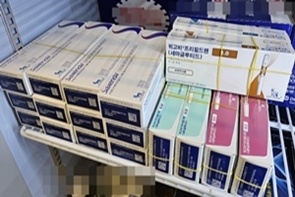
- Wegovy, whose sales suffered due to inventory shortage in pharmacies, has now become an intractable inventory four months after its launch in Korea. Wegovy is a self-injectable drug that requires refrigeration and is a non-returnable product. Each unit costs tens of thousands of won, so pharmacies bear a heavy burden if it becomes a dead stock. At the time of its launch, its convenience of being administered once a week and the expectation of its dramatic effects were the main factors behind the craze, but the excessive enthusiasm gradually faded as public opinion grew concerned about the potential side effects. The government's restriction on non-face-to-face prescriptions since December last year also played a role. Not only did the amount of non-face-to-face prescriptions decrease, but sales were also affected by the transition to in-hospital dispensing. Pharmacist A in Gangnam, Seoul, said, “I brought in some stock because I thought there would be patients who would ask for it, but there were no prescriptions. It's an item that can't be returned, but I have about KRW 2 million worth of stock.” Some clinics sell Wegovy as a package with blood tests and physical examinations, and some dispense Wegovy after general medical examinations. An industry official said, “Clinics and hospitals were not interested in selling insulin because it was not profitable, but Wegovy and Saxenda are now being well sold in clinics. It is puzzling that there are no problems (even though they are dispensing it within their institutions rather than as outpatient prescriptions).” You can easily find examples of in-hospital prescriptions in obesity treatment-related communities. Some people say that they pay KRW 500,000 to 600,000 for a pen, and although they know its price at pharmacies, as the hospitals don’t issue outpatient prescriptions, they were buying it within hospitals. There are also reports that they pay for blood tests and physical examinations separately to buy Wegovy at the clinic, which demonstrates the rampant in-hospital prescription activities being carried out in Korea. The problem is that, with the exception of exceptional circumstances, outpatient prescriptions are the rule. The issue of in-hospital dispensing of self-injectable drugs for obesity treatment, including Saxenda, has been a constant issue. As cases where the doctor injects the drug first is an exception, some clinics have been selling the remaining quantity in-house after an initial injection. During the 2020 NA Audit, there was also a claim that outpatient prescriptions for self-injectable drugs such as Saxenda should be made mandatory. Legal experts also explain that unless in some exceptional circumstances, the sale of Wegovy within the hospital is against the law. They added that it is inappropriate to sell Wegovy within the hospital for reasons such as self-injections and education. “The government has also stated that outpatient prescriptions are the rule. In-hospital prescriptions (unless they are injected) can be problematic, and the justification for education on the use of self-injectable drugs is not a valid reason,” explained attorney Jong-Sik Woo (Qone Law).
- Policy
- P3T for Sanofi’s Itepekimab in rhinosinusitis approved
- by Lee, Hye-Kyung Feb 12, 2025 06:13am
- Sanofi Aventis' biological drug 'Itepekimab' is entering Phase III trial in Korea to secure an indication for chronic rhinosinusitis following chronic obstructive pulmonary disease (COPD). On the 10th, the Ministry of Food and Drug Safety approved Sanofi’s 52-week Phase III randomized, double-blind, placebo-controlled, parallel-group clinical trial to investigate the efficacy, safety, and tolerability of Itepekimab in adult subjects with chronic rhinosinusitis with uncontrolled nasal polyps. Chronic rhinosinusitis is defined as inflammation of the nasal cavity and paranasal sinuses that lasts for 12 weeks or longer. Some doctors also describe inflammation of the nose and sinuses when nasal inflammation (rhinitis) is present. In Korea, it is said that about 8.4% of the total population has sinusitis, and the prevalence of chronic rhinosinusitis with polyps is 2.6%. With the approval, the number of clinical trials being conducted for Itepekimab since 2021 in Korea has increased to four in total. Since 2021, two Phase III clinical trials have been underway for COPD patients, and Phase II and III trials are being conducted simultaneously for chronic rhinosinusitis patients. Itepekimab is a monoclonal antibody that targets interleukin (IL)-33, an inflammatory cytokine. Autoimmune diseases associated with IL-33 include allergic diseases, atopic allergies, asthma, rheumatoid arthritis, multiple sclerosis, and systemic lupus erythematosus, and it plays an important role in the functioning of the immune system. Sanofi is developing Itepekimab as the next-generation drug to succeed Dupixent (dupilumab). Dupixent is the first biological agent that targets the signaling of interleukin (IL)-4 and IL-13, which are the main causative agents of type 2 inflammation and has been approved as an atopic dermatitis treatment in several countries, including South Korea, the United States, Canada, Europe, Japan, and Australia. It has since expanded its indications to include patients with moderate-to-severe asthma, nodular rash, COPD, and eosinophilic esophagitis. Currently, Sanofi is seeking to further obtain indications for Dupixent for chronic idiopathic urticaria (CSU), chronic pruritus of unknown origin (CPUO), and bullous pemphigoid (BP).
- Company
- Will 'Verzenio' be reimb for early breast cancer in 2025?
- by Eo, Yun-Ho Feb 12, 2025 06:13am
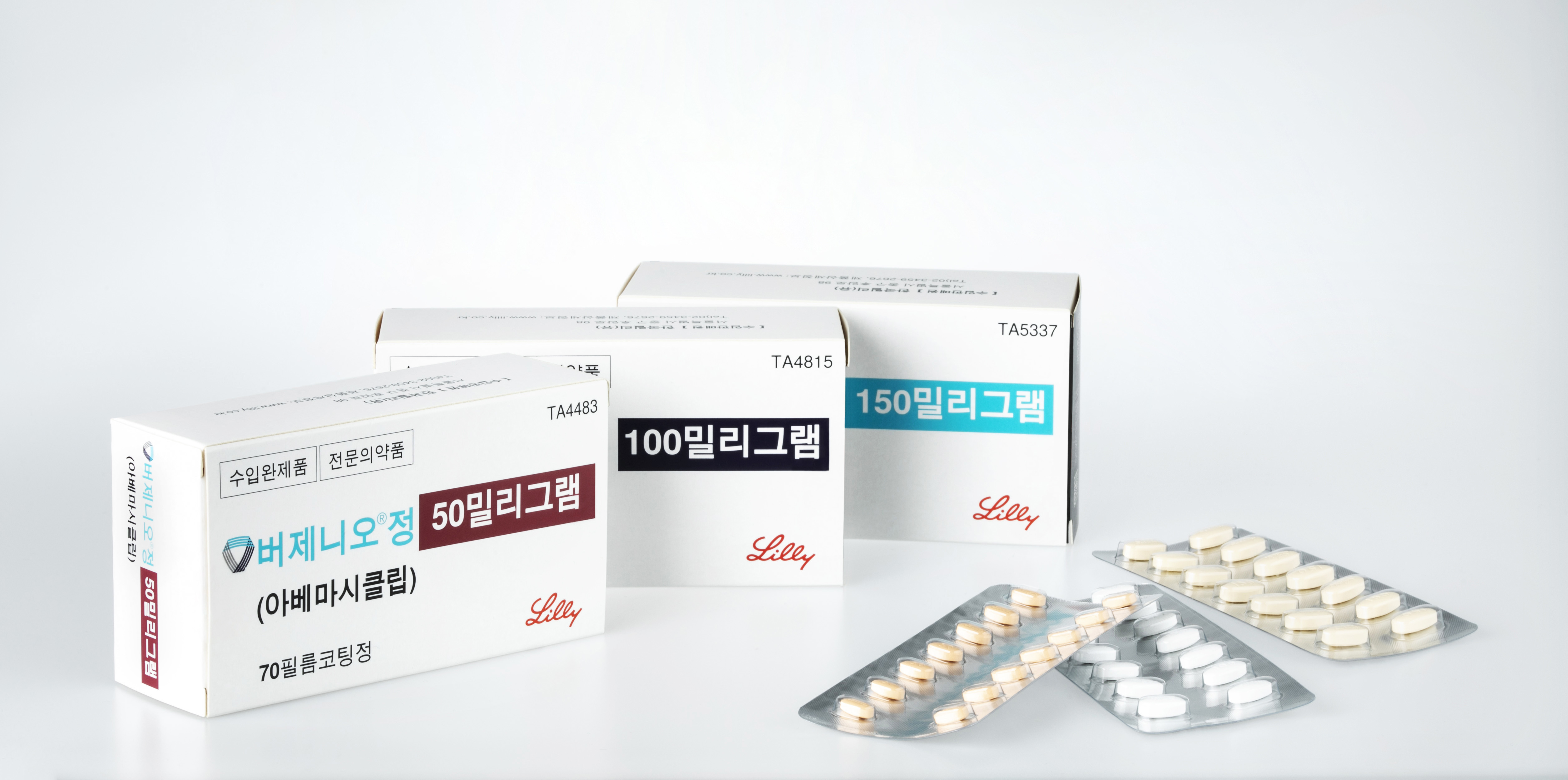
- Product photo of Verzenio The industry eyes whether 'Verzenio,' with expanding reimbursement challenges, will obtain results this year. According to sources, Lilly Korea's CDK4/6 inhibitor Verzenio (abemaciclib) is expected to be considered for the upcoming Cancer Disease Review Committee (CDRC) of the Health Insurance Review and Assessment Service (HIRA) for its indication for early breast cancer. Verzenio faced challenges in the first attempt at the CDRC review for its indication to treat early breast cancer. Despite submitting the application and waiting for six months, Verzenio was presented to the committee in May 2023, but the result was 'reimbursement standards non-established.' After five months, Verzenio re-submitted its reimbursement application to the HIRA in October. Then, the drug was considered for the CDRC, but the result was the same as before. Patients have high hopes for reimbursement approval of Verzenio for early breast cancer. In fact, the public petition yielded over 50,000 votes. The efficacy of the drug was demonstrated again through the five-year outcomes from the monarchE study, which was presented at the 2023 European Society for Medical Oncology (ESMO) Congress. The data used for the follow-up research were based on the four-year data presented at the 2022 San Antonio Breast Cancer Symposium held in December and an article published in The Lancet Oncology. The primary endpoints, which were invasive disease-free survival (IDFS) and distant relapse-free survival (DRFS), showed clinically significant differences between the Verzenio treatment group and the control group (endocrine therapy alone) that was even more pronounced in five-year data compared to the four-year data. In year 5, the primary endpoint invasive disease-free survival (IDFS) demonstrated an approximately 8% difference. Verzenio appears to have a potential carry-over effect through the fifth year, even after completing the two-year treatment period. Besides the endocrine therapy letrozole generic, Verzenio is the only treatment option available in HR+/HER2- type early-stage breast cancer. On November 18, 2022, Verzenio was approved for expanded use in combination with endocrine therapy in the adjuvant treatment of patients with HR+/HER2- high-risk early-stage breast cancer and who have lymph node-positive recurrence. The following are specific indications: ▲Four or more lymph node metastases, ▲1-3 lymph node metastases with a tumor size of 5 cm or larger, ▲Histological grade 3 limited recurrent high-risk patients. Professor Keun Seok Lee, Professor at National Cancer Center's Center for Breast Cancer Korea, said, "The use of Verzenio in combination with endocrine therapy is recommended by the Korean and international chief guidelines as a post-surgical adjuvant therapy for relapsed and high-risk patients, based on significant evidence. Since the drug's clinical usefulness has been confirmed through clinical studies and chief academic reviews, we need improvements to patient treatment access through reimbursement to increase the survivability of patients who qualify as relapsed and high-risk conditions."
- Policy
- Boryung’s Lenvima generic approved in Korea
- by Lee, Hye-Kyung Feb 11, 2025 06:03am
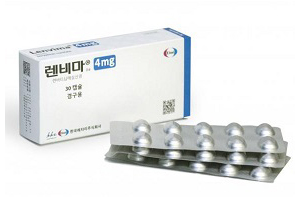
- Boryung has received approval for a generic version of the liver cancer treatment 'Lenvima Cap (lenvatinib).' It received approval as an incrementally modified drug (new salt version) and added a 12 mg dose, which is not available with the original drug. The Ministry of Food and Drug Safety (MFDS) approved three items on the 6th, including 4 mg, 10 g, and 12 mg doses of Lenvanib Cap (Lenvatinib Mesylate Dimethyl Sulfoxide) from Boryung. Lenvanib was approved by adopting a salt modification strategy, adding dimethyl sulfoxide (DMSO) to the mesylate of the original main ingredient, lenvatinib mesylate. Like the original, Lenvanib has 4 indications: ▲ for the treatment of locally recurrent or metastatic progressive differentiated thyroid cancer that is not responsive to radioactive iodine ▲ as a first-line treatment for patients with unresectable hepatocellular carcinoma ▲ in combination with pembrolizumab, for the treatment of patients with advanced endometrial carcinoma (EC) that is not microsatellite instability-high (MSI-H) or mismatch repair deficient (dMMR) who have disease progression following prior systemic therapy in any setting and are not candidates for curative surgery or radiation, and ▲ in combination with pembrolizumab, for the first line treatment of adult patients with advanced renal cell carcinoma. The new 12 mg dose, which is not available with the original, can be administered to patients weighing more than 60 kg, increasing patient convenience. However, in the case of Boryung, the actual launch date for the drug is unknown as the company has been in a patent dispute for Lenvima for over 2 years. Lenvima has six patents, including a substance patent expiring in April 2025, ▲ a use expiring in March 2028, ▲ a crystalline form patent expiring in June 2028, ▲ a formulation patent expiring in March 2031, ▲ a composition patent expiring in August 2035, and ▲ a use patent not listed, expiring in December 2035. In the Lenvima composition patent dispute, Boryung won the first trial but is awaiting the decision of the Patent Court following an appeal by Eisai. When Eisai registered a new use patent on its use in combination with Keytruda for advanced endometrial cancer in April last year and in combination with Keytruda for first-line treatment of advanced renal cell carcinoma, Boryung filed a request for invalidation and a request for confirmation of the passive scope of rights for the new unlisted patent. In order for Boryung to launch its Lenvanib, it must first win the trial to invalidate the patent for its intended use, which it filed in November 2022. In addition, it must win the second trial that will be held as a result of Eisai's appeal. In addition, it must circumvent or invalidate the newly registered Eisai’s patent. Meanwhile, according to the market research institution UBIST, sales of Lenvima last year were KRW 12.8 billion.
- Company
- 'Lorviqua' accepts DREC condition…negotiations to start
- by Eo, Yun-Ho Feb 11, 2025 06:02am
- Product photo to Lorviqua The final review process is about to begin for expanded reimbursement of the non-small cell lunger cancer treatment 'Lorviqua' as a first-line treatment. According to industry sources, Pfizer Korea accepted the condition of 'accepting the drug price below the evaluated amount' suggested by the Drug Reimbursement Evaluation Committee (DREC) of the Health Insurance Review and Assessment Service (HIRA) in January regarding the ALK anticancer drug, Lorviqua (lorlatinib). The company will soon undergo drug price negotiations with the National Health Insurance Service (NHIS). The Ministry of Health and Welfare (MOHW) has recently issued a green light for negotiations, and they will begin the process this month. As the company terminated the Risk Sharing Agreement (RSA) for Lorviqua, switching it to general medicine reimbursement, it is proceeding with the expanded reimbursement for first-line treatment. After the breakdown of the drug price negotiations with the NHIS in June, Pfizer immediately filed for general medicine reimbursement, which passed the last HIRA's DREC for 2024. Even after reapplication, the reimbursement process has been slow. Analysis suggests that the government postponed the decision because Lorviqua was initially contracted as a total expenditure-capped RSA, then switched to a general medicine reimbursement. The industry is to closely watch whether Lorviqua will finish the drug price negotiations without additional hurdles and obtain expanded reimbursement. Meanwhile, Lorviqua is a drug developed to penetrate the blood-brain barrier (BBB). The clinical value of the drug has been assessed as significant based on the long-term follow-up results of the CROWN study, which was recently presented at the ASCO. The study results showed that Lorviqua reduced the disease progression and death risk by 81% compared to crizotinib, and 60% of treated patients were alive without disease progression after five years. The risk of brain metastasis was reduced in 94% of the treated patients, with only 4 out of 114 patients who did not previously had brain metastasis developing it after being treated with Lorviqua.

- Company
- Mitsubishi Tanabe Pharma sold to private equity fund
- by Whang, byung-woo Feb 11, 2025 06:02am
- The sale of Japanese pharmaceutical company Mitsubishi Tanabe Pharma to a global private equity firm is expected to bring changes to its Korean branch as well. Although the company is being sold, it is not being sold by business unit, so its effect on the overall market is expected to be small. Rather, the sales are expected to increase support for the company and add strength to its market expansion activities. According to industry sources on the 11th, global private equity firm Bain Capital signed an agreement with Mitsubishi Chemical, the parent company of Mitsubishi Tanabe Pharma, to acquire Mitsubishi Tanabe Pharma. The transaction is valued at approximately ¥510 billion (KRW 4.9 trillion) and will be in a carve-out transaction from its parent Mitsubishi Chemical Group. Carve-out deals typically involve a company evaluating and selling off a specific business unit to raise capital and improve operational efficiency. This involves creating a structure that allows the business unit to operate independently and then selling it off. The advantage for investors is that a standalone business unit has greater growth potential and offers the opportunity to become more competitive in the market. In fact, this transaction was reportedly decided by parent company Mitsubishi Chemical Group to improve management efficiency and focus on its core business. Mitsubishi Chemical Group decided to exit its pharmaceuticals division as part of a reorganization of its business portfolio due to deteriorating profitability in recent years. As the pharmaceutical division requires long-term investment due to its high research and development (R&D) costs, the group has reportedly decided to prioritize and focus on its core chemicals business. Mitsubishi Tanabe Pharma has garnered attention for its successful sales of ALS drug Radicava in the U.S. market, but the limited exclusivity period in the U.S. until 2029 has raised concerns about the company’s long-term growth. As a result, the company needed new investments and strategies to develop additional new drugs and expand its global reach. However, there are predictions that the acquisition will not drive major change as it is not a spin-off. Instead, the company’s focus will be on market expansion as a standalone company. In this regard, Bain Capital has stated that it will acquire Mitsubishi Tanabe Pharma and strengthen the company's R&D capabilities, and support its global market expansion strategy. “We will actively support Mitsubishi Tanabe Pharma to continue its innovation as an independent company and explore new growth opportunities,” said Bain Capital. However, the sale is expected to have some impact on the Korean market. Mitsubishi Tanabe Pharma Korea has been supplying various treatments in Korea and generated about KRW 70 billion in sales last year. Pic of Uplizna The company took active steps last year to secure new growth engines, such as starting the domestic marketing authorization process for the ALS (Amyotrophic Lateral Sclerosis) drug Radicava (edaravone) and initiating the insurance reimbursement process for the optic neuromyelitis drug Uprisna. However, the sale may result in adjustments to its product supply schedule and new drug launch strategy in Korea. Bain Capital and Mitsubishi Chemical plan to finalize the process in the third quarter. Even if Mitsubishi Tanabe Pharma Korea’s business remains intact, there is a possibility of delays in approval and reimbursement discussions, given the administrative procedures. “All the details that were shared internally, including the sales of the business division, were not much different from the global announcement. So although the company’s name will change, I don't think there will be any major changes,” said an industry official. He added, “However, as Bain Capital has expressed its intention to make aggressive investments in the pharmaceutical division, which has been suffering due to funding difficulties of its parent company, there are some positive expectations as well."

- Policy
- KAPO ‘CDDC should pass Keytruda’s reimb extension agenda’
- by Lee, Tak-Sun Feb 11, 2025 06:02am
- A patient group has called for the immediate expansion of the coverage of the immuno-oncology drug 'Keytruda'. With the National Health Insurance Service's Cancer Disease Deliberation Committee scheduled to meet on the 12th, the group is asking for the establishment of reimbursement standards to strengthen patient access to treatment. In a statement issued on the 10th, the Korea Alliance of Patients Organization (KAPO) said, “Immuno-oncology drugs are innovative treatments that have changed the paradigm of cancer treatment. While conventional anticancer drugs directly attack cancer cells, the immuno-oncology drugs activate the patient's immune system to eliminate cancer cells on their own, providing new treatment opportunities for cancer patients who have experienced limitations with existing treatments.” Keytruda (pembrolizumab) is a representative immuno-oncology drug that was first approved by the US Food and Drug Administration (FDA) in September 2014. It was approved by the European Medicines Agency (EMA) in July 2015, and currently has 31 and 39 approved indications, respectively. In Korea, it was first approved by the Ministry of Food and Drug Safety on March 6, 2015, for the treatment of inoperable or metastatic melanoma. Since then, its indications have been expanded, and a total of 34 indications have been approved for 16 different types of cancer. Although Keytruda has many indications, only a few are covered by national health insurance. As KAPO pointed out, only 7 indications are covered by national health insurance for 4 types of cancer: non-small cell lung cancer, Hodgkin's lymphoma, melanoma, and urothelial carcinoma. This is significantly less than what is covered in the UK (19), Canada (18), and Australia (14). Currently, discussions on the expansion of the coverage of Keytruda in Korea are underway, starting with a request for the expansion of coverage for 13 indications in 2023, followed by an additional 4 indications in 2024, for a total of 17 indications. KAPO pointed out, “While discussions on reimbursement extensions have been delayed for the second year, patients are missing out on appropriate treatment opportunities. The damage that patients suffered due to the delay in expanding the coverage of the first-line treatment of non-small cell lung cancer in 2017 should not be repeated.” He also urged, “Treatments should be a door of hope for the patients. However, the government and pharmaceutical companies are now making patients wait behind closed doors. The government and pharmaceutical companies should not delay expanding coverage of Keytruda any longer on the issue of sharing the financial burden.” KAPO said, “We urge the Cancer Disease Deliberation Committee to pass Keytruda’s reimbursement extension proposal on the 12th, at the first CDDC meeting in 2025. The drug reimbursement adequacy evaluation by the Drug Reimbursement Evaluation Committee and the drug pricing negotiations between the National Health Insurance Service and pharmaceutical companies should be carried out promptly thereafter. The government and pharmaceutical companies should no longer postpone their responsibilities.”
