
- LOGIN
- MemberShip
- 2026-06-22 01:09:01
- Company
- Epkinly may be prescribed in general hospitals in KOR
- by Eo, Yun-Ho Jan 31, 2025 05:56am
- Epkinly, an innovative bispecific antibody drug that binds to T cells, may now be prescribed in general hospitals in Korea. According to industry sources, AbbVie Korea’s Epstein-Barr virus (EBV)-associated diffuse large B-cell lymphoma (DLBCL) treatment Epkinly (epcoritamab) has recently passed the drug committee (DC) review of Asan Medical Center. In addition, prescription codes for the drug have been generated through emergency DCs at 4 to 5 other major medical institutions. Epkinly, which was approved last June in Korea, was also designated as an orphan drug by the Ministry of Food and Drug Safety. However, Epkinly remains non-reimbursed in Korea. The drug reimbursement application was submitted to the Health Insurance Review and Assessment Service's Cancer Disease Review Committee in December last year, but the committee was unable to set the reimbursement criteria. Epkinly is an immunoglobulin 1- bispecific antibody that simultaneously binds to CD3 of T cells and CD20 of B cells, inducing T cell-mediated killing of lymphoma B cells. Recently, the US FDA granted accelerated approval for the drug based on the results of the Phase I/II EPCORE NHL-1 study. The study enrolled 148 patients with CD20-positive diffuse large B-cell lymphoma, 86% of whom were patients with diffuse large B-cell lymphoma not otherwise classified. Of these, 27% were patients with DLBCL who had transformed indolent lymphoma. The remaining 14% were patients with high-grade B-cell lymphoma. As a result, Epkinly showed an objective response rate of 61%, a complete remission rate of 38%, and a median duration of response of 15.6 months in patients with relapsed or refractory DLBCL who had previously received an average of three treatments. “The bispecific antibody treatment Epkinly not only showed a complete remission rate similar to CAR-T treatment but can also be administered to patients immediately without a separate manufacturing period at medical institutions,” said Deok-hwan Yang, Professor of Hematology at Chonnam National University Hwasun Hospital. “It is encouraging that a new treatment option has emerged for patients who have failed CAR-T therapy, as Epkinly targets a different antigen than CAR-T therapies that target CD19.”
- Company
- 'Latuda,' the new schizophrenia drug, can be prescribed
- by Eo, Yun-Ho Jan 31, 2025 05:56am
- Product photo of Latuda 'Latuda,' a treatment for schizophrenia, becomes available for prescription at general hospitals. According to industry sources, Bukwang Pharmaceutical's Latuda (lurasidone) has passed the drug committees of tertiary general hospitals, including Samsung Medical Center, Seoul National University Hospital, and Severance Hospital in Sinchon, and major medical centers, including Kangbuk Samsung Hospital and Ajou University Hospital. After Latuda was added to the reimbursement list in August 2024 and officially launched in November, it became widely prescribed. Latuda is an atypical antipsychotic medication developed by Japan's Sumitomo Pharma. In April 2017, Bukwang Pharmaceutical acquired the exclusive license of Latuda for South Korea and has exclusive development and sales rights. This drug is orally administred once daily and works by binding to dopamine and serotonin receptors in the central nervous system, blocking the action of neurotransmitters in the brain. Bukwang Pharmaceutical appears to be focusing on strengthening business capacity in the CNS field through Latuda. The company newly established a CNS business division last year. The company projects that Latuda will become a blockbuster pharmaceutical within several years. Currently, the second-generation antipsychotics Otsuka's 'Abilify,' Boryung's 'Zyprexa,' and Janssen's 'Invega' are dominant in the Korean market. Meanwhile, the efficacy of Latuda has been confirmed in five short-term (6 weeks) placebo-controlled clinical trials for the treatment of schizophrenia in patients between the ages of 18 and 72 who have schizophrenia (average age of 38.4). An active control (olanzapine or quetiapine) was included in two clinical studies to assess the analysis sensitivity. The primary endpoints were the PANSS score, a multi-item inventory primarily focusing on positive symptoms of schizophrenia, the Brief Psychiatric Rating Scale derived (BPRSd), and the Clinical Global Impression Severity scale (CGI-S). In the clinical trials, all Latuda dosages (40mg, 80mg, 120mg) showed superior BPRSd total score and CGI-S score compared to the placebo group. The 40mg Latuda treatment group had an average BPRSd score of 54.2 points, different from 48.6 points of the placebo group. The 80mg Latuda treatment group had 55.1 points, higher than 50.4 points of the placebo group, and the 120mg Latuda treatment group had 52.7 points, an improved score than 46.0 points of the placebo group.
- Company
- KDA ‘Concern on use of SGLT2 inhibitors for weight loss'
- by Whang, byung-woo Jan 31, 2025 05:56am
- As interest in weight loss has increased with the advent of new GLP-1 analogs, experts have warned of the risk of overuse of SGLT2 inhibitors for weight loss or cosmetic purposes. The Korean Diabetes Association has recently issued a series of statements on the safe use of SGLT2 inhibitors for both experts and the general public. As the number of prescriptions for SGLT2 inhibitors, which were initially developed as a treatment for type 2 diabetes, has recently increased rapidly in patients with renal or heart failure who are not diabetic, the KDA has issued a statement to clarify the characteristics of the drugs and their potential side effects and to emphasize the need for cautious use. The KDA explained, “SGLT2 inhibitors have recently been found to have beneficial effects on patients with heart failure and chronic kidney disease, which has expanded their use to patients without diabetes. These drugs reduce blood sugar and have a slight weight loss effect, but they come with the risk of side effects such as genital infections and diabetic ketoacidosis and require careful use.” With the weight loss effect of SGLT2 inhibitor obesity drugs drawing attention, the weight loss effect of SGLT2 inhibitors in general has recently been gaining the spotlight. If you search for 'SGLT2 inhibitors for weight loss' on an internet portal, you can easily find relevant information. The problem is an increasing number of patients without appropriate indications request prescriptions for weight loss. On this, Kyu Jeung Ahn, President of KDA (Professor of Endocrinology and Metabolism at Kang Dong Kyung Hee University Hospital), said, “With the recent approval and launch of obesity drugs and the increasing amount of related information being disseminated, unreasonable demand for the drugs has been growing recently. It is difficult to generate specific statistical data, but there are aspects that the KDA board members have felt, so we have decided to organize and present the previously discussed content again. #i The KDA explained that although SGLT2 inhibitors have some effect on weight loss, they should not be used indiscriminately for weight loss or cosmetic purposes. In particular, the KDA specified that both healthcare professionals and patients should be aware of the side effects of this drug and that it should be used strictly according to appropriate medical needs. The KDA also reiterated that the recent issue of indiscriminate non-face-to-face prescriptions without confirming the patient’s condition or sufficient consultation or using it for the simple purpose of weight loss, is clearly abuse. “Only the positive aspects of the treatment are being highlighted recently, but as there are potential side effects, patients should be fully informed about the treatment and their situation before using it,” said Ahn. Along with this, the KDA said that SGLT2 inhibitors should be used with caution in patients at high risk of dehydration because they promote the excretion of glucose and water from the body. In the case of elderly patients, muscle loss due to weight loss along with dehydration may occur, so it is recommended that patients aged 75 or older and who are frail should consult with a diabetes specialist before using this product with caution. “It is KDA’s role to ensure that more benefits are being provided to people with diabetes through the use of proper treatment,” said Ahn. ”In addition to our association, efforts are also needed across the policy and industry sectors to ensure that the treatment is used for its original intended purpose and not for other purposes.”
- Company
- 3 variables affecting the growth of 'Entresto'
- by Kim, Jin-Gu Jan 31, 2025 05:55am
- Product photo of Entresto Novartis' chronic heart failure treatment 'Entresto (sacubitril/valsartan)' has maintained high growth, with prescription sales exceeding KRW 70 billion last year. Analysis suggests that expanded indications in 2022 and 2023 have led to skyrocketed growth. However, it is unknown whether this growth rate will continue this year. Numerous patent disputes raised by generic companies are ending, and Entresto's competing drug, Verquvo (vericiguat), has started to generate prescription sales. Earlier this year, the drug price was reduced by 5% due to the price-volume agreement (PVA). According to the market research firm, UBIST, Entreso's prescription sales from last year amounted to KRW 71 billion, up 24% from the previous year. Entresto is the first-in-class dual blocker ARNI combining valsartan, an angiotensin II receptor blocker (ARB) inhibitor, and sacubitril, a neprilysin inhibitor. Although it was launched seven years ago, Entresto maintains a high growth rate. Novartis launched Entresto with reimbursement in October 2017. In 2019, its prescription sales exceeded KRW 10 billion. In 2020, it recorded KRW 22.4 billion, up 56% from the previous year. Following that, it repeatedly showed skyrocketed growth by generating KRW 32.4 billion in 2021, KRW 42.5 billion in 2022, and KRW 57.5 billion in 2023. Entresto It has been reported that obtaining expanded indications in 2022 and 2023 has contributed to the skyrocketed growth. At the time of launch in 2017, Entresto received reimbursement coverage as a 'therapy for patients with chronic heart failure with reduced ejection fraction (HFrEF).' This drug was reimbursed for cases where patients receive standard therapy in combination with an ACE inhibitor of ARB inhibitor for over four weeks. In March 2022, the use of Entresto was expanded to include first-line treatment. It can be used to treat patients who have not previously been treated with either an ACE inhibitor or an ARB inhibitor. By July of the following year, Entresto became available for prescription to both hospitalized patients and outpatients. However, it is uncertain whether such a growth rate will continue this year. The most significant variable is the patent dispute with generic companies. Numerous patent disputes that began in 2021 are nearing the end. After January 2021, genetic companies filed for trials against Entresto's crystalline form patent, salt·hydrate patent, two use patents, and two ingredient patents. Generic companies won the first trials. After losing the first trials, Novartis appeal against three cases: crystalline form patent, use patent, and salt·hydrate patent. However, generic companies won the second trial as well. They won a dispute against the crystalline form patent and use patent. For the use patent, Novartis filed for the Supreme Court but received a 'discontinuance of a trial' ruling. Two rulings remain. The crystalline form patent dispute awaits the Supreme Court ruling, while the salt·hydrate patent case at the Intellectual Property Court of Korea has concluded and is awaiting the final verdict. The pharmaceutical industry projects that two cases of patent disputes will receive the final ruling within this year. If patent-challenging companies also win the remaining trials after their victory in the first and second trials, generic drugs are expected to launch early. The other variable is the competing drug. Bayer received approval for Verquvo in November 2021 for the treatment of patients with chronically impaired left ventricular contractility and left ventricular ejection fraction (LVEF) of less than 45%. In September 2023, the drug was covered with reimbursement. Last year, the drug landed at major general hospitals and began generating prescription sales. Verquvo generated prescription sales of KRW 1.3 billion last year. Verquvo is a treatment for heart failure that obtained approval six years after Entresto. It draws attention to the mechanism different from Entresto. Entresto blocks the harmful effects of neurohormonal activation upon myocardial and vascular dysfunction. In contrast, Verquvo is a novel soluble sGC stimulator that promotes the synthesis of cGMP (cyclic guanosine monophosphate), which regulates heart contraction, vascular tension, and heart reformation. Additionally, the reduction in drug prices due to the PVA is considered another variable. As of January 1, the price of Entresto reduced from KRW 1,683 to KRW 1,599, down 5.0%. Novartis signed an agreement with the National Health Insurance Service (NHIS) in December 2024 regarding the type-NA PVA. The drug price of Entresto has been reduced eight times since it was added to the reimbursement list at KRW 2,243 in 2017 until January this year. This includes adjustments made through the PVA agreement and voluntary reductions. During the process, the total reduction in the drug price amounts to 32.8%.
- Company
- Companies produced KRW 66.7B finished drugs a year
- by Chon, Seung-Hyun Jan 24, 2025 05:52am
- The average production performance of pharmaceutical companies has been gradually increasing. As the scale of the pharmaceutical industry grew, the average production value of both finished drugs and raw materials also continued to grow. For both finished drugs and raw materials, the share of small companies with annual production of less than KRW 10 billion was overwhelmingly large. According to the MFDS’s '2024 Food and Drug Statistical Yearbook,' 399 pharmaceutical companies produced a total of KRW 25.57 trillion worth of finished drugs in 2023. On average, each pharmaceutical company produced KRW 64.1 billion’s worth of finished drugs. Trends in average production value (left) and number of items (right) of finished drug companies by year (Unit: KRW million, % Source: MFDS) The average value of finished pharmaceutical products produced by pharmaceutical companies increased by 34.5% over 10 years from KRW 49.6 billion in 2013. As the pharmaceutical industry continues to grow, the average production value of pharmaceutical companies has also expanded. In 2023, the number of finished drug items produced by each pharmaceutical company was 53.4. This is the 8 less in nine years since 2014 when it reached 61.4. The production value per finished drug item in 2023 was KRW 1.249 billion, up 4.1% year-on-year from KRW 1.249 billion in 2022. The average production value of finished pharmaceutical products has increased by 60.6% over nine years, from KRW 777.93 million in 2014. This means that pharmaceutical companies are restructuring their products, reducing the number of finished drug items they own, and becoming larger companies with higher production values per item. However, the pharmaceutical industry as a whole was dominated by small companies. Of the 403 producers of finished pharmaceutical products in 2023, 204 companies with a production value of less than KRW 10 billion accounted for 50.6%. This means that more than one in two pharmaceutical companies are SMEs with annual production of less than KRW 10 billion. There were 126 manufacturers with less than KRW 1 billion in finished drug production. This means that one out of every three manufacturers is a small business with less than KRW 1 billion in annual production. The number of companies producing less than KRW 1 billion in finished pharmaceuticals has tripled in 10 years, from just 45 in 2013. In 2023, 73 companies produced more than KRW 100 billion in finished pharmaceutical products, an increase of 8 companies from the previous year. Compared to 38 companies in 2013, the number of companies with a production value of KRW 100 billion or more increased by 92.1%. The number of companies producing more than KRW 500 billion in finished pharmaceuticals has tripled in 10 years, from 4 in 2013 to 12 in 2023. Raw material drug companies are also scaling up their businesses, but the share of small companies is still large. In 2023, 296 raw material drug makers produced a total of KRW 3.768 trillion. Each raw material drug company produced an average of KRW 12.7 billion. The average production value of raw material drug companies has more than doubled in 10 years from KRW 5.9 billion in 2013. Trend of average production amount (left) and number of items (right) of raw material drug companies by year (Unit: KRW million, % Source: MFDS) The average number of items produced by raw material drug companies decreased by 6 over 10 years, from 27.1 items in 2013 to 21.1 items in 2023. Similar to finished pharmaceuticals, raw material drug manufacturers are also analyzed to improve their quality by reducing the number of products they handle while increasing the average production scale. In 2023, 239 of the 296 producers of raw material pharmaceuticals made under KRW 10 billion, accounting for 80.7%. The number of companies producing less than KRW 1 billion was 137, or 46.4%. Almost half of the companies produced less than KRW 1 billion in annual output. The number of companies producing less than KRW 1 billion in raw materials decreased by 106 over the 10 years from 243 in 2013. The number of companies producing more than KRW 100 billion in raw materials more than doubled in 10 years, from just three in 2013 to seven in 2023.
- Company
- Will long-acting HIV treatment be included in the reimb list
- by Eo, Yun-Ho Jan 24, 2025 05:52am
- The long-acting HIV treatment 'vocabria+rekambys' gets attention whether it will be included in the National Health Insurance reimbursement list, two years after receiving approval in South Korea. According to industry sources, GSK Korea and Janssen Korea have recently entered drug price negotiations for their new HIV drugs, vocabria (cabotegravir) and rekambys (rilpivirine), respectively. GSK will be responsible for conducting negotiations. The combination therapy 'vocabria+rekambys' passed the Drug Reimbursement Evaluation Committee (DREC) review of the Health Insurance Review and Assessment Service (HIRA) in December last year. These two drugs were approved by the Ministry of Food and Drug Safety (MFDS) in February 2022 as the combination therapy for the treatment of HIV-1 infection in adult patients who are virologically suppressed, no prior virological failure with cabotegravir or rilpivirine, and without past and present evidence of viral resistance. In South Korea, the vocabria+rekambys therapy was approved as an injectable that can be administered monthly or twice monthly. The benefit of this combination therapy is reported to be convenience. Prior HIV treatment required once-daily administration of a tablet-type medication. These two injectables can be given once a month or bi-monthly as intramuscular injections, decreasing the administration frequency and increasing satisfaction. The marketing authorization of this therapy is projected to reduce the patient burden. These two drugs were initially developed as oral formulations, and subsequently, each was formulated as an injectable. Although it cannot cure the HIV infection, it is a long-acting injectable that can target white blood cells and help lower and maintain the amount of HIV. The efficacy and safety of the combination therapy were demonstrated in a group treated once every 4 weeks or once every 8 weeks, and the vocabria+rekambys therapy received approval in Europe in December 2020. In the clinical trial, the most adverse reactions observed in a group treated with vocabria+rekambys were injection site reactions, headache, fever, vomiting, fatigue, lack of strength, and muscle aches. It is to be closely watched whether this combination therapy will be recognized by the healthcare authority for its benefit of convenience and receive approval for inclusion in the reimbursement list.

- InterView
- Approval called for drug switching in atopic dermatitis
- by Whang, byung-woo Jan 24, 2025 05:51am
- Atopic dermatitis treatment settings are changing quickly. New treatment options are available as new drugs with fewer side effects and superior treatment effectiveness than existing therapies emerge. There is a growing interest in how atopic dermatitis can be treated rather than just treating it, as changes have been brought to the treatment paradigm. According to health experts, considering many factors contibute to the nature of atopic dermatitis, even if the same medication is used, the treatment effects may vary by patient. Dr. Yang Won Lee, Professor in the Department of Dermatology at Konkuk University Medical Center, who has the latest expertise in this field stresses, the importance of treatment choice based on potential treatment effects and side effects and the need for improvement to the system. "New drugs for atopic dermatitis have shifted the treatment paradigm" Dr. Lee says the most significant change he has experienced following the introduction of new drugs for atopic dermatitis is the treatment effects and patient awareness. Dr. Yang Won Lee, Professor in the Department of Dermatology at Konkuk University Medical Center"In the past, patients were reluctant to receive therapy or even avoid getting one because of the notion that atopic dermatitis treatment is not efficacious and long-term steroid therapy may result in side effects. However, the launch of biological agents and targeted therapies such as JAK inhibitors have changed the care settings," Dr. Lee says. New drugs for atopic dermatitis are good news because treatment effects vary greatly depending on the patient's sensitivity. "Atopic dermatitis is a multifactorial disease where it is not affected by just a single factor but caused by various contributing factors, such as genetic factors, skin barrier issues, and dysfunctional immune responses," Dr. Lee stated. "Due to varying patient sensitivity, even if the same medication is used, patients may experience varying treatment effects." For instance, it means that even if biological agents or JAK inhibitors of the same class are used, patient treatment can differ depending on the mechanism. More treatment options became available this year and will likely change the treatment setting. On January 9, Lily Korea's Ebglyss (ingredient name: lebrikizumab), used to treat moderate to severe atopic dermatitis, was launched. Ebglyss was launched six months after obtaining approval from the Ministry of Food and Drug Safety (MFDS) in August 2024. It is a new biologic treatment that selectively blocks interleukin (IL)-13. The efficacy and safety profile of Ebglyss have been confirmed in the Phase 3 clinical trials. Once a patient meets the clinical response after 16 weeks treatment, the drug can be administered every 4 weeks with a maintenance dose (250 mg). Dr. Lee focused on fewer side effects associated with Ebglyss compared to conventional therapies. "While long-term use of cyclosporine or steroids can lead to various side effects, Ebglyss, a biological treatment, is relatively free from such concerns in terms of side effects. It has the advantage of long-term prescriptions and greater efficacy than existing treatments," Dr. Lee says. The basis of approval for Ebglyss was ADvocate-1 and ADvocate-2 Phase 3 studies. According to the results, the most common adverse reactions are conjunctivitis (6.9%), injection site reactions (2.6%), allergic conjunctivitis (1.8%), and dry eye (1.4%). Although dupilumab, a representative treatment for atopic dermatitis, is effective, some patients may experience side effects, including worsening conjunctivitis or facial and neck dermatitis. Therefore, therapies like Ebglyss are seen as potential alternatives. "Compared to dupilumab, Ebglyss shows a relatively lower frequency and severity of side effects such as conjunctivitis or facial and neck dermatitis," Dr. Lee said. "Additionally, if clinical response is achieved, Ebglyss can be administered monthly after 16 weeks. If the efficacy and side effects are comparable, drug adherence can be considered to reduce patient burden." Switching drugs for atopic dermatitis treatment has limitations…"We must provide broader range of treatment options to provide patient-customized treatments" However, there are challenges to overcome to achieve this. The remaining issue is a 'drug switching' between treatments. Last year, the Korean Atopic Dermatitis Association (KADA) submitted a statement to the health authority illustrating that drug switching should be allowed in the field of atopic dermatitis. The government is reviewing this matter, but it is expected to take time. The reimbursement criteria for special cases of atopic dermatitis patients switching treatments are complicated. For example, if patients transition from a biological therapy to a JAK inhibitor, they must meet complicated eligibility requirements from the beginning. Similarly, the same applies when switching from a JAK inhibitor to a biological therapy. "Patients often feel discomfort from the side effects of their current treatments, but due to the reimbursement requirements, which mandate waiting periods of three to four months, they often give up on switching therapies," Dr. Lee explained. "Meeting these conditions is burdensome, leaving patients in a situation where they must continue treatments despite experiencing side effects." "From the patient's perspective, having a broader range of treatment options is essential, and from the doctor's perspective, it is crucial to have multiple tools to combat a disease like atopic dermatitis. Therefore, the drug switching is vital," Dr. Lee emphasized. "If drug switching becomes more accessible, doctors will have a wider range of options for treatment, and patients can look forward to achieving better therapeutic outcomes." Dr. Lee particularly mentioned that if drug switching for atopic dermatitis is approved, the treatment options among drug types and the number of limitations must be discussed. "Patients who do not respond to existing treatments should be able to switch medications immediately. They should be able to choose from the same drug type, such as a biological agent or JAK inhibitor," Dr. Lee says. "In my opinion, not limiting the number of possible drug switching will broaden the range of treatments." "Drug switching is permitted for psoriasis, which is the same inflammatory skin disease. However, unlike psoriasis, atopic dermatitis is significantly limited. Like psoriasis, the treatment setting for atopic dermatitis should improve quickly," Dr. Lee said. Ultimately, Dr. Lee advised actively treating atopic dermatitis with a wider range of treatment options. "In the past, patients treated for atopic dermatitis often experienced several side effects or did not fully benefit from their treatment. However, new drugs provide opportunities for patients. Because many opportunities are open for patients with severe disease who need treatment, we hope patients will participate in getting treatment," Dr. Lee said.
- Policy
- 'Lixiana' patent expires next year, good news for
- by Lee, Hye-Kyung Jan 24, 2025 05:51am
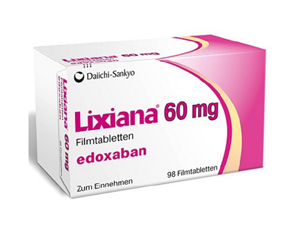
- Product photo of As the patent of 'Lixiana (edoxaban),' a Direct Oral Anti-Coagulant (DOAC), is set to expire, generic companies are entering the competition. On January 21, the Ministry of Food and Drug Satefy (MFDS) approved bioequivalence tests, which are open-label, randomized, two groups, single time-point, cross-over Phase 2 trials involving healthy adult study participants oral administration on an empty stomach, for Hanlim Pharm's 'Edoxaban' and Daiichi Sankyo Korea's 'Lixiana Tab 60 mg.' The Lixiana patents listed in the Ministry of Food and Drug Safety's (MFDS) patent registry are two types: the substance patent, which is set to expire on November 2026, and the composition patent, which is set to expire on August 2028. For the Lixiana composition patent, 10 companies, including Boryung, Dong-A ST, HK inno.N, Samjin Pharm, Shinil Pharma, Chong Kun Dang, Kolmar Pharma, Kolmar Korea, Hutex, and Hanmi Pharmaceutical, have successfully avoided the patent through passive rights scope confirmation trials. Korean companies that won patent avoidance can launch their generics when the substance patent expires in November 2026. To meet this schedule, these companies have been applying for approvals of generic Lixiana and bioequivalent tests since 2023. Dong-A ST was the first to obtain approval for its generic version of Lixiana in 2021. However, despite winning patent avoidance, the company did not meet the requirement for being the first request for trial, so it failed to obtain a right to priority sale. Without a right to priority of sale, 12 companies, including Genuone Sciences, Genu Pharma, Hutex Korea Pharmaceutical, Handok, Shinil Pharma, Ahngook Pharm, Shinpoong Pharm, Nexpharm Korea, Samsung Biologics, Korea Prime Pharm, and Union Korea Pharm, have received approvals for 29 generic products. Additionally, as companies such as CMG Pharmaceutical, Hanlim Pharm, Theragen Etex, and Vivozon conduct bioequivalence tests, competition intensifies in the generic market even before product launches. Lixiana has been ranked top for a long time in the DOAC market, with yearly prescription sales of KRW 100 billion. According to a pharmaceutical market research firm, UBIST, Lixiana's prescript sales for 2023 amounted to KRW 105.3 billion, up 9% from KRW 96.7 billion in 2022. It recorded KRW 55.7 billion in the first half of last year. Lixiana has maintained a leading position in the market since it ranked first in 2019. Analysis suggests that joint sales with Daewoon have contributed positively to the increase in prescription sales.
- Policy
- Hokunalin Patch has been removed from Korea’s reimbursement
- by Lee, Tak-Sun Jan 24, 2025 05:51am
- Hokunalin Patch, asthma and bronchitis deodorant based on tulobuterol, will be removed from the reimbursement list. The move was made upon the expiry of the item’s marketing authorization last month. As a result, only domestic generic versions of the drug are available in South Korea. According to industry sources on Jan. 22, Abbott's 3 versions of Hokunalin Patch (0.5 mg, 1 mg, and 2 mg) will be removed from the reimbursement list on Jan. 1 next month. The drug's domestic license expired on Jan. 1. The medication is an adhesive strip that is applied to the skin. It is characterized by its 24-hour effectiveness after a single application. In particular, it is used for infants and children suffering from asthma as well as acute and chronic bronchitis, as it has fewer side effects than oral medications and can be used from the age of 6 months. Abbott has already announced that it will discontinue the domestic supply of Hokunalin in 2022. The reasons included the end of the contract with the manufacturer and the rising cost of raw materials. However, the company had maintained the domestic marketing authorization for the drug, and with the expiration of the license and the removal from the reimbursement list, Hokunalin Patch will disappear into history. However, there is a six-month grace period before August 1 to apply for insurance reimbursement benefits. The withdrawal of Hokunalin from the domestic market was also due to the emergence of generic drugs. Generic versions of the drug have been available since 2010, and 19 pharmaceutical companies currently maintain licenses. The use of Tulobuterol Patch has been increasing due to the recent surge in respiratory diseases. In response, the government designated the transdermal tulobuterol patch as a national essential medicine in November 2023. In addition, in March last year, the upper insurance price limit was raised by up to 27.2% to address the supply-demand imbalance. However, the field reports that there is still a shortage of tulobuterol deodorant. The number of products being withdrawn is also increasing. From August 2023 to January this year, 21 products from nine pharmaceutical companies did not renew their licenses. “Tulobuterol patch is a product with a high production cost and not much profit,” said an industry official. ”Recently, the price of raw materials has risen, and due to intensified competition between generic companies, more and more companies are leaving.”
- Policy
- Govt plans to expand CDMO capacity by 2.5 times
- by Lee, Hye-Kyung Jan 24, 2025 05:51am
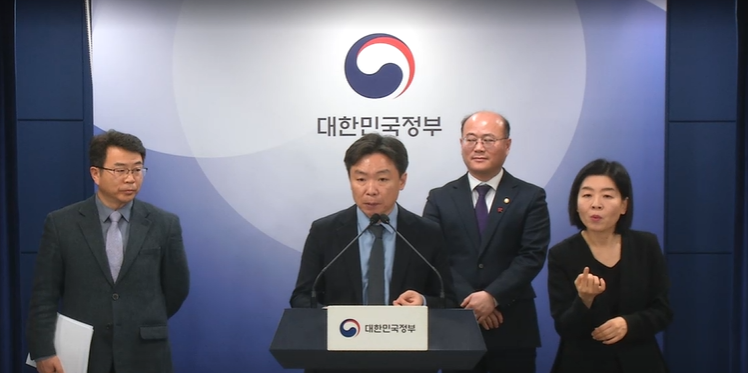
- The government plans to expand Korea’s CDMO manufacturing capacity 2.5 times by 2032 to become the No. 1 global CDMO by 2032. It will also support domestic companies with a 'megafund' by expanding the size of the K-Bio-Vaccine Fund, currently at KRW 600 billion, to over KRW 1 trillion. The government launched the National Bio Commission in anticipation of the global bio market growing to KRW 3.3 trillion by 2027. According to the 'Vision and Mission of the National Bio Commission (draft)’ released at the first meeting, the government will quickly create mega funds worth more than KRW 1 trillion, such as the K-Bio-Vaccine Fund, for early investment and scale-up of bio companies, and build a growth ladder by expanding policy finance and trade insurance support, including preferential interest rates and expanded loan limits. To promote R&D activities of companies, the government will activate M&As and expand tax credits by adding bio-related technologies such as bio buffer and bio jet fuel to the list of national strategic technologies. Also, it will support corporate growth by expanding support bases such as K-Biodesk and Boston CIC (Cambridge Innovation Center) in major overseas countries, along with management consulting and overseas certification support. Sung-hyuk Yoon, Director General of the Ministry of Trade, Industry and Energy “The KRW 1 trillion megafund will be based on the KRW 50 billion Korea Fund for startups in the bio sector, the KRW 300 billion fund created by the Ministry of Health and Welfare, and the KRW 100 billion fund dedicated to green bio and food tech by the Ministry of Agriculture, Food and Rural Affairs,” said Sung-hyuk Yoon, Director General of the Ministry of Trade, Industry and Energy's Advanced Industry Policy Bureau. The K-Bio-Vaccine Fund, which the government has been funding since 2023, is worth KRW 306.6 billion. The third and fourth funds are currently being established, and if the fifth fund is added this year, it will total KRW 600 billion. To expand private investment, the government will reactivate M&A by abolishing the obligation to sell VC stakes and providing loan guarantees for acquisition funds, and expand tax credit benefits by adding bio-related technologies such as bio buffers and bio aviation oil to the list of national strategic technologies. In addition, by 2032, domestic CDMOs plan to expand their production capacity to 2.5 times the current level. “The production capacity of CDMOs in Songdo, Incheon is about 870,000 liters,” said Yoon, adding, ”Domestic CDMOs such as Samsung Biologics are planning to invest KRW 21 trillion, and if this amount is executed, the production capacity will increase to 2.16 million liters by 2032, making it possible to rank first in the world in terms of sales and capacity.” To support the manufacturing base of domestic biotech companies that have the technology to discover new drug candidates but do not have production facilities, the government plans to utilize five public CDMOs already established to help them commercialize their technologies, including cell line manufacturing, sample, and finished product production. In addition, the government will build a Korean bio cluster. It plans to promote convergence between various fields such as red, green, white, and blue bio by linking high-tech medical complexes, R&D zones, and industrial complexes nationwide, and create an ecosystem that runs from R&D to commercialization by attracting key institutions (universities, research institutes, companies, and hospitals). In addition to establishing a 'Bio Cluster Commission’ under the National Bio Committee, it will jointly utilize regional equipment, experts, and startup support programs through a 'virtual platform' connecting 20 clusters, and expand exchanges with leading clusters overseas. “The health and medical sector has been investing and industrializing for so long that there are currently about 18 clusters across the country,” said an MOHW official. ”We cannot physically gather all of them like the Boston cluster in the United States, so we will create a system to share resources based on the virtual platform, such as the facilities, equipment, and incubation centers that each cluster has.”
