
- LOGIN
- MemberShip
- 2026-06-23 19:07:05
- Opinion
- [Reporter’s View] No innovation without failure
- by Son, Hyung-Min Jul 01, 2024 05:47am
- Korean biopharmaceutical companies are exchanging joy and sorrow over out-licensing agreements. Last month, three companies, including HK inno.N, have successfully signed agreements to out-licensing of their new drug candidates in addition to AprilBio and ISU Abxis. In contrast, there are instances where new drug candidates that have been successfully out-licensing are later returned. GC Cell announced that a collaborative R&D agreement with Artiva Biotherapeutic, its U.S. subsidiary, for three treatments for CAR-NK solid tumors in 2021 has terminated. Furthermore, Olix Pharmaceuticals and Curacle received notifications of contract terminations from France’s Thea Open Innovation last month. In April, Voronoi terminated the out-licensing agreement made in 2022 with METiS Therapeutics, a biotech company in the United States, for its solid tumor treatment VRN14. Yet, it is too early to be disappointed about the termination of out-licensing agreements. There are instances where companies can succeed by developing drugs for new indications. For instance, last year, Hanmi Pharmaceutical confirmed the potential of Poseltinib for the treatment for recurrent or diffuse large B-cell lymphoma (DLBCL). The licensing of Poseltinib, a BTK inhibitor under development by Hanmi Pharmaceutical, was returned from Lily in January 2019 because the efficacy of the drug was not confirmed in a phase 2 trial involving patients with rheumatoid arthritis. Additionally, Hanmi Pharmaceutical is showing a process in clinical trials for efpeglenatide, a new drug candidate for obesity. Efpeglenatide is a product that initially struck a licensing agreement with Sanofi in 2015 to treat diabetes and later returned to Hanmi Pharmaceutical. Then, Hanmi Pharmaceutical changed its development strategy for this drug to a Korean-focused obesity treatment. Based on recent clinical results, Efpeglenatide demonstrated weight loss effects. During the new drug development process, selecting and focusing are necessary steps. The company’s R&D strategy can be changed, and instances of new drug candidates that fail to demonstrate efficacy can occur. Out-licensing returns are common practice in the pharmaceutical industry. Fortunately, none of the four returned new drug candidates had significant issues regarding their efficacy. Companies with returned technologies plan to proceed with later phases of clinical trials without delays. Now is the time for companies to clearly announce their potential development directions to seek future investment opportunities. When clear directions are suggested, they could seek opportunities to out-license their new drug candidates again. There is no innovation without failure. If a company firmly believes in a pipeline item (new drug candidate), it may not worry about each case of returned licensing or the success of out-licensing. Only the companies that are not discouraged or give up are poised to survive.
- Company
- GC Cell-Artiva-MSD’s 'CAR-NK' co-R&D deal terminated
- by Kim, Jin-Gu Jun 28, 2024 04:33am
- Despite the recent termination of the collaborative R&D agreement with MSD, GC Cell and Artiva will continue their collaborative research on ‘CAR-NK solid tumor treatment.’ GC Cell and Artiva Biotherapeutic’s collaborative research and development (R&D) agreement with MSD for ‘CAR-NK solid tumor treatment’ has been terminated. MSD informed Artiva Biotherapeutic, GC Cell’s U.S. subsidiary, of the contract termination. As a result, Artiva Biotherapeutic and GC Cell’s research agreement has been automatically ended. On June 25th, GC Cell announced a collaborative R&D agreement with Artiva Biotherapeutic for three treatments for CAR-NK solid tumors has terminated. In January 2021, GC Cell signed a collaborative R&D agreement with Artiva for CAR-NK cell treatment targeting solid tumors. GC Cell received an upfront payment of US$15 million (approximately KRW 17 billion) and was to receive milestone payments of up to US$966.75 million (approximately KRW 1.34 trillion). At that time, MSD joined the agreement as well. Artiva was responsible for R&D, with MSD participating as the main sponsor. GC Cell was responsible for the research aspect of Artiva’s R&D. Then, GC Cell completed the research requested by Artiva and delivered the results. However, despite this effort, MSD recently informed Artiva of the contract termination due to an internal decision. As a result, the agreement between Artiva and GC Cell was also terminated. GC Cell stated that despite the termination of the collaborative R&D agreement, with MSD participating as the main sponsor, the CAR-NK platform research conducted by GC Cell and Artiva as a collaborative effort will continue. GC Cell is collaborating with Artiva to conduct research on three candidate products, including AB-101, AB-201, and AB-202. Specifically, AB-101 is in a phase 1/2a trial in the United States. AB-201 has received IND approval for its phase 1 trial in the United States. The company is preparing to enter the U.S. clinical trial for AB-202. “The 2021 agreement was primarily led by Artiva. After the contract between Artiva and MSD was terminated, the agreement between GC Cell and Artiva automatically ended,” GC Cell’s official said. “Consequently, we are not obligated to return the upfront payment of US$15 million.“ The GC Cell official explained, “This does not mean the end of collaborative R&D of the CAR-NK platform with Artiva. GC Cell will primarily continue the R&D of the CAR-NK platform.”
- Company
- KOD will service platform for epilepsy patients next year
- by Lee, Tak-Sun Jun 28, 2024 04:33am
- A platform for epilepsy patients and healthcare professionals will soon be launched in Korea. Japan's Knock on the Door (KOD) announced in May that it has established its branch in Seoul and is preparing to launch the service next year. KOD was established in Tokyo, Japan, in 2018 with the goal of "Realizing a society where patients with intractable diseases and their families can shine and always stay true to themselves.” Hiroomi Hayashi, Representative Director of KOD, said, “To achieve this goal, we provide a platform where we work with patients with intractable diseases and their families to improve their medical care, life, and quality of life.” Specifically, KOD has built a platform for Japanese patients with intractable epilepsy. The platform includes "nanacara," an application that allows patients to record symptoms such as seizures and medication information, "nanacara for Dr.," which allows specialists to check the information recorded by patients and their families during medical visits, and "nana-medi," an online medical consultation and medication guidance service that allows patients to connect with specialists and pharmacists anywhere in the country. Director Hayashi explained, "By leveraging our accumulated data and network of patients, families, and doctors that use Nanacara, we provide solutions to pharmaceutical companies to help improve the quality of medical care for intractable diseases. We strive to create a society where high-quality medical care can be quickly accessed anywhere in Japan." Currently, there are approximately 1 million people with epilepsy in Japan. Approximately 300,000 are intractable epilepsy patients and approximately 100,000 are pediatric intractable epilepsy patients. There are about 900 epilepsy specialists in Japan, affiliated with 450 medical institutions. Currently, about 30,000 people in Japan have downloaded and used Nanacara, mainly pediatric intractable epilepsy patients and their families. This is around 30% of the affected patients in Japan. In addition, 265 of the approximately 450 medical institutions with epilepsy specialists have adopted Nanacara for Dr., which represents a 60% share. Director Hayashi said, “Through these platforms, we can now more easily and accurately measure the patients' seizure records and facilitate smoother communication with healthcare professionals in their institutions. Many patients and their families have also gained physical and mental relief with the use of our platform.” KOD began communicating with epilepsy patients and families in Korea last year. During the discussions, the company identified the need to document seizure records and rapid delivery of information amongst Korean patients as well. To address the need, KOD established a branch office in Seoul in May and is preparing to launch the service in 2025. In Korea, Nanacara will be rebranded as 'Borabora.’ Director Hayashi added, "We want to create an environment in Korea where more people can support people with epilepsy, and where people with epilepsy can live true to themselves. We hope that many people in Korea will use the platform and contribute to establishing an environment where patients can continue living a rewarding and valuable life.” KOD also participated in the International Epilepsy Congress that was held in Seoul from the 21st to the 22nd and held a booth presentation for Nanacara. During the exhibition, we received many opinions from Korean epileptologists. Building on the input, we will begin preparations to make Nanacara for Dr. available to Korean epileptologists as well. "We will also actively promote cooperation with related pharmaceutical companies that develop and provide anti-epileptic drugs in Korea. We hope our collective efforts will contribute to the development of medical care for epilepsy in Korea."

- Company
- MSD seeks to expand NIP subjects for Gardasil
- by Hwang, Byung-woo Jun 28, 2024 04:33am
- With the aim of expanding coverage of its human papillomavirus (HPV) vaccine within the National Immunization Program (NIP), MSD Korea has been working to improve its vaccine awareness. Expanding NIP coverage of the HPV vaccine is one of the hot topics on the government's agenda. In fact, it was ranked the third-most important task in the 'Establishing a Mid- to Long-term Plan for the National Immunization Program' study. MSD KoreaHowever, the fact that the government has set limits on the cost and subject is acting as an obstacle. According to the study, the issues discussed expanding NIP coverage to 'vaccination of girls under 12 years of age with Gardasil 9' and 'vaccination of boys under 12 years of age'. In the study, expanding vaccination of Gardasil 9 to 12-year-old girls ranked third in the overall priority list. However, vaccinating 12-year-old boys with Gardasil 9 was set as the sixth priority. The researchers differentiated the priority for the same vaccine by subject. Against this backdrop, MSD Korea has been emphasizing the need for HPV vaccination in both boys and girls At a conference held in late May, MSD Korea mentioned that 33 out of the 38 Organization for Economic Co-operation and Development (OECD) countries (as of April 24, 2014) have introduced NIP for male HPV vaccinations. Sei-Young Lee, Professor of Otolaryngology and Head-and-Neck Surgery at Chung-Ang University Hospital, said, "In men, HPV-related cancers and diseases on the rise globally, and their effect in increasing disease burden and reducing the quality of life are being undermined. Korea's male HPV vaccination rate is in the single digits, which is far below that of Australia and the United Kingdom, which have been actively carrying out HPV prevention programs." In this situation, MSD Korea is trying to build awareness of the need through social media activities. In addition to the top-down approach of emphasizing the need for HPV vaccination through pharmaceutical companies and academic communities, MSD is also working on a bottom-up approach, increasing awareness of the need for Garadsil’s coverage through NIP amongst vaccine recipients. The company has been promoting the need for HPV vaccination through social media outlets that are occupied by young people during the back-to-school season, coming-of-age day, etc. The key message is that both men and women need to be vaccinated. Pic of Gardasil 9An industry official said, "The ultimate aim for most vaccines is to be included in the NIP, so MSD Korea is constantly knocking on the door for expanded NIP coverage for Gardasil 9. Awareness-raising activities can be cumbersome as even social media posts are subject to advertising review, but the company seems to have recognized the need to increase awareness." According to the drug research institution IQVIA, Gardasil 9’s sales grew to KRW 72.6 billion in 2021, and to KRW 117 billion in 2022, then fell to KRW 106.4 billion last year. If the NIP is only applied to HPV vaccines vaccinated to women, and the product is switched to Gardasil 9, its sales could further decrease due to lowered supply prices. In other words, apart from including male HPV vaccinations in the NIP, the company would need to build awareness of its needs. An industry insider said, "If Gardasil 9 is included in the NIP, the government’s supply price will have to be lower than the current market price. If the NIP vaccination covers boys, the reduced price will be offset by the increased coverage. Even if MSD's best-case scenario of expanding coverage to both genders does not become realized, improving awareness would be essential for sales."
- Company
- Spinraza tops Q1 revenue in SMA mkt with KRW 17.7 billion
- by Nho, Byung Chul Jun 28, 2024 04:32am
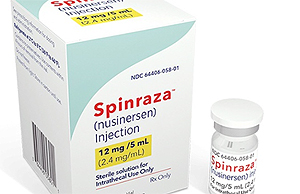
- (From the left) Spinraxa Inj, Zolgensma Inj, and Evrysdi for spinal muscular atrophy Biogen Korea's Spinraza remains the No. 1 drug for spinal muscular atrophy (SMA) in the KRW 80 billion market. However, its performance has been somewhat sluggish due to the launch of competitors such as Roche Korea’s Evrysdi and Novartis’s Zolgensma. In terms of drug distribution performance, Spinraza's sales in Q1 of this year were KRW 17.7 billion, 9 to 14 times higher than that of Zolgensma (KRW 1.8 billion) and Evrysdi (KRW 1.2 billion). Sales of Spinraza (nusinersen sodium) were in the range of KRW 72.2 billion, KRW 61.2 billion, KRW 62.3 billion, and KRW 58.9 billion, in 2020, 2021, 2022, and 2023, respectively. Zolgensma (onasemnogene abeparvovec), which was approved in Korea in 2021 sold KRW 16.2 billion and KRW 14.4 billion in 2022 and 2023, respectively. Evrysdi (risdiplam), which was approved by the MFDS in 2020 generated KRW 600 million and KRW 1.123 billion during the same period. What is unusual is that Zolgensma exceeded last year's sales in just the first quarter of this year, while Evrysdi’s sales tend to be somewhat sluggish in terms of quarterly results alone. Spinraza (5m), Evrysdi (80ml), and Zolgensma (1 kit) are all ultra-high-priced orphan drugs and are priced at KRW 92.35 million, KRW 9.52 million, and KRW 1.98172 billion, respectively. . Spinraza can be administered directly to the central nervous system, where motor neurons are located, through intrathecal injection to deliver the treatment at the source of the disease. It can also be administered in multiple doses, making it easier to monitor clinical outcomes. Based on clinical study data and real-world evidence (RWE) accumulated over up to 8 years of treatment, the treatment has confirmed sustained efficacy and safety profile across all ages and types of patients. In addition, its reimbursement extension to patients with Type 3 SMA who have developed symptoms after the age of 3 is working in favor of the drug. As a one-shot treatment, Zolgensma works by inserting a functional replacement copy of the SMN1 gene into a carrier called a vector and delivering it to motor neuron cells in the body via intravenous infusion. The disadvantage is that it is difficult to administer multiple doses to patients who cannot be treated with a single dose.
- Policy
- Gov't releases generic drug price comparison study results
- by Lee, Tak-Sun Jun 27, 2024 05:47am
- The government's decision to fully disclose the 'Study on Measures to Improve the Generic Drug Pricing System,' which ended in April, ahead of the final meeting for the external reference pricing reevaluations, is being analyzed as a sign that the authorities intend to push ahead its plan to cut generic drug price through reevaluations. In particular, the industry believes the government is using media to publicize the study findings that the generic drug price is up to 10 times more expensive in Korea than in other countries, excluding the U.S., as a means to justify the reevaluation. According to industry sources on the 25th, the 10th meeting on the external reference pricing reevaluations is scheduled for the 27th. The government is reportedly planning to finalize the process of collecting opinions from the pharmaceutical industry within this month. Therefore, the 10th meeting is expected to be the final meeting between the government and the industry. In this situation, there are voices that the recently released study on how to improve the generic drug pricing system is just the government’s means to justify its plan for external reference pricing reevaluations. The study compared drug prices with the A7 countries (Canada, France, Germany, Italy, Japan, Switzerland, and the United Kingdom), excluding the United States, where generic prices are relatively high. As a result, as of 2022, the price of hyperlipidemia generics in most countries was 0.09 to 0.41 times cheaper than those in Korea. However, the study concluded that the comparison of Korean generic drug prices with those of A8 countries showed differences by efficacy group and API and that there is a limit to unilaterally applying price cuts to generic drugs. The pharmaceutical industry analyzes that the comparison of drug prices excluding the U.S. used in the study is similar to the recent government's proposed external reference pricing reevaluation, which suggested using an adjusted average price that excludes the highest and lowest prices among the A8 countries. This is because excluding the highest price removes the U.S. price, which has the highest generic drug prices, from the comparison. As shown in the study, excluding the U.S. price will lead to Korea having relatively high prices for hyperlipidemia drugs, and domestic pharmaceutical companies are concerned that the performance of related generic drugs will suffer from the price cuts that may follow. An industry official said, "Off-patent drugs can become cheaper abroad than in Korea over time. In foreign countries, generics occupy a higher market share than the original over time, so they can maintain sales even at the lowered price." On the other hand, the industry official explained that there is no difference between Korea and the A8 countries when comparing generics that newly entered the market upon patent expiry. "It is problematic to compare overall prices based on only one aspect when generic prices vary depending on the time of launch or disease. We should be giving incentives to increase the generic drugs’ market share and grow the market pie like foreign countries." The study also proposed the creation of a market structure that allows generic drugs to gain competitiveness. For example, in order to create a drug pricing structure where drug prices can be reduced over time after generics enter the market, it is necessary to strengthen not only the pricing policies used at the time of drug listing but also policies to encourage the use of low-priced products in the field. However, the government will likely first focus on lowering domestic generic prices through external reference pricing system.
- Company
- 'Increased' competitiveness in autoimmune diseases
- by Son, Hyung-Min Jun 27, 2024 05:47am
- The Korean biopharmaceutical industry is successfully signing license agreements of drugs for autoimmune diseases. HK inno. N, IMBiologics, and Y-Biologics have signed license agreements for their jointly developed novel drug candidates. AprilBio has also signed a license agreement for a novel drug candidate that has shown efficacy in a phase 1 trial. This is not the first time Korean companies have successfully entered into license agreements for novel drugs for autoimmune diseases. LG Chem, Voronoi, Hanall Biopharma, and Daewoong have also completed technology transfers overseas. Even after out-licensing, these treatments have demonstrated efficacy, confirming South Korea’s R&D capacity. Autoimmune diseases occur when the body’s immune system attacks healthy cells after mistakenly recognizing them as antigens rather than exterior antigens, such as germs and viruses. Since the cause of these diseases is still unknown, targeted treatments are not available. As a result, there is an unmet need for more new treatment options. According to industry sources on June 25th, HK inno. N signed a license agreement with Navigator Medicines, a U.S. new drug development company, for 'IMB-101,' a novel drug candidate for the treatment of autoimmune diseases. The contract totaled US$940 million (approximately KRW 1.3 trillion), including an up-front payment of US$20 million (KRW 27.6 billion). Navigator Medicines secured global development and sales rights through this agreement, excluding Asia. IMB-101 was jointly developed by HK inno. N and Y-Biologics in 2016, and it was transferred to IM Biologics in 2020. The current agreement was led by IM Biologics, a bioventure company established by people who worked at HK inno.N. IMB-101 is a novel bispecific antibody candidate that is designed to target both OX40L and TNF, simultaneously modulating adaptive and innate immune responses. OX40L pathway is involved in activating T cells, and TNF is a cell signaling protein involved in immune responses. Until now, no novel drugs have targeted both OX40L and TNF. IBM-101 and Sanofi’s SAR442970, in a phase 2 trial, are the only two novel drug candidates that have entered clinical trials. IM Biologics received approval from the U.S. Food and Drug Administration (FDA) to conduct Phase 1 trials for 'IMB-101' in August of last year. The company is currently conducting a Phase 1 trial. Phase 1 trial will evaluate the safety and drug tolerance of the drug in healthy adults and in patients with autoimmune diseases. AprilBio has also successfully signed a license agreement with Evommune, a novel drug development company in the United States, for 'APB-R3,' a novel drug candidate for the treatment of autoimmune diseases. The deal was valued at a total amount of up to US$475 million (approximately KRW 655 billion), including a non-refundable up-front payment of US$15 million (KRW 20.7 billion). The sales royalty will be paid separately. APB-R3 is a biologics candidate targeting interleukin (IL)-18. So far, there are no commercialized products with similar mechanisms of action. Once APB-R3 is commercialized, it will become the first-in-class. AprilBio has confirmed the drug tolerance and safety of APB-R3 in a phase 1 trial. Evommune plans to conduct a phase 2 trial of APB-R3 in the first half of next year. This marks the second time AprilBio has signed a license agreement for novel drug candidates for treating autoimmune diseases. In 2021, it out-licensed APB-A1 to Danish pharmaceutical company Lundbeck for US$448 million (approximately KRW 540 billion). APB-A1 is a novel drug candidate that inhibits CD40L.. CD40L is commonly expressed in activated T-cells due to inflammations. When T Cells’ CD40L binds to CD40 of natural killer cells, large quantities of cytokines are released. APB-A1 works by targeting CD40, inhibiting the formation of cytokine-releasing antibodies through B cells and natural killer cells. Now, UCB’s dapirolizumab and the U.S. biotech company Horizon Therapeutics’ Dazodalibep are under development with mechanisms of action similar to APB-A1. Increased out-licensing of novel drugs for autoimmune diseases…clinical trials are making good progress Clinical trials conducted by companies that have developed novel drug candidates for autoimmune diseases are going well. Hanall Biopharma is developing a subcutaneous formulation of a drug candidate for FcRn antibody therapy batoclimab (HL161). In 2017, Hanall Biopharma out-licensed HL161, a drug candidate for the treatment of autoimmune diseases, to Roivant Sciences, a Swiss company that also owns Immunovant. The company is investigating the potential of batoclimab for treating various autoimmune diseases, including myasthenia gravis (MG), thyroid eye disease (TED), immune thrombocytopenic purpura (ITP), neuromyelitis optica (NMO), and chronic inflammatory demyelinating polyradiculoneuropathy (CIDP). The efficacy of batoclimab has been confirmed in a phase 2 trial, and it is currently undergoing multinational phase 3 trials. Hanall Biopharma plans to present its top-line results within this year. LG Chem is developing an autoimmune disease pipeline, ‘LC510255.’ In 2021, the company successfully out-licensed the pipeline to China’s TransThera Biosciences. The drug is undergoing a phase 2 trial involving patients with ulcerative colitis and atopic dermatitis. The drug tolerance and satey of LC510255 have been confirmed in a phase 1 trial. Daewoong Pharmaceutical is developing a novel drug called 'DWP213388' for the treatment of autoimmune diseases. DWP213388 has a bispecific mechanism of inhibiting both BTK and ITK, which are involved in activating immune cells such as B cells and T Cells. The phase 1 trial is being conducted in the United States. Daewoong Pharmaceutical has proven its potential by signing a global license agreement with Vitalli Bio of the United States for DWP213388 at the Korea-U.S. Digital and Bio-Health Business Forum, which was held in Boston, U.S., last year. The agreement amounted to US$477 million, including an up-front payment of US$11 million, excluding a royalty payment.
- Policy
- Some Akynzeo products recalled due to insufficient API
- by Lee, Hye-Kyung Jun 27, 2024 05:47am
- The Ministry of Food and Drug Safety (MFDS) recalled some lot numbers of HK Inno.N's antiemetic ‘Akynzeo Cap’ after confirming the possibility that the drug may not contain enough active pharmaceutical ingredient (API). On the 21st, the MFDS issued a recall order for Akynzeo batch number '43000563 [2026-11-30].’ The reason for the recall was the possibility of the drug lacking some of its API (palonosetron hydrochloride). HK Inno.N also informed wholesalers of the voluntary recall of Akynzeo and asked them to send the drug back to the warehouses of companies that have the affected product. HK Inno.N imported Akynzeo from the Swiss pharmaceutical company Helsinn. It is indicated for the prevention of initial nausea and vomiting or the prevention of acute and delayed nausea and vomiting induced by repeated treatment in adults receiving moderate emetogenic cancer chemotherapy. It contains fosnetupitant (as chloride hydrochloride) and palonosetron hydrochloride, which work by inhibiting neural pathways involved in nausea and vomiting. Both ingredients have a long plasma half-life, making them effective antiemetic agents.
- Company
- New drug 'Mylotarg' for AML makes another attempt at reimb
- by Eo, Yun-Ho Jun 27, 2024 05:47am
- Pfizer Korea’s Mylotarg (gemtuzumab ozogamicin), a treatment for acute myeloid leukemia (AML). A new drug 'Mylotarg' for the treatment of acute myeloid leukemia (AML) is making another attempt to obtain insurance reimbursement listing. According to industry sources, Pfizer Korea has recently reapplied for reimbursement review for Mylotarg (gemtuzumab ozogamicin), a treatment for acute myeloid leukemia (AML). In May 2022, Mylotarg was considered for review by the Cancer Disease Review Committee of the Health Insurance Review and Assessment Service (HIRA). However, it received a decision of unestablished reimbursement criteria. It passed the Cancer Disease Review Committee review in October last year, but the subsequent decision was canceled. It is to be watched whether Mylotarg, which previously failed, will successfully acquire the listing this round. This drug is an antibody-drug conjugate (ADC) that can be used for the first-line treatment of newly diagnosed adult patients with CD33-positive AML. Mylotarg received approval in South Korea in December 2021. It is an ADC made of a CD33-targeting monoclonal antibody and calicheamicin. Mylotarg works in CD33-antigen-expressing cells found in 90% of all AML patients. The drug blocks the cancer cell growth and induces cell death through this mechanism. The basis of Mylotarg was a clinical trial involving 271 AML patients, aged between 50 and 70 years, who had not received any treatment before and were newly diagnosed. ALFA-0701 clinical trial of Mylotarg was conducted as an open-label, randomized, multi-center Phase 3 trial. The trial compared the conventional chemotherapy of daunorubicin plus cytarabine to the combination therapy of Mylotarg plus daunorubicin plus cytarabine. The result showed that the Mylotarg plus daunorubicin plus cytarabine combination therapy group had a median event-free survival (EFS) of 17.3 months, which was 7.8 months longer than 9.5 months of the daunorubicin plus cytarabine combination therapy group. It also reduced the risks of induction failure, relapse, or death by approximately 44%. The Mylotarg plus daunorubicin plus cytarabine combination therapy group had a median relapse-free survival (RFS) of 28.0 months, whereas the daunorubicin plus cytarabine combination therapy group had an RFS of 11.4 months, showing a significant difference of approximately 16.6 months. Furthermore, the Mylotarg plus daunorubicin plus cytarabine combination therapy group had an overall survival (OS) of 27.5 months, whereas the daunorubicin plus cytarabine combination therapy group had an OS of 21.8 months, indicating no statistical significance.

- InterView
- ‘Leqembi enables prevention of Alzheimer's disease’
- by Son, Hyung-Min Jun 27, 2024 05:47am
- Duk Lyul Na, Director of the Happymind Clinic (former Professor of Neurology at Samsung Medical Center,), "Now that there is a treatment for Alzheimer's disease, we can prevent dementia by 90% if it is detected early. With better drugs expected to be developed in the future, we should provide timely treatment for the patients so they can live to grasp that new opportunity." Duk Lyul Na, Director of the Happymind Clinic (former Professor of Neurology at Samsung Medical Center,), stressed the importance of treating Alzheimer's disease early during a meeting with Dailypharm. Alzheimer's disease has been one of the unexplored areas of treatment. Since the hypothesis that Alzheimer's disease is caused by amyloid beta emerged, drugs targeting amyloid beta were developed, to no effect. One such drug was Eisai’s Aduhelm (aducanumab). Because the amyloid beta hypothesis was first received with doubt at the time, there was not much trust in the drug, but it showed an effect. However, Aduhelm was withdrawn from the market due to its high price and concerns about side effects. Then came Leqembi (lecanemab-irmb). Developed by Eisai and Biogen, Leqembi has shown efficacy in early-stage Alzheimer's disease in clinical trials and has cleared the regulatory hurdles in South Korea, the United States, Japan, and China. The introduction of Leqembi has raised hopes of conquering dementia by allowing a more fundamental treatment that goes beyond symptom relief. Director Na emphasized that treatments that target amyloid beta are more likely to make a difference than those that do not, and that starting treatment at the earliest stages of dementia is key to maximizing the treatment effect. Leqembi delays disease progression by 27% in phase III trial Leqembi, the first drug approved in Korea, was shown to delay the rate of Alzheimer's disease progression by 27% compared to placebo in the Phase 3 Clarity AD study. The study compared the efficacy and safety of Leqembi versus placebo in 1,795 patients aged 50 to 90 years with early Alzheimer's disease who had evidence of brain amyloid accumulation on positron emission tomography (PET) or cerebrospinal fluid tests. Study results showed that the primary endpoint, the Clinical. Dementia Rating Sum of Boxes (CDR-SB) score at 18 months post-dose, was 1.21 in the Leqembi arm. This was lower than the 1.66 recorded by the placebo group. Higher scores indicate worse symptoms. One of the secondary endpoints, change in amyloid deposition via PET, was also reduced in the Leqembi arm starting at 3 months after administration. "In other diseases, such as diabetes and cancer, patients often get better with treatment, but in brain diseases, stopping disease progression is near a miracle. The 27% effect in slowing disease progression compared to placebo includes patients with mild cognitive impairment and early Alzheimer’s type dementia. If treatment is started at an earlier stage, we expect the effect to be greater.” But there are concerns about side effects. In the trial, Leqembi’s incidence of ARIA-E with cerebral edema was 12.6%, and ARIA-H with cerebral hemorrhage was 17.3%. "Aducanumab, which was introduced before Leqembi, had a reported ARIA-E rate in the 40% range, but in the real world, the rate was about 19%, not as high as in clinical studies. In the field, the dose was increased more slowly than standard and patients were monitored via MRI every month, so we were able to respond early to side effects " "Therefore, Leqembi’s side effects can also be managed by closely monitoring patients and proactive management. For reference, the high cost of MRI in the U.S. makes it difficult to perform frequent MRI tests, but Korea has a relatively favorable environment for frequent testing." "First new drug for Alzheimer’s in Korea...Early Alzheimer's patients should be treated aggressively with the drug” Director Na stressed how patients should be aggressively treated with the introduction of the first new drug for Alzheimer's disease. According to Dr. Na, the treatment effect for Alzheimer's disease is not high if it is detected and treated at the middle or early to mid-stage of the disease. "If there is even a small amount of brain atrophy found via MRI, there is a high probability that the amyloid PET test will be positive. Therefore, if you can afford it, I recommend taking the APOE gene test. Depending on the results, you can confirm Alzheimer's lesions with an amyloid PET test. The best option is to remove amyloid beta from the brain while the patient’s cognitive function is still normal." "The earlier we can treat the disease, the less financial and disease burden it can cause. Also, if we can maintain the disease without progression, another opportunity may come for the patients to be treated when new therapies become available." In particular, Na noted that if the disease is left untreated in the early stages, it can become more costly and distressing for the patients and their families. Treatment with lecanemab is expected to cost KRW 20 to 30 million annually. If the patient starts treatment in the early stages of Alzheimer's disease when there are no symptoms and the amyloid beta is cleared, the cost spent will be enough to cure the condition. However, if symptoms appear and the disease progresses to dementia, it is likely to cost an additional KRW 300 to 500 million per month in care costs alone. Na explained, “I have been treating dementia patients for more than 30 years, and I have seen how dire the situation is for patients with amyloid beta accumulation in the brain. In practice, the ratio of positive and negative amyloid PET scans in patients with mild cognitive impairment is about 50 to 50. And the difference between the two patient groups increases over time. As the disease progresses, the friction between patients and their caregivers increases and the burden of care becomes significantly higher. In this sense, Leqembi is an essential treatment that can alleviate the suffering of these families." "We now live in a world where Alzheimer's can be prevented 90% of the time if it is detected in advance. If the patient’s amyloid PET test comes out negative, it is also good as they can enjoy the rest of their life without concern. I ask patients to receive testing in advance and become aware of their condition. This way they can live without vague fears and prevent dementia.”
