
- LOGIN
- MemberShip
- 2026-06-24 14:35:10
- Company
- K-made anticancer drugs Leclaza, Rolontis show sales growth
- by Chon, Seung-Hyun Feb 22, 2024 05:49am
- New anticancer drugs developed by Korean pharmaceutical companies are showing a steady growth path in the market. Yuhan’s Leclaza, a lung cancer treatment, surpassed 20 billion won in annual sales, becoming the first domestically developed anticancer drug to achieve this. Hanmi’s Rolontis, a treatment for neutropenia, reached 10 billion won in sales just two years after its launch. Last year, Leclaza generated 22.6 billion won in sales, showing a 40.3% year-over-year (YoY) growth, according to a drug market research company IQVIA on the 21st. Leclaza is the 31st domestically developed new drug approved in Korea for treating non-small cell lung cancer (NSCLC) in January 2021. Leclaza entered the prescription market after its reimbursement listing in July 2021. The following year after its launch, Leclaza’s sales surpassed 10 billion won, reaching 16.1 billion won. Last year, Leclaza surpassed 20 billion won in sales. Qauterly Leclaza sales trend (Unit: 1 million won, Source: IQVIA). Leclaza was the first domestically developed anticancer drug to surpass annual sales of 10 billion won and later achieved sales of over 20 billion won. Domestically developed new anticancer drugs receiving approval before Leclaza are Il-Yang Pharm's Supect, Dong-A Pharm's Milican, Chong Kun Dang's Camtobell, Samsung Pharm’s Riavax, and Hanmi Pharm's Olita. None of these drugs have exceeded annual sales of 10 billion won. The expanded reimbursement of Leclaza as a first-line treatment will likely drive rapid market growth. Initially, Leclaza was approved as a second-line treatment for locally advanced or metastatic NSCLC that had developed acquired resistance due to a specific genetic mutation (T790M) following the administration of first or second-generation epidermal growth factor receptor (EGFR) tyrosine kinase inhibitors (TKI). Then, Leclaza has received approval for use as a first-line treatment. Last June, the Ministry of Food and Drug Safety (MFDS) approved the application for approval of changes for expanding the use of Yuhan’s Leclaza to a ‘first-line treatment of NSCLC.’ Yuhan submitted an application to the Ministry of Health and Welfare (MOHW) for Leclaza’s reimbursement as a first-line treatment. The MOHW approved Leclaza’s reimbursement expansion to include its use as a first-line treatment last month. Starting this year, Leclaza became available for health insurance reimbursement as a ‘first-line treatment of locally advanced or metastatic non-small cell lung cancer (NSCLC) with specific genetic mutations.’ The MOHW has estimated that granting reimbursement of Leclaza as a first-line treatment option will require an additional budget of 88.1 billion won. Numerically, there is potential for Leclaza’s sales to surpass 1 trillion won next year. However, competition is expected to increase due to expanded reimbursement of Tagrisso, a similar drug in the same class. Hanmi’s Rolontis generated 11.4 billion won in sales last year, expanding three times compared to its 2022 sales of 3.2 billion won. Rolantis became the second domestically developed new anticancer drug, after Leclaza, to exceed annual sales of 10 billion won. Quarterly Rolontis sales trend (Unit: 1 million won, Source: IQVIA). Rolontis is administered to cancer patients who have undergone myelosuppressive chemotherapy as a treatment of neutropenia or as a preventative measure. Rolontis belongs to a granulocyte colony-stimulating factor (G-CSF) class, which stimulates granulocytes to enhance neutrophil production. It shows a mechanism of action similar to Amgen’s blockbuster drug, Neulasta. After it generated its first sales in Q1 of 2022, Rolontis showed a steady growth in sales. It surpassed 2 billion won in sales last Q1; later, it surpassed 3 billion won in the previous Q4. After its launch, Rolontis generated a cumulative sales of 14.6 billion won. Rolontis is a domestically developed new drug that also received approval from the U.S. Food and Drug Administration (FDA). In 2012, Hanmi Pharm made a technology transport of Rolontis to Spectrum. In September 2021, it won FDA approval under the U.S. product name of Rolvedon. Initially, Rolvedon secured FDA approval after Spectrum Pharmaceutical acquired Rolvedon’s technology transport. Following the approval, Assertio Holdings, a pharmaceutical company specializing in the central nervous system, pain, and inflammation, acquired Spectrum in April last year.
- Policy
- ‘Gavreto’ withdrawn from KOR amid reimb rejection
- by Lee, Hye-Kyung Feb 21, 2024 05:45am
- BPM made a decision to discontinue selling and developing Gavreto in all countries except the United States and China. ‘Gavreto Cap. 100mg (pralsetinib),’ previously managed by Roche Korea, will be withdrawn from the Korean market. In February 2023, Roche announced its decision to terminate the global partnership agreement with Blueprint Medicines Corporation (BPM), the drug’s original developer. Furthermore, Gavreto did not clear the reimbursement hurdle, leading to the voluntary withdrawal of its Biologics License Application (BLA). Gavreto will no longer be available in South Korea as BPM, the original developer of Gavreto, does not hold a division in Korea, and a search for a new partner has been unsuccessful. “Gavreto has not been prescribed since June 2023, and there are currently no patients using the drug,” Roche Korea said reporting to the Ministry of Food and Drug Safety (MFDS) recently. “The company has 134 in stock, with the last import date being April 11th.” Gavreto was granted a BLA approval in South Korea for its use as a treatment for non-small cell lung cancer (NSCLC) on March 29th, 2022. As targeted therapies for RET(REarranged during Transfection) gene mutation, Gavreto and ‘Retevmo Cap. (selpercatinib)’ were expected to be competitors in the market. However, the two drugs went different paths in Korea. Retevmo was deemed suitable for reimbursement by the Cancer Drug Review Committee of the Health Insurance Review and Assessment Service (HIRA). Gavreto, on the other hand, received a non-reimbursement decision. However, Retevmo failed to be listed for reimbursement due to unsuccessful drug pricing negotiations with the National Health Insurance Service (NHIS). Currently, there are no RET-targeted therapy that are eligible for reimbursement. RET, which is one of the essential imaging biomarkers for cancer, can cause malignant tumors by a fusion with another gene or point mutations. Certain types of cancers, including lung cancer, breast cancer, and colorectal cancer, are associated with RET mutations. The frequency of RET mutations in NSCLC is about 2-6%, while RET fusion mutations in thyroid cancer are reported to be up to 40%. “While there is no identical drug to Gavreto available, a similar formulation called Retevmo with the same indication is available in the market,” Roche stated. “Considering the small number of eligible patients for this indication, it appears appropriate to use targeted therapy for RET gene mutations within the same class.” The withdrawal of Gavreto is not limited to South Korea. “On January 8th of this year, BPM made a decision to discontinue selling and developing Gavreto in all countries except the United States and China,” said Roche. “(In South Korea), we plan to voluntarily withdraw the BLA after completing the import discontinuation reporting process.”
- Company
- K-CAB and Fexuclue, new P-CAB drugs, expand globally
- by Kim, Jin-Gu Feb 21, 2024 05:45am
- HK inno.N’s K-CAB (Left) and Daewoong Pharmaceutical’s Fexuclue (Right). New P-CAB class drugs, K-CAB (tegoprazan) and Fexuclue (fexuprazan), for treating gastroesophageal reflux disease are competing for global entries. HK inno.N’s K-CAB has entered 35 countries globally through technology exports or finished product exports. Within a year of its launch, Daewoong Pharmaceutical’s Fexuclue has been introduced to 24 countries, including Korea. Both companies are aiming to reach 1 trillion in sales. K-CAB has expanded to 35 countries globally, and the company “Aims to achieve 1 trillion won in global sales” HK inno.N announced on the 20th that K-CAB has recently received product approval from the Agencia Nacional de Medicamentos (ANAMED) in Chile. In Peru, the drug will be marketed under the name ‘Ki-CAB.’ Ki-CAB received approval for four indications: ▲Treatment of erosive gastroesophageal reflux disease, ▲Treatment of non-erosive gastroesophageal reflux disease, ▲Treatment of gastric ulcer, and ▲Antibiotic combination therapy for the eradication of Helicobacter pylori in patients with peptic ulcer or chronic atrophic gastritis. K-CAB has launched or is awaiting launch after receiving product approval in nine countries, including Korea. In Asia, K-CAB is sold in China, Mongolia, the Philippines, Indonesia, and Singapore. In Latin America, it is available in Mexico and Peru. Furthermore, K-CAB will be available in Chile as it has obtained product approval. The company seems particularly focused on expanding into the Latin American market. In 2018, HK inno.N signed a contract for finished product exports with Laboratorios Carnot and 17 Latin American countries. Furthermore, the company launched products in Mexico and Peru in May and October. In December 2022, the company exported K-CAB technology to Brazil, the largest pharmaceutical market in Latin America. HK inno.N said they expect drug approvals in various Latin American countries this year. The company’s strategy is to expedite entering the Latin American pharmaceutical market, valued at 72 trillion won. Besides Latin America, K-CAB has entered 35 countries around the world, including the United States and China, through technology exports or finished product exports. HK inno.N aims to accelerate its global entry and enter 100 countries by 2028. Through this, the company aims to achieve its goal of 1 trillion sales. Dal Won Kwak, CEO of HK inno.N, said, “As we await approval in various Latina American countries this year, K-CAB’s global entry is expected to accelerate.” K-CAB has expanded to 35 countries and Fexuclue has entered 24 countries within a year of its launch. Within a year of its launch, Fexuclue has entered 24 countries, with the “Goal of reaching 100 countries by 2027” Fexuclue is also rapidly expanding its global presence. Just one year after its launch, the drug has already reached 24 countries outside of Korea. Fexuclue was officially launched in the Philippines in August last year, marking its first overseas launch. Furthermore, Fexuclue is also set to launch in Mexico, Ecuador, and Chile, where it has received product approvals. Daewoong has applied for product approvals in 13 countries including China, Saudi Arabia, Morocco, Malaysia, Singapore, Costa Rica, and Panama. Last December, Daewoong agreed on exports with India’s number one pharmaceutical company, Sun Pharma. The countries that agreed on Fexuclue export deals now include India, the United Arab Emirates, Bahrain, Kuwait, Oman, and Qatar, bringing the total to six countries. Daewoong is planning to apply for product approval in 30 counties by next year. Also, the company aims to expand its entry into 100 counties world-wide by 2027. The global sales target is set at 1 trillion won, which is the same as K-CAB’s. “Fexuclue achieved noticeable accomplishments, including entering the world’s fourth antiulcer drug market, India,” Daewoong Pharmaceutical Vice President Park Sung-soo said. “We aim to expedite Fexuclue approval in all countries and launch in Mexico this year. Our objective is to expand to 100 countries by 2027.”
- Policy
- President Yoon asks doctors to 'stop collective action'
- by Lee, Jeong-Hwan Feb 21, 2024 05:45am
- President Yoon, President Seok-Yul Yoon said, "Doctors should not hold the lives and health of the people hostage and take collective action, no matter what,” in response to doctors who submitted a collective resignation letter and medical students who decided to take a collective leave of absence in protest to the government’s plan to increase medical school admissions. President Yoon made it clear that increasing the number of medical school seats by 2,000 is the minimum amount necessary to fill essential and regional medical gaps and to train medical scientists and medical entrepreneurs for the advanced bio-healthcare industry. In other words, the president has directly expressed the position that there is no turning back, such as reducing the number of medical school admissions through collective action by doctors. However, he also reaffirmed his commitment to continue government investment and support for essential fields, rural areas, and medical education, and that he will build an environment of trust by reducing judicial risks for doctors. At 2 p.m. on the 20th, President Yoon presided over the 9th Cabinet Meeting and made the above remarks regarding the increase in medical school admissions. President Yoon pointed out that despite the government meeting with doctors' organizations 28 times to explain the inevitability of healthcare reform and promising measures such as reducing judicial risks for doctors, strengthening the compensation system for essential doctors, and supporting investment in regional healthcare, the public's health has been threatened by the resignation of doctors. He criticized that by submitting resignations, which led to the cancellation of surgeries and postponement of cancer patients' operations, the doctors have abandoned their responsibilities and put the public's health at risk. "Protecting the life and safety of the people is the reason for the existence of the state, along with national security and public safety. It is the most basic constitutional responsibility of the government. The state must protect the lives and health of the people by efficiently managing medical resources. Doctors may not be public servants like soldiers or the police, but they must never deny care as a group.” The president also added that the need for healthcare reform in Korea has been long overdue. He cited the case of a nurse at one of the Big 5 hospitals who collapsed on duty in July 2022 and died without being able to receive surgery due to the lack of doctors. From President Yoon's view, the incident demonstrates the serious situation of essential medical care in Korea, and the urgent need for medical reform to train doctors for essential medical care, but 30 years have passed without any government being able to propose a solution. "The demand for medical services is growing rapidly, but the supply is not keeping up with the demand. The number of essential medical personnel has decreased even more significantly, and medical care in rural areas has collapsed accordingly. This collapse of local essential medical care puts the health and safety of those living in rural areas at serious risk.” "Until now, the government has continuously failed to increase the medical school enrollment quota by even a single student. Even if we increase the number from next year, the first medical school graduates will not graduate until 2031, and it will take at least 10 years to produce specialists to strengthen essential medical care. It will not be until 2035 that the increase of 2,000 essential medical doctors will be realized." "Increasing the medical school enrollment quota is the need of the hour. The arguments and fears that the quality of medical education will decline are not correct. The government will continue to invest in and support medical education. We are committed to the people and healthcare reform. For local doctors who excel in cancer surgery and critical care, the government will publicize their performance and achievements widely and correct the blind preference for medical services in Seoul." He added, “Korea's medical capabilities are among the best in the world, but the reality of healthcare in rural areas is miserable. Please join us in carrying out the healthcare reform that cannot be delayed. We will create an environment where doctors can treat with confidence by fairly compensating local essential and serious medical care and reducing judicial risks. Expanding medical schools is also essential to train medical scientists and medical entrepreneurs for the advanced bio-healthcare industry."
- Company
- Sanofi Korea CEO Kyungeun Bae promoted to head 3 countries
- by Eo, Yun-Ho Feb 21, 2024 05:45am
- Sanofi-Aventis Korea’s Country Manager, Kyungeun Bae(53) is continuing on her prosperous career path. Dailypharm’s coverage found that Bae (Sanofi Korea Country Lead) was recently appointed as the general manager to lead subsidiaries including Korea, New Zealand, and Australia of the Sanofi Group. This is the first time a Korean has been appointed to head a foreign subsidiary of a global pharmaceutical company. In addition, Sanofi is unifying its management system. With the exception of Sanofi Pasteur, which is in charge of the vaccines business and has been operating independently, the other businesses will be integrated, the reorganization for which will be made under Bae's leadership. Bae is also the longest-serving CEO of a multinational company in Korea. Appointed CEO of Genzyme Korea in 2010, Bae has led Sanofi-Aventis Korea and the Sanofi Integrated Management Committee (then Sanofi-Aventis, Sanofi Pasteur, Genzyme, and Merial) for more than a decade, since 2013. Regarded as one of the representative female CEOs of a multinational company, Bae has spent most of her career experience at Novartis, after which she joined Genzyme and led the integration process that led to Genzyme's full acquisition by Sanofi in 2019.
- Company
- Keytruda leads mkt for 4 consecutive years
- by Chon, Seung-Hyun Feb 21, 2024 05:45am
- The immuno-oncology drug Keytruda has taken the lead in the domestic market for the 4th consecutive year. Its quarterly sales exceeded KRW 100 billion for the first time in the domestic market after being expanded reimbursement to the first line. The gap with the runner-up had more than doubled, reinforcing Keytruda’s leadership in the market. According to the market research institution IQVIA on the 21st, MSD’s Keytruda topped the list of drugs sold in Korea last year with sales of KRW 398.7 billion. The drug had continued to show high growth, rising 66.4% from the previous year. This is the fourth consecutive year that Keytruda has kept the lead, having first topped the list in 2020 with sales of KRW 155.7 billion. Released in 2015, Keytruda is an immune checkpoint inhibitor that inhibits PD-1 (programmed death 1) proteins expressed at the surface of activated T cells, thereby inhibiting its binding to PD-L1 and activating the immune system to treat cancer. Currently, Keytruda is indicated to treat▲Lung cancer, ▲head and neck cancer, ▲ Hodgkin lymphoma, ▲urothelial carcinoma (bladder cancer), ▲esophageal cancer, ▲ melanoma, ▲renal cell cancer (kidney cancer), ▲endometrial cancer, ▲stomach cancer, ▲small intestine cancer, ▲ovarian cancer, ▲pancreatic cancer, ▲biliary tract cancer, ▲colorectal cancer ▲triple negative breast cancer, and ▲cervical cancer. It is indicated for the largest number of cancer types among cancer immunotherapies approved in Korea. The drug is currently reimbursed for 7 indications in 4 types of cancer - non-small cell lung cancer, melanoma, urothelial carcinoma, and Hodgkin's lymphoma. Keytruda is also reimbursed for first-line use in melanoma and NSCLC. In the early years of its release, in 2016 and 2017, its sales had only been KRW 100 billion and KRW 12.2 billion. However, its sales started to surge with reimbursement approval. After being reimbursed as a second-line treatment for non-small-cell lung cancer in August 2017, its sales soared over fivefold to KRW 70.3 billion in 2018 and then exceeded KRW 100 billion by 2019. In 2020, the drug outsold the then-lead Lipitor and rose to the lead. Keytruda’s sales grew 28.5% and 19.7% year-on-year in 2021 and 2022, respectively, and the growth rate accelerated further last year with its reimbursement expansion. In March 2022, Keytruda’s reimbursement was extended to cover its use as a first-line treatment for non-small cell lung cancer. Keytruda's sales then increased 33.4% from KRW 40.4 billion in Q1 2022 to KRW 53.9 billion in Q2 2022. In Q3 and Q4, the drug’s sales rose to reach KRW 67.2 billion and KRW 78 billion, respectively Keytruda’s sales exceeded KRW 80 billion and KRW 90 billion in Q1 and Q2 last year, respectively, then exceeded KRW 100 billion in Q3. In Q4 its sales reached KRW 108.9 billion, renewing its record for the 6th consecutive quarter since Q3 2022. Despite a 25.6% reduction in its price ceiling that was applied in March 2022 with the reimbursement expansion, Keytruda’s Q4 sales increased 99.3% compared to Q4 2021, before the reimbursement expansion. As such, Keytruda has again solidified its market lead, with its sales more than double what was posted by the runner-up in the market, Prolia. New drugs from multinational pharmaceutical companies have also shown strong sales last year. Amgen's Prolia ranked second overall with sales of KRW 151.1 billion last year, up 30.6% from the previous year. Its sales increased 64.0% in 2 years from KRW 92.1 billion in 2021. Prolia, which was released in November 2016 in Korea, is a biological osteoporosis treatment that targets the RANKL protein essential for the formation, activation, and survival of osteoclasts that destroy the bone. Its sales started to rise after it was applied reimbursement as a second-line treatment in 2017. After additionally being approved for reimbursement for first-line use in April 2019, Prolia’s sales rose explosively. In 2022, Prolia’s sales exceeded KRW 100 billion for the first time in 6 years and continued strong growth last year as well. Sales of Sanofi’s atopic dermatitis treatment Dupixent rose 36.1% YoY to record ₩143.2 billion last year. Dupixent is the first targeted biologic for the treatment of moderate-to-severe atopic dermatitis that is not well controlled with prescription topical therapies or who cannot use topical therapies. Sales of Dupixent, which was approved in March 2018, increased rapidly after it was approved for reimbursement for severe atopic dermatitis in January 2020. After posting sales of KRW 77.2 billion in 2021, its sales grew 85.4% in 2 years. Sales of Ono Pharmaceutical’s cancer immunotherapy Opdivo increased 18.7% YoY to record ₩130.4 billion this year. Sales of Opdivo, which was approved in 2015, grew greatly after being listed for reimbursement in 201 It exceeded annual sales of KRW 100 billion for the first time in 2022 with sales of KRW 109.9 billion, and sales grew even further last year. Its sales had grown 85.4% over the 2 years. Also, other new drugs from multinational pharmaceutical companies, such as Lipitor, Perjeta, Tagrisso, and Gardasil, surpassed the KRW 100 billion mark in sales last year. Among drugs developed by domestic companies, HK Inno.N’s K-Cab and Hanmi Pharmaceutical's Rosuzet topped the list with sales in the KRW 100 billion range.
- Company
- Samsung Bioepis will directly sell 3 of its biosimilars
- by Nho, Byung Chul Feb 20, 2024 06:00am
- (From the left) Samsung Bioepis’s Etoloce (Enbrel biosimilar), Remaloce (Remicade biosimilar), and Adalloce (Humira biosimilar) Samsung Bioepis is expected to strengthen its sales and marketing force and network and switch to direct domestic sales of its 3 self-developed biosimilars. According to industry sources, Samsung Bioepis will directly sell 3 of its biosimilars for autoimmune diseases (TNF-alpha inhibitors) in the domestic market from next month (March). The products Samsung Bioepis will directly sell in Korea include Etoloce (Enbrel biosimilar), Remaloce (Remicade biosimilar), and Adalloce (Humira biosimilar), which were previously sold by Yuhan Corp. In October 2017, Samsung Bioepis switched its distributor for its Etoloce and Remaloce from MSD to Yuhan Corp. Afterward, in March 2021, the companies added a marketing and partnership agreement for Adalloce to establish a sales cooperation system. The two companies have been expanding the prescription of biosimilars in the KRW 200 billion domestic TNF-alpha inhibitor market and contributing to saving Korea’s national health insurance through drug price reductions. With the termination of the marketing and partnership agreement with Yuhan Corp, Samsung Bioepis plans to directly market the 3 products from March without extending the agreement or entering into additional partnerships. To this end, Samsung Bioepis has reportedly established its own sales organization and recruited professional personnel for distribution. In this regard, an industry insider said, "Samsung Bioepis currently has established a sales headquarters in Korea with 20 people, and will soon begin to provide guidance on the company’s direct sales plan to healthcare providers in Korea.” However, Samsung Bioepis refrained from commenting on the plan, explaining “While it is true that the marketing partnership has ended, we are not at a stage to comment on specific plans related to the transition to direct sales.” In addition to its autoimmune disease drugs, Samsung Bioepis is currently selling 2 anti-cancer drugs through Boryung and 1 eye disease drug through Samil Pharm. On the 1st, the company announced the signing of its sales agreement with Samil Pharmaceutical for its follow-up product (SB15, Eylea biosimilar). Another industry insider noted, "Unlike biosimilars, the specialty drugs that Samsung Bioepis is selling gin partnership with Boryung and Samil have high barriers to entry, so it is unlikely that Samsung Bioepis will expand direct sales to cancer and eye disease drugs in the future."
- Policy
- Multiple low-dose Kerendia Rx subject to reimb cuts
- by Lee, Tak-Sun Feb 20, 2024 06:00am
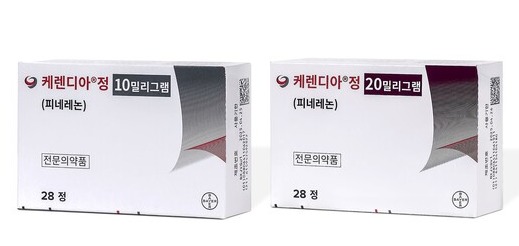
- Kerendia Tab, a new drug for chronic kidney disease with diabetes mellitus that was reimbursed in February this year, was added to the list of low-content multiple-dose prescription reimbursement cuts. As the price for the high and low-dose formulations were set the same for the drug, there is virtually no incentive to prescribe multiple doses. According to industry sources 18th, the Health Insurance Review and Assessment Service on Monday added Kerendia (finerenone, Bayer) to its list of cost-effective formularies. The price of Kerendia 10 mg and Kerendia 20 mg are the same at 1,670 won per tablet. It is indicated as a treatment for adult patients with chronic kidney disease (CKD) and type 2 diabetes (T2D) to reduce the risk of end-stage kidney disease (ESKD) and a sustained decrease in estimated glomerular filtration rate (eGFR), and cardiovascular death, nonfatal myocardial infarction, and hospitalization for heart failure. The initial dose is based on the patient’s eGFR. Patients who are eGFR ≥ 60 mL/min/1.73m2 start with an initial dose of 20 mg once daily, and those 25 ≤ eGFR < 60 mL/min/1.73m2 start with an initial dose of 10mg once daily. As the dose is set according to each patient’s condition, and both the 10mg and 20mg doses were released at the same time, there is little incentive to prescribe two 10mg doses. This is why the company strategically set the price for the low and high doses the same for the drug. Its domestic price of 1,670 won is significantly lower than the A7 adjusted average price. Among the A7 countries, Kerendia is listed in 6 countries except France - the United States, Japan, Germany, Italy, Switzerland, and the United Kingdom, with an adjusted average price of 6,810 won for 10 mg and 6,910 won for 20 mg. The drug is recommended as a treatment for chronic kidney disease patients with type 2 diabetes in clinical practice guidelines in Korea and abroad, and its cost-effectiveness was recognized through pharmacoeconomic evaluation and succeeded in being listed for reimbursement just 1 year and a half after it was approved in June 2022. The National Health Insurance Service expects the drug to be used by around 16,324 people a year and has reportedly agreed with the company on KRW 9.95 billion ($9.9 billion) as the expected claims amount. It is the first blockbuster drug for a chronic disease released in a long time. Chong Kun Dang signed a copromotion agreement with Bayer on the 6th of this month. With Chong Kun Dang, which has a large sales and distribution network in Korea, joining in on its sales, Kerendia is expected to quickly land in the domestic market. Meanwhile, in addition to Kerendia, Januglip Tab. 50mg, 100mg, Esoum Tab 20mg, and 40mg were also included in the list of oral drugs that require cost-effective use.
- Company
- Generic Pazeo sales 24%↑ after patent dispute win
- by Kim, Jin-Gu Feb 20, 2024 06:00am
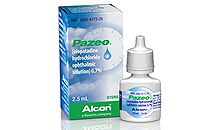
- Last year, generic products in the market for eye drops with the active ingredient olopatadine, used to treat allergic conjunctivitis, posted a 24% year-over-year (YoY) increase in prescription sales. It is the most significant sales expansion since 2019. The pharmaceutical industry anticipates a substantial expansion in prescription sales of generic olopatadine. In Q3 of last year, generic companies scored a win in a six-year-long patent dispute for ‘Pazeo 0.7% Eye Drops’. This means that they no longer have the burden of potential infringement of patent and compensation payments. The prescription of olopatadine eye drops tends to increase in the second and third quarters when outdoor activities are more prevalent. Therefore, generic companies aim to market a ‘0.7% highly concentrated product’ that no longer has patent risks. Prescription sales of olopatadine eye drops increased from 57.6 bil to 71.1 bil. Major generics rose 20%↑ According to UBIST, a pharmaceutical market research agency, on the 19th, the market size of outpatient prescription treatments of allergic conjunctivitis (eye drops) containing the active ingredient olopatadine was 71.1 billion won. The market has expanded rapidly over five years, with an approximately 14% yearly growth: 39.4 billion won in 2019, 43.6 billion won in 2020, 50 billion won in 2021, and 57.6 billion won in 2022. Last year, sales increased by 23% YoY, showing a steep growth. It is speculated that generics, which constitute 86% of the market, performed well, contributing to this growth. Original vs. Generics prescription sales of eye drops containing active ingredient olopatadine (Unit: 100 million won, Source: Ubist). Net prescription sales of generic olopatadine increased from 49.4 billion won in 2022 to 61.3 won last year, showing a 24% growth over a year. The sales of the major generic products increased by more than 20%. The sales of Sam Chun Dang’s ‘Oloten'·'Oloten Hi'·'Oloten Plus’ increased from 7.8 billion won in 2022 to 9.4 billion won last year, showing a 20% growth. The sales of Lite PharmTech’s ‘Lite Olon’ series Eye Drops increased from 4.3 billion won to 6.7 billion won, a 57% growth. The sales of Hanlim Pharm’s ‘Olo-Once'·'Olopanol'·'Olopower’ increased from 4.1 billion won to 5.9 billion won, a 44% growth. The sales of Dae Woo Pharmaceutical’s ‘Paradin’ series Eye Drops increased from 4.6 billion to 56 bilion won, a 44% growth. With the risk associated with patent trials reduced, generic companies will now aggressively market the ‘0.7% high concentration product’ The pharmaceutical industry anticipates that generic prescription sales will likely expand even more this year. This is because generic companies won against Novartis in a patent dispute for Pazeo Eye Drops, eliminating patent infringement risks. On August 31st of last year, the Supreme Court dismissed all Alcon’s appeals in the second trial against Hanmi Pharm. The patent dispute over Pazeo Eye Drops that lasted six years ended with generic companies’ victorious win. Novartis owns three original products containing the active ingredient olopatadine, differentiated by dosage: 0.1% Eye Drops named ‘Patanol,’ 0.2% Eye Drops named ‘Pataday,’ and 0.7% Eye Drops named ‘Pazeo.’ Photos of Pazeo. Novartis filed a separate patent for its 0.7% high concentration product. The patent dispute was related to Pazeo. Pazeo, a medication developed by Novartis in 2016, has a higher active ingredient concentration at 0.7%. Novartis filed two separate active ingredient patents for Pazeo, which will expire in 2032. Generic companies filed a patent invalidation trial against two patents. Based on their victory in the second trial, several companies have since launched generics of 0.7% eye drops. However, after Novartis appealed to the Supreme Court, generic companies did not market their products aggressively. The analysis suggests that generic companies were cautious about potential patent infringement and subsequent compensation payments if the Supreme Court ruled in favor of Novartis, leading to their passive marketing of the 0.7% product. There is a noticeable difference in prescription records between the original product and generic products, particularly in terms of concentration. In the case of the original product, prescription records are highest for the 0.7% high-concentration product. Based on last year's prescription sales, Patanol, the 0.1% product, and Pataday, the 0.2% product, each amounted to 1.7 billion and 2.4 billion won respectively, while Pazeo, 0.7% product, reached 5.6 billion won. More than half (57%) of the prescription sales for olopatadine original products comes from Pazeo. On the other hand, for generics, the prescription sales for the 0.7% product are at a minimal level. Taking the market-leading product series from Sam Chun Dang, the Oloten series, as an example, while Oloten, the 0.1% product, and Oloten Plus, 0.2% product, each amounted to 3.2 billion and 5.1 billion won, respectively, Oloten Hi, the 0.7% product, only reached 1.1 billion won. The proportion of the 0.7% product in the entire series is merely 12%. Prescription sales for major products containing the active ingredient olopatadine. The highest prescription volume for the original product is for 0.7% high concentration product. For generics, prescriptions are primarily for the 0.1% and 0.2% products. It was observed that Hanlim Pharm, which holds the third-largest share in the market, had a similar record of prescription pattern. Last year, the prescription sales for their 0.1% product, Olopanol, and 0.2% product, Olo-Once, were 2.8 billion won and 2.9 billion won, respectively, whereas the 0.7% product, Olopower, only amounted to 300 million won, constituting about 4% of the total. As a result, many companies have opted to launch products with concentrations of 0.1% and 0.2%, instead of the 0.7% product. However, last year’s Supreme Court ruling has greatly reduced risks involved in trials. As a result, generic companies are expected to begin marketing 0.7% high-concentration products aggressively. Sales performance during the second and third quarters will be crucial, as prescriptions are primarily made during the second and third quarters due to the high outdoor acitivities that exacerbate allergic conjunctivitis. A pharmaceutical company with a related product stated, “We have high expectations for the 0.7% product. Especially now that the trial risks have diminished, we anticipate aggressive sales this year.”
- Company
- K-Pharma Bios jump into cancer vaccine development
- by Son, Hyung-Min Feb 19, 2024 05:45am
- Cancer vaccine candidates produced by domestic pharmaceutical and biotech companies are now one step closer to conquering intractable cancers, demonstrating effect in clinical trials. DXVX's cancer vaccine candidate has shown an effect on ovarian cancer and lung cancer, and Aston Science has entered Phase II clinical trials for gastric cancer to confirm its candidate drug’s commercialization potential. Hanmi Pharmaceutical is also planning to start clinical trials of a messenger ribonucleic acid (mRNA) cancer vaccine. According to industry sources the 15th, OVM-200, a cancer vaccine candidate being developed by Oxford Vacmedix in the UK, has shown efficacy recently. Oxford Vacmedix is a spinoff of Oxford University, which has the domestic bio venture DXVX as its largest shareholder. DXVX is pursuing the domestic introduction and clinical trials for OVM-200. According to the Phase Ia clinical trial results of OVM-200 that were recently announced by Oxford Vacmedix, the results confirmed the immune response and safety of OVM-200 in ovarian, prostate, and lung cancer patients. OVM-200 utilizes recombinant overlapping peptide (ROP) technology. ROP can boost the immune system by recombining overlapping peptides that stimulate anti-cancer virus genes. A cancer vaccine is not a preventive measure-it is a treatment that activates the immune system by administering cancer cell antigens to the patient. Like a vaccine, it works by activating the immune response and causing cancer cells to kill themselves. Oxford Vacmedix is currently conducting Phase Ib/IIa clinical trials of OVM-200 in the United Kingdom, and DXVX will conduct clinical trials in Asia. Its commercialization target is 2027. Among domestic companies, Aston Science is conducting Phase II clinical trials for its cancer vaccine, AST-301. AST-301 is a therapeutic cancer vaccine for patients with HER2-positive gastric cancer. Although gastric cancer has biomarkers such as FGR and MET, targeted therapies on such biomarkers have been ineffective. In the past decade, no new drugs have been introduced for gastric cancer, and only recently, the antibody-drug conjugate (ADC) anticancer drug Enhertu and the immuno-oncology drug Keytruda have shown effect in the field. AST-301 selectively increases the immunogenicity of T helper cells that recognize specific antigens. As the company had secured long-term safety and immunogenicity data for AST-301 in Phase I trials, Aston Science is expecting positive results in Phase II trials as well. mRNA Hanmi Pharmaceutical makes bid into developing an mRNA cancer vaccine in Korea With Moderna, Pfizer, and other mRNA specialists making a bid into the cancer vaccine market, Hanmi Pharmaceutical is the only domestic company developing an mRNA cancer vaccine. The mRNA cancer vaccine synthesizes a protein in the body that has the same genetic structure as the abnormal protein produced by cancer cells. The pathogen is administered to the body, to induce an immune response to produce antibodies. Hanmi Pharmaceutical's cancer vaccine candidate, HM99462, which has currently completed preclinical development, targets the KRAS mutation. KRAS plays an important role in cell growth, differentiation, proliferation, and survival. KRAS, which causes various mutations, is overexpressed in non-small cell lung cancer and colon cancer, causing cancer. According to clinical trial data released by Hanmi Pharmaceutical, HM99462 inhibited tumor growth in an animal model (mice) of non-small cell lung cancer (NSCLC). The company plans to continue clinical trials as it has confirmed positive results in preclinical studies.
