
- LOGIN
- MemberShip
- 2026-06-24 14:35:08
- Company
- Growth hormone Ngenla can be prescribed in general hospitals
- by Eo, Yun-Ho Feb 05, 2024 05:54am
- The growth hormone ‘Ngenla’ can now be prescribed in general hospitals in Korea. According to industry sources, Pfizer Korea’s once-weekly growth hormone Ngenla (somatrogon) has passed the drug committee (DC) reviews of tertiary hospitals including Seoul Asan Medical Center and Sinchon Severance Hospital, as well as medical institutions including Kangdong Sacred Heart Hospital, Seoul National University Bundang Hospital, Bundang CHA Hospital, and Ajou University Hospital. Ngenla, which was listed for reimbursement since September last year, is reimbursed for pediatric patients who meet all of the following conditions: height falls below the 3rd percentile for their chronological age, is confirmed through two or more growth hormone stimulation tests, and is aged 3 or older with growth hormone secretion disorders where bone age is less than chronological age. A multicenter, randomized, open-label Phase III clinical study for Ngenla was conducted on 228 prepubertal children with growth hormone deficiency from April 2017 to August 2019 in 21 countries, including South Korea. In the study, 224 patients were randomized to receive once-weekly Ngenla (0.66 mg/kg/week) or somatropin (0.034 mg/kg/day). Study results showed that at 12 months, annual height velocity in the Ngenla arm was 10.10 cm/year, and 9.78 cm/year in the somatropin arm. The difference was 0.33cm/year between the two treatment arms. In pre-specified subgroup analyses, height growth rates in the Ngenla arm were similar to those in the somatropin group, regardless of age, gender, or growth hormone secretion levels. Hyun Wook Chae, Professor of Pediatrics at Severance Children's Hospital, said, "With its convenience of once-weekly dosing and prefilled pen formulation, Ngenla had a lower treatment burden compared to daily growth hormone formulations according to a Phase III crossover study on treatment burden, and increased treatment experience satisfaction, making it a preferred treatment option for patients and their caregivers.” He added, “With prescriptions now underway in practice, I believe Ngenla will contribute to improved treatment adherence in pediatric growth hormone deficiency patients and change the paradigm of treatment for growth hormone deficiency patients in Korea."

- Product
- Forxiga return policy in question amid AZ-Daewoong dispute
- by Kang, Hye-Kyung Feb 05, 2024 05:54am
- Forxiga Tab. There was initial confusion among front-line pharmacies regarding the return policy for Forxiga, which is set to be withdrawn from the Korean market. However, it appears that the issue is now being resolved. According to the pharmacy industry sources, there has been a disagreement between AstraZeneca Korea and Daewoong Pharmaceutical regarding the return policy of Forxiga tablet following the decision for Forxiga withdrawal from the domestic market. In 2018, AstraZeneca Korea entered into a partnership agreement with Daewoong Pharmaceutical to co-promote Forxiga and Xigduo. After the end of the domestic distribution contract with Daewoong Pharmaceutical, confusion arose in the market. Currently, HK inno.N has taken over the sales of Forxiga. During this period, pharmacists were denied returning the drugs. A pharmacist commented on the experience such as "I have initially requested a return for the drug to the distributor, but the answer was 'We do not accept returns because the marketing and distribution agreement has ended. Instead, contact AstraZeneca.' However, AstraZeneca said, 'We do not take returns because we are no longer involved in the distributing business.' Both parties rejected returns." "When I was making returns due to changes in the prescription, having two parties reject the returns was confusing," said the pharmacist. It was reported that other pharmacies had also experienced confusions when processing returns. Daewoong has officially informed wholesalers, hospital pharmacy departments, and pharmacies that 'Starting from the 19th, distribution of Forxiga will be suspended due to the contract ending. Although the sales and distribution of existing stock will continue, any returns must be made through AstraZeneca Korea once the distribution and sales are suspended.' On the 30th, AstraZeneca clarified its return policy and informed that 'Returns can be processed through HK inno.N’s cooperating wholesalers, and the pharmacies that have direct transactions with Daewoong can continue to make returns through Daewoong.' On the 30th, AstraZeneca Korea and HK inno.N entered into a partnership agreement to distribute Forxiga and co-promote Xigduo Tab and Sidapvia Tab. "We will do our best to stabilize the supply of Forxiga for patients who are using it for the treatment of diabetes, chronic heart failure, and chronic kidney disease. AstraZeneca Korea will be responsible for the marketing and sales of Forxia and HK inno.N will manage the distribution of Forxiga by the end of this year," AstraZeneca Korea and HK inno.N stated.
- Company
- Enhertu passes the DREC review in KOR
- by Eo, Yun-Ho Feb 05, 2024 05:54am
- Enhertu (trastuzumab deruxtecan). ‘Enhertu,’ which had faced difficulties in securing insurance reimbursement listing due to its exceptional effectiveness, has finally received approval from the Drug Reimbursement Evaluation Committee (DREC) of the Health Insurance Review and Assessment Service (HIRA). This approval comes eight months after Enhertu passed the review by the Cancer Disease Review Committee in May last year. Now, Daiichi Sankyo Korea and AstraZeneca Korea will enter the negotiations with the National Health Insurance Service (NHIS) for drug pricing of Enhertu (trastuzumab deruxtecan). Enhertu is at the final stage in the process for reimbursement approval. However, there is still a long journey ahead to complete negotiations for drug pricing with the NHIS and secure reimbursement listing. Previously, after clearing the Cancer Disease Review Committee, Enhertu was rejected eight times by the DREC. For an extended period, the Economic Evaluation Committee did not reach a conclusion regarding Enhertu's cost-effectiveness even though the price suggested by the company was the minimum globally. The delay in decision by the committee may have been due to difficulties in determining the appropriate price for Enhertu because Enhertu’s efficacy, based on Phase 3 clinical trial, differ significantly from that of existing medicine. In a positive turn of the situation, Enhertu received 50,000 votes in a national petition posted on Korea’s public petition website. As a result, the national assembly consistently raised the issue with the government. Under this pressure, Enhertu was likely to be considered for reimbursement listing. Given Enhertu’s limited flexibility in lowering drug pricing, the DREC's approval of this round suggests that the government may have proposed an ICER value in the mid-to-late-range. The remaining question is how much more ‘room’ is left for both sides in drug pricing negotiations. Although HIRA has proposed a flexible pricing range, it seems that negotiations for the company may be restricted. The potential approval of Enhertu for reimbursement is drawing significant attention due to its remarkable improvement in the survival period. The DESTINY-Breast03 clinical study compared Enhertu to trastuzumab emtansine (T-DM1) in patients with HER2-positive unresectable or metastatic breast cancer who have previously received one or more anti-HER2 therapy. Compared to T-DM1, Enhertu demonstrated an improvement in a progression-free survival (PFS) score. According to the interim analysis reported in 2022, median progression-free survival (mPFS) by blinded independent central review, which was the primary endpoint, was 28.8 months for Enhertu-treatment group. This result was 22 months longer than the 6.8 months mPFS observed in the T-DM1-treatment group. In terms of overall survival (OS), which was the secondary endpoint, the Enhertu-treatment group showed a reduction in the mortality risk by 36% compared to the T-DM1-treatment group. “Enhertu, a treatment for advanced gastric cancer in patients who have received Trastuzumab treatment, is the first and the only HER2 targeting treatment that has a proven record of OS of more than a year. Considering that a small group of patients can benefit from this treatment, I hope Enhertu will be approved for reimbursement soon,” said Rha, Sun Young, a professor from the Division of Medical Oncology in the Department of Internal Medicine at Yonsei Cancer Center.
- Policy
- Reimb of Enhertu, Ilaris pass DREC review…deemed adequate
- by Lee, Tak-Sun Feb 05, 2024 05:53am
- High-priced drugs such as Enhertu and Ilaris have passed the Health Insurance Review and Assessment Service's Drug Reimbursement Evaluation Committee review. This means that they have crossed the 80% mark to reimbursement, as the drugs can now be covered by health insurance after negotiating drug prices with the National Health Insurance Service. The Health Insurance Review and Assessment Service (HIRA) announced that it recognized the adequacy of reimbursement for Enhertu Inj and Ilaris at the 2nd DREC meeting that was held on the 1st. Enhertu Inj is indicated for HER2-positive breast cancer and HER2-positive gastric or gastroesophageal junction (GEJ) adenocarcinoma. Although it has a high cost, of over KRW 5 million per single administration, it has demonstrated higher survival rates than existing breast cancer treatments. The company had difficulties passing the reimbursement evaluation process for Enhertu due to differences in views with insurance authorities, as the authorities were concerned about financial losses due to the high cost of treatment. This was why the committee failed to conclude the first DREC meeting that was held in January. However, it seems that DREC was unable to delay the decision-making process any longer due to the patient’s continued call for its coverage and the favoring public opinion. Ilaris, which was also deemed adequate for reimbursement with Enhertu at the 2nd DREC meeting, is a treatment for a hereditary recurrent fever syndrome, which affects only 13 patients in Korea. During the NA audit in October, HIRA president Jung-Gu Kang announced that he would make efforts to reimburse the drug as soon as possible. Ilaris is also a high-priced drug that costs KRW 8 million to KRW 100 million per year with once every 8-week dose. However, Ilaris was recognized as appropriate for reimbursement on the condition that the pharmaceutical company submit further evidence in the future. Meanwhile, reimbursement of 7 morning sickness treatments for pregnant women, including Diclectin Enteric Coated Tab, was also deliberated at the meeting. The result was a conditional approval of reimbursement adequacy, deeming the drugs reimbursable if the companies accept a price below the assessed amount.
- InterView
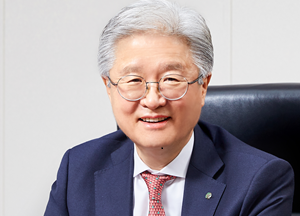
- ‘Yuhan expects Leclaza’s FDA approval this year'
- by Kim, Jin-Gu Feb 05, 2024 05:52am
- Wook-Je Cho (59), President, CEO & Executive Director of Yuhan Corp, has set global commercialization of its new anti-cancer drug Leclaza (lazertinib) as the company’s top priority this year. Last year, the company focused on the challenge of securing first-line reimbursement coverage for Leclaza in Korea. This year, he plans to move on to the global stage and focus on securing the U.S. Food and Drug Administration (FDA) approval for its Leclaza+Rybrevant combination therapy. In addition, he emphasized that the company will focus on global clinical trials of 28 drug candidates, including a treatment for metabolic dysfunction-associated steatohepatitis (MASH) and a treatment for obesity, to achieve the company’s goal of becoming a ‘top 50 global pharmaceutical company’ by 2026, the 100th anniversary of the company's founding. " Expect FDA approval of Rybrevant-Leclaza combination... results come out within the year" Wook-Je Cho, President, CEO & Executive Director of Yuhan CorpCEO Cho recently met with reporters and pointed to ‘FDA approval of Leclaza’ as his most anticipated achievement this year. Leclaza is the 31st novel drug to be developed in Korea. It had first received approval as a second-line treatment for patients with EGFR T790M mutation-positive, locally advanced, or metastatic non-small-cell lung cancer who were previously treated with an EGFR-TKI. The past year, the company focused on expanding insurance reimbursement of Leclaza from second-line to first-line treatment. The company received approval for the drug’s first-line use from the Ministry of Food and Drug Safety in June last year and passed through the health insurance reimbursement gateway in 6 months since then. Leclaza has been reimbursed as a first-line treatment in Korea since January this year. The company’s next goal is global commercialization. Late last year, Johnson & Johnson (J&J) submitted a supplemental Biologics License Application (sBLA) and a New Drug Application (NDA) to the FDA for the approval of Leclaza in combination with its EGFR-positive non-small cell lung cancer drug Rybrevant (amivantamab) at the end of last year. The industry expects a decision to be made within this year. If Leclaza crosses the FDA threshold, it will be the first of Yuhan Corp's new drugs to enter the U.S. market. Cho said, "Together with Janssen, we look forward to pursuing U.S. and European approvals for the Rybrevant+Leclaza combination within the year. Also, we expect to see positive overall survival (OS) data following the progression-free survival (PFS) data we secured last year." The trial results for the use of the triple Rybrevant+Leclaza+chemotherapy combination therapy as a second-line treatment are also gaining attention. Janssen is currently conducting 2 studies - MARIPOSA and MARIPOSA-2. MARIPOSA is a study on the first-line use of the two-drug combination, Rybrevant+Leclaza, which the company had sought FDA approval for. At the same time, the company started a trial on the use of the 3-drug Rybrevant+Leclaza+chemotherapy combination as a second-line treatment through the MARIPOSA-2 study. The study enrolled patients who were previously prescribed Tagrisso. The second-line treatment trials are expected to provide faster market penetration results than first-line treatment trials because there is currently no treatment available after Tagrisso in the indication. Janssen and Yuhan are awaiting results on the recruitment of additional patients for the three-drug combination. Cho said, "We expect results from the Janssen-led global Phase III second-line therapy study to be available within a year," Cho said. "Will focus on discovering the next Leclaza, including treatments for MASH, allergies, and obesity" Cho also emphasized that the company will also speed up the discovery of its next Lekraza. The company is currently running non-clinical and clinical trials on its 28 drug candidates. One substance gaining particular attention is ‘YH25724,’ which is being developed as a treatment for MASH. In 2019, the company signed an out-licensing agreement with Boehringer Ingelheim for YH25724, worth USD 870 million (approximately KRW 1 trillion). Boehringer Ingelheim entered the Phase I trial for the substance in Europe in 2021. A Phase 1b clinical trial is currently underway. It has a mechanism of action that simultaneously inhibits liver fibrosis and steatohepatitis while improving metabolic function. Boehringer Ingelheim and Yuhan Corp plan to first commercialize the product for MASH, and then expand its indication to diabetes and obesity. Also of interest is ‘YH35324,’ a candidate for the treatment of allergic diseases. This candidate has a mechanism of action that binds to immunoglobulin IgE and works on protein allergies. It is expected to be used as a treatment for chronic urticaria, food allergies, and asthma. Yuhan aims to complete the domestic Phase Ib study of YH35324 within the year and apply for approval of its Phase 2 trial plan by the end of the year. ‘YH32367,’ which is being developed as a bispecific antibody anticancer drug, is expected to enter Phase Ib clinical trials in the second half of the year. It activates target tumor-specific T cell immunity, and Yuhan Corp expects to be able to acquire indications for breast, gastric, and biliary cancers in the future. In addition, the company’s clinical development pipeline includes ‘YH14618’ for degenerative disc disease, ‘YH12852’ for gastrointestinal motility disorders, and ‘YH34160’ for obesity. YH34160 is a novel, long-acting obesity treatment candidate that targets the GDF15 fusion protein. It was approved for a Phase I clinical trial in the U.S. last year, and the company is currently exploring partners to proceed with its global clinical development. Cho plans to lay the foundation for long-term global expansion with the company’s broad clinical development pipeline. Cho said, “We will focus on expanding our pipeline to next-generation anticancer drugs and metabolic, fibrosis, and immune-inflammatory therapies and speed up our entry into early clinical and non-clinical trials. We want to secure a base to expand our late-stage pipeline in the long term." Cho added, "We will expand our pipeline by actively engaging in open innovation in Korea and abroad, in addition to our focus on in-house development. We will strengthen partnerships with global pharmaceutical companies to speed up existing development projects and increase potential for technology exports." Yuhan Corp rises as an ‘M&A bigshot..." will further expand investment this year" Cho said the company will also diversify its business through active M&A with domestic and foreign companies. The company has recently risen as a big M&A player in the domestic pharma and bio industry. Last year, it acquired Progen for KRW 30 billion to work together for the development of multi-target antibody therapeutics. It also invested KRW 5.7 billion in Fermentec to produce high-quality, low-cost probiotics. In 2022, Yuhan also invested a total of KRW 32.6 billion in 9 projects, including acquiring the probiotics manufacturer AtoGen for KRW 17.5 billion. The company's total investments in the last decade since 2014 totals almost KRW 602.4 billion in 54 companies. Cho explained, “We are continuously promoting new businesses to secure future growth engines while making strategic investments to strengthen existing businesses and develop R&D. We will continue to seek opportunities to become a total healthcare company this year."
- Company
- New drugs and biosimilars to compete in the PNH market
- by Chon, Seung-Hyun Feb 02, 2024 12:28pm
- New drugs and biosimilars have shifted the competitive landscape of the treatment market for paroxysmal nocturnal hemoglobinuria (PNH), which Soliris and Ultomiris have previously dominated. PNH is a rare, life-threatening disorder characterized by the destruction of red blood cells in the blood, leading to symptoms such as dark-colored urine and acute renal failure. According to industry sources on the 30th, Samsung Bioepis’s Epysqli, a biosimilar version of Soliris, has recently received approval in Korea. This marks the first domestic approval of a Soliris biosimilar. Following the European approval of Epysqli in May of last year, Samsung Bioepis has now secured approval in Korea. Samsung Bioepis’s Epysqli. AstraZeneca owns Soliris, an inhibitor of complement component 5 (C5), with global sales amounting to 5 trillion won (about $3.7 billion won). Soliris works by binding to the C5 protein, inhibiting complement activity and thereby preventing the destruction of blood cells. Samsung Bioepis conducted a global Phase 3 clinical trial from August 2019 to October 2021. The trial demonstrated the clinical bioequivalence of Epysqli to the original medicines. AstraZeneca and Samsung Bioepis form the competitive landscape of the Soliris market. However, Soliris distributor AstraZeneca is switching to the C5 complement inhibitor Ultomiris. AstraZeneca introduced Ultomiris as a replacement for Soliris, as it expects the European patent to expire in 2023 and the U.S. patent to expire in 2027. Ultomiris offers an extended dosing interval of once every 8 weeks, in contrast to the intravenous administration of Soliris, which requires dosing every 2 weeks. According to the drug market research company IQVIA, Soliris, which once had sales of 44 billion won in 2018, has experienced a steep decline in sales, with figures dropping to 31 billion won in 2020 and further down to 10.1 billion won in 2022. In Q3 last year, Soliris net sales saw a year-on-year drop of 23.7%. In the same period, Ultomiris sales showed rapid growth. Released in Q3 2021, Ultomiris topped sales of 43.2 billion won in 2022. In Q3 last year, Ultomiris sales saw a year-on-year increase of 14.2%. New drugs, beyond biosimilars, are waiting to be released in Korea A competitive landscape is expected in the PNH market as drugs other than Soliris and Ultomiris await release. One of the major pharmaceutical industry competitors is Novartis. Novartis' oral PNH treatment, Fabhalta, was recently approved in the United States. Fabhalta is a B-factor inhibitor that controls the destruction of red blood cells in the complement alternative pathway. Fabhalta's advantage is its formulation. Unlike existing intravenous formulations like Soliris and Ultomiris, Fabhalta is an oral medication that provides greater convenience. Novartis is currently conducting five Phase 3 clinical trials in Korea to evaluate the efficacy and safety profile of Fabhalta. The efficacy of Fabhalta was confirmed in patients who did not respond to C5 complement inhibitors or had not receive previous treatment. In clinical trials, Fabhalta treatment resulted in a hemoglobin level increase of more than 2 g/dL from baseline in the absence of red blood cell transfusions in 82% of the patients at 24 weeks. AstraZeneca has also achieved success in developing an oral treatment. On the 19th, AstraZeneca stated that their orally available inhibitor of D factor Voydeya received approval in Japan. Voydeya can be administered in combination with C5 inhibitors to adult patients with PNH who did not respond well to C5 complement inhibitors. Voydeya is assessed to help mitigate the side effects of C5 complement inhibitors, which can lead to extravascular hemolysis (EVH) and subsequent anemia in certain patients. The approval of Voydeya was based on a multi-national Phase 3 ALPHA clinical trial. In clinical trials, Voydeya met key assessment criteria, including hemoglobin levels, in patients who exhibited EVH when administered with C5 complement inhibitors. The safety profile evaluation has shown common side effects, including headaches and diarrhea. Voydeya has been granted Breakthrough Therapy designation by the US Food and Drug Administration (FDA) and PRIority MEdicines (PRIME) status by the European Medicines Agency. In addition to Voydeya, Roche is developing a new C5 complement inhibitor called crovalimab. Crovalimab is currently undergoing review for approval in the United States, Japan, and Europe. Under development as a subcutaneous (SC) delivery, crovalimab’s efficacy has been demonstrated in a once-every-four-week treatment.
- Company
- Ildong patents its new GLP-1 drug candidate in CN and JP
- by Lee, Seok-Jun Feb 02, 2024 12:28pm
- Ildong Pharmaceutical(CEO: Woongsup Yun) announced today that it has acquired substance patents for its metabolic disease drug candidate 'ID110521156' in China and Japan. ID110521156 is a new drug candidate being developed through Ildong’s subsidiary Yunovia ID110521156 is a glucagon-like peptide-1 receptor agonist class of medication that acts as an analog of the GLP-1 hormone, which regulates blood sugar levels by inducing insulin secretion in the body. GLP-1 hormone is produced in pancreatic beta cells and is known to be involved in insulin synthesis and secretion in the body, reduction of blood sugar level, regulation of gastrointestinal motility, and appetite suppression. According to Ildong Pharmaceutical, ID110521156 is a new small molecule compound that serves the same function as the GLP-1 hormone. It has the advantage of being relatively more stable structurally compared to biological agents such as peptides and is easy to design and synthesize in terms of commercialization. Ildong’s subsidiary, Yunovia, is conducting a Phase I trial to evaluate its tolerability, safety, and pharmacokinetic properties of 110521156. Depending on its commercialization progress including clinical development, the company plans to develop the candidate into a new drug targeting type 2 diabetes and obesity in the future. An Ildong official said, “We have acquired patents for our drug candidate in major markets such as Korea, the United States, China, Japan, India, and Australia, to facilitate a favorable environment for 110521156’s global commercialization. While securing rights to our new drug substance, we also plan to pursue business partnership strategies, such as licensing out and open innovation.
- Company
- Roche’s Crovalimab receives Orphan Drug Designation in KOR
- by Eo, Yun-Ho Feb 02, 2024 12:28pm
- The new PNH drug candidate 'crovalimab' has been designated as an orphan drug in Korea. The Ministry of Food and Drug Safety (MFDS) announced so through an orphan drug designation notice on the 1st. Crovalimab, which was discovered by Japanese drugmaker Chugai Pharmaceutical and developed by Roche, is a treatment for paroxysmal nocturnal hemoglobinuria (PNH) that is currently undergoing approval processes in the United States, Europe, and Japan. Crovalimab is a novel C5 inhibitor that is recycled within the bloodstream, enabling sustained complement inhibition through low-dose, subcutaneous (SC) administration every 4 weeks. The drug’s potential was confirmed in the pivotal Phase 3 COMMODORE2 trial, which directly compared crovalimab to AstraZeneca's Soliris (eculizumab) in PNH patients. Results from the study demonstrated that crovalimab, administered as SC injections every four weeks, achieved disease control and was non-inferior with comparable safety to eculizumab, a current standard of care, given intravenously every two weeks In the trial, 78% of patients who received crovalimab experienced adverse events (AEs) compared with 80% of those given Soliris, and the most common adverse AE was infusion-related reaction. Efficacy and safety data from a separate Phase III COMMODORE 1 trial also supported the favorable benefit-risk profile of crovalimab in PNH patients who switched to crovalimab from currently approved C5 inhibitors. Meanwhile, the competition in the PNH market is expected to intensify further. AstraZeneca had launched ‘Ultomiris (ravulizumab)’ as a successor to its Soliris, ahead of Soliris’s patent expiry in Europe in 2023 and in the U.S. in 2027. Ultomiris is administered intravenously every 8 weeks, compared with the once every 2 weeks administration required for Soliris. In the case of Novartis, it received approval for its oral PNH treatment, Fabhalta (iptacopan) in the U.S. Fabhalta is a Factor B inhibitor that acts proximally in the alternative complement pathway of the immune system, providing comprehensive control of red blood cell (RBC) destruction within and outside the blood vessels (Intra and extravascular hemolysis). Joining the competition, Samsung Bioepis’s Soliris biosimilar, ‘Epysqli’ was also approved in Korea recently. It was the first domestic approval granted to a Soliris biosimilar in Korea, and Samsung Bioepis also received approval for its Epysqli in Europe last year.

- Policy
- Price of drugs listed in 2002-2006 may be adjusted next year
- by Lee, Tak-Sun Feb 02, 2024 12:28pm
- The Health Insurance Review and Assessment Service will be selecting drugs subject to reimbursement adequacy reevaluations in 2025. The drugs to be reevaluated next year are expected to be those listed from 2002 to December 2006, before Korea implemented the Positive List System. According to industry sources, the Drug Reimbursement Evaluation Committee met on February 1st to discuss the targets for the 2025 drug reimbursement adequacy reevaluations. After the committee selects the targets, the decision is expected to be finalized through the Health Insurance Policy Deliberation Committee the same month. The target ingredients are expected to be disclosed after the DREC or HIPDC’s decision. However, drugs listed from 2002 to December 2006 will likely be subject to reevaluation in 2025. This is because the 2024 reevaluations are being conducted for 6 ingredients listed from 1998 to 2001. The reevaluations are being conducted sequentially in order of the year of reimbursement. Since the Positive List System was implemented in December 2006 as part of the drug cost rationalization plan, it is expected that drugs listed under the Negative List System will first be subject to reassessments. Subsequently, drugs subject to reevaluation among those listed after the implementation of the PLS are expected to be decided upon through separate discussions. Meanwhile, thioctic acid, pranlukast hydrate, itopride hydrochloride, sarpogrelate hydrochloride, levodropropiaine, mosapride, and formoterol fumarate hydrate are subject to reevaluations in 2024. Of these, mosapride has the largest insurance claims amount, which amounts to KRW 130 billion a year. Sarpogrelate hydrochloride has the second largest amount of KRW 110 billion a year.
- Company
- Onureg is now available in general hospitals
- by Eo, Yun-Ho Feb 01, 2024 12:39pm
- BMS Pharmaceutical Korea’s Onureg (azacitidine), a new drug for treating acute myeloid leukemia (AML). General hospitals can now prescribe ‘Onureg,’ an oral acute myeloid leukemia drug. According to industry sources, BMS Pharmaceutical Korea’s Onureg (azacitidine), a new drug for treating acute myeloid leukemia (AML), has recently passed the Drug Committee (DC) of Big 5 tertiary general hospitals, including Samsung Seoul Hospital, Seoul National University Hospital, Seoul St. Mary's Hospital, Seoul Asan Hospital, and Sinchon Severance Hospital, as well as 40 hospitals across the country. Onureg received approval in Korea in March 2022 and passed the Health Insurance Review and Assessment Service's (HIRA) Cancer Drug Review Committee in December of the same year. Subsequently, Onureg has been included in the insurance reimbursement listing since August after passing the HIRA’s Drug Reimbursement Committee. Reimbursement for Onureg is provided if all the following criteria are met: ▲Cytogenetically defined as being at severe to high risk, ▲Has no history of using a hypomethylating agent (HMA), ▲Having no history of stem cell transplantation, ▲55 or older, and patient’s general state is not suitable for stem cell transplantation, ▲Administered within 7 days before and after 4 months of achieving complete remission (first CR or Cri) after receiving induction chemotherapy. The effectiveness of Onureg was demonstriated in Phase 3 QUAZAR AML-001 clinical study, which enrolled 472 patients with AML. Based on clinical results, patients who received Onureg had a median overall survival (mOS) of 24.7 months, an extension of 10-month compared to the 14.8 months observed in those treated with control. This improvement represented a 31% reduction in mortality risk. The rate of surviving patients in the Onureg-treated group at year one post-treatment was 73% (place group: 56%), and at year two post-treatment was 51% (place group: 37%). Onureg demonstrated higher survival rates than the placebo group in both periods. Onureg treatment prolonged relapse-free survival (RFS) by 5.3 months in patients to 10.2 months, thus demonstrating its effect in reducing the risk of relapse. "For patients with AML who have achieved remission following standard-dose induction chemotherapy but are not eligible for stem cell transplantation, receiving secondary treatments, aiming to prolong the state of complete remission (CL) and minimize the risk of relapse as possible, is critical. The reimbursement of Onureg is good news for patients with AML who were previously unable to receive maintenance therapy due to limited treatment options," Cheong, June-Won, a Professor in the Division of Hematology at the Department of Internal Medicine at Severance Hospital, stated.
