
- LOGIN
- MemberShip
- 2026-06-26 20:05:51
- Company
- Boryung’s new drug Zepzelca lands in Big 5 hospitals in KOR
- by Eo, Yun-Ho Jul 07, 2023 05:43am
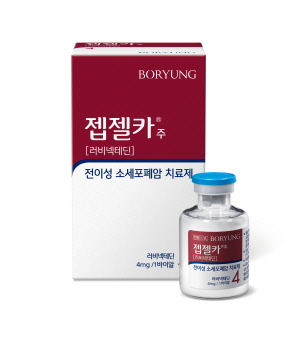
- Zepzelca, a new drug introduced to Korea by Boryung, can now be prescribed in the Big 5 general hospitals in Korea. According to industry sources, the small cell lung cancer treatment Zepzelca (lurbinectedin) has passed the drug committees (DCs) of all the top 5 tertiary hospitals in Korea – Samsung Medical Center, Seoul National University Hospital, Seoul St. Mary’s Hospital, Seoul Asan Medical Center, and Sinchon Severance Hospital, and has been listed in 60% of all medical institutions nationwide that offer lung cancer treatment services. The only issue that remains is that Zepzelca is yet to be reimbursed. The company is preparing to submit an application for its reimbursement. The new anticancer drug was developed by Spanish pharmaceutical company PharmaMar S.A., and is indicate for the treatment of metastatic small-cell lung cancer that failed first-line platinum-based chemotherapy. Zepzelca is a novel drug with a mechanism of action that simultaneously ‘induces apoptosis by inhibiting DNA transcription,’ and ‘inhibits cancer cell proliferation, immune checkpoint activity, and angiogenesis through the inhibition of transcriptional activity in tumor-associated macrophages.’ The drug was approved by the Ministry of Food and Drug Safety in September last year and was released and prescribed in February this year. The drug was approved in July 2020 in the US. Zepzelca positioned itself as the leading second-line treatment for small-cell lung cancer in the US and posted sales of USD 5.35 million last year. Over 40% of small-cell lung cancer patients received Zepzelca as a second-line treatment. In Korea, Boryung owns the exclusive right to the sales and distribution of Zepzelca since 2017. Based on a study that became the basis of Zepzelca’s approval that was published in Lancet Oncology, patients treated with Zepzelca showed an overall response rate of 35%, with a mean duration of response of 5.3 months. Due to its convenience in administration of being administered once every 3 weeks and manageable side effects In addition to such clinical benefit, the drug has been evaluated to have a superior effect over other drugs that had been previously used in Korea. Zepzelca is also recommended in international guidelines including the the National Comprehensive Cancer Network and European Society for Medical Oncology.

- Company
- Release of triple-combo diabetes drugs imminent
- by Kim, Jin-Gu Jul 07, 2023 05:43am
- The release of the ‘triple combination therapies' appear to be in sight. However, unlike the 2-drug combos that are already in fierce competition even in the pre-release stage, industry interest in 3-drug combos is currently at best lukewarm. The pharmaceutical industry pointed to the relatively challenging development environment for triple combination drugs as well as the impurity issues that exist. Nevertheless, there are predictions that in the long term, the paradigm for antidiabetic combos will shift from dual therapy to triple therapy combinations. 96 companies own 100 2-drug combos vs. 2 companies own 7 3-drug combos According to industry sources on the 6th, Daewon Pharmaceutical and Hanmi Pharmaceutical recently applied for the reimbursement of their 'dapagliflozin, sitagliptin, and metformin’ triple combination therapy for diabetes. The drugs, Daewon Pharmaceutical's ‘Dapasita-M’ and Hanmi Pharm's ‘Sildapa M,' are expected to be released after September. This is because the patent for the original sitagliptin drug Januvia will expire on September 1st. Currently, the competition for antidiabetic combination drugs focuses on dual combinations. As of the 5th, 96 pharmaceutical companies have received marketing approval for 100 dual combination products that combine SGLT-2 inhibitors and DPP-4 inhibitors. This is in contrast to the fact that only 7 triple combination products from 2 companies have received marketing authorizations. In the case of dual combinations, the dapagliflozin and sitagliptin combination accounts for the absolute majority with 93 products from 92 companies. Many of these products are also expected to be released when the patent for Januvia expires. While the interest in dual combination therapies is highly heated despite the possibility that a large amount of the products will be released at the same time, the attention towards triple combination therapies is still lukewarm. Marketing approval state of SGLT2i + DPP4i combination therapy for diabetes Considering the expanded reimbursement scope for diabetes treatments that had been granted earlier this year, the phenomenon is somewhat puzzling. In May, the government limited the reimbursement scope for diabetes treatment to combinations of ▲SGLT-2 inhibitors, DPP-4 inhibitors, and Mmtformin, ▲SGLT-2 inhibitors, TZD, and metformin, ▲Some SGLT-2 inhibitors and sulfonylurea or in combination with insulin. The SGLT-2 inhibitor and DPP-4 inhibitor combination, which includes a majority of the dual combination therapies, was not included in the reimbursement scope. When prescribing to patients, doctors have to add metformin to the dual combination therapy drugs to receive reimbursement. "Difficult combine metformin due to its large dose… Impurity issues and concerns in development cost also exist" The analysis is that multiple factors have contributed to this phenomenon. The relatively complex product development is considered the primary reason among them. The dose of metformin, which is much larger compared to the other two drugs, posed an obstacle. The dose of dapagliflozin is set to 5mg and 10mg, while sitagliptin is set to 50mg and 100mg. However, the dose of metformin is set much higher at 500mg, 750mg, and 1000mg. Technically, combining the three ingredients is not difficult. However, due to the significant differences in dosages of each ingredient, the stability of the final product may be somewhat compromised. There are three main methods of combining the three ingredients: single-layered tablet, double-layered tablet, and coating Metformin with DPP-4 inhibitors and SGLT-2 inhibitors. Among these methods, dapagliflozin and sitagliptin can be combined relatively thinly in single- and double-layered tablets due to their small doses. As a result, there is a higher possibility that the two ingredients may not interact adequately. The method of coating metformin to the duo is not significantly different, but achieving a uniform thickness is difficult. This process poses certain challenges, such as the need for repeated bioequivalence tests to verify the uniform pharmacokinetic action of all ingredients. The impurity issue is also another factor that makes the development of triple combination therapy challenging. Among the three ingredients in the combination therapy, impurities have been detected in metformin and sitagliptin. As a result, when manufacturing pharmaceuticals with these ingredients, companies must validate whether or not impurities exist and submit one year’s worth of safety data to the Ministry of Food and Drug Safety. The so-called ‘1+3 joint bioequivalence’ system is also considered a factor that makes product development challenging. Under the Pharmaceutical Affairs Act that was implemented in 2021, the number of consignor pharmaceutical companies is limited to three per one consignee. This imposes a higher cost burden on small and medium-sized pharmaceutical companies in the development process compared to the past. An official from the pharmaceutical industry said, "Companies that started product development before the implementation of the regulation may be fine, but the potential burden for companies considering new development after that is substantial." They further explained, "In the past when 10 to 20 companies could share the cost, each company had a smaller burden. However, we can now only recruit up to four companies, which imposes a larger cost burden for each company." Another official stated, “The guideline set by the Ministry of Food and Drug Safety for the bioequivalence testing of combination therapies have become more stringent, requiring more extensive clinical trials than before. If the total cost for developing a combination therapy is around KRW 6 to 8 billion, each company should now bear approximately KRW 2 billion. This is not an easy decision for small and medium-sized pharmaceutical companies to make." "In the long term, triple combination therapies will increase… Numerous companies have already started development” However, the predominant forecast is that the number of companies venturing into the development of triple combination therapies will increase in the long term. This analysis is based on the fact that triple combination therapy is considered more advantageous than dual combination therapies in terms of convenience in taking the medicine and applicability for reimbursement. An industry official said, “While it is considered more challenging compared to dual combination therapies, the development and manufacturing of triple combination therapies is not inherently difficult. The market will move in the direction of reimbursement, to triple combination therapies.” Another industry official added, "As dual combination therapies are not eligible for reimbursement and require additional intake of metformin, the demand for triple combination therapies is expected to steadily increase in the future. Apart from Daewon Pharmaceutical and Hanmi Pharmaceutical, several other companies have already started or are considering the development of triple combination therapies."
- Policy
- Taiwanese new drug receives reimb in only 1 yr since release
- by Lee, Tak-Sun Jul 07, 2023 05:43am
- The Nephoxil Cap (ferric citrate hydrate) that was granted reimbursement at KRW 377 per capsule from the 1st of this month is actually a Taiwanese new drug. The drug, which is being imported and sold by the Japanese pharmaceutical company Kyowa Kirin’s Korean subsidiary in Korea, was developed by a Taiwanese pharmaceutical company. In other words, Nephoxil marks a rare case where a new drug developed in Taiwan was imported and reimbursed in Korea. Although the drug has not been listed in any of Korea’s A7 reference countries, it only took 14 months for the company to complete the listing process from approval to reimbursement, at a lower price than its substitute. In 2017, Kyowa Kirin Korea signed a domestic licensing agreement for Nephoxil with the Taiwanese pharmaceutical company, Panion & BF Biotech. Nephoxil was developed by Panion & BF Biotech in 2015. The agreement drew attention at the time as the Korean subsidiary of Kyowa Kirin had independently promoted and signed the agreement, not its Japanese headquarters. Nephoxil is used to improve hyperphosphatemia in patients with chronic renal disease on hemodialysis. As an iron-based phosphate binder, the drug has been assessed to reduce the risk of adverse events that commonly arise in calcium-based phosphate binders such as hypercalcemia and vascular calcification. Non-calcium class drugs currently available in Korea are Sanofi’s Renvela Tab, SK Chemical’s Invela, JW Pharmaceutical’s Fosrenol, among others. Also, same-ingredient generics versions of Renvela have recently joined in on the competition in Korea’s market. In Korea, Kyowa Kirin Korea has been positioning itself as a company that sells treatments for chronic renal disease patients. The company had achieved high sales performance n the field with its anemia treatment 'Nesp' and 'Regpara', a treatment for secondary hyperparathyroidism in patients with chronic renal disease. The company had once excelled in the hyperphosphatemia treatment market as well. Its product, Renagel Tab, which contains the same ingredient as Lenvela, has once led the market, however, its supply was discontinued in 2015 due to a contract with its developer. The company had lacked a product for hyperphosphatemia ever since. In this context, Nephoxil was a relief to the company. Regarding the use of Nepoxil, the Korean Society of Nephrology recommended restricting the administration of calcium-based phosphorus binders to avoid hypercalcemia and favorably recommended ferric citrate as it is useful and has an additional effect on correcting anemia as it contains iron compared to general phosphorus binders. However, the Health Insurance Review and Assessment Service’s Drug Reimbursement Evaluation Committee reviewed that it is difficult to determine whether Nephoxil has a different effect over existing non-calcium-based binders. Moreover, none of the A7 countries (USA, Germany, Switzerland, UK, Italy, Japan, France) have listed the same product. Only different strengths of ferric citrate were available in the United States and Japan. Despite such criticism, the company overcame the barriers with its low price. Kyowa Kirin Korea accepted the drug’s price of KRW 377, which is 90% of the weighted average price of its alteratives, and was able to skip the drug price negotiation process. Nephoxil received approval from the Ministry of Food and Drug Safety on May 9 last year. After passing DREC review in only one year of its approval in April this year, it was swiftly applied reimbursement in July. The industry analysis is that the company’s low price strategy also had some influence on Nephoxil’s speedy reimbursement.
- Company
- Baxter and Fresenius Medical benefited the most
- by Nho, Byung Chul Jul 07, 2023 05:43am
- As the Ministry of Health and Welfare's pilot project for home management of peritoneal dialysis patients began in earnest, the sales of Baxter and Fresenius Medical, which supply related products, are also expected to grow exponentially. As of 2022, total domestic hemodialysis patient medical expenses amounted to 2,634 billion won, of which peritoneal dialysis accounted for 4-5%. According to the hemodialysis adequacy evaluation data in 2018, the number of hemodialysis patients in that year was 90,901, and it is showing an increasing trend of 10,000 each year, which is difficult to find worldwide. The annual cost of hemodialysis per patient who visits the hospital's artificial kidney room for treatment is about 30 million won, and peritoneal dialysis, which can be treated at home, is observed to be 20-30% cheaper. Therefore, the health authorities plan to reduce the proportion of hemodialysis, which costs astronomical costs, and induce peritoneal dialysis to induce financial soundness, considering the health insurance financial deficit and reduction in reserves. According to what is known, health authorities are planning various policies/systems to raise the rate of peritoneal dialysis from less than 5% to a maximum of 10-20% through this pilot project. The health insurance benefit subsidy for cassettes, hemo-vacs, and catheter tip occluders, which are consumables required when using an automatic peritoneal dialysis machine, is 14.2 million won per day. Previously, the subsidy (5,640 won per day) was not enough to purchase only a cassette, but the burden of patients was reduced by expanding the benefits for Hemo-vac. Automated peritoneal dialysis is when a patient connects an automatic peritoneal dialysis machine, dialysis solution, and body catheter before going to bed, and dialysis is automatically performed while sleeping. For this reason, while there are few restrictions on work, school life, and social activities, there is a risk of accidents such as secondary infection as the patient handles all processes directly. This is a part that can be sufficiently prevented with proper education. Hemodialysis requires direct visits to the artificial kidney room three times a week for dialysis for 3 to 4 hours a day, and emergency response can be swift. Still, it has the disadvantage of being restricted in daily life. The pilot project for home management of peritoneal dialysis patients was adopted by order of the Ministry of Health and Welfare in December 2019, and the second pilot project (May 2022-2025) is currently underway. The purpose of the project is to continuously manage at-home patients and provide feedback to reduce unnecessary medical expenses due to hospitalization and worsening of diseases and to improve the quality of life of patients. The target is a chronic kidney disease stage 5 patient who needs renal replacement therapy and has agreed to participate in the pilot project for home management of peritoneal dialysis patients.
- Policy
- Evaluation different after Kymriah·Zolgensma benefits?
- by Lee, Tak-Sun Jul 07, 2023 05:43am
- The ultra-expensive treatments Zolgensma and Kymriah are supposed to go through a performance evaluation, but whether or not they are disclosed is different. As a pre-approved drug, Zolgensma, which is subject to review by an expert review committee, has performance evaluation results disclosed to the public, whereas Kymriah does not. Therefore, unlike Zolgensma, Kymriah, which received a benefit earlier than Zolgensma, does not disclose performance evaluation results. According to the industry on the 5th, The HIRA recently disclosed the first performance evaluation of Zolgensma on its website. Zolgensma requires clinical evaluation before administration and every 6 months after administration for up to 5 years, and objective data such as medical records for clinical evaluation must be submitted. In addition, ▲ permanent respiratory use or death, ▲ CHOP-INTEND score not improved by 4 points or more compared to the baseline before drug administration, ▲ even if the previous items were improved, CHOP-INTEND 4 points or more in two consecutive times in the subsequent response evaluation Or, if it falls under any of the cases of a decrease of 3 points or more on the HFMSE, it is defined as drug administration failure. Reflecting this, as a result of the first performance evaluation, clinically meaningful improvement was confirmed in 5 out of 6 cases and marked as successful. The remaining case was judged to be a failure because a patient with respiratory problems due to SMA died of suspected acute respiratory failure. 5 out of 6 were successful reviews. Then, how was Kymriah, which was listed for benefit in April last year, 4 months ahead of Zolgensma, evaluated? Zolgensma is an ultra-expensive new drug worth 2 billion won and Kymriah is about 360 million won, and the Ministry of Health and Welfare is managing the performance of both. However, Kymriah cannot know the results of the evaluation. Because there are no disclosure rules. An official from the HIRA said, "Zolgensma is a pre-approved drug that goes through an expert review committee, so the review results are disclosed according to regulations, but Kymriah has no disclosure regulations." “At this time, we are not considering making it public,” he explained. Kymriah was not subject to the prior approval system because the patient's condition could deteriorate due to medication delay. For this reason, performance evaluations are not made public. Regarding this, an industry insider pointed out, "It is appropriate to disclose the results of the performance evaluation to the outside in order to enhance transparency and reliability in the context of the decision to evaluate the performance as part of the management of super-expensive drugs." The HIRA went through a professional review committee and disclosed two cases of the recognition of Kymriah's benefits in May, but both cases were rejected because they did not meet the standards. If the reimbursement is rejected, the patient has no choice but to pay 360 million won for non-reimbursement drugs. If benefits are applied, the drug price will be reduced to 6 million won. For this reason, some are suggesting that a plan to reduce the burden on patients should be prepared in the event of a post-reimbursement issue by reflecting the characteristics of an ultra-expensive new drug. Regarding this, Novartis said, "The reduction in benefit is a problem that occurs between the nursing institution and the patient and has nothing to do with the manufacturer. There is no separate patient support program."

- Policy
- Pres. Yoon urges swift legislation for remote treatment
- by Kang, Shin-Kook Jul 06, 2023 05:39am
- President Yoon Suk-yeol has instructed the Ministry of Health and Welfare to make every effort to pass the amendment of the Medical Service Act for the introduction of non-face-to-face treatment, which is currently under discussion in the National Assembly, raising hopes for its rapid legislation. President Yoon made these remarks on the 4th while leading the 18th Emergency Meeting on Economic Affairs on the direction of economic policies for the second half of 2023 at the Yeongbingwan in Cheong Wa Dae. President Yoon stated, "Many bills aimed at improving the economic constitution and ensuring stable public welfare - such as the National Finance Act for the introduction of fiscal rules, the Housing Act for easing residency obligations, and the Medical Service Act for establishing the basis for non-face-to-face treatments - are being impeded by the National Assembly, disappointing many citizens." To this, President Yoon urged, "Ministers of each department should focus solely on the people and make every effort to ensure the swift passage of essential economic and public welfare bills." As President Yoon personally directed the amendment of the Medical Service Act, it is anticipated that the government will expedite the legislation for the non-face-to-face treatment system. Currently, the amendment of the Medical Service Act related to non-face-to-face treatment is pending in the Legislative Review Subcommittee of the NA’s Health and Welfare Committee. The direction of the legislation has taken shape to closely align with the current pilot project for non-face-to-face treatment. The legislative direction being discussed and promoted by the government in cooperation with the National Assembly is as follows: Allowing non-face-to-face treatment only for follow-up visits, with initial consultations primarily in clinic-level medical institutions as exceptions. If patients are not eligible for home-delivered medication, the patient (or their representative) may obtain the prescribed medication directly from a pharmacy after receiving face-to-face medication counseling from a pharmacist. While the method of delivering medication is still an issue, the matter will not be a major point of contention during the National Assembly discussions, as the aspect falls under the amendment of the Pharmaceutical Affairs Act and not the Medical Service Act.
- Company
- Vabysmo’s real-world data to hold leader Eylea in check
- by Jung, Sae-Im Jul 06, 2023 05:39am
- The competition between the current lead ‘Eylea’ and the new drug ‘Vabysmo’ is fierce in the macular degeneration treatment market. Based on the real-world data that demonstrated Vabysmo’s consistent effect on patients who switched from Eylea, the company built evidence for patients to switch to Vabysmo. To defend the lead, Eylea’s company has attempted to release a high-dose version of Eylea but has been experiencing difficulties due to its delayed introduction. According to industry sources on the 5th, the global real-world data on Vabysmo was recently published in the international journal ‘Nature.’ The results of the investigator-led trial that was published are the first real-world data that provides a glimpse of what kind of effect Vabysmo can bring to the field.. Roche’s bispecific antibody Vabysmo (faricimab) is a new drug approved in Korea for the treatment of macular degeneration. The current leader in this market is Bayer and Regeneron’s ‘Eylea (aflibercept).’ One thing to note was that a significant proportion of the patients included in the real-world study were those that had been previously treated with ‘Eylea.’ 337 of the 376 eyes of 335 patients that participated in the study had been previously treated with an anti-VEGF agent, 237 eyes of which were treated with Eylea. Patients in the study switched to Vabysmo due to non-response or to extend their treatment cycle after using Eyelea. The other 39 eyes were treatment-naive eyes. The primary endpoints of the study were the changes in best-corrected visual acuity (BCVA), changes in central subfield thickness (CST), and safety, and the Secondary outcome measures included treatment intervals and the presence of retinal fluid. Results showed that after a single injection of Vabysmo, the mean CST reduction in previously-treated eyes was -25.3μM, and this mean value became -26.3μm in patients who were previously treated with Eyela. All patients treated with Vabysmo, including those with treatment-naïve eyes, demonstrated a mean reduction in CST of -31.3μm. Also, a number of patients demonstrated complete resolution of intraretinal fluid (IRF), subretinal fluid (SRF), or pigment epithelial detachment (PED). Patients demonstrated further improvement after 3 injections of Vabysmo. In the 337 eyes that switched to Vabysmo, the mean BCVA increase from baseline was +2.7, and the mean CST reduction of -38.1μm. Patients that switched from Eylea to Vabysmo demonstrated a mean BCVA increase of +2.2 letters, and a mean CST reduction of −42.6μ from baseline. The anatomical outcomes in the study showed that Vabysmo improved 17.8% resolution of IRF, 36.6% resolution of SRF, and 11.1% resolution of PED in patients that switched from another drug. Patients that switched from Eylea showed a 12.3%, 37.2%, and 3.2% resolution of IRF, SRT, and PED, respectively. The reduction or removal of retinal fluid from the use of Vabysmo is analyzed to have affected the maintenance and improvement of visual acuity. Two cases of intraocular inflammations were reported in the 376 eyes treated in the study, and their vision returned to baseline after treatment. ◆ Eylea faces difficulties with Vabysmo chasing at its tail Based on the real-world results, Roche is expected to speed up targeting Eylea’s share. Currently, Eylea has an overwhelming lead in the domestic macular degeneration treatment market. According to the market research institution IQVIA, Eylea recorded annual sales of KRW 80.4 billion last year. This is a 14% increase from 2021. Eylea accounted for 64% of the total macular degeneration treatment market (KRW 126.3 billion). Therefore, all the new drugs released to the market are targeting Eylea’s share, attempting to take a piece of the pie before Eylea’s patent expiry and the entry of its biosimilars. In Korea, Vabysmo entered the market this year, following ‘Beovu’ in 2020. In just 2 years of its release, Beovu posted KRW 16.5 billion in sales last year. In particular, the new entrant Vabysmo has been considered a strong contestant against Eylea because after administering the initial 4 doses at 4-week intervals, and then, Vabysmo can be administered every 16 weeks (4 months) if there is no disease activity. Many patients with macular degeneration often give up treatment due to the fear of receiving an injection in the eye, therefore extending the dosing interval was considered an important task in treatment development. And the new contestant improved the convenience of patients with a 16-week dosing interval. Eylea’s dosing interval can be extended up to 16 weeks if the patient’s disease is well managed, but the drug is administered every 4 weeks for the first 3 months and then every 8 weeks. However, Eylea has the advantage of being able to flexibly take the treatment interval depending on the patient's condition, from 4 weeks to 16 weeks. In the global market where Eylea and Vabysmo had already taken place, Vabysmo has been rapidly increasing its market share. According to Roche's earnings report, Vabysmo’s global sales in Q1 this year were CHF 432 million (approximately KRW 620 billion). When considering how the drug was approved in the US and Europe in January and September last year, respectively, the drug has shown high growth. On the other hand, Eylea experienced a drop in sales for two consecutive quarters from Q4 last year. Bayer and Regeneron had set out to introduce a high-dose 8mg version of Eylea to defend the market. However, the companies are facing difficulties as the US FDA declined approval of the higher-dose version. According to Regeneron, the approval was deferred due to a delay in the review of a drug’s third-party manufacturer and is not because of any efficacy or safety issues related to the drug. As long as there is no problem with the drug, there is no possibility that the FDA will completely turndown its approval. However, the FDA's decision delays the release of the high-dose version and is expected to delay Eylea’s defense strategy. In Korea, the environment is still favorable for Eylea because Vabysmo has not been listed for reimbursement yet. Therefore, Eylea’s sales this year will be affected by the timing of Vabysmo’s reimbursement listing. Also, the growth of Beovu, which is being more actively used in Korea than in the global market, should be watched closely.
- Policy
- Roche Korea, "No decision has been made to resupply Madopar
- by Lee, Tak-Sun Jul 06, 2023 05:39am
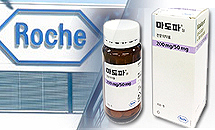
- Roche Korea recently announced that it has no plans to resupply Madopar, a Parkinson's disease treatment for which the grace period for the deletion of benefits was recently extended. It is explained that the headquarters did not make a decision to resupply, and that no agreement was signed with any organization for resupply. The extension of the grace period for deletion of benefits was carried out in consultation with the Ministry of Health and Welfare, and it is explained that there is no plan to resupply Madopar during that period. An official from Roche Korea said in a phone call on the 4th. announced its withdrawal from the country in January by voluntarily withdrawing Madopar's license. Patients with Parkinson's disease are urging the resupply of Madopar, urging Myungdopar, which is the only generic drug with the same drug, to have significant side effects. The Ministry of Health and Welfare has also opened the door to resupply, saying that it is possible to negotiate a price increase through the upper limit adjustment system, and some have reported that the Parkinson's Association and Roche Korea have agreed to resupply Madopar. Roche Korea said that the agreement for Madopar was not true. A company official explained, "The head office has not made any decision regarding the resupply of Madopar." However, he explained that the reason why the grace period for deleting benefits was extended was because there was a consultation with the Ministry of Health and Welfare. The official explained, "After checking the Madopar inventory, we found that there was still a lot left, and in consultation with the Ministry of Health and Welfare, we extended the grace period for the deletion of benefits to prevent patients from suffering economic damage." The grace period for deleting Madopar benefits was extended by 4 months to a total of 10 months. Normally, the grace period for deleting benefits is up to six months, but it was extended by four months under the authority of the Ministry of Health and Welfare. As a grace period was granted, some said that the Ministry of Health and Welfare and Roche had confirmed the resupply of Madopar and extended the grace period. There is criticism that it is giving preferential treatment to original drugs that have voluntarily withdrawn from the market. In addition, the generic industry argues that if the government follows the issue of resupplying the original, the reliability of generics will decrease.
- Company
- Industry anxiously awaits reimb of SGLT-2 inhibitors
- by Jung, Sae-Im Jul 06, 2023 05:39am
- The reimbursement applications that companies of SGLT-2 inhibitors filed to receive reimbursement for their heart failure indication are expected to undergo a difficult journey. The largest barrier to their reimbursement is the concern over the enormous amount of fiscal spending the drugs will bring due to the broad target patient group. According to industry sources on the 4th, the representative SGLT-2 inhibitors ‘Forxiga (dapagliflozin)’ and ‘Jardiance (empagliflozin)’ are working to extend their reimbursement from diabetes to heart failure. Forxiga has applied for the reimbursement of its heart failure reduced ejection fraction treatment indication and plans to apply for reimbursement of its heart failure with preserved ejection fraction indication that it has recently received approval for within the month. Jardiance filed an application for the reimbursement of all types of heart failure regardless of ejection fraction. In addition to diabetes, SLGT-2 inhibitors have already risen as the ‘backbone’ drug in heart failure as well. Not only has the drugs demonstrated excellent effect in heart failure with reduced ejection fraction, but they also reduced the risk of cardiovascular death or exacerbation of heart failure in heart failure with preserved ejection fraction, an area for which no treatment option existed. The rise of the two drugs has also changed the treatment guidelines for chronic heart failure. In the 2022 AHA/ACC/HFSA Guideline for the Management of Heart Failure that the 3 major heart societies in the U.S. – American College of Cardiology, American Health Association, and the Heart Failure Society of America – that was released last year, the societies gave a Class 2A recommendation for SGLT-2 inhibitors to treat heart failure with mild, reduced, preserved ejections. The Korean Society of Heart Failure also recommended SGLT-2 inhibitors to reduce hospitalization or cardiovascular death due to heart failure in patients with preserved ejection fraction, regardless of diabetes mellitus (recommendation grade 1). This is why experts have been emphasizing the need for the reimbursement of SGLR-2 inhibitors for heart failure. At the Forxiga press conference hosted by AstraZeneca Korea on the 3rd, Professor Jong-Chan Youn of the Catholic University of Korea’s Seoul St. Mary’s Hospital, said, “One out of four patients diagnosed with severe heart failure die within a year of hospitalization. This is why these patients need to use a drug that shows a clear improvement in prognosis from the beginning, which is what SGLT-2 inhibitors do. However, most outpatients do not use SGLT-2 inhibitors for their heart condition due to reluctance in using non-reimbursed treatment options. These patients then experience gradually worsening symptoms and are in dire need of improvement in their prognosis, which is why the SGLT-2 inhibitors need to be reimbursed.” The concern is NHI finances. A sizable amount of NHI finances need to be invested for their reimbursement extension to heart failure. According to the Health Insurance Review and Assessment Service, the number of patients that received treatment for heart failure exceeded 150,000 in 2021. This is a 35,000 increase from 5 years ago. The number of patients with heart failure is expected to increase further due to the rapid population aging in Korea. Seok-min Kang, President of KSHF (Professor of Cardiology at Yonsei Severance Hospital), said, “As the president of KSHF, I have actively expressed my opinion on extending reimbursement to new drugs for heart failure. However, the government’s main concern is that too much finances will be spent due to the indiscriminate use of the drugs after reimbursement. Academically, these are most definitely effective drugs, but the government is reluctant to grant reimbursement due to financial concerns.” The reimbursement of SGLT-2 inhibitors went through the same sluggish progress in diabetes as well. SGLT-2 inhibitors are only allowed reimbursement in combination with some drugs such as metformin, and even these are limited to two-drug combinations. It took 8 years of discussion and persuasion to extend reimbursement for SGLT-2 inhibitors in diabetes. The health authorities had recently discussed reimbursement of heart failure treatment, but Entresto was the only drug that was granted reimbursement extensions. The discussion ended with only a partial extension of the reimbursement standard for Entresto, a drug that is already receiving reimbursement for heart failure with reduced ejection fraction. The authorities were unable to make a decision on the reimbursement extension for Forxiga and Jardiance. Pharmaceutical companies claim that granting reimbursement of SGLT-2 inhibitors will result in the saving of health insurance finances as they will be provided at cheaper prices than existing treatments. They are referring to the price of Entresto, which is priced at KRW 1,774 per tablet. Taken twice a day, Entresto costs KRW 3548 a day. On the other hand, Jardiance (KRW 660) and Forxiga (KRW 734), which are taken once a day, are 1/5 the price of Entresto. However, unlike Entresto, which is only reimbursed for heart failure with reduced ejection fraction, SGLT-2 inhibitors treat all heart failures, therefore, their cheaper price cannot directly translate to financial savings. Also, the recent ‘4 pillars’ strategy that has been presented for heart failure combines the use of 'ARNI/ACEI', 'beta blockers', ''mineralocorticoid receptor antagonists', and 'SGLT-2 inhibitors,’ therefore, the SGLT-2 inhibitors cannot act as a direct substitute for Entresto. Adding on to the injury, Forxiga is embroiled in a drug price reduction lawsuit with the health authorities. Therefore, there also is an opinion that it would be realistically difficult to extend its reimbursement until the lawsuit is completed. Nevertheless, the societies emphasized the need for the government to actively establish comprehensive management measures for chronic diseases, including heart failure. Kang said, “As much as it is important for pharmaceutical companies and the government to reach a consensus, the government also needs to pay more attention and enable the use of good treatments for chronic conditions to be used with reimbursement.”
- Company
- Dongkook and GC agree to co-promote Glarzia in Korea
- by Kim, Jin-Gu Jul 05, 2023 05:45am
- On the 3rd, Dongkook Pharmaceutical and GC Biopharma announced that the two companies have signed a business agreement for the domestic sales and marketing of ‘Glarzia Prefilled Pen (insulin glargine),’ a biosimilar of the insulin injection Lantus. Glarzia is a Lantus biosimilar developed by the Indian biosimilar pharmaceutical company Biocon. Its original, Lantus, is a long-acting insulin injected once daily. Under the agreement, Dongkook Pharmaceutical has been in charge of the domestic sales and marketing of Glarzia since June. As the only domestic pharmaceutical company that sells insulin injections, Dongkook Pharmaceutical will be competing with multinational pharmaceutical companies in the market. An official from Dongkook Pharmaceutical said, “Our company sees the diabetes market as a major new growth engine in the ETC drug market. The agreement we made with GC Biopharma will provide a differentiated and competitive edge for us in the market. We will continue to actively seek ways to reinforce our strategic partnership with GC Biopharma.” Insulin injections are largely divided into two categories by function – basal and prandial insulin. The basal insulin products available in Korea include ‘Tresidba (insulin degludec),’ ‘Levemir (insulin detemir),’ ‘Toujeo (insulin glargine),’ Lantus (insulin glargine),’ ‘Basaglar (insulin glargine),’ and ‘Glarzia (insulin glargine).’ Glarzia demonstrated non-inferiority over its original Lantus in terms of efficacy and safety in the INSTRIDE 1 study that was conducted on Type 1 diabetes patients and INSTRIDE 2 study that was conducted on Type 2 diabetes patients in the US.
