
- LOGIN
- MemberShip
- 2026-06-26 20:05:51
- Company
- Reimb progress of 2 NMOSD drugs receive attention in 2H
- by Eo, Yun-Ho Jun 28, 2023 05:52am
- Whether the two optic nerve sclerosis drugs that have remained non-reimbursed for a long time in Korea will be reimbursed this time is receiving attention. According to industry sources, discussions are ongoing to introduce the agenda on reimbursing the neuromyelitis optica spectrum disorder (NMOSD) indication of ’Soliris (eculizumab)’ and ‘Enspryng (satralizumab)’ to the Health Insurance Review and Assessment Service's Drug Reimbursement Evaluation Committee in the second half of the year. Both drugs have been receiving reviews for a long time. After expanding its indication in the first half of 2021, Soliris submitted its application to reimburse the indication in the second half of 2022. However, due to their high price, their companies have had difficulty setting reimbursement standards and fiscal sharing plans. However, with recent progress made for the first-in-class drug, Soliris, expectations have been rising on its DREC review. In the case of the latecomer Enspryng, as its company expressed intentions to accept the weighted average price (WAP) as its alternative, Soliris’s reimbursement listing will play an important role in the rise of a treatment option for NMOSD in Korea. Soliris’s efficacy was confirmed through the PREVENT study, in which the drug demonstrated efficacy in preventing the risk of recurrence of NMOSD. The results that were presented at NEJM in 2019 showed that among patients with anti-AQP4 antibody-positive NMOSD, 98% of patients treated with Soliris were relapse-free at 48 weeks compared with the 63% who were treated with placebo. At Week 144, the relapse-free rate in the Soliris group was 96% vs 45% in the placebo group. Enspryng’s efficacy was demonstrated through SAkuraStar and SAkuraSky clinical trials that were conducted on adult patients with anti-AQP4 antibody-positive NMOSD. In the SAkuraStar monotherapy study’s AQP4 antibody-positive subgroup, 76.5% of ENSPRYNG-treated patients were relapse-free at 96 weeks, compared to 41.1% with placebo. In the SAkuraSky study, which evaluated Enspryng when used concurrently with standard immunotherapy, 91.1% of Enspryng-treated AQP4 antibody-positive subgroup patients were relapse-free at 96 weeks, compared to 56.8% with placebo.
- Policy
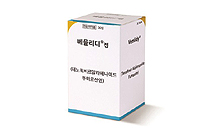
- 4 Vemlidy latecomers reimbursed in Korea
- by Lee, Tak-Sun Jun 27, 2023 05:48am
- Gilead’s original hepatitis B treatment Four more Vemlidy latecomers will be entering the market. Currently, only 3 products by Dong-A ST, Daewoong Pharmaceutical, and Chong Kun Dang are available in the market. Its original drug is Gilead Science Korea’s Vemlidy Tab. According to industry sources on the 25th, Samjin Pharm, Korea Hutex Pharma, Samil Pharm, and Dongkook Pharmaceutical’s tenofovir alafenamide hemimalte hepatitis B treatments will be reimbursed from July. The latecomers are all incrementally modified drugs that were developed with different salt formations than the original Vemlidy’s tenofovir ala fenamide hemitartar hydrochloride. Four companies have succeeded in avoiding Vemlidy’s salt patent with their salt-modified drugs. With the 4 additions, 7 salt-modified drug products of Vemlidy are now available in the Korean market. With Donga ST being the first to be listed in February, Daewoong and Chong Kun Dang also launched and received reimbursement for their respective IMDs in March. All 3 were salt-modified drugs that avoided Vemlidy’s salt patent. The ceiling price of the products that will be released in July can be divided into the highest and lowest price groups. Samjin Pham and Hutex set their drugs’ price at the highest price, at 90% of the original drug's price, according to the pricing formula used for salt-modified drugs, at KRW 3,033 per tablet. However, Samil Pharm and Dongkook Pharmaceutical set the price of their drugs at KRW 2,425 and KRW 2,424, each, the lowest price among the 7 salt-modified drugs introduced in the market. This was interpreted as the companies’ decision to give up the formula price and list their drugs for reimbursement at the lowest estimated sales price among their competitors. The previous 3 companies had also adopted a low-price strategy. Dong-A ST, Daewoong, and Chong Kun Dang all gave up the formula price and listed their drugs at the lowest price. As a result, the price of Donga ST product was set at KWR 2,400, Daewoong’s at KRW 2,473 won, and Chong Kun Dang’s at KRW 2,439. The original Vemlidy’s price is KRW 3,370, and the companies of the latecomer IMDs were found to have chosen price competitiveness over profit to preoccupy the market. Vemlidy has been showing rapid growth in Korea’s hepatitis B treatment market, posting outpatient prescriptions of KRW 47.1 billion (UBIST) in Korea last year Only a few companies were able to develop drugs that avoid Vemlidy’s patent and receive reimbursement. Therefore, the small number of companies are working to secure as much market share as possible until a generic version with the same ingredients as Vemlidy is released. Meanwhile, Samjin’s Taflead Tab which is set to be reimbursed in July will be sold by Bukwang Pharmaceutical, which is well known in the hepatitis B treatment market for its self-developed new drug Levovir. Samjin is in charge of product production and supply.
- Company
- B-cell lymphoma drug Polivy applies for reimb again
- by Eo, Yun-Ho Jun 27, 2023 05:47am
- The B-cell lymphoma drug ‘Polivy’ is reattempting to receive reimbursement in Korea. This time, the company applied for Polivy’s reimbursement with a different indication. According to industry sources, Roche Korea submitted an application for the reimbursement of its Diffuse Large B-Cell Lymphoma (DLBCL) treatment Polivy (polatuzumab vedotin) as a first-line treatment to use in combination with rituximab+ cyclophosphamide, doxorubicin, prednisone, etc. Polivy had applied for reimbursement for its first indication, as a third-line treatment in combination with standard BR therapy (rituximab-cyclophosphamide), in 2021, but failed to pass review by the Cancer Disease Deliberation Committee. Therefore, whether its reattempt for reimbursement in the first-line will be successful this time remains to be seen. Its first-line indication was approved by the US FDA in April and in November in Korea last year. The indication expansion was based on the Phase III POLARIX trial. In the POLARIX trial, all patients were followed for over 24 months, and at a median follow-up of 28.2 months, the risk of disease progression, relapse or death was reduced by 27% with Polivy + R-CHP compared with R-CHOP alone. The most reported adverse events (≥30%) in patients using Polivy+R-CHP were peripheral neuropathy (52.9%), nausea (41.6%), neutropenia (38.4%), and diarrhea (30.8%). Diffuse large B-cell lymphoma is an aggressive type of hematological cancer and the most common form of non-Hodgkin's lymphoma. In Korea, the number of new patients diagnosed with DLBCL is estimated to be near 5,000 each year. As the most common form of non-Hodgkin lymphoma, DLBCL is an aggressive (fast-growing) type of lymphoma that requires immediate treatment. DLBCL is generally responsive to treatment as over half of the patients reach remission, however, 30% to 40% of the patients do not respond to the standard-of-care, R-CHOP or experience relapse after first-line treatment. Despite being a fatal disease where most patients experience relapse within 2 years, and the life expectancy is only 6 months after relapse, the area is known to lack effective treatment options.
- Policy
- Pediatric orphan drug Qarziba·Bylvay selected as the No. 1
- by Lee, Jeong-Hwan Jun 27, 2023 05:47am
- Qarziba and Bylvay were selected as the first drugs for the government’s approval-reimbursement-pricing pilot project. Qarziba and Bylvay, treatments for rare diseases in children, were selected side by side as the first target drugs for the government's parallel pilot project of 'applying for permission-reimbursement evaluation-negotiation of drug price'. Qarziba is a treatment for neuroblastoma, and Bylvay is a treatment for progressive cholestatic pruritus (pruritus). On the 26th, at a meeting with the Korea Special Press Association, the Ministry of Health and Welfare Insurance and Pharmaceuticals announced the results of the selection of the first approval-reimbursement-price combination drug as part of a plan to improve access to treatment for expensive severe diseases and strengthen benefit management. Under the current regulations, it is a normal drug benefit procedure to apply for health insurance listing after completing the safety and efficacy review of the Ministry of Food and Drug Safety. The Ministry of Health and Welfare, along with HIRA and NHIS, has started to improve patient access to treatment for severe diseases through a parallel pilot project. The target of the pilot project is cancer or rare disease with a life expectancy of less than one year and a drug that has proven superiority in survival and treatment effects for patients with a small number of patients and no alternative drug. Based on the fact that eight domestic and foreign pharmaceutical companies submitted applications for about 10 items, the Ministry of Health and Welfare selected two drugs as the No. 1 drug. Qarziba, which was selected this time, is a product of Recordati, an Italian pharmaceutical company, and is being supplied by the KODC in Korea. It is an anticancer drug to treat high-risk blastoma in children aged 12 months or older. Bylvay of French pharmaceutical company Ipsen obtained marketing approval from the US FDA in June of this year as a treatment for cholestatic pruritus in patients with Alagille Syndrome (ALGS) aged 12 months or older. The parallel approval-reimbursement-pricing pilot project starts from the moment two pharmaceutical companies apply for product approval to the Ministry of Food and Drug Safety. Pharmaceutical companies must go through the Ministry of Food and Drug Safety's 'Innovative Product Rapid Review (GIFT)' designation process for Qarziba and Bylvay. Ministry of Food and Drug Safety approval, HIRA benefit evaluation, and NHIS drug price negotiation is equivalent to normal new drug evaluation. The Ministry of Health and Welfare explained, "The target for the 2nd project will be selected through a demand survey in the second half of this year. Drugs included in the 1st demand survey and reviewed can also be selected as the 2nd target drug." The Ministry of Health and Welfare explained, "Pharmaceutical companies are urged to quickly prepare the GIFT designation procedure and submission materials. A working-level consultative body to discuss the implementation of the project will be held in July-August."
- Company
- Boryung Lenvima passed the first hurdle of the patent challe
- by Kim, Jin-Gu Jun 26, 2023 05:53am
- Eisai’s liver cancer drug LenvimaBoryung succeeded in crossing the first hurdle in the patent challenge for Lenvima, a liver cancer treatment. If the remaining two patents are avoided or invalidated, the early generic release is expected to be faster. According to the pharmaceutical industry on the 23rd, the Intellectual Property Trial and Appeals Board sided with Boryeong in a recent trial to confirm the scope of rights for a crystalline form of Lenvima, which Boryeong recently filed against Eisai. Boryeong is single-handedly challenging Lenvima patents. In November of last year, it filed a simultaneous request for a negative right scope confirmation trial and an invalidation trial for three Lenvima patents. At the time, Daewoong Pharmaceutical joined the patent challenge, but soon voluntarily withdrew and left. Lenvima is protected by five patents. Substance patents expiring in April 2025, usage patents expiring in March 2028, crystalline form patents expiring in June 2028, formulation patents expiring in March 2031, and manufacturing method patents expiring in August 2035. Among them, the manufacturing method patent that expires in 2035 has been listed in the Ministry of Food and Drug Safety Patent List since Boryeong started a patent challenge. Boryung plans to release generics in time for substance patent expiration after avoiding or invalidating the rest of the patents except substance patents. Subsequently, registered manufacturing method patents must be overcome by Boryeong. However, in the case of this patent, it is analyzed that Boryeong can be avoided relatively easily by using a composition or salt different from the original. If Boryung succeeds in the remaining patent challenges and releases Lenvima generics early, the anticancer drug portfolio is expected to expand further. Boryeong is concentrating on the anticancer drug business after 2020. Boryung's main strategy is to acquire the domestic copyright for the original product and release the first generic by overcoming patents. Boryung announced plans to add 10 first-generic anticancer drugs by 2026 in its "five-year mid- to long-term plan" announced last year. In July of last year, Fulvet was approved as the first generic of AstraZeneca's breast cancer treatment Faslodex. In addition to Lenvima, ▲Ipsen's liver cancer treatment Cabometyx, ▲BMS' acute lymphocytic leukemia treatment Sprycel ▲Novatis' leukemia treatment Tasigna ▲Pfizer's breast cancer treatment Ibrance challenged patents. However, the patent challenge to Tasigna was voluntarily withdrawn when Boryeong stopped developing generics. In the case of Ibrance, it was defeated in the first trial and has appealed to the Patent Court. The challenge to Sprycel came one step closer to the early release of generics after the usage patent expired in March 2024 as Boryung succeeded in avoiding the crystalline form patent in June of last year. In the case of Cabometyx, although it lost in the first trial, it is analyzed that there is no problem with the early generic release strategy. Ipsen, the original company, voluntarily deleted all claims that were the target of the patent challenge after Boryeong's request for judgment. Boryeong lost in the trial, but in fact, it is in a situation where the patent is not infringed even if the generic is released before February 2032, when the patent expires. Lenvima is Eisai's liver cancer drug. It is used in the first-line treatment of liver cancer together with Nexavar and Tecentriq + Avastin. According to IQVIA, a pharmaceutical market research institute, Lenvima's sales last year were 13.6 billion won. It decreased by 14% compared to 15.8 billion won in 2021. In the first quarter of this year, it posted sales of 2.3 billion won.
- Policy
- Cibinqo is slightly cheaper than Rinvoq in Korea
- by Lee, Tak-Sun Jun 26, 2023 05:53am
- Rinvoq (left) and Cibinqo, JAK inhibitors that are reimbursed for the treatment of adolescents aged 12 years or older with atopic dermatitis With Pfizer’s Cibinqo (abrocitinib), which is attracting attention as an oral treatment option for adolescent patients with atopic dermatitis, set to be listed for reimbursement in July this year, its competition with the already-reimbursed Rinvoq sustained-release tablet (Upadacitinib), is expected to start in full-scale next month. Cibinqo started drug pricing negotiations for its reimbursement in March last year. At the time, its reimbursement was expected in May to June at the earliest, but the period was somewhat delayed. As a result, Cibinqo received reimbursement 3 months later than Rinvoq, which was granted reimbursement for atopic dermatitis in adolescents in April. As a result, Cibinqo was listed for reimbursement at a slightly lower price than Rinvoq. According to industry sources on the 23rd, Pfizer’s Cibinqo Tab 50mg, 100mg, and 200mg will be listed with reimbursement at KRW 11,087, KRW 17,739, and KRW 25,942, respectively, for the treatment of atopic dermatitis. Its ceiling price is known to be 88% of the arithmetic average price of alternative drugs. As a result, Cibinqo became the second drug following Rinvoq to be reimbursed among oral JAK inhibitors as a treatment for atopic dermatitis in adolescent patients aged over 12 years of age. Rinvoq ER 15mg has been granted reimbursement for the treatment of adolescents aged 12 years or older with atopic dermatitis in April in addition to its existing reimbursement for adults. With the reimbursement extension, the ceiling price for Rinvoq was reduced by 5.1%. Also, its KRW 20,000 line collapsed due to the price-volume agreement system. The industry believes the reduced price of Rinvoq to have affected that of Cibinqo. As a latecomer in the market, Cibinqo’s price was set even lower than that of Rinvoq. The 100mg dose is the recommended dose for adolescent patients aged 12 years or older with atopic dermatitis, and the same patients are recommended to use the Rinvoq ER 15mg dose. Both are taken orally, one tablet a day. The price of Cibinqo 100mg is KRW 17,339, and Rinvoq ER is KRW 19,831. Cibinqo is slightly cheaper than Rinvoq, as Cibinqo 100mg’s price is 89% of that of Rinvoq ER 15mg. Due to the very subtle difference, the difference in the ceiling price is deemed to have an insignificant impact on sales. Therefore, the competition to preoccupy the oral drug market for adolescent patients with atopic dermatitis is expected to start in earnest in July. Meanwhile, among biological injections, Dupixent (dupilumab, Sanofi) was reimbursed for atopic dermatitis in children and adolescents in April. While Dupixent, which posted sales of over KRW 100 billion won (based on IQVIA) last year alone, is firmly leading the atopic dermatitis treatment market, attention is focused on how the introduction of the two oral medications will affect the market structure in the adolescent atopic dermatitis market.
- Company
- Entresto’s reimb for HFrEF is extended again
- by Eo, Yun-Ho Jun 26, 2023 05:53am
- The reimbursement standards for the heart failure treatment ‘Entresto’ has been extended once again. According to industry sources, the reimbursement standards for Entresto (sacubitril) will be revised starting next month (July) to cover its use in combination with standard therapy (beta blockers, aldosterone antagonist, etc.) in patients with chronic heart failure with reduced ejection fraction whose left ventricular ejection fraction (LVEF) is below 40%. This is an extension from the previous reimbursement standard that was limited to ‘patients who have been receiving stable dose for over 4 weeks,’ and also an additional extension in becoming a first-line therapy after last year when the drug’s reimbursement was extended to ‘patients who were hemodynamically stabilized after being hospitalized for acute decompensated heart failure and has not received ACE inhibitors or angiotensin II receptor blockers.’ In other words, Entresto can now be used in combination with other standard therapies in patients with an ejection fraction of 40% or less and is positioned at the same status as ACE inhibitors and angiotensin receptor blockers. Entresto’s efficacy in HFrEF was identified in the Phase III PIONEER-HF study. In the PIONEER-HF study, a significant reduction of NT-proBNP was identified from Week 1 of treatment, and the clinical efficacy of Entresto was consistent among various patient groups including patients newly diagnosed with heart failure and RASi-naïve patients. Also, the 12-week open-label extension results that were presented at JAMA Cardiology 2019 showed that Entresto demonstrated consistent treatment effect and safety at Week 12. The difference between the two treatment groups, such as readmission within 8 weeks, was not narrowed for 4 weeks, confirming the clinical necessity of the initial use of Entresto. Entresto is currently recommended as the standard-of-care in heart failure treatment guidelines in Korea and abroad. The European Society of Cardiology (ESC) and the American College of Cardiology (ACC) recommends Entresto as a first-line treatment option, and in January 2021, the 2021 update to the ACC Expert Consensus Decision Pathway amended the guidelines to recommend Entresto ahead of ARB or ACE inhibitors. Also, the ESC’s Heart Failure Guidelines that was updated in August 2021 emphasized a combined treatment strategy that simultaneously initiates the use of 4 essential drugs including ARNI-class drugs (Entresto) that reduce the risk of death from heart failure. Meanwhile, Entresto is a first-in-class angiotensin receptor-neprilysin inhibitor (ARNI) that directly works on the heart. It works on two hormonal pathways, to activate the NP nerve hormones that benefit the cardiovascular system while inhibiting RAAS which is harmful for the cardiovascular system.
- Opinion
- [Reporter's view] Where's the wrong answer note
- by Kim, Jin-Gu Jun 26, 2023 05:53am
- The government is preparing the '2nd National Health Insurance Comprehensive Plan' to be implemented for five years until 2028. The focus of the pharmaceutical industry is on drug spending policies. This is because it is expected to contain the framework of the entire reimbursement system, from new drugs to generics. In the first National Health Insurance Comprehensive Plan announced in 2019, the government set the macro direction of the benefits system as a 'trade-off'. In a word, instead of lowering the price of generic drugs, the plan was to expand insurance coverage for new drugs. In fact, over the past five years, the government has reduced generic drug prices in various ways. In 2020, it revived the tiered drug pricing system and changed the framework of the system. In addition, the re-evaluation of benefits that started with choline alfoscerate is being repeated every year. In addition, the re-evaluation of the maximum amount of 15,000 registered drugs is in progress. The pharmaceutical industry predicts that the government will further strengthen this reevaluation stance in the 2nd Comprehensive Health Insurance Plan. If the previous re-evaluation was conducted based on clinical evidence, it is predicted that social necessity and cost-effectiveness will be considered in the future. Ahead of the announcement of the second health insurance comprehensive plan, opinions of criticism are raised here and there. If you listen to their voices, you can see that the complaint is not just because they are simply lowering the price of generic drugs or because the listing of new drugs is not accelerating. The basis of criticism is the 'absence of evaluation' of the last 1st health insurance comprehensive plan. It is said that there is no evaluation of how effective the macroscopic drug spending policy called trade-off was. There is currently no way to know how much money was saved from generics and how many new drugs were listed on the reimbursement list through this. In this situation, the government is showing a move to strengthen the stance of trade-off, so it is perhaps natural that the pharmaceutical industry is resisting. Evaluation and reflection are essential elements in setting a constructive policy direction. You can't cover everything up as in the past. It is the same reason that test takers write incorrect answer notes to get better grades. It isn't easy to create better results without objective evaluation and reflection on oneself. Where is the Ministry of Health and Welfare's wrong answer note about the 1st Comprehensive Health Insurance Plan? How much has domestic pharmaceutical spending decreased over the past five years and how much has insurance coverage been strengthened? What was good about the 1st Comprehensive Health Care Plan and what could be improved? Without a detailed evaluation of this, the resistance of the pharmaceutical industry will inevitably continue. The government should remember that the first step toward creating a better system is to evaluate and reflect on the past.
- Policy
- Opsumit price cut by 30%
- by Kim, Jung-Ju Jun 26, 2023 05:52am
- Janssen's blockbuster pulmonary arterial hypertension drug Opsumit 10mg (Micronized Macitentan) will drop by 30% on the 1st of next month. In addition to the reimbursement of Maciten, the first generic drug that acquired generic for exclusivity, the drug price cut was applied in a cascading fashion. An addition is applied here, so after a year, even this will disappear and fall further. According to the industry on the 23rd, the Ministry of Health and Welfare is in the process of revising the 'drug benefit list and the maximum benefit amount table'. Opsumit's drug price cut began when first-generic Maciten received insurance benefits this month. Maciten is the first Opsumit generic, priced at 28,864 won per party. It is 53.55% of the Opsumit insurance drug price of 48,512 won. Due to the cascade of drug price cuts, also called the so-called 'half-price drug price system', they competed at prices close to half the price, and even dealt a blow to the original Opsumit family. Janssen Korea has continued a patent dispute with Samjin. After Samjin won the case in April by drawing a trial decision on the establishment of the claim from the Intellectual Property Trial and Appeal Board (1 trial), a counterattack by Janssen Korea is predicted. However, as Janssen Korea gave up a series of drug price lawsuits against the Ministry of Health and Welfare to cancel drug price cuts and apply for suspension of execution, the cut has become clear this time. Opsumit's price cut rate is around 30% of the current price. However, strictly speaking, this is an original addition to the 'half-price drug price system'. Using this system, when the first generic is listed, the government, in principle, adjusts the original to 53.55% like the generic, but reflects the characteristics of the original and gives an additional value to maintain the final 70% for one year. Opsumit is set to cut an additional 23.5% on June 1, 2024, one year after the addition ends. Korea United Pharm's Atmeg Combigel will drop 21.2% as of the 1st of next month as the addition ends.
- Policy
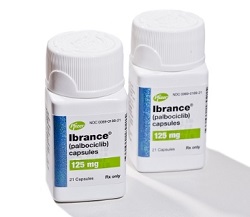
- Breast cancer Tx Ibrance’s AE rate at 86%...6yr PMS results
- by Lee, Hye-Kyung Jun 23, 2023 05:45am
- Post-marketing surveillance results of Pfizer Korea’s breast cancer treatment ‘Ibrance Cap (palbociclib)’ showed an adverse event rate of 86.01% for the drug. The Ministry of Food and Drug Safety prepared a label change order (draft) items based on its reevaluation results and will be conducting an opinion inquiry until the 5th of next month. The results of the post-marketing surveillance study conducted by Pfizer on 293 people for 6 years for its reevaluation showed that Ibrance’s reported adverse event rate was 86.01% (252/293 people, 642 cases), regardless of a causal relationship. Of these, 2.73% (8/293 patients, 11 cases) were serious adverse reactions (ADRs) whose causal relationship cannot be ruled out, and were reports of uncommon reactions such as inflammation of the lungs, febrile neutropenia, neutropenia, pancytopenia, pneumonia, asthenia, nausea, hepatitis, and decreased appetite, etc. Also, 13.6% (40/293 persons, 49 cases) were unexpected adverse drug reactions in which a causal relationship cannot be ruled out, with common reports of upper abdominal pain, constipation, indigestion, joint pain, insomnia, and pruritus. Less commonly, cough, pulmonary embolism, abdominal pain, and hepatitis were also reported. Ibrance is the first-in-class cyclin-dependent kinases (CDK) 4/6 inhibitor that was introduced to the field. It is indicated for the treatment of breast cancer in combination with an aromatase inhibitor as first-line endocrine therapy in postmenopausal women or in combination with fulvestrant in pre- and post-menopausal women with disease progression following endocrine therapy. After receiving the world’s fifth approval in Korea from the Ministry of Food and Drug Safety, it first recorded sales of KRW 6.6 billion in 2017, and then recorded KRW 25.3 billion after receiving reimbursement in 2018, then KRW 56.2 billion in Korea last year. In the first quarter of this year, Ibrance’s sales fell 13% from the previous year to record KRW 12.6 billion. Also, the drug succeeded in renewing its risk-sharing agreement (RSA) with the National Health Insurance Service in 2021, allowing the drug to receive reimbursement coverage until November 5, 2026.
