
- LOGIN
- MemberShip
- 2026-06-27 19:51:20
- Company
- MSD Korea begins voluntary retirement
- by Jung, Sae-Im May 15, 2023 05:40am
- MSD Korea, which announced a reduction in manpower due to the abolition of the Januvia division, has begun a full-fledged reduction in personnel by disclosing the conditions for ERP. The labor union of MSD Korea warned of a tough response, saying, "We cannot accept the company's attempt to reduce manpower." On the 12th, MSD Korea announced the conditions for voluntary retirement for GM division employees. Employees who apply for voluntary retirement are paid a monthly basic wage equal to the number of months equivalent to the value of adding 10 to twice the number of years of service as a basic severance pay (2n+10). The payment limit is limited to a maximum of 48 months. In addition, an additional 20 million won is paid as severance compensation. For example, if an employee with 10 years of service applies for voluntary retirement, he or she will receive a monthly base salary equivalent to 30 months and an additional 20 million won. However, if the total severance pay exceeds the 'amount calculated by multiplying the number of remaining months until retirement by the monthly basic salary', the excess amount is deducted. This voluntary retirement program is aimed at about 100 employees in the GM division. The company began reorganization by handing over all rights of the diabetes treatment 'Januvia series' sold by the GM division to the domestic pharmaceutical company Chong Kun Dang. The plan is to get rid of the GM division, which mainly sold chronic disease treatments, and leave only three divisions: anticancer drugs, vaccines, and hospital specialties. The downsizing of the division was also accompanied by a reduction in personnel. The labor union strongly opposed the company's attempt to cut personnel. Since there was no urgent management problem to abolish the business unit, it is a position that it cannot agree to all attempts to reduce personnel, such as ERP, individual meetings, external career support programs, and layoffs. The union said, "According to the Labor Standards Act and Article 18 of 'Employment Security' of the MSD Korea Collective Agreement, the union and all members will not participate in any sessions, including one-on-one meetings scheduled for the future." In addition, the union said, "The union and all union members will fight strongly by mobilizing all available capabilities to defend the right to live."
- Company
- Advate leading hemophilia treatment
- by Nho, Byung Chul May 12, 2023 05:45am
- In the field of hemophilia non-antibody and antibody treatment, Takeda Korea Pharmaceutical and JW Pharmaceutical are gaining attention as they are strengthening their positions. Korea Takeda Pharmaceutical's 'Advate/Adynovate', and JW Pharmaceutical's Hemlibra's sales last year were 26.2 billion won and 7.6 billion won, respectively, ranking first in related markets. Of particular note is that the hemophilia antibody treatment market is fluctuating in line with the launch of Hemlibra in 2020. Due to the emergence of strong competing products, the external expansion of traditional powerhouses Novoseven RT and Faiva is drawing a steep downward curve. Novoseven RT·Faiva's sales from 2018 to 2022 show a decreasing trend from '19.5 billion - 5.4 billion won' to '6.1 billion - 3.6 billion won'. In the non-antibody treatment market, six domestic and foreign pharmaceutical companies, including GC Green Cross, Pfizer Korea, Sanofi, and Bayer Korea, are competing fiercely with Takeda at the forefront. Based on the sum of pharmaceutical product lines, Takeda's 'Advate/Adynovate -19.4 billion won/6.7 billion won' and GC Pharma's GreenMono/Greengene F -6.5 billion won/2.7 billion won' ranked first and second, respectively. Pfizer's Xyntha Solofuse, Sanofi's Eloctate, and Bayer's Kogenate FS achieved 5.1 billion won, 3 billion won, and 1.8 billion won last year. The newly released CSL Bering Korea Afstyla in 2021 showed a performance of 40 million won in the first year and about 100 million won last year. The peculiarity is that except for Adynovate and Eloctate, the performance of most non-antibody treatment products is showing a downward trend, and the market also decreased by nearly 5 billion won last year compared to 50 billion won in 2018, five years ago. The antibody treatment market also recorded a sales peak of 25.7 billion won in 2018, followed by a 35% decline with sales worth 16.7 billion won in 2022. Hemophilia is largely divided into hemophilia A (factor VIII deficiency), hemophilia B (factor IX deficiency, also known as 'Christmas disease'), hemophilia C (factor XI deficiency), para hemophilia (factor V deficiency), and pseudo hemophilia. (pseudo hemophilia) or von Willebrand disease (von Willebrand factor deficiency). The incidence of hemophilia A patient is about 1 in 5,000 to 10,000 normal-born males, and hemophilia B is about one-fifth of this. Von Willebrand disease occurs in both men and women and occurs in about 1 in 1000 cases. It is estimated that there are 600,000 hemophilia patients worldwide, and about 12% of all hemophilia patients are hemophilia B patients. In Korea, the number of patients with hemophilia A is the highest at 2,000, followed by 400 patients with hemophilia B, 100 patients with von Willebrand disease, and 20 patients with hemophilia C.
- Company
- SK Biopharm’s cenobamate secures KRW 700 billion
- by Chon, Seung-Hyun May 12, 2023 05:45am
- Cumulative sales of SK Biopharmaceutical’s epilepsy treatment cenobamate exceeded KRW 300 billion in the US. It had continued to show growth every quarter ever since its release. Combined with the upfront payment and milestone payments cenobamate has earned more than KRW 700 billion over the past 4 years. According to SK Biopharm on the 11th, cenobamate posted sales of KRW 53.9 billion in the United States in Q1 last year. This is a 70.0% increase from the KRW 31.7 billion made in the same period last year. This also surpassed the previous record of KRW 49.8 billion recorded in the previous quarter by 8.2%, and the sales showed continued growth every quarter since its release. The total number of prescriptions for cenobamate in the United States is also on the rise. The total number of prescriptions in the first quarter was about 55,000, up 10% from the previous quarter. Quarterly sales of cenobamate in the US (Unit: KRW 100 million, Data: SK Biopharm). Cenobamate is a new anti-epileptic developed solely by SK Biopharmaceuticals from its initial development to US FDA approval as a treatment for partial-onset seizures in adults. It simultaneously regulates 2 targets related to excitatory/inhibitory signaling that are known to cause epilepsy to reduce seizure frequency. SK Biopharmaceuticals received approval for cenobamate under the brand name ‘Xcopri’ from the US FDA in November 2019, and has been directly selling the drug through its US subsidiary, SK Life Science since May 2020. Cenobamate has been growing every quarter since generating initial sales of KRW 2.1 billion in Q2 2020. In Q1 2021, sales exceeded KRW 10 billion, and quarterly sales exceeded KRW 50 billion this year. Cumulative sales of cenobamate in the US totaled KRW 314 billion. Also, Cenobamate has secured over KRW 400 billion as technology fees over the past 4 years. SK Biopharmaceuticals entered into an exclusive licensing agreement in February 2019 with the Swiss pharmaceutical company Arvelle Therapeutics to transfer technology on cenobamate for up to USD 530 million. At the time, SK Biopharmaceuticals received an upfront payment of USD 100 million with no obligation of return. In October 2020, the company entered into an exclusive licensing agreement with Ono Pharmaceutical for Ono to develop and commercialize Xcopri in Japan. Under the agreement, SK Biopharmaceuticals received an upfront payment of ¥5 billion with no obligation of return, and will also be eligible to receive up to ¥48.1 billion based on the achievement of certain regulatory and commercial milestones, as well as over 10% royalties on net sales generated in Japan. In November 2021, SK Biopharmaceuticals licensed out 6 new central nervous systems (CNS) drugs including cenobamate to Ignis Therapeutics. Under the deal, SK Biopharmaceuticals received an upfront payment of USD 20 million, a milestone payment of USD 15 million, and royalties on net sales in the future. Through the technology export, SK Biopharmaceuticals acquired 150 million shares of Ignis (share amounts to 44.9% including common stock). And in December 2021, SK Biopharmaceuticals signed a licensing deal with Endo Group for the commercialization of its epilepsy drug cenobamate across Canada. Under the deal, SK Biopharmaceuticals an upfront payment of USD 20 million. The company will also be able to receive up to USD 21 million in Canadian dollars based on the achievement of certain regulatory and commercial milestones in the future. Paladin Labs Inc., a Canada-based operating subsidiary of Endo, will be responsible for all commercial activities related to cenobamate in the region, including its release. Endo is a global healthcare company headquartered in Ireland. In July last year, SK Biopharmaceuticals signed a licensing out deal with the Brazilian pharmaceutical company Eurofarma Laboratorios SA for cenobamate. Under the agreement, SK Biopharmaceuticals will receive an upfront payment of USD 15 million and up to USD 47 million in milestone payments. Under the licensing out agreement, Eurofarma will be selling cenobamate in 17 Latin American countries including Brazil and Mexico In addition to upfront payments, the company has also received milestone payments upon cenobamate’s approval abroad. SK Biopharmaceuticals received USD 123.22 million from its European partner Angelini Pharma as milestone payments last year. Angelini Pharma (formerly Arvelle Therapeutics UK) has collected additional milestone payments after receiving marketing authorization from the European Commission in March last year. SK Biopharmaceutical’s cash inflow from upfront payments and further milestones from the technology transfer of cenobamate is USD 278.22 million and ¥5 billion. Based on recent exchange rates, the company had secured about KRW 400 billion through upfront and milestone payments through technology transfer with cenobamate. Combined with US sales, the drug had brought in over KRW 700 billion. The company is seeking to expand its sales in the global market. After its approval in Europe in March 2021, the company released its drug under the product name ‘Ontozry.’ So far, it has been released in 18 European countries, including Germany, England, Italy, Spain, and France. The company is also speeding up development to expand indications for cenobamate as well as its pipeline. Cenobamate is undergoing multinational clinical trials to extend its indication to generalized seizures and expand the age group that can be administered from adults to adolescents, and the study has entered Phase III trials in Korea. An SK Biopharmaceuticals official said, “We plan to conduct aggressive sales activities including improving the incentive system for our sales representatives to encourage sales in the US and by expanding the clientele from epilepsy specialists to general neurologists.”
- Policy
- Youkyung Oh was appointed as the first chairman of APFRAS
- by Lee, Hye-Kyung May 12, 2023 05:44am
- On the 10th and 11th, the Ministry of Food and Drug Safety (Minister Oh Yookyung) held the 1st Asia-Pacific Food Regulatory Authority Heads Consultative Meeting (APFRAS 2023), where 7 countries came together to harmonize global food regulations in the Asia-Pacific region and strengthen cooperation. said to have collected. APFRAS (Asia-Pacific Food Regulatory Authority Summit) is participated by New Zealand, Vietnam, Singapore, China, Philippines, Korea, and Australia. On the 11th, Korea was elected as the first chair of APFRAS at a meeting of heads of food regulatory agencies from seven countries, and Minister Oh You-keong of the Ministry of Food and Drug Safety was appointed as chair. As the chair, Korea established a secretariat, operated a working group, and communicated among member countries for three years. do The member countries adopted the Operational Regulations (TOR) following the establishment of APFRAS, and also resolved implementation tasks for the operation of the working group and achievement of strategic goals. In the future, the APFRAS working group will analyze the food regulatory environment in the Asia-Pacific region and discuss in-depth discussions on the digitalization of food safety management and carbon neutrality in the food sector. In addition, for food safety, we agreed to rapidly analyze new global issues and respond cooperatively to changes in the international food environment, and urge the strengthening of the cooperative system to create a safe food distribution environment in the Asia-Pacific region and solve common tasks. The Declaration was adopted and signed by all seven member states. It was agreed to hold the APFRAS meeting once a year to continue the close cooperation system among member countries, and the second APFRAS meeting in 2024 is scheduled to be held in Seoul, Korea, which was elected as the chair country. Minister of Ministry of Food and Drug Safety Oh Youkyung discussed with Lim Kok Thai, head of the Food and Drug Administration of Singapore, to conclude a food safety cooperation agreement (MOU) to draw common interests between the two countries, such as standards for new food raw materials, and to strengthen cooperation between the two organizations. Director Oh said, "With the launch of APFRAS, the world's first head of a food regulatory agency gathered in one place to discuss various issues related to global food safety and achieve meaningful results by agreeing on strengthening capabilities among regulatory agencies." Director Oh said, "As I was elected as the APFRAS chairman, I will do my best so that Korea can play a leading role in quickly identifying new food safety issues and changes and raising the level of food safety in member countries. I will try,” he said. The Ministry of Food and Drug Safety will continue to lead international cooperation and regulatory harmonization for food safety and continue discussions to resolve non-tariff barriers. .
- Policy
- HIRA plans to report on the re-evaluation
- by Lee, Tak-Sun May 12, 2023 05:44am
- It is known that The HIRA will come up with a plan to improve the re-evaluation of drug benefits and report it to the Health Insurance Policy Review Committee of the Ministry of Health and Welfare, which will be held this month. This improvement plan is based on the 'rationalization plan for re-evaluation of drug benefit adequacy', which ended in March. According to the industry on the 11th, The HIRA is conducting internal procedures to disclose the results of the 'rationalization plan for re-evaluation of drug benefit adequacy', which was conducted as an external service research. Based on this, improvement plans are said to be reported this month. Along with the health report, the results of the research service will also be made public. It is known that the service research conducted by KIHASA (Research Director: Dr. Sylvia Park) contains the direction of re-evaluation and rational operation plan. Accordingly, the number of registered drug products and claims for the past 10 years were analyzed, and the claims for first-listed ingredients after 2007 were also analyzed. The pharmaceutical industry is also paying attention to this improvement plan as it is known that it will affect the decision to be re-evaluated in the future. In particular, the ingredients subject to a re-evaluation of benefit adequacy in 2024, which have not yet been announced, are also being selected based on this, so they are keenly aware. An official in the pharmaceutical industry said, "We are keeping an eye on the related contents because the results of the research service show the direction of the selection of ingredients subject to a re-evaluation of benefits in the future." It is known that HIRA plans to proceed with the process of selecting target ingredients in 2024. An official from HIRA explained, "We plan to start selecting target ingredients in 2024 through a subcommittee." Meanwhile, the re-evaluation of benefit adequacy will be conducted in 2020 on drugs with low clinical usefulness to optimize pharmaceutical expenditure. In 2020, Choline alfoscerate was re-evaluated, and in 2021, ingredients mixed with healthy functional foods were re-evaluated. Last year and this year, 6 ingredients were selected in 2022 and 8 ingredients in 2023 were selected based on the old ingredients, etc., and the review is underway, such as determining the conditional temporary benefit for streptokinase and streptodornase ingredients. This year, drugs such as hyaluronic acid eye drops are on the re-evaluation judgment table for the adequacy of reimbursement.
- Company
- SU's strengths maximized through combined use with SGLT-2is
- by Kim, Jin-Gu May 12, 2023 05:44am
- New opportunities have emerged for the use of the diabetes treatment sulfonylurea (SU). It is claimed that its combined use with SGLT-2 inhibitor drugs can offset the existing disadvantages such as hypoglycemia and weight gain, while fully utilizing the strong blood sugar lowering effect of SU drugs. Jin Hwa Kim, Professor, Department of Endocrinology and Metabolism, Chosun University Hospital Professor Jin Hwa Kim of the Department of Endocrinology and Metabolism at Chosun University Hospital claimed so at the 2023 Spring Conference of the Korean Diabetes Association held at the Kimdaejung Convention Center in Gwangju on the 11th, where he made his theme presentation during the special session. In his presentation on 'Expected Effects of Combined Use of Sulfonylurea and SGLT-2 Inhibitor in Type 2 Diabetes', he said, "The commonly known disadvantages and side effects of SU class drugs can be overcome by combining them with SGLT-2 inhibitor class drugs." "A recent study cleared the misconception that SU class drugs increase cardiovascular risk" SU-class antidiabetics were known to have clear advantages and disadvantages. Although it has an excellent blood sugar lowering effect, its risk of hypoglycemia and weight gain were pointed out as disadvantages. Also, there had been rising concerns about how it may increase the risk of cardiovascular disease. Due to such reasons, the use of SU-class drugs had been gradually decreasing in practice. In the past, other than metformin, SU was the most commonly used drug, but its prescriptions had decreased since the release of DPP-4 class drugs that have a lower risk of hypoglycemia. However, Professor Jin Hwa Kim cleared the misconception that SU-class drugs have a high cardiovascular risk with a recent study. According to Kim, the CAROLINA trial that was published in 2019 compared the cardiovascular safety of glimepiride, an SU drug, and linagliptin, a DPP-4 inhibitor. Results of the CAROLINA trial, which studied 6,000 people in 43 countries around the globe for 8 years, showed that the cardiovascular safety of the two drugs was similar. With glimepiride demonstrating safety similar to linagliptin, a drug proven to have cardiovascular safety, U-class drugs can be cleared of the misconception that it increases cardiovascular risk. In the 'GRADE' study that compared glimepiride’s cardiovascular safety with liraglutide, a GLP-1 analog, results showed that glimepiride had a similar level of cardiovascular risk as liraglutide. In addition, in another meta-study that compared SU class drugs with DPP-4 inhibitor class drugs or TZD class drugs, there was no significant difference in cardiovascular events and mortality between different classes overall. With such research results coming out one after another, Professor Kim explained that the American Diabetes Association (ADA) issued a 'neutral' opinion on the cardiovascular risk of SU-class drugs in its diabetes treatment guidelines this year. Professor Kim said, "The studies reduced overall concerns about cardiovascular risk. Also, when used in combination with SGLT-2 inhibitors, which have cardiovascular benefits, its use will become much safer." "The risk of hypoglycemia and weight gain of SU class drugs can be offset by SGLT-2 inhibitors" Professor Kim claimed that the risk of hypoglycemia and weight gain, which were pointed out as other disadvantages of SU class drugs, can be sufficiently offset by combining the use of SGLT-2 inhibitor class drugs. According to Kim, a recent meta-analysis showed that the risk of hypoglycemia increased when SU-class drugs were used in combination with SGLT-2 inhibitors. On this, Professor Kim said, "However, specifics showed that results differed depending on the dosage of the SU class drugs. When using SU drugs with SGLT-2 inhibitors, you can reduce the dose of the SU drug to reduce the risk of hypoglycemia.” Regarding the weight gain side effect, he added “There are concerns that SU drugs may cause weight gain, but it can be offset with SGLT-2 inhibitors.” Professor Kim added, “The concerns held by SU class drugs can be offset by combining its use with SGLT-2 inhibitors. This will allow patients to fully enjoy the strong blood sugar lowering effect of SU class drugs.” Kang-Seo Park, professor of Endocrinology at Eulji University Hospital, who chaired the session, added, “For patients with high blood sugar, SU class drugs can be used to help lower blood sugar safely through combined use with SGLT-2 inhibitors.”
- Policy
- Triple-negative breast cancer tx Trodelbi approved in Korea
- by Lee, Hye-Kyung May 11, 2023 05:50am
- Meditip's Trodelbi (Sacituzumabgovitecan), an orphan drug triple-negative breast cancer treatment, has received domestic product approval. The Ministry of Food and Drug Safety (Minister Oh Yoo-kyung) announced on the 9th that it had approved the approval of Trodelbi to be used in breast cancer patients who lack estrogen receptor (ER), progesterone receptor (PR), and epidermal growth factor receptor 2 (HER2). Trodelbi is an antibody-drug conjugate that targets Trop-2 protein, frequently found on the surface of breast cancer cells, and provides a new treatment opportunity for patients with advanced or metastatic triple-negative breast cancer. Trop-2 is overexpressed on the surface of various cancer cells, including triple-negative breast cancer. Trodelbi is indicated for treating adult patients with unresectable locally advanced or metastatic triple-negative breast cancer who have received at least two prior systemic treatments, at least one of which has been treated for metastatic disease. Trodelbi induces the death of cancer cells by releasing drugs (SN-38, SN-38 glucuronide) that inhibit cell division within the cell, while the antibody (Sacituzumab) binds to Trop-2 expressed on the cell surface and moves into the cell. do. The Ministry of Food and Drug Safety said, “We will continue to do our best to promptly supply treatments whose safety and effectiveness have been sufficiently confirmed based on regulatory science.”

- Policy
- ‘Pay more policy attention to advanced heart failures'
- by Hwang, byoung-woo May 11, 2023 05:49am
- [Interview with Medical Societies] Soo-Yong Lee, Administrative Secretary of the Insurance Committee at KSF Asks authorities to increase benefits for patients at high risk of health failure who have fewer treatment alternatives According to the ‘2020 Heart Failure Fact Sheet’ that was released by the Korean Society of Heart Failure (KSHF), Korea’s prevalence of heart failure in Korea had increased threefold in 16 years from 0.77% of the total population in 2002 to 2.24% in 2018 to exceed 1 million patients. Although drug options that can intervene in the early stages of heart failure have been increasing, options are still limited for severely ill patients with prior hospitalization experience. Therefore, Soo Yong Lee, Professor of Cardiology at Pusan National University Yangsan Hospital (Administrative Secretary, Insurance Committee, KSF) believes that appropriate policy intervention is needed in terms of patient benefits and insurance finance. Soo-Yong Lee, Assistant Administrator of the Insurance Committee at KSF#In particular, Professor Lee stressed how heart failure has a lower survival rate than most cancers. “The overall survival period of patients with heart failure is 2.6 years for first hospitalizations, 1.8 years for second hospitalizations, and 1.5 years for third hospitalizations. This means that the number of hospitalizations is proportional to the mortality rate of the patients, and 1-2 out of 4-5 patients are re-hospitalized within a month in practice.” Lee further explained that hospital readmissions also impose further financial burdens on the patients. The total medical expense paid by patients with heart failure who have experienced at least 1 hospitalization is around KRW 8-9 million per year, and the burden increases further if the patient’s condition requires the use of an intensive care unit or equipment for dialysis or ECMO. In fact, according to the 2017-2021 health insurance treatment Rep. Sun-woo Kang, member of the National Assembly's Health and Welfare Committee, received from the National Health Insurance Service, the number of patients treated for heart failure increased by 7.1% (158,916 in 2021) every year, increasing the treatment expense as well (an average of 15.6% in 5 years). The heart failure treatment paradigm has been changing with recent studies being conducted on reducing the mortality rate in patients with chronic, therefore, stable heart failure and the introduction of ARNi drugs. Lee said, “Recent studies have focused on how much the condition improves when drugs are used in acute patients after treatment and when drugs are used immediately after stabilization. With the release of SGLT2is and ARNis, the current trend is leaning towards the early use of such treatments” Re-hospitalization of patients despite the availability of early treatment options remains a concern..."Need to improve the treatment environment" However, despite the development of early treatments, the number of readmitted patients has increased constantly due to various factors including the lack of patients' compliance. One treatment that can be considered for use in this situation is vericiguat (product name Verquvo), and the KSF has been highly recommending it with a Class Ⅱa recommendation for preemptive use when a patient’s heart failure worsens even after ample standard therapy. The VICTORIA trial that became the basis of Verquvo’s approval drew attention because it enrolled patients who have recent hospitalization history and have been hospitalized at least once. Compared to most studies of other heart failure drugs that are conducted on chronic patients with good symptom control and low readmission rates, Verquvo’s patient group fundamentally has a higher mortality rate than other studies. Lee said, “In the VICTORIA study, 66.9% of patients were hospitalized for heart failure within 3 months, and 85.7% were HFrEF patients with a left ventricular ejection fraction of 40% or less. The study itself was a brave attempt as most of them were in a very bad condition, to the extent that no drugs would have been effective for them.” Study results showed that Verquvo reduced the risk of death from cardiovascular disease or first hospitalization due to heart failure by 10%, and achieved a 4.2% reduction in annualized absolute risk. Regarding the results, Lee explained that “Patients in the high-risk group used to have a poor prognosis. They were prescribed dobutamine before and are discharged if they seem better, and had to repeat hospitalization due to cardiac arrest until death or await heart transplantations. The study showed that its NNT was 24, which means that 1 out of 24 patients could be discharged because their symptoms improve after using the treatment, which is a very good figure and the best level achieved among heart failure drugs.” He added, “The drug holds great clinical significance as it gives high-risk patients the opportunity to leave the hospital. "In my practice of treating many patients with end-stage heart failure, Verquvo is definitely a welcome rain in the drought.” Emphasis on its benefit in patients at high risk of heart failure...will reimbursement discussions for Verquvo make progress? According to industry sources, Verquvo’s reimbursement has passed review by the Health Insurance Review and Assessment Service’s Drug Reimbursement Standard Subcommittee and is awaiting to be deliberated by the Drug Reimbursement Evaluation Committee. To add its support, the KSHF has also conveyed its opinion regarding the expansion of Verquvo’s reimbursement standards as its role in the field is clear. Based on the VICTORIA trial, the KSHF expects that 10,000 to 15,000 patients can be treated with Verquvo every year. In particular, Lee judged that when the drug is administered to the high-risk group, this may reduce the need for a heart transplant or hospitalization in an intensive care unit, which can also provide benefits in terms of cost. He said, “The biggest feature of Verquvo is that it has confirmed its effectiveness in severely ill patients. When considering how patients with the LVAD indication incur KRW 150 million to KRW 250 million as expenses every time they use LVAD, if the drug can reduce the frequency of hospitalization or death, reimbursement would also be reasonable in terms of saving insurance finances.” However, Lee expressed concern over how the application of excessively restrictive reimbursement standards may act as a barrier to its use for patients even if the drug is positively considered for reimbursement in the future. In the VICTORIA clinical trial, about 60% of the patients received the three-drug therapy that included RAAS inhibitors. Patients who experienced worsening conditions despite being administered standard therapy according to the patient’s clinical condition were also allowed to use Verquvo in the trial, and therefore this indication may also be reflected in its reimbursement standards in the future. However, as standard therapy treatments are used in primary medical institutions in the early stages of heart failure, a barrier may arise for patients where they may not be eligible to use Verquvo even after being transferred to a general hospital or a tertiary hospital due to set reimbursement standards. Lee said, “I think Verquvo is a necessary drug for patients in the advanced stage, such as those who have used intravenous diuretics or have been hospitalized for heart failure. As a clear patient population exists for the drug, its reimbursement standards should be set promptly in consideration of the urgent need and allow its use in patients who experience worsening heart failure events after standard treatment.”
- Policy
- Rapidly changing breast cancer treatment
- by Choi, sun May 11, 2023 05:49am
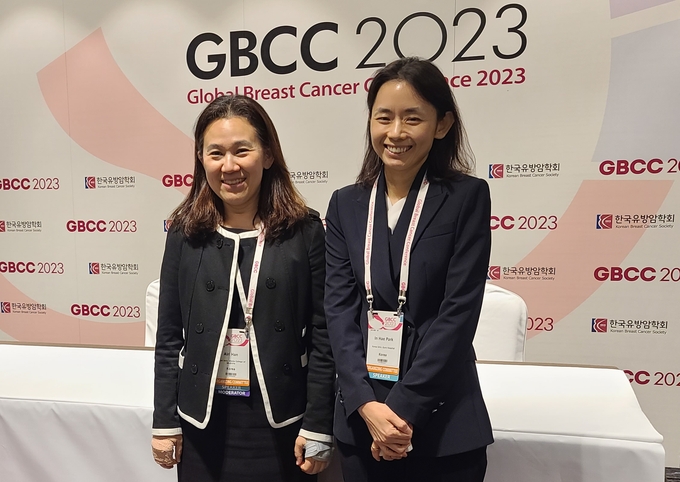
- The Korean Breast Cancer Society revised the treatment recommendation on the 27th. Combination drug treatment using a combination of an antibody and an anticancer drug has emerged as a hot issue, and as the new anticancer drug Enhertu for HER2-positive metastatic breast cancer received domestic approval in September last year, the reflection of this is emerging as a concern. In the case of new drugs, society reflects them if there is evidence, while also preparing new recommendations for rare cases that have been neglected. It means that it presented an 'answer' based on expert consensus in areas where large-scale randomized clinical studies were lacking due to the small number of patients, such as male breast cancer, osteoporosis treatment in breast cancer patients, and familial breast cancer, which depended on individual judgment of medical staff. Given that the clinical field of breast cancer is rapidly changing due to the emergence of various new drugs and treatments, society adheres to preparing revisions every two years. Even with a 'short cycle' of 2 years, it contains a lot of changes. We met Ae-Ri Han (Department of Breast Surgery, Yonsei Wonju University) and In-Hye Park (Department of Oncology, Korea University Guro Hospital), chair of the Breast Cancer Society, to hear about major changes. Usually, guidelines and recommendations are based on data. After the evidence is accumulated and verified over time, it goes through the usual procedure reflected in the guidelines. The problem is in the case of rare cancers, where it is difficult to accumulate data despite the passage of time. The need for a minimum 'guidance' that relied entirely on the judgment of medical staff has been a demand in the clinical field. (From left) Han Ae-ri, chair of the breast cancer society, and Park In-hye, chair of the academic committee Chairman Han expressed the biggest change in this recommendation as 'interest in the minority. "Because recommendations are not standard medical guidelines, they do not mean that they must be done as they are," she said. Usually, for rare cases, foreign studies are referred to. It was not easy to find high-quality research data abroad for the rare cases included in this guideline. Chairman Han said, "The most reliable data is a randomized clinical trial involving a long period of time and a large number of patients, but the cases mentioned above have physical limitations in conducting such clinical trials. This is the same situation in Korea as well as abroad." Explained. The society decided to support smooth use through recommendations on the use of Enhertu, which is on the verge of reimbursement. Enhertu drew attention last year with a national consent petition urging 50,000 people to request rapid approval. Even after the domestic approval in September of last year, as 50,000 people urged public consent for health insurance, it emerged as a topic of interest in the breast cancer academic community. Park In-hye, chairman of the Academic Committee (Korea University Guro Hospital), said, “Enhertu’s insurance review has already been completed and some adjustments remain, so the review will begin again in May soon.” Since locals use it a lot, I think a similar level of decision will come out." She said, "I think that insurance benefits will be available to patients after the review in May in Korea." She said, “Especially, as the treatment indications for Enhertu are getting wider, the number of patients who can be treated with Enhertu is expected to gradually increase.” Chairman Han Ae-ri said, "Because the level of evidence must be high, it is difficult to unconditionally reflect in the recommendation that a new drug has been released, but all cases that meet the criteria such as Enhertu are reflected in this guideline." I thought it was, so I didn't reflect it," she explained. “The National Comprehensive Cancer Network (NCCN) has recommended Ribociclib as a first-class among CDK 4/6 inhibitors,” she said. “In Korea, Palbociclib was first launched in 2016 and is a generic drug. Abemaciclib and Ribociclib are competing, but experts are also divided on whether to switch to another drug if they are currently taking Palbociclib.” Although not enough data has been accumulated to change the recommendation, it was not easy to make a decision because the recommendation level for late-comer drugs is being raised overseas. In particular, it was also pointed out that if the prognosis worsens after first administering Ribociclib, there is no other drug that can be used. Chairman Han said, “There was an opinion that existing drugs should be used first and new drugs should be used as a last resort in preparation for a worsening prognosis, but in the end, there were more opinions that good drugs should be used from the beginning.” I also gave a lecture about using good medicine first from the beginning.” "Currently, the market is changing due to competition in generics such as Ribociclib, and the recommended level is also changing, so it is true that there is confusion in the clinical field," said Han. Chairman Han added, "If there is an effective treatment, I think it is the mission of the society to reflect and recommend it."
- Company
- Scemblix can be prescribed at general hospitals
- by Eo, Yun-Ho May 11, 2023 05:48am
- Novartis' new chronic myelogenous leukemia drug Scemblix is entering prescription rights in general hospitals. According to related industries, Novartis Korea's Ph+CML Philadelphia chromosome-positive chronic myeloid leukemia treatment drug Scemblix has been approved by the Drug Committee (DC) of medical institutions such as Seoul St. Mary's Hospital and Seoul Asan Hospital, as well as Kyungpook National University Hospital and Uijeongbu Eulji Hospital. As the insurance benefits process is currently underway, the prescription environment is being created quickly. Scemblix was approved in Korea in June last year for the treatment of Philadelphia chromosome-positive chronic myelogenous leukemia in the chronic phase, which was previously treated with two or more tyrosine kinase inhibitors. Chronic myelogenous leukemia is a malignant blood disease caused by myeloid cells making leukocytes. In this case, splenomegaly and frequent infections and bleeding may occur. Currently, TKIs are used for the treatment of patients with chronic myeloid leukemia, but treatment may be limited due to intolerance or resistance, and the failure rate increases as the treatment course is prolonged. According to the study results, up to 70% of the second-line treatment patients did not achieve a Major Molecular Response within 2 years. While existing TKIs may develop resistance due to mutations in the ATP binding site, Scemblix is also called a STAMP (Specifically Targeting the ABL Myristoyl Pocket) inhibitor. It shows high specificity to BRC-ABL1 and is unlikely to develop resistance due to mutations in the BCR-ABL1 gene associated with resistance and intolerance of patients with chronic myeloid leukemia, which have occurred with existing treatments. Scemblix proved its effectiveness through the ASCEMBL phase 3 study in chronic-phase Philadelphia chromosome-positive chronic myeloid leukemia patients who received at least two or more TKI treatments. As a result of the study, Scemblix was used as a control group. Compared to the Bosutinib administration group, the 24-week MMR rate was found to improve by about 2 times, and even in the discontinuation rate due to adverse reactions, the Scemblix group reduced to 5.8%, about 1/4 of the control group's 21.1%, confirming the safety profile. Professor Kim Dong-Wook of the Department of Hematology at Eulji University Hospital said, “Patients with chronic myelogenous leukemia have to take targeted anti-cancer drugs for the rest of their lives. As they are experiencing difficulties such as economic burden, side effects from long-term use, and the development of resistance, it is a very important task to develop a treatment that overcomes these difficulties. was," he said. "Scemblix, a 4th-generation targeted anti-cancer drug, has achieved clinical usefulness, such as achieving a higher major gene response and long-lasting effect than existing targeted anti-cancer drugs, and safety with relatively few side effects through clinical studies, so it can solve the unmet needs of existing patients and medical staff." It will be a cure," he said.
