
- LOGIN
- MemberShip
- 2026-06-19 20:11:42
- Policy
- Application submitted for salt change generic to 'Jakavi'
- by Lee, Tak-Sun Dec 09, 2025 08:28am
- Novartis' rare blood cancer treatment 'Jakavi'The first applications for a generic to Novartis's 'Jakavi (ruxolitinib phosphate)', used for rare blood cancers, have been filed in South Korea. Jakavi is facing generic competition ahead of the expiration of its domestic substance patent on January 14, 2027. Currently, Daewoong Pharmaceutical and Chong Kun Dang are actively seeking to circumvent a composition patent.According to the Ministry of Food and Drug Safety (MFDS), applications for different dosage variants of a salt form-changed generic to Jakavi were filed on the 24th and 27th of last month. In response, the MFDS notified the original patent holder, who had registered patents on the drug listing, of the generic applications, in accordance with the Patent-Approval Linkage System.The generic drug has a different salt form from the original Jakavi. While Jakavi is the phosphate salt, the generic drug uses the hemifumarate salt. This change in salt form is interpreted as a strategy to circumvent the patent.Currently, Daewoong Pharmaceutical and Chong Kun Dang are also working to circumvent the composition patent by filing suits for negative confirmation of the scope of right with the Korean Intellectual Property Trial and Appeal Board. If these suits are successful, they will be able to launch their generic drugs immediately after the substance patent expires on January 14, 2027.Another key characteristic of the generic drug applications is that they exclude the Graft-versus-Host Disease (GVHD) indication, which still has a remaining Post-Marketing Surveillance (PMS) period.Jakavi is indicated for the treatment for Myelofibrosis (MF), Polycythemia Vera (PV), and Graft-versus-Host Disease (GVHD). However, the GVHD indication was added in 2022 and has a remaining PMS period until May of next year (2026). During the PMS period, the filing of generic drug applications is generally prohibited.Generics to Jakavi are reportedly under development, besides those form Daewoong and Chong Kun Dang. Jakavi is a global blockbuster product, with worldwide sales reaching KRW 6.6 trillion as of 2024. Its sales in South Korea are rapidly rising after successfully securing reimbursement coverage for MF and subsequently for GVHD in 2023.Given that rare disease drugs often lack alternatives and carry high costs, analysis suggests that companies succeeding in an early launch of a generic drug can secure a stable sales performance.
- Company
- Tevimbra to be reviewed for reimb this year
- by Eo, Yun-Ho Dec 09, 2025 08:28am
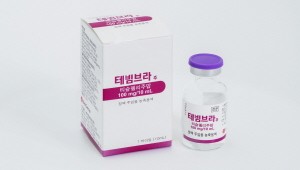
- The immunotherapy drug ‘Tevimbra’ is expected to be reviewed for reimbursement at the final Cancer Disease Deliberation Committee meeting of 2025.The reimbursement expansion for BeOne Medicines Korea’s Tevimbra (tislelizumab) to cover 5 more indications is anticipated to be deliberated at the Health Insurance Review and Assessment Service's (HIRA) Cancer Disease Deliberation Committee meeting on the 10th.Tevimbra successfully secured reimbursement in April as the first immuno-oncology drug for esophageal cancer in Korea, and has since added 5 new indications across solid tumors, including esophageal cancer, gastric cancer, and non–small cell lung cancer (NSCLC). BeOne Medicines submitted reimbursement applications upon the indication expansion approval.The specific indications under review are: ▲First-line combination therapy for unresectable, locally advanced, or metastatic esophageal cancer; ▲First-line combination therapy for unresectable or metastatic HER2-negative gastric or gastroesophageal junction (GEJ) adenocarcinoma; ▲Two first-line combination regimens for NSCLC; and ▲Second-line monotherapy for NSCLC.Given how promptly the company applied for reimbursement of the additional indications, Tevimbra is soon expected to expand its clinical footprint across multiple cancer types in Korea.Industry expectations are particularly high because BeiGene previously emphasized a commitment to “reasonable pricing” during initial negotiations—an approach that facilitated successful reimbursement for the first indication.Whether the company will continue to uphold its philosophy of “delivering innovative therapies at affordable prices and leaving no patient behind” remains a key point to watch.Meanwhile, Teavimbra demonstrated efficacy and safety across various indications through the RATIONALE clinical trial program (RATIONALE-303, 304, 305, 306, 307).Notably, it demonstrated clinical benefit across the entire patient population for esophageal squamous cell carcinoma and gastric or gastroesophageal junction adenocarcinoma, with consistent results even in pre-specified PD-L1 expression subgroups.
- Company
- Ultomiris's reimb ignites competition in gMG mkt
- by Hwang, byoung woo Dec 08, 2025 08:58am
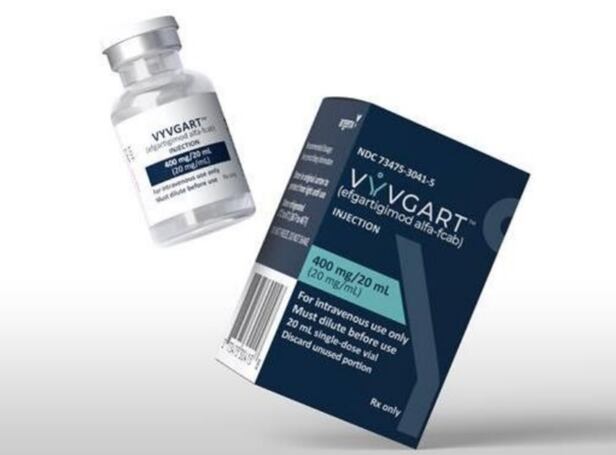
- Interest is growing in Handok's future launch strategy for Vyvgart (efgatizimod alfa), a treatment for generalized myasthenia gravis (gMG), following the reimbursement entry of its competitors.Pic of VyvgartAs a rare disease drug, securing reimbursement is essential. Although its mechanism differs from competitors, Handok plans to move quickly toward reimbursement.Handok received approval in January for Vyvgart, an imported orphan drug indicated for adult patients with generalized myasthenia gravis who are positive for anti-acetylcholine receptor (AChR) antibodies.Generalized myasthenia gravis is a chronic, rare autoimmune disease caused by neuromuscular transmission disorders, with approximately 85% of patients possessing autoantibodies against acetylcholine receptors.When these antibodies bind to the receptor, they activate the complement system and damage the postsynaptic membrane. This structural damage weakens signal transmission from nerves to muscles, ultimately causing neuromuscular transmission failure.Vyvgart selectively targets IgG homeostasis by preventing pathogenic IgG autoantibodies from binding to neonatal Fc receptors (FcRn), which normally prevents IgG from being degraded by lysosomes. By blocking this binding, Vyvgart promotes the degradation of self-antibodies, thereby demonstrating therapeutic efficacy in patients with autoantibody-mediated myasthenia gravis.As the first-in-class FcRn-binding therapy approved in Korea, Vyvgart’s entry was expected to expand treatment options for adult gMG patients in Korea.However, the market dynamic changed abruptly on December 1, when AstraZeneca’s Ultomiris gained reimbursement for the same AChR-antibody–positive gMG population. Pic of UltromirisAstraZeneca announced that its C5 inhibitor, Ultomiris (ravulizumab), was granted reimbursement starting in December for adult patients with anti-acetylcholine receptor antibody-positive generalized myasthenia gravis.Although it received approval as a subsequent option after treatment with two or more non-steroidal immunosuppressants prior to Ultomiris therapy, thereby limiting its use, Ultomiris’s rapid reimbursement has drawn significant attention in the clinical field.Handok signed an exclusive domestic supply agreement with Argenx BV in 2023 for Vyvgart and is in charge of its approval registration, coverage, and exclusive distribution in Korea.According to the company, having received approval in January this year, it is preparing for the next step – reimbursement discussions. However, it has not yet submitted the documents required to formally initiate the reimbursement listing process with the Health Insurance Review and Assessment Service (HIRA).While the speed of reimbursement has become important due to competing drugs entering the reimbursement system, Handok maintains a cautious approach given Vyvgart’s novel mechanism of action.A Handok official stated, “We were closely monitoring Ultomiris' reimbursement process internally, as it is a treatment for the same indication. Since Ultomiris was granted reimbursement for the same indication, we see positive aspects for Vyvgart’s reimbursement listing in Korea.”“However, Ultomiris already has reimbursement for other indications, and expanded reimbursement to gMG. So it underwent a different reimbursement track from Vyvgart. Vyvgart, being a new drug seeking initial reimbursement, would require more time.”In short, Ultomiris both intensifies future competition and, at the same time, lowers the reimbursement barrier.But Handok is not in a position to proceed slowly.UCB’s Zilbrysq (zilucoplan) and Rystiggo (rozanolixizumab) were approved in November 2024 and April this year, respectively.Zilbrysq shares a mechanism with Ultomiris, while Rystiggo targets FcRn like Vyvgart.With UCB aggressively pushing for the drugs’ approval and reimbursement in Korea, Handok also faces pressure to accelerate its efforts to secure reimbursement.A Handok official stated, “We are actively exploring ways to ensure Vyvgart secures successful reimbursement. Since the conditions under which rare disease treatments receive reimbursement are crucial, we are examining the timing, track, and reimbursement conditions to maximize patient benefit.

- InterView
- [Reporter’s View] Patients must feel the benefits
- by Son, Hyung Min Dec 08, 2025 08:58am
- South Korea has long been one of the world's most challenging markets for new drug entry. Global pharmaceutical companies, and even domestic firms, have historically been slow to step into Korea. The excessive delay in the time from approval to reimbursement compared to major countries was also a significant problem. Naturally, the term “Korea Passing” became an almost permanent fixture in the industry’s vocabulary.However, starting next year, this long-standing structure will begin to change. The Ministry of Health and Welfare has decided to overhaul the drug pricing system, which had remained as is for years, introducing measures like dual pricing, indication-specific pricing, and non-disclosure agreements.The backdrop to the government opening the door to drug price reform after over a decade of inaction lies the change triggered by the United States. When the Trump administration announced a policy to lower U.S. drug prices to most-favored-nation levels, global pharmaceutical companies' procurement strategies were shaken. Korea’s unusually low price levels emerged as a risk factor in global pricing strategies.Recent direct meetings between U.S. pharmaceutical association officials and the Korean government, where they conveyed concerns that “if this continues, Korean patients will be unable to use innovative new drugs,” are an extension of this trend.Korea’s low prices and long reimbursement timelines have already led to delayed launches or withdrawal of several therapies.Patient access to new medicines in Korea remains severely limited. According to the Korea Research-Based Pharma Industry Association (KRPIA), only 5% of global new drugs enter Korea within a year of their first global launch—just one-quarter of the OECD average. Korea’s new-drug approval rate (30%) is also far below the OECD average (49%) and the G20 average (46%).Some companies have completely withdrawn from the Korean market due to low drug pricing after patent expiration. AstraZeneca's decision to withdraw domestic sales of ‘Forxiga (dapagliflozin)’ after its patent expired is a notable example.The government’s new reform package seeks to directly address these challenges. From Dual pricing—separating list prices from actual transaction prices—to indication-based pricing, higher generic prices for R&D-intensive companies, these moves are closer to flexible drug pricing policies aligned with international standards.In other words, Korea is belatedly adopting approaches already established in the US and Europe. The direction of significantly lowering generic drug prices while protecting exit-prevention drugs and essential medicines, and providing incentives to innovative pharmaceutical companies, is seen as a flare signaling the restructuring of the pharmaceutical industry.The government has reset the playing field for the first time in a decade, and it’s the companies' turn to respond. We cannot allow a repeat of the situation where global anticancer drugs, approved for dozens of indications, fail to enter the Korean market due to pricing burdens, leaving some indications unaddressed or neglected. Nor can the strategy of deprioritizing Korea or exiting the market entirely before patent expiry continue.With the government’s system reform, structural barriers that global pharma long cited have now been meaningfully reduced.It’s time for companies to follow through and demonstrate concrete actions to broaden Korean patients' access to new drugs — such as expanding indications, reapplying for reimbursement, and reconsidering delayed launches —measures they have previously postponed.For the term ‘Korea passing’ to cease appearing in headlines, policy reform alone is not enough.Both the government and companies must demonstrate clear actions, viewing Korean patients through the lens of international standards and prioritizing treatment accessibility.
- Company
- Targeted anticancer agents for HER2 lung cancer show results
- by Son, Hyung Min Dec 08, 2025 08:58am
- Results from new drugs for HER2-mutated lung cancer were presented at the ESMO ASIA 2025, which kicked off on December 5 in SingaporeNew drugs for HER2-mutated Non-Small Cell Lung Cancer (NSCLC) have shown effectiveness in Asian patients.Bayer and Boehringer Ingelheim have officially joined the competitive landscape by releasing their Asian clinical data for 'Hyrnuo (sevabertinib)' and 'Hernexeos (zongertinib)', respectively.Following the existing therapy, Enhertu, these new treatment options have all demonstrated consistent antitumor effects and predictable safety profiles in Asian patients, signaling an important turning point in changing the treatment strategy for HER2-mutated lung cancer.At ESMO Asia 2025 in Singapore on December 5, Bayer released Asian patient data for its oral HER2-targeted therapy, Hyrnuo, which recently secured U.S. FDA approval. The analysis presented was an interim result focused on 140 Asian patients who participated in Cohorts D, E, and F of the pivotal SOHO-01 study.The study showed that Hyrnuo demonstrated consistent efficacy in both treatment-experienced patients (D) and patients undergoing first-line treatment (F).Specifically, the objective response rate (ORR) reached 66.7% in the first-line cohort (F) and 61.4% in Cohort D (patients previously treated but HER2 TKI-naïve). A response rate of 46.9% was also confirmed in Cohort E, which had prior HER2 ADC experience, indicating a significant antitumor effect regardless of prior treatment type. The duration of response (DOR) was 12.6 months in Cohort D and 8.5 months in Cohort E. The first-line cohort (F) showed sustained responses lasting at least 8 months, although accurate median calculation was difficult due to data censoring.The characteristics of the Asian patients were distinct. 70–86% were non-smokers, and over 60% were female, consistent with the frequently reported East Asian characteristics of HER2-mutated lung cancer. The mean age ranged from 59 to 66 years, reflecting the patient population observed in clinical practice.Safety analysis showed a predictable HER-family TKI profile. Treatment-related adverse events (TRAEs) were reported in 99.3%, but most (68.6%) were Grade 1–2. The most common AE was diarrhea (76.4%), with Grade 3 occurring in 11.4%. Dose reduction occurred in 27.1%, and discontinuation in 3.6%. Notably, no cases of Interstitial Lung Disease (ILD), a serious concern with HER2-targeted agents, were reported, highlighting Hyrnuo's strength in a safety profile.Professor Daniel Shao Weng Tan of the National Cancer Centre Singapore HER2-mutated lung cancer is a rare cancer, accounting for only 2–4% of all NSCLC, but the entry of new drugs like Hyrnuo and Enhertu is rapidly heating global competition. Hyrnuo's Asian data, which simultaneously demonstrating first-line potential, consistent response rates regardless of prior therapy, and manageable safety, suggests the emergence of another critical axis in the shifting treatment strategy for HER2-mutated lung cancer.Professor Daniel Shao Weng Tan of the National Cancer Centre Singapore stated during presentation, "The durable response and predictable safety confirmed in Asian patients support Hyrnuo's potential as a treatment option," and emphasized, "This drug could contribute to broadening the choices available to HER2-mutated lung cancer patients."Boehringer Ingelheim’s Hernexeos (zongertinib) achieves over 70% ORR in Asian patientsFollowing Hyernuo, Boehringer Ingelheim’s HER2-targeted therapy Hernexeos also demonstrated a powerful therapeutic effect in Asian patients, further intensifying competition in the HER2-mutated lung cancer market.Hernexeos is designed to selectively inhibit HER2 while not targeting wild-type EGFR, minimizing the toxicity issues seen with prior HER-family treatments. This drug has already received U.S. FDA approval and has been designated as an Innovative New Drug in China, recognizing its accelerated development pathway.This ESMO Asia featured results from the Asian subgroup analysis of Cohort 1 of the global Phase 1b Beamion LUNG-1 study, targeting HER2-mutated NSCLC patients who had received prior systemic chemotherapy.Hernexeos was confirmed at a single dose of 120 mg once daily following an interim analysis. Efficacy endpoints, including ORR, DOR, and progression-free survival (PFS), were assessed based on Blinded Independent Central Review (BICR).Of the total 75 patients in the global cohort, 39 were East Asian (18 from China, 12 from Korea, and 9 from Japan). The analysis showed that the ORR for all East Asian patients was 76.9%, and the disease control rate (DCR) was 100%. The median DOR for the East Asian cohort was 14.1 months, and the median PFS was 15.5 months, suggesting stable and long-term efficacy is possible even in previously treated HER2-mutated patients.Professor Yi-Long Wu of the Department of Oncology at Guangdong Lung Cancer InstituteNotably, the Chinese patient subgroup showed an even higher response rate, with an ORR of 83.3% and a DCR of 100%. A DOR of 14.1 months was observed in some Chinese patients, and PFS was 15.5 months, consistent with the overall East Asian cohort. Considering that therapeutic response to HER2-mutated lung cancer can be sensitive to ethnic or regional differences, these results are interpreted as clear evidence of Hernexeos's competitiveness in Asian patients.Safety was also manageable. Adverse drug reactions were reported in 92% of all Asian patients, with moderate or greater severity (≥ Grade 3) occurring in 18%. The most common AE was diarrhea (38%), which was mostly Grade 1 and manageable. Critically, no cases of drug-related ILD, a significant concern with HER2-family drugs, were reported, supporting Hernexeos's safety advantage.The investigators stated, "Hernexeos's mechanism certainty and clinical value were already recognized through the publication of global data in the New England Journal of Medicine, and this Asian data shows a consistent trend with those results," and emphasized, "The strong response rate, durability lasting over one year, low discontinuation rate, and predictable safety profile increase the likelihood that Hernexeos will become an important targeted therapy for HER2-mutated NSCLC."
- Company
- Imfinzi shows positive perioperative therapy results in Asians
- by Son, Hyung Min Dec 08, 2025 08:57am
- The perioperative (pre- and post-operative) efficacy of Imfinzi in gastric cancer has been reproduced in Asian patients.A subgroup analysis of Asian patients from the global phase III MATTERHORN trial showed that combining Imfinzi with FLOT (fluorouracil, leucovorin, oxaliplatin, docetaxel) improved event-free survival (EFS) in patients with gastric or gastroesophageal junction adenocarcinoma, while also significantly increasing pathologic complete response (pCR) rates, reaffirming its potential as a new perioperative treatment option.Clinical results for AstraZeneca's immuno-oncology drug Imfinzi (durvalumab) were presented at the European Society for Medical Oncology Asia Congress 2025 (ESMO ASIA 2025) on the 6th.Professor Yelena Y. Janjigian of Memorial Sloan Kettering Cancer Center in the US presented the results of the Asian subgroup analysis from the Phase III MATTERHORN study at ESMO ASIA 2025 in Singapore on the 6th.The final analysis of the MATTERHORN Phase III clinical trial, presented at ESMO 2025 in Berlin, Germany, last October, confirmed that Imfinzi's use as perioperative therapy statistically significantly improved overall survival (OS). The ESMO Asia presentation provided data focused on Asian patients, including Korean participants.A total of 180 Asian patients participated in this analysis. The Asian cohort had a higher proportion of T4 stage disease and positive lymph nodes compared to the overall study, indicating a larger proportion of high-risk patients.Despite this, Imfinzi + FLOT demonstrated a 26% reduction in the risk of disease progression compared with placebo + FLOT.The 24-month EFS rate was 72.1% in the Imfinzi group, higher than the 64.2% in the placebo group. The median EFS was not reached in either group, suggesting the potential for more pronounced treatment benefits with longer follow-up. The OS benefit was also similar to that seen in the previous global clinical trial.Particularly noteworthy was the pCR rate. In the Asian cohort, the Imfinzi combination therapy increased the proportion of patients achieving complete tumor disappearance at the time of surgery to 18.9%, more than threefold of the 5.6% in the placebo group.This result is comparable to the overall analysis, demonstrating that Imfinzi can significantly enhance tumor shrinkage effects during the neoadjuvant treatment phase. Given that pCR is a key predictor of long-term survival in neoadjuvant chemotherapy, the finding carries strong clinical significance.Safety was also confirmed to be manageable without a notable increase in toxicity compared to standard FLOT. There were no major differences in Grade 3 or higher adverse events between the two groups, and treatment discontinuation rates were similar, indicating no new safety concerns from adding Imfinzi. Considering how FLOT itself is a high-intensity regimen, this is interpreted as an important observation.Professor Yelena Y. Janjigian of Memorial Sloan Kettering Cancer Center in the US, who led the study, emphasized, “Although Asian patients tended to have more advanced disease and higher risk features than the overall study population, the Imfinzi combination therapy demonstrated consistent benefits in both EFS and pCR. This reaffirms the value of introducing immunotherapy in the perioperative setting.”The research team further projected, “Recurrence rates remain high in resectable gastric cancer. The role of immunotherapy in the perioperative phase is expected to expand further.”
- Company
- Leclaza combo confirms OS Advantage in EGFR+ NSCLC
- by Son, Hyung Min Dec 08, 2025 08:57am
- The Rybrevant + Leclaza combination therapy has demonstrated clear survival benefits in Asian patients, following the overall patient population, for first-line treatment of EGFR-mutated non-small cell lung cancer (NSCLC). Such results from the Asian subgroup analysis of the global Phase III MARIPOSA study confirmed that the combination therapy improves overall survival (OS) compared to Tagrisso, reaffirming its status as the ‘new standard of care’.Given that approximately 60% of lung cancer cases occur in Asia, and particularly considering the regional characteristic of how EGFR mutations are far more prevalent in Asia than in Western populations, the new findings have substantial implications for real-world clinical practice.On the 6th, at ESMO ASIA 2025, the Asian subgroup analysis results from the Phase III MARIPOSA study, which evaluated the efficacy and safety of ‘Rybrevant (amivantamab) + Leclaza (lazertinib)’, were presented.The Asian cohort analysis results from the Phase III MARIPOSA study were disclosed at ESMO ASIA 2025 on the 6thLeclaza, developed by Yuhan Corporation, is a third-generation EGFR TKI targeting exon 19 deletions and exon 21 (L858R) mutations. Johnson & Johnson holds global rights to Leclaza and has been studying its combination with Rybrevant, a bispecific EGFR/MET antibody that targets EGFR exon 20 insertions and MET alterations.In the trial, the Rybrevant + Leclaza combination showed a statistically significant OS improvement compared with Tagrisso (Osimertinib) monotherapy.A total of 858 patients were enrolled, of whom 501 were Asian.At a median follow-up of 38.7 months, the Rybrevant + Leclaza combination reduced the risk of death by 26% in Asian patients. While the median overall survival (OS) was not reached in the combination group, it was 38.4 months in the Tagrisso group. The researchers estimated that the survival benefit from combining the two drugs would be more than one year. The 36-month survival rate was also higher in the combination therapy group at 61%, compared to Tagrisso.Given that EGFR mutations are common in Asian patients and their disease characteristics differ from those in Western populations, changes in treatment strategies have a significant impact on clinical practice. This analysis confirmed the same survival improvement effect seen in the global overall results, reaffirming that the Rybrevant + Leclaza combination demonstrates ample efficacy in real-world clinical settings among East Asians.Professor Hidetoshi Hayashi of Kindai University in Japan, the study presenter, stated, “The combination therapy demonstrated a clear reduction in mortality risk even in Asian patients, strongly supporting its establishment as the new standard of care. It is becoming a key therapeutic strategy for achieving long-term survival in EGFR-mutated lung cancer.”The Rybrevant + Leclaza combination is already approved as a first-line treatment in major countries, including the US, Europe, South Korea, Japan, and China. Considering the high prevalence of EGFR mutations among Korean patients, this Asian subgroup analysis is expected to significantly influence actual clinical practice guidelines and treatment choices.Professor Hayashi explained, “The major unmet need in EGFR-mutated NSCLC is improving long-term survival. These results demonstrate that the treatment paradigm is shifting from single-agent targeted therapy toward combination approaches.” “
- Company
- New drug for Exon 20+ NSCLC likely…'zipalertinib' results
- by Son, Hyung Min Dec 08, 2025 08:56am
- The oral EGFR Exon 20 insertion mutation targeted therapy, zipalertinib, jointly developed by Japan's Taiho Pharmaceutical and the U.S.'s Cullinan Therapeutics, demonstrated consistent efficacy in the Asian patient cohort. Zipalertinib has become as a potential competing drug against Janssen’s 'Rybrevant (amivantamab)', which is currently the only approved first-line therapy in this area.According to industry sources on December 8, clinical results for zipalertinib were presented at the recent European Society for Medical Oncology Asia (ESMO Asia 2025) annual meeting in Singapore. This analysis was a subgroup analysis of the Asian population, following the initial data presented at the American Society of Clinical Oncology (ASCO) 2025, and evaluated zipalertinib's clinical utility in Exon 20 insertion-mutated Non-Small Cell Lung Cancer (NSCLC).Despite EGFR Exon 20 insertion-mutated NSCLC being a relatively higher prevalence in Asia, there have been limited treatment options for this disease. Following Takeda's market withdrawal of 'Exkivity (mobocertinib)', only Rybrevant remains, leaving a significant unmet need for new agents. Analysis suggests that the Asian subgroup analysis results for the orally administered zipalertinib are likely attracting considerable industry attention.Professor Ross A. Soo of the National University Cancer Institute SingaporeThe study enrolled 137 patients, of whom 107 were Asian, and 30 were from the Rest of the World (ROW). Efficacy analysis was conducted in 176 patients with at least 8 months of follow-up. Patients were administered zipalertinib 100 mg twice daily, and approximately half of the cohort (41%) had a history of brain metastases.The overall response rate (ORR) showed minimal difference between the two groups: 33% for the Asian cohort and 37% for the ROW cohort. The duration of response (DOR) was 8.3 months for the Asian cohort and 10.5 months for the ROW cohort. The progression-free survival (PFS) was 9.5 months in the Asian cohort and 9.0 months in the ROW cohort, with almost identical efficacy curves.The median overall survival (OS) has not yet been reached in the Asian cohort, compared with 24 months in the ROW cohort. The investigators assessed that "zipalertinib demonstrated a clinically meaningful and consistent response in both Asian and non-Asian populations."The safety profile also showed no significant differences between the two groups. The most common adverse events (AEs) were paronychia, rash, dry skin, stomatitis, and diarrhea, which are generally manageable AEs associated with the Tyrosine Kinase Inhibitor (TKI) class. Even considering that Asian patients tend to show a higher incidence of certain AEs like skin and hand-foot syndrome with targeted therapies, zipalertinib demonstrated a manageable tolerability.Professor Ross A. Soo of the National University Cancer Institute Singapore explained, "Zipalertinib demonstrated efficacy in Asian patients comparable to the global patient population, confirming its potential as a new treatment option," and added, "The fact that it is an oral agent also holds significant value in terms of treatment adherence and accessibility."Based on these clinical results, Taiho Pharmaceutical and Cullinan Therapeutics have initiated the New Drug Application (NDA) submission process in the United States.
- Company
- 'ESMO ASIA' kicks off…focus on Asian patient data
- by Son, Hyung Min Dec 05, 2025 08:35am
- Asian patient data of global new drugs, including Immune checkpoint inhibitors, targeted anticancer agents, and antibody-drug conjugates (ADC), will be primarily unveiled. The European Society for Medical Oncology Asia (ESMO ASIA 2025) annual meeting, held over three days starting December 5 in Singapore, will feature post-hoc analysis targeting Asian populations from major pharmaceutical companies, including AstraZeneca (AZ), MSD, and Janssen. As Asia became a central hub for global clinical trials, not just a participating region, data of Asian patients, including Koreans, has emerged as the key focus of this year's conference.AZ's immune checkpoint inhibitor Imfinzi stands out in gastric cancer…ADC results continueThe company set to gain spotlight at the conference is AstraZeneca. AstraZeneca will unveil results of its new drugs, including the immune checkpoint inhibitor 'Imfinzi (durvalumab)', ADC anticancer agent 'Datroway (datopotamab)', and 'Enhertu (trastuzumab deruxtecan)'.Imfinzi confirmed its potential as a perioperative adjuvant therapy in gastric cancer through the Phase 3 MATTERHORN study.The final analysis of the MATTERHORN Phase 3 trial, presented at ESMO 2025 in Berlin in October, confirmed that Imfinzi given as a perioperative therapy statistically significantly improved Overall Survival (OS). At ESMO Asia 2025, clinical results for 180 Asian patients, including Koreans, will be presented.This study is evaluated as the first to demonstrate that an immuno-oncology agent provides a survival benefit as a perioperative adjuvant therapy for gastric cancer. The trial design targeted resectable locally advanced gastric (Stage 2–4A) and gastroesophageal junction (GEJ) adenocarcinoma patients, administering Imfinzi + FLOT (fluorouracil, leucovorin, oxaliplatin, docetaxel) pre-surgery, followed by Imfinzi maintenance post-surgery.AstraZeneca continues to deliver strong results in the antibody-drug conjugate (ADC) field. First, the TROP2-targeting Datroway confirmed its potential as a first-line treatment for Triple-Negative Breast Cancer (TNBC). The Phase 3 TROPION-Breast02 study evaluated the efficacy and safety of Datroway compared with standard chemotherapy.The study confirmed that Datroway monotherapy improved both OS and Progression-Free Survival (PFS) compared to the control group.Previously, patients with PD-L1-negative TNBC have had no therapeutic options other than chemotherapy. Datroway is expected to be a major player in metastatic TNBC soon. Professor Sung-bae Kim (Oncology, Asan Medical Center) is scheduled to present the clinical results at ESMO Asia 2025.Enhertu also confirmed again its potential as a first-line treatment for HER2-positive metastatic breast cancer through the Phase 3 DESTINY-Breast09 study.Enhertu was previously used in the second-line setting, but combining it with Roche's targeted agent Perjeta (pertuzumab) suggests the possibility of moving the treatment to the first line. Perjeta is one of the drugs used in the standard-of-care 'THP' (taxane-containing agent + Herceptin + Perjeta) for first-line HER2-positive breast cancer.The study compared the efficacy and safety of Enhertu + Perjeta versus the THP in 1,157 previously untreated HER2-positive breast cancer patients. Patients were randomized 1:1:1 to Enhertu + placebo (387 patients), Enhertu + Perjeta (383 patients), or the THP (387 patients).The primary endpoint was PFS, assessed using blinded independent central review (BICR). Other endpoints included OS, Objective Response Rate (ORR), Duration of Response (DOR), and safety. The trial showed statistically significant improvements in PFS and ORR with Enhertu compared to the control group.Results from targeted agents·immune checkpoint inhibitors…consistent effects on Korean patientsAnother key research result to be introduced at this conference is the Phase 3 MARIPOSA study. The OS subgroup analysis focusing on Asian patients for Janssen's NSCLC treatments, 'Rybrevant (amivantamab)' and 'Leclaza (lazertinib)', will be revealed.Leclaza, developed by Yuhan, is a third-generation Tyrosine Kinase Inhibitor (TKI) targeting EGFR Exon 19 deletion and Exon 21 (L858R) mutations. Johnson & Johnson holds the global rights to Leclaza. The company has been conducting clinical research to evaluate the efficacy of its combination with Rybrevant, a targeted option against Exon 20 and MET mutations.In this trial, the Rybrevant + Leclaza arm showed a statistically significant improvement in survival compared to the 'Tagrisso (osimertinib)' monotherapy group (p < 0.005).The results show that the median OS for the Rybrevant + Leclaza group was not estimable (42.9-NE), compared to 36.7 months for the Tagrisso monotherapy group. Based on the survival curve distribution, the Rybrevant + Leclaza arm is expected to extend OS by at least 12 months compared with the Tagrisso arm. These results were recently published in the New England Journal of Medicine (NEJM), drawing significant attention from the academic community.In the clinical results, the median OS for the combination arm was not confirmed, while Tagrisso monotherapy was 36.7 months. Thus, the Leclaza combination is expected to provide an OS extension benefit of at least 12 months compared to Tagrisso. The subgroup analysis, which included 501 Asian patients, showed efficacy consistent with the overall analysis. MSD will also unveil significant long-term follow-up data on gastric cancer. The data to be presented is a subgroup analysis of Asian patients from the Phase 3 KEYNOTE-859 study, including long-term results from a wide range of Asian patients across Korea, China, Japan, Taiwan, Malaysia, and Singapore.The Keytruda + chemotherapy combination is already established as the standard of care for first-line treatment of HER2-negative advanced gastric/gastroesophageal junction (G/GEJ) adenocarcinoma, demonstrating improvements in OS·PFS·ORR. This analysis reports the 52.4 months long-term follow-up results for Asian patients. According to the study, the Keytruda combination therapy continued to show a superior trend compared to placebo across all endpoints in Asian patients. This subgroup analysis, which includes a large number of Korean patients, is viewed as data that reaffirms the standard of care status of the 'Keytruda + chemotherapy' combination for first-line HER2-negative gastric cancer.
- Company
- Imfinzi enters final price negotiations for reimb in Korea
- by Eo, Yun-Ho Dec 05, 2025 08:33am
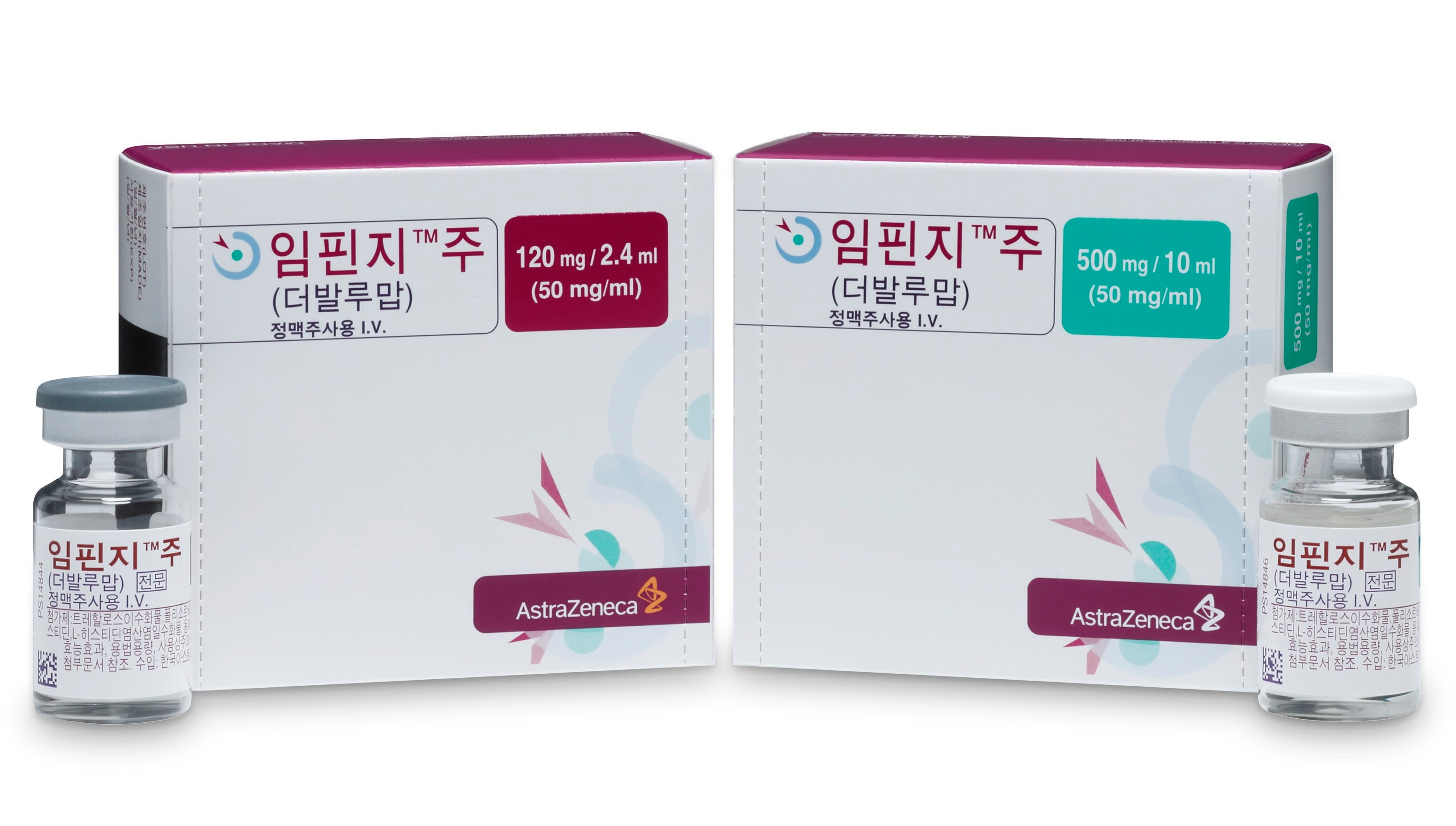
- AstraZeneca's ImfinziImfinzi (durvalumab), the second drug to receive a flexible ICER application as an innovative new drug, has entered the final stage of pricing negotiations for expanded reimbursement in Korea.According to Dailypharm coverage, the Ministry of Health and Welfare recently ordered the National Health Insurance Service to negotiate the drug price for expanding coverage of AstraZeneca Korea's ‘Imfinzi (durvalumab) combination therapy for first-line treatment of biliary tract cancer.The Imfinzi combination therapy received a flexible ICER application from the Health Insurance Review and Assessment Service's (HIRA) Drug Reimbursement Evaluation Committee in October, becoming the second drug to receive a flexible ICER, following the antibody-drug conjugate (ADC) anticancer drug Trodelvy (sacituzumab govitecan).Unlike Enhertu (before the introduction of preferential treatment for innovative drugs) and Trodelvy, which both received ICER benefit in breast cancer, the Imfinzi combination therapy has drawn significant interest from the medical community as it represents the first new treatment option for biliary tract cancer, a disease that has effectively lacked treatment options for the past 12 years.Imfinzi combination therapy is the first immunotherapy-based regimen to change the NCCN biliary tract cancer guideline in 12 years. It demonstrated improved long-term survival, which was difficult to expect with existing treatments, proving its innovation.In the global Phase III TOPAZ-1 study, the Imfinzi combination therapy achieved a 3-year overall survival (OS) rate of 14.6%, more than doubling the survival rate compared to the standard gemcitabine-cisplatin (GemCis) monotherapy (6.9%).The median overall survival (mOS) was 12.9 months, exceeding the control group (11.3 months), with a 26% reduction in the hazard ratio (HR). The characteristic separation of the long-term survival curve for immune checkpoint inhibitors was also confirmed in the long-term follow-up analysis. While the initial analysis showed an HR of 0.80 (20% reduction), the 3-year follow-up improved this to an HR of 0.74 (26% reduction), demonstrating the persistence of the immune response.An AstraZeneca representative explained, “At this DREC meeting, data from the Korean Imfinzi combination therapy, which extended bile duct cancer survival from under one year to three years, served as key evidence considering disease severity and societal demand.Results in Korean patients were even more pronounced. In the Korean subgroup analysis, the Imfinzi combination therapy demonstrated a 3-year overall survival (OS) rate of 21%, a median overall survival (mOS) of 16.6 months, and a 42% reduction in the risk of death, confirming a higher benefit than the global patient population.Considering that the average survival period for patients with advanced or metastatic bile duct cancer is less than one year, the magnitude of benefit observed in Korean patients strongly reinforces the therapy’s innovative value.The evaluation framework for Imfinzi also aligns to some extent with the government's announced direction for reforming the drug pricing system. The government is pursuing measures such as adjusting the ICER threshold to reflect reality. This policy direction aligns with the trend of expanding patient access to innovative therapies like Imfinzi, which has clear survival benefits in high-severity diseases.The remaining step is drug price negotiation. With the NHIS entering negotiations with the company, attention is focused on whether the Imfinzi combination therapy will successfully secure reimbursement in Korea.Factors such as the survival benefit, excellent outcomes in Korean patients, and the absence of alternative therapies are seen as increasing the likelihood of a successful negotiation. However, given the high cost of anticancer drugs, the negotiation is expected to be challenging due to various variables, including fiscal impact.Meanwhile, discussions surrounding Imfinzi's reimbursement are gaining increasing attention, particularly among patient groups and the National Assembly.Patient organizations, including the Korea Blood Disease and Cancer Association and the Liver Disease Patients Association, have consistently criticized the limited access to biliary tract cancer treatments and the need for systemic improvements. Related inquiries were also raised during this year's National Assembly Health and Welfare Committee audit.Rep. Seo Myeong-ok of the People Power Party, a member of the NA Welfare Committee, requested prompt review, stating, “Even though 7 out of 10 biliary tract cancer patients in Korea die within 5 years, improving treatment accessibility remains an unresolved challenge. It is unacceptable that drugs reimbursed abroad remain inaccessible to Korean patients.”
