
- LOGIN
- MemberShip
- 2026-06-19 22:48:42
- Policy
- Xofluza, Ongentys generics apply for approval
- by Lee, Tak-Sun Dec 03, 2025 08:43am
- Roche’s flu treatment XofluzaAttention is focused on whether market competition will intensify with approval applications being filed for items where no generic drugs have emerged until now.However, given that the original drugs' patents are registered, overcoming patent barriers is expected to be key for entering the market.According to the Ministry of Food and Drug Safety (MFDS) on the 2nd, applications for generic versions of the influenza treatment Xofluza Tab (baloxavir marboxil, Roche) and the Parkinson's disease treatment Ongentys Cap (opicapone, SK Chemicals) have recently been submitted for approval.MFDS has notified the originator companies of the applications in accordance with Korea’s patent–approval linkage system, since the patents for these originators are registered on the Green List.This gives the originators the right to seek sales injunctions on grounds of patent infringement.Xofluza is Roche's next-generation influenza antiviral, an upgrade from Tamiflu. While Tamiflu requires a 5-day course, Xofluza offers the advantage of treatment and prevention with just a single dose, providing much improvement in terms of dosing convenience.However, since receiving domestic marketing approval in November 2019, Xofluza has not yet been listed for reimbursement and therefore is not being sold properly in the market.Meanwhile, follow-on manufacturers are eyeing the market with generics containing the same active ingredient. Last month, Kwangdong Pharmaceutical filed a passive scope confirmation trial to circumvent Xofluza’s formulation patent (a solid formulation having excellent stability).This marks the first detected application filing following the patent challenge. Should Kwangdong Pharmaceutical succeed in circumventing the formulation patent, an early launch of generics will become possible.Ongentys, which was approved the same month as Xofluza, has also been targeted by generic companies. The drug is used as adjunct therapy for Parkinson’s disease patients experiencing motor fluctuations who do not adequately respond to standard levodopa/dopa-decarboxylase inhibitor (DDCI) regimens.Ongentys was added to the reimbursement list in October last year at KRW 2,515 per capsule. Development of a generic version began less than a year after its reimbursement listing.Myung In Pharm filed a passive scope confirmation trial in May to challenge Ongentys’ composition patent (pharmaceutical composition containing a nitrocatechol derivative and its manufacturing processes).Applications filed for generic versions were detected soon after, accelerating the opening of the follow-on generic market.The market entry of generics for Xofluza and Ongentys hinges on their patents. For Xofluza, 2 substance patents are scheduled to expire in 2031 and 2036, respectively.Even if companies succeed in avoiding the formulation patent expiring in 2039 through patent challenges, the substance patents are expected to delay generic market entry by another 10 years. Therefore, analysis suggests that overcoming the substance patent barrier is necessary for generics to enter the market sooner and start sales in earnest.For Ongentys Cap, the substance patent expires in July 2026 and the use patent in October 2027. Therefore, if the composition patent expiring in 2030 is successfully avoided, a generic launch could occur within 2 years.However, it remains uncertain whether the Patent Trial and Appeal Board will rule in favor of the generic challengers.Meanwhile, another application has been filed for the generic version of Hanmi Pharmaceutical’s AmosartanQ, for which Huons earlier became the first to receive generic approval in September.Huons obtained approval for BesylsartanQ Tab, which contains an “alternative salt form” product containing the same active ingredients (amlodipine camsylate+ losartan + rosuvastatin). However, the formulation patent for AmosartanQ is expected to remain in force until November 2033, making its market launch uncertain. Huons has filed a passive claim scope confirmation trial against this patent, aiming to circumvent it.Amid this situation, another pharmaceutical company has now applied for approval of a generic version.
- Company
- ‘BMS seeks to redesign growth through open innovation’
- by Son, Hyung Min Dec 03, 2025 08:43am
- Bristol Myers Squibb (BMS) defines itself as an ‘open innovation company’ for a reason.Over 60% of the company’s global pipeline now consists of assets sourced through external collaborations, including next-generation platforms such as targeted protein degradation, cell therapy, and radiopharmaceuticals.Steve Sugino, Senior Vice President and General Manager, BMS Asia-PacificSteve Sugino, Senior Vice President and General Manager at BMS Asia-Pacific, recently stated to reporters, “Science knows no borders. BMS goes where the science is.”BMS is one of the global pharmaceutical companies most actively pursuing open innovation and mergers and acquisitions (M&A).The company had faced declining sales due to patent cliffs with the expiry of several major drug patents, including the anticoagulant Eliquis (apixaban) and the blood cancer treatment Revlimid (lenalidomide), and the entry of their generic versions. Furthermore, its global blockbuster immunotherapy drug Opdivo (nivolumab) is also nearing patent expiration.To address this, BMS has expanded its pipeline over the past five years through investments in companies like Karuna Therapeutics (USD 14 billion), RayzeBio (USD 4.1 billion), Mirati Therapeutics (USD 4.8 billion), and SystImmune (USD 8.4 billion).Through its acquisition of Karuna, BMS developed the schizophrenia drug ‘Cobenfy (xanomeline /trospium chloride). It also entered the radiopharmaceutical market by acquiring RayzeBio and plans to develop new anticancer drugs through Mirati and SystImmune.This principle is also evident in APAC. One prime example is the agreement with Orum Therapeutics in Korea.In 2023, BMS paid Orum Therapeutics USD 180 million (approximately KRW 260 billion) and successfully secured its degrader antibody conjugate (DAC) technology.Sugino stated, “Protein degradation is an area where BMS holds a strategic advantage, and Orum's technology had clear global scalability. This is a landmark case of Korean technology becoming a global standard.”Sugino also emphasized that manufacturing and supply chain (M&SC) collaboration with domestic companies is a core pillar of BMS's strategy.He explained, “Amid complex global circumstances, a stable supply chain is an essential competitive capability for global pharmaceutical companies. BMS is strengthening its global supply chain not only through its own production but also through collaborations with Samsung Biologics and Lotte Biologics. Based on the collaborations, BMS is reliably supplying innovative therapies to patients worldwide.”BMS is working to systematically implement its collaborative framework with companies in Korea. One flagship program is the ‘Seoul–BMS Innovation Square Challenge,’ which BMS has operated since 2022. Through this program, companies like Prazer Therapeutics (proteasome inhibitors), Illimis Therapeutics (Alzheimer's disease drug), and Galux (AI-driven protein design) have been selected and are growing, leveraging BMS's global network and commercialization expertise. This serves as an incubator, placing Korean biotech companies on a global growth trajectory.BMS's criteria for evaluating external collaborations are straightforward: scientific excellence, commercial potential, strong intellectual property (IP), and ideally, both first-in-class and best-in-class potential.Sugino advised, “While excellent science is adequate, companies also must further develop global commercialization capabilities. Articulating how science translates into patient value is key to partnering.Organization dedicated to APAC established… BMS's growth axis shifts to AsiaBMS's open innovation strategy and manufacturing/supply chain collaborations ultimately align with the strategic question of ‘where to create innovation and where to execute it.’Sugino stressed, “APAC, which includes Korea, is one of the most dynamic regions, with strengths across science, clinical infrastructure, manufacturing, and commercial potential. Asia’s role will only continue to grow.”This assessment is directly reflected in BMS's global reorganization. In January this year, BMS created a dedicated APAC division through a structural reorganization. Sugino explained, “This strategic realignment was made to support key markets like Korea, Japan, China, and Australia from a closer location.”He explained that this organizational change is not merely a restructuring but the result of a company-wide decision recognizing APAC as the next-generation growth engine. BMS determined that the core APAC countries—Korea, China, Japan, and India—would be the central axis after questioning ‘Where should we invest and where should we expect growth?’BMS is seeking to expand partnerships with domestic companies. Vice President Steve Sugino and BMS Korea Country Manager Hye Young Lee at the Global Open Innovation Week held last month in Seocho-gu, Seoul.APAC has already established itself as a major clinical base for BMS. BMS has set a long-term goal of securing 40% of patients enrolled in Phase III clinical trials from APAC. In fact, Korea is included as a ‘priority country’ across all phases of development, from Phase 1 to Phase 3.Sugino noted, “Korea's medical infrastructure, clinical execution capabilities, and patient accessibility are among the best globally. There is a reason Korea has become an essential region for pivotal trials.”Since 2022, BMS has acquired 8 approvals and 6 insurance reimbursement listings in Korea alone, across key therapeutic areas including solid tumors, hematologic malignancies, and rare cardiovascular diseases.Sugino assessed, “The Korean government and regulatory authorities are making significant contributions to expanding access to innovative therapies. This is an important signal that goes beyond short-term results, earning Korea the trust of global pharmaceutical companies.”However, he clearly pointed out structural challenges. The one-year introduction rate for new drugs is only 5% in Korea compared to 78% in the US, and the health insurance coverage rate is also significantly lower at 22% in Korea versus 85% in the US and 48% in Japan. The average 46-month timeframe from approval to coverage was also highlighted as a problem.Sugino emphasized, "My father also battled cancer. If he had to wait 46 months for treatment, he would have lost his chance. Innovation only matters when it reaches patients in time."Ultimately, BMS’s goal is clear: Deliver innovative therapies to patients with serious diseases faster and more widely. AI-driven R&D, open innovation, and APAC-centric strategies are simply means to achieve that goal, with Korea at the strategic core.Sugino concluded, “BMS exists to discover, develop, and deliver innovation. For these values to be properly realized, we need an environment where new therapies are approved and reimbursed in a timely manner.“Ensuring innovation reaches patients worldwide, including those in Korea, rather than remaining confined to specific countries—that is the challenge BMS must address.”

- Company
- Why JP's distribution giant 'Suzuken' pushes dual innovation
- by Kim, Jin-Gu Dec 03, 2025 08:42am
- The challenges facing Suzuken, the Japanese pharmaceutical distribution giant with annual sales of ¥2.4 trillion (approximately KRW 21 trillion), are similar to those facing the South Korean pharmaceutical distribution industry.Despite the Japanese market being dominated by four major companies, including Suzuken, which controls 80% of the market, these firms face structural difficulties: low operating profit margins coupled with soaring labor and logistics costs.Suzuken's chosen solution is 'Dual Innovation'. The company is aiming for a fundamental change in the industry's structure by combining hardware innovation, such as smart logistics and the Cubixx system, with software innovation, focused on building the COLLABO Portal for healthcare professionals.The distribution giant's experiment to overcome low marginsHeadquartered in Nagoya, Suzuken is one of Japan's 'Four Giants' of pharmaceutical distribution, alongside Medipal, Alfresa, and Toho Yakuhin. They all commonly suffer from chronic low distribution margins, despite their massive size and market dominance. Recently, companies are facing increased labor and logistics costs due to inflation in Japan and the 'Logistics 2024 problem,' which is a regulation limiting working hours for transport workers.Suzuken's sales structure (2024): pharmaceutical wholesale (82.7%), specialty pharmaceutical distribution consignment (10.5%), regional medical·nursing support (3.4%), and healthcare product development (1.9%).As of last year, 82.7% of Suzuken's revenue was pharmaceutical wholesale. However, the company is continuously expanding into areas such as specialty drug distribution consignment (10.5%) and regional medical·nursing support (3.4%), interpreted as efforts to diversify its business.Takafumi Ogawa, Chief Operating Officer of Suzuken's Management Planning Department, explained, "The goal of pharmaceutical distribution is stable supply, but the challenge for sustained growth is overcoming the low operating profit margin," and added, "Suzuken is emplying a dual innovation strategy, by upgrading the core pharmaceutical distribution business through 'Smart Logistics' as well as by installing a new growth engine through 'Digital Healthcare.''Smart Logistics': hardware innovation through integrating manufacturing, logistics, and wholesaleThe first pillar of Suzuken's innovation is the construction of 'Smart Logistics.' This strategy goes beyond simple automation to tie the entire Supply Chain Management (SCM) by integrating manufacturing, logistics, and wholesale into a single flow, thereby maximizing cost efficiency.The 'Metropolitan Integrated Logistics Center,' becoming operational in April of last year, is a result of this hardware revolution. It is the first facility in Japan to house pharmaceutical contract manufacturing facilities alongside pharmaceutical logistics and wholesale logistics facilities in one location. This integration drastically reduces unnecessary transportation steps between the pharmaceutical company's manufacturing·shipping and the distributor's receiving·delivery process, simultaneously shortening lead times, shipping costs, and time.Suzuken's 'Metropolitan Integrated Logistics Center,' becoming operational in April of last yearSuzuken utilizes advanced robotics and image recognition technology to automate processes such as slip entry, inventory organization, and intra-facility delivery. This design enables stable operation with fewer personnel, serving as a practical countermeasure against soaring delivery costs and intensifying labor shortages exacerbated by Japanese limits on driving work hours.Furthermore, the company actively uses the 'Cubixx' system, adopted from U.S.-based Cencora, to enhance inventory management for high-value pharmaceuticals. This system enables data-driven tracking, monitoring, and the recovery·resale of unused 'Inactive Inventory.' Suzuken reported saving ¥5.7 billion (approximately KRW 53 billion) in pharmaceutical disposal costs last year alone through the Cubixx system.Suzuken's automated logistics system using robotsFrom distribution margin to data margin…software evolution through 'COLLABO Portal'The second pillar of Suzuken's innovation is its 'Digital Healthcare' business, whose key strategy is to convert the data secured through its distribution network into value for clinical practice. At the center of this strategy is the dedicated platform for healthcare professionals, the 'COLLABO Portal.'The portal has 380,000 registered healthcare professionals. Suzuken has been digitally reconstructed to include individual doctors and pharmacists utilizing its existing hospital and pharmacy network. The portal acts as a 'data hub,' structuring and delivering necessary information to healthcare institutions and practitioners based on data uniquely secured by the distribution company, moving beyond simple information provision.Through this platform, the initial response time for call center inquiries (e.g., scheduled delivery times) previously handled by phone, fax, and email has been reduced from an average of 30 minutes to 5 minutes. This frees field sales representatives from repetitive tasks, allowing them to dedicate time and capabilities to high-value solution proposals. The role of the sales agents is thus shifting from a 'order taker' to a 'digitally-enabled consultant.'Suzuken's 'COLLABO Portal,' a platform specifically designed for healthcare professionals.The platform is also beneficial to pharmaceutical companies. The COLLABO Portal serves as a channel for drug manufacturers to provide information and digital marketing outreach to medical institutions and practitioners. Suzuken expects this strategy, aiming to generate 'information margin' over 'distribution margin', to be a key component in overcoming its low-margin structure.Suzuken's case is gaining attention for its approach, which reduces cost burdens through automation-based supply chain innovation and establishes new value through a digital platform. This strategy of integrating manufacturing, logistics, and wholesale, along with data utilization, aims to mitigate the inherent limitations of the low-margin distribution industry. Given that the South Korean pharmaceutical distribution sector faces similar structural challenges, including low margins and rising labor·logistics costs, Suzuken's dual innovation strategy is considered a valuable case study for gauging the direction of future industry change.
- Product
- Resolving patient data transparency
- by Jung, Heung-Jun Dec 03, 2025 08:42am
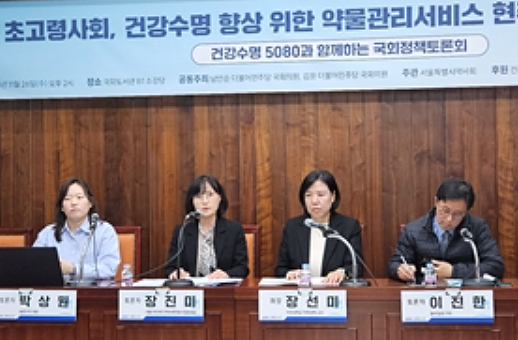
- Starting March next year, when the Integrated Care Support Act comes into effect, pharmacists participating in the polypharmacy management program will be able to access real-time medication histories for eligible patients.This addresses a previously noted limitation by enabling access to real-time patient information. Until now, information has been based on claims data, resulting in a time lag compared to actual prescription and dispensing information.Access to DUR-based real-time data is expected to mark a major turning point for multidisciplinary team-based care involving pharmacists.On the 26th, the Seoul Pharmaceutical Association co-hosted a National Assembly policy discussion forum with the offices of Democratic Party lawmakers Yoon Kim and In-soon Nam, focusing on medication management services in a super-aged society.During the general discussion session, the need to expand access to real-time patient information and increase pharmacist participation in multidisciplinary teams was raised to strengthen pharmacists’ medication management services.Jin-mi Jang, Director of the Seoul Pharmaceutical Association, said, “A government-led public data-based medication management system needs to be established. The issue can be resolved by enabling easy access to the excellent data held by the National Health Insurance Service and the Health Insurance Review and Assessment Service. Patient information must be viewable before visits.”Jang added, ” Sharing medication counseling results with medical institutions is also crucial. In the community-based model, prescription intervention through communication with medical institutions is impossible. System improvements are clearly needed."Jang also suggested expanding eligibility to basic livelihood security recipients and high-risk patients who receive prescriptions from multiple hospitals.Park Sang-won, CEO of Neulpum Value, who participated in Gwanak-gu’s integrated care pilot project, highlighted the need for robust data integration and the pharmacist’s role within multidisciplinary teams. Park said, “The patient's medication list is not being brought to the integrated support meetings. This makes it difficult for pharmacists to play their role within the meetings. Medication management must be part of the case review from the beginning.”Park also noted that integrated care frequently involves socially vulnerable individuals who are severely immobile or have limited health literacy, meaning pharmacists must be thoroughly prepared.Park added, “Data often differs from reality. Therefore, pharmacists' roles are essential on-site. Furthermore, managing performance indicators will be crucial starting next year, so we must determine how to demonstrate that pharmacist counseling contributed to patient health outcomes.”The National Health Insurance Service (NHIS), the operational agency for the polypharmacy management program, also recognized the need for patient information verification.Hyang-jung Park, Director of Health Support Programs at NHIS, stated, “We will link DUR-based medication history data to public MyData, enabling consulting pharmacists to access real-time information starting in March next year.”Park emphasized, "We need many pharmacists with advanced expertise. There is a specialized pharmacist for integrated medication management (in the national specialist pharmacist subjects). If it becomes reimbursable, qualifications may be required for fee-for-service pricing. We will communicate with relevant departments at the Ministry of Health and Welfare and strive to make the polypharmacy management project a pilot reimbursement program,“ and asked for pharmacists’ active participation.Hyun-jin Kang, Deputy Director at the Ministry of Health and Welfare’s Pharmaceutical Policy Division, commented: “We agree on the importance of comprehensive medication management. However, we must continue discussing how to standardize and institutionalize it,” adding that the ministry will review the forum’s proposals with relevant departments.
- Company
- ROS1-targeting 'Augtyro' under consideration for reimb
- by Eo, Yun-Ho Dec 03, 2025 08:42am
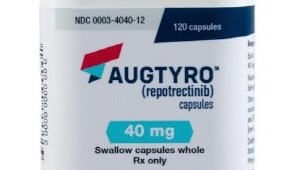
- A ROS1-targeting cancer agent, 'Augtyro,' will be considered for the insurance reimbursement listing.According to sources, Bristol Myers Squibb (BMS) Korea's Augtyro (repotrectinib) is expected to be considered for review by the Health Insurance Review and Assessment Service (HIRA)'s Cancer Drug Review Committee (CDRC), which will be this year's last.The submitted application for listing includes the drug's indication for ▲the treatment of adult patients with ROS-1 positive, locally advanced or metastatic non-small cell lung cancer (NSCLC) ▲the treatment of patients (adults and children aged 12 years and above) with NTRK (Neurotrophic tyrosine receptor kinase) fusions in solid cancers.Augtyro is classified as a next-generation Tyrosine Kinase Inhibitor (TKI) designed to overcome the limitations of prior treatments. It was approved based on the TRIDENT-1 trial, which included four cohorts of patients with ROS1 or NRTK fusions, assigned to groups based on prior TKI treatment history.The ROS1 data were published in the New England Journal of Medicine (NEJM), and the latest follow-up results were presented at the World Conference on Lung Cancer (WCLC) in September. Notably, 58% (41/71 patients) in the patient group without prior therapeutic experience ("no prior experience") and 41% (23/56 patients) in the group with prior therapeutic experience.In the TRIDENT-1 trial, Augtyro demonstrated clinically significant effects in both first- and second-line settings for ROS1-positive NSCLC. Favorable clinical results were reported, including Progression-Free Survival (PFS) of 31.1 months and Overall Survival (OS) of 74.6 months in 'no prior experience' patients, and a PFS of 8.6 months and OS of 25.1 months in patients previously treated with a ROS1-targeting agent.Furthermore, Augtyro has a molecular structure that facilitates penetration of the Blood-Brain Barrier (BBB), showing effectiveness even in patients with brain metastases. The 12-month intracranial PFS rate was 91% in the first-line setting, and the intracranial Objective Response Rate (ORR) was 38%, with a 12-month intracranial PFS rate of 82% in the second-line setting.Although it was a single-arm clinical trial, resultan indirect comparison against approved agents for ROS1-positive advanced NSCLC showed that Augtyro achieved statistically significant improvements in ORR, Duration of Response (DOR), and PFS compared to existing therapies.Based on these clinical results, Augtyro is strongly recommended as a first- and second-line treatment option for patients with ROS1-positive NSCLC in all major guidelines, including NCCN, ESMO, and ASCO.Professor Sang-We Kim of the Department of Oncology at Asan Medical Center stated, "The TRIDENT-1 clinical trial showed superior results compared to existing treatment in both the 1st and 2nd line settings for ROS1-positive NSCLC. The results indicating that the use of Augtyro as a first-line treatment could potentially enable patients to survive for over five years are highly encouraging. We hope it will be added to the reimbursement list so that patients in need can benefit quickly."
- Company
- Antengene's 'Xpovio' passes the DREC
- by Eo, Yun-Ho Dec 02, 2025 12:38pm
- Xpovio (selinexor), an oncology drug and the first product introduced in South Korea by the Chinese pharmaceutical company Antengene Corporation Limited ("Antengene"), is entering the final stage for expanded reimbursement.According to sources, Antengene Korea has accepted the condition of 'below the evaluated price' set by the Health Insurance Review and Assessment Service (HIRA)'s Drug Reimbursement Evaluation Committee (DREC) on November 6 for the oral Multiple Myeloma treatment, Xpovio (selinexor). The company is currently awaiting the Ministry of Health and Welfare (MOHW)'s order for price negotiation.The specific indication for the expanded reimbursement process is: 'In combination with bortezomib and dexamethasone for adult patients with Multiple Myeloma who have received at least one prior therapy.'Designated as an orphan drug in Korea and approved in August of last year, Xpovio is a novel mechanism drug that selectively inhibits the nuclear export protein, XPO1.XPO1 inhibitors are anticipated to be used in combination with other treatments (drugs, etc.) to improve the treatment of various diseases. Currently, five treatments, including Xpovio, are recommended in the National Comprehensive Cancer Network (NCCN) guidelines.Most Multiple Myeloma cases are characterized by having repeated recurrent/refractory responses to treatment. Similarly, in Diffuse Large B-cell Lymphoma (DLBCL) patients who fail systemic therapy, the opportunity for cure or long-term disease-free survival diminishes with each subsequent relapse.Consequently, there is an urgent need for safer and more effective treatments for both relapsed/refractory Multiple Myeloma and relapsed/refractory DLBCL.However, the final listing of Xpovio for insurance reimbursement is expected to take additional time. Xpovio was submitted to HIRA's Cancer Drug Review Committee (CDRC) in January but failed to secure the reimbursement criteria.The reason for failing at the CDRC is reportedly the failure to meet the required number of launched A7 countries (countries where the drug has been approved and marketed). As a result, the company must monitor the status in other countries before proceeding with a renewed reimbursement challenge.Meanwhile, the efficacy of Xpovio has been demonstrated through two Phase 2 studies: STORM and SADAL.In the STORM study, Xpovio in combination with dexamethasone showed an Objective Response Rate (ORR) of 26% and a Clinical Benefit Rate (CBR) of 39.9% in patients with relapsed or refractory Multiple Myeloma who had received four or more prior therapies.The SADAL study, which enrolled patients with relapsed DLBCL who had received two or more prior therapies, demonstrated an ORR of 28.3% and a Complete Response (CR) rate of 11.8% with Xpovio monotherapy.
- Policy
- First Migard generic listed in KOR
- by Jung, Heung-Jun Dec 02, 2025 12:37pm
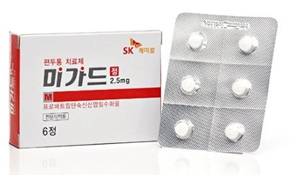
- The first generic version of Migard will be listed for reimbursement in Korea next month.Frotriptan Tab, Myung In Pharm’s first generic version of SK Chemicals' Migard Tab, will be listed for reimbursement next month, marking the beginning of full-scale competition.With this listing, Myung In Pharm strengthened its position in the migraine market, alongside its existing products such as Sumatran (sumatriptan succinate) and Topamate (topiramate).According to industry sources on the 28th, Myung In Pharm’s Frotriptan Tab 2.5 mg (frovatriptan succinate monohydrate) will be reimbursed starting next month. As the first generic, it receives a 59.5% premium, with the upper reimbursement limit set at KRW 2,038.Last year, Myung In Pharm became the first domestic company to conduct a bioequivalence study for the launch of a generic version of Migard. It obtained the first generic approval this June.Migard is a migraine treatment containing frovatriptan that received domestic approval in 2009. It is used for the acute treatment of migraine with or without aura.According to the market research firm UBIST, Migard recorded KRW 2.5 billion in sales last year, representing a 16% increase from the previous year.With the entry of generics, SK Chemicals and Myungin Pharmaceutical will now compete in the previously uncontested misgraine treatment market.While Migard’s standalone sales may not suggest a large market, the broader triptan-class market, including agents such as sumatriptan, is not small. The acute migraine treatment market is estimated to be worth approximately KRW 23 billion.Several pharmaceutical companies, including Yuyu Pharma, Daewoong Bio, Han Wha Pharma, and Reyon Pharmaceutical, already market products containing sumatriptan, naratriptan, and other triptan-class ingredients.Myung In Pharm, known for its strong CNS portfolio, continues to expand its migraine lineup, adding Frotriptan to its existing line of products such as Sumatran (sumatriptan succinate), Topamate (topiramate), and Poxen (naproxen sodium).SK Chemicals, its direct competitor, has also been strengthening its migraine portfolio. In addition to Migard, it launched Suvexx, a combination of sumatriptan and the anti-inflammatory agent naproxen, last year. Also, in October last year, it further expanded its lineup by acquiring the original zolmitriptan product Zomig Tab from AstraZeneca.

- Opinion
- "Personalized first-line therapy for EGFR-mutated NSCLC"
- by Hwang, byoung woo Dec 02, 2025 12:37pm
- The treatment paradigm for EGFR-mutated Non-Small Cell Lung Cancer (NSCLC) is changing.Given the high incidence of brain metastases at diagnosis in EGFR-mutated NSCLC, the key criteria for first-line treatment selection are now centered around Central Nervous System (CNS) inhibition and a favorable toxicity for long-term administration.The integrated analysis of LASER201 and LASER301, published recently in 'Clinical Lung Cancer,' provides additional evidence supporting the intracranial efficacy of the domestically developed third-generation EGFR TKI, Leclaza (lazertinib). The study is providing evidence for redefining the treatment strategy for patients with EGFR mutations.DailyPharm met with Professor Ji-Youn Han, from the Division of Hematology-Oncology at the National Cancer Center, a co-author of the paper mentioned above, to hear about the latest trends in the treatment of EGFR-mutated Non-Small Cell Lung Cancer (NSCLC), the CNS strategy, and the direction of customized therapy in the era of combination therapies."Brain metastases account for 40% at diagnosis…key determining factor for prognosis"Professor Ji-Youn Han, Division of Hematology-Oncology at the National Cancer CenterFirst, Professor Han emphasizes that "CNS management is now the starting point of treatment, rather than simply an additional factor."Professor Han stated, "Approximately 20-25% of all lung cancer patients already have brain metastases at diagnosis, but this rate rises to as high as 40% in patients with EGFR·ALK·HER2 mutations or who are non-smokers," and added, "Recent global Phase 3 (MARIPOSA·FLAURA2) trials also reported that 40% of patients have baseline brain metastases."These data indicate that not only are baseline brain metastases common, but a significant number of participating patients with good performance status have accompanying brain metastases.However, the prognosis varies significantly depending on symptom status. While approximately 40% of brain metastases cases are detected while still asymptomatic, the prognosis rapidly worsens once neurological deficits occur.Professor Han stated, "Symptoms of brain metastases include persistent headaches, nausea/vomiting, visual impairment, dizziness, and stroke-like symptoms, which severely limit daily life. Ultimately, symptomatic brain metastases is regarded as a major worsening factor that significantly decreases the patient's Quality of Life."Integrated Analysis of LASER201/301...reconfirming Leclaza's effect on suppressing the CNSProfessor Han summarized the limitations of existing first- and second-generation EGFR TKIs as being 'not initially designed to target the EGFR mutation itself.'Professor Han explained that side effects from inhibiting normal EGFR made it difficult to achieve sufficiently high drug concentrations, resulting in restricted BBB permeability and, consequently, a structural limitation in CNS management.In contrast, third-generation EGFR TKIs were developed from the start to enhance mutant EGFR selectivity and BBB permeability. This gained attention because it opened an era where much more stable and consistent effects on CNS can be expected, even in patients with brain metastases.Furthermore, the differences in toxicity profiles are evident. Professor Han said, "If the clinically perceived toxicity severity of first·second generation agents is rated at 10, the third generation is at the 2–3 level, which significantly improves their suitability for long-term use."Regarding the results of the LASER201 and LASER301 integrated analysis released, Professor Han evaluated them as additional evidence supporting Leclaza's global competitiveness.Professor Han stated, "The key finding is that this study provided objective data confirming that Leclaza has intracranial efficacy comparable to Tagrisso (osimertinib), the Korean standard of care, in EGFR-mutated lung cancer patients with brain metastases." She found this consistent with the trend from the MARIPOSA study, in which lazertinib monotherapy showed a Hazard Ratio (HR) of less than 0.9 compared to osimertinib in this patient group.Professor Han also mentioned, "Although the two drugs have generally similar efficacy, their side effect profiles do not entirely overlap. The fact that an option exists for patients to switch to the other drug if they cannot tolerate a specific adverse event is a major clinical advantage."Consequently, the availability of two third-generation EGFR TKIs is viewed as having significance for expanding the treatment strategy.Leclaza has a demonstrated advantage for suppressing brain metastases, supported by clear data proving the BBB permeability in preclinical studies.Professor Han stated, "This integrated analysis strengthens Leclaza's intracranial evidence, enhancing its global credibility, and expands the treatment strategy by enabling customized drug selection based on the patient's side effects and status. It is significant because it lays the foundation for broadening the scope of clinical judgment amid the future flow of combination therapies and new drug development."Toxicity management and drug switching...differentiating strategy garners attentionProfessor Han stressed that 'toxicity management' is a critical factor in determining the actual clinical treatment strategy, as EGFR-mutated lung cancer is a disease that requires long-term use of agents from the same class.In the case of Tagrisso, specified severe side effects, such as thrombocytopenia, ILD (interstitial lung disease), and cardiac toxicity like QTc prolongation, may necessitate dose reduction."According to the current guidelines, dose must be reduced to 40 mg if the same adverse event recurs. However, the evidence for maintaining drug efficacy at the 40 mg reduced dose is extremely limited, and the lack of data ensuring sufficient CNS control in patients with brain metastases is the biggest concern in the clinical setting," she said.Professor Han said, "Since CNS progression in EGFR-mutated lung cancer is directly linked to treatment failure, disease progression during dose reduction significantly limits the scope of subsequent drug switching strategies." She emphasized, "The medically recommended option in this scenario is a switch to Leclaza monotherapy, whose efficacy and tolerability have already been proven at the standard dose (240 mg)."Professor Han also suggested that the reimbursement criteria need be improved.The current reimbursement criteria require a Tagrisso dose reduction before switching to Leclaza, forcing the patient to risk the same side effects again. Professor Han also pointed out that if the disease progresses during the dose reduction, reimbursement for the subsequent switch to Leclaza may be denied.Professor Han concluded, "Since there is little difference in the drug price between the two agents, and Leclaza is sometimes even cheaper, there is insufficient evidence to mandate dose reduction for financial reasons," and added, "Ultimately, these regulations are criticized as being unreasonable from the perspectives of patient safety, treatment continuity, and insurance finances."

- Policy
- Biannual post-listing price cuts to be made
- by Jung, Heung-Jun Dec 02, 2025 12:35pm
- Price reductions under the post-listing management system, including price-volume agreements, will be consolidated into twice-yearly adjustments, significantly reducing uncertainty over price fluctuations.However, with the reduced frequency, large-scale price adjustments in both the first and second halves of the year have become inevitable.While the practice of lowering drug prices after actual transaction price investigations—a longstanding industry grievance—will be abolished, the incentive for low-price purchases will increase 2.5-fold, potentially triggering cutthroat bidding competition in large hospital tenders.The Ministry of Health and Welfare (MoHW) announced its drug-pricing reform plan on the 28th and will collect opinions through Q1 next year before implementing changes in July. Dailypharm reviewed how the reform, especially the post-listing management restructuring, will affect the field.Post-management overhaul: Drug price cuts in April & October... will reduce uncertainty but bring larger-scale adjustmentsFrequent drug price reductions under various post-management systems caused confusion in the field.Going forward, the timing for post-management price adjustments will be fixed annually in April and October, making it easier for the field to prepare for price changes.Even within the PVA system, reductions previously occurred at different times depending on the category (A/B/C), leading to complaints about constant adjustments. Price cuts driven by increased utilization after indication expansion or reimbursement expansion were also applied on a rolling basis throughout the year.Starting in 2027, the consolidation to twice-yearly adjustments is expected to eliminate these complaints. However, since drug price adjustments will be reduced to once per half-year (first and second half), large-scale reductions will be unavoidable each time.From the pharmacy's perspective, while the confusion caused by the unpredictable timing of price reductions will be resolved, the workload is expected to increase with adjustments occurring only once per half-year.The actual transaction price cut will be eliminated because the government views the administrative burden as excessive relative to the benefit. Instead, the incentive for low-price purchasing will increase from 20% to 50%, with the intent of inducing price competition that naturally lowers transaction prices.While the industry welcomes the abolition of actual transaction price reductions, it expresses concern over the incentive expansion policy. This is because, considering the de facto dominant-subordinate relationship between large hospitals and pharmaceutical/distribution companies, adverse effects are anticipated.If the incentives received by medical institutions increase by approximately 2.5 times, the demand for lower prices will grow, and the industry fears an increase in cutthroat competition where losses must be absorbed.The industry's primary demand is for supplementary measures, such as minimum price floors and eligibility review systems.Preemptive measures for 2012 adjusted drug price reductions... Companies with post-2013 listings express anxietyThe government will take preemptive action on products that have maintained the 53.55% price level for 13 years since the 2012 blanket reduction.If the reform is finalized as is, HIRA will select eligible products among the 6,500 that were reduced in 2012, review them, and begin applying new price cuts.The following are excluded from the price reduction targets: ▲ Drugs receiving premium pricing ▲Exit-prevention drugs, low-cost drugs, and orphan drugs ▲ Drugs listed exclusively ▲ Drugs whose prices have increased in the last 5 years due to supply instability ▲ Basic infusion solutions and radiopharmaceuticals ▲ Oxygen and nitrous oxide.Pharmaceutical companies holding items listed since 2013 are also excluded from immediate measures, but they worry the government might expand the scope of price reductions.Furthermore, in the second half of next year, the uniform surcharge for generic drug listings will be abolished, replaced by a differential surcharge based on innovation and contribution to supply stability. As the first half of the year represents the last opportunity for listing, applications are expected to flood in during the first and second quarters.Moving forward, the R&D-to-sales ratio will become crucial for receiving drug price premiums. Differential premiums will be applied based on criteria such as the top 30% and bottom 70% of innovative pharmaceutical companies. Companies hovering ambiguously near the cutoff line are likely to engage in a game of brinkmanship over the extent of their R&D investment expansion.As no absolute numerical threshold is set, the government appears to anticipate a competitive surge in R&D investment.Stepped price reductions for generics will also be strengthened. Currently, the price of the 21st generic is set at 85% of the lowest price. This will be applied starting from the 11th generic. The intent is to reduce prices by 5% each step from the first generic's calculated price to prevent indiscriminate proliferation of generics.This reform is particularly painful for small and medium-sized pharmaceutical companies, as the government's clear goal is to induce new drug development through strict generic drug price management and to transform the industry ecosystem, which is overly reliant on copy drugs.If companies conclude that obtaining add-on pricing will be difficult and that the benefit of listing is reduced, they may shift more aggressively toward non-reimbursed products.
- Policy
- Gvn’t ‘No blanket drug price cuts will be made’
- by Lee, Jeong-Hwan Dec 02, 2025 12:34pm
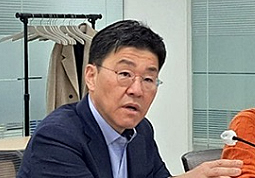
- Yeon-sook Kim (Director of the Pharmaceutical Benefits Division), Joong-kyu Lee (Director-General for Health Insurance Policy), and Gi-heon Bae (Deputy Director, Pharmaceutical Benefits Division) from MOHW explained the details and intent of the drug price reform plan. "During the blanket drug price reduction, prices of approximately 6,000 items were cut. Since then, 13 years have passed, and 4,500 items have either not been reduced at all or only reduced to 45% from 53.55%. Starting next year, the price reductions will be made over the next 3 years to these 4,500 items. There is little room for debate about price cuts over these listed generics since they've been generating excessive profits for over a decade. The remaining 15,000+ already-listed generics are not targets for this price reduction. We plan to review the other listed generics only after completing the adjustment process for the initial 4,500 items. ‘Reviewing’ does not mean we intend to cut their prices."As the government unveiled a plan to lower the generic price rate from 53.55% to the 40% range of the original drug’s price, it confirmed that prices of 4,500 pre-listed generics will be cut first when the reform is implemented in the second half of next year (July). The expected savings in National Health Insurance drug expenditure from this measure amount to KRW 1 trillion.Based on the 6,000 items subject to the 53.55% blanket generic price reduction applied in 2012, the plan targets 3,000 items whose prices have barely decreased (maintaining 53.55%~50%) since then up to the present (2025), and 1,500 items that saw only a slight decrease (maintaining 50% to 45% range). The plan is to reduce prices to the 40% range over 3 years, targeting only these items.For the 3,000 generics maintaining prices between 53.55% and 50%, adjustments will begin next year (2026) and will be reduced to the 40% range by 2028. The 1,500 generics in the 50% to 45% range will begin adjustments the year after next (2027) and be reduced to the 40% range by 2029.The government has clearly stated that it will not reduce the prices of generics listed from April 2012, when the blanket price reduction for generics began, to July next year, when the reform plan takes effect, at least until the price adjustments for 4,500 items are completed.However, starting in 2030, when the price reduction process for the 4,500 items concludes, the government intends to establish a mechanism to periodically review generics listed between April 2012 and June 2026 to assess the need for price adjustments.On the 30th, Joong-kyu Lee (Director General for Health Insurance Policy), Yeon-sook Kim (Director of the Pharmaceutical Benefits Division), and Gi-heon Bae (Deputy Director, Pharmaceutical Benefits Division) held a briefing with the MOHW press corp to explain the sequential adjustment plan for pre-listed generics.4,500 drugs to see 40% price cuts by 2029... “KRW 1 trillion in drug cost savings”The Ministry expects that reducing the prices of 4,500 existing generic drugs by around 40% over the next 3-4 years, starting next year, will yield savings of approximately KRW 1 trillion in National Health Insurance finances.Lee explained, “These 4,500 generics have kept their prices unchanged for more than 10 years since 2012 and have enjoyed excessive profits. The need for reduction is hardly disputable.”Simply put, since this generic drug price reduction targets only 4,500 items out of the 6,000 that underwent a blanket price reduction in 2012, it is unlikely to provoke significant backlash from the domestic pharmaceutical industry. It's essentially saying, ‘These generics deserve the cut.’But the Korean pharmaceutical industry strongly disagrees.They argue that maintaining the 53.55% price level required real investment efforts, such as conducting their own bioequivalence tests and registering DMFs (Drug Master Files), and meeting various regulatory criteria. Therefore, criticizing the price as excessive profit and cutting it simply because it wasn't reduced amounts to the Ministry of Health and Welfare itself, negating the tiered pricing system it has set standards and requirements for.Moreover, while the price reduction mechanism for multinational pharmaceutical companies focused on original products converges to zero, the Ministry announced it would accept systems favored by multinationals—such as the flexible pricing contract system that allows different listed and actual transaction prices, and the differential pricing system by indication. This has led to cynical reactions within the pharmaceutical industry, including “a reform plan that cuts domestic generic drug prices while further bolstering prices for imported originals.”Lee Jung-kyu: “The focus of the reform plan is on rewarding innovative R&D, not restructuring generics.”Director-General Lee emphasized that the reform plan's significance lies in encouraging innovative new drug R&D (research and development) rather than restructuring domestic pharmaceutical companies or domestic generics. He stressed that it aims to overhaul the drug pricing system into one that “favors as hard as possible” the drug prices for companies developing and producing medicines with unstable supply, namely essential medicines and market exit prevention drugs.He specifically clarified that at the current phase, the government is not considering price reduction mechanisms for generics listed between April 2012 and June 2026. This does not mean the prices of these existing generics won't be cut, but rather that after reducing prices for the initial 4,500 drugs, the necessity for further reductions will be discussed and considered with the pharmaceutical industry.The implication is that plans for handling the prices of these existing generics, which were not touched this time, will be determined gradually going forward.Domestic pharmaceutical companies maintain that retroactively applying the 40% generic drug price reduction reform to listed generics is unreasonable. Should the Ministry of Health and Welfare proceed with adjusting prices for generics listed since 2012, industry backlash is expected to be even stronger than it is now.Lee stated, “Currently, generics approved in 2012 are the target for price reductions. The 15,000 generics listed afterward will be reviewed later. This does not mean we intend to reduce prices periodically. It means we will thoroughly review the status of all generics listed in Korea.”He further emphasized, “The fact that 4,500 generics either maintained their prices at the 53.55% level or saw reductions of only up to 45% might warrant an audit from the perspective of the Ministry of Health and Welfare's National Health Insurance Policy Bureau and Pharmaceutical Benefits Division. We will regulate generics that have not seen price reductions for over a decade and have generated excessive profits.”Lee stated, “In 2012, the specific goal was to unilaterally reduce generic drug prices across the board. Yet, the amount of reduction made was not significant. This reform is not about restructuring generics; the policy direction is to properly support pharmaceutical companies excelling in new drug R&D and stable supply. It is an administrative measure to naturally reduce the prices of simple generics and incentivize their elimination from the market.”Preferential pricing for essential drugs, exit-prevention drugs, and domestic raw materials is also being discussed… “Active substitution to relieve public anxiety”To incentivize R&D, the reform links pricing with the “Korea Innovative Pharmaceutical Company” certification—the top 30% of certified companies by R&D-to-sales ratio will receive additional benefits. MoHW also emphasized support for companies producing essential medicines and exit-prevention medicines.Lee, Kim, and Bae all explained that efforts were also made to include measures to revive the struggling domestic raw material industry within the drug pricing system reform plan. Lee stated, “We hope it will be effective, but it is difficult to predict whether the essential drugs, withdrawal prevention drugs, and domestic raw materials sectors will function properly once the actual reform plan is implemented. We deliberated on creating a drug pricing system that benefits domestic raw material pharmaceutical companies, though some already consider it too late. For now, we will establish a system to protect the domestic industry from a public health security perspective.”Lee specifically outlined a vision to support the smooth prescription and dispensing of unstable-supply drugs on-site, alongside the drug pricing system reform.Specifically, the Ministry of Health and Welfare plans to use prescription-related systems to notify about supply instability and guide substitution with equivalent drugs within the list.Furthermore, the Ministry will establish the legal basis for building and operating a public information system to support post-prescription information sharing between pharmacists and physicians for smooth substitution dispensing, and will also build the information system itself.Lee stated, "When drugs with unstable supply are monitored, we will take administrative action to ensure substitution dispensing occurs actively. Doctors only prescribe the specific drug they intend, and when that drug runs out, they tell the media there's no medicine available. This creates a problem where the public feels anxious even when substitute drugs exist. We have focused significant effort on preventing such situations, ensuring a stable supply of essential medicines, and establishing a supply safety net to avoid triggering public anxiety."
