
- LOGIN
- MemberShip
- 2026-06-19 18:48:07

- Policy
- Ineffective dual pricing system to be revised
- by Jung, Heung-Jun Nov 20, 2025 06:16am
- The government has acknowledged the failure of the 'Separate Contracting System: Dual Pricing System', implemented last March to support the export of domestically developed new drugs. It will soon introduce a revised plan under a new name. The revised plan is expected to be submitted as an agenda item to the Health Insurance Policy Review Committee meeting on November 28 of this month, with the option to allow dual pricing for drugs other than those for severe and rare diseases being strongly considered. According to industry sources November 19, the government plans to significantly relax requirements for the dual pricing system, including conditions for ▲new drugs developed by companies that received Innovative Pharmaceutical Companies designation ▲eligibility for expedited review ▲domestic clinical trial requirements. Currently, no product meets all three requirements to use the dual pricing system. The system, though well-intentioned to support the development of domestic new drugs, has essentially remained a regulation without practical use. An official from pharmaceutical company A explained, "There were many restrictions. The number of new drug developments by domestic companies is at a low point, and few multinational pharmaceutical companies have received innovativeness designation," and added, "Moreover, the target for expedited review is often narrowed to severe and rare disease drugs, meaning ultimately, there are no drugs utilizing the dual pricing system." Currently, 45 domestic pharmaceutical and biotechnology companies of South Korea and four multinational pharmaceutical companies have received the innovativeness designation. Only drugs held by these companies that are also eligible for expedited review and have undergone domestic clinical trials could apply for the dual pricing system. Multinational pharmaceutical companies also assessed the original dual pricing system as insufficiently incentivizing. Since many multinational companies already utilize the refund-type Risk-Sharing Agreement (RSA), they were not interested in the dual pricing system, which offered no additional benefit. An official from multinational pharmaceutical company B assessed, "When the policy direction came out, we thought it would be widely used, but when we actually looked into it, there was no major advantage," and added, "There was many opportunity to utilize the RSA refund type, and since (applying the dual pricing system) did not grant an exemption from health-economic evaluation, it was difficult to see any added value." Following criticism in the National Assembly that the system lacked practical effectiveness due to zero uptake, the government is revising the regulation and renaming it the 'Flexible Drug Pricing Contracting System'. To avoid repeating the mistake of merely changing the name without addressing the lack of efficacy, incorporating field feedback is critical. The National Health Insurance Service (NHIS) is currently conducting internal reviews and gathering industry opinions for the introduction of the Flexible Drug Pricing Contracting System. Prospective expansion for eligible drugs for the dual pricing...will be gradually introduced to RSA drugs Even before the government announced the finalized plan, there was already discussion about the prospective expansion of the drugs eligible for the dual pricing system. Some predict that market-entry hurdles, such as the requirement for innovativeness designation and eligibility for expedited review, will be entirely removed. A multinational company official said, "The direction will likely be to allow it even for companies outside of the innovativeness designation. We anticipate that a wide range of products from pharmaceutical companies that show commitment will be permitted." The official also predicted, "We expect that RSA drugs will switch to the dual pricing system when their cost-sharing period ends or when the listing of a subsequent drug mandates the disclosure of their official listed price." Domestic pharmaceutical companies preparing for overseas export are also awaiting the government's detailed plan. They are, however, optimistic about the decision to expand eligibility. A domestic company official stated, "Since there are countries that reference our drug prices, it is beneficial if the official external price is higher. If implemented, we plan to enter the flexible contract system," and added, "Although the number of items for domestic companies is limited, it is much better than nothing. We will have to wait and see exactly how much they relax the rules, but I understand they are going to expand the scope of application proactively." This official estimated, "They seem to be aiming for implementation around the second half of next year, after consulting with the industry for necessary adjustments." Another industry official commented, "Given the external issues, the Lee Jae Myung administration is also interested in the dual pricing system, so I think it will be discussed as a priority item in the drug pricing reform." The commenter strongly suggested that the plan be submitted to the committee on the 28th of this month. The Ministry of Health and Welfare (MOHW) is being cautious ahead of the official announcement. A MOHW official said, "We are preparing improvements, and because the announcement will be made soon, it is difficult to disclose the details," and added, "We are discussing with the personnel in charge at the executive agency (NHIS) and are in the process of gathering opinions from stakeholders regarding the system improvement."
- Company
- Topical JAK inhibitor 'Anzupgo cream' submitted for reimb
- by Eo, Yun-Ho Nov 20, 2025 06:16am
- Product photo of Topical JAK inhibitor 'Anzupgo cream' has been submitted for insurance reimbursement listing. According to industry sources, LEO Pharma Korea recently submitted a reimbursement application for Anzupgo (delgocitinib), a new drug for Chronic Hand Eczema (CHE). Attention is drawn to whether this first and only cream-formulation JAK inhibitor option will gain reimbursement option. Anzuupgo is the only non-steroidal topical cream formulation approved for the treatment of moderate-to-severe CHE in adult patients who have not responded to, or for whom topical corticosteroids are not advisable. Anzupgo does not contain parabens or steroids. It works by suppressing the JAK-STAT signaling pathway, which is involved in various inflammatory reactions, by inhibiting the activity of JAK1, JAK2, JAK3, and TYK2, thereby helping to alleviate skin inflammation and pruritus. Until now, treatment options for CHE have been limited, with strong topical corticosteroids primarily being used. However, prolonged use of these agents can carry various risks, including skin barrier damage, skin atrophy, and dilated blood vessels. For cases where treatment effects did not appear in a short period, Korean treatment guidelines also recommended combining them with topical calcineurin inhibitors or systemic steroids. GSK's 'Alitoc (alitretinoin)', currently the only approved oral treatment for severe CHE, is used in patients who have not responded to at least 4 weeks of potent topical corticosteroid therapy. It improves symptoms through its skin-regulatory, anti-inflammatory, and immunomodulatory actions. It is known to be effective for the long-term management of chronic, severe hand eczema with a high risk of relapse. However, its continued use has been limited by concerns over various side effects, including hepatotoxicity, hypothyroidism, dyslipidemia, and fetal malformation. Anzuupgo's efficacy was proven through the DELTA FORCE and DELTA 2 clinical studies, which included a direct comparison with GSK's Alitoc (alitretinoin). In the DELTA FORCE study, the primary objective was met, showing superiority over alitretinoin capsules when delgocitinib was evaluated at baseline and at Week 12 using the Hand Eczema Severity Index (HECSI) score. The DELTA 2 study enrolled 473 patients with moderate-to-severe CHE. Participants were randomized to either the delgocitinib cream or placebo cream application group, receiving treatment twice daily for 16 weeks. The primary endpoint was an Investigator's Global Assessment for Chronic Hand Eczema (IGA-CHE) score of 0/1 measured at Week 16. Key secondary endpoints included the IGA-CHE score and the Hand Eczema Symptom Diary (HESD) score, both evaluated at Weeks 4 and 8. The results showed that the delgocitinib group significantly improved chronic hand eczema at Week 16 compared to the placebo group, meeting the primary and key secondary endpoints.

- Company
- ‘4-drug regimen essential for treating heart failure’
- by Son, Hyung Min Nov 20, 2025 06:15am
- Heart failure remains one of the most dangerous cardiovascular diseases. Rather than simply causing fatigue or shortness of breath, it is a systemic disorder in which structural and functional impairment of the heart leads to reduced blood flow and multi-organ decline. In rapidly aging countries like Korea, prevalence is rising at an even faster pace. The prevalence of heart failure in Korea has increased by approximately 4.5-fold over the past 20 years, exceeding 26% among those aged 80 and older. More notably, the 5-year survival rate for heart failure is lower than that for major cancers like breast or prostate cancer. This demonstrates that it is no longer merely a chronic condition but a severe disease directly linked to survival. Amidst this shift towards heart failure becoming a severe disease, DailyPharm met with Professor Michael Böhm, Chair of the ESC Scientific Program Committee and Professor of Internal Medicine at Saarland University Hospital, and Professor Byung-Su Yoo, President of of the Korean Heart Failure Society and Professor of Cardiology at Yonsei University Wonju College Hospital to discuss the the current state of heart failure and the challenges in the Korean treatment environment. (from the left) Prof Michael Boehm, Prof Byung-Su YooBoth experts highlighted the particularly rapid disease progression and high readmission risk associated with heart failure with reduced ejection fraction (HFrEF), emphasizing that “early treatment determines survival.” Among heart failure types, HFrEF is known for its rapid worsening, with more than 20% of patients readmitted within one year after discharge. Rehospitalization not only signifies worsening prognosis but also directly leads to increased mortality. Consequently, global guidelines explicitly state that ‘the success of HFrEF treatment hinges on the initial treatment strategy.’ This means that the only evidence-based strategy to improve survival rates is to promptly initiate the four pillars of heart failure therapy (ACE inhibitors or angiotensin receptor neprilysin inhibitors, beta-blockers, mineralocorticoid antagonists, and SGLT-2 inhibitors) upon diagnosis and uptitrated to target doses as quickly as possible. Among these, Entresto (sacubitril/valsartan), a representative ARNI therapy, is the most crucial pillar in HFrEF treatment. In the landmark PARADIGM-HF study, Entresto reduced cardiovascular death and heart failure hospitalization by 20% compared to the conventional ACE inhibitor enalapril, completely shifting the HFrEF treatment paradigm. Consistent results showing reduced risks of sudden death and emergency room visits provided the rationale for transitioning from the RAAS monotherapy era to a new standard of care centered on ARNIs. Germany is a prime example of a country where this shift was swiftly implemented in clinical practice. Standard therapy, including Entresto, is applied early on to most HFrEF patients, and a standardized heart failure care pathway, prioritizing achieving target doses, is already firmly established in the country. By contrast, Korea continues to face criticism for a low four-drug application rate and inadequate dose titration. Experts emphasize that such gaps ultimately translate into survival disparities, stressing the need for early treatment optimization. Q. What is the proportion of HFrEF patients, and what are the key clinical characteristics of the disease? eb Prof Byung-Su YooProf. Yoo: While data varies, the Korean Heart Failure III Registry, which focuses on tertiary hospital patients, shows approximately 55% or more cases are HFrEF. This reflects the patient population characteristics of tertiary hospitals, which treat a high proportion of severe cases. In actual clinical practice, with preserved ejection fraction (HFpEF) or mildly reduced ejection fraction (HFmrEF) would be more common. This distribution is becoming more pronounced due to the recent increase in elderly and obese patients. HFrEF is characterized by significantly impaired systolic function, faster progression, and more severe symptoms such as dyspnea, edema, and fatigue. Prof. Michael: In Europe, HFrEF is also estimated at around 50%, but the actual proportion may be higher. Women with hypertension, atrial fibrillation, stroke, or diabetes were often classified as HFpEF in the past. Under the latest criteria, they may now be reclassified as HFrEF or HFmrEF. This shift suggests that heart failure classification based on ejection fraction may be revised in the future. Q. What is the evidence supporting the establishment of the four-drug regimen as the standard treatment for heart failure? Prof. Yoo: The standard treatment for heart failure is a therapeutic strategy established based on decades of accumulated clinical research. The effects of existing medications—beta-blockers, ACE inhibitors, ARBs, and MRAs—in reducing mortality and rehospitalization have been consistently demonstrated through large trials. The addition of SGLT2 inhibitors completed the four foundational pillars, and RAAS inhibitors are now shifting toward ARNI class drugs. Crucially, evidence shows that applying all four drugs together can reduce the risk of death or hospitalization by over 70%. Therefore, unless there are specific contraindications, actively using this regimen from the outset is key to improving prognosis. It is established as standard therapy that must be adhered to unless there are specific reasons not to, due to its clear efficacy in improving major events (hard outcomes). The standard therapy mentioned has already been proven effective in numerous studies. Specifically, using these four standard drugs can reduce mortality and hospitalization rates by approximately 70% or more, with this benefit observed in one out of every four patients. Prof. Michael: Heart failure pharmacotherapy has long evolved toward regulating the neuroendocrine axis. ACE inhibitors and MRAs were developed first, and major large-scale clinical trials established the current treatment foundation. As these studies accumulated, mortality rates in heart failure patients gradually decreased. Indeed, meta-analyses show that mortality and hospitalization rates decrease by approximately 65% when initiating all four agents together. Q. Why is Entresto preferred over other RAAS inhibitors? Prof. Yoo:The rationale for prioritizing Entresto (ARNI) is clearly demonstrated in the PARADIGM-HF study. In this study, Entresto reduced major hard outcomes, including death and hospitalization, by approximately 20% compared to the existing ACE inhibitor enalapril. This study is particularly significant because it demonstrated superiority not against a placebo, but directly against the then-standard of care, an ACE inhibitor. Mechanistically, the ARB (valsartan) is combined with a novel mechanism—a neprilysin inhibitor (sacubitril)—which synergistically enhances sodium excretion, vasodilation, and myocardial protection. These biological effects translated into actual clinical outcomes, establishing ARNI as the new standard that replaces existing RAAS inhibitors. Prof Michael Boehm#Prof. Michael: PARADIGM-HF can be regarded as a study that changed the treatment paradigm for heart failure. It presented a new mechanism capable of replacing ACE inhibitors, the existing standard therapy, and as a large-scale randomized study, it secured long-term data, demonstrating high stability and reliability. Recruiting a control group of this scale again would be practically difficult, making it unlikely that a comparable study could be replicated. Entresto demonstrated significant improvements not only in the primary endpoint but also in patients' quality of life (QoL). Survey-based assessments showed substantial relief in patients' overall well-being and symptom burden, carrying profound clinical significance for heart failure patients, particularly those with HFrEF. Furthermore, it demonstrated superior renal function preservation compared to ACE inhibitors and even confirmed the long-term benefit of reducing the risk of developing diabetes. These additional benefits can be seen as a result of the complementary properties of the sacubitril and valsartan combination, holding great significance in that it can provide patients with a better clinical experience across the entire spectrum of heart failure treatment. Why must all four therapies as standard therapy be initiated “as early as possible”? Prof. Yoo: HFrEF is a disease with a particularly poor prognosis at diagnosis, with many patients experiencing a rapid deterioration within the first 3 months. Since this is the period with the highest risk of death and rehospitalization, the four-drug standard therapy regimen must be introduced as quickly as possible. The effect of these medications is not merely symptom relief; they rapidly reduce mortality and hospitalization rates. Delaying treatment means immediately forfeiting these benefits. Numerous studies have accumulated showing that the earlier these medications are applied in HFrEF patients, the greater the improvement in prognosis. Consequently, both domestic and international guidelines emphasize early intervention. Prof. Michael: The reason early intensive therapy is crucial is that there exists a clinical golden time for heart failure. From the moment of initial diagnosis, myocardial stress in HFrEF patients increases rapidly, and structural and functional damage progress quickly during this process. Therefore, the four drugs must be initiated as soon as possible before the benefits of treatment accumulate. Furthermore, a sequential, delayed introduction of medications can result in leaving the patient's clinical risk unaddressed. Large-scale patient data also consistently show that rapid initiation of combination therapy improves survival rates and reduces hospitalization risk compared to monotherapy or delayed initiation. For these reasons, Europe also operates treatment strategies aiming for early completion of the four-drug regimen whenever possible. Q. South Korea still has a low initial adoption rate for the four-drug regimen. What tasks are necessary for improvement? Professor Yoo: The reasons for suboptimal initial treatment optimization in Korea involve a complex interplay of factors: time and environmental constraints on healthcare providers, patient concerns about polypharmacy, and staffing burdens in clinical settings. However, given the substantial clinical benefits of the four-drug regimen, establishing it as the common clinical pathway is necessary. Strengthening the role of heart failure centers and specialized clinics, establishing integrated treatment algorithms applicable from the initial visit stage, and creating structures that facilitate active dose titration in clinical practice are crucial. This should be accompanied by patient education to improve medication adherence and policy support to ensure consistent treatment standards across regional healthcare institutions. In terms of clinical inertia, a particularly unique situation in Korea is that healthcare providers have very limited time when seeing outpatients and must manage a large volume of patients. This makes it extremely difficult to carry out standard treatment or personalized therapy for patients. To summarize, the target level for standard treatment in Korea has significantly improved. However, it can be said that there is still room for improvement for many practitioners, excluding specialists who specifically treat heart failure patients. Prof. Michael: As seen in Germany, a ‘standardized clinical pathway’ is key to increasing early treatment initiation rates. We need a system that allows any doctor to design treatment based on the same criteria, rather than relying on the experience and skill level of individual clinicians. Furthermore, in the process of managing patients to reach the maximum tolerated dose of medication, it is crucial to establish time flexibility and a continuous monitoring system in the clinical setting. Indeed, the standard four-drug regimen that includes Entresto achieves optimal efficacy only when doses are sufficiently titrated. Therefore, expanding outpatient, nursing, and educational systems for this purpose is absolutely essential. A national-level management model would ultimately narrow Korea’s treatment gap and improve outcomes for many patients.

- Policy
- Temporary relaxation of reimb criteria for Dupixent ends
- by Jung, Heung-Jun Nov 20, 2025 06:15am
- The temporary relaxation of reimbursement requirements for certain drugs, which was implemented since April last year due to the medical staffing crisis, will end this year. Drugs like Dupixent, MabThera, and Soliris must resume the patient response assessments, which the drugs were granted exemption from, starting January next year. According to industry sources on the 19th, the Ministry of Health and Welfare (MOHW) will end the temporary relaxation of drug reimbursement requirements as a follow-up measure after lifting the severe-level health crisis alert. When a shortage of medical staff occurred due to the resident physician walkout, medications requiring pre-administration tests and evaluations were omitted at the discretion of treating physicians. Frontline clinicians had requested relief from strict reevaluation requirements that mandated reassessment before renewing prescriptions. In recognition of the practical difficulties in adequately conducting patient tests and evaluations, the reimbursement criteria were temporarily relaxed as an unavoidable measure. The alert was lifted on October 20th as the medical staffing shortage was resolved. However, to prevent confusion in clinical settings, a grace period of approximately 2 months was granted before ending the reimbursement relaxation. A wide range of medications are affected, including anticancer drugs, epilepsy treatments, dementia drugs, stimulants, and atopic dermatitis therapies. High-profile injectables such as Dupixent, MabThera, Soliris, Eylea, Humira, and Spinraza will once again require documented patient evaluations. Oral agents such as Xeljanz for autoimmune disease, Concerta OROS for ADHD, and Opsumit for pulmonary arterial hypertension are also included. These medications are covered under insurance only if administered based on test results. Periodic evaluations, such as every 3 to 6 months, must be conducted to qualify for coverage. For example, initial and maintenance treatment criteria often require submission of objective evidence such as prior treatment history, EASI score calculation, and lesion photographs. Beginning January, reimbursement will once again be contingent upon meeting such evaluation requirements, and providers are advised to exercise particular caution.
- Company
- RED Period Campaign successfully concludes to end HIV stigma
- by Son, Hyung Min Nov 20, 2025 06:14am
- Participants in the RED Preiod Campaign The RED Period Council (RED Council), a joint initiative among academia, patient advocacy groups, and industry aimed at ending stigma and discrimination against HIV, announced that it successfully held the “Red Period Campaign – Citizen Participation Event” at Cheonggye Plaza in Seoul on the 17th. Since the first reported cases over 40 years ago, HIV (Human Immunodeficiency Virus) treatment has progressed dramatically. Today, with consistent medication adherence and regular care, HIV can be managed like other chronic conditions, such as diabetes or hypertension. However, despite these scientific advances in treatment and prevention, people living with HIV and key populations still face significant barriers due to persistent misconceptions, social stigma, and discrimination. To mark World AIDS Day (December 1), the council hosted this public event to deliver accurate information and break down prejudices surrounding the disease. During the event, representatives of the council, including Prof. Beom-Sik Chin (Infectious Diseases, National Medical Center), Seok-Soo Son (President, KNP+), Seung-Hwan Kim (Executive Director, Sinanun Center), Jong-Hyuk Lee (Director, Public Communication Research Institute), and Jae Yeon Choi (General Manager, Gilead Sciences Korea), took the stage to reaffirm their commitment to eliminating HIV-related stigma and discrimination. Participants also read aloud messages of encouragement submitted through the Naver Happy Bean Good Action campaign page, which has been active since October, and urged continued public participation in the RED Period Campaign The event featured several programs, including ▲a calligraphy performance by artist So-Young Kim interpreting the campaign’s core messages, ▲a video highlighting the campaign’s meaning from the perspectives of people living with HIV, supportive video messages from actors, and ▲a celebratory performance by singer Seung Yeon Son delivering messages of hope and comfort. TV personality Seok-Cheon Hong, long recognized for his advocacy on LGBTQ+ and HIV-related human rights issues, hosted the event. Ambassador Philippe Lafortune of the Embassy of Canada to the Republic of Korea, Seung-kwan Im (Commissioner, Korea Disease Control and Prevention Agency), Sun-Hee Lee (President, The Korean Society for AIDS), and Jae Yeon Choi (GM, Gilead Korea) also offered welcome remarks in support of the campaign. Many citizens are participating in various participatory programs held at Cheonggye Plaza to end HIV discrimination and prejudice. Additionally, the ‘HIV Stigma and Bias Elimination Experience Zone’ set up throughout Cheonggye Plaza offered various programs to help citizens improve their accurate understanding and awareness of the disease. Citizens learned accurate disease information by physically breaking apart and reassembling a large puzzle featuring discriminatory and prejudiced statements about HIV. Additionally, they participated in activities like taking photos, pledging support for the RED Period Campaign, writing messages of encouragement, and joining together to place full stops, contributing to the movement for improved HIV awareness and solidarity. Prof. Beom-Sik Chin of the Department of Infectious Diseases at National Medical Center said, HIV is no longer a fatal acute infection but a manageable chronic disease. As treatment has advanced, eliminating stigma-driven declines in quality of life among people living with HIV must be addressed urgently. The medical community will continue to play an active role in ending HIV-related discrimination and prejudice.” Jae Yeon Choi, General Manager of Gilead Sciences Korea, said, “Gilead is leading scientific innovation and improving access to care in the treatment of HIV, one of the world's most deadly diseases. The RED Period Campaign will be a crucial turning point in reducing new infections and ultimately ending HIV transmission. Gilead Korea will spare no effort in supporting this journey.” Includes the Korean Society for AIDS, Hamkke-Seo-Bom Foundation, KNP+, Love for One, Shinnaneun Center, Public Communication Research Institute, and Gilead Sciences Korea. Since its launch in September, the council has focused on improving awareness, strengthening treatment and prevention environments, and driving institutional and policy advancement with the long-term goal of reducing new HIV infections by 50%.
- Company
- Remsima-Onbevzi compete for No.1 rank in the biosimilar mkt
- by Chon, Seung-Hyun Nov 19, 2025 06:10am
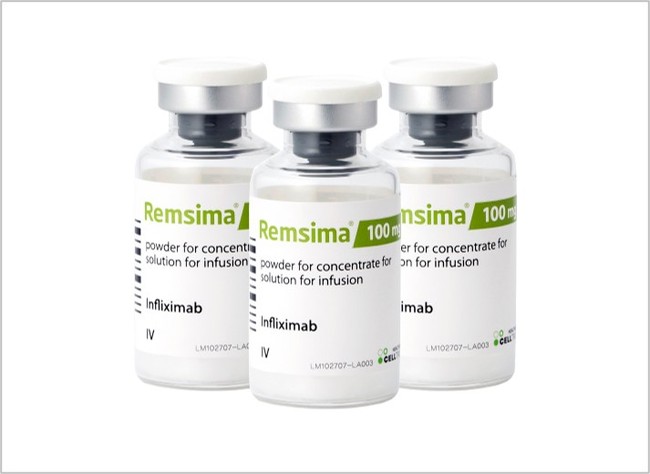
- Celltrion's Remsima and Samsung Bioepis' Onbevzi are fiercely competing for the top spot in the Korean biosimilar market. Remsima has now surpassed Onbevzi's sales after nine quarters, following its previous lead in Q4 of last year. Both Remsima and Onbevzi generate quarterly revenues exceeding KRW 10 billion, proving the commercial viability of domestically developed biosimilars. The entry of traditional pharmaceutical companies into the sales of these biosimilars is attributed to the stable market growth. According to the Financial Supervisory Service on November 17, Celltrion's Remsima recorded sales of KRW 12.5 billion in the third quarter, up 11.5% year on year. Remsima surpassed Onbevzi's sales of KRW 10.5 billion by KRW 2 billion, marking the highest domestic revenue among domestically developed biosimilars. This record is based on sales figures disclosed by Celltrion Pharm and Boryung, the companies selling biosimilars from Celltrion and Samsung Bioepis, respectively. Quarterly sales of major domestically-developed biosimilars. ORANGE-Remsima, BLUE-Onbevzi, GREEN-Herzuma (unit: KRW 1 million, source: Financial Supervisory Service) Remsima is a biosimilar of Remicade, the treatment for autoimmune diseases. It was approved in 2012 as the first domestically developed antibody biosimilar and is used to treat Crohn's disease, ankylosing spondylitis, ulcerative colitis, and rheumatoid arthritis. Onbevzi is a biosimilar of the anti-cancer drug Avastin. It is used for metastatic colorectal cancer, metastatic breast cancer, non-small cell lung cancer, advanced or metastatic renal cell carcinoma, glioblastoma, epithelial ovarian cancer, fallopian tube cancer, primary peritoneal cancer, and cervical cancer. This is the first time in three quarters, since Q4 of last year, that Remsima has surpassed Onbevzi's sales. Remsima led Onbevzi by KRW 1.6 billion in Q4 of last year, with KRW 12.1 billion in sales. However, Onbevzi took the lead in Q1 of this year with KRW 10.9 billion, surpassing Remsima by KRW 1.7 billion. Q2 sales of Onbevzi exceeded those of Remsima by KRW 700 million. Remsima had maintained the sales lead among domestically developed biosimilars for 10 years after its launch. Onbevz first surpassed Remsima in Q1 2023 with KRW 9.2 billion in sales, leading by KRW 1 billion. Remsima retook the lead in Q2 2023 with KRW 13.4 billion, surpassing Onbevz by KRW 3.3 billion, but then conceded the lead to Onbevz from Q3 2023 to Q3 of last year, with sales between KRW 8 billion and KRW 9 billion. Since then, Remsima and Onbevz have repeatedly traded the lead. Sales have reversed a total of five times between Remsima and Onbevz over the past three years since 2023. Onbevzi became a stable cash cow, recording sales of over KRW 10 billion for 10 consecutive quarters since first crossing the KRW 10 billion mark in Q2 2023. However, Onbevzi's growth has slowed slightly since recording KRW 11.7 billion in sales in Q2 of last year. After declining to KRW 11.5 billion in Q3 and KRW 10.6 billion in Q4 of last year, it rebounded to KRW 10.9 billion in Q1 of this year, but its sales in Q2 and Q3 slightly decreased from the previous quarter. In the Avastin market, Samsung Bioepis launched Onbevzi in September 2021, followed by Celltrion and Alvogen Korea. Onbevzi, the first biosimilar to enter the market, was equipped with a customized sales force, thereby maximizing its synergy. Samsung Bioepis signed an exclusive domestic sales agreement with Boryung immediately after Onbevzi's approval in South Korea. Boryung is a domestic company with strengths in oncology. Onbevzi's cumulative sales for the first three quarters were KRW 31.7 billion, a 8.4% year-on-year decrease, but it still led Remsima's sales of KRW 31.3 billion by KRW 400 million. Remsima's cumulative sales for the first three quarters decreased by 1.5% from the previous year. Celltrion's Herzuma, a biosimilar of the anti-cancer drug Herceptin, followed Onbevz and Remsima, recording KRW 4.3 billion in Q3 sales, a 21.0% decrease year-on-year. Herzuma's cumulative sales for the first three quarters totaled KRW 15.7 billion, a 1.6% year-on-year decrease. Recently, traditional pharmaceutical companies have entered the biosimilar market. Domestic biotech companies have successfully commercialized 26 biosimilar products across 15 markets. Domestic companies began actively entering the biosimilar market when Celltrion received approval for Remsima in 2012. Celltrion has received MFDS approval for biosimilars targeting Herceptin, MabThera, Humira, Avastin, Eylea, Stelara, Xolair, Prolia, Xgeva, and Actemra. Samsung Bioepis received approval for Etoloce, its first biosimilar product, in 2015. The original drug for Etoloce is Enbrel. Samsung Bioepis has successfully commercialized biosimilars targeting Remicade, Humira, Herceptin, Avastin, Lucentis, Soliris, Eylea, Stelara, Prolia, and Xgeva. LG Chem received approval for Eucept, an Enbrel biosimilar, in 2018 and a Humira biosimilar in 2023. Chong Kun Dang launched biosimilars in the Nesp and Lucentis markets. Samsung Bioepis initially launched the Enbrel biosimilar Etoloce in 2015 and the Remicade biosimilar Remaloce in 2016 through MSD Korea, but transferred the domestic rights for both products to Yuhan in 2017. Yuhan also secured the rights for Samsung Bioepis' Humira biosimilar, Adaloce, in 2021. However, since March of last year, Samsung Bioepis newly established its own sales organization and began direct sales of three autoimmune disease treatments. Samsung Bioepis selected Daewoong Pharmaceutical as its sales partner for Samfenet in 2017, but replaced the partnering company with Boryung in 2021. In 2021, it signed an exclusive domestic sales agreement with Boryung immediately after the domestic approval of the Avastin biosimilar, Onbevzi. Samsung Bioepis chose Samil Pharm as its sales partner for the ophthalmology treatments Lucentis and Eylea biosimilars. Samsung Bioepis selected Hanmi Pharmaceutical as its sales partner for the Prolia biosimilar, Obodence. Prolia, developed by Amgen, works by inhibiting bone resorption and increasing bone density by suppressing osteoclast activity (cells that break down bone). It prevents bone loss and reduces fracture risk in postmenopausal women, suppresses bone metastasis, and protects bone structure, reducing complications in cancer patients. Samsung Bioepis, as the developer of the Prolia biosimilar, is responsible for product production and supply, while both companies jointly handle marketing and sales activities. Daewoong Pharmaceutical entered a co-promotion and distribution agreement with Celltrion Pharm and began domestic sales of Celltrion's Prolia biosimilar, Stoboclo. Daewoong Pharmaceutical jointly sells Stoboclo with Celltrion Pharm in general hospitals and clinics nationwide. Celltrion previously sold its biosimilars in the domestic market through its affiliate, Celltrion Pharm. Stoboclo is the first Celltrion biosimilar sold by a pharmaceutical company other than Celltrion Pharm. Daewoong Pharmaceutical also joined LG Chem's sales effort for its Humira biosimilar, Xelenka.
- Company
- Leqvio may reshape the mkt for statin-intolerant patients
- by Eo, Yun-Ho Nov 19, 2025 06:09am
- Leqvio, the dyslipidemia treatment administered once every six months, is rapidly expanding its presence by targeting niche patient segments. The treatment is gaining traction, particularly among patients with statin intolerance, those with a family history of dyslipidemia, and those who prefer a biannual, physician-administered injection schedule. Novartis Korea’s Leqvio (inclisiran) is the first-in-class siRNA therapy approved in Korea. It received domestic approval in June 2024 as an adjunct to diet for patients with primary hypercholesterolemia (heterozygous familial and nonfamilial) or mixed dyslipidemia. Leveraging naturally occurring siRNA mechanisms, Leqvio inhibits the production of PCSK9, a protein that increases LDL cholesterol, thereby reducing circulating LDL-C levels. A key advantage is its twice-yearly administration by healthcare professionals, which removes the burden and fear associated with self-injection. Experts note that Leqvio’s introduction brings more than just improved convenience. Professor Young Bin Song of the Department of Cardiology at Samsung Medical Center said, "Leqvio effectively lowers LDL-C with just two injections per year, fundamentally changing the strategy of lipid-lowering therapy (LLT). Maintaining lowered LDL-C levels over the long term plays a crucial role in reducing cardiovascular disease risk. Therefore, the 6-month dosing interval offers value that goes beyond convenience.” Leqvio specifically targets patients with statin intolerance, addressing the unmet need in the existing dyslipidemia treatment market dominated by statins. Currently, 39% of Korean patients with high cholesterol levels do not use lipid-lowering drugs, which inevitably increases their risk of cardiovascular disease. Professor Song said, “High-intensity statins, the first-line LLT, require daily administration. Unfortunately, patient adherence rates are not high. Discontinuation often occurs due to adverse reactions like liver or kidney function impairment, muscle pain, or daily inconvenience from muscle pain, creating challenges in lipid management.” Meanwhile, the results of the V-DIFFERENCE study, a Phase 4 clinical trial evaluating the LDL-C target achievement rate in patients with hypercholesterolemia who received either LLT optimized for individual patients plus Leqvio or LLT plus placebo, were recently presented at the European Society of Cardiology Congress (ESC 2025). This study holds significance as the first to evaluate Leqvio’s effect on muscle symptoms and pain commonly observed in patients receiving statins and other LLT treatments. Secondary endpoints included the proportion of patients experiencing at least one muscle-related adverse event (MRAE) after 360 days of treatment and the proportion reporting self-reported pain. Results showed that the Leqvio treatment group achieved significantly higher rates of individual LDL-C target attainment compared to the placebo group. Furthermore, the likelihood of muscle-related adverse events (MRAEs) was 43% lower in the Leqvio group than in the placebo group, and numeric improvements were also observed in pain-related quality of life (QoL) scores. Professor Song stated, “Given that some patients undergoing statin therapy suffer from side effects like muscle pain, this study reaffirms that Leqvio can serve as a viable treatment option that can address the unmet needs of existing LLT strategies.”
- Company
- GC Biopharma's U.S. plasma centers are fully operational
- by Chon, Seung-Hyun Nov 19, 2025 06:08am
- ABO Plasma, GC Biopharma's recently acquired U.S. plasma center, is seeing rapid revenue growth, with third-quarter sales exceeding those of the first and second quarters combined. The plasma centers, acquired for KRW 138 billion, has started full operations as its locations received U.S. approvals, leading to expanded sales of GC's blood products in the U.S. market. According to the Financial Supervisory Service on November 19, ABO Plasma recorded sales of KRW 43.1 billion in the third quarter. This represents a fourfold increase from the previous quarter's KRW 9.1 billion. The cumulative revenue for the first three quarters totaled KRW 65.4 billion. ABO Plasma is a U.S.-based plasma center that GC Biopharma acquired in January of this year. Immediately following the acquisition, ABO Holdings was renamed ABO Plasma. GC Biopharma decided to acquire a 100% stake in ABO Plasma for KRW 138 billion in December of last year. ABO Plasma, located in California, operates plasma centers in New Jersey, Utah, and California. The purpose of the acquisition was to expand the business for the blood product Alyglo and secure a stable source of raw materials. Alyglo, which received U.S. Food and Drug Administration (FDA) approval in December 2023, is a liquid immunoglobulin preparation refined from plasma fractionation. It is used to treat primary immunodeficiency diseases, such as congenital immunodeficiency and immune thrombocytopenia. Alyglo was the first blood product developed by a Korean company to enter the U.S. market. GC Biopharma established a system in which it uses plasma supplied by ABO Plasma to manufacture Alyglo at its Ochang plant in Korea, and sells the finished product in the U.S. Previously, GC Biopharma purchased plasma from U.S. plasma centers before manufacturing Alyglo at its Ochang plant. ABO Plasma generated revenues of KRW 13.2 billion and KRW 9.1 billion in the first and second quarters, respectively, and then skyrocketed in the third quarter. The third-quarter revenue alone was about double the revenue of the first half. At the time of GC Biopharma's acquisition of ABO Plasma, three of the total six plasma centers had already received FDA approval. An additional three centers received FDA approval in the second quarter. U.S. plasma centers can collect plasma from donors after opening, but they can only sell the plasma once they receive FDA approval. Since ABO Plasma's centers received FDA approval in succession following the acquisition, plasma sales revenue has gradually expanded. U.S. sales of Alyglo are also gradually increasing. The company explained, "Alyglo has maintained growth every quarter this year, achieving 117% sales growth compared to the same period last year." GC Biopharma proactively secured local inventory by increasing Alyglo export volume in the first half of the year to respond preemptively to changes in U.S. tariff policy. GC Biopharma recorded KRW 133.6 billion in blood product sales in the third quarter. This is similar to the KRW 136.6 billion recorded in the same period last year, but represents a 33.7% increase compared to KRW 99.9 billion in Q3 2023. GC Biopharma began full-scale sales after completing the initial shipment of Alyglo in July of last year. Blood product sales recorded KRW 90.6 billion in Q2 last year, expanded by 50.8% to KRW 136.6 billion in Q3 with Alyglo's launch, and rose to KRW 161.7 billion in Q4. This year, Q1 and Q2 recorded KRW 127.2 billion and KRW 152.0 billion, respectively. ABO Plasma is accelerating its facility expansion. On November 16, ABO Plasma opened the Laredo Plasma Center in Texas. ABO Plasma plans to start recruiting plasma donors immediately upon the center's launch. Collected plasma can be stored for 24 months, and the company plans to begin sales as soon as FDA authorization is complete. The FDA approval process for a plasma center typically takes nine months, and ABO Plasma expects to complete approval by the first half of next year. The Laredo Plasma Center was initially scheduled for completion in 2026, but expansion was accelerated to keep pace with Alyglo's growth and the domestic plasma fractionation products. The Eagle Pass Plasma Center in Texas is also expected to open in 2026. ABO Plasma recorded a net loss of KRW 5.7 billion in the third quarter. The company's deficit slightly increased, following net losses of KRW 5.1 billion and KRW 5.5 billion in the first and second quarters, respectively. The increased deficit compared to the previous quarter is attributed to higher costs associated with the early opening of the Laredo Plasma Center in Texas and to the recognition of one-time investment costs to build a foundation for mid- to long-term growth. The cumulative net loss for the first three quarters is KRW 16.2 billion. GC Biopharma utilized its internally established investment vehicle to acquire ABO Plasma. The acquisition involved investing GC Biopharma's existing cash reserves of KRW 55.7 billion and disposing of its stake in of the private equity firm 'For Human Life Private Equity Joint Venture No. 1' for KRW 82.3 billion. GC Biopharma Holdings and GC Biopharma jointly established For Human Life in March 2021, each investing KRW 6.4 billion. For Human Life subsequently launched 'For Human Life Private Equity Joint Venture No. 1' after receiving an investment of KRW 67.0 billion from GC Biopharma.
- Policy
- 'Photos' to be excluded from files for negotiated drugs
- by Jung, Heung-Jun Nov 19, 2025 06:08am
- "Some companies submitted product photos and test certificates, but their production records were not found the following year. This must not happen." The National Health Insurance Service (NHIS) made this statement during a recent drug price consultation session with pharmaceutical industry stakeholders, announcing future institutional changes. According to industry sources on November 18, the NHIS is gathering opinions on changes to the documentation required for negotiated drugs and the scope of disclosure for Risk-Sharing Agreement (RSA) drugs, until November 21. The main point of the changes to the negotiated drug documentation is to replace product photos with the Manufacturing Instruction Record. The goal is to prevent instances such as the submission of a semi-finished product test certificate or the forgery of a finished product test certificate when no finished product inventory is actually available for shipment. Consequently, product photos will not be required unless requested. The primary objective is to substitute these with the Manufacturing Instruction Record to secure credibility. The NHIS plans to conduct an internal review in December and apply these changes starting with the main negotiations for negotiated drugs in January next year. The NHIS is also pursuing the disclosure of information regarding RSA drugs. The NHIS is also seeking opinions on the scope of information to be disclosed, including the drug name and type, within the same deadline. Some in the National Assembly have argued that related information must be disclosed to ensure the transparent operation of the RSA system. The NHIS is seeking opinions on two options: Option 1, which discloses only the drug name, and Option 2, which discloses both the drug name and the RSA type. The NHIS is also gathering general opinions on the overall disclosure of RSA drug information. The NHIS plans to disclose drug name and the contractually set refund rate to subsequent reimbursement applicants. An NHIS official previously stated, "We believe it is right to disclose the refund rate information for RSA drugs. We will ensure that this information is provided upon request when a reimbursement application is submitted to HIRA. However, the requesting applicant must sign a non-disclosure agreement."
- Product
- Discussions on expanding emergency OTC drugs gain momentum
- by Kang, Hye-Kyung Nov 19, 2025 06:08am
- As civic groups continue to demand the expansion of emergency OTC medicines available in convenience stores, the National Assembly will hold a policy forum on the issue on the 28th. According to industry sources on the 18th, Rep. Ji-a Han of the People Power Party, a member of the National Assembly's Health and Welfare Committee, will host a ‘Policy Discussion on Convenience Store Over-the-Counter Medicines to Promote Public Health’ on the 28th. Participants will include Soon-hyuk Kang, Director of the Division of Pharmaceutical Policy at the Ministry of Health and Welfare; Hye-ri Ahn, Secretary-General of the Consumer Network for Public Interest; and Chun-bae Park, Vice President of the Korean Pharmaceutical Association, who will represent the positions of their respective groups – the government, consumer groups, and the pharmacy community. Civil society groups advocating for expanding the list of over-the-counter emergency medicines and the convenience store industry are also showing great interest in the upcoming forum. Under a relevant system introduced in November 2012, up to 20 types of emergency OTC medicines may be designated for sale at convenience stores. However, civil society groups and the industry claim that only 13 items are actually designated as OTC medicines, and even among those, 2 items are currently suspended from sale. Although the system was initially designed to re-evaluate the designated items every 3 years, the Emergency OTC Medicines Review Committee has not convened since 2018, reportedly due to opposition from the Korean Pharmaceutical Association. At this year’s National Assembly audit, Rep. Han already highlighted both the need to expand the list and the prolonged delay in convening the review committee. Han argued that the system should be improved by easing the requirement for 24-hour year-round sales, removing the cap of 20 designated items, and establishing a solid legal basis for committee operations to prevent conflict between professional groups. In response, Minister of Health and Welfare Eun-kyeong Jeong stated, “The emergency OTC medicine system has been in place for over 10 years and must be updated to reflect current circumstances. We should first adjust the list of items or discontinue products that are no longer sold. Also, since there are no 24-hour convenience stores in areas without pharmacies, the 24-hour operation restrictions should be relaxed. We are preparing a comprehensive plan and are also consulting with organizations like the Korean Pharmaceutical Association.” The KPA maintains that issues in pharmacy-desert regions can be resolved through the “Special Locations for Pharmaceutical Handling” notice. This policy allows designated individuals to dispense or provide medications in locations with limited access to pharmacies—such as ships, aircraft, remote islands, or military bases.
