
- LOGIN
- MemberShip
- 2026-06-19 20:11:42

- Company
- "First, dual-acting IL-23 inhibitor emerges in KOR"
- by Son, Hyung Min Dec 02, 2025 12:34pm
- "Inflammatory Bowel Disease is not a disorder that ends with improved symptoms. The long-term prognosis can be changed only when endoscopic and histological inflammation are also controlled."Professor Byong Duk Ye, from the Department of Gastroenterology at Seoul Asan Medical Center, stressed the need for new treatment mechanisms, given the high rates of relapse and refractory patients.The therapeutic goal for Inflammatory Bowel Disease (IBD) is expanding beyond simple symptom relief to 'deep remission,' which includes achieving both endoscopic remission and histological remission. Janssen's Tremfya (guselkumab), with a dual-action mechanism that blocks both the IL-23 signal and its pathway, has recently been approved in South Korea for both Crohn's disease and ulcerative Colitis, emerging as a new therapeutic option.Professor Byong Duk Ye from the Department of Gastroenterology at Seoul Asan Medical CenterProfessor Ye stated, "Given that a significant number of patients experience recurrent relapse and refractoriness despite utilizing all existing drugs, the introduction of a new-mechanism drug aiming for deep remission holds immense significance in clinical practice."IBD is a chronic inflammatory disorder of the intestines, broadly categorized into ulcerative colitis and Crohn's disease. Ulcerative colitis is confined to the colon, while Crohn's disease can cause inflammation throughout the entire gastrointestinal tract, from the mouth to the anus.The etiology of both diseases has not been defined. Due to the chronic, relapsing-remitting nature of the inflammation, the bowel can be damaged over several years to decades, leading to various complications.Given the difficulty of achieving a cure, the fundamental goal of IBD treatment is to effectively suppress inflammation and maintain a stable state of remission to minimize intestinal damage and complications. Although various drugs, including Janus Kinase (JAK) inhibitors and biologics, have been introduced, a complete cure remains challenging.Analysis suggests the domestic approval of Tremfya contributed to expanding treatment options. Tremfya is the first and only dual-action IL-23 inhibitor approved in Korea for both Crohn's disease and ulcerative colitis.Professor Ye said, "IBD treatment has continuously advanced, but the patient population continues to grow, and there are patients who don't respond or experience relapse after using all existing drugs," and added, "The introduction of a new-mechanism drug is welcome news for both patients and healthcare providers."Q. Why is remission still challenging to achieve despite the development of numerous IBD treatments?The biggest reason is that the disease's etiology has not been fully elucidated. The inflammatory pathways are highly diverse and complex, making it difficult to block all inflammatory routes at the same time with currently available drugs.Furthermore, blocking a specific inflammatory pathway can sometimes lead to the compensatory activation of other pathways. This is why some patients initially show treatment efficacy but experience disease worsening over time. In such cases, it may become necessary to switch the drug or adjust the treatment dosage.Ultimately, because the mechanism of inflammation is multilayered and not fully understood, current therapies alone are insufficient to fundamentally cure the disease. Nevertheless, recently developed agents are based on mechanisms that more precisely target inflammatory pathways, leading to a steady increase in the number of patients maintaining long-term remission.Q. Tremfya's domestic approval has expanded treatment options. Please explain the mechanistic advantages of this drug.IL-23 is a known cytokine that plays a vital role in the development of inflammation in both Crohn's disease and ulcerative colitis. Consequently, several antibody therapies have been developed to block IL-23 action, all designed to target IL-23 p19 subunit.Tremfya is unique for its dual-acting mechanism, which includes an additional mechanism targeting immune cells. Tremfya is the only IL-23 inhibitor that acts directly on CD64+ immune cells that produce IL-23. The Fab region of the Tremfya antibody binds to the IL-23 p19 subunit to block the inflammatory signal, and the Fc region binds to the receptor on CD64+ immune cells, suppressing the activation and function of these immune cells.Tremfya is a drug with a dual-acting mechanism that both blocks the signal molecule causing inflammation and suppresses the activity of the cells generating that signal. This structural feature is a unique strength of Tremfya, not present in other interleukin-23 p19 blockers.Q. Tremfya demonstrated superiority over Stelara in Crohn's disease. Could you please explain which clinical endpoint we should focus on?The Phase 2/3 GALAXI clinical trial in Crohn's disease included endoscopic response as a primary efficacy endpoint. Endoscopic response assesses the degree of improvement in intestinal inflammation via endoscopic scores, while endoscopic remission signifies a more advanced state where the damaged intestinal mucosa has recovered to near-normal.Deep remission is defined as the simultaneous achievement of clinical remission (symptom resolution) and endoscopic remission (mucosal healing). The GALAXI study assessed these measures as both individual and composite endpoints.The study results showed that at the one-year maintenance timepoint, Tremfya demonstrated significantly superior results compared to Stelara (ustekinumab) across endoscopic response, endoscopic remission, and various composite indices. Endoscopic metrics are objective indicators reflecting the level of inflammation control more accurately than subjective patient symptoms. This improvement holds critical significance for long-term complication prevention and prognosis enhancement.Q. What is the practical meaning of achieving deep remission (achieving both clinical and endoscopic remission) for patients?Deep remission is significant because IBD is a chronic disease requiring lifelong management, and it can prevent long-term complications. When symptoms improve, patients are freed from pain, diarrhea, and bloody stools, finding comfort in daily life and improving their overall Quality of Life (QoL). Achieving endoscopic remission also suppresses bowel inflammation that the patient may not consciously recognize, thereby reducing the risk of relapse or complications from intestinal damage.In other words, deep remission is a key goal that goes beyond mere symptom alleviation, improving the long-term course of the disease and reducing the likelihood of recurrence. Therefore, in clinical practice, there is continuous emphasis on the need for both symptom improvement and improved endoscopic findings to maintain a good state. Recently, patients are also increasingly aware of the importance of 'deep remission' and actively pursuing it as a treatment goal.Q. The efficacy of Tremfya has also been proven in ulcerative colitis. How would you evaluate the clinical value of this finding?The Phase 3 QUASAR clinical trial in ulcerative colitis evaluated not only endoscopic remission but also histological response and histological remission. Histological evaluation is a quantitative assessment of the presence and degree of inflammatory cells in the intestinal mucosa by microscopic observation.The study results showed that Tremfya demonstrated significantly superior results compared to the placebo group in endoscopic remission, histological improvement, and histological remission rates.Histological evaluation is becoming important in ulcerative colitis because these indicators are closely associated with long-term QoL improvement and the prevention of relapse and worsening.Even when inflammation appears almost resolved on endoscopic examination, tissue biopsy results may show residual inflammation. Studies consistently report that these patients have a higher frequency of relapse and a greater risk of emergency room visits during long-term follow-up. While histological remission is not yet an officially established treatment goal, as evidence accumulates, it is likely to be elevated as a new therapeutic goal.Q. What types of patients in the clinical setting in South Korea can be treated with Tremfya?Based on pivotal study designs, Tremfya is expected to be effective in patients who have not used both biologic- and small-molecule-agents and those who have previously used these agents. Therefore, it is a drug that can be widely utilized not only as a first-line therapy but also in the second-line and beyond treatment phases.Furthermore, agents targeting the IL-23 p19 subunit demonstrate a superior safety profile, offering a clinical advantage for patients requiring long-term treatment by reducing concerns about side effects.The maintenance dosing schedule of once every 8 weeks also enhances patient convenience. Moreover, while some existing oral medications have restrictions requiring discontinuation during pregnancy or childbirth, there is an expert consensus that Tremfya treatment can be continued through pregnancy, birth, and lactation. This positions it as an essential drug that expands treatment options for women of childbearing age and young female patients.Q. Considering clinical practice, patients, and policy, what are the unmet needs that should be addressed in IBD treatment?First, considering healthcare providers, there is a need for the broader dissemination of the understanding that the IBD treatment goal has been elevated beyond simple symptom improvement to the fundamental control of inflammation itself. This is a key concept for improving long-term prognosis and preventing complications, but it is not yet applied at the same level across all clinical settings.Furthermore, improving adherence to long-term therapy remains a significant challenge. Despite IBD being a chronic, lifelong disease, many patients stop taking medication or delay hospital visits once their symptoms improve. Therefore, spreading awareness that consistent treatment and management are necessary, even without symptoms, is essential.Finally, the hurdles to treatment access need to be lowered. Although Korea's 'Special Case Medical Expense Coverage System' allows eligible CD/UC patients to receive reimbursed biologics or small-molecule drugs with only a 10% co-payment, the initial entry hurdle for these agents remains relatively high. Additionally, the criteria for drug switching are stringent, and improvements are needed to allow for more flexible adjustment of treatment strategies based on the patient's condition.
- Company
- K-Medtechs accelerate North America expansion
- by Hwang, byoung woo Dec 02, 2025 12:34pm
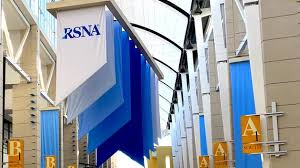
- RSNA2025 site (RSNA Webpage)At this year’s Radiological Society of North America Annual Meeting (RSNA 2025), Korean medical device and AI companies fully unveiled their research achievements and platform capabilities, outlining concrete strategies for global market expansion.In particular, solutions addressing real-world issues in radiology workflows—such as interpretation discrepancies, diagnostic errors, and data bottlenecks—have increased, clearly shifting the focus toward clinical value.K-AI accelerates efforts to secure trust in the North American market with clinical dataRSNA 2025, the world's largest event gathering of radiologists and global healthcare companies, is being held in Chicago, USA, from November 30 to December 4.Marking its 111th year, this year's event, themed ‘Imaging the Individual’ (advancements in medical imaging technology for personalized diagnosis and treatment), showcases the latest trends in AI-based radiology devices, medical imaging equipment, and software.While RSNA has traditionally been a platform for global conglomerates to showcase hardware-centric technological prowess, Korean companies, particularly AI firms, are increasingly leveraging the event as a stage to demonstrate both technological capabilities and clinical reliability.First, Lunit, a leader in the AI field, clearly established its presence as one of the companies that secured the most research presentations, including 14 research abstracts. Notably, 8 of these abstracts were oral presentations, placing Lunit’s achievements in the upper tier even by North American academic standards.The oral presentations included studies on shifting the breast cancer screening paradigm from AI-supported double reading to AI-supported single reading, as well as research on how changes in breast density affect calibration of risk-prediction models.(Clockwise from top left) Deepnoid, Lunit, Crescom, Heuron – RSNA 2025 participant overviewLunit, operating its first integrated booth with Lunit International (formerly Volpara) since brand integration, plans to showcase its full-cycle AI solutions—from cancer diagnosis to risk prediction—based on this academic credibility, accelerating its expansion into the North American market.Deepnoid introduced 5 research abstracts focused on AI reliability, interpretability, and reproducibility, including addressing performance gaps in chest X-rays and error detection using vision-language models. It also plans to concentrate on sharing academic achievements and laying the groundwork for global market entry through its exhibition booth.Heuron presented solutions for diagnosing acute stroke and degenerative brain diseases, along with research achievements based on vascular-imaging CT. Musculoskeletal AI specialist Crescom showcased MediAI-BA, a bone-age assessment solution using hand X-ray, and its MediAI-OA quantitative knee osteoarthritis analysis solution, targeting the musculoskeletal-specific market‘Real-world use-focused’ strategy…Trend shifts toward platform and workflow efficiency enhancementWhile some companies demonstrated technological prowess through research achievements, others focused on resolving bottlenecks in clinical workflows within their specialized domains.Coreline Soft exemplified this approach by demonstrating its advanced chest AI platform, AVIEW 2.0, emphasizing its integrated workflow and improved efficiency.Coreline Soft AVIEW 2.0AVIEW 2.0 is designed so that interpretation, reporting, and explanation occur seamlessly within a single interface, offering a practical solution that drastically reduces communication steps that typically consume significant clinical time.Building on these achievements, major US medical institutions like UMass Memorial Medical Center have begun adopting AVIEW in routine radiology workflows, contributing to demonstrating the company’s tangible progress in the North American market.Additionally, MaiHub, Korea's first integrated medical AI platform company, made its debut at this year's RSNA to showcase its AI solution integration strategy.MaiHub emphasized a differentiated strategy centered on its medical AI integration platform maiLink, and the patient-facing AI analysis report app, maiReport. This strategy involves providing various AI solutions integrated on a single platform and delivering personalized patient reports.The company particularly emphasized its package-based AI-solution offerings designed to enhance partner companies’ market access and reduce the burden of AI adoption for clinicians. MaiHub is currently preparing for U.S. FDA 510(k) clearance next year, fueling expectations for the expansion of global partnerships. Samsung Medison focuses on securing ‘diagnostic consistency,’ increases presenceWhile AI companies showcased capabilities centered on software technology, Samsung Medison is targeting the market with next-generation imaging solutions that enhance the accuracy and consistency of diagnostic imaging.Samsung Medison unveiled R20, its first premium ultrasound diagnostic device dedicated to radiology, in the US market, and emphasized its high-resolution technology.The core technology of the R20 is 3rd-harmonic–based image processing. By using frequencies three times higher than the base signal, it delivers clear and stable images regardless of a patient’s body type, age, or sex, thereby reducing interpretation variability between examiners.(From left) Samsung Medison, Heuron’s RSNA 2025 boothsIt also incorporates deep learning-based real-time AI assistance designed to detect and visualize areas of interest in real time.Samsung additionally showcased a different approach focused on patient safety and operational efficiency. Alongside low-dose X-ray technology, the company introduced features aimed at reducing retake rates.Kyu Tae Yoo, GM & Global Head of Healthcare Business at Samsung Electronics and CEO of Samsung Medison, said, “Samsung is concentrating its technological capabilities on solving challenges raised in clinical settings, such as image-quality variation tied to patient characteristics. By advancing AI features and low-dose technology, we aim to enhance diagnostic efficiency and patient safety simultaneously, establishing a new standard in the medical imaging market.”Global leaders demonstrate strength… GE and Canon unveil new technologiesMeanwhile, global companies also showcased new technologies at RSNA 2025, maintaining the broader trends of imaging precision, operational efficiency, and data-driven diagnostics.Canon Medical Systems attracted attention with the world’s first multi-position CT, designed to meet practical, real diagnostic needs at the point of care.Overcoming the limitation of conventional CTs requiring patients to lie down for imaging, this equipment enables scans while patients are standing or seated in a special chair. This is expected to help identify causes previously detectable only under weight-bearing posture and contribute to the early detection of physical function decline in super-ageing populations.Yoo Eegeun, Head of Canon Medical Systems Korea’s CT Division, said, “With the introduction of the world’s first multi-position CT at RSNA this year, Canon Medical is presenting a new paradigm with a truly innovative technology that addresses practical needs in the medical field. We will strive to bring this innovation to the domestic market as quickly as possible.”(From left) GE Healthcare RSNA 2025 booth, Canon Medical Systems Multi-Position CTGE Healthcare, building on its symbolic history of 111 consecutive participations since RSNA's inaugural event in 1914, specifically unveiled the outcomes of its R&D investments exceeding USD 3 billion since 2022.Specifically, the company unveiled “Photonova Spectra,” a next-generation photon-counting CT (PCCT) system, and “SIGNA Sprint,” an advancement within its next-generation SIGNA MRI line.GE Healthcare CEO Peter Arduini said, “Our mission in shaping the future of healthcare is clear: to provide innovative technologies that support clinicians, enhance operational efficiency, and improve patient outcomes.”

- Policy
- Will incentives for low-price purchasing be expanded?
- by Jung, Heung-Jun Nov 27, 2025 06:14am
- Concerns are emerging that expanding low-price purchase incentives without safeguards could lead to a market collapse, ridden with ultra-low-price bidding wars, eroding the entire pharmaceutical ecosystem. The criticism is that a system focused solely on price competition directly contradicts the government’s stated goals of encouraging pharmaceutical and biotech R&D. According to industry sources on the 25th, the government’s upcoming drug-pricing reform package is expected to include a substantial expansion of low-price purchasing incentives. The low-price purchase incentive is a system where, if a healthcare institution purchases a drug at an actual transaction price lower than the reimbursement ceiling, a portion of the price reduction is provided as an incentive payment. Approximately 20-30% of the price difference is paid to the healthcare institution based on the incentive payment standards announced by the Ministry of Health and Welfare. Although the specific details remain undisclosed, one option being discussed is maintaining the current rule of not lowering drug prices based on actual transaction prices, while increasing the incentive rate to up to 50%. However, there are concerns that even without lowering drug prices based on actual transaction prices, a system that encourages ultra-low-price competition will ultimately lead to a steep decline in profits for manufacturers and distributors. Mr. A from a domestic pharmaceutical company expressed concern, “They are essentially fueling price competition. While I understand the intent to create an ecosystem where competition enables cheaper transactions, it will ultimately lead to a resurgence of 1-won and 2-won bids. Everyone will flock to what is effectively legalized rebates, and the manufacturing ecosystem will collapse.” Critics point out that in a situation where small and medium-sized distributors, including CSOs, proliferate and the lack of transparency in distribution channels is a constant issue, a policy solely focused on encouraging price competition will likely cause more harm than good. The same representative added, “Many injectable drugs have already been through 5 rounds of price cuts based on actual transaction prices, with reductions of around 20% each time. If price competition intensifies further, the damage to injectables will be greater. It’s not enough to simply expand incentives; the government must implement safeguards.” Advice was also given that setting an appropriate minimum bid price would be necessary. Another domestic company representative, Mr. B, stated, “It's hard to predict the outcome, but without setting an appropriate minimum bid price, profits will plummet dramatically. At the very least, it should guarantee cost recovery. Considering the relationship between large hospitals and pharmaceutical companies, they might all rush in with a ‘let's all go down together’ attitude.” Mr. B added, "Furthermore, if incentives rise to 50%, even institutions that have been quiet until now may start making more demands. Currently, payments aren't high enough to warrant claiming the maximum price, but if the reimbursement rate hits 50%, that changes. It may essentially turn into a legalized rebate structure." Some have proposed specific restrictions similar to the minimum-price guarantee applied to Essential Exit-Prevention Drugs, arguing that price-protection mechanisms must accompany any incentive expansion. Mr. A added, “It's necessary to put brakes in place. For injectables with high in-hospital usage rates, we could cap prices at 91% of the drug price, similar to exit prevention drugs. Simply trying to intensify low-price competition is armchair theorizing. Once the ecosystem collapses, it's difficult to recover. The government needs to listen more to real-world concerns.”

- Company
- "Trodelvy for TNBC secures evidence for expanded indication"
- by Son, Hyung Min Nov 27, 2025 06:14am
- The therapeutic paradigm for Triple-Negative Breast Cancer (TNBC) is entering a new phase. Gilead's Trodelvy (sacituzumab govitecan), a Trop-2 targeted Antibody-Drug Conjugate (ADC), demonstrated significant results in the Phase 3 ASCENT-03 study, which evaluated the efficacy of this drug as a first-line monotherapy. The study proves Trodelvy's potential to expand beyond its current second-line indication. DailyPharm met with the authors for the ASCENT-03 trial conducted in South Korea, Professor Joohyuk Sohn (Division of Medical Oncology at Yonsei Cancer Center) and Professor Yeon Hee Park (Department of Hematology- Oncology at Samsung Medical Center), to discuss the evolving TNBC treatment landscape and the clinical value of Trodelvy. (from left) Professor Yeon Hee Park of the Department of Hematology- Oncology at Samsung Medical Center , Professor Joohyuk Sohn of the Division of Medical Oncology at Yonsei Cancer Center At the European Society for Medical Oncology (ESMO 2025) Annual Congress held last month in Berlin, the Phase 3 study evaluating Trodelvy's efficacy was unveiled. The trial enrolled patients with unresectable locally advanced or metastatic TNBC who were either PD-L1 negative (CPS below 10) or PD-L1 positive (CPS over 10) but ineligible for immune checkpoint inhibitor therapy. In the trial, Trodelvy recorded a median Progression-Free Survival (PFS) of 9.7 months, which was significantly longer than the 6.9 months with chemotherapy. Furthermore, Trodelvy reduced the risk of disease progression or death by 38% compared to the control group. While Overall Survival (OS) data were not yet mature at the time of the primary analysis, the widening gap in PFS2 (time from randomization to second progression) between the treatment and control groups suggests a potential for future OS improvement. There has been lack of distinct first-line options in untreated metastatic TNBC, besides the immune checkpoint inhibitor 'Keytruda (pembrolizumab)'. Notably, for the PD-L1 negative patient group who are ineligible for pembrolizumab, no viable alternatives to conventional chemotherapy existed. This is why analysis indicates the potential for greater use of Trodelvy. A particularly noteworthy aspect of this study was the design for allowance of crossover from the control group. Control patients whose cancer progressed during the trial were permitted to receive Trodelvy as a salvage chemotherapy. Offering crossover to an agent already proven to improve OS in a subsequent-line setting typically makes it statistically much harder to demonstrate a difference in OS for the primary outcome. Despite this challenge, the investigators chose this patient-centric design, which was evaluated at ESMO as 'a decision reflecting confidence in the drug's efficacy and the study results.' Experts assert that these results reaffirm the clinical value of Trop-2 targeted ADCs, anticipating this will be a pivotal turning point that significantly expands treatment options in the previously limited TNBC space. Q. What was the first-line treatment landscape for TNBC like before the introduction of ADCs? Prof. Park: TNBC is characterized by a lack of traditional targets, and treatment typically stratifies based on PD-L1 expression. In the PD-L1 positive patient group, immune checkpoint inhibitors combined with chemotherapy have shown good results and become the standard of care, leading to PFS improvement, despiting having been less than a year. In contrast, the PD-L1 negative patient group, which comprises the majority (about 60%) has seen virtually no new treatment options for the past 20 years. When clinical trials succeeded for the first time in PD-L1 positive patients, we had patients requesting the combination, but the evidence was lacking for the negative group. Patients with aggressive progression, young age, or recurrence within a year of early-stage adjuvant therapy had to rely on chemotherapy, despite its toxicity. Professor Joohyuk Sohn of the Division of Medical Oncology at Yonsei Cancer CenterProf. Sohn: From an oncologist's view, TNBC is challenging. For nearly 20 years, standard treatment has been limited to conventional chemotherapy agents like taxanes or Xeloda (capecitabine). It is concerning because this cancer has a higher incidence in younger patients, and the restricted options have been a constant source of clinical difficulty. The prognosis for TNBC is notoriously poor. Patients who appear healthy at initial diagnosis can unfortunately pass away in as little as 18 months, a devastating reality. While the introduction of immunotherapies and targeted agents has been helpful, their use is restricted to specific patient groups, underscoring the desperate need for better options. Q. Please elaborate on the key results and significance of the ASCENT-03 study.. Prof. Sohn: PD-L1 This study is highly encouraging because it demonstrated a statistically and clinically meaningful extension of PFS compared with standard-of-care chemotherapy in the first-line treatment of PD-L1-negative TNBC. We anticipate these results will position Trodelvy as a new standard of care in first-line TNBC, offering tangible benefits to many patients. Prof. Park: ASCENT-03 garnered significant attention for presenting the first data in the first-line PD-L1-negative TNBC setting in approximately 20 years. Presenting a new possibility for this patient group makes the results highly meaningful. The primary endpoint of ASCENT-03 was PFS. While the control group, despite utilizing best efforts with existing standard treatments, only achieved 6.9 months, the Trodelvy group reached 9.7 months, which is highly encouraging. Q. What were the unique aspects of the study design? Professor Yeon Hee Park of the Department of Hematology- Oncology at Samsung Medical Center Prof. Park: Several points make this study design stand out. First, the control group included not only single-agent chemotherapies (paclitaxel, albumin-bound paclitaxel) but also combination chemotherapy (gemcitabine-carboplatin). Second, the study registered a significant proportion of patients with a relatively poor prognosis. Trials typically exclude patients who relapse within one year of completing adjuvant therapy. This study, however, included patients who relapsed between 6 and 12 months after adjuvant therapy. Furthermore, some patients had previously received adjuvant immunotherapy. These are patients for whom selecting treatment choices are tough after relapse and metastasis. The most notable feature was the allowance for crossover from the control group. Trodelvy has already demonstrated OS improvement in the subsequent-line setting and is used in clinical practice. It is rare for a new trial to permit crossover to an agent with known survival benefits for ethical and statistical reasons, as it complicates OS analysis and makes it difficult to prove the drug's effect. This was essentially a high-stakes decision, reflecting the research team's confidence in the drug's efficacy. The choice to prioritize the patient perspective by allowing crossover, despite the statistical risk, was highly evaluated. While OS data are incomplete, the study showed a significant effect in the surrogate endpoint, PFS2. Even with the crossover allowance in the control group, the PFS2 was markedly longer in the Trodelvy treatment group. This result clearly demonstrates the critical impact of the initial treatment choice on the patient's overall therapeutic course. The study successfully achieved both meticulous design and uncompromising evidence of efficacy. Q. On the day of presentation of ASCENT-03 data, TROPION-Breast02 data for the competing drug Dato-DXd have also been presented. How do you project the OS outcome for ASCENT-03, given the incomplete data? Prof. Park: ESMO 2025 was a major stage for breast cancer research. Unlike Hormone Receptor-positive or HER2-positive breast cancers, where prognosis has rapidly improved, TNBC has lacked attention. However, this year saw the release of significant data across all three subtypes, with ASCENT-03 and TROPION-Breast02 at the center. There is a strong possibility of an OS improvement with Trodelvy in TNBC. The basis for this is the PFS2 data. Despite the fact that most patients (82%) in the control group who received subsequent therapy crossed over to Trodelvy, the difference in PFS2 between the Trodelvy-treated group and the control group continues to widen. This trend suggests a positive OS outcome is anticipated. A direct comparison between ASCENT-03 and TROPION-Breast02 is challenging due to entirely different trial designs. First, the statistical design and analytical structure differ based on the primary and secondary endpoints. ASCENT-03 set the primary endpoint to PFS alone, while TROPION-Breast02 set it to both PFS and OS. Furthermore, ASCENT-03 allowed crossover to a standard treatment known to improve OS, making the interpretation of the results necessarily more complex. Prof. Sohn: Given the crossover design, there is a possibility that a statistically significant OS difference may not yield even with long-term follow-up. However, since the primary endpoint, PFS, has already been met, there may not be any issues with regulatory approval or clinical use. The fact that Dato-DXd achieved a significant improvement in OS is certainly encouraging. However, direct comparison is difficult due to the design differences. It's also inappropriate to definitively assess superiority or determine which drug is necessary in clinical practice solely on the basis of the presence or absence of OS data. The important part is that both agents met their primary endpoints, diversifying the available first-line treatment options for TNBC. Q. We understand the ASCENT-04 study, evaluating the efficacy and safety of Trodelvy + Keytruda combination therapy, is also underway. Can you share those clinical results? Prof. Sohn: Similar to ASCENT-03, the PFS for patients treated with the Trodelvy + Keytruda combination was statistically significantly longer (11.2 months vs. 7.8 months) than for the chemotherapy + Keytruda combination group. Taken together, these results indicate a high probability that Trodelvy will be established as a new standard of care in the first-line setting, regardless of PD-L1 expression. Prof. Park: This study was also conducted on a large scale. The ability to enroll many patients stemmed from the opportunity for control group patients to access the Keytruda combination therapy, which is not covered by national health insurance. The ASCENT-04 results are also highly encouraging, showing a PFS of nearly 1 year with the Trodelvy + Keytruda combination group. Despite these significant results, the lack of FDA approval at this time is surprising. Q. Q. What is your view on the positive performance of Trop-2 targeted ADCs recently? Prof. Sohn: Oncology research often begins with breast cancer. Breast cancer has the highest incidence among female cancers and carries significant symbolic weight. Furthermore, most research is conducted using cell lines, and breast cancer cell lines have historically constituted the largest proportion. The biological characteristics of breast cancer are well-understood, leading to active clinical trials for new drugs. The high expression rate of Trop-2 in breast cancer makes it particularly responsive to Trop-2-targeted ADCs. While research is ongoing in other cancer types, the response has not been as pronounced as in breast cancer. Prof. Park: The efficacy is due to the high Trop-2 expression in breast cancer, combined with the characteristics of ADCs, where the cytotoxic payload is broadly distributed within the tumor cell and has a sustained effect. Trop-2 serves as the guide that helps direct the payload to the cancer cell. ADCs enhance therapeutic effects by enabling targeted cancer cell killing while retaining the mechanisms and cytotoxicity of traditional chemotherapy. While conventional chemotherapy is highly toxic and difficult to use long-term, ADCs can be regarded as a treatment option that can be used safely and stably for a relatively longer period.
- Company
- Primary biliary cholangitis drug Livdelzi’s launch imminent
- by Eo, Yun-Ho Nov 27, 2025 06:14am
- A new treatment for primary biliary cholangitis (PBC), Livdelzi, may soon enter the Korean market. Gilead Sciences Korea recently submitted a marketing authorization application for Livdelzi (seladelpar), an oral therapy for adults with PBC who show inadequate response or intolerance to ursodeoxycholic acid (UDCA). The application is currently under review by the Ministry of Food and Drug Safety. Livdelzi was designated as a Global Innovative product on Fast Track (GIFT) in June and as an orphan drug in August in Korea. PBC is a rare, intractable autoimmune disease characterized by chronic inflammation and destruction of intrahepatic bile ducts. This leads to cholestasis and liver damage, which ultimately progresses to cirrhosis or liver failure. While ursodeoxycholic acid (UDCA) is currently used as the first-line treatment, there has been a persistent need for new therapeutic strategies for patients who have an insufficient response to or intolerance to UDCA. Seladelpar is an orally administered drug that selectively acts on the peroxisome proliferator-activated receptor (PPAR) delta. The drug demonstrated efficacy in the Phase III RESPONSE trial. The RESPONSE trial was a randomized, double-blind, placebo-controlled trial evaluating the efficacy and safety of seladelpar versus placebo in adult PBC patients with an inadequate response to or intolerance of UDCA. Results showed that 62% of the seladelpar group achieved the primary endpoint of composite biochemical response (improvement in ALP and total bilirubin levels) at 12 months, demonstrating statistically significant superiority compared to 20% in the placebo group. Notably, 25% of the seladelpar treatment group achieved normalization of ALP, a meaningful clinical finding. Seladelpar also showed benefit in the key secondary endpoint of pruritus improvement. Among patients with moderate-to-severe pruritus at baseline, seladelpar reduced itch scores by 3.2 points at month 6, compared with 1.7 points in the placebo group, again demonstrating a statistically significant improvement. Livdelzi received accelerated approval from the U.S. FDA in August last year and was also approved in Europe in February this year.
- Company
- Korea’s US pharma exports up 43% this year
- by Kim, Jin-Gu Nov 27, 2025 06:13am
- Korea’s cumulative pharmaceutical exports have surpassed KRW 10 trillion. Exports through October increased 18% year-on-year, continuing their strong performance. Industry observers expect this export momentum to continue following the final resolution of the U.S.-Korea pharmaceutical tariff negotiations, which had been the biggest source of uncertainty. October cumulative pharmaceutical exports up 18%... hints at record high performance According to the Korea Customs Service, as of the 17th, cumulative pharmaceutical exports for the year to date reached USD 7.30631 billion (approximately KRW 10.65 trillion). This represents an 18% increase compared to the USD 6.20242 billion (approximately KRW 9.04 trillion) recorded during the same period last year. Korea surpassed the KRW 10 trillion export milestone 1 month earlier than the previous year. If this trend continues, exports are expected to exceed the previous all-time high set in 2021. At that time, annual pharmaceutical exports soared to USD 8.12125 billion, largely driven by the COVID-19 pandemic-related surge. During this period, exports surged significantly as exports of domestically produced COVID-19 vaccines began to be exported in earnest. Annual pharmaceutical exports (Unit: USD 1 million, Source: Korea Customs Service) Meanwhile, pharmaceutical imports fell 1%, from USD 7.672 billion to USD 7.614 billion. With exports increasing substantially and imports decreasing slightly, the pharmaceutical trade balance improved significantly. The cumulative pharmaceutical trade deficit for October stands at a deficit of USD 308.24 million. This represents a reduction to one-fifth of the USD 1.4698 billion deficit recorded in the same period last year. US exports surge 43% year-on-year... Favorable trend expected to continue following tariff agreement Export performance to the U.S. showed strong results. Cumulative exports of domestic pharmaceuticals to the US in October reached USD 1.56555 billion (approximately KRW 2.28 trillion), a 43% increase compared to USD 1.09767 billion (approximately KRW 1.6 trillion) in the same period last year. The US share of total pharmaceutical exports also expanded by 3 percentage points compared to the same period last year. The US's export share, which was around 18% in October last year, rose to 21% this year. This is interpreted as a result of domestic pharmaceutical and biotech companies actively responding to concerns over potential U.S. government tariffs. Companies like Samsung Biologics and Celltrion secured large inventories by preemptively exporting pharmaceuticals to their US subsidiaries in preparation for tariff concerns. In the mid-to-long term, they plan to secure production facilities locally in the U.S. Monthly Korean pharmaceutical exports to the US(Unit: USD 1 million, Source: Korea Customs Service) Exports to Canada, major European countries, Japan, and China also increased significantly. Cumulative exports to Canada in October rose 81% year-on-year, from USD 34.59 million to USD 62.43 million. Exports to Switzerland surged 141% to USD 870.78 million, Germany rose 35% to USD 703.95 million, the Netherlands jumped 239% to USD 462.17 million, and France soared 473% to USD 91.56 million. Exports to Japan rose 16% from USD 261.52 million to USD 302.51 million, while exports to China increased 36% from USD 132.63 million to USD 180.49 million. With the recent resolution of the pharmaceutical tariff negotiations with the US, the industry's biggest variable, the pharmaceutical export boom, particularly the US-bound exports, is expected to continue. On October 29, at the APEC Summit in Gyeongju, the two countries agreed to apply Most-Favored-Nation (MFN) tariff treatment to pharmaceuticals. The core of the agreement is that Korean pharmaceuticals in the US will receive MFN treatment, similar to Japan and the EU, with a maximum tariff rate of 15% On the 14th, the details of the agreement reached in the follow-up tariff negotiations were disclosed. The White House released a Korea-US Joint Fact Sheet (JFS) from the summit, stating that the two countries agreed tariffs on Korean pharmaceuticals would not exceed 15%. Also, generic drugs will be fully exempt from tariffs. However, industry assessments indicate that tariff uncertainties remain. The fact sheet did not precisely specify the tariff scope for biosimilars. It remains undetermined whether biosimilars will be included in the generic category to receive zero tariffs or be subject to separate assessment.
- Company
- ADC MM drug Blenrep set for commercialization in Korea
- by Eo, Yun-Ho Nov 26, 2025 06:09am
- The new multiple myeloma drug Blenrep is expected to soon become commercially available in Korea. The Ministry of Food and Drug Safety (MFDS) is currently conducting the final review for the approval of GSK Korea’s Blenrep (belantamab mafodotin), the first anti-BCMA (B-cell maturation antigen) antibody-drug conjugate (ADC) in its class, developed by GSK Korea. Industry expects the approval could come as early as this year. Blenrep was approved in Europe last July and in the United States last October. The anticipated approved indications for Blenrep are ‘in combination with bortezomib and dexamethasone (BVd) in adult patients with relapsed or refractory multiple myeloma who have received one or more prior therapies,’ and ‘pomalidomide plus dexamethasone (BPd) in patients who have received one or more prior therapies, including lenalidomide (Revlimid).’ This drug demonstrated efficacy through the Phase III DREAMM-7 trial. In patients who had received at least 2 prior therapies, Blenrep combination therapy reduced the risk of death by 51% compared to the Darzalex (daratumumab)-based triple regimen (DVd). The median progression-free survival (PFS) was 31.3 months for the Blenrep combination therapy group versus 10.4 months for the Darzalex-based triple regimen group, representing approximately a threefold improvement in the Blenrep combination therapy group. The safety and tolerability profile of the Blenrep combination was generally consistent with what is known for the individual agents. However, the Blenrep arm showed a higher incidence of ocular toxicity, such as keratopathy and vision changes. Due to this safety concern, the FDA advisory committee voted against Blenrep’s reapproval in July. Meanwhile, GSK is conducting a clinical program to demonstrate Blenrep’s potential benefit in earlier-line treatment settings. Overall survival follow-up for the DREAMM-7 and DREAMM-8 trials, which include patients who received at least one prior line of therapy, is ongoing. Results from these studies are expected to be released in 2028.
- Company
- Bispecific antibody opens new era of DLBCL treatment
- by Son, Hyung Min Nov 26, 2025 06:09am
- The treatment landscape for diffuse large B-cell lymphoma (DLBCL) is changing quickly. Roche's bispecific antibody, which was previously a third-line option, received an expanded indication for second-line treatment, broadening the therapeutic strategy for DLBCL. Given the aggressive nature of DLBCL, where prognosis rapidly worsens after first-line failure, there is significant attention on whether a more potent combination treatment and a new mechanism of action can increase patients' chances of survival. On November 25, Roche Korea held an event at its headquarters in Gangnam-gu, Seoul, to discuss the unmet needs in the DLBCL treatment landscape and the clinical value of its new drug. Roche has already launched products in this field, including Polivy (polatuzumab vedotin) and the bispecific antibody 'Columvi (glofitamab)'. Currently, Polivy can be used as a first-line treatment in combination with cyclophosphamide, doxorubicin, and prednisone (R-CHOP), and Columvi can be used for subsequent lines of treatment. In July, Columvi received an expanded indication from third-line to second-line treatment. The specific indication is for adult patients with relapsed or refractory DLBCL not otherwise specified (DLBCBL NOS) who are ineligible for autologous stem cell transplantation (ASCT), in combination with gemcitabine and oxaliplatin. Professor Seok Jin Kim of the Department of Hematology-Oncology at Samsung Medical CenterColumvi has a 2:1 structure, in which two binding domains target the CD20 surface antigen expressed on malignant B cells, and one domain targets the CD3 antigen expressed on immune T cells. This structure allows for a more robust and stable binding. The efficacy of Columvi was confirmed through the Phase 3 STARGLO study. The trial included patients with relapsed or refractory DLBCL who were ineligible for ASCT after one or more prior systemic therapies, or who had a history of two or more prior systemic therapies. The two-year follow-up results demonstrated that the Columvi + gemcitabine + oxaliplatin combination therapy reduced the risk of death by 41% compared with rituximab + gemcitabine + oxaliplatin combination therapy. The Columvi combination group's Progression-Free Survival (PFS) was 13.8 months, approximately a four-fold increase from 3.6 months in the rituximab combination group. The rate of patients achieving Complete Response (CR) was higher in the Columvi combination group (58.5%) than the control group (25.3%). Professor Seok Jin Kim (President of the Korean Society of Hematology) of the Department of Hematology-Oncology at Samsung Medical Center commented, "While remission can be reached, maintaining it is not easy. Patients in the Columvi combination group survived without disease progression for even one year after the end of treatment. This is a significant finding." Still high unmet needs in DLBCL…"more treatment options must be secured" DLBCL is a disease in which B cells, which protect the body, grow or multiply uncontrollably. It is the most common subtype, accounting for about 40% of Non-Hodgkin Lymphomas. The disease is characterized by its aggressive nature, with rapid progression through stages. The number of DLBCL patients in South Korea was 14,183 as of last year, a 36% increase from 10,428 in 2018. Up to 15% of DLBCL patients fail to respond to the first-line standard treatment, and among those who achieve CR, 25% experience relapse within 18 months. Patients with relapsed/refractory DLBCL face a rapidly deteriorating prognosis as the line of treatment increases. Seunghun Lee, Medical Lead at RochePolivy combination therapy is known to be effective in about two-thirds of patients when used as first-line treatment. However, this means that approximately one-third of patients do not benefit from first-line treatment. Chimeric Antigen Receptor T-cell (CAR-T) therapies and bispecific antibodies are now available for subsequent treatment lines. Currently, second-line treatment options include Gilead's CAR-T drug 'Yescarta (axicabtagene ciloleucel)' and the antibody drug Columvi. For the third line, Novartis's ''Kymriah (tisagenlecleucel)' and AbbVie's 'Epkinly (epcoritamab)' are utilized. However, all options except Kymriah are currently non-reimbursed options. Professor Kim stressed, "CAR-T and bispecific antibodies are not to be compared directly. Patients who can tolerate the side effects choose CAR-T, and those who cannot choose the bispecific antibody. If all new drugs were reimbursed, prescribing would align with global guidelines. It is not appropriate to evaluate which drug is superior," pointing out, "The problem is that even when effective treatment options exist, patients are forced to repeat the same treatment due to regulatory approval and reimbursement hurdles." Seunghun Lee, Medical Lead at Roche, said, "The reason the U.S. FDA rejected Columvi for second-line approval was that it did not meet the criteria for the number of enrolled patients, but since it has been approved in major countries in Europe and Asia, we believe the racial differences are not significant," and emphasized, "Roche is currently strengthening its leadership by launching a variety of treatments for hematologic malignancies. We will continue to expand the range of choices in the DLBCL area to enable personalized treatment strategies for different patient groups."
- Company
- Bio investments hit 3yr high...investor sentiment recovers
- by Cha, Jihyun Nov 26, 2025 06:09am
- Venture capital (VC) new investments in the biotech and medical sectors during the third quarter of this year reached their highest level in 3 years, both in scale and proportion. Quarterly investment volume increased by 56% compared to the previous quarter, and the bio/medical VC investment share within the industry rose to 20%. This is interpreted as a clear sign of recovery of the once-frozen biotech investment market. According to the Korea Venture Capital Association on the 25th, new investments in the bio-medical sector during the third quarter totaled at KRW 396.9 billion. This is a sharp 56% increase from the previous quarter and a 20% rise compared to the same period last year. While overall new VC investments expanded by 33% quarter-on-quarter during the same period, the bio/medical sector's investment amount showed a much steeper growth trajectory, effectively driving the market’s rebound. The trend of increased investment in the bio-medical sector is also evident in the share indicators. The bio/medical sector accounted for 20% of all new VC investments in Q3, up 3 percentage points from the previous quarter. The fact that the share of bio-medical investments expanded despite the overall new investment pie growing larger quarter-on-quarter indicates a strong shift in capital toward biotechnology over other industries. As a result, new investments in the bio/medical sector this quarter reached their highest level in the past 11 quarters, both in absolute investment and share. This signals a full revival of previously subdued investment sentiment, with analysts suggesting the bio/medical investment trend has moved beyond a short-term rebound and entered a phase of structural recovery. (Source: Korea Venture Capital Association) Investment in the biotech/medical sector peaked at KRW 1.677 trillion in 2021 during the COVID-19 pandemic and has been on a steep decline since. Affected by interest rate hikes and economic uncertainty, investment fell to KRW 1.1058 trillion in 2022 and further declined to KRW 884.4 billion in 2023, marking two consecutive years of contraction. The bio investment market began showing signs of a rebound last year. New investment in the bio/medical sector in 2024 reached KRW 1.0695 trillion, a 20% increase year-on-year, marking a shift in the trend. Looking at quarterly figures, the market's recovery became clearly evident last year when KRW 331.6 billion poured in during the third quarter. This recovery became even more pronounced this year. Quarterly investments have continued to rise, clearly showing that the market is in a full restoration phase. Particularly significant is this third quarter's investment volume, which significantly surpassed the record set in Q3 2024 that drove last year's rebound, but also represents the largest quarterly figure since the downturn began in 2023. The biotech industry attributes this surge in investment to: ▲ the completion of valuation adjustments, ▲ an increase in companies delivering clinical results, and ▲ expectations of interest rate cuts. Specifically, it is analyzed that VCs, who maintained a conservative stance until the first half of the year, began betting on ‘high-quality companies’ with solid technological capabilities in the second half, driven by pressure to deplete their dry powder (uncommitted investment funds). Some view the first-quarter investment cliff as having actually heightened valuation attractiveness, creating bargain-buying opportunities for companies with solid technology foundations. Looking ahead, projections suggest VC funding will enter a more pronounced phase of ‘separating the wheat from the chaff,’ focusing squarely on technological prowess. Unlike the past when investments were based solely on growth potential, the trend of capital concentrating on companies with verifiable substance—such as clinical data and commercialization feasibility—is expected to continue for the foreseeable future.
- Company
- Biogen attempts Qalsody reimb listing in Korea
- by Eo, Yun-Ho Nov 25, 2025 06:14am
- The new ALS drug Qalsody (tofersen) has begun the process of applying for reimbursement coverage in Korea. Since receiving domestic approval in August, the company has been moving rapidly to seek its reimbursement. According to industry sources, Biogen Korea’s Qalsody, a treatment for amyotrophic lateral sclerosis (ALS) associated with SOD1 (Superoxide Dismutase 1) gene mutation, is scheduled to be reviewed by the Drug Reimbursement Standard Subcommittee. Before approval, Qalsody was designated a GIFT (Global Innovative Products on Fast Track) item and as an orphan drug by the Ministry of Food and Drug Safety/ However, the road ahead is expected to be rocky due to its extremely high price. In the U.S., Qalsody costs USD 15,097 per vial (approx. KRW 22.03 million), and the annual treatment cost reaches USD 211,358 (approx. KRW 308.5 million). Biogen submitted a reimbursement application immediately after approval in August, but faced its first hurdle when reviewers requested additional data. It now awaits the Reimbursement Standards Subcommittee review on the 28th. Should the subcommittee require further review or additional data, the reimbursement schedule could face further delays due to re-review. ALS, particularly SOD1 gene mutation ALS, falls into the category of ultra-rare diseases, with fewer than 100 patients worldwide. Qalsody is the first targeted therapy developed specifically for this patient group. Because ALS presents widely variable symptom onset patterns among patients, clinical trial design and endpoint determination are extremely challenging. Experts note that the emergence of the first treatment option showing potential for improving disease progression, even in just one subset of patients, holds significant meaning in ALS, a field where drug development is exceptionally difficult. Given the U.S. Trump administration’s MFN drug-pricing stance and Korea’s historically restrictive approach to rare-disease reimbursement, experts warn that if reimbursement criteria become too narrow, the possibility of the drug's domestic launch being canceled cannot be ruled out. It remains to be seen whether Qalsody will become a reimbursed treatment option in an area with virtually no therapeutic alternatives. Meanwhile, in the Phase III VALOR study, Qalsody did not meet the primary endpoint, the ALSFRS-R functional score. However, it demonstrated reductions in the secondary endpoints: a 26-38% decrease in total SOD1 protein cerebrospinal fluid and a 48-67% decrease in plasma neurofilament light (Nfl) concentration.
