
- LOGIN
- MemberShip
- 2026-07-06 14:20:59

- Company
- Samsung Biologics, ranked No.1 in the market cap
- by An, Kyung-Jin May 11, 2020 06:19am
- Samsung Biologics (left) & Celltrion headquarters Samsung Biologics is taking third place in the market capitalization of KOSPI with the reflex profit of COVID-19. Difference in market capitalization with Celltrion is about ₩10 trillion, and it has been holding a position as a bio leading stock for 7 months. According to the Korea Exchange on the 8th, Samsung Biologics closed the transaction at ₩588,000, up 3.6% from the previous trading day. Compared to last year's closing price of ₩433,000, the stock price jumped 71.6% in five months. Celltrion's closing price on this day was ₩21,500, up 3.2% from the previous trading day. Although it increased 16.3% from the closing price last year, it did not significantly exceed Samsung Biologics' share price growth during the same period. Changes in market cap of Samsung Bioepis & Celltrion (Unit: ₩100 million, Source: the Korea Exchange) As of 8th, Samsung Biologics' market capitalization is ₩38.90 trillion, ranking third in the KOSPI market. It surpassed Celltrion's market capitalization of ₩28.36 trillion by more than ₩10 trillion, recording the largest market capitalization among pharmaceutical bios. Samsung Biologics' market ranking dropped to 12th place in May last year due to the prosecution investigation by suspicion of fraudulent accounting. However, after the third quarter of last year, the share price turned to a recovery, reflecting good earnings and expectations for growth of subsidiary Samsung Bioepis. Prospects that demand for contract manufacturing organization (CMO) will increase with the spread of COVID-19 this year increased market cap. After signing a CMO contract worth $360 million with Vir Biotechnology in the US last month, as the possibility of market reorganization was raised with regard to additional contract manufacturing organization (CMO) for COVID-19 treatment, it served as a trigger for the share price rise. Samsung Biologics completed the technology transfer process with Vir Biotechnology this year and will start production next year. It is said that the CMO work has been addressed at the 3rd plant, which resolved the concerns about utilization rates raised by some people. On the 10th of last month, when the contract was signed with Vir, Samsung Biologics' market capitalization jumped to more than ₩500 million a day, at ₩3.7 billion. Since then, the market cap continues to rise, and the market capitalization approaches ₩40 trillion at its peak. During the same period, Celltrion's market cap fell slightly from ₩27.17 trillion to ₩26.89 trillion (₩128.3 billion), and the gap with Samsung Biologics widened by more than ₩10 trillion. At the end of last year, Celltrion's market capitalization rose by more than ₩5 trillion over the past five months from ₩23.23 trillion to ₩28.36 trillion. Celltrion, like Samsung Biologics, is on the rise following the COVID-19 crisis, but its growth is far less than that of Samsung Biologics, and falls short of a bio leading stock. The securities firm predicts that this year, the two companies will have the highest performance ever. FnGuide, a financial information company, predicted that Celltrion would record an operating profit (stock price estimate average) of ₩569 billion, up 58.1% from the previous year based on separate financial statements. It is predicted that Samsung Biologics will increase operating profit by ₩228.4 billion, an increase of 149.1%.
- Company
- COVID-19 affected off-patent drug market share plunge?
- by Chon, Seung-Hyun May 11, 2020 06:18am
- Although off-patent originals have been consistently expanded their market shares in recent years unaffected by the army of generics entering the market, the original’s market share shrunk in last first quarter. The Korean pharmaceutical industry experts analyze the originals struggled to grow in the market against intense marketing of generics amid COVID-19 pandemic. ◆Lipitor and Crestor market shares stagger in the first quarter On May 10, pharmaceutical industry research firm UBIST stated Pfizer’s antihypertensive Lipitor (atorvastatin) has generated 47 billion won from outpatient prescription in the first quarter showing 0.2 percent decrease from the same time last year. Its prescription volume has been surging for last few years, but the growth seems to have slowed down. Compared to the first quarter last year, the prescription volume has increased only by 5.5 percent. The overall prescription volume of individual atorvastatin drugs in the first quarter reached 138.2 billion won with 2.3 percent increase from the year before. The overall market volume has grown but the original’s prescription volume has gone down. Quarterly prescription volume (left) and market volume (right) of Lipitor (Unit: KRW 100 million) Source: UBIST In the individual atorvasatin drug market, Lipitor’s pie took up 33.98 percent, which was reduced by 1 percent point compared to last year (34.83 percent). Even compared to the fourth quarter (34.92 percent) last year, the first quarter’s volume fell by 1 percent point. Since the third quarter of 2016 (33.66 percent), Lipitor’s quarterly market share has hit the lowest point in 42 months. Regardless of over 100 generics entering the market from 2009 as Lipitor’s patent was expired, the original has been constantly growing in the market. Lipitor’s market share steeply expanded from 31.70 percent in the first quarter 2015 to 34.92 percent in the fourth quarter last year. Although it maintained the market share over 34 percent since the fourth quarter of 2016, the figure plummeted this year at around 33 percent. Besides Lipitor, many of off-patent drugs that showed off their strong growth until last year saw their market share drop, simultaneously. Quarterly prescription volume (left) and market volume (right) of Crestor (Unit: KRW 100 million) Source: UBIST In the first quarter, Crestor (rosuvastatin) has made 22.5 billion won, recording a 5.1-percent drop from the same time last year (23.7 billion won). Compared to the previous year, Crestor had an 11.8-percent growth in last year’s first quarter, generating 23.7 billion won. The overall individual rosuvastatin drug market in the past first quarter has generated 84.1 billion won, jumping 5.2 percent from the same time last year. Despite the general growth in the market, Crestor’s first quarter market share has gone down significantly from 29.67 percent last year to 26.76 percent this year. Even against the last fourth quarter, this year’s first quarter market share fell by 2 percent point from 28.63 percent. Although it defended the market share of around 30 percent against over 100 generics for a while, this year’s first quarter market share has hit the lowest point. ◆Prescription volumes in Plavix, Aricept and Exforge also plunge The anticoagulant agent clopidogrel’s market also demonstrated similar trend. The first quarter prescription volume in Plavix (clopidogrel) was at 23.0 billion won with 1.4 percent increase than the previous year. The growing tendency continued but it was sluggish. In last year’s first quarter, Plavix generated 22.7 billion won, increased by 10.7 percent from the year before. In the first quarter of 2018, the drug’s prescription volume was 6.8 percent higher than the previous year. The overall individual clopidogrel drug market generated 2.6 percent more in the first quarter this year at 89.8 billion won, compared to 87.6 billion won in 2019. In the first quarter clopidogrel market, Plavix’ share was brought down to 25.65 percent by 0.38 percent point from 25.93 percent in last year. Compared to the fourth quarter last year at 26.27 percent, this year’s first quarter share was decreased by 0.62 percent point. The drug’s quarterly market share recorded the lowest in 18 months since the third quarter of 2018. Quarterly prescription volume (left) and market volume (right) of Plavix (Unit: KRW 100 million) Source: UBIST Moreover, other major off-patent drug market manifested noticeable plunge in original’s market share. The overall market of an Alzheimer’s disease-associated symptom treating agent donepezil has made 58.2 billion won this past first quarter with 1.0 percent increase from the same time the year before. Compared to 21.6 billion won made last year, the original brand drug Aricept has only made 23.0 billion won in last first quarter, recording 6.0 percent fall. In 2017 and 2018, Aricept’s first quarter prescription volume marked 18.9 billion won and 20.9 billion won, respectively, and showed a continuous growth but it turned downward this year. Aricept’s market share in the first quarter within the donepezil market has hit the lowest at 37.21 percent. Compared to last year at 39.99 percent, the first quarter share this year fell by 3 percent point. And from the fourth quarter last year, the number was again dropped by 0.3 percent point. Quarterly prescription volume (left) and market volume (right) of Aricept (Unit: KRW 100 million) Source: UBIST An amlodipine and valsartan combined antihypertensive, Exforge has also slipped. The first quarter prescription volume was at 20.2 billion won marking 1.6 percent drop from the year before. In the first quarter of last year, Exforge has generated 22.0 percent more in prescription volume against the year before. Influenced by the impurity found in valsartan in July 2018, the prescription volume of Exforge has surged but it has been stagnating recently. Taking up 41.54 percent of the combination drug market in this year’s first quarter, Exforge’s share has plummeted by over 3 percent point from 44.91 percent last year. Quarterly prescription volume (left) and market volume (right) of Exforge (Unit: KRW 100 million) Source: UBIST ◆Despite showing continued growth until last year, off-patent drugs crippled this year, possibly affected by COVID-19 In fact, patent-expired novel drugs continued to show strong growth up until last year, regardless of the generics intensely tackling the market. The industry experts claim the originals have advantages in market share growth due to Korea’s unique drug pricing system. When a generic is first released to the market, the original’s reimbursed price is reduced down to 70 percent of its initial pricing. And after a year from then, the pricing is again adjusted to 53.55 percent of the pricing before the patent expiration. The maximum pricing of a generic can be up to 59 percent of the original’s price before the patent expiration, and a year later the price also drops to 53.55 percent of the original’s pre-patent expiration price. The experts argue the prescribers seemingly prefer originals as it gets priced on par with generic pricing before the patent expiration. In this year, however, generics’ market share has gone up significantly. In this first quarter, the overall generic outpatient prescription volume has reached 3.70 trillion won with a 2.7-percent surge from last year at 3.60 trillion won. The industry experts analyze most of the original market has been engulfed by generics. Trend in monthly outpatient prescription volume (Unit: KRW 100 million) Source: UBIST Some experts carefully question if the COVID-19 pandemic has affected the dull growth of overall off-patent drugs. When multinational pharmaceutical companies have halted their salespeople from visiting healthcare institute amid COVID-19 outbreak, Korean companies could have assertively approached the healthcare providers and convinced them to prescribe generics. Since the first confirmed case of COVID-19 in Korea on Jan. 20, a growing number of pharmaceutical companies have refrained from visiting healthcare institutes, starting from the multinational companies. Most of the pharmaceutical company salespeople have started working from home as the number of confirmed cases skyrocketed since the discovery of the 31st confirmed case on Feb. 19. The experts also speculate many of chronic disease patients could have received prescription for a longer period of time at once to avoid visiting their healthcare providers. They also noted more clear trend in prescription drug market would be visible after April or May, when the pandemic heavily influenced the prescription volume.
- Policy
- Will generic for Nexavar be released?
- by Lee, Tak-Sun May 11, 2020 06:18am
- The attention is focused whether the generic drug of Nexavar (Sorafenib, Bayer) which has an absolute position as the first drug for liver cancer will be available in the market soon or not. Access to the patient is expected to improve further if the generic for Nexavar which has established an almost exclusive position in the liver cancer treatment market is launched. According to the MFDS, as of 29th of last month, a generic company filed an application for permission for generic for Nexavar. According to the patent linkage system, the patent holder Bayer was informed of the application for permission. Currently, Nexavar is registered in the patent list only crystalline form patent until September 20, 2025. Hanmi decided to evade the patent in December 2017 after a lawsuit to the Supreme Court. In addition, Hanmi claimed to be invalid in the formulation patent & the method of use patent that were due to expire on February 22, 2026, and the patent was invalidated after a lawsuit to the Supreme Court. And only the crystalline form patent avoided by Hanmi is effective after the active ingredient patent expires on January 12th. In the meantime, Hanmi has been developing generics through bioequivalence tests. On the 24th, Kwangdong Pharmaceuticals was also approved for the bioequivalence test plan for Nexavar’s generics. It is not known which company applied this time. However, given the recent development history, it is possible that it is Hanmi. If approved, it is expected to raise expectations in the market as the first generic for Nexavar. Nexavar acquired a domestic product license in January 2008, and established an exclusive position in the market until Lenvima (Lenvatinib mesylate) by Eisai Korea was released last year. According to IQVIA, the sales amount was ₩25.4 billion last year. It is noteworthy whether generic will succeed in launching early and threaten the original company’s absolute share.

- Policy
- Treatment standards are changed in the early stage of MDR-TB
- by Kim, Jung-Ju May 11, 2020 06:17am
- In order to combat multidrug-resistant tuberculosis (MDR-TB), health authorities have changed treatment standards so that new drugs such as Bedaquiline can be used as core drugs even in the early stages of disease. This is to increase the success rate of treatment. The KCDC (Director Eun-Kyeong Jung) has published Korean guidelines for tuberculosis 4th edition, which includes rapid diagnosis and use of new drugs to combat multidrug-resistant tuberculosis (MDR-TB). MDR-TB refers to tuberculosis caused by Mycobacterium tuberculosis resistant to two anti-tuberculosis drugs: Isoniazid and Rifampin. This TB treatment guideline is the fourth revised version since the first edition of 2011, and suggests a treatment and management method for tuberculosis that fits the reality of Korea. First, in order to increase the success of treatment, this amendment changed the criteria for rapid diagnosis and use of new drugs, such as diagnosing MDR TB patients more quickly and allowing new drugs to be used in the early stages. To increase the success rate of MDR-TB treatment, the KCDC classified Bedaquiline (new drug), Linezolid, and Quinolone-based drugs as core drugs to be included from the beginning of treatment for MDR-TB. Another new drug, Delamanid, was classified as a core drug by the WHO, but the domestic guidelines recommend that it be classified as a selective drug (C2 group) and used as an alternative to Bedaquiline. The KCDC explains that if treatment is possible with the core drugs (groups A and B), the risk of side effects is reduced and patient convenience is increased. Along with this, the KCDC recommended rapid susceptibility test of Isoniazid and Rifampin for the first culture strain or antibacterial smear positive sample of all tuberculosis patients to reduce the delay in the diagnosis of MDR-TB, and also recommended the rapid susceptibility test for Quinolone-based drugs that can be additionally used when MDR-TB is confirmed. Therefore, the government has established and operated a Quinolone rapid susceptibility test system so that recommendations can be applied at the medical treatment site. The guidelines were revised through the Joint Committee for the Revision of Korean Guidelines for Tuberculosis, which was organized by experts from the Korean Academy of Tuberculosis and Respiratory Diseases (KATRD). Based on the recommendations of the World Health Organization (WHO) in March of last year, the KCDC contained standardized MDR-TB diagnosis and treatment methods suited to the domestic reality. Meanwhile, the number of new tuberculosis patients in Korea last year was 23,821 (46.4 per 100,000 people), which has been declining for 8 consecutive years since 2011. The success rate of MDR-TB treatment was 64.7% in 2017, which is still low compared to 70-80% in advanced countries, and efforts to reduce disease burden are urgent. The Korean guidelines for tuberculosis 4th edition will be available on May 7th through the website (www.mois.go.kr, the KCDC, TBzero, the Integrated Control System for Diseases and Health) and printed copies will be distributed to private medical institutions and local governments by the end of this month.
- Product
- Fexuprazan taking over K-CAB market? Study unveiled
- by choi, sun May 11, 2020 06:15am
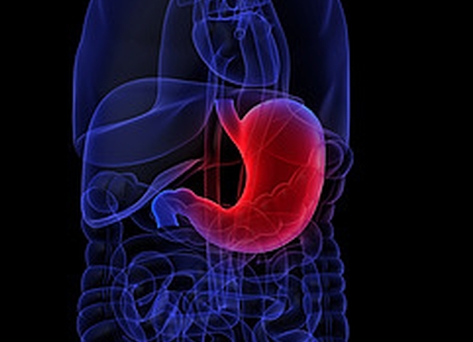
- As Daewoong Pharmaceutical unveiled Phase III clinical data of its next-generation gastroesophageal reflux disease agent in development, fexuprazan, the Korean pharmaceutical industry is keeping a close eye on the prospective competition between the existing proton pump inhibitors (PPI) tegoprazan (Brand name: K-CAB) and the novel agent. Reversibly blocking the proton pump, a potassium-competitive acid blocker’s (P-CAB) efficacy compared to PPI has been confirmed through the clinical trial conducted in Korea, but the market competition would heavily rely on pricing, indication and improved efficacy. ▲Improved efficacy against PPI esomeprazole confirmed On May 2, the Korean pharmaceutical company presented the Phase III clinical data of fexuprazan at Digestive Disease Week (DDW) 2020 as an e-Poster. Daewoong Pharmaceutical’s novel agent treating gastroesophageal reflux disease (GERD), fexuprazan is a P-CAB that reversibly blocks the proton pump secreting gastric acid from the stomach walls. Clinical trial result on heartburn relief Frequently, a PPI is prescribed to treat patients with GERD, but its limitations like slow acting time, varying effects depending on prior food intake and individual CYP2C19 genotype, and drug-drug interaction have been reported. Whereas P-CAB agent is considered a new generation of medicine that covers most of the limitations PPI faces. The Phase III clinical trial was conducted in patients with erosive esophagitis at 25 hospitals in Korea, and it compared efficacy in 40 mg of PPI esomeprazole (n=111) and 40 mg of P-CAB fexuprazan (n=107). Until week 4, fexuprazan and esomeprazole respectively demonstrated endoscopic mucosal healing rate at 90.3 percent and 88.5 percent, but they reached 99.1 percent at week 8. Specifically, P-CAB showed comparatively faster and better heartburn relief. 30.8 percent of fexuprazan group and 23.4 percent of esomeprazole group had their day and nighttime symptoms relieved at day 3. Comparing only patients with moderate to severe symptoms, 22.4 percent of fexuprazan group experienced symptom relief, whereas only 7.9 percent of esomeprazole group did. At day 7, the heartburn symptom relief rates were recorded at 26.2 percent and 21.6 percent in fexuprazan and esomeprazole users, respectively. Comparing again the patients with moderate to severe symptoms, fexuprazan demonstrated better rate at 13.8 percent against 7.9 percent. The results were similar when comparing symptom relief during nighttime. Reportedly, PPI was unable to maintain the effect during nighttime. The nighttime heartburn relief rate of fexuprazan and esomeprazole at day 3 each marked 41.1 percent and 35.1 percent, but in patients with moderate to severe symptoms, the rate was at 34.5 percent and 17.5 percent, respectively. The atypical symptom relief rates in patients with GERD were at 81.2 percent and 68.6 percent in fexuprazan and esomeprazole users, respectively, at Day 3. And the rate remained around the same at week 8 at 80.6 percent and 69.3 percent, respectively. Adverse reactions reported from both groups were about the same. In the future, the novel agent would be inevitably compared to the ‘Old Drug,’ esomeprazole. ▲Competitive against the market-dominating tegoprazan? In 2018, CJ Healthcare has received the government’s approval on the 30th Korean-made novel P-CAB agent ‘K-CAB (tegoprazan).’ In Japan, vonoprazan is released in the market, but K-CAB is the only P-CAB available in the Korean market. As a follow-on drug, fexuprazan would attempt to take over the market from tegoprazan, unavoidably. In last March, tegoprazan has been indicated to treat helicobacter pylori infection and also it has ongoing clinical trials regarding maintenance therapy after treating GERD and preventive therapy against nonsteroidal anti-inflammatory drug-induced duodenal ulcer to expand indications. Fexuprazan would have to face tegoprazan, currently dominating the market not only with its effect, but as a first-in-class and its variety of indications. Then, how about the differences in their efficacy? In March last year, a SCI-level medical journal Alimentary Pharmacology & Therapeutics (AP&T) published Phase III clinical data of tegoprazan. Same with fexuprazan, the study compared tegoprazan’s efficacy and safety in patients with erosive esophagitis against esomeprazole’s. The eight-week multicenter Phase III trial on tegoprazan conducted in Korea tested 302 patients with erosive esophagitis by administering 50 mg (n=100) and 100 mg (n=102) of tegoprazan and 40 mg (n=100) of esomeprazole. At week 8, the mucosal healing rate of three patient groups all reached 98.9 percent. As for fexuprazane, the rate was at 99.1 percent. The heartburn rate in tegoprazan 50 mg group started from 1.76 and was increased to 0.53 and 0.56 at week 4 and week 8, and in 100 mg group the rate fell from 1.86 to 0.62 and 0.62 at the same period. The rate in esomeprazole group was dropped from 1.84 to 0.48 and 0.47 at week 4 and week 8. The prevalence of adverse reaction in 50 mg and 100 mg of tegoprazan users reached 28.3 percent and 23.5 percent, respectively. The rate was similar in 40 mg of esomeprazole users with 30.3 percent. Professor Kim Gwang Ha of Pusan National University Department of Internal Medicine, who participated in both tegoprazan and fexuprazan studies, explained “The clinical trial on fexuprazan confirmed significantly improved efficacy in the novel agent against esomeprazole with patients having moderate to severe symptoms,” and “when it gets released in the market, it could be more expensive than PPIs but the benefit could outweigh the high pricing.” He added, “Based on the acting time and effect of inhibiting proton pump faster and better than PPI demonstrated in the clinical trial, the novel agent would fulfill the medical unmet needs the existing PPIs lacked,” and “patients who failed to relieve the symptoms with PPI would benefit from P-CAB.” “However, the healthcare providers should be aware that not all P-CABs have same effect and safety profile,” so “their marketability and competitiveness should be more accurately assessed with further head-to-head studies between different P-CABs,” the professor noted.

- Company
- Zolgensma & Kymriah will be entered the Korean market
- by Eo, Yun-Ho May 08, 2020 06:34am
- Two very expensive new drugs by Novartis enter the Korean market. According to a related industry, Novartis Korea submitted an application for the approval of a treatment for Spinal Muscular Atrophy (SMA), Zolgensma (Onasemnogene abeparvovec) & CAR-T (Chimeric Antigen Receptor T cells) cell gene therapy, Kymriah (Tisagenlecleucel) earlier this year. The two drugs are expected to be approved in Korea in the second half of the year as soon as they have obtained approval in Japan following the United States. Zolgensma is an SMA treatment such as Biogen's Spinraza (Nusinersen), which has attracted attention as an expensive drug, but it was also priced very expensive. Currently, it costs about ₩2.5 billion per dose. The United States has approved the world's highest price for $2.1 million as a single treatment. For reference, Spinraza's domestic insurance upper limit is ₩92,359,131 per bottle. However, Spinraza is administered six times in the first year and three times each year from the following year, whereas Zolgensma is administered only once. Zolgensma is a gene therapy product designed to produce SMN proteins that do not function properly in patients with spinal muscular atrophy in specialized motor neurons that can regulate muscle contraction. The indications for the first CAR-T drug Kymriah are 'recurrent or refractory B-cell Venous Lymphoma in patients under the age of 25' and 'relapsed or refractory diffuse large B-cell lymphoma after two or more adult systemic treatments'. In Korea, it was already designated as an orphan drug in March last year. Novartis prepared a document based on ELIANA data, a global phase II clinical trial, and submitted a New Drug Application (NDA) in Korea. Kymriah was first commercialized in the United States in the world in August 2017, and approved in Europe in 2018. However, CAR-T is also very expensive. Although this drug is approved for domestic market with a cost of about ₩500 million per dose, it is judged that it will be difficult to be placed in the reimbursement list. For reference, Kymriah is administered once. Meanwhile, Novartis is also preparing to commercialize the macular degeneration treatment drug Beovu (Brolucizumab) in Korea. Beovu has proved its effectiveness through the HARRIER trial that directly compares to Eylea (Aflibercept).
- Policy
- Felodipine indication to get limited to stable angina
- by Lee, Tak-Sun May 08, 2020 06:34am
- Original felodipine ‘Munobal’ by Handok Felodipine, used on patients with hypertension and angina, is facing an indication adjustment to only treat stable angina when used for angina. Korea Ministry of Food and Drug Safety (MFDS) is planning to finalize the order to change the medicine’s indication on May 22. A calcium channel blocker (CCB), felodipine has a brand-name drug like Munobal tablet (Handok), approved in 1990. After reviewing safety and efficacy data submitted for the oral felodipine’s license renewal, MFDS announced it has decided to alter the drug’s indication. The final order would be made on May 22 as the ministry has previously issued the preannouncement. Initially labeled as hypertension and angina treatment, the drug would be indicated to treat hypertension and stable angina. CCBs have been used to treat angina as it relaxes the blood vessels in coronary artery. Amlodipine, benidipine, efonidipine, felodipine and nifedipine are some popular CCBs. Generally used amlodipine is indicated to treat stable angina and variant angina. Angina can be categorized into three types—stable angina caused by chronic constriction with arteriosclerosis; variant angina caused by atherosclerotic plaque rupture; and variant angina caused by coronary vessel spasm-based blood flow dysfunction. Currently, nifedipine (brand name: Adalat (Bayer)) is limited to treat stable angina and soon felodipine would become the same. Total 33 felodipine items licensed by 31 companies would be subject to the indication change. Considered as an original felodipine drug, Munobal by Handok has made 1.6 billion won last year from outpatient prescription, according to UBIST.
- Company
- Jeil got a domestic exclusive promotion for Amitiza
- by Lee, Seok-Jun May 08, 2020 06:34am
- Jeil distributes FDA-approved constipation drugs in Korea. Jeil announced on the 6th that it has signed an exclusive promotional contract (distribution, marketing, and sales rights) in Korea with Amitiza soft capsule (Lubiprostone), a chronic constipation treatment for Takeda. Amitiza received FDA approval in 2006. In Korea, the approval process was completed in May last year. It is a type II chlorine ion channel local accelerator in small intestinal lining cells, and it has indications for the treatment of narcotic analgesic (opioid)-induced constipation △in adult patients with chronic non-cancerous pain, and △in adults patients with chronic idiopathic constipation. Amitiza is expected to be released this year. As of 2018, global sales amounted to ₩680 billion.
- InterView
- I tried to make the KOEDC 'Social butterfly '
- by Lee, Jeong-Hwan May 08, 2020 06:34am
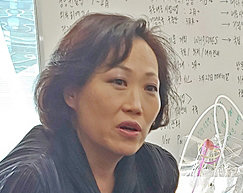
- The KOEDC (President Young-mi Yoon)“The KOEDC (Korea Orphan & Essential Drug Center) is the place where the government and the public need attention more than any other institution. I wanted to increase the utilization of the public by spreading the awareness to the society that it is a place to supply medicines that are essential for the treatment of incurable patients and that the social supply of essential medicines does not stop. I hope that the government's support for the center's operating budget will increase significantly, and that the capacity to contribute to society will increase rapidly.” 'Inssa (Insider, Social butterfly)', which stands for social and organizational mainstream and friendly person, is a word that seems somewhat distant from the KOEDC. This is because the KOEDC is dedicated to rare and incurable disease drugs that have a relatively small number of patients or have relatively low social awareness and are less likely to receive social attention. In a way, the KOEDC seems to have no choice but to support the supply and treatment of remedies for incurable patients who are prone to alienation in society, taking on a task close to Assa (Outsider, not social). However, President Young-mi Yoon (51, Dongduk University of Pharmacy), who has led the KOECD for the past two years, made efforts to imprint rare disease and the existence of the center by making the center from outsider to insider and beyond to a social bufferfly. Director Yoon's term for the center ended on the 22nd of last month, but the appointment of the next president has not been completed, and the term has been temporarily extended without a new leader being decided. If the next president is decided, she will be officially retired. Specifically, Director Yoon is in many ways, including nurturing rare proceeds that have been solidified through 20 years of practice, advancing delivery of orphan drugs through regional centers and base pharmacy projects, and improvement of purchasing treatment hemp oil, led the improvement of the system by communicating with the National Assembly. This is the background of last year's national audit that raised the center's profits and improved the efficiency of budget support for the MFDS. Director Yoon suggested that the center's operation would be normalized based on the increase in the budget-to-government support rate for the newly appointed director's main job. The detailed work is the president's intrinsic competency and authority, but she believes that the lack of budget should not continue to do what the center has to do for the society and patients. "Unfortunately, in the past two years, we haven't completed the budget support problem for normal operation of the center, the expenditure of money, and the delivery of courier services," she said. In the end, it resulted in the issue of budget support from the MFDS and remained as the next president's homework. ” "In order to solve the safety issues of biological products that require temperature-controlled shipping and courier delivery with illegality, it is a consignment delivery pilot project, and at the same time, we have worked hard to establish a safe supply process for orphan drugs as a regional base center and base pharmacy. "The system is not complete, but I think this is the way the future center should go," she said. When asked what led the center to focus on, President Yoon responded, "I wanted to improve the utilization of the center by greatly increasing the interest of the people and society in the center." The intention is to make the KOEDC that is unfamiliar to the general public a social butterfly . "To inform the existence of the KOEDC, we needed to innovate in the center's hardware and software as a whole," said Yoon. "We moved the office to the city hall to build facilities such as pharmacies and drug warehouses in the center. This is why we created a process that minimizes supply and demand inconvenience. " Director Yun suggested that the center should plan to enhance the accessibility and safety of orphan drugs. In particular, it is said that it is the path for the country and patients to minimize the probability that the center will fall into the supply of orphan drugs even in extreme situations by closely analyzing the current situation in which the domestic supply of orphan drugs in the world is struggling due to the COVID-19 crisis. "There are more than 20,000 orphan drugs that the center supplies per year. The importance and social needs of orphan drugs are getting bigger every day," she said. Nevertheless, the center still needs to be improved in terms of facilities, management, accounting and operating systems. "It is the KOEDC that can reveal the willingness of the nation to somehow care for the underprivileged," she said. "We need to constantly monitor which pharmaceutical companies around the world are developing, producing and distributing what kind of pharmaceutical companies in the world and check the distribution line in real time so that we can have the bargaining power to supply domestic patients' drugs," said the Center. It is time to further advance the system to increase social utilization, "she suggested. “I took the job as a general manager and worked every day, at least once a week, hoping that the KOEDC would be known in the media,” said she. The center faces the challenge of formulating a budget for the MFDS for normal operation. We ask for your continued interest and support to ensure that the Center plays a role in the national health defense frontier.
- Opinion
- Time to stop the delay in drug patent conflict
- by May 08, 2020 06:33am
- Professor Kim Kwan Shik The world bombarded with COVID-19 related news has been disheartening. Even the new coined term ‘Corona Blue’ was trending. But on the lighter side, I came across some good news for myself, who mainly lectures and researches on patent law depicted in news articles. It was from a global pharmaceutical company, AbbVie announcing it would give up on the global patent rights to Kaletra, a potential COVID-19 treatment. In other words, anyone can make a copycat version (generic) of Kaletra. Anyone with a slightest interest in the industry would understand that giving up on a patent right means a tremendous commitment. Considering pharmaceutical companies are spending astronomical expense to protect and extend the pharmaceutical patent right as much as possible, the news actually sounded a little ironic. Global and Korean pharmaceutical companies use various tactics to prolong the market exclusivity period protected by the patent rights. One of the most popular strategies is ‘patent term extension.’ A patent’s term is valid until 20 years after the patent issue date, but in some cases it could be extended up to five years. As for pharmaceutical patent, a drug with listed patent cannot be commercialized immediately as it has to receive marketing approval from Ministry of Food and Drug Safety (MFDS) reviewed based on efficacy and safety data collected from clinical trial. Taking account of the time spent on the administrative procedure, the term can be extended up to five years. Many of Korean pharmaceutical companies tend to manufacture generics that copy original products with expired patent and sell them in inexpensive pricing. And by doing so, conflicts arise frequently due to the possibility of infringing patent rights. A famous case reported recently was on a drug sharing same effect with a patented original drug, but was using an incrementally modified substance uniquely approved by MFDS. The conflict fired up as the original drug company claimed the modified drug maker has infringed its patent right with extended term. In the end, the pharmaceutical industry was disconcerted by a staggering decision of the Supreme Court overruling the lower-instance Court’s conclusion that the patent was not infringed. Another pharmaceutical company has requested negative confirmation of the original’s patent scope to the Intellectual Property Trial and Appeal Board claiming that an item sold with effect and benefit, initially not acknowledged for the original’s patent that based the term extension, is not infringing the extended patent right of the original. However, the legal conflict has been on hold due to the COVID-19 pandemic. The order of strict social distancing has slowed down the court proceedings. Probably the pharmaceutical company pursuing the Court’s decision would be deeply frustrated as it needs to complete all procedures before the product launch. Recently lost in a series of term-extension related patent trials, pharmaceutical companies should not be hindered by the ‘delay in proceedings,’ when they have finally found an alternative strategy. This specific case and its follow-up trials would play a crucial role in the Korean pharmaceutical industry, as it could harmoniously arbitrate the conflict among pharmaceutical sovereignty, financial health of National Health Insurance, patients and stakeholders of the Korean pharmaceutical industry. Sources say the damage taken by pharmaceutical company from the pandemic is resulting in stagnating economic growth. The patent law was found to protect and promote invention and to contribute in industry advancement. The Intellectual Property Trial and Appeal Board and the Court should promptly make a reasonable decision, in accordance with the original objective of the patent law, for the pharmaceutical companies continuing to take challenges amid the difficult times to propel the flourishing industry in Korea.
