
- LOGIN
- MemberShip
- 2026-06-20 21:42:03
- Company
- Imfinzi wins nod as pre- and post-operative adjuvant therapy
- by Whang, byung-woo Aug 06, 2025 06:10am
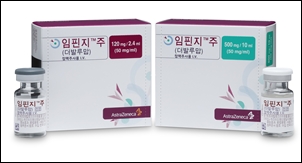
- Product photo of Imfinzi AstraZeneca announced on August 4 that it has received approval for its Imfinzi (durvalumab) as pre- and post-operative adjuvant therapy for patients with muscle-invasive bladder cancer from the Ministry of Food and Drug Safety on July 30. With this approval, Imfinzi has become the first and only immunotherapy in Korea to be approved for pre- and post-operative adjuvant therapy in the treatment of muscle-invasive bladder cancer. Imfinzi's specific approved indication is for 'the treatment of patients with muscle-invasive bladder cancer as a neoadjuvant combination therapy with cisplatin and gemcitabine or as Imfinzi monotherapy as adjuvant therapy after radical cystectomy.' Imfinzi's specific approved indication is for 'the treatment of patients with muscle-invasive bladder cancer as a neoadjuvant combination therapy with cisplatin and gemcitabine or as Imfinzi monotherapy as adjuvant therapy after radical cystectomy.' The previous standard therapy was neoadjuvant chemotherapy followed by radical cystectomy. However, this left an unmet need due to high recurrence rates and poor prognosis even after treatment. It is known that approximately 50% of muscle-invasive bladder cancer patients experience recurrence within three years. The expanded indication is based on the Phase 3 NIAGARA clinical study, which evaluated the clinical efficacy and safety of Imfinzi as a pre- and post-operative adjuvant therapy for muscle-invasive bladder cancer. In this study, patients were divided into two groups. The experimental group received Imfinzi and chemotherapy (gemcitabine-cisplatin) in combination as neoadjuvant therapy for 4 cycles at 3-week intervals, followed by surgery and then Imfinzi monotherapy as adjuvant therapy for 8 cycles at 4-week intervals. The control group underwent chemotherapy (gemcitabine-cisplatin) as neoadjuvant therapy, followed by surgery only. The study results showed that Imfinzi's pre- and post-operative adjuvant therapy significantly improved one of the key primary endpoints, event-free survival (EFS), compared to the control group. The 2-year event-free survival rate was 67.8% for the Imfinzi pre- and post-operative adjuvant therapy group and 59.8% for the control group. The Imfinzi pre- and post-operative adjuvant therapy reduced the risk of disease progression, recurrence, failure to undergo radical cystectomy (surgery), and death from all causes by 32%. In terms of the safety profile, Imfinzi's results were consistent with the individual safety profiles of previously confirmed Imfinzi and chemotherapy (gemcitabine-cisplatin). Based on these clinical benefits, Imfinzi is a Category 1 preferred recommendation for pre- and post-operative adjuvant therapy for patients with muscle-invasive bladder cancer in the National Comprehensive Cancer Network (NCCN) guidelines. Furthermore, the European Society for Medical Oncology (ESMO) has rated it with an A-grade, the highest rating in their Magnitude of Clinical Benefit Scale (MCBS) framework. Professor Byong Chang Jeong of the Department of Urology at Samsung Medical Center (President of the Korean Urological Oncology Society) explained, "The previous standard therapy for muscle-invasive bladder cancer had limitations in improving patient survival due to high recurrence rates," and added, "The newest approval of an immunotherapy as a pre- and post-operative adjuvant therapy is a favorable change in the clinical field." Jeong added, "By administering Imfinzi, we can expect to increase the success rate of surgery through neoadjuvant therapy and reduce the recurrence rate through adjuvant therapy, ultimately improving the survival rate of patients with muscle-invasive bladder cancer in Korea."
- Company
- US drug price 3.9 times higher than in Korea
- by Kim, Jin-Gu Aug 06, 2025 06:09am
- With the US government pushing forward the introduction of a Most Favored Nation (MFN) policy to lower drug prices, an analysis has revealed that US drug prices are 3.9 times higher than those in South Korea. The Korea Biotechnology Industry Organization cited an analysis by the US public policy research institute Rand Corporation on the 4th on this finding. The data was released in February 2024 and is based on drug prices in 33 OECD countries, including the United States. According to the data, the overall drug price level in the United States is 2.8 times higher than the average of 32 OECD countries. Compared to South Korea, it is 3.9 times higher. In other words, drug prices in South Korea are equivalent to 25.6% of those in the United States. In addition, US drug prices are 3.5 times higher than Japan’s, 3.3 times higher than France’s, 2.9 times higher than Germany’s, and 2.7 times higher than the United Kingdom’s. Among OECD countries, Turkey has the largest price disparity, with prices 10.3 times higher than those in the United States. Also, a significant price difference was observed between brand-name (original) drugs and generic drugs. The price of brand-name drugs was 4.2 times higher in the US than the OECD average. In particular, the top 60 drugs in terms of sales in the US are 5.0 times higher than the OECD average. Among brand-name drugs, biopharmaceuticals are 3.6 times higher than the OECD average. On the other hand, the price of generic drugs in the US is lower – around 66.8% of the OECD average. The US President Donald Trump has been strengthening trade pressure on pharmaceuticals by imposing tariffs and most-favored-nation (MFN) policies. While announcing plans to impose tariffs on pharmaceuticals, he is also targeting drug prices in other countries as a means of exerting trade pressure. As part of this effort, President Trump signed an executive order in May to lower prescription drug prices in the U.S. to the lowest prices among major developed countries (MFN). The main point of the order is to compare drug prices in OECD countries with a per capita GDP of 60% or more than that of the US, and lower US drug prices to the lowest among them. The most-favored-nation treatment policy applies only to products that do not have biosimilars or generics. The US Department of Health and Human Services plans to first encourage pharmaceutical companies to voluntarily lower drug prices and then force them to do so. If the policy is fully implemented, the prices of new drugs entering the US market are expected to be set lower than those in other countries, such as the EU and Canada. It is speculated that this may automatically lower the prices of domestic pharmaceutical companies' drugs in the US. In particular, new drug development companies are expected to be affected. If drug prices in the US drop to European or Canadian levels, pharmaceutical companies' expected sales are likely to decrease, and the value of their new drug licenses is expected to decline. On the other hand, biosimilars and generics are not expected to be directly affected, as the policy targets products without existing biosimilars or generics. However, these products may still face pressure on profitability in the future. If the prices of original drugs decrease, the benchmark prices for generics and biosimilars could also decline, reducing sales incentives.
- Opinion
- [Reporter's View] Can NA resolve the drug shortage issue?
- by Kim, Jin-Gu Aug 06, 2025 06:09am
- Whether the four bills presented for amendments to the Pharmaceutical Affairs Act aimed at resolving the shortage of medicines will be discussed at the National Assembly's Health and Welfare Committee in August is gaining attention. The amendments to the Pharmaceutical Affairs Act were proposed by Rep. Jeong-ae Han, Rep. Yoon Kim, and Rep. Mi-hwa Seo of the Democratic Party of Korea, and Rep. Sun-min Kim of the Rebuilding Korea Party. Rep Jeong-ae Han’s bill proposes the establishment of a supply management committee involving both the public and private sectors, as well as the designation of “medicines with unstable supply” and the establishment of regulations for emergency production and import orders. Rep Yoon Kim's bill includes medicines with temporary supply shortages or sudden increases in demand as “medicines subject to stable supply management,” and allows medical professionals and relevant institutions, and organizations to participate in the National Essential Medicines Supply Stability Council. Rep. Mi-hwa Seo's bill focuses on including medications without alternatives as National Essential Medicines and implementing constant monitoring. Rep. Sun-min Kim’s bill includes medications with temporary supply shortages or sudden increases in demand in the “stable supply management targets” category and seeks to allow medical professionals and institutions/organizations to participate in the National Essential Medications Supply Stability Council. All four amendments were positively received as they presented their own solutions to stabilize the supply of medicines. Considering the repeated medicine shortages and supply disruptions that arose over the past few years, they were also deemed timely. If the bills are submitted and pass the Health and Welfare Committee review, they are likely to be processed through the Legislative and Judiciary Committee and handled during the September regular session of the National Assembly. If this process is realized, it is expected to provide a significant boost to resolving the medicine supply shortage that has been recurring for several years. Resolving the medicine supply shortage was a common campaign pledge made by both the ruling and opposition parties in the last presidential election. Furthermore, except for the extent to which the international nonproprietary name prescriptions should be allowed, there does not seem to be much disagreement between the parties. This means that now is the optimal time to discuss measures to resolve the medicine supply shortage. However, it is necessary to carefully review whether there are any aspects that have not been included in the revised bill. In particular, the pharmaceutical industry has consistently demanded fundamental solutions for increasing the self-sufficiency rate of domestically produced raw materials for pharmaceuticals and strengthening incentives for the production of low-profit essential drugs, which require urgent attention. There are calls for the need to establish practical supply chain strengthening policies that go beyond simply expanding the scope of items subject to supply instability and forming a consultative body. Fundamental measures are needed to overcome low productivity and a weak supply structure. The government should also consider expanding public reserves and establishing a digital-based real-time monitoring system. Overseas cases are also worth noting. The United States operates a Drug Shortage Task Force to maintain an early warning and supply substitution system. The European Union (EU) operates a system to jointly manage and stockpile about 200 essential drugs. Japan is known to operate a system to reevaluate the prices of low-profit products that cause deficits, focusing on essential drugs. These countries share the common feature of active government intervention to expand supply and promote corporate participation. The current parliamentary discussion presents an opportunity to address critical issues that can no longer be postponed. It must serve as the starting point for developing practical solutions. This rare opportunity must not be wasted. Instead of half-hearted measures, a clear direction that ensures supply stability that both citizens and the pharmaceutical industry can feel must be presented this time.
- Company
- GIST drug Qinlock receives orphan drug designation in KOR
- by Eo, Yun-Ho Aug 06, 2025 06:09am
- The GIST treatment Qinlock has been designated as an orphan drug in Korea. The Ministry of Food and Drug Safety announced the news through a public notice on the 4th. Ono Pharmaceutical's gastrointestinal stromal tumor (GIST) treatment Qinlock (ripreitinib) had previously been designated as a Global Innovative Products on Fast Track (GIFT) drug last month. Qinlock is used to treat patients with advanced GIST who have a history of treatment with three or more kinase inhibitors, including Gleevec (imatinib). Qinlock has also been designated as an orphan drug by the US FDA and the European EMA. It was selected for Fast Track review and received the Breakthrough Therapy Designation (BTD) from the FDA and received approval in 2020, and was approved by the EMA in 2021. Qinlock demonstrated efficacy in the Phase III INVICTUS trial for GIST patients. In the study, which enrolled 129 patients, the median progression-free survival (PFS) in the ripreitinib group was 6.3 months, a significant improvement compared to 1.0 months in the placebo group. Additionally, Qinlock reduced the risk of disease progression or death by approximately 85% compared to placebo, demonstrating a statistically significant effect. Meanwhile, GIST is a type of cancer that can occur anywhere in the gastrointestinal tract. It typically develops in the submucosal or muscularis mucosa, not the mucosal layer that is visible through endoscopy. This makes early detection difficult. While most tumors are benign, 20-30% are malignant. Symptoms appear as the tumor grows or cancer cells penetrate the submucosal layer or muscle layer and invade the mucosa. As gastrointestinal stromal tumors grow, they can cause abdominal pain and even intestinal obstruction. In addition to the first-line drug Gleevec, later-line options approved include the second-line treatment Sutent (sunitinib) and third-line treatments Stivarga (regorafenib). Qinlock has been approved as a fourth-line treatment.
- Company
- COVID-19 vaccination system has been included in the NIP
- by Whang, byung-woo Aug 06, 2025 06:09am
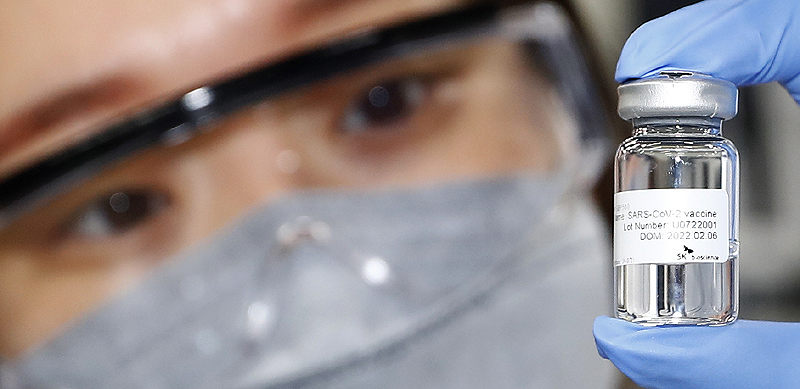
- As COVID-19 vaccination has been included in the National Immunization Program (NIP), changes to the operational system is anticipated. Previously, government provided COVID-19 immunization service for high-risk groups. Whereas the previous service had been temporary, the current vaccination system is expected to become more established. The Korea Disease Control and Prevention Agency (KDCA) announced that it will procure a total of 5.3 million doses of vaccine for the 2025-2026 season's COVID-19 NIP project through a private contract. The suppliers have been determined as ▲Pfizer (3.28 million doses) ▲Moderna (2.02 million doses), with HK inno.N and Boryung Biopharma, respectively, serving as the domestic distributors (companies with exclusive sales rights) for the COVID-19 vaccines. The vaccination will target high-risk groups, including the elderly aged 65 and over and immunocompromised individuals aged 6 months and older. Vaccinations are scheduled to begin in mid-October. The Korea Disease Control and Prevention Agency (KDCA) announced changes to a procurement system for COVID-19 vaccines. From 2025, the government will procure vaccines through a private contract. This transition of the COVID-19 vaccination program to the NIP is analyzed as an effort to increase the efficiency and predictability of the vaccination system, as the demand for vaccination among high-risk groups persists. The key to this transition is the establishment of a 'seasonal vaccination system'. Previously, vaccination plans were adjusted as needed based on the COVID-19 epidemic situation and vaccine supply conditions. However, after the NIP transition, it is expected that routine vaccinations will be standardized, like the flu vaccine. Accordingly, the vaccination implementation guidelines, recommendation criteria, and vaccine distribution are also expected to be managed solely within the government system. For the 2024-2025 seasonal COVID-19 vaccine, vaccinations were administered from October 11th to April 30th. However, as the incidence of COVID-19 increased not only in winter but also in summer, the vaccination period was extended from late April to June 30 of this year. The financial structure will also change. Unlike the previous system of full state funding, a 'national+local government matching fund' model will be introduced for this NIP project. The funding will consist of 30% national and 70% local government funds for Seoul, and 50% national and 50% local government funds for other regions. Since each local government will be responsible for executing the budget and managing vaccination rates, there is a possibility of differences in campaign intensity and implementation between regions. For the 2024-2025 seasonal COVID-19 vaccine, the vaccination period was extended from the regular schedule. Less Uncertainty for Pharmaceutical Suppliers...Expectations for Future Expansion of Vaccination Targets For vaccine suppliers Pfizer and Moderna, the latest structural change is expected to be a favorable shift in terms of supply stability and business predictability. Previously, COVID-19 vaccinations were based on government pre-purchase, with storage and delivery handled by government-commissioned companies. Such a system had possibility that the project could be terminated at any time based on the government's will. Now that it is included in the NIP, a stable volume of vaccines will be secured, and production and supply plans can be formulated based on an annual procurement cycle. From the government's perspective, even though the procurement is based on a private contract, price competitiveness and supply capabilities are included as evaluation factors, ensuring transparency in the supplier selection process. However, the responsibilities of pharmaceutical companies are also expected to increase. Since manufacturers will be directly responsible for storage and delivery, the company's logistical capabilities, including maintaining the cold chain, handling returns, and managing product exchanges, will be a critical variable. Although NIP vaccines have relatively fewer marketing elements, the availability of two vaccine options, along with the allowance for exchanges of vaccines nearing their expiration date and returns of up to 5%, means there is a high possibility of future competition between pharmaceutical companies. The COVID-19 epidemic situation for 2022-2025. The incidence of COVID-19 increased not only in winter but also in summer. In the clinical field, there is an expectation for a unified system, along with a focus on whether the target population will be expanded in the future. Currently, the program targets only high-risk groups, but it could be extended to the general population, similar to the flu (influenza), as the vaccination program becomes more established. First, experts advise that a practical strategy is needed to improve vaccination rates alongside the implementation of the NIP. Professor Woo Joo Kim of Korea University Guro Hospital's Department of Infectious Diseases stated in a meeting with DailyPharm, "High-risk groups, such as the elderly and those with underlying diseases, must be aware of their risk of infection and proactively get vaccinated. If they have symptoms, they must seek diagnosis and treatment quickly." Kim added, "At a societal level, a 'culture of resting when sick' needs to be established, and at a government level, an independent surveillance system for COVID-19 alone needs to be built." Kim also added, "Data on the latest COVID-19 epidemic trends, disease burden, and vaccine efficacy and safety must be understood to formulate vaccination timing and public relations strategies swiftly."
- Company
- Organon-KSCRH implements Implanon NTX Certificate Program
- by Whang, byung-woo Aug 05, 2025 06:08am
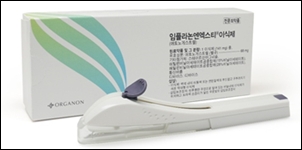
- 임플라논엔엑스티 이식제 제품사진 The Implanon NXT Certificate Program, jointly implemented by Organon Korea and the Korean Society of Contraception and Reproductive Health, is yielding positive results. Organon Korea announced on the 4th that 172 medical professionals have received certification through the ‘Implanon NTX Certificate Program,’ which has been in operation since 2024. The certification program aims to provide opportunities to enhance proficiency in the insertion and removal procedures of Implanon NXT (etonogestrel, hereinafter referred to as ‘Implanon’), a subdermal implantable contraceptive. Medical professionals seeking certification must complete four courses—Product Overview, Insertion Procedure, Removal and Replacement, and Patient Counseling—through the medical professional portal Organon Pro, followed by participation in an Implanon insertion and removal practical training session hosted by Organon Korea. Implanon is a subdermal contraceptive implant inserted under the skin on the inner side of the arm, providing up to 99% effectiveness for up to three years with a single procedure. It is a long-acting reversible contraceptive (LARC) method, with fertility returning within a few days to one week after removal. It does not require daily administration, making it independent of medication adherence, and can be used by women who have never given birth. Due to its structural characteristics, which prevent users from manipulating it themselves, insertion and removal must be performed by a qualified healthcare professional. Accordingly, the approval guidelines strongly recommend that healthcare professionals participate in the procedure training. The World Health Organization (WHO) also recommends in its Family Planning Handbook that implantable contraceptives must be administered by healthcare professionals who have received appropriate training. In line with these standards, Organon Korea has been implementing a procedure certification system linked to healthcare professional education and certification since 2024. After submitting a practical training certificate, the Korean Society of Contraception and Reproductive Health issues an Implanon procedure certification. As of 2024, a total of 172 medical professionals have been certified, and the program will continue to operate in the second half of the year. Ji-young Lee, President of the Korean Society of Contraception and Reproductive Health, said, “With growing patient interest in modern contraceptive methods like Implanon, there is a consensus among medical professionals that safer and more consistent procedures must be provided. Accordingly, we have introduced a certification program that combines education and practical training.” Sori Lee, Marketing Lead of the Women's Health Division at Organon Korea, said, “Since Implanon is a contraceptive that works continuously for up to three years inside the body, it must be inserted at the correct location and depth. We are implementing the certification program in collaboration with the society to further enhance the professionalism and consistency of the procedure. Going forward, we will continue to create an environment where women can choose contraceptive procedures with confidence and support more women in taking an active role in designing their health and lives.”
- Company
- Generic companies challenge Xtandi’s patent in KOR
- by Kim, Jin-Gu Aug 05, 2025 06:08am
- Astellas' prostate cancer treatment ‘Xtandi (enzalutamide)’ has become the target of a patent challenge by a generic drug company. According to industry sources on the 4th, Alvogen Korea recently filed a request for invalidation trial (passive scope confirmation trial) of the composition patent for Xtandi against Astellas. This is the first patent challenge ever filed against Xtandi in Korea. Xtandi is Astellas' prostate cancer treatment. The drug is protected by two patents: a substance patent expiring in June 2026 and a composition patent expiring in September 2033. Alvogen Korea plans to avoid the composition patent expiring in 2033 and launch a generic version in time for the expiration of the substance patent in 2026. What is interesting is that Alvogen Korea has already received approval for a generic version of Xtandi. In February of this year, Alvogen Korea received approval to import Anamide from the Ministry of Food and Drug Safety. At the time of approval, the composition patent for Xtandi had not yet been registered by the original company. In addition, Alvogen Korea is developing a generic version of another prostate cancer treatment, “Zytiga (abiraterone).” The company received approval for a bioequivalence study for “AK-D311” in October last year. Prior to Alvogen Korea, Hanmi Pharmaceutical, and Ace Pharma had already launched generic versions of Zytiga. Xtandi is competing with Janssen's ‘Erleada (apalutamide)’ and Zytiga in the first-line treatment market for prostate cancer. Recently, a new first-line treatment, ‘Akeega,’ has entered the competition as well. Akeega is a combination of Zytiga and Takeda's Zejula (niraparib). Recent trends show that Zytiga’s sales have been declining since the release of the generic version. On the other hand, sales of Xtandi and Erleada are on the rise. According to pharmaceutical market research institution IQVIA, Xtandi's sales increased by 1.9 times over four years, from KRW 23 billion in 2019 to KRW 43.2 billion in 2023. It is estimated that its sales last year alone were around KRW 50 billion.
- Policy
- Faslodex’s price stays as is…supply instability concerns
- by Lee, Tak-Sun Aug 05, 2025 06:08am
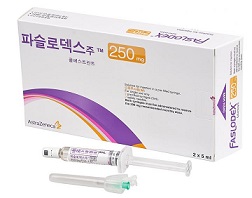
- The breast cancer drug Faslodex (fulvestrant, AZ Korea), was facing a price cut due to the expiry of its premium pricing period, but this was prevented by the pharmaceutical company's request for a stay of execution. On the 31st of last month, the MOHW announced that the court had temporarily suspended the execution of the disposition to reduce the insurance price ceiling for Faslodex until August 31. The expiration of the premium pricing period for Faslodex was scheduled following the entry of generic drugs. Although the one-year price adjustment period expired in 2023, it was extended for an additional 2 years because three or fewer companies were producing the same drug. The price of AstraZeneca's Faslodex Inj was scheduled to be reduced from KRW 376,724 to KRW 288,194, while Boryung’s Fulvet Inj’s price was set to decrease from KRW 357,888 to KRW 288,194 as a Korean innovative pharmaceutical company’s product. At the time, AstraZeneca and Boryung requested an extension of the premium pricing period, citing supply issues prior to its expiration. However, with the emergence of Hankook Korus Pharm’s “Elbracan inj,” a domestically produced generic version of the drug, the insurance authorities decided in February to end the premium pricing as planned. Boryung Fulvet's price was reduced as planned, while AZ Faslodex's price remained unchanged due to the suspension of the administrative disposition. The Faslodex issue unexpectedly came up during Minister of Health and Welfare Eun-kyung Jeong’s confirmation hearing last month. In a written Q&A, the then-candidate exchanged with the NA before the confirmation hearing, multiple members of the National Assembly raised concerns about potential supply disruptions due to the termination of the premium pricing. At the time, Jeong, “Two identical drugs (substitutes) from other companies are currently listed, so the Drug Reimbursement Evaluation Committee (DREC) decided to terminate the preimium pricing for Faslodex,” adding, “We will manage generic drug prices at an appropriate level and strengthen domestic production and supply bases to ensure a stable supply of essential drugs.” The original manufacturer and patient groups argue that Faslodex, which was designated as a national essential medicine in November last year, requires price protection measures. The multinational pharmaceutical company AZ is reportedly considering withdrawing from the Korean market if Faslodex’s prices are reduced due to the end of the premium pricing period. However, domestic insurance authorities maintain that they decided to end the price adjustment period in accordance with principles, as domestic generic drugs are now available and there are no supply issues with the generic versions. AZ appears to have planned to continue domestic supply while maintaining its drug’s price through the lawsuit. However, if the court ultimately rejects the request for a stay of execution or if AZ loses the lawsuit, there is a possibility that the company’s global headquarters could decide to withdraw the drug from the domestic market. If the supply of the original anticancer drug is discontinued, its impact on the market could be significant, even if generic drugs are available. Given the nature of anticancer drugs, there is a strong preference for the original product, and with the original drug already holding a 90% market share, it would be difficult to immediately switch to generics. Accordingly, while the insurance authorities have upheld the principle of ending the premium pricing for Faslodex, the analysis is that special management would be necessary to prevent future supply issues. An industry insider explained, “Compared to AstraZeneca's withdrawal of the diabetes treatment drug Forxiga from the domestic market last year, the situation with Faslodex is not as straightforward. While Forxiga is a chronic disease treatment that can be replaced by generics, Faslodex is a life-saving drug for cancer patients, and cannot be immediately substituted with its generic versions.”
- Company
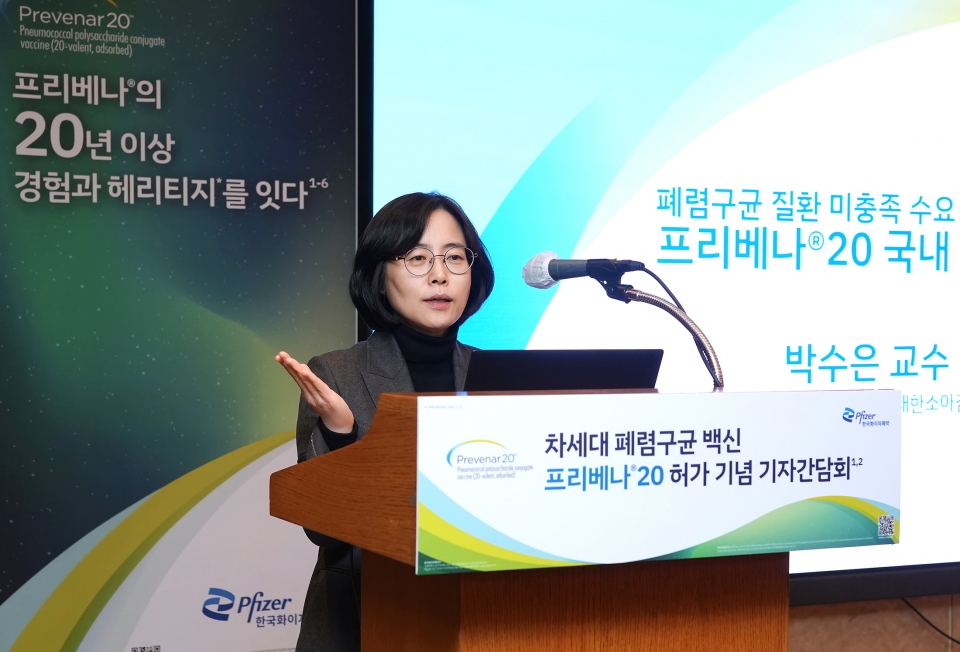
- Inclusion of Prevenar 20 into NIP for children starting Oct
- by Whang, byung-woo Aug 05, 2025 06:08am
- As Prevenar 20 has been confirmed to be included in the National Immunization Program (NIP) in October, a fierce market competition is anticipated. Product photo of Prevenar 20 PFSThe implementation has been delayed from its initial expected schedule in Q3. However, it is anticipated to shift the market for pneumococcal conjugate vaccines with the emergence of the newest version of the vaccine, following 13-valent and 15-valent vaccines. The Korea Disease Control and Prevention Agency announced on the 4th that Prevenar 20, which is the newest pneumococcal conjugate vaccine, will be officially introduced as part of the NIP. Accordingly, children over two months of age and adolescents can receive free vaccinations with Prevenar 20 at medical clinics nationwide. Prevenar 20 is a pneumococcal conjugate vaccine that was approved by the Ministry of Food and Drug Safety (MFDS) on October 31, 2024. Compared to the 13-valent vaccine, Prevenar 20 has added seven additional pneumococcal serotypes. Among domestically approved pneumococcal conjugate vaccines, it contains the most serotypes. As Prevenar 20 includes common serotypes in Korea that could not be prevented using existing vaccines, its preventative effect is garnering attention. Pneumococcus is a major bacterial pathogen that causes various diseases in infants and young children, including otitis media, pneumonia, and meningitis. Vaccination is crucial, especially as it can cause life-threatening invasive pneumococcal disease (IPD) in immunocompromised children. The inclusion of Prevenar 20 in the NIP was decided after a comprehensive review by the Korea Expert Committee on Immunization Practices (KECIP) on the vaccine's safety, immunogenicity, and cost-effectiveness. With this introduction, the number of pneumococcal vaccines supported by the NIP will increase to three. Types of Pneumococcal Conjugate Vaccines (PCVs) per Serotypes Currently, the NIP supports the 13-valent pneumococcal conjugate vaccine (PCV13, Prevenar 13) and the 15-valent pneumococcal conjugate vaccine (PCV15, Vaxneuvance) for pediatric pneumococcal vaccination. The vaccination schedule for Prevenar 20 in healthy children remains the same: a total of three doses at 2, 4, and 6 months of age, followed by a booster dose at 12-15 months. Children who have already started vaccination with PCV13 can receive an interchangeable vaccination with PCV20. For this reason, it is expected that many infants who have completed their first or second doses with PCV13 will continue the remaining schedule with PCV20. Experts also anticipate a higher incidence of interchangeable vaccination with the newer vaccine, which offers broader protection compared to existing vaccines. However, the KDCA recommends that if vaccination begins with PCV15, the remaining doses should be completed with the same vaccine. Additionally, PCV20 vaccination is also available for high-risk children and adolescents who are vulnerable to infection due to conditions such as immunosuppression, chronic diseases, or cochlear implants. For high-risk children and adolescents, the vaccination schedule varies depending on their age at vaccination and previous vaccination history, so an individualized schedule must be followed. Notably, the upper age limit for high-risk children eligible for PCV20 support has been raised from 12 to 18 years. More children and adolescents will receive national immunization benefits. Pneumococcal conjugate vaccine (PCV) Immunization Procedure for Healthy Children. [Recommended months for the initial immunization]: Standard immunization at 2-6 months of age, 1) Primary series of Immunization: 2, 4, and 6 months of age (3 doses), 2) Booster dose: 12-15 months of age (1 dose). The inclusion of Prevenar 20 in the NIP is expected to intensify market competition. The sales of Prevenar 20 for pediatric and adolescent segments will continue to be handled by Korea Vaccine, which previously managed sales of Prevenar 13. It is widely analyzed that Pfizer Korea and Korea Vaccine, which have long maintained a dominant position with the existing 13-valent vaccine, will further expand their market dominance with the introduction of the 20-valent vaccine. Korea Vaccine is also preparing for on-site supply and is expected to aim for rapid market penetration by emphasizing the interchangeable vaccination guidelines and product advantages. An official from the vaccine industry stated, "An official from the vaccine industry stated, "As the NIP market for pneumococcal vaccines is being restructured, each company is actively preparing countermeasures," and added, "We believe Korea Vaccine's extensive experience will positively contribute to the rapid market establishment of Prevenar 20."
- Company
- Galafold reimbursed as first-line drug for Fabry disease
- by Nho, Byung Chul Aug 04, 2025 05:54am
- Reimbursement for Handok's Fabry disease treatment, Galafold (migalastat), will be expanded to cover its use as a first-line treatment starting on the first of this month. Previously, Galafold was covered only for patients aged 16 and older who had been administered enzyme replacement therapy (ERT) intravenously for at least 12 months. With this expansion of reimbursement, Galafold can now be prescribed as a first-line treatment without 12 months of enzyme replacement therapy. In addition, as stated in the approval, patients aged 12 years and older (weighing 45 kg or more) will be eligible for insurance reimbursement. Galafold is the world's first oral treatment for Fabry disease, developed by Amicus and supplied by Handok in South Korea. It is currently used in 45 countries, including the United States, the United Kingdom, Australia, Japan, and Europe, and was approved in Korea in 2017 and became listed for reimbursement in 2019. Unlike enzyme replacement therapy, which requires patients to visit the hospital once every two weeks for intravenous injections lasting several hours, Galafold is an oral treatment that patients can take themselves once every two days. This improves the convenience of medication administration and quality of life for Fabry disease patients. Galafold demonstrated a sustained and long-term safety profile in maintaining kidney function and reducing cardiac mass index when switching from enzyme replacement therapy to Galafold in Fabry disease patients with a compliant genotype, as confirmed by a 30-month long-term clinical trial. Additionally, in the switching group, cardiac adverse reactions occurred in 20% of patients receiving enzyme replacement therapy, but the rate decreased to 7% after switching to Galafold. Galafold demonstrated efficacy and safety not only in patients switching from enzyme replacement therapy but also in treatment-naive patients. In the Phase III FACET study, a 24-month clinical trial of Galafold in treatment-naive or enzyme replacement therapy-naive patients with Fabry disease harboring a compliant mutation, cardiac mass index decreased significantly from baseline, with a greater reduction in patients with left ventricular hypertrophy. (Overall: -7.7 ± 3.7 g/m², patients with left ventricular hypertrophy: -18.6 ± 8.3 g/m²) Additionally, in the long-term real-world patient registry study followMe , Galafold maintained stable renal function over an average treatment duration of 3.9 years, and that Fabry disease-related clinical events occurred in less than 80% of patients, confirming renal preservation and multi-organ benefits. Recently, the results of the ASPIRE study in pediatric patients were published in the May issue of the international academic journal ‘Molecular Genetics and Metabolism.’ The ASPIRE study showed that pediatric patients treated with Galafold maintained stable renal and cardiac markers, plasma lyso-Gb3 levels, and improvements in pain, gastrointestinal symptoms, and quality of life. Additionally, no new adverse reactions or unexpected safety issues were observed in the safety evaluation.
