
- LOGIN
- MemberShip
- 2026-06-21 20:16:29

- Policy
- New types of risk-sharing agreements added for reimbursement
- by Lee, Tak-Sun Mar 12, 2025 05:57am
- The Health Insurance Review and Assessment Service has established two types of risk-sharing schemes, including initial treatment cost reimbursement (Fixed cost refund at initial treatment) and outcome-based reimbursement, to the detailed criteria for drugs subject to negotiation. This appears to reflect the additional content included in the recent revision of the Ministry of Health and Welfare's 'Criteria for the Determination and Adjustment of Drugs.’ According to the industry sources on the 7th, the Health Insurance Review and Assessment Service established two types of risk-sharing agreements in the 'Detailed Evaluation Standards for Medicines subject to Negotiations, Including New Drugs'. The fixed cost refund at the initial treatment type, which was added this time, is a contract in which the applicant refunds a certain percentage of the cost of the first dose used for each patient to the National Health Insurance Service. In addition, an outcome-based refund is a type of contract in which the applicant refunds a certain percentage of the total amount billed to the National Health Insurance Service if the treatment effect is not achieved after tracking and observing the treatment effect of each patient for a certain period of time. As a result, the types of risk-sharing schemes have increased from 4 to 6, including conditional treatment continuation type, mixed-refund type, expenditure cap type, refund type, and patient-specific usage cap type. The post-management entities for the additional types have also been set. The National Health Insurance Service will be responsible for post-management of the initial treatment cost reimbursement type, and the Health Insurance Review and Assessment Service will be responsible for post-management of the outcome-based reimbursement type. The newly established types were approved by the Drug Reimbursement Evaluation Committee a meeting held in February. Meanwhile, the 2 RSA types were added to the recently revised Ministry of Health and Welfare's “Criteria for the Determination and Adjustment of Drugs.” The National Health Insurance Service eased the criteria last year to omit cost-effectiveness evaluation for drugs under the risk-sharing scheme with additional claims of less than KRW 1.5 billion. In addition, the ICER threshold flexibility assessment requirement for innovative drugs was newly established, and the first beneficiary item was the breast cancer drug ‘Trodelvy’ in February. In addition, in December, the NHIS decided to simplify the evaluation for RSA drugs subject to a third round of evaluations, along with a series of measures to ease the industry burden.

- Company
- 12 Korean biosimilars globally approved in 3 months
- by Chon, Seung-Hyun Mar 12, 2025 05:56am
- Domestic pharma and biotech companies have achieved 12 biosimilar approvals in the U.S. and Europe this year. Celltrion and Samsung Bioepis have surpassed last year's record of 11 approvals in three months due to their rapid global expansion. Together, Celltrion and Samsung Bioepis have received over 20 biosimilar approvals in Europe and the United States. Celltrion received the U.S. Food and Drug Administration (FDA) approval for Xolair’s biosimilar Omlyclo on the. 10, according to industry sources. Xolair is an antibody biologic drug used to treat allergic asthma, chronic rhinosinusitis with nasal polyps, and chronic idiopathic urticaria. Xolair generated global sales of approximately KRW 6 trillion last year. Omlyclo is the first Xolair biosimilar to be approved in the U.S. and was also the first to be approved in other major global markets including the European Commission (EC), South Korea, the United Kingdom, and Canada. Celltrion has now received approval for a total of 4 biosimilars in the U.S. this year. In January, Celltrion received FDA approval for Avtozma, a biosimilar version of the autoimmune disease treatment Actemra. Actemra is indicated for rheumatoid arthritis (RA), giant cell arteritis (GCA), systemic juvenile idiopathic arthritis (sJIA), polyarticular juvenile idiopathic arthritis (pJIA), and COVID-19. On April 4, Celltrion received FDA approval for the biosimilars Stoboclo and Osenvelt, which are biosimilar versions of Prolia and Xgeva. Prolia and Xgeva are biologics developed by Amgen that differ in the dose and dosing schedule of denosumab. Prolia is approved for the treatment of osteoporosis and Xgeva is approved for the prevention of skeletal-related events in patients with bone metastases and the treatment of giant cell tumors of bone. Number of biosimilars approved by domestic pharmaceutical and biotechnology companies in Europe and the United States by year (Unit: number of items, Source: each company, Financial Supervisory Service) Celltrion has also received 4 biosimilar approvals in Europe this year. Last month, Celltrion received biosimilar approvals for 4 original drugs: Eylea, Actemra, Prolia, and Xgeva. Eylea is indicated for the treatment of ophthalmic conditions including wet macular degeneration, retinal vein occlusion macular edema, and diabetic macular edema. Celltrion received a recommendation for approval of the 4 biosimilars from the European Medicines Agency's Committee for Medicinal Products for Human Use (CHMP) in December of last year and cleared the final approval hurdle within 2 months. This brings the total number of biosimilar approvals Celltrion has received in the U.S. and Europe in the first 3 months of this year to 8, the most ever. This more than doubles the 3 approvals it has received in 2018 and last year in just 3 months. Samsung Bioepis has received a total of 4 biosimilar approvals in the U.S. and Europe this year. Last month, Samsung Bioepis received approvals for 2 biosimilar products Prolia and Xgeva in the U.S. and Europe, respectively. The Prolia biosimilar was approved under the brand name Ospomyv in the U.S. and Obodence in Europe. The Xgeva biosimilar was approved under the brand name Xbryk in both the U.S. and Europe. Celltrion and Samsung Bioepis have received approvals for a total of 12 biosimilars in the U.S. and Europe this year. This surpassed the previous record of 11 approved in a year last year in just 3 months. Last year, 4 domestic pharma and biotech firms achieved 11 biosimilar approvals in the U.S. and Europe. Samsung Bioepis won 3 and 2 biosimilar approvals in the U.S. and Europe, respectively, last year. Samsung Bioepis received U.S. approval for its Eylea biosimilar Opuviz in May last year. In June and July last year, the company received FDA approval for its Stelara biosimilar Pyzchiva and Soliris biosimilar Epysqli, respectively. Samsung Bioepis' Stelara biosimilar Pyzchiva and Eylea biosimilar Opuviz passed through the European gateway in April and November last year. Celltrion received a total of 3 biosimilar approvals in the U.S. and Europe last year. Celltrion's biosimilar to Stelara received FDA approval last year, and biosimilars of Xolair and Stelara reached the commercialization stage in Europe. Dong-A ST won back-to-back FDA approvals in the U.S. and Europe for its biosimilar Imuldosa last year. Korean biopharmaceutical company Prestige Biopharma obtained marketing authorization for its Herceptin biosimilar Tuznue in Europe in September last year. In 2019, Celltrion and Samsung Bioepis received a total of 5 biosimilar approvals in the U.S. and Europe. In November 2019, Celltrion received approval in Europe for Remsima SC, a subcutaneous formulation of Remicade. Remsima SC is a subcutaneous (SC) version of the original intravenous (IV) formulation of Celltrion's proprietary biological drug, Remsima. In 2019, Samsung Bioepis received FDA approval for biosimilars of four products: Herceptin, Enbrel, Humira, and Lucentis. In January 2019, the company received U.S. marketing approval for Herceptin biosimilar Ontruzant, followed by Ethicobo and Hadlima in April and July. The original versions of Ethicobo and Hadlima are Enbrel and Humira, respectively. In September 2021, Samsung Bioepis received U.S. approval for Lucentis' biosimilar Byooviz. In August 2013, Celltrion's Remsima was approved for sale in Europe as the world's first antibody biosimilar, marking the beginning of domestic biosimilars' push into the global market. Since 2016, domestic pharma and biotech companies have continued to achieve new biosimilar approvals in the U.S. or Europe every year. Celltrion and Samsung Bioepis received 24 and 21 approvals in the U.S. and Europe, respectively. Celltrion received 12 and 12 approvals in Europe and the U.S., respectively. Samsung Bioepis' biosimilars received 11 approvals in Europe and 10 in the US.
- Opinion
- [Reporter’s View] Worth of ease in administration
- by Eo, Yun-Ho Mar 11, 2025 05:54am
- You can now orally take injectables, change the daily doses to monthly doses, and manage your disease with once a year injections. Such 'convenience of administration' has now become a competitive edge in the pharmaceutical market. Convenience, which had been mainly emphasized for chronic diseases, is now being highlighted in various other disease areas including anticancer drugs and autoimmune diseases. The emergence of one-shot drugs played a role, but other advanced new drugs have also been putting forth not only their efficacy but also their convenience. The convenience of administration literally means 'that taking the medication is convenient.' The question arises, 'If I'm taking medication because I'm sick, is comfort really that important? Shouldn't a drug’s efficacy be the most important aspect for the company?’ Nevertheless, pharmaceutical companies are quite obsessed with showing off their drug’s convenience. In many cases, convenience is the main slogan for marketing and sales of the relevant drugs. As such, “convenience” is emerging as a keyword in the healthcare industry. However, the value of such ‘convenience’ is not very recognized in the process of reimbursement listing. In particular, health authorities tend to be reluctant to accept the higher price of next-generation drugs that offer improved convenience compared to existing drugs for severe diseases such as cancer, which is a life-threatening disease. From the government’s standpoint, it’s a valid argument. If a drug receives a higher price simply because of its improved convenience, this may rather lower the opportunity cost for patients with other diseases that share the nation’s limited budget. However, there is a high possibility of new drugs that offer improved convenience while showing the same efficacy as existing drugs being introduced to the market. However, convenience is not unconditionally important. It depends on the situation. Common sense dictates that in the case of cancer, which is a life-threatening condition, there are not many cases where the prescription is changed for the sake of convenience. Therefore, the convenience of such anticancer drugs must be accompanied by a significant breakthrough in the method of administration or offer improved efficacy. A doctor would not give a patient a new drug if he or she is seeing efficacy with their currently prescribed drug, as this may cause unexpected side effects. In addition, the convenience of the drug may be reduced when it is used as part of a combination therapy regimen or when the patient has relevant diseases. However, it is also worth considering whether blindly rejecting the worth of convenience in administration is right. There are cases where such improvements in convenience can lead to improvements in treatment outcomes. There are also cases where long-acting drugs reduce the burden of monitoring and save health finances. In the current healthcare trend where cancer is also turning into a chronic disease, the 'quality of life' of the patients cannot be ignored. Convenience is a value that is difficult to either blindly support or ignore. However, if a drug has been developed to treat a major condition, that values convenience in administration, the value of this drug that met this need should be recognized, amid the increasing number of drugs that are facing difficulties in the listing process that offer improved convenience.
- Policy
- Tadalafil, only concern for abuse in erectile dysfunction
- by Lee, Hye-Kyung Mar 11, 2025 05:54am
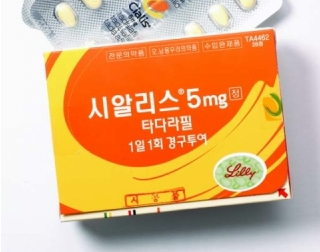
- ’Tadalafil,’ whose indications have been expanded to treat not only erectile dysfunction but also benign prostatic hyperplasia, is expected to partially get rid of the shackles of being a drug with concerns for misuse and abuse. According to the Ministry of Food and Drug Safety's “Partial Amendment to the Regulations on Designation of Drugs of Concern for Misuse and Abuse,” which was announced on the 7th, “tadalafil-containing drugs” that were designated as a drug of concern for misuse and abuse will be revised to “tadalafil-containing drugs for erectile dysfunction.” Tadalafil was designated as a drug of concern for misuse and abuse in 2003 due to concerns over its abuse as a sexual enhancer. In Korea, 3 dosage forms of tadalafil-containing drugs are currently approved (5, 10, and 20 mg) for a total of 187 items, and are indicated for the treatment of erectile dysfunction. However, since 2012, the indication for the low-dose 5 mg has been expanded, breaking the formula that tadalafil is only used for erectile dysfunction. In addition to erectile dysfunction treatment, Lilly Korea has added two indications for Cialis (tadalafil) 5 mg, including ▲benign prostatic hyperplasia and ▲benign prostatic hyperplasia. With the addition of the indications, Cialis 5mg has become a treatment that simultaneously improves the symptoms of erectile dysfunction and benign prostatic hyperplasia, the most common urological diseases in men over the age of 40. Cialis 5mg was the first and only treatment in the world to be approved by the FDA in 2011 for both the treatment of erectile dysfunction and benign prostatic hyperplasia. At the time, Korea was the 5th country to approve the additional indication. Since then, domestic companies have approved a series of generic versions of Cialis 5mg, and there are currently more than 60 low-dose tadalafil products available in the market. In addition, the development of a combination drug containing ingredients such as dapoxetine and tadalafil, following the sildenafil and clomipramine combination, has expanded the treatment options for patients with premature ejaculation and erectile dysfunction. In February, the first combination drug that contains dutasteride and tadalafil, which is used to treat benign prostatic hyperplasia, was approved in Korea. Dongkook Pharmaceutical has received marketing authorization for ‘Uresco Tab,’ an incrementally modified drug for enlarged prostate that contains dutasteride and tadalafil. Benign prostatic hyperplasia is a very common condition where the prostate enlarges with age, causing abnormalities in various urination functions. Drugs that reduce the size of the prostate (finasteride, dutasteride) are used, and various drugs are used in combination to improve symptoms.

- Company
- Besremi demonstrates effects in polycythemia vera
- by Whang, byung-woo Mar 11, 2025 05:54am
- "In polycythemia vera, 10–20% of patients develop resistance or intolerance to hydroxyurea treatment. Since no other treatment option is available, reimbursement for the new treatment option must be considered." Although the average survival for polycythemia vera is around 14.1 years, typically considered a comparatively lower mortality risk than other blood cancers, the abnormal overproduction of blood cells in the bone marrow can lead to severe cardiovascular complications such as thrombosis and embolism. Currently, the disease cannot be completely cured, and long-term management of complications is of utmost importance. However, treating the disease with the standard therapy hydroxyurea is limited because of its non-responsiveness or intolerance. Dr. Seong Yoon Yi, Professor of the Division of Hematology-Oncology in the Department of Internal Medicinea at Inje University Ilsan Paik HospitalDr. Seong Yoon Yi, Professor of the Division of Hematology-Oncology in the Department of Internal Medicinea at Inje University Ilsan Paik Hospital, emphasized the critical need to secure reimbursement for new treatment options that target the underlying pathology of polycythemia vera. Polycythemia vera is caused by somatic mutations in the bone marrow that abnormally activate hematopoiesis, resulting in excessive production of red blood cells, white blood cells, and platelets. Approximately 90% of patients with polycythemia vera have been found to harbor a mutation in the JAK2 gene. Dr. Lee explained, "Because polycythemia vera is a rare blood cancer, it is uncommon for patients to seek medical attention in its early stages. Most patients are diagnosed only after presenting with vague symptoms, followed by blood tests, bone marrow examinations, and genetic tests." Dr. Lee said treatment strategies are typically divided into low-risk and high-risk groups. Patients aged 60 or older or those with a history of thrombosis are classified as high-risk. Low-risk patients are generally treated with aspirin and phlebotomy, whereas high-risk patients receive these interventions in combination with hydroxyurea to help control excessive blood cell production. The problem with polycythemia vera, being an incurable condition requiring prolonged treatment, is the emergence of drug tolerance and adverse effects. Dr. Lee explained, "Polycythemia vera, like diabetes and hypertension, is a chronic condition that requires lifelong management, which means treatment lasts indefinitely," adding, "Over the long term, there are instances when blood counts are not stably controlled with hydroxyurea, and the disease can progress rapidly." "In some cases, patients develop tolerance to hydroxyurea so that it no longer provides therapeutic benefits, or they experience intolerable side effects that force them to discontinue treatment," He added. "Typical side effects include skin ulcers, a decrease in white blood cell counts leading to compromised immunity, and a decline in cardiac function, especially in older patients." Patient Lee Deok-hee, who joined the meeting with Dr. Lee, shared, "Since my diagnosis in 2010, I have been receiving both hydroxyurea and phlebotomy for 13 years. Initially, having hydroxyurea prescribed every three months was enough to maintain stable blood counts. However, since 2023, as I've developed resistance, I've had to visit the emergency room more frequently, and my daily life has become so restricted that I can no longer maintain my work." "Polycythemia vera's second-line treatment option poses a cost problem" According to research from the Myeloproliferative Neoplasms Research Group under the Korean Society of Hematology, approximately 10–20% of polycythemia vera patients develop resistance or intolerance to hydroxyurea treatment. Regarding this, Dr. Lee emphasized, "Although polycythemia vera is considered a rare blood cancer and may appear to affect only a small patient population, the number of cases continues to accumulate over time. As the disease progresses, low-risk patients often transition to a high-risk category, thereby increasing the likelihood of developing resistance or intolerance, presenting a challenge that cannot be overlooked." Following hydroxyurea treatment, two treatment options are considered: Besremi (ropeginterferon alfa-2b) and Jakavi (ruxolitinib). Besremi is a next-generation interferon that selectively targets and eliminates the JAK2 mutation, the primary cause of polycythemia vera. It was developed to improve the purity and tolerability compared to existing interferons, allowing for administration every two weeks for the initial 1.5 years and once every four weeks thereafter. Currently, Besremi is recommended as a polycythemia vera treatment in the National Comprehensive Cancer Network (NCCN) and European Leukemia Network (ELN) guidelines, regardless of a patient's prior treatment history. "Notably, the extent to which the allelic burden, which is the fundamental driver of the disease, is reduced," Dr. Lee said. "Clinical trials have demonstrated that Besremi significantly lowers the JAK2 mutation allelic burden. This means that Besremi alleviates symptoms and addresses the underlying cause of polycythemia vera." However, Besremi and Jakavi are currently not reimbursed, posing substantial cost hurdles. In practical terms, hydroxyurea remains the only treatment that patients can use without an economic burden. Consequently, there is growing attention on Besremi's multiple attempts to be considered for the Economic Evaluation Committee of Health Insurance Review and Assessment Service (HIRA). Given the apparent demand for new treatment options in clinical practice, industry observers are closely watching whether Besremi can pass through the subcommittee review and ultimately reach the final stage at the Drug Reimbursement Evaluation Committee (DREC). Dr. Lee said, "We know that patients with polycythemia vera want new treatment options to be reimbursed. In particular, Besremi has shown stable clinical data across risk groups and offers the potential for a fundamentally transformative approach, which has greatly raised patient expectations." He added, "While it would be ideal for every patient to access treatment without any economic burden, the realities of the National Health Insurance budget mean that securing reimbursement is especially urgent for patients who develop resistance or intolerance to hydroxyurea. These patients have no other treatment options once hydroxyurea becomes ineffective." Finally, Dr. Lee stressed that, given the unique characteristics of polycythemia vera as a rare blood cancer, reimbursement reviews should consider not only the number of patients and drug costs but also the broader societal burden. "Costs related to treating side effects of hydroxyurea, such as myocardial infarction or stroke, and the social costs when caregivers have to quit their jobs for patient care are often overlooked. I hope these factors will be partially reflected in the drug reimbursement decision-making process," Dr. Lee added.
- Company
- Celltrion’s Xolair biosimilar Omlyclo is approved in the US
- by Chon, Seung-Hyun Mar 11, 2025 05:54am
- Celltrion announced on the 10th that ‘Omlyclo,’ its biosimilar version of ‘Xolair’ has was approved by the US Food and Drug Administration (FDA). Xolair is an antibody biologic used for allergic asthma, chronic rhinosinusitis with nasal polyps (CRSwNP), and chronic spontaneous urticaria (CSU). Xolair posted global sales of approximately KRW 6 trillion and over KRW 3 trillion in the US market alone. Celltrion applied for Omlyclo’s marketing authorization to the FDA based on the results of a global Phase III trial last year and was approved for all indications the original drug was approved for, including allergic asthma, chronic rhinosinusitis with nasal polyps (CRSwNP), chronic spontaneous urticaria (CSU), and Immunoglobulin E (IgE)-mediated food allergy. Omlyclo was approved as the first Xolair biosimilar in the United States, following approvals in major global countries such as Europe (EC), South Korea, the United Kingdom, and Canada. As Omlyclo’s interchangeability was recognized in the United States, pharmacies will be able to substitute the original product with Omlyclo without the healthcare professional’s prescription change. Celltrion will sell Omlyclo through its local subsidiary in the US. With the approval, Celltrion has received approval for 4 products in the United States in the first quarter of this year alone – Omlyclo; the autoimmune disease treatment Avtozma; and biosimilar versions of the bone disease treatment Prolia-Xgeva. “Omlyclo has not only been approved as a first mover in the United States, the world's largest pharmaceutical market, but also secured an interchangeability designation, enabling it to take an advantageous position in the market upon its initial launch,” said a Celltrion official.

- Policy
- Keytruda will be considered for DREC next time
- by Lee, Tak-Sun Mar 11, 2025 05:54am
- Product photo of Keytruda The expanded use of scope application of the immune cancer drug Keytruda, which passed the Cancer Disease Review Committee, is expected to be considered for the Drug Reimbursement Evaluation Committee (DREC) review as soon as April. Previously, the 2nd DREC review for 2025, held on March 6, did not include Keytruda. As Keytruda's DREC review is imminent, the National Health Insurance Service (NHIS) has started to prepare for the next stage. According to industry sources on March 10, the NHIS has initiated a preliminary financial analysis of Keytruda, which is expected to undergo negotiations for an expanded reimbursement scope. Because the approval of the expanded scope of use for Keytruda is expected to cost substantial expenditure, the NHIS may aim to take the lead in negotiations through the preliminary financial analysis. It has been reported that the NHIS will conduct a financial analysis of Keytruda's expanded scope of use through internal meetings. After failing five times, the application of Keytruda for the expanded scope of use passed the Health Insurance Review and Assessment Service (HIRA)'s CDRC on the sixth attempt on the 12th of last month. Of the 17 applications considered for the review, 11 received reimbursement standards. The reimbursement will determined for these 11 indications with reimbursement standards once they pass the DREC and complete negotiations with the NHIS. Keytruda is reimbursed for seven indications in four cancer types, including non-small cell lung cancer, Hodgkin lymphoma, melanoma, and urothelial cancer. Keytruda's yearly claim amount exceeds KRW 400 billion. Therefore, if 11 indications are additionally reimbursed, it will substantially cost the National Health Insurance finance. Because of this, the key to the expanded scope of use negotiations will be the extent to which the pharmaceutical company will take a share of the finance. Consequently, the NHIS reportedly initiated preliminary analysis before negotiating even though the drug had not passed the DREC. The completion of the DREC review is expected in early April. Industry personnel said, "Although the drug was not considered for the DREC in March, it passed the CDRC in February, so there is a chance that it will be considered for the DREC soon," adding, "Because the CDRC carefully considered this item up to six times, the drug will likely to pass the DREC quickly." A drug under the Risk Sharing Agreement (RSA) with a claim amount over KRW 1.5 billion has to pass the DREC review to receive an expanded scope of use. The review outcome will be announced on that day.
- Company
- AbbVie’s Rinvoq to benefit most from changes in KOR
- by Whang, byung-woo Mar 10, 2025 06:05am
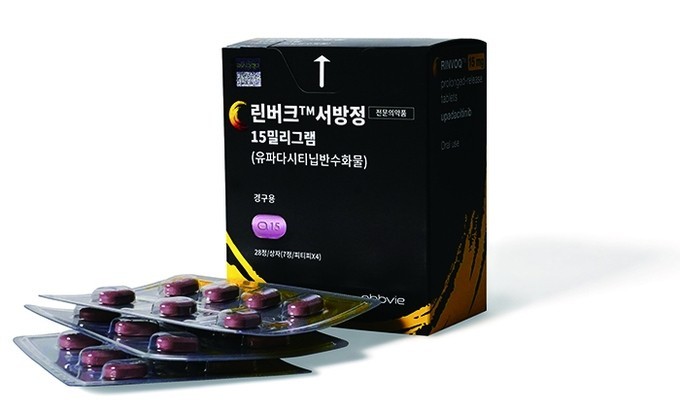
- Expansion has been growing on the expansion of related prescription markets with the government approving reimbursement for switching between atopic dermatitis treatments, which has been in high demand in the field. The industry expects an increased number of treatment options and an expanded scope of reimbursement to enable more effective treatment for patients. In particular, the presence of Rinvoq (upadacitinib) has been growing with its indication expansion to moderate to severe atopic dermatitis in adolescents aged 12 and older, and the grant for switching between JAK inhibitors. On the 7th, AbbVie Korea held a press conference on the latest clinical research of Rinvoq and changes in the treatment environment due to changes in the atopic dermatitis reimbursement coverage standards. Tae Young Han, Professor of Dermatology, Nowon Eulji Medical Center According to the Korean Atopic Dermatitis Association guidelines, patients with moderate-to-severe atopic dermatitis are highly recommended to consider switching to another biological agent or oral JAK inhibitor if they do not respond sufficiently to the biological agent or oral JAK inhibitor or if they cannot use them due to side effects. Until now, there have been limitations to treatment due to the fact that reimbursement coverage was not applied when the patient wanted to switch from biological agents to JAK inhibitors. However, from the 1st of this month, ▲if a patient is not responding to a biological agent or a JAK inhibitor, or ▲if the patient cannot continue taking the medication due to side effects (recommended to continue taking the replaced medication for at least 6 months), the patient will be eligible for reimbursement even if the patient has switched to a JAK inhibitor or biological agent. However, switching between the same class of drugs is not allowed. Professor Tae Young Han of the Department of Dermatology at Nowon Eulji Medical Center who made a presentation on this day, said, “Atopic dermatitis is a disease that has symptoms and manifestations depending on the characteristics of the patient, and a personalized treatment strategy is needed for each patient to receive appropriate treatment. The recognition of reimbursement coverage for switching has opened up new treatment opportunities for patients who have not seen sufficient treatment effects so far.” Han added, “Patients who have had side effects or showed an inadequate response to biological agents can be switched to a JAK inhibitor such as Rinvoq to achieve an appropriate treatment response. In addition, with the availability of reimbursement coverage, it is now possible to prioritize the use of treatments that are expected to be highly effective for each patient, from his or her initial treatment.” The reason why the expansion of Rinvoq’s influence is drawing attention is because of the Heads Up trial, which is a head-to-head trial between Dupixent (dupilumab), the biological agent with the most prescriptions, and Rinvoq. The results showed that 90% of patients who switched to Rinvoq (30 mg) after 24 weeks of dupilumab (300 mg) achieved EASI 90 (an almost clear skin condition) at Week 16 of Rinvoq treatment (40 weeks in total), and 56.1% achieved WP-NRS 0/1 (no or almost no itching). Yong Hyun Jang, Professor of Dermatology at Kyungpook National University said, “For moderate or more severe atopic dermatitis, the use of drugs that have quick and high efficacy in the early stages needs to be prioritized to quickly suppress severe itching. With switching between different classes of drugs granted reimbursement in Korea, the burden of choosing Rinvoq as the initial treatment option will be reduced as its long-term safety has been confirmed in clinical trials.” According to the results of the approximately 4-year follow-up of the extension study of Phase III clinical study on Rinvoq (Measure Up 1, Measure Up 2), among patients who received 15 mg and 30 mg Rinvoq, 69.8% and 72.9% of patients maintained EASI 90 and 44.9% and 47.2% of the patients maintained WP-NRS 0/1, respectively. Yong Hyun Jang, Professor of Dermatology at Kyungpook National University The indication expansion to adolescents aged 12 and older and the reimbursement expansion for Rinvoq also received positive evaluations. Professor Jang said, “Adolescents require sufficient sleep for growth and development, and lesions on visible areas such as the face and neck are especially stressful at that age. This is a very important period to prevent exacerbation of atopic dermatitis in adulthood, so the importance of early treatment is even greater. I expect the changes in the approval environment in Korea will help establish a flexible treatment strategy.” Jiho Kang, Country Medical Director of AbbVie Korea, added, “With the approval of switching and the approval for adolescents and the expanded insurance reimbursement coverage, we hope that the flexible dose strategy of Rinvoq will help improve the quality of life and enable patients to enjoy daily life that is no different from that of the general public through Rinvoq’s fast and strong treatment effect.” Meanwhile, due to the approval of switching, Rinvoq’s insurance price has been cut due to expected additional claims, based on the calculation formula. Due to this expansion of the scope of use, the insurance price ceiling of Rinvoq will be reduced from the previous KRW 18,740 to KRW 18,328 for the 15 mg product and from the previous KRW 29,850 to KRW 29,193 for the 30 mg product starting next month.
- Company
- Greenlight for reimbursement of ' Tepmetko'
- by Eo, Yun-Ho Mar 10, 2025 05:51am
- Product photo of Tepmetko The MET-targeted anticancer drug 'Tepmetko' has gained the greenlight to the insurance reimbursement coverage. According to industry sources, Merck Korea has agreed to the drug pricing negotiations with the National Health Insurance Service (NHIS) for its Tepmetko (tepotinib), a treatment for patients with topically advanced or metastatic non-small cell lung cancer (NSCLC) harboring mesenchymal-epithelial transition factor gene exon 14 (METex14) skipping mutations. The company achieved this three after obtaining domestic approval. In December 2024, Tepmetko passed the Drug Reimbursement Evaluation Committee (DREC) review of the Health Insurance Review and Assessment Service (HIRA) and has undergone drug pricing negotiations since January. Tepmetko received domestic approval in 2021 at the same time as 'Tabrecta (capmatinib),' a drug with the same mechanism of action as Tepmetko, and proceeded with the reimbursement process. Until now, no MET anticancer drugs have been listed for reimbursement in South Korea. If Tepmetko receives the final approval for reimbursement, it will be the first treatment option. The reimbursement listing process of Tepmetko has not been easy. This drug failed to set the insurance reimbursement criteria twice, including the Cancer Disease Review Committee review of the HIRA in March. Afterward, the company voluntarily withdrew from the reimbursement process and reapplied for reimbursement in July. Finally, the company gained a result this time. NSCLC accounts for 80% of all lung cancer diagnosis. METex14 skipping occurs in 3-4% of patients with NSCLC. Based on the diagnosis of 1020 patients with NSCLC in South Korea, 1.9% of patients were confirmed to have METex14 skipping. The efficacy of Tepmetko was evaluated through the VISION study, which enrolled the largest number of participants than any other clinical trials that enrolled patients with NSCLC harboring METex14 skipping mutations. The clinical results showed that patients treated with the drug had a median progression-free survival (PFS) of 15.3 months and an objective response rate (ORR) of 56.8%, demonstrating significant life extension effects. The median duration of response (DOR) was 46.4 months, and overall survival was 25.9 months, demonstrating long-term and continued anti-tumor activity. During the 2023 international conference of the Korean Association for Lung Cancer (KALC), Professor Han Ji-Youn, affiliated with the Division of Hemato-Oncology of the Center for Lung Cancer at the National Cancer Center, presented analysis outcomes of 79 Asian patients enrolled in the clinical trial for Tepmetko. Based on the results, the ORR was substantially high, with 66.7%. The second round of patients treated with the drug showed a 48.1% ORR. Meanwhile, in the Phase 3 VISION follow-up study, Tepmetko also showed significant results in analyzing Asian patients. The analysis showed that Tepmetko-treated patients had an ORR of 56.6%, a median DOR of 18.5 months, a PFS of 13.8 months, and a median OS of 25.5 months. Notably, Asian patients with no prior therapy experience had an ORR of 64.0%, reconfirming the previous study results that the drug is effective in the first round of treatment. 39.6% of patients experienced adverse reactions over Grade 3, indicating that the safety-related issue has not been found. Furthermore, Tepmetko passed the drug committees (DC) of 'Big 5' tertiary general hospitals, including Samsung Medical Center, Seoul University Hospital, Seoul St. Mary's Hospital, Asan Medical Center in Seoul, Sinchon Severance Hospital, and 30 medical centers nationwide.
- Opinion
- [Reporter's View] K-Bio's global entry and transparency
- by Whang, byung-woo Mar 10, 2025 05:51am
- The active overseas expansion of domestic bio companies is considered to be one of the essential strategies for continuous growth. News is coming in on domestic companies participating in overseas academic societies and conferences. This has become an important strategy for strengthening competitiveness and building trust in the global market, beyond simply expanding the scope of a company's international activities. However, efforts are also being emphasized to ensure that their activities on the international stage do not simply end at 'participation' and lead to 'substantial results'. First, the transparent disclosure of the participation results is necessary. Many companies participate in academic conferences and conferences held abroad, but information about what they have achieved or what challenges they have faced is often not disclosed. This lack of information can affect not only internal development but also the long-term building of trust with investors and partners. From the company’s perspective, it may not share subsequent information due to a lack of performance or substantial results. However, transparently disclosing the results of participation, regardless of the achieved results, can send a positive signal to stakeholders and contribute to increasing the credibility of the company. Many domestic companies are entering the global arena, so no one expects much with a single participation. It is more reasonable to look at the lessons and experiences gained in this process as the drive to move on to the next step. That is why experts emphasize transparency and continuity as a way to ensure the success of companies. One-time participation may generate short-term interest, but continuous participation is believed to help companies build in-depth networking and long-term partnerships in the global market. In fact, many biotech company representatives say that when they participate in events like BIO USA, discussions develop further and progress in the following years with continuous participation rather than in the first year. Until now, the word “continuum” has been used much when mentioning government support for the development of the domestic pharmaceutical and bio industry. As a later entrant to the global market, continuous government support is an indispensable element for the development of the domestic pharmaceutical and bio industry. However, fundamentally, individual companies must lay the groundwork for the domestic pharmaceutical and bio-industry to become competitive on the global stage. Many companies have been seeking to enter overseas markets from the beginning of the year. Participation in overseas academic societies and conferences is an important opportunity for domestic bio companies to achieve sustainable growth in the global market. To this end, companies need to make efforts to strengthen the transparency of the companies' attempts to enter overseas markets and their continuous participation.
