
- LOGIN
- MemberShip
- 2026-06-21 20:16:28
- Company
- The cardiomyopathy drug 'Vyndamax' is reimbursed
- by Whang, byung-woo Mar 10, 2025 05:50am
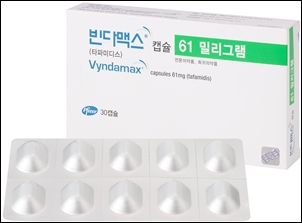
- 'Vyndamax,' a new drug for the treatment of transthyretin amyloid cardiomyopathy, has recently been added to the insurance reimbursement list after five attempts. Three years have passed since the company initially applied for the listing. Product photo of VyndamaxConsequently, the prescription of Pfizer Korea's Vyndamax (tafamidis 61 mg) is now covered with reimbursement for the treatment of ATTR amyloidosis with cardiomyopathy (ATTR-CM). Vyndamax was approved in August 2020 in South Korea. It has finally been added to the reimbursement listing after multiple rounds of challenges. At its first attempt at reimbursement in early 2021, Vyndamax failed to receive designation as an essential medicine. After that, the economic evaluation was conducted in the first half of the same year, and a second attempt was made through the Risk Sharing Agreement (RSA) program. However, it received the same result. In April 2022, the drug had not passed the reimbursement criteria committee of the Health Insurance Review and Assessment Service (HIRA). It passed the committee review in July of the same year. However, after 9 months, it received a non-reimbursement decision from the Drug Reimbursement Evaluation Committee (DREC) review. An agreement had not been reached between the government and the pharmaceutical company regarding the RSA. After that, Pfizer re-applied for the reimbursement process in June 2024. It passed the DREC review in October of the same year and reached an agreement with the National Health Insurance Service (NHIS) last month. Vyndamax's ceiling price has been set as KRW 100,000. Vyndamax is a product that received approval after adjusting a dosage of tafamidis, the same active ingredient in Vyndaqel, a treatment of Transthyretin Familial Amyloid Polyneuropathy (TTR-FAP). Some view that the company strategized this to aim at differential drug pricing. Reimbursement news is regarded as favorable since the company finally gained listing after five attempts over 4 years. Patients now only have to pay 10% of the drug price with the special exemption coverage. Meanwhile, the efficacy of Vyndamax was demonstrated through the Phase ATTR-ACT study, which showed Vyndamax reduced the occurrence of cardiovascular-related events and improved 6 minutes walking test in CM patients. In the ATTR-ACT study, 441 patients were randomly assigned at a 2:1:2 ratio to the tafamidis 80 mg treatment group, the tafamidis 20 mg treatment group, and the placebo group. The primary endpoint was hierarchical evaluation of all-cause mortality and cardiovascular-related hospitalizations. The study's secondary endpoints were changes in the 6 minute walk test and the 'Kansas City Cardiomyopathy Questionnaire-Overall Summary (KCCQ-OS)' score, which indicates better health conditions with a higher score from the baseline up to 30 months after treatment. The study results showed that the tafamidis treatment groups had statistically lower all-cause mortality or cardiovascular-related hospitalizations compared to the placebo group.
- Policy
- 734 SGLT2is add precautions for ketoacidosis
- by Lee, Hye-Kyung Mar 10, 2025 05:50am
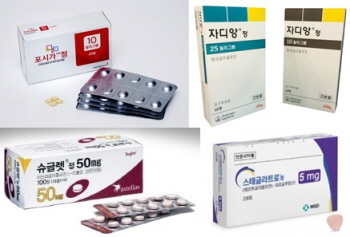
- SGLT-2 inhibitors approved in Korea Precautions for antidiabetic SGLT2 inhibitors will be strengthened in the near future. 734 ertugliflozin, empagliflozin, and dapagliflozin drugs that have been approved in Korea are expected to be subject to the changed regulations. The Ministry of Food and Drug Safety will prepare an ‘Order for labeling changes (draft)’ based on the safety information of SGLT2 inhibitors by the 20th of this month and conduct an opinion inquiry thereafter. This draft order for changes was made based on the 'Results of the review of safety information on SGLT2 inhibitor-related drugs' by Health Canada (HC) and the US Food and Drug Administration (FDA). Representative products include AstraZeneca Korea's ‘Sidapvia Tab (dapagliflozin, sitagliptin)', HK Inno. N’s ‘DapaN Tab (dapagliflozin propanediol hydrate)', Boehringer Ingelheim Korea’s ‘Jardiance Tab (empagliflozin)', and MSD Korea’s ' Steglatro Tab (ertugliflozin L-pyroglutamic acid).’ The labeling changes for the SGLT2 inhibitor class will be made in the 'General Precautions' section. In all products that have been announced, the 'ketogenic diet' will be added as a factor that is likely to cause ketoacidosis. In addition, pancreatic disorders that cause insulin deficiency will include not only type 1 but also type 2 diabetes. Previously, risk factors for ketoacidosis included reduced insulin doses, acute febrile illness, calorie intake restriction due to illness or surgery, and alcohol abuse. The precautions for combination drugs such as dapagliflozin-sitagliptin, dapagliflozin-metformin, dapagliflozin-metformin-sitagliptin, dapagliflozin-glimepiride, dapagliflozin-pioglitazone, dapagliflozin-linagliptin, dapagliflozin-saxagliptin, dapagliflozin-evogliptin, dapagliflozin-evogliptin-metformin, and dapagliflozin-gemigliptin will become slightly stricter. The changes include the addition of a precaution about ketoacidosis: “Diabetes and ketoacidosis may persist longer than the expected duration and urine glucose excretion may persist for 3 days after discontinuation of administration. However, there have been post-marketing reports of diabetes and ketoacidosis persisting beyond 6 days and up to 2 weeks after discontinuation of SGLT2 inhibitor administration.” The Ministry of Food and Drug Safety has asked associations to notify their members of the changes so that review opinions can be submitted.
- Company
- Reimb approval JAKi switching can change RA treatment in KOR
- by Son, Hyung Min Mar 07, 2025 05:56am
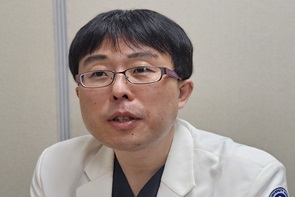
- Yun Sung Kim, Professor of Rheumatology at Chosun University Hospital “The realistic goal for treating rheumatoid arthritis is remission, not cure. With various treatment options introduced for the disease, patients can expect good results if they start treatment by administering the right treatment for them. In particular, since switching is now allowed for oral treatment options like JAK inhibitors, this may be of great help in improving the treatment environment for rheumatoid arthritis.” Yun Sung Kim, Professor of Rheumatology at Chosun University Hospital, explained so on the changes in the treatment environment for rheumatoid arthritis at a recent meeting with Dailypharm. Rheumatoid arthritis is one autoimmune disease that occurs when immune cells invade the joints that are part of our body. In the early stages, inflammation occurs in the synovial membrane surrounding the joints, causing pain, swelling, and deformation of the surrounding cartilage and bone. Inflammation mainly affects small joints such as the fingers, wrists, toes, and ankles, and can also occur in large joints such as the knees. It is a chronic disease that lasts for several months to several years, and the continuous inflammatory reaction of the synovial membrane can damage the cartilage of the joint, eventually leading to joint destruction, deformation, and dysfunction. It is also accompanied by symptoms of fatigue, low-grade fever, and generalized musculoskeletal pain. Professor Kim said, “Rheumatoid arthritis is a disease that requires continuous control, just like diabetes or hypertension. This is why we use the word remission rather than cure. The goal is to control the disease activity through medication.” In the early stages of rheumatoid arthritis, non-steroidal anti-inflammatory drugs (NSAIDs) are used to reduce inflammation and relieve pain, and steroids can be used temporarily if the inflammation is not controlled. However, such treatment can alleviate symptoms but not reduce disease activity, so treatment with disease-modifying antirheumatic drugs (DMARDs) such as methotrexate (MTX) may be needed depending on the severity of the symptoms. Kim explained, “Early diagnosis and treatment of all diseases is important, but in the case of rheumatoid arthritis, because it invades the joints, without an early diagnosis, not only inflammation but joint deformation can also occur, causing not just symptoms but also impairment in the joint function itself.” He went on to say, “If you have symptoms of rheumatoid arthritis such as numbness in your hands and leave them untreated, the risk of cardiovascular disease also increases, and if it invades the lungs, it can also cause interstitial lung disease. This is why early diagnosis and treatment are important.” Various treatment options have emerged in the field Rheumatoid arthritis treatment is one of the areas that has seen the most progress in the last 20 years. Treatment options have expanded with the introduction of steroids, anti-rheumatic drugs, biological agents, and Janus kinase (JAK) inhibitors. Kim said, “The 2022 European Congress of Rheumatology guidelines recommend reducing the dose or increasing the interval of anti-rheumatic drug administration, but the American College of Rheumatology recommends continuing the use of anti-rheumatic drugs.” In particular, with the recent inclusion of several JAK inhibitors, such as Jyseleca, Rinvoq, and Xeljanz in the National Health Insurance (NHI) reimbursement list, patients can now use oral drugs that are less burdensome to administer than injectable biologics. Until now, switching between JAK inhibitors was not allowed, so if a patient switched from a biologic to a JAK inhibitor and found no effect, there was no alternative but to switch back to other biologic drugs. In response to the demand for the allowance of switching between JAK inhibitors from patients and medical staff, the government has approved insurance reimbursement for switching between JAK inhibitors since December, reducing the patients’ burden of switching from biological agents to JAK inhibitors. Kim said, “JAK inhibitors are being used as a second-line treatment, but I think they may be used in the first-line in the future. Rather than preferring a particular treatment among JAK inhibitors, I think their usage in general will expand.” He went on to say, “Patients’ satisfaction level is higher with oral treatments. Since anti-rheumatic drugs must be taken when administering biological agents, the medication compliance for oral agents is high. Data shows that oral agents are a little safer, which may further increase their preference with the improvement in the reimbursement environment.” Although the reimbursement environment has improved, blind spots remain Kim stressed that patients with seronegative rheumatoid arthritis antibodies are facing difficulties because they cannot receive institutional benefits. About 80% of rheumatoid arthritis patients are diagnosed as seropositive, but the remaining 20% are seronegative. These seronegative patients are not eligible for the special calculation benefit. Therefore, there are many difficulties in treating seronegative rheumatoid arthritis patients due to restrictions on their use of JAK inhibitors and biological agents. Currently, patients may receive reimbursement for their treatment if their treatment with biological agents or JAK inhibitors is insufficient even after more than 6 months of treatment. Professor Kim said, “Although switching JAK is not yet covered by insurance for various inflammatory diseases, it is very encouraging that it is covered for rheumatoid arthritis. If there is one more thing I would like to see, I would like the reimbursement standards to be eased to cover patients with seronegative rheumatoid arthritis.”
- Policy
- Handok expands its Tenelia combo lineup
- by Lee, Hye-Kyung Mar 07, 2025 05:56am
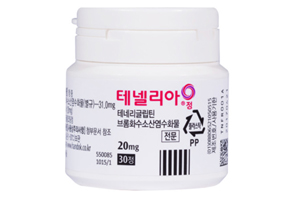
- Handok is speeding up the development of a combination drug that combines DPP-4 inhibitor diabetes treatment Tenelia (teneligliptin hydrobromide hydrate)' with SGLT-2 inhibitor 'Jadiance (Empagliflozin). On the 4th, the Ministry of Food and Drug Safety approved an open-label, randomized, empty stomach, single orally administered, two-arm, crossover, Phase I clinical trial to compare and evaluate the safety and pharmacokinetic characteristics of HD-P023 and Tenelia 20 mg and Jardiance 25 mg combination in healthy adults. In 2020, Handok conducted a clinical trial on a triple combination therapy of metformin and empagliflozin and Tenelia, and since last year, it has expanded its development scope to investigate a two-drug combination drug that contains Tenelia and empagliflozin. This is the third time that HD-P023 was approved for a Phase I trial, following approvals in January and June last year. Handok is working on the development of a combination drug for Tenelia, using different doses in each clinical trial. Handok is believed to be making such efforts due to the fact that a large number of generics have been approved upon Tenelia’s patent expiry in October 2022. Domestic companies successfully avoided patent infringement through salt modifications before the expiration of Tenelia’s patent, and forewarned of their entry into the generic market. Currently, 44 items have been approved as generic versions of Tenelia. The patent for the combination drug ‘Tenelia M,' which is a combination of Tenelia and metformin, expired at the same time as that of Tenelia, and the number of approved generic drugs for Tenelia M exceeds 74. As market competition became inevitable with the approval of generics for both the single drug Tenelia and the combination drug Tenelia M, it appears that the company has embarked on the development of a combination drug that can be used with reimbursement with SGLT-2 inhibitors. In particular, since the reimbursement standards for SGLT-2 inhibitor class drugs improved in April 2023, allowing reimbursement of triple-drug therapies such as 'metformin + SGLT-2 + DPP-4' and 'metformin + SGLT-2 + TZD,’ there has been a continuous push for the reimbursement of for two-drug combination therapies as well. According to data Rep Mi-hwa Seo, a member of the Democratic Party of Korea, received from the Ministry of Health and Welfare in January this year, the Ministry of Health and Welfare said it would prepare a plan to improve the reimbursement standards for the two-drug therapy that combine SGLT-2 inhibitor diabetes drugs and DPP-4 inhibitor diabetes drugs. The Ministry of Health and Welfare has finished the Ministry of Food and Drug Safety’s inquiry regarding the request from the Korean Diabetes Association, collected expert opinions from related societies and others, and has stated that it is in discussions with the KDA to prepare additional supplementary data to improve the reimbursement standard. The Ministry of Health and Welfare =, “We will also review whether it is possible to reimburse the combination of SGLT-2 inhibitors and diabetes drugs as one of the two-drug therapies, taking into account the Ministry of Food and Drug Safety’s approval status and the opinions of experts. However, as reimbursement expansion of the diabetes drugs has a significant impact on the finances of the National Health Insurance, it will have to be implemented step by step after ample discussion.” Meanwhile, according to the pharmaceutical market research institution UBIST, the amount of outpatient prescriptions for Tenelia last year was KRW 24.46541 billion and KRW 27.21524 billion for Tenelia M.
- Opinion
- [Reporter's View] Concerns about new drugs for rare diseases
- by Son, Hyung Min Mar 07, 2025 05:56am
- Duchenne muscular dystrophy is a rare muscular disorder caused by the lack of dystrophin, primarily affecting boys. The symptoms typically begin before the age of 3 and rapidly deteriorate, eventually leading to the loss of ability to walk before the age of 10 and above. To date, various genetic targeted therapies for Duchenne muscular dystrophy won FDA approval, including U.S.-based Sarepta Therapeutics' 'Amondys 45,' 'Exondys 51,' 'Vyondys 53,' and 'Elevidys,' the American subsidiary of Japan's Nippon Shinyaku NS Pharma's 'Viltepso,' and Italfarmaco's 'Duvyzat.' Since these new drugs have not been introduced to South Korea, so patients with Duchenne muscular dystrophy are relying on steroids. The Korea National Enterprise for Clinical Trials (KoNECT) ranked 'Amondys 45' as the No.1 new drug for domestic entry candidates through the '2021 Report priority ranking international new drugs not yet introduced in South Korea.' However, it has not been introduced to South Korea to date. New drugs have been introduced to various rare diseases, not only Duchenne muscular dystrophy but also metachromatic leukodystrophy and hemophilia, but patient access to these drugs is still limited. Rare diseases have limited treatment options and often patients have limited treatment opportunities. Fortunately, innovative new drugs for rare diseases have emerged in recent years. Introducing new drugs for rare diseases provides not just simply new drugs but opportunities for patients to improve their quality of life substantially. Notably, new drugs such as genetic therapy offer the possibility of fundamental treatment. Patients who have already received treatments give favorable reviews that their quality of life has significantly improved. However, the discussion on whether new drugs can be provided to Korean patients remains a crucial issue. Many pharmaceutical companies face challenges to commercialize new drugs for rare disease due to the lack of treatment infrastructure and limited treatment targets. Eventually, to promote domestic entry of new drugs for diseases with high unmet needs and limited treatments, supportive policies are essential, including government funding and insurance reimbursement. Until now, most evaluations indicate that the existing supports and policies toward patient access to new drugs for rare diseases have been inadequate. Clinical trial opportunities for Korean patients with rare disease must be discussed in depth. If the Korean market is not considered, there is no need for pharmaceutical companies to conduct new drug clinical trials subjecting Korean patients. If clinical trial opportunities involving potential new drug candidates are unavailable to patients without further treatment option, patients have no other resorts. It is of utmost importance to broaden patient access so that pharmaceutical companies would consider the Korean market. It is also essential for Korean pharmaceutical companies to pursue new drug introductions and make R&D investments. Importantly, pharmaceutical companies and the government must collaborate to establish ways to introduce effective new drugs. Fortunately, Korean pharmaceutical companies strive to introduce new drugs for rare diseases. Pharmaceutical companies like Dong-A ST and Boryung are pursuing new drugs in collaboration with KoNECT. Also, many Korean pharmaceutical companies like Handok have been distributing new drugs for rare diseases. No disease is unimportant, from rare diseases, cancer, brain tumors, severe diseases, and chronic diseases. However, patients should not have to travel abroad for domestically unavailable treatments.
- Company
- Roche adds expertise through leadership appointments
- by Whang, byung-woo Mar 07, 2025 05:56am
- (from the left) Jinyoung Jeong, Lead of Oncology·Hematology Cluster, and Hyunmi Kim, Lead of Specialty Medicines Cluster Roche Korea is strengthening its leadership by appointing new leads to its Oncology and Hematology cluster and Specialty Medicines cluster. The company announced on the 5th that it has appointed Jinyoung Jeong as the new head of the Oncology·Hematology Cluster and Hyun-mi Kim as the new head of the Specialty Medicines Cluster. By appointing two new leaders with extensive industry experience and expertise, Roche Korea plans to strengthen its portfolio across various therapeutic areas, including solid and hematological tumors, ophthalmic diseases, and neurological diseases, and solidify its innovative medicine leadership. Jinyoung Jeong graduated from the College of Pharmacy at Seoul National University and has accumulated experience in pharmaceutical marketing at Mundipharma Korea and Pfizer Korea since 2009. Prior to her new role, she was the Lead of the Lung Cancer Diseases Area in Roche APAC, where Jeong played a leading role in designing organizational operations and portfolio strategies and maximizing synergies by strengthening cross-country collaboration. Hyun-mi Kim first entered the pharmaceutical industry in 2004 when she joined Janssen Korea after graduating from the College of Pharmacy at Seoul National University and earning a master's degree from the same university. Since then, Kim has led business growth in a wide range of fields, including blood cancer, solid cancer, immunology, and neuroscience, and has demonstrated her ability to plan business strategies and develop new businesses in global markets, including Korea, the United States, China, and the Asia-Pacific (APAC) region. Jinyoung Jeong, Lead of Oncology·Hematology Cluster at Roche Korea, said, “Based on the experience and expertise I have accumulated in Oncology at Roche Korea, I will take the lead to promptly provide innovative treatment solutions to Korean patients suffering from cancer. We will continue to prioritize the extension of patients’ lives and improvement of their quality of life, and focus on expanding treatment access.” Hyun-mi Kim, Lead of the Specialty Medicines Cluster at Roche Korea, said “I am pleased to join Roche Korea, which has been driving innovation in the industry as a a global pharmaceutical industry leader. In the Specialty Medicines area, which includes ophthalmic and neurological diseases, it is very important to address unmet patient needs and reduce the burden of disease through innovation. I will make every effort to help more patients lead healthy and happy lives.”

- New drug 'Wainua' for amyloid polyneuropathy receives ODD
- by Eo, Yun-Ho Mar 07, 2025 05:55am
- Product photo of Wainua A new drug, 'Wainua,' for the treatment of amyloid polyneuropathy has been designated as an orphan drug in South Korea. On March 5, the Ministry of Food and Drug Safety (MFDS) notified of the orphan drug The drug is indicated for the treatment of hereditary transthyretin-mediated amyloidosis (ATTRv-PN). Wainua (eplontersen) is a treatment for ATTRv-PN administered through subcutaneous injection once every month at home. This drug has been designed to target protein-producing liver using a new LICA technology. ATTRv-PN is a progressive disease where abnormal protein deposits build up in the body's organs and tissues. It is a deteriorative disease that causes neuropathy in peripheral nerves. If the disease is not treated, a patient may die in 10 years. Wainua was developed by AstraZeneca and Ionis Pharmaceuticals. It is the only drug for the disease that can be self-administered once a month. Meanwhile, the efficacy of Wainua was proven through the Phase 3 NEURO-TTRansform study. The clinical results demonstrated consistent and sustained effects of Wainua at week 66 post-treatment in patients based on evaluating three primary endpoints, including transthyretin (TTR) concentration, neuropathy impairment, and quality of life (QoL). Patients treated with Wainua had an 82% reduction in serum TTR concentration from the baseline, whereas the placebo group had an 11% reduction. Additionally, patients treated with Wainua had a score of 0.28 points in neuropathy impairment measured by the mNIS+7(modified Neuropathy Impairment Score +7), which was an increase of 24.8 points compared to the placebo group's score of 24.8 points. The results showed that Wainua stopped disease progression. 47% of the Wainua treatment group showed neuropathy improvement at 66 weeks, whereas 17% of the placebo group improved.
- Company
- SK Chemical signs a joint sales agreement with Viatris
- by Lee, Seok-Jun Mar 06, 2025 05:58am
- SK Chemicals, which developed the first natural drug for osteoarthritis in Korea, ‘Joins Tab,’ has secured additional pain medications for its portfolio. SK Chemical (CEO Jae-Hyun Ahn) announced on the 5th that it has signed a distribution and sales agreement with Viatris Korea for △Lyrica, △ Neurontin, and △ Celebrex. Under the agreement, SK Chemicals will be responsible for the distribution of the three drugs to all hospitals and marketing to hospitals and clinics with less than 300 beds. Marketing to general hospitals with more than 300 beds will be handled by Viatris Korea. △ 'Lyrica', a treatment for peripheral and central neuropathic pain △ 'Neurontin', a treatment for neuropathic pain △ 'Celebrex', an anti-inflammatory analgesic, are products whose efficacy and safety have been confirmed through various clinical studies. SK Chemicals plans to maximize synergies with its existing products, such as ‘Joins’ and ‘Ultracet,’ by expanding its lineup of pain treatment products through this agreement. In the case of the osteoarthritis treatment drug, Joins, which is SK Chemicals' representative pain medication, and the non-narcotic anti-inflammatory analgesic drug, Ultracet, which is exclusively sold by SK Chemicals, the two are actively used in combination with the three Viatris products, so the collaboration is expected to bring synergy between the products. Hyunsun Park, Head of the Pharma Business at SK Chemicals, said, “The introduction of Lyrica, Neurontin, and Celebrex will provide patients and medical staff with a wider range of effective pain treatment options. We will continue to secure new pipelines that are highly linked to existing businesses and strengthen our expertise in specialized markets such as pain treatments.”
- Company
- Vyndamax is reimbursed for ATTR-CM in Korea
- by Whang, byung-woo Mar 06, 2025 05:58am
- Pic of Vyndamax Pfizer Korea announced on the 5th that its Vyndamax (tafamidis), a treatment for wild-type or hereditary transthyretin amyloidosis cardiomyopathy (ATTR-CM), has been granted reimbursement by Korea’s National Health Insurance. ATTR-CM is a progressive rare disease in which the naturally circulating transport protein in the blood, transthyretin (TTR), becomes unstable and separates into misfolded monomers, which accumulate in the heart and cause restrictive cardiomyopathy. According to this announcement, Vyndamax may be prescribed with reimbursement in adult patients aged 18 or older who have been diagnosed with hereditary ATTR-CM. Also, wild-type patients who satisfy all of the following conditions may receive the drug with reimbursement: those who ▲are Class I-III in the New York Heart Association (NYHA) heart failure severity classification for the last six months, ▲have received a diagnosis of heart failure and a history of one or more hospitalizations due to heart failure within the last six months, ▲has 600 pg/mL or higher level of pro-B-type natriuretic peptide (NT-proBNP, N-terminal pro-B-type natriuretic peptide level), and ▲have a left ventricular wall thickness at the end of diastole that is 12 mm or more. Vyndamax, which is the first and only approved treatment for adult patients with ATTR-CM in Korea, has secured clinical evidence through the ATTR-ACT study and the ATTR-ACT LTE study. In the ATTR-ACT study, which was conducted to compare the efficacy and safety of Vyndamax and placebo in 441 ATTR-CM patients, about 71% of patients in the tafamidis meglumine group were alive at the 30-month follow-up, showing improved survival compared to the placebo group (about 57%). It also reduced the relative risk of heart-related hospitalizations (0.48/year) by 32% compared to placebo (0.70/year) (95% confidence interval, 0.56-0.81). In addition, according to the results of the ATTR-CM LTE trial, which analyzed long-term survival rates of patients, the patient group that continued to receive tafamidis meglumine showed a reduction in all-cause mortality compared to the patient group that switched from placebo to tafamidis meglumine. Ji-Eun Lee, Head of the Specialty Care Business Unit at Pfizer Korea, said, ” We are pleased to be able to improve the access to treatment for our ATTR-CM patients who have had difficulty using the treatment due to financial constraints despite the availability of this option rather than heart and liver transplantation. We will continue to work to provide innovative treatments to patients with rare diseases, including ATTR-CM, and improve the treatment environment.”
- Company
- Novo Nordisk Korea appoints Kasper Roseeuw Poulsen as new GM
- by Whang, byung-woo Mar 06, 2025 05:58am
- Kasper Roseeuw Poulsen, Novo Nordisk Korea On March 5, Novo Nordisk Korea announced the appointment of Kasper Roseeuw Poulsen as the new General Manager starting March 2025. The new GM Kasper Roseeuw Poulsen joined Novo Nordisk in 2006 and served key roles in finance, strategy, organizational development, commercial partnership, and management across Europe, South America, and Asia-Pacific. Kasper Roseeuw Poulsen holds a bachelor's degree in Business Administration and a master's degree in Finance & International Business from Aarhus University's School of Business, Denmark. Until recently, he served as Vice President of Finance and Operations for Novo Nordisk's APAC region, overseeing more than 20 countries. Before that, he demonstrated outstanding strategy and executive ability as Vice President of a subsidiary in China. Kasper Roseeuw Poulsen said, "South Korea is a key market in the APAC region and a leading country for healthcare optimized for innovative medical settings. I'm excited to lead Novo Nordisk Korea." "By establishing closer partnerships with healthcare professionals and key healthcare partners in South Korea, we will strive to provide better benefits for patients based on Novo Nordisk's leadership in chronic diseases," he said. Meanwhile, the former GM Sasha Semienchuk was promoted to CVP Marketing in Novo Nordisk's subsidiary in China and will oversee commercial activities across the Chinese mainland. Since his appointment as Novo Nordisk Korea's GM in October 2022, Sasha Semienchuk had executed Novo Nordisk's patient-centered corporate value in the APAC region with his outstanding leadership. Sasha Semienchuk led the supply of products, such as Wegovy, for various treatment areas and fostered a corporate culture that embraces mutual growth between the company and its employees. He made significant contributions at Novo Nordisk, which earned international recognition as a 'Great Place to Work' and 'Best Workplace for Women' in two consecutive years.
