
- LOGIN
- MemberShip
- 2026-06-23 01:27:25
- Company
- Vonjo receives orphan drug designation in Korea
- by Eo, Yun-Ho Sep 06, 2024 05:48am
- The oral myelofibrosis drug Vonjo has been designated as an orphan drug in Korea. The Ministry of Food and Drug Safety announced so on the 3rd through an orphan drug designation. Specifically, the drug is indicated for ‘adults with intermediate or high-risk primary or secondary (post-polycythemia vera or post-essential thrombocythemia) myelofibrosis (MF) with a platelet count

- InterView
- "New targeted therapies for bile duct cancer are in need"
- by Son, Hyung-Min Sep 06, 2024 05:48am
- Do-Youn Oh, Professor of Department of Hematology-Oncology at Seoul National University Hospital "Recently, as many companies have conducted various studies in the field of cholangiocarcinoma, effective drugs like Tibsovo have become available in the market. Although the development of targeted therapy for cholangiocarcinoma was highly possible, like lung cancer, studies and investments have been insufficient until now. We are seeing positive clinical outcomes recently." During a recent meeting with Daily Pharm, Do-Youn Oh, Professor of Department of Hematology-Oncology at Seoul National University Hospital, raised hope that effective targeted therapies are emerging for cholangiocarcinoma, a field with limiting treatment options until now. Cholangiocarcinoma occurs when a cancerous tumor grows in the biliary duct that transports bile from the liver to the small intestine. In South Korea, the number of patients with cholangiocarcinoma increased from 5444 patients in 2011 to 7617 in 2021, up 40% over ten years, based on the Korean Central Cancer Registry source last year. Although the number of patients with cholangiocarcinoma is relatively small, the 5-year relative survival rate (2017-2021) is only 28.9% due to difficulties in early diagnosis, fast metastasis to nearby organs, and relapses. Seven out of ten patients die from cholangiocarcinoma. Another reason for the low survival rate for cholangiocarcinoma patients is a limited treatment option. Until recently, there hasn't been a targeted drug that received domestic approval as a second-line treatment for patients with unresectable and locally advanced or metastatic cholangiocarcinoma who have failed first-line treatments. Fortunately, Servier's Tibsovo (Ingredient: ivosidenib), a new targeted therapy, has been approved in South Korea in May. Tibsovo can be used to treat adult patients with locally advanced or metastatic cholangiocarcinoma who test positive for isocitrate dehydrogenase-1 (IDH1) mutation. Oh emphasized that new drugs can provide opportunities for patients. Therefore, patient accessibility to targeted therapy must be higher. The targeted therapy Tibsovo emerges…the only targeted therapy approved for treating cholangiocarcinoma with IDH1 mutation Tibsovo is the first-in-class targeted therapy to succeed in the global Phase 3 study for cholangiocarcinoma. Of all solid cancers, IDH1 gene mutations mainly occur in glioma and cholangiocarcinoma. In cholangiocarcinoma, IDH1 mutations are reported to mainly occur in the liver. Oh said, "Without general characteristics, the second-line treatment options for cholangiocarcinoma are limited to either chemotherapy or FOLFOX (fluorouracil·leucovorin·oxaliplatin). There are no standard medications for third-line treatments." Oh added, "However, patients with IDH1 mutations can be treated with targeted therapies. If a patient maintains good condition, one can try various treatment options for cholangiocarcinoma." "IDH1 mutations are not frequently observed in next-generation sequencing (NGS) results when analyzing all biliary tract cancers, including intrahepatic cholangiocarcinoma and gallbladder cancer. However, in the case of intrahepatic cholangiocarcinoma alone, the frequency of IDH1 mutations is approximately 10%," Oh explained. The efficacy of Tibsovo was demonstrated in the Phase 3 ClarIDHy study, a randomized controlled trial involving cholangiocarcinoma patients with IDH1 mutations who had been treated previously. Treating with Tibsovo resulted in a statistically significant improvement in the primary endpoint progression-free survival (PFS), based on the independent review committee. Oh said, "Currently, standard medications are still unavailable for second-line treatments. When the study for Tibsovo was in progress, even FOLFOX outcomes were not out yet. Consequently, the placebo group was set as the control group." "We also proceeded the study by setting the primary endpoint as the progression-free survival (PFS). It is because we designed the study so that the patients in the placebo group whose disease advanced could switch to Tibsovo. If overall survival (OS) had been set as the primary endpoint, switching between treatments could dilute study outcomes due to the combined OS data," Oh added. The study showed that the Tibsovo group had a median PFS of 2.7 months, whereas those in the placebo group had 1.4 months. The percentages of patients whose disease did not process or result in death at 6 months or 12 months were found to be 32% and 22%, respectively, in the Tibsovo group. No patients in the placebo group met these criteria. Tibsovo showed positive results for the secondary endpoint, OS. The Tibsovo group had a median OS of 10.3 months, while the place groups had 7.5 months. Oh said, "Although the placebo group had 7.5 months OS, it was increased because the patient switched treatment to Tibsovo. To account for this change, we used a rank-preserving structural failure time (RPFST), and an adjusted OD for the place group was 5.1 months. The hazard ratio was significant (HR 0.49) when differences in OS of 10.3 months and 5.1 months were compared." Oh said, "Reviewing prescription outcomes, we have not observed any significant toxicity-related adverse reactions when patients were treated with Tibsovo. For example, side effects of treatment with FGFR2 inhibitors include fissures found on fingers, bleeding, skin reaction, and nail loss. In contrast, treatment with Tibsovo had no cautious side effects. Consequently, patients can use the drug without worrying." More studies on effective targeted therapies are underway…"Need to improve patient accessibility" As many companies have recently increased their investments and conducted research into cholangiocarcinoma, effective drugs are gradually being released. Recently, immune checkpoint inhibitors such as AstraZeneca's Imfinzi and MSD's Keytruda have been added as first-line treatments. At the same time, Tibsovo has been introduced as a second-line treatment, extending survival times. Oh said, "People often compare cholangiocarcinoma to non-small cell lung cancer (NSCLC). Both cancers share the characteristic of having many genetic subtypes, which makes them similar in that regard. Like lung cancer, cholangiocarcinoma is a type of cancer where various targeted therapies could be developed. However, due to the relatively low number of patients, research and investment have been limited until recently. With growing interest from the pharmaceutical industry, more promising research results are now emerging." However, even if the effects of medications were to be proven and approved, it takes a long time for patients to access those medications. Professor Oh thinks patients need to understand the medication data and be provided with a clinical setting for ease of use. Oh said, "In the case of cholangiocarcinoma, the meaning and value of differences in efficacy compared to existing drugs are much greater due to the lack of treatment options. When interpreting data, it is crucial to consider each type of cancer's unique characteristics. I hope the government will analyze and interpret the data with these specific characteristics in mind," adding, "In cancers with limited treatment options, the importance of a drug can differ significantly from cancers with many treatment options, and this should be understood when setting reimbursement criteria." "Over the last five years, the development of treatments for cholangiocarcinoma got fast. Along with new drug development, many companies are focusing on developing drugs for cholangiocarcinoma. Patients with cholangiocarcinoma need to follow physician's advice, receive treatments, and seize new opportunities such as participating in clinical trials."

- Company
- SGLI2i and dulaglutide similar in reducing dementia risk
- by Hwang, Byung-woo Sep 06, 2024 05:48am
- With interest in the dementia prevention effect of Type 2 diabetes medications such as SGLT-2 inhibitors and GLP-1 RAs rising, a study has been published in Korea on the relative prevention effect between the two medications. (from the left) Professor Ju-young Shin, Ph.D candidate Bin Hong, Dr. Sungho Bea, Ph.D candidate Hwa Yeon Ko On the 3rd, Sungkyunkwan University College of Pharmacy Professor Ju-young Shin’s research team (First author: Bin Hong, coauthor Sungho Bea) announced today that it had published results of a research comparing the dementia prevention effects of SGLT2 inhibitors and dulaglutide in patients with type 2 diabetes using Korea’s healthcare big data. Dementia is a debilitating neurodegenerative disease characterized by cognitive decline and memory loss. Type 2 diabetes is an important risk factor for dementia, and people with Type 2 diabetes have a significantly increased risk of developing dementia compared with those without. Given the increasing prevalence of Type 2 diabetes and the burden of dementia, an urgent need exists to find effective strategies to prevent or delay the development of dementia in patients with Type 2 diabetes. In particular, two classes of diabetes medications, SGLT2 inhibitors and glucagon-like peptide-1 receptor agonists (GLP-1 RAs), have attracted much attention in recent years due to their excellent effects on cardiovascular and renal function in addition to their blood glucose lowering effects. Recent studies have also shown that SGLT2 inhibitors and GLP-1 RAs may also have neuroprotective effects. According to the research team, its research comparing the effects of these two drug classes on cognitive function and dementia risk had limitations, as it was a small, randomized clinical trial with a small sample size of 36 participants and relatively short follow-up periods of 16 weeks. In addition, patients with a history of psychiatric disorders, which are associated with a higher risk of developing dementia, were excluded, so the results may not accurately reflect the risk of dementia in patients taking this drug in a real-world setting. Therefore, the effects of SGLT2 inhibitors and GLP-1 RAs on cognitive function and dementia risk in patients with Type 2 diabetes remain unclear. Using target trial emulation, Professor Shin’s research found that there was no significant difference in the risk of dementia between SGLT2 inhibitors and dulaglutide (the most commonly used GLP-1 RA in Korea) in patients with Type 2 diabetes in the real-world setting. The research was conducted on patients aged 60 years or older who have type 2 diabetes and are initiating treatment with SGLT2 inhibitors or dulaglutide from May 1, 2016, to December 31, 2020. The final cohort was set by taking into account the patient’s age, gender, diabetes severity, concomitant medications, co-morbidities, medical examination results, and risk factors for dementia based on his or her past year’s medical history to calculate a propensity score. Within the propensity score-matched cohort, 2,076 patients prescribed SGLT2 inhibitors and 1,038 patients prescribed dulaglutide were included in the research. During a median follow-up of 4.4 years, 69 patients in the SGLT2 inhibitor group and 43 patients in the dulaglutide group developed dementia. Comparing the SGLT2 inhibitor group to the dulaglutide group, the five-year difference in dementia risk was -0.91 percentage points (95% CI, -2.45 to 0.63 percentage points), with a hazard ratio of 0.81 (CI, 0.56 to 1.16). “Given the lack of conclusive evidence to support specific drug treatments aimed at preventing dementia in current guidelines, this study is significant in that it generates evidence by directly comparing the risk of dementia for 2 novel diabetes medications - SGLT2 inhibitors and GLP-1 RAs,” said Professor Shin. “We found no significant difference in the risk of dementia between SGLT2 inhibitors and dulaglutide, but it is uncertain whether these results can be generalized to newer GLP-1 RAs. Thus, further studies incorporating newer drugs within these drug classes and better addressing residual confounding are required,’ the researchers concluded. The study was conducted by Professor Shin’s research team at Sungkyunkwan University in collaboration with Professor Woo Jung Kim, Department of Psychiatry at Yongin Severance Hospital, and Professor Young Min Cho, Department of Endocrinology at Seoul National University Hospital. The study used customized data from the National Health Insurance Service and was supported by the Ministry of Food and Drug Safety. The results were published online on August 27 in the Annals of Internal Medicine (IF: 19.6, JCR Ranking 2.3%), a prestigious international journal in the field of medicine.
- Policy
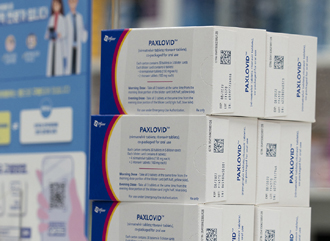
- COVID-19 drug Paxlovid’s price likely to be based on Japan
- by Lee, Tak-Sun Sep 06, 2024 05:48am
- The insurance ceiling price of Pfizer's COVID-19 drug Paxlovid is likely to be set at around KRW 900,000 in Korea. This is similar to its price in Japan. Japan is said to have the lowest price for Paxlovid among the A8 countries. According to industry sources on the 4th, Paxlovid passed the Drug Reimbursement Evaluation Committee (DREC) on the 29th of last month after undergoing economic evaluation. The drug will be registered for health insurance reimbursement benefits after the company negotiates the drug price with the National Health Insurance Service. The key is its price. DREC reportedly deliberated on a price in the KRW 1 million range and approved the drug’s reimbursement as adequate. However, the NHIS is expected to focus on lowering the price further through negotiations, and the final price is likely to be around KRW 900,000. In Japan, which has the lowest price among the A8 countries, 1 set (5-day supply) of Paxlovid is reportedly priced at JPY 99,027. At the current exchange rate, that's about KRW 920,000. It is analyzed that the price, which was initially in the KRW 1 million range, has dropped to KRW 920,000 upon Japan’s yen falling. The NHIS is also expected to negotiate Korea’s drug prices based on Japan’s prices. However, timing is of issue. The NHIS only has about 20 days to negotiate to meet the October deadline set by the Ministry of Health and Welfare. Add to that the Chuseok holiday and the NHIS negotiation team will be under much pressure to lower the price and complete the registration process quickly. Currently, the government purchases the drug, and patients pay KRW 50,000 for the drug. If it is listed for reimbursement at KRW 1 million, at the current co-payment rate of 30%, patients will have to pay KRW 300,000. If this happens, the patients’ out-of-pocket expenses will skyrocket, which will cause a public backlash. This is why the government is pushing to lower the co-insurance rate. On the 3rd, the Ministry of Health and Welfare announced a proposed amendment to the Enforcement Decree of the National Health Insurance Act to reduce the co-insurance rate for patients with infectious diseases. Accordingly, the drug pricing negotiations and the adjustment of the co-insurance rate for Paxlovid will be conducted simultaneously this month. This will determine the final price paid by the patients. “Looking back at the past drug pricing negotiations, I think the price of Paxlovid will be adjusted to a level lower than the price accepted by DREC during the HIRA negotiations,” said a pharmaceutical industry insider, “but unlike the government, Pfizer is not in a hurry, so the NHIS will have a lot to worry about.”

- Company
- K-made new anti-cancer drugs to unveil at conference
- by Son, Hyung-Min Sep 06, 2024 05:48am
- South Korea-based pharmaceutical and biotech companies will unveil their clinical results at the European Society for Medical Oncology (ESMO) Congress (ESMO 2024), which will be held for four days from September 13th. Korean pharmaceutical and biotech industry will unveil their positive clinical trial results at the world's largest cancer conference. The clinical outcomes of various new drug candidates from the South Korea-based pharmaceutical and biotech companies will be presented at the European Society for Medical Oncology (ESMO) Congress (ESMO 2024), which will be held for four days from September 13th. ESMO is one of the three renowned cancer associations, next to the American Association for Cancer Research (AACR) and the American Society of Clinical Oncology (ASCO). Rivoceranib demonstrated effectiveness in various solid cancers HLB group will unveil research outcomes for its targeted therapy Rivoceranib for various cancers, including liver cancer, cholangiocarcinoma, esophageal cancer, melanoma, thyroid cancer, and ovarian cancer. According to industry sources on September 5th, during ESMO 2024, HLB group will unveil research outcomes for its targeted therapy Rivoceranib for various cancers, including liver cancer, cholangiocarcinoma, esophageal cancer, melanoma, thyroid cancer, and ovarian cancer. HLB group and Jiangsu Hengrui Pharmaceuticals are evaluating the clinical efficacy of the combination of Rivoceranib, a vascular endothelial growth factor receptor-2 (VEGFR2) inhibitor, and camrelizumab, an immune checkpoint inhibitor. In May, the companies applied for U.S. Food and Drug Administration (FDA) approval for Rivoceranib in combination with camrelizumab, a PD-1 immune checkpoint inhibitor, as a new drug for liver cancer. However, they received a complete response letter (CRL) request. In liver cancer, Rivoceranib plus camrelizumab recorded the final overall survival (OS) of 23.8 months, which was most prolonged result among other competing drugs. During ESMO 2024, the companies will unveil additional analysis on quality-of-life improvement of the combination therapy in patients with liver cancer. HLB group and Jiangsu Hengrui Pharmaceuticals will also unveil the positive results of the combination therapy for various solid cancers, including cholangiocarcinoma and thyroid cancer. The results from the clinical trial involving 28 patients with cholangiocarcinoma showed that patients treated with Rivoceranib plus camrelizumab combination therapy had a median OS of 12.8 months and a progression-free survival (PFS) of 6.3 months. They confirmed twice more prolonged survival than the average 6-7 months for non-operable patients. Patients treated with Rivoceranib plus camrelizumab combination therapy had a 50% objective response rate (ORR). The results of the Rivoceranib monotherapy for thyroid cancer will be presented. According to the clinical results to date, 13 patients with thyroid cancer who have taken Rivoceranib showed an ORR of 53.8% in perioperative adjuvant therapy. Disease control rate (DC) showing cancer that is maintained without reduction or enlargement were observed in all patients. Post-surgical results following Rivoceranib monotherapy showed 84.6% complete resection, where the remaining cancer cells are no longer detected. During ESMO 2024, HLB group will also unveil the final clinical results of the Rivoceranib plus camrelizumab combination therapy used as adjuvant therapy for patients with esophageal cancer. Studies for potential drugs with various mechanisms of actions, immune checkpoint inhibitors·CAR-T, are underway TiumBio, ABION BIO, and Eutilex will present the clinical trial results of new drug candidates with various mechanisms of action, such as immune checkpoint inhibitors and chimeric antigen receptor-T cell (CAR-T) therapies. During the conference, TiumBio will unveil the additional results of the Phase 1b trial for TU2218, an immune checkpoint inhibitor candidate, in combination with MSD's immune checkpoint inhibitor Keytruda. The results to be disclosed will include the safety data of the combination therapy and the anti-tumor responses of patients with advanced solid cancers. TU2218 blocks pathways of transforming growth factor beta (TGF-ß) and vascular endothelial growth factor (VEGF), which are known to hinder cancer immunotherapy activation. TU2218's mechanism maximizes the efficacy of cancer immunotherapy. TiumBio is conducting a Phase1b trial in three clinical institutes in the United States to evaluate the efficacy and safety of TU2218 in combination with Keytruda in patients with advanced solid tumors. During the Phase 1b trial, TiumBio confirmed partial response (PR) from two patients and stable disease (SD) from three patients out of five patients who are evaluable for efficacy. Also, TU2218 showed an ORR of 40% and a disease control rate (DCR) of 100%. ABION BIO will unveil the clinical results of vabametkib, a candidate product for targeted treatment of non-small cell lung cancer (NSCLC). Vabametkib targets NSCLC's c-MET mutations. C-MET is one of the proteins transmitting a signal to cells expressing the MET (MNNG HOS transforming gene) gene. It is considered a cancer-causing gene. This gene is associated with various solid cancers, including lung cancer, colorectal cancer, gastric cancer, and liver cancer. C-MET mutations are known to occur in 6% of all NSCLC patients. Based on the clinical results, treating vabametkib in patients with c-MET mutation NSCLC who failed prior therapy had an ORR of 52.9%. Patients who had not received prior treatment had an ORR of 75%. Eutilex will participate in a poster session, presenting the clinical results of its CAR-T candidate EU307 for patients with liver cancer. EU307 is a CAR-T treatment targeting GPC3, which is abnormally overexpressed in liver cancer cells without affecting healthy cells. EU307 has been designed to raise the CART-T function by inhibiting the immune-related cytokine, 'interleukin (IL)-18,' and to improve the tumor microenvironment (TME). The TME blocks immune cells from entering tissues located near cancers, inhibits cancer metastasis, and improves survival. EU307's clinical trial was designed as Phase 1, a dose-escalation multi-center approach to evaluate the safety, tolerability, pharmacokinetics (PK), pharmacodynamics (PD), and anti-tumor activity. The study participants included 'patients with GPC3-positive advanced liver cancer who failed the standard therapy.'
- Company
- Padcev’s reimb complex due to considerations
- by Hwang, Byung-woo Sep 05, 2024 05:52am
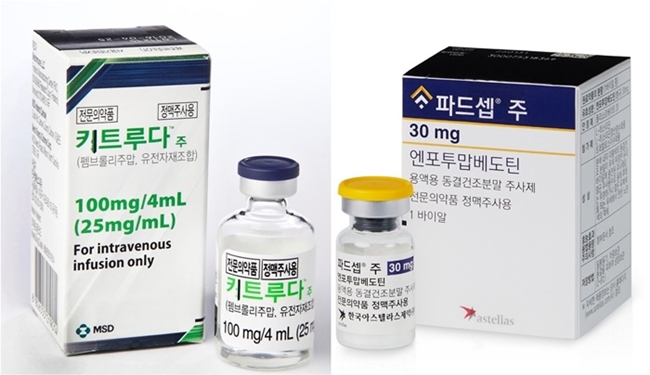
- Astellas Pharma Korea is continuing complex calculations for health insurance reimbursement listing of its metastatic urothelial cell carcinoma drug Padcev (enfortumab vedotin) in Korea. The reimbursement is being discussed for the second-line monotherapy indication, which was first approved. However, as the company is seeking reimbursement for the potentially high-impact Keytruda+Padcev combination therapy, more factors remain in need of consideration. (From the left)Keytruda, Padcev According to industry sources, Astellas Pharma Korea is planning to file a reimbursement application for the Keytruda+Padcev combination therapy as a first-line treatment for urothelial cancer later this year. The clinical value of the combination is unquestionable, as it is already raising expectations as a treatment that will change the first-line treatment paradigm of urothelial cancer in 30 years. “Recently, a variety of innovative new drugs have emerged in urothelial cancer, and Padcev is the first new ADC drug for metastatic urothelial cancer that has settled as a new first-line standard of care option in 30 years,” said In-Keun Park, Professor of Medical Oncology at Asan Medical Center in Seoul. “The drug is driving a major shift in treatment strategy, and global guidelines recommend Padcev as the only first-line option for the treatment of urothelial cancer.” The challenge is that this paradigm-shifting option for first-line treatment of metastatic urothelial cancer is a combination therapy. The combination of Astellas' Padcev and MSD's Keytruda requires coordination between the two companies. According to industry sources, Astellas does not need MSD's consent to apply for reimbursement for the Padcev+Keytruda combination, because Astellas is only seeking reimbursement for Padcev part of the combination. This means that Astellas will have to apply for Padcev’s reimbursement in the Padcev+Keytruda combination and wait to see how the situation develops. Currently, there is no clear track for partial reimbursement of combination therapy, and further discussions will depend on whether the Health Insurance Review and Assessment Service decides to consider the benefits of the combination on a case-by-case basis and grant partial coverage, or whether it will consider reimbursing Keytruda as well. “Just as the combination therapy of Padcev+Keytruda was approved and the label was separately updated by each pharmaceutical company, the reimbursement does not need to be discussed between the companies,” said an industry insider. “The reimbursement application contains sensitive information about each company, such as the way each drug’s reimbursement is listed and the drug price, so the process needs to be done separately rather than discussed between the 2 companies.” He added, “While there is a precedent for Imfinzi, it is difficult to predict how the government will approach the Padcev+Keytruda combination.” However, in this case, MSD's willingness to reimburse its part became important because the reimbursement of only half of the combination is impractical. According to industry sources, MSD has also been having internal discussions about applying for reimbursement for the Padcev+Keytruda combination. For Astellas, the extent to which MSD is willing to focus on reimbursement in the future will serve as a variable, especially as there are concurrent reimbursement applications for Keytruda monotherapy in progress other than the one for the Padcev+Keytruda combination. Drug price negotiations and other variables remain for Padcev’s pending second-line reimbursement Another concern for Astellas is the delay in reimbursement discussions for Padcev’s reimbursement in the second line. Padcev passed HIRA’s Cancer Disease Review Committee in February but was unable to cross the threshold of the Drug Reimbursement Evaluation Committee, due to DREC’s request for supplementary data. In addition, even if the drug passes DREC review in the future, it will take more time for the drug to be added to the reimbursement list due to drug price negotiations. As the insurance drug price set for the second line could serve as a reference point when the company seeks to extend the drug’s coverage to first-line treatment, the government and the company may have different views at the drug price negotiation stage. One thing to look forward to is that Padcev qualifies as an innovative new drug in Korea. Recently, HIRA established a new flexible ICER threshold for innovative new drugs. “Since (the combination therapy) is a new type of reimbursement model, we are internally discussing which method will be the fastest and most effective,” said Kyung-ah Park, Director of Medical Affairs at Astellas Korea. “We see it as our responsibility to reimburse Padcev and are actively working on it, and as Padcev meets the three criteria as a Korean innovative new drug, we plan to improve access through reimbursement as soon as possible.
- Company
- Will Imfinzi pass CDDC review with biliary tract cancer data
- by Moon, sung-ho Sep 05, 2024 05:52am
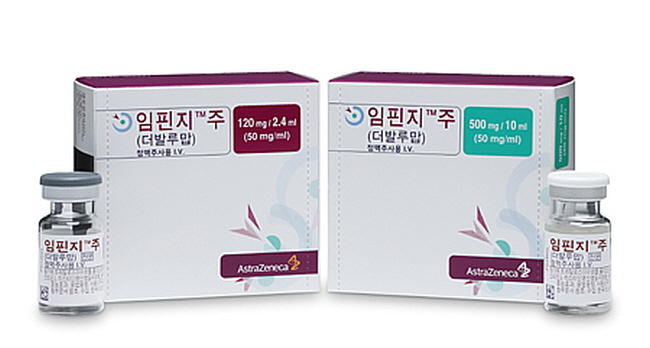
- Biliary tract cancer is known to have the highest mortality and incidence rates in Korea in the world. It is also one of the most difficult cancers to treat in Korea due to the limited options, or ‘weapons’ available to doctors in practice. However, immuno-oncology drugs are being approved for the first-line treatment of biliary tract cancer and are emerging as an alternative in the field. As a result, the issue of ‘reimbursement’, which remains the biggest obstacle to the utilization of such treatment, is emerging as an issue. Attention is focused on whether Imfinzi, which the company planning to reapply for reimbursement this year, will be able to overcome this hurdle. According to industry sources on the 2nd, AstraZeneca recently filed an application with the Health Insurance Review and Assessment Service’s Cancer Disease Deliberation Committee to review the reimbursement of the Imfinzi (durvalumab)-GemCis combination as a first-line treatment for biliary tract cancer. Imfinzi was approved for the first-line treatment of biliary tract cancer in Korea last year and is currently being used without reimbursement in practice. Ever since the indication was approved, AstraZeneca has been applying for reimbursement, but only the GemCis therapy part has been granted reimbursement. This is because the government has set Imfinzi’s use as ‘non-reimbursed’ because reimbursing the entire Imfinzi-GemCis combination as a first-line treatment of biliary tract cancer would require significant additional health insurance funding. Amid such background, MSD's Keytruda (pembrolizumab) also entered the biliary tract cancer market, securing domestic marketing authorization and entering competition in the field. Among these, the European Society for Medical Oncology (ESMO) recently released guidelines that highly evaluated Imfinzi’s adequacy for reimbursement. This is the first global recognition of the need for Imfinzi’s reimbursement in the face of the CDDC review. Specifically, ESMO published The Pan-Asian Guidelines Adaptation (PAGA) for patients with biliary tract cancer in August. This is the first Asian biliary tract cancer guideline created by ESMO, given that the disease is rare in the West but has a high prevalence in Asia. One notable part is the ESMO-Magnitude of Clinical Benefit Scale (ESMO-MCBS) scale. The ESMO-MCBS indicates the value of a new treatment option based on clinical data on a scale of 1 to 5 and can be used as a reference point for reimbursement discussions. On the guideline's scale, higher scores of 4 or 5 indicate a higher clinical benefit that warrants reimbursement. For example, in September last year, the immuno-oncology drug Opdivo, which was approved for reimbursement in the first-line treatment of Stage IV gastric cancer, received an ESMO-MCBS Grade 4. A Grade 4 drug is considered to have sufficient clinical benefit to warrant rapid reimbursement, the same as a Grade 5 drug. Accordingly, the latest ESMO-MCBS of immuno-oncology agents as a first-line treatment for biliary tract cancer rated Imfinzi as Grade 4 and Keytruda as Grade 1. Unlike in the first line, Keytruda received a higher grade of 3 as a second-line treatment of patients with MSI-H or dMMR biliary tract cancer. The difference in the grades was driven by the results of the 2 drugs' Phase III trials. Both immuno-oncology agents demonstrated significant improvements in OS in their respective Phase III studies, TOPAZ-1 and KEYNOTE-966, but only Imfinzi demonstrated significant improvements in PFS, In particular, Imfinzi demonstrated a greater OS benefit in Asian patients in the TOPAZ-1 regional sub-analysis. Upon the announcement, the clinical community has been eagerly awaiting to see if Imfinzi will be presented at HIRA’s upcoming CDDC meeting. ‘While various treatment options for gastric and lung cancers are available with reimbursement for each stage, treatments for biliary tract cancer remained non-reibmbursed for more than a decade, except for GemCis as a first-line treatment," said Myung-Ah Lee, Professor of Medical Oncology at Seoul St. Mary's Hospital. "We should consider how Imfinzi has demonstrated that it can extend the 1-year life expectancy of biliary tract cancer patients to 3 years."
- Opinion
- [Reporter’s View] Vaccine sovereignty only during epidemics
- by Son, Hyung-Min Sep 05, 2024 05:51am
- The Korea Disease Control and Prevention Agency recently announced that it will support messenger ribonucleic acid (mRNA) vaccines in preparation for the next pandemic. The government will support research and development from preclinical to Phase III trials, focusing on companies with the potential to localize mRNA vaccine platforms. Candidate companies include GC Biopharma, Samyang Holdings, and ST Pharm, which have a history of developing COVID-19 vaccines. The rapid increase in COVID-19 cases in a short period of time has raised the need for domestic vaccine development. Securing vaccine sovereignty is being discussed again following the peak of the COVID-19 pandemic from 2020 to 2022. The government has consistently claimed that it will localize COVID-19 vaccines. However, the government gradually reduced the scale of support with the easing down of the pandemic. In fact, there were vaccine candidates from the domestic pharmaceutical and biotech industry that entered Phase I, Phase II, and Phase III clinical trials, but some abandoned the development of new drugs due to high costs incurred during late-stage clinical trials. Genexine, which started COVID-19 vaccine development, abruptly discontinued its R&D in 2022 after conducting Phase II/III clinical trials. The company cited oversaturation of the market and failure to receive foreign approvals, but also cited a lack of government support. Genexine reportedly had close to KRW 10 billion in government funding. In June, Eubiologics also canceled plans for domestic clinical trials of its COVID-19 vaccine. Various domestic pharma and biotech companies, including Eyegene, ST Pharm, GenOne Life Science, Auratis, Telcon RF Pharm, and Quratis, have been working on COVID-19 vaccines, but their movement has been slow since COVID-19 turned into an endemic. 4 years have passed since the outbreak of the COVID-19 pandemic, but minimal progress has been made in the domestic vaccine development scene has been minimal. SK Bioscience's vaccine SKYCovione and Celltrion's treatment Regkirona have been developed for COVID-19, but they lack utility. SKYCovione and Regkirona are not able to respond to new COVID-19 mutations. Many infectious disease experts emphasize the need for government support for domestic companies to develop local vaccines. This is because the pharmaceutical industry has to invest a lot of money in research and development (R&D), while the expected return is small. According to the Ministry of Science and ICT, the R&D budget for infectious diseases reached KRW 438.5 billion in 2021 and KRW 508.1 billion in 2022, when COVID-19 was at its peak. However, the budget dropped to KRW 413 billion in 2023, the year the pandemic began, and did not even reach KRW 300 billion in 2024. While the budget for infectious disease R&D has declined, the cost of purchasing overseas vaccines has snowballed. The government reportedly spent more than KRW 7 trillion on overseas COVID-19 vaccine purchases from 2020 to last year. As for COVID-19 treatments, the budget for purchases this year is KRW 179.8 billion, but the rising number of patients has led to the need for additional funding. The COVID-19 drugs being procured are all new drugs produced by foreign companies. It is said that it has become difficult for the pharmaceutical industry to develop vaccines as the scale of the government’s project has shrunk and support reduced. This is in contrast to the trend overseas. The U.S. has invested KRW 41 trillion in mRNA platforms to help Pfizer and Moderna commercialize their vaccines. In China, CSPC Innovation Pharma developed an mRNA vaccine, SYS6006, in March last year and received approval from its country's health authorities. In Japan, Daiichi Sankyo also secured vaccine sovereignty in September last year with the development of its mRNA vaccine, Daiichirona. Daiichi Sankyo is continuing its research on targeting the dominant variant through its mRNA platform. The Korean government decided to support the specific field of mRNA upon the rise of confirmed COVID-19 cases. The timing is indeed a bit late, as it seems like Korea is following the steps of neighboring East Asian countries that already succeeded in developing mRNA vaccines. Couldn’t they have prepared for the next pandemic by increasing the budget in the post-pandemic stable state? Vaccine sovereignty cannot be secured by mending the barn after the horse is stolen.
- Company
- New lymphoma drug 'Columvi' reapplies for reimbursement
- by Eo, Yun-Ho Sep 05, 2024 05:51am
- Product photo of Columvi. 'Columvi,' a first-in-class bispecific antibody for lymphoma treatment, will make another attempt to be considered for reimbursement listing. According to industry sources, Roche Korea has recently submitted a reimbursement application for the CD20·CD3 bispecific antibody Diffuse Large B-Cell Lymphoma (DLBCL) treatment Columvi (glofitamab). The drug was initially considered for the Cancer Disease Review Committee of the Health Insurance Review and Assessment Service (HIRA) in July but failed to set reimbursement criteria. Whether Columvi will successfully win reimbursement listing gathers attention. Columvi was approved in December last year as a treatment for patients with relapsed or refractory DLBCL after two or more lines of previous systemic therapy. The drug is a third-line treatment like Kymriah (tisagenlecleucel), Novartis Korea's Chimeric Antigen Receptor (CAR)-T Cell therapy. Because these two drugs provide different advantages, physicians will likely choose between them, considering the patient's condition and circumstances. The efficacy of Columvi was demonstrated in the Phase 1/2 NP30179 study, which involved 155 patients with relapsed or refractory DLBCL after two or more lines of previous systemic therapy. The results showed that 40% of the patients had complete response (CR) and 52% had objective response rate (ORR) after Columvi treatment. This effect was consistent in the sub-group analysis. The most common adverse reaction was cytokine release syndrome (CRS). Additionally, the company presented the Phase 3 STARGLO study, demonstrating Columvi's effect in improving overall survival (OS), in a recently held European Hematology Association (EHA) meeting (EHA 2024), adding positive data. The STARGLO study enrolled patients with relapsed or refractory (R/R) DLBCL after two or more lines of previous systemic therapy or those who have received at least one prior line of therapy and are not candidates for autologous stem cell transplant. The primary analysis (a median follow-up of 11.3 months) showed that Columvi in combination with gemcitabine plus oxaliplatin (GemOx) reduced the risk of death by 41% than Rituxan in combination with GemOx, improving the primary endpoint OS significantly. Meanwhile, DLBCL is caused by uncontrolled growth or proliferation of 'B cells,' which play a role in keeping the body healthy, and it accounts for about 40% of all non-Hodgkin lymphoma (NHL). DLBCL is a fast-advancing and aggressive subtype, and it shows a poor prognosis with more treatments. Before Columvi became available, patients with relapsed or refractory DLBCL after two or more lines of previous systemic therapy had limited third-line treatment options that could be readily used.

- Company
- More treatment options for rheumatoid arthritis available
- by Hwang, Byung-woo Sep 05, 2024 05:51am
- "Patients with rheumatoid arthritis differ by age, duration of illness, accompanying disease, self-injection capability, risk factor for complications, and economic status. Therefore, drug selection considering an individual's condition is crucial." Rheumatoid arthritis is caused by abnormally activated immune cells attacking joints, thereby inducing inflammation and pain. If not treated early, repeated inflammation over time could result in joint deformities and loss of function. Along with improved disease awareness, physicians are provided with more treatment options that they can use. For example, Janus Kinase (JAK) inhibitors brought a paradigm shift to rheumatoid arthritis treatment. Professor Hae-Rim Kim, the Department of Rheumatology at Konkuk University School of MedicineProfessor Hae-Rim Kim, the Department of Rheumatology at Konkuk University School of Medicine, assessed that oral JAK inhibitors substantially helped solve unmet needs in clinical fields. Recently, JAK inhibitors have been used as a vital treatment option for patients with rheumatoid arthritis and ankylosing spondylitis. Kim explained, "Rheumatoid arthritis occurs when autoimmune reactions cause inflammation in the thin tissue lining of joints. As a result, damages to cartilages and bones surrounding the joints lead to loss of joint function, causing permanent dysfunctions." Kim added, "JAK inhibitors that can be orally administered and have almost similar effects now enable patients to manage arthritis effectively." However, concerns for 'safety' were raised after JAK inhibitors were reported to come with adverse cardiovascular events in 2021. At that time, the U.S. Food and Drug Administration (FDA) cautioned that JAK inhibitors have the risk of cardiac disorders and cancer. The Ministry of Food and Drug Safety (MFDS) in South Korea also distributed safety documents. Ultimately, the U.S. FDA decided to add a new black box warning to JAK inhibitors, citing major adverse cardiovascular events (MACE), thrombosis, and death. Although a causal association between the drug and adverse reactions has not been demonstrated, the safety issue of JAK inhibitors has not bee resolved. Because of this, warnings have been issued to clinical practices. Regarding this matter, Kim emphasized the individualized treatment regimem to consider each patient's condition. This means that the selection of drugs cosidering an individual's condition is crucial. Kim said, "For patients who are at high risks, such as those who are seniors, have tumors, or have cardiovascular diseases, drugs with different mechanisms of actions is considered first ahead of the use of JAK inhibitors," and added, "Because JAK inhibitors could increase the risk for infections, especially shingles, various immunizations are recommended to prevent such infections before the use of the drug. Vaccines for pneumonia, shingles, and influenza could be considered, and patients with latent tuberculosis must undergo prior treatment." "Special exemption of calculation provisions must be improved for rheumatoid arthritis" When asked if there could be system-wise improvements, Kim mentioned a 'special exemption of calculation provisions' of the National Health Insurance system. Rheumatoid arthritis is caused by autoimmune reactions of immune cells against specific proteins in the body. It is known that rheumatoid factor and anti-CCP antibodies are the leading causes of the disease. Rheumatoid factor or anti-CCP antibodies are found in 70-80% of all patients with rheumatoid arthritis. The remaining patients who do not have those factors are categorized as seropositive and seronegative rheumatoid arthritis. Previous studies have shown that seropositive rheumatoid arthritis patients tend to have more severe disease and poorer prognosis compared to seronegative patients. As a result, when 'special exemption of calculation provisions' was implemented, only seropositive patients received the benefits. In other words, seronegative patients, nearly 20% of all patients with rheumatoid arthritis, do not benefit from 'special exemption of calculation provisions.' Kim said, "Unfortunately, approximately 20% of rheumatoid arthritis patients are excluded from receiving 'special exemption of calculation provisions' for severe diseases because they test negative for rheumatoid factor and anti-CCP antibodies. As a result, the treatment costs a lot." Kim added, "There should be systemic improvements to ensure these patients are also included in the special provisions." "Currently, biological agents and targeted synthetic anti-rheumatic drugs can only be used at least six months after the first-line treatment, which limits the ability to provide early and aggressive treatment," Kim added. "There is a need to ease the reimbursement criteria for drug use based on physicians' clinical decisions." Lastly, Kim emphasized the importance of early diagnosis of rheumatoid arthritis and complications management. Kim explained, "Big differences in prognosis are reported between patients who dive into treatment after early diagnosis and those who have delayed diagnosis and treatments over two years. Individuals who have experienced unexplained small joint swelling and pain over six months are recommended to see physicians," and added, "The most common cause of death of patients with rheumatoid arthritis is surprisingly cardiovascular disease. Assessment of the risk of disease-related complications and an appropriate treatment addressing these risks are important." Lastly, Kim advised, "Patients who receive treatment earlier have a good prognosis, and drugs with different mechanisms of action are currently available, as well as drugs under development," and added, "Patients who are diagnosed with rheumatoid arthritis do not need to be afraid nor be disappointed, and I wish the best for patients to live healthy lives by seeking treatments proactively."
