
- LOGIN
- MemberShip
- 2026-06-23 02:35:49
- Policy
- Takeda receives P3T approval for TAK-861 in Korea
- by Lee, Hye-Kyung Aug 21, 2024 05:48am
- The Japanese pharmaceutical company Takeda Pharmaceuticals will enter Phase III clinical trials for TAK-861, its new drug candidate for narcolepsy, in Korea. On the 20th, the Ministry of Food and Drug Safety (MFDS) on Tuesday approved a randomized, double-blind, placebo-controlled Phase III clinical trial to evaluate the efficacy and safety of TAK-861 for the treatment of narcolepsy with cataplexy (narcolepsy type 1). The Phase III trial will be conducted at Seoul National University Hospital, St. Vincent's Hospital, and Keimyung University Dongsan Medical Center. Narcolepsy is a neurological disorder and sleep disorder characterized by episodic drowsiness during daily life. Narcolepsy is categorized into two types: Type 1 narcolepsy, which is characterized by cataplexy or a cerebrospinal fluid hypocretin level of 110 pg/mL or less; and Type 2 narcolepsy, which is characterized by a hypocretin level of 110 pg/mL or higher without cataplexy or no measure. TAK-861 is being developed for the treatment of patients with Type 1 narcolepsy, as stimulation of orexin receptor 2 in patients with Type 1 narcolepsy may restore orexin signaling by targeting the underlying pathophysiology of the disease. According to data presented by Takeda at SLEEP 2024 in June, which outlined the results of the company’s clinical trial evaluating 112 patients with type 1 narcolepsy, TAK-861 demonstrated statistically significant and clinically meaningful improvements compared to placebo in objective and subjective measures of wakefulness, including the primary endpoint, the Maintenance of Wakefulness Test (MWT) at week 8. Consistent statistically significant and clinically meaningful improvements were also observed in secondary endpoints, including the Epworth Sleepiness Scale (ESS) and Weekly Cataplexy Rate (WCR), Products available in the domestic narcolepsy treatment market include JW Pharmaceuticals' Provigil, Hanmi Pharmaceutical's Modanil, and Handok Teva's Nuvigil, all of which contain modafinil. Mitsubishi Tandabe’s Wakix is a pitolisant hydrochloride drug used for narcolepsy in adults with or without cataplexy. Wakix is the only product approved in Korea for the treatment of narcolepsy with cataplexy, which is defined as a sudden loss of muscle tone provoked by strong emotion.
- Company
- SCLC drug tarlatamab may soon be introduced in KOR
- by Eo, Yun-Ho Aug 21, 2024 05:48am
- Amgen is preparing to introduce its new small cell lung cancer drug tarlatamab in Korea. According to industry sources, Amgen Korea has submitted an application for tarlatamab, its bispecific antibody for small cell lung cancer, to the Ministry of Food and Drug Safety and is undergoing review. The drug was designated the first orphan drug of the new year in January and received accelerated approval from the U.S. FDA in May. Tarlatamab is a bispecific antibody that recognizes antigens in both tumor cells and T cells (immune cells). This allows for the drug to induce T cells to attack tumor cells even when the tumor cells try to avoid them. The drug’s efficacy was demonstrated in the Phase II DeLLphi-301 trial. The trial evaluated the efficacy of tarlatamab in patients with SCLC who had failed two or more prior lines of treatment. The patients that enrolled in the trial received tarlatamab 10 mg every two weeks. The team recruited and randomized 220 patients who had failed first-line treatment for small cell lung cancer at 56 centers in 17 countries around the world, with the goal of finding a new treatment strategy that would maximize the effectiveness of tarlatamab, which is currently under development, while maintaining patient safety. Results showed that the group of subjects who received tarlatamab 100 mg every two weeks achieved an objective response rate of 40%, with a median response duration of 9.7 months. The median overall survival was 14.3 months. The U.S. product label for tarlatamab also includes a boxed warning for neurotoxic adverse events, including cytokine release syndrome (CRS) and immune effector cell-associated neurotoxicity syndrome (ICANS). Also, the label includes warnings and precautions for cytopenias, infections, hepatotoxicity, hypersensitivity, and embryo-fetal toxicity.
- Policy
- Orphan drug 'Jaypirca' for Mantle Cell Lymphoma wins nod
- by Lee, Hye-Kyung Aug 21, 2024 05:47am
- Product photo of Lilly The BTK inhibitor Jaypirca (pirtobrutinib) has been approved in South Korea. The Ministry of Food and Drug Safety (MFDS) announced on August 19th that it approved Jaypirca, an orphan drug for treating Mantle Cell Lymphoma (MCL). Lilly Korea imports the drug. Jaypirca works by binding with Bruton's tyrosine kinase (BTK), which is involved in tumor cell proliferation, and inhibiting the BTK activation. Because the drug binds to BTK by mechanism different from existing treatments, it is expected to provide a new treatment opportunity for patients with MCL. The MFDS designated Jaypirca as the 17th Global Innovative products on Fast Track (GIFT) in September last year and quickly reviewed it to make the drug available to clinical practices. Jaypirca is garnering attention as the first irreversible BTK inhibitor, and it is to be used an alternative to reversible BTK inhibitors like 'Imbruvica (ibrutinib)' and 'Brukinsa (zanubrutinib).' After receiving expedited approval from the U.S. Food and Drug Administration (FDA) as a BTK inhibitor in January last year, Jaypirca also received expedited approval for its indication to treat Chronic lymphocytic leukemia (CLL) and small lymphocytic lymphoma (SLL) in December of the same year. In South Korea, the Phase 3 trial for patients with CLL/SLL is in progress since 2021. The Central Pharmaceutical Affairs Council (CPAC) review conducted in July decided on conditional marketing approval under the condition of submitting technical documents detailing therapeutic confirmation. Although there were reports of 0.6% deaths from fatal adverse reactions (4 cases) in the safety assessment of the Phase 2 clinical trial document, the opinion is that drug-associated adverse reactions can be managed by discontinuing the use or reducing dosage. Furthermore, the study showed that the treatment had a 57.8% tumor response rate in patients with R/R MCL who have received prior therapy, including BTK inhibitors. The drug-related adverse reactions occurred in 20.6% that are adverse reactions over Grade 3, which were commonly decreased neutrophil counts and manageable.
- Policy
- Reevaluation of foreign drug price comparisons
- by Lee, Tak-Sun Aug 21, 2024 05:47am
- HIRA President Jung-Gu Kang The Health Insurance Review and Assessment Service (HIRA) announced that drug prices will be adjusted in the second half of next year by reevaluating foreign drug price comparisons. This year, an announcement about reevaluation will be made, and the HIRA will conduct the evaluation in the first half of next year. On August 20th, President of the HIRA Jung-Gu Kang announced this during a meeting with journalists. Kang said, "We have had ten meetings so far to discuss about detailed criteria related to the reevaluation of foreign drug price comparisons with the pharmaceutical industry." Kang explained, "Based on discussions, the final plan for reevaluation will be shared with the industry when prepared." The plan for reevaluation of foreign drug price comparisons is under review after the tenth meeting on August 5th. The products to be compared in the first year include 6467 items, including gastrointestinal medications, hypertension medications, and antibiotics. The average adjusted price, excluding the highest and the lowest, from A8 countries (U.S., U.K., France, Germany, Japan, Italy, Switzerland, and Canada) will be used as the reference price. The pharmaceutical company has suggested taking a 50% reduction from the drug price reduction portion and excluding Germany and Canada, which employ reference-pricing systems. Whether the final plan would reflect the industry's opinion garners attention. Kang said, "There will be a reevalutation this year." Kang added, "After the final evaluation, drug price adjustments will be implemented in the second half of next year." He drew a line to further delays in reevaluating foreign drug price comparisons. Kang explained the new drug innovative value revisions reflected in the recent Drug Reimbursement Evaluation Committee (DREC) review on August 8th. He stated, "The risk-sharing agreement (RSA) scope has been expanded to include drugs used for severe, difficult-to-treat diseases. Additionally, when expanding the reimbursement criteria for RSA-designated drugs, if the additional claim amount is less than KRW 1.5 billion, the evaluation by the DREC can be waived, allowing for faster reimbursement processing." Additionally, "The scope and criteria for assessing 'innovativeness,' which is one of the ICER value evaluation factors, will be specified for drugs that 'cannot be substituted or have no therapeutic equivalent products or treatments available. We have also clarified the process for evaluating the clinical value of drugs receiving RSA of outcome-based and reimbursable type." In answering the maximum ICER value to be applied, Kang said, "We will consider the individual drug's nature, and the maximum price has not been set." Regarding the second round of the pilot project for concurrent approval-reimbursement evaluation-drug price negotiations, Kang explained that the selection of drugs for the second round of the pilot project would be based on careful consideration of disease severity, the availability of alternative treatments, and treatment efficacy. This process will involve discussions with the government agencies (Health Insurance Review & Assessment Service (HIRA), the Ministry of Health and Welfare (MOHW), the Ministry of Food and Drug Safety (MFDS), and the National Health Insurance Service (NHIS)), as well as consultations with experts. The first round of the pilot project included Bilberry capsule and Qarziba, which are under review for reimbursement evaluation. However, the drug price listing of Qarziba has been delayed due to receiving the non-reimbursement decision from the DREC review in August. Kang explained, "There have been achievements such as reduced supplementary periods," and added, "Although there had been variables, we will make efforts to expedite the timing of reimbursement listings through concurrent evaluations by the MFDS, the HIRA, and the NHIS." Meanwhile, the HIRA plans to strengthen the DUR service for the safe use of narcotic drugs. Information on 471 narcotic drugs has been provided already, and the HIRA has expanded the assessment of the use of propofol overuse and antidepressants beyond the specified period. Kang said, "To solve issues related to long-term administration and overdose of narcotic drugs, we plan to improve the system by asking for the reasons for prescribing and dispensing that exceed the maximum dosage or duration limits," and explained, "The DUR should be mandatory for narcotic and antidepressant drugs, and we will continue to manage these drugs to resolve drug safety issue." This implies that the HIRA will make efforts to ensure that the mandatory DUR legislation passes the National Assembly."

- Policy
- MFDS reviews COVID-19 drugs Xocova and Lagevrio
- by Lee, Hye-Kyung Aug 21, 2024 05:47am
- Amid the resurgence of the COVID-19 pandemic, The food and drug authorities in Korea have been taking steps to approve COVID-19 treatments. According to the Ministry of Food and Drug Safety (MFDS) on the 19th, the agency began reviewing Ildong Pharmaceutical's ‘Xocova’ and MSD Korea’s ‘Lagevrio,' which the companies have submitted applications for approval in Korea. “Currently, three drugs are licensed or approved for emergency use in Korea - the oral drugs 'Paxlovid' and ‘Lagevrio’ and the injectable drug ‘Veklury.’” said an MFDS official, ”and we are reviewing the applications of additional products that have applied for marketing authorization thereafter.” Paxlovid and Veklury are officially approved in Korea, while Lagevrio, which was used under the Emergency Use Authorization, is undergoing a formal approval process. In the case of Xocova, the company hasn't even been approved for emergency use, according to an MFDS official, who added, “Emergency use approval requires close communication with the Korea Disease Control and Prevention Agency due to regulations.” Xocova is an oral COVID-19 treatment co-developed by Ildong Pharmaceutical and Japan's Shionogi Pharma. The companies applied for Xocova’s domestic marketing authorization in December last year, but the application is still stuck in the review stage. In Japan, it was granted emergency approval in November 2022 and received full approval from the Ministry of Health, Labor and Welfare in March this year. Xocova is regarded to have provided improved convenience for patients as patients only need to take Xocova once daily for 5 days as a single tablet compared to other conventional treatments that are administered twice a day. Ildong Pharmaceutical completed the technology transfer and trial production of Xocova last year and will be able to proceed with production and supply once the authorities grant domestic approval. Meanwhile, the number of hospitalized COVID-19 patients increased 5.1 times from 91 in the first week of July to 465 in the fourth week, according to data submitted by KDCA to the office of Representative Ye-ji Kim of the People's Power Party. Also, the weekly usage of COVID-19 drugs increased about 32 times from 1,272 doses in the fourth week of June to over 42,000 doses in the fifth week of July. However, as of the 9th, only 70,557 doses of COVID-19 treatments - 41,790 doses of Lagevrio and 28,767 doses of Paxlovid - were available in stock in Korea.
- Company
- Celltrion Pharm announces vision to become ‘Top 5'
- by Kim, Jin-Gu Aug 20, 2024 06:34am
- On the 19th, Celltrion Pharm announced its 'Vision 2030,’ which outlines the company’s vision to become one of the top five pharmaceutical companies in Korea by 2030. Until recently, Celltrion Pharm was promoting a merger with Celltrion, but the plan was reviewed again due to shareholder opposition, upon which the final decision was made not to merge on the 16th. Vision 2030 is the first mid- to long-term established for Celltrion Pharm since the cancellation of the merger. In Vision 2030, Celltrion Pharm presented detailed projects for each of the following sectors: ▲manufacturing, ▲R&D, and ▲sales as a comprehensive pharmaceutical company that manufactures and sells chemical and biological drugs. In manufacturing, the company will expand its production capacity around its core facility, its Cheongju Plant. The Cheongju plant is the company’s core production base for chemical drugs and has obtained GMP certification from international organizations including the United States, Europe, Japan, and Brazil. It also has an annual production capacity of 16 million prefilled syringes (PFS). The company plans to accelerate its growth by gradually increasing the proportion of PFS-type biopharmaceuticals that the company has started full-scale commercial production this year. To preemptively respond to the rapidly growing demand for PFS formulations, the company plans to build an additional production line utilizing its 13,500㎡ spare lands at its Cheongju plant. Upon completion of the expansion, the company’s production capacity will increase up to threefold. The company is also planning to expand its global CMO business. In the R&D sector, Celltrion Pharm plans to strengthen its capabilities by adding specialized personnel and developing ADC (antibody-drug conjugate) anticancer drugs and new drug platform technologies in earnest. To this end, Celltrion Pharm raised the status of its R&D organization in Cheongju last year to report directly to the CEO. It also expanded and reorganized the organization and relocated it to the Songdo Global Biotech Research Center in Songdo, Incheon. Through the reorganizations, Celltrion Pharm plans to become a drug development company that develops not only new drug platform technologies but also innovative new drugs to increase sales by licensing out technologies. In sales, the company will actively expand the range of its chemical and biological drug products. It plans to significantly expand the production of its biosimilar products, from the 6 it currently produces, including Celltrion's 'Remsima' and ‘Yuflyma,’ to a total of 22 products by 2030. The launch of its autoimmune disease treatment 'Stekima', eye disease treatment ‘Eydenzelt,’ and allergic asthma treatment ‘Omlyclo,’ which have received domestic approval, is also imminent. In the case of chemical drugs, the company's strategy is to secure additional high-value-added products through in-house development and active licensing-in activities and to expand its product portfolio to gain differentiated competitiveness. An official from Celltrion Pharm said, “We have achieved about twofold growth in sales over the past 5 years with even growth across all our business segments. As a comprehensive pharmaceutical company with a diversified portfolio and sales structure, we aim to continue this growth trend and do our best to achieve our goal of becoming one of the top five domestic companies by 2030.”
- Company
- 'Trodelvy' approved for prescription at general hospitals
- by Eo, Yun-Ho Aug 20, 2024 06:34am
- Product photo of Gilead Science Korea 'Trodelvy,' still not covered by reimbursement, has now been quickly approved for prescription in general hospitals. Sources said that Gilead Science Korea's Trodelvy (sacituzumab govitecan), a treatment for triple-negative breast cancer (TNBC), has cleared drug committees (DC) of 'Big 5' tertiary general hospitals, including Samsung Medical Center, Seoul National University Hospital, Seoul St. Mary's Hospital, Seoul Asan Medical Center, and Severance Hospital in Sinchon, and 34 medical centers nationwide. Although not covered by reimbursement, it has been approved for prescription at all medical centers with a prescription code issued. More prescriptions are anticipated if it succeeds in listing for insurance reimbursement. However, the reimbursement process for Trodelvy has not progressed since clearing the Cancer Disease Review Committee of the Health Insurance Review and Assessment Service (HIRA) in November last year. It was expected that Trodelvy would be considered for the Drug Reimbursement Evaluation Committee (DREC) review this month, but it was not. The upcoming DREC review is scheduled to be on September 5th. It is to be watched whether the first Trop-2 targeting Antibody-Drug Conjugate (ADC), Trodelvy, is to be considered for reimbursement listing. Triple-negative breast cancer is an aggressive form among breast cancer types that is more likely to recur and metastasize. Patients with triple-negative breast cancer who have progressed metastasis despite undergoing chemotherapy have a life expectancy of several months. However, chemotherapy has been used as the standard therapy for a long time because an effective method to target cancer cells has not been discovered. The current guidelines in the United States and Europe recommend Trodelvy as a priority treatment for patients with metastatic triple-negative breast cancer who have a treatment history. According to the Phase 3 study, patients treated with Trodelvy had an overall survival of 11.8 months, close to a year, whereas patients undergoing chemotherapy had 6.9 months. Furthermore, Trodelvy has been shown to be effective in regulating symptoms and pains associated with cancer and improving overall well-being, thereby improving patients' quality of life. Trodelvy received the highest score of 5 on the ESMO-MCBS, a value-evaluation tool for anticancer medicines rated by the European Society for Medical Oncology (ESMO). Drugs with Score of 5 are indicated to not only extend patient survival but also be effective in improving quality of life. Trodelvy is the only drug to receive a Score of 5 among triple-negative breast cancer treatments. In South Korea, several petitions requesting reimbursement listing of Trodelvy were posted on the website, and over 100,000 people agreed to the petition. However, despite these efforts by patients and caretakers, the petition was ended due to the session ending of the 21st National Assembly. Accordingly, the Korea Alliance of Patients Organization has submitted a statement to the Ministry of Health and Welfare (MOHW) requesting reimbursement review to be made quickly for drugs with high patient demand, such as Trodelvy, in May. Meanwhile, in the United Kingdom, Trodelvy was granted a preferential status on a cost-effectiveness analysis based on extending survival of the patient group, a population less than rare disease, who have a life expectancy of less than two years. As a result, it was approved for reimbursement after receiving a twofold higher incremental cost-effectiveness ratio (ICER) than other drugs.
- Company
- Reimb remains an issue despite broadened options for UC
- by Moon, sung-ho Aug 20, 2024 06:34am
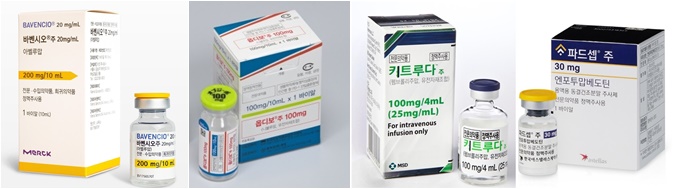
- Urothelial carcinoma, which is a type of bladder cancer, accounts for 90% of all bladder cancers and is considered a typical cancer type in the field. However, unlike other cancers like lung and breast cancer, where the standard of care changes quickly with the introduction of new drugs, UC has remained a barren area for decades, leaving a large unmet need for first-line treatment options. For the past 30 years, platinum-based chemotherapy has remained the first-line standard of care for UC. # Recently, new drugs, including immuno-oncology drugs and antibody-drug conjugates (ADCs), have been introduced for UC in Korea, shifting the treatment paradigm. However, until the health insurance reimbursement issue is resolved, their active use on-site seems unlikely. According to the medical and pharmaceutical industries on the 16th, platinum-based chemotherapy using gemcitabine, cisplatin, carboplatin, etc. had been used as a first-line treatment for UC. However, the median overall survival (OS) was only 12-15 months with their use due to toxicity, with patients often having to take a drug holiday from chemotherapy after 3-4 months of treatment, and disease progressing around 6-9 months after initiation. However, in the past year or two, the treatment paradigm for UC has been rapidly shifted with global pharmaceutical companies introducing treatments based on clinical research to Korea. One of the first treatments to receive attention is Merck's immuno-oncology drug Bavencio (avelumab). Bavencio is a fully human monoclonal antibody specific for PD-L1 and has demonstrated prolonged survival as a first-line maintenance therapy for UC. Since August last year, its use as first-line monotherapy has been reimbursed by Korea’s health insurance and is being used in practice. Bavencio’s efficacy was confirmed through the long-term follow-up Phase III JAVELIN Bladder 100 trial, which involved 700 patients with locally advanced or metastatic urothelial cancer in 29 countries, including Korea, for over 38 months. The trial results showed a median OS of 29.7 months with Bavencio+maintenance therapy. This is over 9 months longer than the 20.5 months found in the maintenance monotherapy arm. In July this year, the combination of the ADC cancer drug Padcev (enfortumab vedotin, Astellas) and the immuno-oncology drug Keytruda (pembrolizumab, MSD) was approved in Korea, marking another shift in the first-line UC treatment paradigm. The Phase III EV-302/KEYNOTE-A39 trial, which became the basis of its approval, showed a median OS of 31.5 months in the Padcev+Keytruda arm compared to 16.1 months in the control arm, which was a significant difference. Median progression-free survival (PFS) was 12.5 months in the Padcev+Keytruda arm versus 6.3 months in the control arm Around the same time the Padcev+Keytruda combination was approved, BMS and Ono Pharmaceutical’s immuno-oncology drug Opdivo (nivolumab) received approval in Korea as the first-line treatment for UC as well. The approval was based on results from the CheckMate 901 trial, which evaluated Opdivo versus the standard of care gemcitabine+cisplatin (GemCis) in 608 patients with metastatic UC. Results showed that at a median follow-up of 36 months, the primary endpoint, median OS, was 21.7 months with the addition of Opdivo versus 18.9 months in the control arm, resulting in improved treatment outcomes. The treatment paradigm for UC, which had remained unchanged for 30 years, has changed dramatically in the past 1-2 years after 30 years of unchanged treatment. Based on the results of the study, Padcev+Keytruda is expected to rise to the forefront among first-line treatment options on-site. “Based on the efficacy seen in the studies, the Padcev+Keytruda combination would be my first choice,” said In-Keun Park, Professor of Medical Oncology at Asan Medical Center in Seoul. ”The Opdivo+GemCis combination that has been approved at a similar period, has proven to be less effective. Also, we need to consider the availability of the cisplatin option and utilize drugs with caution, so I would consider using the Opdivo+GemCis option for patients with uncontrolled diabetes.” “The currently reimbursed Bavencio has fewer side effects and proven efficacy, but is indicated for patients who have not progressed after receiving platinum-based chemotherapy as a first-line treatment,” explained Professor Park. ”If Padcev+Keytruda or Opdivo+GemCis becomes a common first-line treatment option, Bavencio may lose more ground.” Now that the first-line treatment options for UC have been approved in Korea, attention is now focused on how quickly they will be available on-site. As Bavencio is covered as a maintenance therapy for first-line urothelial cancer, the industry is eyeing whether the Padcev+Keytruda combination will also be granted reimbursement. However, the Padcev+Keytruda combination presents a dilemma for pharmaceutical companies. This is because 2 different companies - Astellas and MSD - own the drugs that are included in the combination. In order for a combination therapy to be reimbursed, both companies must apply for reimbursement and participate in the process for the agenda to be discussed with the government. However, it is currently difficult for such discussions to take place due to the headquarters policies of global pharmaceutical companies and the possibility that discussions with other pharmaceutical companies may be judged as 'collusion' under domestic and international fair trade laws. In other words, both pharmaceutical companies must separately apply for reimbursement. If one of the companies is not interested in applying for reimbursement, reimbursement of the combination therapy is effectively off the table. This is the case for Padcev+Keytruda, and Astellas and MSD are known to be separately reviewing the need for reimbursement. However, the 2 companies are doing so at their discretion, as discussions between them could be regarded as collusion. As a result, the pharmaceutical industry has recently called for the need to establish regulations in the health insurance reimbursement process to address the combination therapy research being conducted between pharmaceutical companies. In other words, the industry has pointed out that a system needs to be established so that if one of the combination therapy developers applies for reimbursement, government agencies such as HIRA can notify the other companies so that the other companies can decide whether to participate in the reimbursement application process. A pharmaceutical industry official said, “If the developers of drugs used as combination therapies are different companies, the Fair Trade Act forbids the companies from discussing insurance reimbursement and insurance prices on their own. It is difficult for the government to proceed with the reimbursement process if one of the drug developers applies for health insurance benefits and the other does not show any willingness for its drug’s reimbursement.” This is why the industry sees it difficult for combination therapies to be applied reimbursement benefits. “Even though the number of first-line treatment options for UC has increased, it is difficult to actively utilize them on-site unless the cost issue is resolved,” said a professor of oncology at a tertiary hospital. ”It takes longer for combination therapies to be reimbursed. It may even be impossible if two separate pharmaceutical companies need to receive reimbursement together for one combination therapy regimen.”
- Company
- K-Pharma focuses on developing CAR-NK cell therapies
- by Son, Hyung-Min Aug 20, 2024 06:34am
- Korean biopharmaceutical industry speeds up the development of chimeric antigen receptor (CAR)-NK cell therapy. GC Cell has recently entered the Phase 1 clinical trial in South Korea. Companies are collaborating on developing CAR-NK therapies through joint-research agreements: GI Cell and Y-Biologics and TS Bio and Maru Therapeutics. NKMAX has confirmed the potential of its candidate in a preclinical study. According to industry sources on August 19th, GC Cell received approval of Investigational New Drug (IND) application from the Ministry of Food and Drug Safety (MFDS) for a Phase 1 clinical trial of its CAR-NK therapy 'GCC2005' on August 14th. GCC2005, an allogeneic cell therapy utilizing NK cells derived from umbilical cord blood, targets CD5, which is highly expressed in T-cell lymphoma. CD5 is a biomarker highly expressed in many T-cell lymphoma subtypes. GCC2005 is a CAR-NK cell therapy designed to co-express CAR and interleukin (IL)-15, improving the short persistence of existing NK cells and enhancing efficacy. GC cell developed a technology to mass culture high-purity and highly active NK cells from a small quantity of umbilical cord. CAR-NK, an allogeneic therapy, has the advantage of improving side effects compared to existing CAR-T therapies. CAR-T induces cytokines, such as interleukins associated with neurotoxicity, whereas activated NK cells generally produce interferon-gamma (IFN-γ) and granulocyte-macrophage colony stimulating factor (GM-CSF). Accordingly, CAR-NK is less likely to cause cytokine release syndrome (CRS) or neurotoxicity. GC2005 demonstrated anticancer effects in various in vivo CD5+ T-ALL models (RPMI-8402, CCRF-CEM). GCC2005 showed a higher survival rate and tumor-suppressive efficacy than a vehicle. Additionally, GC Cell is developing the CAR-NK cell therapy 'AB-201' with the U.S. affiliate company Artiva. AB-201 targets solid cancers, including HER2-overexpressed breast cancer and gastric cancer. In 2022, Artiva received IND approval from the U.S. Food and Drug Administration (FDA) for Phase 1/2 trials of its AB-201. Then, in December last year, GC Cell received IND approval from the MFDS and Australia's Human Research Ethics Committees (HREC) for a Phase 1 trial of AB-201. GC Cell and its U.S. affiliate company Artiva is developing CAR-NK therapies (photo source=Artiva). NKMAX is developing a CAR-NK candidate product, HER2 CAR-SNK02. NKMAX's HER2 CAR-SNK02 comprises HER2 gene targeting CAR and a cytokine that prolongs survival and activation of NK cells in the body, which is then stored by cryo freezing. Based on a preclinical study recently disclosed by NKMAX, HER2 CAR-SNK02 was confirmed to survive in vivo and exert anticancer effects in a mouse model engrafted with human gastric cancer cells. Collaborative research to co-develop CAR-NK therapies Korean biopharmaceutical companies are conducting collaborative research to develop CAR-NK therapies. GI Cell, an affiliate of GI Innovation, and Y-Biologics have signed a collaborate research agreement last year, commencing the new CAR-NK anticancer drug development. These companies plan to develop new anticancer drugs utilizing GI Cell's CAR-NK cell development and mass cell culture technology and Y-Biologics' nanobody-based antibody discovery platform technology. GI Cell has previously completed the domestic Phase 1 trial of the NK cell therapy 'T.O.P. NK' in patients with solid cancer and blood cancer. Since GI Cell proved T.O.P. NK's tolerability and safety, it began conducting a Phase 2a trial last month. Additionally, GI Cell is conducting collaborative research with HK inno.N for CAR-NK. HK inno.N and GI Cell are jointly conducting a basic research on CAR-NK targeting seven targets. In addition to this joint research, HK inno.N is also conducting two basic research cases on its own. TiCRos has entered into a license-based collaborative research agreement with Catherics, an Australian company focusing on developing iPSC-derived CAR-NK cell therapy. Based on the agreement, the companies are developing CAR-NK therapy with improved tumor-killing effects by incorporating TiCRos' 'CLIP-CAR' on Catherics' CAR-NK therapy. TiCRos will manufacture a CLIP-CAR targeting an antigen designated by Catherics. Catherics will incorporate this into iPSC-derived NK cells and evaluate the function in vitro and in vivo. TS Bio has been conducting joint research with Maru Therapeutics for CAR-NK cell therapy since last year. Both companies plan to actively develop CAR-NK cell therapy targeting blood cancers and solid cancers through the agreement.

- Policy
- New criteria set for flexible ICER threshold evaluations
- by Lee, Tak-Sun Aug 20, 2024 06:34am
- The National Health Insurance Review and Assessment Service (HIRA) established new criteria for drugs that apply flexible ICER (incremental cost-effectiveness ratio) thresholds during the Drug Reimbursement Evaluation Committee (DREC) meeting that was held on the 8th. The previous criteria only stipulated that a flexible ICER threshold could be applied, but specifics were established. this time. In February, DREC recognized reimbursement adequate for the breast and stomach cancer drug Enhertu (trastuzumab deruxtecan, Daiichi Sankyo Korea) by flexibly applying the ICER threshold. On the 8th, HIRA disclosed the "Criteria for detailed evaluation of drugs subject to negotiation, such as new drugs" which was newly amended based on DREC deliberations. The amendments include ▲ New criteria for flexible ICER threshold evaluation; ▲ Addition of severe diseases to the risk-sharing agreement scheme; ▲ Omission of the Drug Evaluation Committee review when expanding the reimbursement range of RSA drugs that claim less than KRW 1.5 billion; ▲ New conditions that require submission of clinical evidence such as RWD and RWE when renewing RSA schemes. ◆ New criteria for flexible ICER threshold evaluation=The existing regulations only stipulated that the ICER threshold “need not be explicit, and can be flexibly applied with regards to the results of previous deliberations in consideration of the severity of the disease, the burden of disease on society, the impact on quality of life, and innovativeness.” In the amendment, the 'innovativeness' requirement has been specifically established for the flexible evaluation of new drugs. A new drug is regarded as ‘innovative’ when it satisfies all of the following criteria: ▲ there is no substitutable or therapeutically equivalent product or treatment ▲ has shown significant clinical improvement, such as prolonged survival, is recognized in the final outcome, ▲is a new drug is approved by the MFDS under Article 35(4)(2) of the Pharmaceutical Affairs Act through expedited review or is recognized as equivalent by the committee. ◆ Addition of severe diseases to the risk-sharing agreement scheme = In principle, anti-cancer drugs or rare disease drugs were subject to RSA. However, the previous regulation had allowed drugs that are not necessarily anti-cancer or rare disease drugs to be applied to RSA if the committee recognizes the drugs as equivalent. However, the amended regulations clarified the ‘equivalent disease’ condition. The amendment stipulates that an ‘equivalent disease’ to a severe disease does not qualify for the currently recognized special calculations, but is difficult to cure, causes irreversible disability or organ damage due to the progression of the disease, and has a significant burden of disease. DREC had already recognized reimbursement of severe atopic dermatitis drugs like Dupixent and severe asthma drugs as reimbursable using RSA. ◆ Omission of the Drug Evaluation Committee review when expanding the reimbursement range of RSA drugs that claim less than KRW 1.5 billion = The new amendment allows RSA drugs to skip DREC review if the expanded claims amount amounts to less than KRW 1.5 billion. Specifically, if the expected additional claims of refund-type RSA drugs, excluding the mixed-type RSA drugs, is less than KRW 1.5 billion, DREC’s evaluation can be skipped and the insurance ceiling price and refund rate be re-negotiated through NHIS negotiations. ◆RWD, RWE, etc. to be submitted when RSA is renewed =The new amendment also requires drugs with a certain condition to submit RWD, RWE, etc. when renewing their RSA contract. This is in line with how Ilaris (canakinumab, Novartis Korea) was recently approved for reimbursement based on the condition of submitting prospective clinical trial data. As such, the amendment specifies that drugs that are listed under the condition of collecting clinical evidence, such as RWD and RWE, should collect and submit clinical evidence when renewing their RSA contract. On the other hand, the new amendment does not include terms for the preferential treatment of homegrown new drugs. The pharmaceutical industry had expected that the preferential treatment for domestic new drugs would be included by revising the ‘1.7. Cases where necessary in consideration of the impact on healthcare' clause of the ‘Criteria for detailed evaluation of drugs subject to negotiation, such as new drugs.’ The industry expected that preferential treatment of non-inferior new drugs and domestically developed new drugs utilizing natural products would be added in the amendment, but were not included. However, there are opinions that the condition for preferential treatment for domestic drugs may be included in other regulations.
